Search Result
Results for "
Total+cholesterol
" in MedChemExpress (MCE) Product Catalog:
1
Isotope-Labeled Compounds
| Cat. No. |
Product Name |
Target |
Research Areas |
Chemical Structure |
-
- HY-W009732
-
|
Sinapic acid
|
HDAC
Angiotensin-converting Enzyme (ACE)
Reactive Oxygen Species (ROS)
Apoptosis
|
Cardiovascular Disease
Metabolic Disease
Cancer
|
|
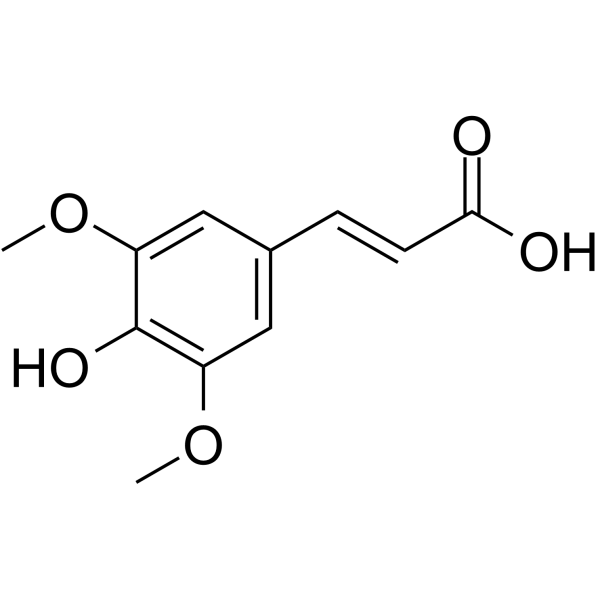
Sinapinic acid (Sinapic acid) is a phenolic compound isolated from Hydnophytum formicarum Jack. Rhizome, acts as an inhibitor of HDAC, with an IC50 of 2.27 mM , and also inhibits ACE-I activity . Sinapinic acid posssess potent anti-tumor activity, induces apoptosis of tumor cells . Sinapinic acid shows antioxidant and antidiabetic activities . Sinapinic acid reduces total cholesterol, triglyceride, and HOMA-IR index, and also normalizes some serum parameters of antioxidative abilities and oxidative damage in ovariectomized rats .
|
-
-
- HY-134124
-
|
|
Reactive Oxygen Species (ROS)
|
Metabolic Disease
|
|
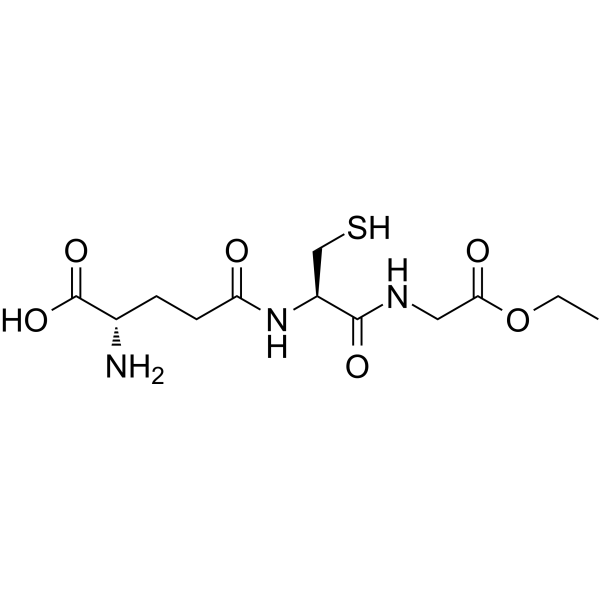
Glutathione ethyl ester is a cell-permeable GSH donor and provides an efficient supply of GSH to the oocyte. Glutathione ethyl ester shows positive effect on the in vitro production of embryos by enhancement of the antioxidative defense .
|
-
-
- HY-13995A
-
|
|
FXR
|
Metabolic Disease
Endocrinology
|
|
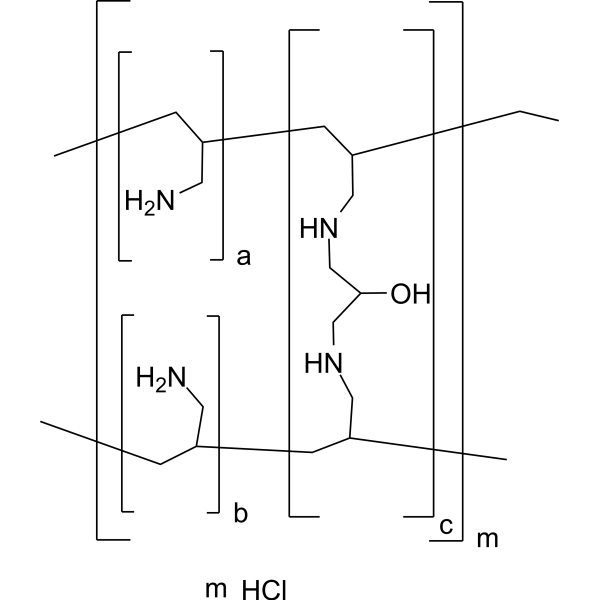
Sevelamer hydrochloride is an orally active polymeric phosphate binder and bile acid sequestrant. Sevelamer hydrochloride binds dietary phosphate in the gastrointestinal tract, reducing phosphate absorption and serum phosphorus levels, and reduces urinary phosphate excretion. Sevelamer hydrochloride binds polyanion bile acids, increases bile acid faecal excretion, and reduces total cholesterol and LDL cholesterol levels. Sevelamer hydrochloride can be used for the research of hyperphosphataemia, hyperparathyroidism, chronic renal failure, kidney disease, and type 2 diabetes .
|
-
-
- HY-B2004
-
|
|
Environmental Pollutants
Fungal
Mitochondrial Metabolism
|
Infection
|
|
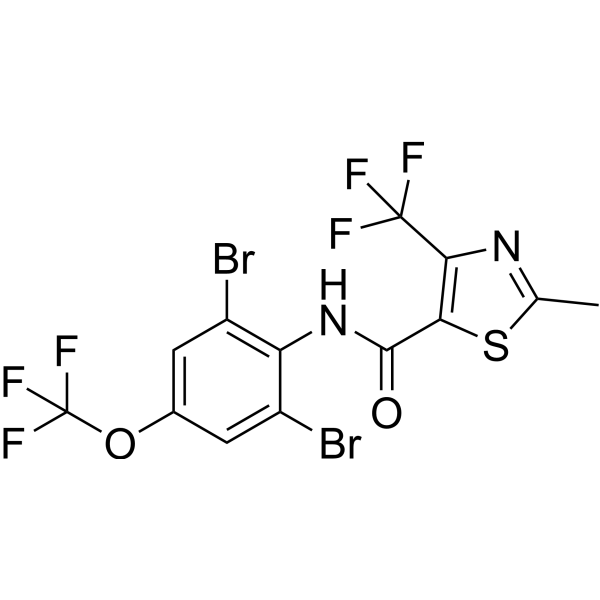
Thifluzamide is a fungicide that inhibits fungal respiration by blocking the ubiquinone-binding site in mitochondrial complex II. Thifluzamide exhibits significant activity against Basidiomycota pathogens (such as Rhizoctonia cerealis, Ustilago and Puccinia genera) and is commonly used in studies on wheat sharp eyespot. Thifluzamide displays a dual mechanism in regulating lipid metabolism: it reduces fatty acid synthase activity to inhibit endogenous fatty acid synthesis, and increases carnitine palmitoyltransferase-I activity to accelerate fatty acid β-oxidation, thereby reducing total cholesterol and triglyceride levels in the liver. Thifluzamide also induces hepatotoxicity in zebrafish models and carries a risk of developmental toxicity. Thifluzamide inhibition of Rhizoctonia cerealis may result in low to moderate levels of drug resistance, leading to the generation of stable drug-resistant mutants .
|
-
-
- HY-13995B
-
|
|
FXR
|
Metabolic Disease
Endocrinology
|
|
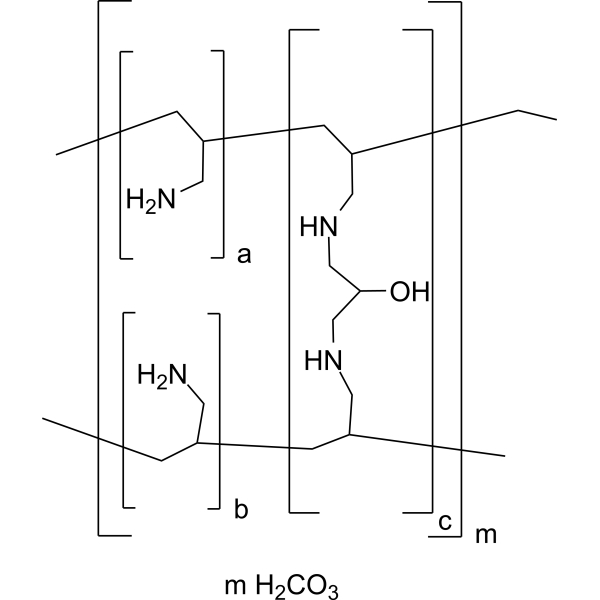
Sevelamer carbonate is an orally active polymeric phosphate binder and bile acid sequestrant. Sevelamer carbonate binds dietary phosphate in the gastrointestinal tract, reducing phosphate absorption and serum phosphorus levels, and reduces urinary phosphate excretion. Sevelamer carbonate binds polyanion bile acids, increases bile acid faecal excretion, and reduces total cholesterol and LDL cholesterol levels. Sevelamer carbonate can be used for the research of hyperphosphataemia, hyperparathyroidism, chronic renal failure, kidney disease, and type 2 diabetes .
|
-
-
- HY-W015600
-
|
Orthocetamol
|
Ferroptosis
Glutathione Peroxidase
Reactive Oxygen Species (ROS)
LDLR
|
Cardiovascular Disease
Inflammation/Immunology
|
|
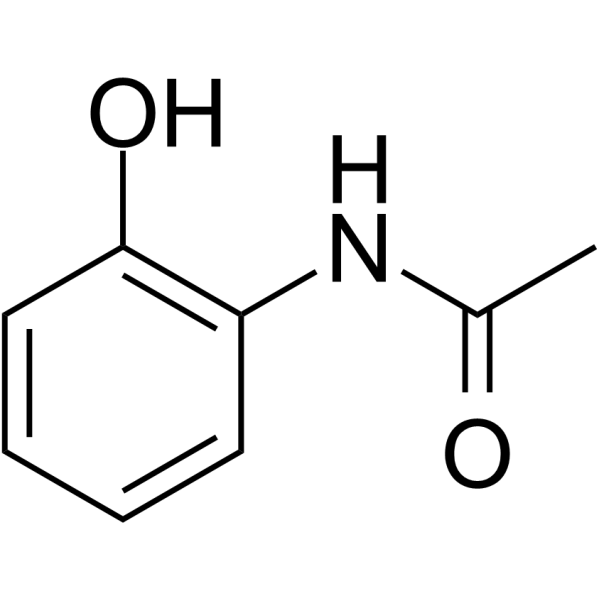
2-Acetamidophenol (Orthocetamol) is a regulator that targets ferroptosis and glutathione metabolic pathways, is the ortho-regioisomer of Paracetamol (HY-66005). 2-Acetamidophenol has anti-atherosclerotic activity, and inhibiting total cholesterol (TC) and triglyceride (TG) in a zebrafish hyperlipidemia model with IC50s for 30 μM and 40 μM, respectively. 2-Acetamidophenol upregulates the expression of glutathione synthesis-related genes (such as GCLC, GCLM, GSS) and iron ion transport genes (such as FPN1, FTH), reduces the accumulation of intracellular reactive oxygen species (ROS) and ferrous ions (Fe 2+), and enhances the activity of glutathione peroxidase GPX4, thereby inhibiting macrophage phagocytosis of oxidized low-density lipoprotein (ox-LDL) and foam cell formation .
|
-
-
- HY-168046
-
|
|
Thyroid Hormone Receptor
|
Metabolic Disease
|
|
ALG-055009 is a selective and orally active Thyroid Hormone Receptor Beta (THR-β) agonist with an EC50 of 0.063 μM. ALG-055009 binds to the T3 hormone pocket of human THR-β, forming polar interactions with protein residues. ALG-055009 can lower total cholesterol levels in rats on a high-fat diet. ALG-055009 exhibits high metabolic stability, good permeability, a long in vivo half-life, and limited drug-drug interaction liability. ALG-055009 can be used in studies related to metabolic dysfunction-associated fatty liver disease .
|
-

-
- HY-W015600R
-
|
Orthocetamol (Standard)
|
Reference Standards
Ferroptosis
Glutathione Peroxidase
Reactive Oxygen Species (ROS)
LDLR
|
Cardiovascular Disease
Inflammation/Immunology
|
|
2-Acetamidophenol (Standard) is the analytical standard of 2-Acetamidophenol. This product is intended for research and analytical applications. 2-Acetamidophenol (Orthocetamol) is a regulator that targets ferroptosis and glutathione metabolic pathways, is the ortho-regioisomer of Paracetamol (HY-66005). 2-Acetamidophenol has anti-atherosclerotic activity, and inhibiting total cholesterol (TC) and triglyceride (TG) in a zebrafish hyperlipidemia model with IC50s for 30 μM and 40 μM, respectively. 2-Acetamidophenol upregulates the expression of glutathione synthesis-related genes (such as GCLC, GCLM, GSS) and iron ion transport genes (such as FPN1, FTH), reduces the accumulation of intracellular reactive oxygen species (ROS) and ferrous ions (Fe 2+), and enhances the activity of glutathione peroxidase GPX4, thereby inhibiting macrophage phagocytosis of oxidized low-density lipoprotein (ox-LDL) and foam cell formation .
|
-

-
- HY-106380
-
|
HR 780
|
HMG-CoA Reductase (HMGCR)
|
Metabolic Disease
|
|
Glenvastatin (HR 780) is an orally active 3-hydroxy-3-methylglutaryl coenzyme A (HMG-CoA) reductase inhibitor. Glenvastatin can reduces plasma total cholesterol and phospholipid levels and liver cholesterol contents. Glenvastatin does not increase the contents of cholesterol and total bile acid in the gallbladder bile. Glenvastatin can be used for the research of hyperlipemia
|
-

-
- HY-W009732R
-
|
Sinapic acid (Standard)
|
Reference Standards
HDAC
Angiotensin-converting Enzyme (ACE)
Reactive Oxygen Species (ROS)
Apoptosis
|
Cardiovascular Disease
Metabolic Disease
Cancer
|
|
Sinapinic acid (Sinapic acid) is a phenolic compound isolated from Hydnophytum formicarum Jack. Rhizome, acts as an inhibitor of HDAC, with an IC50 of 2.27 mM , and also inhibits ACE-I activity . Sinapinic acid posssess potent anti-tumor activity, induces apoptosis of tumor cells . Sinapinic acid shows antioxidant and antidiabetic activities . Sinapinic acid reduces total cholesterol, triglyceride, and HOMA-IR index, and also normalizes some serum parameters of antioxidative abilities and oxidative damage in ovariectomized rats .
|
-

-
- HY-W015600S
-
|
Orthocetamol-d3
|
Isotope-Labeled Compounds
Ferroptosis
Glutathione Peroxidase
Reactive Oxygen Species (ROS)
LDLR
|
Cardiovascular Disease
Inflammation/Immunology
|
|
2-Acetamidophenol-d3 (Orthocetamol-d3) is the deuterium labeled 2-Acetamidophenol (HY-W015600). 2-Acetamidophenol (Orthocetamol) is a regulator that targets ferroptosis and glutathione metabolic pathways, is the ortho-regioisomer of Paracetamol (HY-66005). 2-Acetamidophenol has anti-atherosclerotic activity, and inhibiting total cholesterol (TC) and triglyceride (TG) in a zebrafish hyperlipidemia model with IC50s for 30 μM and 40 μM, respectively. 2-Acetamidophenol upregulates the expression of glutathione synthesis-related genes (such as GCLC, GCLM, GSS) and iron ion transport genes (such as FPN1, FTH), reduces the accumulation of intracellular reactive oxygen species (ROS) and ferrous ions (Fe2+), and enhances the activity of glutathione peroxidase GPX4, thereby inhibiting macrophage phagocytosis of oxidized low-density lipoprotein (ox-LDL) and foam cell formation .
|
-

-
- HY-19852
-
|
|
PPAR
|
Metabolic Disease
|
|
KRP-105 is a potent, highly selective, and orally effective PPAR alpha (EC50 = 8 nM) agonist. KRP-105 can significantly reduce serum triglyceride, total cholesterol, and non high density lipoprotein cholesterol levels. KRP-105 can be used for research on metabolic diseases such as dyslipidemia .
|
-

-
- HY-13995
-
|
|
FXR
|
Metabolic Disease
Endocrinology
|
|
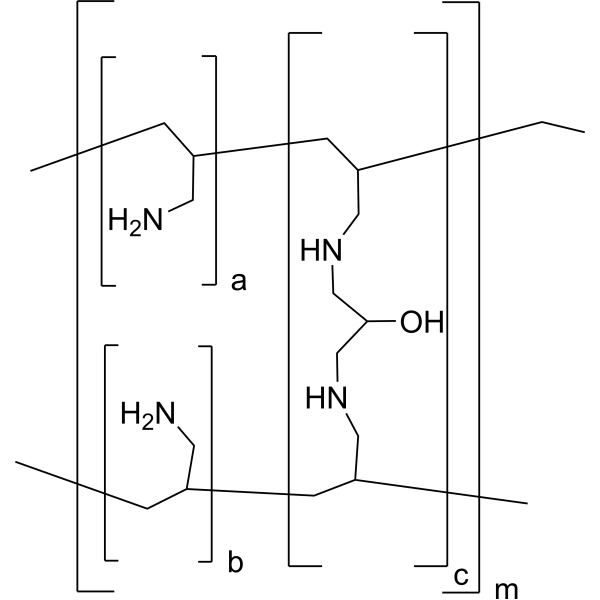
Sevelamer is an orally active polymeric phosphate binder and bile acid sequestrant. Sevelamer binds dietary phosphate in the gastrointestinal tract, reducing phosphate absorption and serum phosphorus levels, and reduces urinary phosphate excretion. Sevelamer binds polyanion bile acids, increases bile acid faecal excretion, and reduces total cholesterol and LDL cholesterol levels. Sevelamer can be used for the research of hyperphosphataemia, hyperparathyroidism, chronic renal failure, kidney disease, and type 2 diabetes .
|
-
-
- HY-106256
-
|
|
Estrogen Receptor/ERR
|
Metabolic Disease
Endocrinology
|
|
HMR-3339 is a new selective estrogen receptor modulator. HMR-3339 reduces total cholesterol, low-density lipoprotein cholesterol, and homocysteine. HMR-3339 corrects bone alterations induced by ovariectomy .
|
-

-
- HY-108744
-
|
|
HMG-CoA Reductase (HMGCR)
|
Cardiovascular Disease
|
|
Pitavastatin magnesium is an orally active HMG-CoA Reductase inhibitor. Pitavastatin magnesium lowers total cholesterol and low-density lipoprotein cholesterol in a hyperlipidemic rat model. Pitavastatin magnesium can be used in research on cardiovascular and cerebrovascular diseases such as hyperlipidemia .
|
-

-
- HY-113526
-
|
|
Drug Derivative
Endogenous Metabolite
|
Cardiovascular Disease
|
|
AR-12463 is a derivative of Trapidil (HY-B1016). AR-12463 inhibits the conversion of [14C]acetate to cholesterol. AR-12463 significantly reduces the elevation of total cholesterol in rabbit serum and prevents cholesterol incorporation into tissues. AR-12463 can be used to study atherosclerosis.
|
-

-
- HY-175676
-
|
|
Thyroid Hormone Receptor
|
Metabolic Disease
Inflammation/Immunology
|
|
THR-β agonist 10 is an orally active and selective THR-β agonist, with an EC50 of 11 nM. THR-β agonist 10 significantly reduces ALT (Alanine Aminotransferase), TC (Total Cholesterol), and LDL-C (Low-Density Lipoprotein Cholesterol) levels, and improves steatosis, ballooning, inflammation and fibrosis in the metabolic dysfunction-associated steatohepatitis (MASH) mouse model. THR-β agonist 10 can be used for the study of MASH .
|
-

-
- HY-P2424
-
-

-
- HY-176817
-
|
|
GPR109A
|
Cardiovascular Disease
Metabolic Disease
|
|
GPR109 receptor agonist-3 is an orally active GPR109 receptor agonist, with an IC50 of 310 nM.
GPR109 receptor agonist-3 retains the antioxidation and cytoprotection of Lipoic acid (HY-18733). GPR109 receptor agonist-3 reduces total cholesterol (TC), triglyceride (TG), low-density lipoprotein cholesterol (LDL-C) and increases high-density lipoprotein cholesterol (HDL-C) in high-fat diet-fed rats. GPR109 receptor agonist-3 can be used for the study of atherosclerosis .
|
-

-
- HY-101812
-
-
-
- HY-124560
-
|
|
LDLR
|
Metabolic Disease
|
|
Lifibrol is a potent and oral activity hypolipidemic agent. Lifibrol decreases the plasma total cholesterol. Lifibrol has the potential for the research of hypercholesterolemia .
|
-

-
- HY-N7729
-
|
|
Amylases
Glycosidase
|
Metabolic Disease
|
|
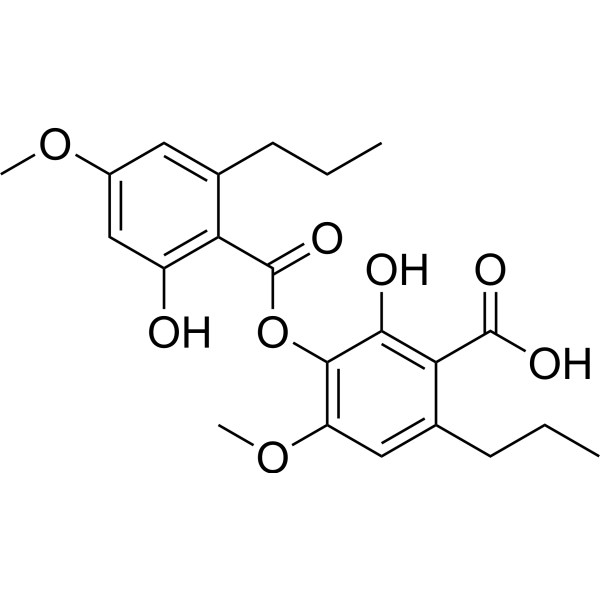
Sekikaic acid is an α-glucosidase (Glucosidase) and α-amylase (Amylases) inhibitor with hypolipidemic, antioxidant and antidiabetic activities. Sekikaic acid significantly reduces LDL, total cholesterol, and total glyceride levels and causes pancreatic beta cell regeneration .
|
-
-
- HY-P10906
-
-

-
- HY-P11455
-
|
|
Liposome
|
Others
|
|
Lipopeptide CPE4 is a PEG-modified peptide E4 [(EIAALEK) 4]. Lipopeptide CPE4 is capable of coiled-coil formation when attached to liposomes. Lipopeptide CPE4 triggers membrane fusion between liposomes and living cells with concomitant efficient cytosolic delivery of a variety of compounds such as fluorescent dyes Propidium Iodide (PI) (HY-D0815) and TO-PRO-3 iodide (HY-117070), and Doxorubicin (DOX) (HY-15142A). Lipopeptide CPE4 can be used for drug delivery research .
|
-

-
- HY-P10872
-
|
|
SARS-CoV
|
Infection
|
|
P315V3 is an pan inhibitor for coronavirus, that inhibits SARS-CoV-2 prototypePT, Delta, BA.1 and BA.4 strain with IC50s of 10.9, 8.9, 8.6, and 2.7 nM. P315V3 exhibits cytotoxicity in Vero cell with CC50 of 4.3 μM. P315V3 exhibits anti-infectious efficacy in mouse models .
|
-

-
- HY-161942
-
|
|
PCSK9
|
Metabolic Disease
|
|
PCSK9-IN-31 (Compound WX002) is an orally active PCSK9 inhibitor. PCSK9-IN-31 can lower low-density lipoprotein cholesterol (LDL-C) and total cholesterol (TC) in high cholesterol fed model rats .
|
-

-
- HY-N13235
-
|
|
Bacterial
Antibiotic
|
Cardiovascular Disease
|
|
Garlic Extract is a garlic extract, and its components include: Allicin. Garlic Extract is beneficial to cardiovascular disease and has the potential to reduce the risk of cardiovascular disease. Garlic Extract can effectively reduce total cholesterol, low-density lipoprotein levels and improve high-density lipoprotein levels. .
|
-

-
- HY-B1209R
-
|
7-(β-Hydroxyethyl)theophylline (Standard)
|
Phosphodiesterase (PDE)
Reference Standards
|
Cardiovascular Disease
|
|
Etofylline (Standard) is the analytical standard of Etofylline. This product is intended for research and analytical applications. Etofylline (7-(β-Hydroxyethyl)theophylline) is a N-7-substituted derivative of Theophylline. Etofylline is a bronchodilator which can be used for the research of asthma. Etofylline is also an anticholesteremic and reduces total cholesterol level in the blood .
|
-

-
- HY-158160
-
|
|
Sodium Channel
|
Metabolic Disease
|
|
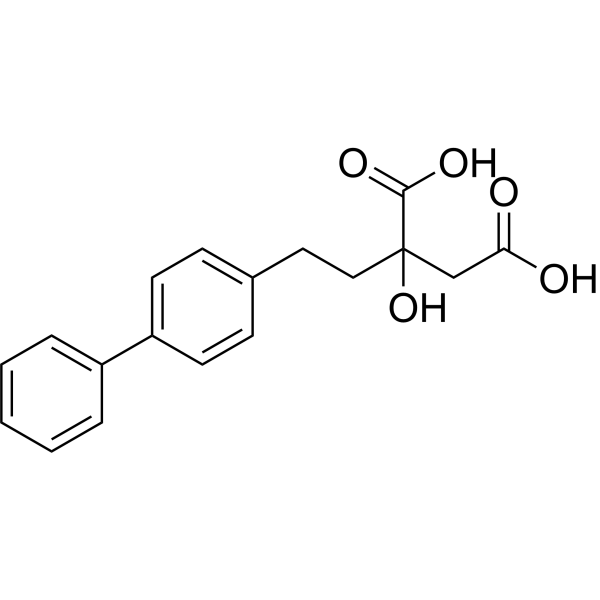
LBA-3 is a selective, orally active inhibitor for sodium-coupled citrate transporter SLC13A5, with an IC50 of 67 nM. LBA-3 decreases levels of triglyceride and total cholesterol in oleic and palmitic acid (OPA)-stimulated AML12 cells, PCN-stimulated primary mouse hepatocytes and in mouse models, without detectable toxicity. LBA-3 is blood-brain barrier permeable .
|
-
-
- HY-146398
-
|
|
AMPK
|
Metabolic Disease
|
|
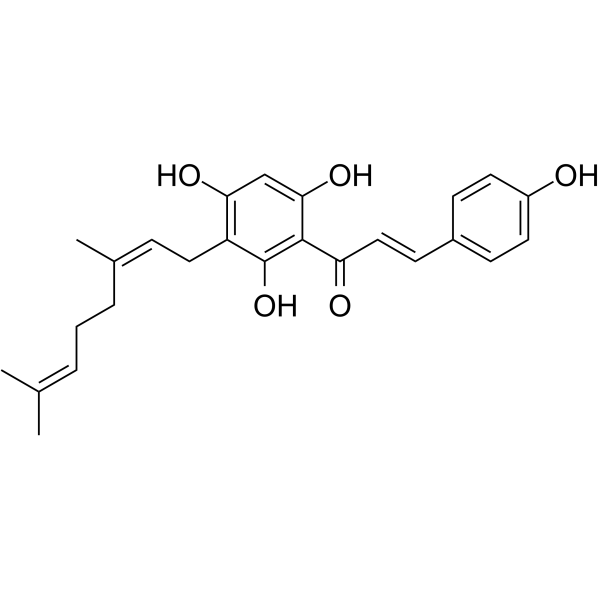
AMPK activator 6 (Compound GC) reduces lipid content and activates the AMPK pathway in HepG2 and 3T3-L1 cells. AMPK activator 6 significantly suppresses the increase in triglyceride (TG) , total cholesterol (TC), low-density lipoprotein-C (LDL-C), and other biochemical indices in blood serum. AMPK activator 6 can be used for the research of non-alcoholic fatty liver disease (NAFLD) and metabolic syndrome .
|
-
-
- HY-123765
-
|
|
Acyltransferase
|
Metabolic Disease
|
|
JTT-553 is a DGAT1 inhibitor (IC50: 2.38 nM). JTT-553 reduces plasma concentrations of glucose, insulin, non-esterified fatty acids (NEFA), total cholesterol (TC), and hepatic triglycerides (TG). JTT-553 improves insulin-dependent glucose uptake and glucose intolerance in adipose tissue of DIO mice. JTT-553 reduces TNF-α mRNA levels and increases GLUT4 mRNA levels in adipose tissue of KK-Ay mice. JTT-553 improves adipose tissue insulin resistance and systemic glucose metabolism by reducing body weight. JTT-553 can be used in the study of obesity and type 2 diabetes mellitus (T2DM) .
|
-

-
- HY-B2004R
-
|
|
Reference Standards
Fungal
Mitochondrial Metabolism
|
Infection
|
|
Thifluzamide (Standard) is the analytical standard of Thifluzamide. This product is intended for research and analytical applications. Thifluzamide is a fungicide that inhibits fungal respiration by blocking the ubiquinone-binding site in mitochondrial complex II. Thifluzamide exhibits significant activity against Basidiomycota pathogens (such as Rhizoctonia cerealis, Ustilago and Puccinia genera) and is commonly used in studies on wheat sharp eyespot. Thifluzamide displays a dual mechanism in regulating lipid metabolism: it reduces fatty acid synthase activity to inhibit endogenous fatty acid synthesis, and increases carnitine palmitoyltransferase-I activity to accelerate fatty acid β-oxidation, thereby reducing total cholesterol and triglyceride levels in the liver. Thifluzamide also induces hepatotoxicity in zebrafish models and carries a risk of developmental toxicity. Thifluzamide inhibition of Rhizoctonia cerealis may result in low to moderate levels of drug resistance, leading to the generation of stable drug-resistant mutants .
|
-

-
- HY-101812R
-
|
|
Reference Standards
Others
|
Metabolic Disease
|
|
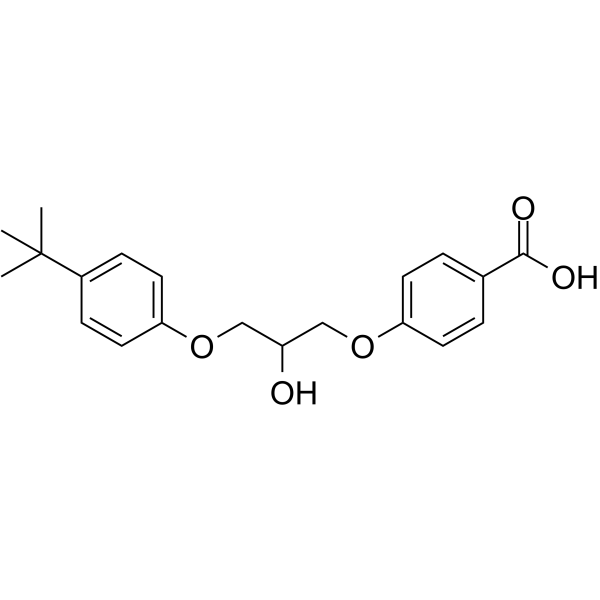
Terbufibrol (Standard) is the analytical standard of Terbufibrol (HY-101812). This product is intended for research and analytical applications. Terbufibrol has been shown highly active in reducing serum total cholesterol (TC) levels in the normal and hypercholesterolemic male rat.
|
-

-
- HY-18314B
-
|
|
Orphan Nuclear Receptor
Ferroptosis
|
Cardiovascular Disease
|
|
(Z)-GW 441756 is a hepatocyte nuclear factor 4α (HNF4α) activator, with an EC50 of 9.2 μM and a Ka of 4.6 μM in human systems. (Z)-GW 441756 directly interacts with the ligand-binding domain of HNF4α via persistent hydrogen bonds and hydrophobic interactions within the binding pocket. (Z)-GW 441756 reduces the accumulation of triglycerides and total cholesterol. (Z)-GW 441756 inhibits ferroptosis through a non-antioxidant mechanism. (Z)-GW 441756 decreases plasma triglyceride and total cholesterol levels in animal models of hyperlipidemia. (Z)-GW 441756 can be used in studies related to hyperlipidemia .
|
-

-
- HY-P11766
-
|
GALA-cholesterol
|
Biochemical Assay Reagents
|
Cancer
|
|
GALA-chol is a cholesterol-conjugated pH-responsive fusion peptide that can serve as a delivery adjuvant. GALA-chol enhances the endocytosis of siRNA RET/PTC1-SQ nanoparticles, inhibits cell viability, and undergoes pH-responsive charge conversion in the acidic lysosomal environment, thereby promoting lysosomal escape of small extracellular vesicle (sEV) cargo. GALA-chol anchors to the sEV membrane and maintains the structural integrity and intrinsic homing activity of sEVs. GALA-chol can be used in studies related to adjuvant delivery .
|
-

-
- HY-181474
-
|
|
Keap1-Nrf2
Heme Oxygenase (HO)
PPAR
Interleukin Related
SOD
|
Metabolic Disease
Inflammation/Immunology
|
|
CF-Vanillin is an orally active hypolipidemic/hepatic protector with strong binding affinity for PPAR-α. CF-Vanillin exerts antioxidant and anti-inflammatory effects by activating the Nrf2/HO-1 signaling pathway. CF-Vanillin reduces triglyceride and total cholesterol levels and alleviates liver injury. CF-Vanillin can be used in the research of diseases such as hyperlipidemia and liver injury .
|
-

-
- HY-181876
-
|
|
FXR
|
Metabolic Disease
|
|
F44-S101 is an orally active, potent, and selective gut-restricted FXR antagonist with an IC50 of 0.48 μM and lipid-lowering activity. F44-S101 selectively antagonizes intestinal FXR, feedback-activates hepatic FXR, promotes cholesterol metabolism and reduces lipid accumulation. F44-S101 decreases total cholesterol, triglyceride and low-density lipoprotein cholesterol levels. F44-S101 can be used in studies related to hyperlipidemia .
|
-

-
- HY-186096
-
|
|
ACSL Family
GLP Receptor
|
Metabolic Disease
|
|
LP-856866 is an orally active ACSL5 inhibitor, with IC50 values of 8 nM and 4 nM against mouse and human ACSL5, respectively, and IC50 values of 6 nM and 17 nM against mouse and human ACSL1, respectively. LP-856866 induces delayed gastric emptying, promotes GLP-1 release, reduces food intake, decreases body weight and body fat mass, preserves lean body mass, improves glucose homeostasis, enhances insulin sensitivity, reduces hepatic lipid accumulation, and lowers serum triglyceride and total cholesterol levels. LP-856866 is applicable to research on diet-induced obesity .
|
-

| Cat. No. |
Product Name |
Target |
Research Area |
-
- HY-134124
-
|
|
Reactive Oxygen Species (ROS)
|
Metabolic Disease
|
|
Glutathione ethyl ester is a cell-permeable GSH donor and provides an efficient supply of GSH to the oocyte. Glutathione ethyl ester shows positive effect on the in vitro production of embryos by enhancement of the antioxidative defense .
|
-
- HY-P2424
-
-
- HY-P10906
-
-
- HY-P11455
-
|
|
Liposome
|
Others
|
|
Lipopeptide CPE4 is a PEG-modified peptide E4 [(EIAALEK) 4]. Lipopeptide CPE4 is capable of coiled-coil formation when attached to liposomes. Lipopeptide CPE4 triggers membrane fusion between liposomes and living cells with concomitant efficient cytosolic delivery of a variety of compounds such as fluorescent dyes Propidium Iodide (PI) (HY-D0815) and TO-PRO-3 iodide (HY-117070), and Doxorubicin (DOX) (HY-15142A). Lipopeptide CPE4 can be used for drug delivery research .
|
-
- HY-P10872
-
|
|
SARS-CoV
|
Infection
|
|
P315V3 is an pan inhibitor for coronavirus, that inhibits SARS-CoV-2 prototypePT, Delta, BA.1 and BA.4 strain with IC50s of 10.9, 8.9, 8.6, and 2.7 nM. P315V3 exhibits cytotoxicity in Vero cell with CC50 of 4.3 μM. P315V3 exhibits anti-infectious efficacy in mouse models .
|
-
- HY-P11766
-
|
GALA-cholesterol
|
Biochemical Assay Reagents
|
Cancer
|
|
GALA-chol is a cholesterol-conjugated pH-responsive fusion peptide that can serve as a delivery adjuvant. GALA-chol enhances the endocytosis of siRNA RET/PTC1-SQ nanoparticles, inhibits cell viability, and undergoes pH-responsive charge conversion in the acidic lysosomal environment, thereby promoting lysosomal escape of small extracellular vesicle (sEV) cargo. GALA-chol anchors to the sEV membrane and maintains the structural integrity and intrinsic homing activity of sEVs. GALA-chol can be used in studies related to adjuvant delivery .
|
| Cat. No. |
Product Name |
Category |
Target |
Chemical Structure |
| Cat. No. |
Product Name |
Chemical Structure |
-
- HY-W015600S
-
|
|
|
2-Acetamidophenol-d3 (Orthocetamol-d3) is the deuterium labeled 2-Acetamidophenol (HY-W015600). 2-Acetamidophenol (Orthocetamol) is a regulator that targets ferroptosis and glutathione metabolic pathways, is the ortho-regioisomer of Paracetamol (HY-66005). 2-Acetamidophenol has anti-atherosclerotic activity, and inhibiting total cholesterol (TC) and triglyceride (TG) in a zebrafish hyperlipidemia model with IC50s for 30 μM and 40 μM, respectively. 2-Acetamidophenol upregulates the expression of glutathione synthesis-related genes (such as GCLC, GCLM, GSS) and iron ion transport genes (such as FPN1, FTH), reduces the accumulation of intracellular reactive oxygen species (ROS) and ferrous ions (Fe2+), and enhances the activity of glutathione peroxidase GPX4, thereby inhibiting macrophage phagocytosis of oxidized low-density lipoprotein (ox-LDL) and foam cell formation .
|
-
Your information is safe with us. * Required Fields.
Inquiry Information
- Product Name:
- Cat. No.:
- Quantity:
- MCE Japan Authorized Agent:








