Search Result
Results for "
Treg+cells
" in MedChemExpress (MCE) Product Catalog:
1
Isotope-Labeled Compounds
| Cat. No. |
Product Name |
Target |
Research Areas |
Chemical Structure |
-
- HY-126675A
-
AS2863619
Maximum Cited Publications
6 Publications Verification
|
CDK
STAT
|
Inflammation/Immunology
|
|
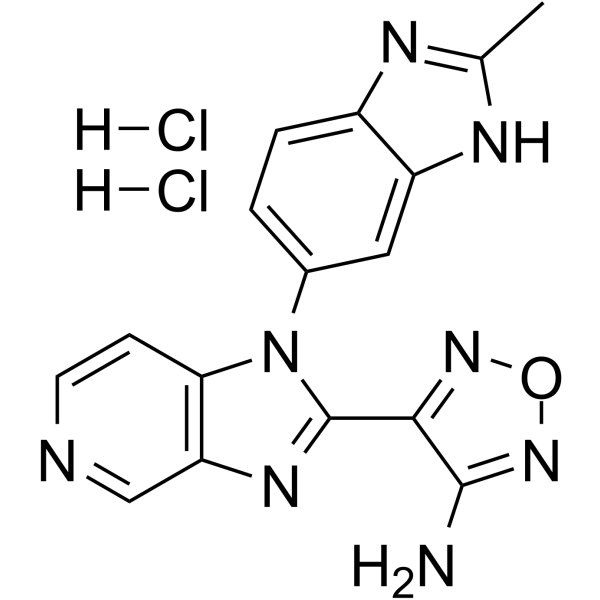
AS2863619 enables conversion of antigen-specific effector/memory T cells into Foxp3 + regulatory T (Treg) cells for the treatment of various immunological diseases. AS2863619 is a potent, orally active cyclin-dependent kinase 8 (CDK8) and CDK19 inhibitor with IC50s of 0.61 nM and 4.28 nM, respectively. STAT5 activation enhanced by AS2863619 inhibition of CDK8/19, which consequently activates the Foxp3 gene .
|
-
-
- HY-P99728
-
|
RG7835; RO7049665
|
Interleukin Related
|
Metabolic Disease
Inflammation/Immunology
|
|
Melredableukin alfa (RG7835) is a bivalent conjugate composed of a human IL-2 mutant (T3A, N88D, C125A) and human IgG1. Melredableukin alfa exhibits enhanced Treg cell selectivity in cynomolgus monkey and humanized mouse models. Melredableukin alfa can be used in research related to ulcerative colitis and autoimmune hepatitis .
|
-

-
- HY-N0723
-
|
|
Autophagy
p38 MAPK
TNF Receptor
Interleukin Related
PPAR
|
Metabolic Disease
Inflammation/Immunology
|
|
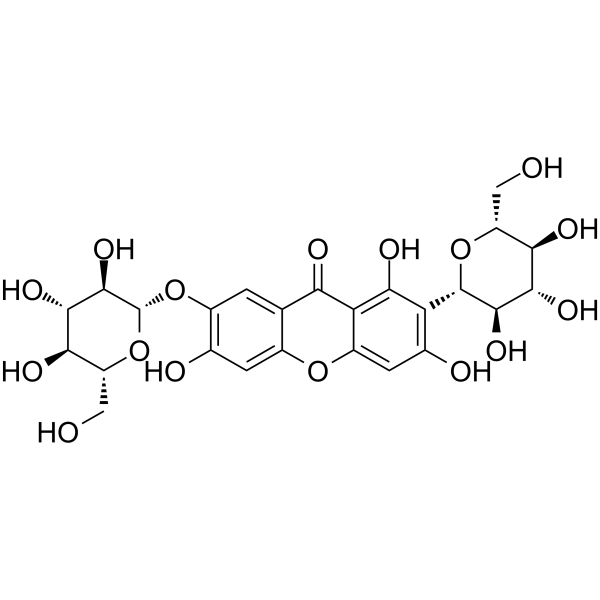
Neomangiferin is an orally active natural flavonoid. Neomangiferin partially ameliorates non-alcoholic fatty liver disease (NAFLD) by regulating the expression of genes related to free fatty acid uptake and lipid oxidation. Neomangiferin exerts anti-colitis effects by inhibiting Th17/Treg cell differentiation. Neomangiferin exerts anti-aging and lifespan-extending effects by targeting upregulation of bas-1, which in turn activates the autophagy, IIS and MAPK pathways. Neomangiferin has the potential to prevent aseptic loosening of prostheses after total joint arthroplasty due to its significant anti-inflammatory and osteoclastogenesis-inhibiting effects .
|
-
-
- HY-114360
-
|
|
Endogenous Metabolite
COX
Interleukin Related
Glutathione Peroxidase
TNF Receptor
|
Neurological Disease
Metabolic Disease
Inflammation/Immunology
Cancer
|
|
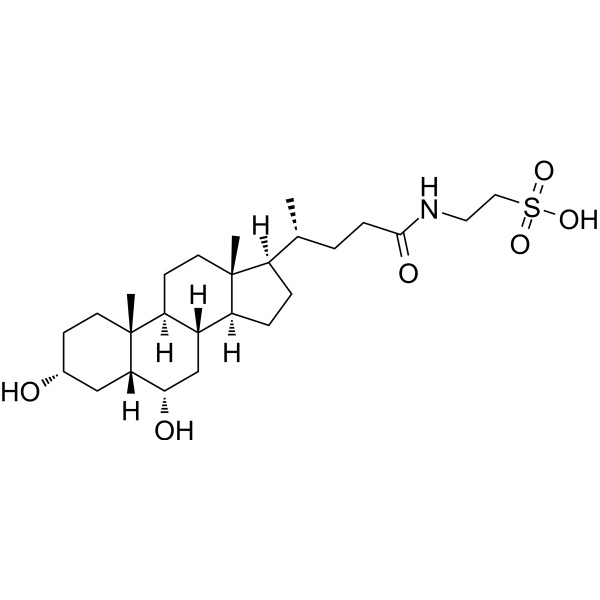
Taurohyodeoxycholic acid is an orally active 6 alpha-hydroxylated bile acid. Taurohyodeoxycholic acid decreases colonic MPO activity, TNF-α, lL-6 serum levels and the expression of COX-2. Taurohyodeoxycholic acid alleviates trinitrobenzene sulfonic acid induced ulcerative colitis via regulating Th1/Th2 and Th17/Treg cells balance. Taurohyodeoxycholic acid ameliorates high-fat diet-induced nonalcoholic fatty liver disease in mice. Taurohyodeoxycholic acid prevents Taurochenodeoxycholic acid (HY-N2027)-induced hepatotoxicity in bile fistula rats. Taurohyodeoxycholic acid can be used for the study of nonalcoholic fatty liver disease (NAFLD), colitis and biliary fistula .
|
-
-
- HY-173630
-
|
|
Molecular Glues
IKZF Family
|
Cancer
|
|
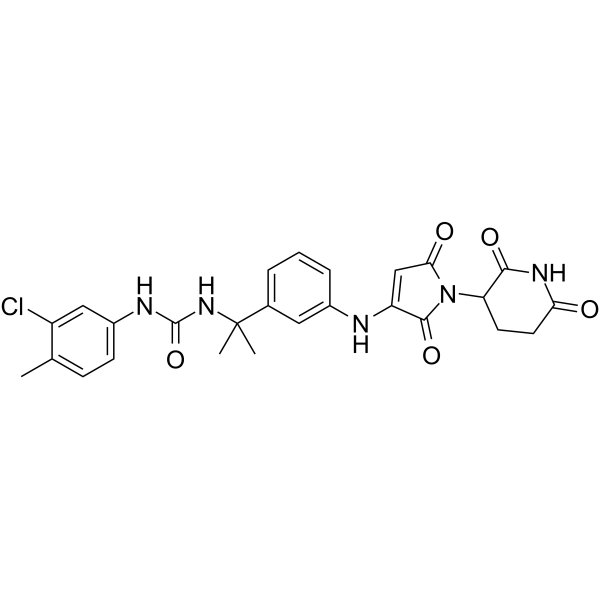
BMS-986449 is a potent and orally active CELMoD molecular glue and an IKZF2/IKZF4 degrader. BMS-986449 targets the degradation of transcription factors Helios (IKZF2) and Eos (IKZF4) in regulatory T (Treg) cells. BMS-986449 redirects the E3 ubiquitin ligase Cereblon to induce the degradation of Helios and Eos, reprogramming Treg cells and enhancing antitumor immunity. BMS-986449 is promising for research of advanced solid tumors .
|
-

-
- HY-137206
-
|
|
Molecular Glues
Ligands for E3 Ligase
|
Cancer
|
|
ALV2 is a potent and selective Helios molecular glue degrader. ALV2 binds CRBN, with an IC50 of 0.57 μM. Helios is the zinc-finger transcription factor that can maintain a stable Treg cell phenotype in the inflammatory tumor microenvironment .
|
-
-
- HY-48814
-
|
|
Bacterial
FXR
|
Infection
Inflammation/Immunology
|
|
3-Epideoxycholic acid is a secondary bile acid and a microbial metabolite of Deoxycholic acid (HY-N0593). 3-Epideoxycholic acid targets FXR in dendritic cells, reduces their immunostimulatory properties, promotes the generation of Treg cells, and exerts anti-inflammatory activity. 3-Epideoxycholic acid can promote the growth of the bacterium Bacteroides. 3-Epideoxycholic acid can be used in research related to inflammatory and immune diseases as well as bacterial infections .
|
-

-
- HY-162275
-
|
|
Histone Demethylase
Histone Methyltransferase
STAT
|
Cancer
|
|
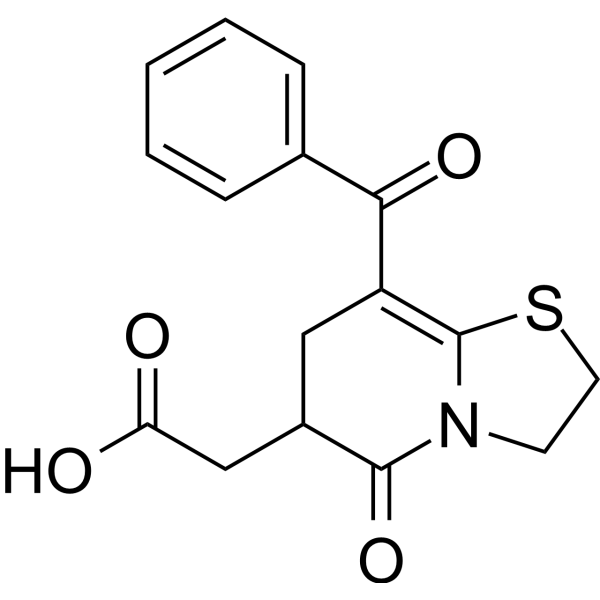
JMJD1C-IN-1 is an orally active and selective inhibitor of JMJD1C (IC50 = 0.59 μM, Kd = 1.96 μM). JMJD1C-IN-1 inhibits the binding of JMJD1C to H3K9me2 peptide substrate in the HTRF assay (IC50 = 1.47 μM). JMJD1C-IN-1 disrupts intratumoral regulatory T (Treg) cell fitness by dual mechanisms: promoting H3K9me2 accumulation to downregulate PD1 expression and reducing STAT3 demethylation to enhance STAT3 activation. JMJD1C-IN-1 demonstrates dose-dependent antitumor efficacy in multiple mouse tumor models (MCA205 fibrosarcoma, B16-F10 melanoma, LLC lung cancer, Hepa1-6 hepatocellular carcinoma, CT26 colorectal cancer). JMJD1C-IN-1 can be used for the study of tumor immunotherapy by selectively targeting intratumoral Treg cells .
|
-
-
- HY-15157
-
|
1α, 24, 25-Trihydroxy VD3
|
VD/VDR
Drug Metabolite
|
Infection
|
|
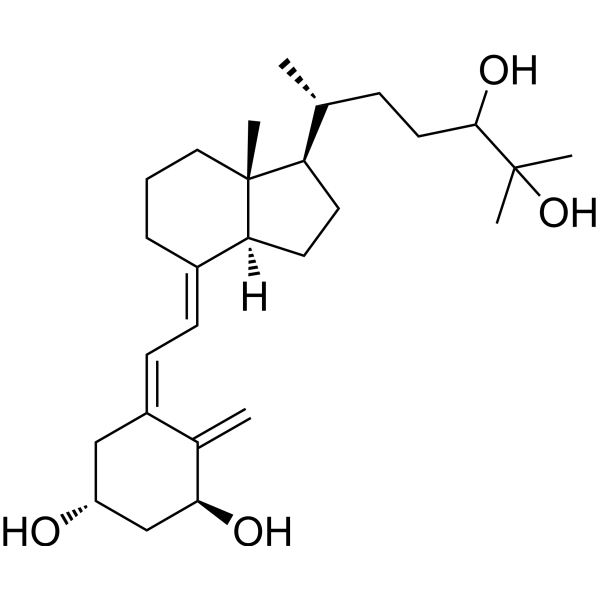
Calcitetrol (1α, 24, 25-Trihydroxy VD3), a Vitamin D3 (HY-15398) metabolite, is the hormonally active form of vitamin D. Calcitetrol participates in regulation of Treg cells. Calcitetrol can be used for the research of Toxoplasma gondii infection .
|
-
-
- HY-162943
-
|
|
PROTACs
|
Cancer
|
|
P60-L3-VHL is a PROTAC-class Foxp3 degrader. P60-L3-VHL reduced cell differentiation and Foxp3 expression in activated Treg cells in vitro and had anti-tumor activity (Blue: E3 ligase ligand (HY-162945); Pink: target protein ligand (HY-162946); Black: linker (HY-162947)) .
|
-

-
- HY-126675
-
|
|
CDK
STAT
|
Inflammation/Immunology
|
|
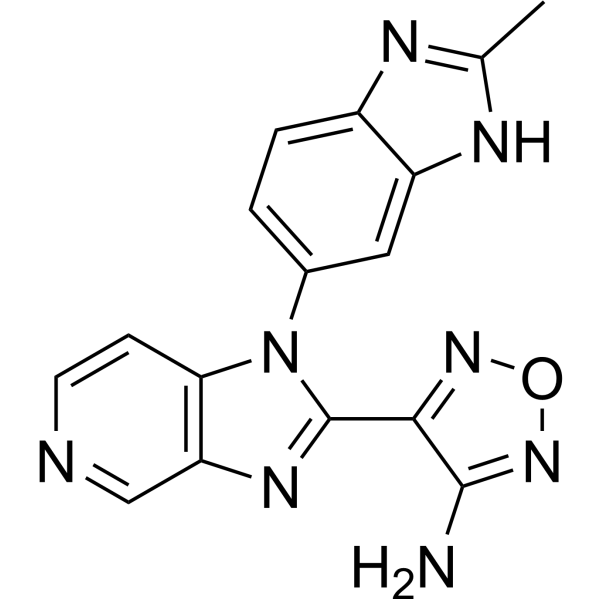
AS2863619 free base enables conversion of antigen-specific effector/memory T cells into Foxp3 + regulatory T (Treg) cells for the treatment of various immunological diseases. AS2863619 free base is a potent, orally active cyclin-dependent kinase 8 (CDK8) and CDK19 inhibitor with IC50s of 0.61 nM and 4.28 nM, respectively. STAT5 activation enhanced by AS2863619 free base inhibition of CDK8/19, which consequently activates the Foxp3 gene .
|
-
-
- HY-173630A
-
|
|
Molecular Glues
IKZF Family
|
Cancer
|
|
(R)-BMS-986449 is the racemic mixture of BMS-986449 (HY-173630). BMS-986449 is a CELMoD molecular glue and an IKZF2/IKZF4 degrader. BMS-986449 targets the degradation of transcription factors Helios (IKZF2) and Eos (IKZF4) in regulatory T (Treg) cells. BMS-986449 redirects the E3 ubiquitin ligase Cereblon to induce the degradation of Helios and Eos, reprogramming Treg cells and enhancing antitumor immunity. BMS-986449 is promising for research of advanced solid tumors .
|
-

-
- HY-P990150
-
|
|
Interleukin Related
|
Inflammation/Immunology
|
|
Anti-Mouse TSLP Antibody (28F12) is an anti-mouse TSLP IgG2a monoclonal antibody. Anti-Mouse TSLP Antibody (28F12) weakens skin inflammation and allergic reactions by reducing Treg cells and lymph node cells. Anti-Mouse TSLP Antibody (28F12) can be used for research on allergic conditions .
|
-
-
- HY-P1453A
-
|
|
STAT
|
Cancer
|
|
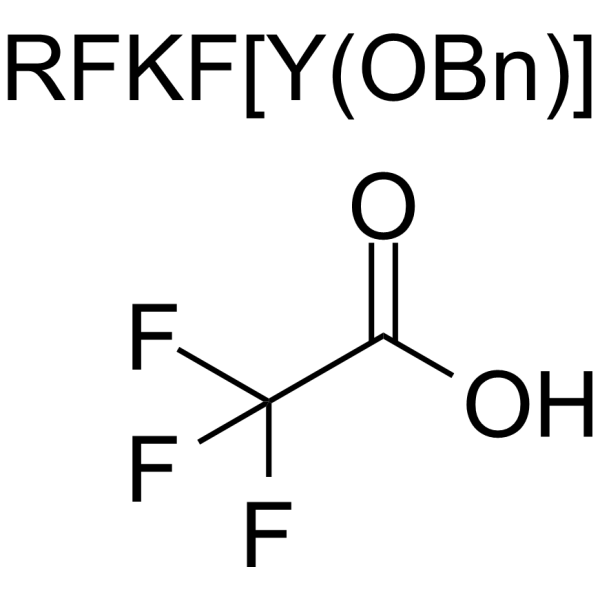
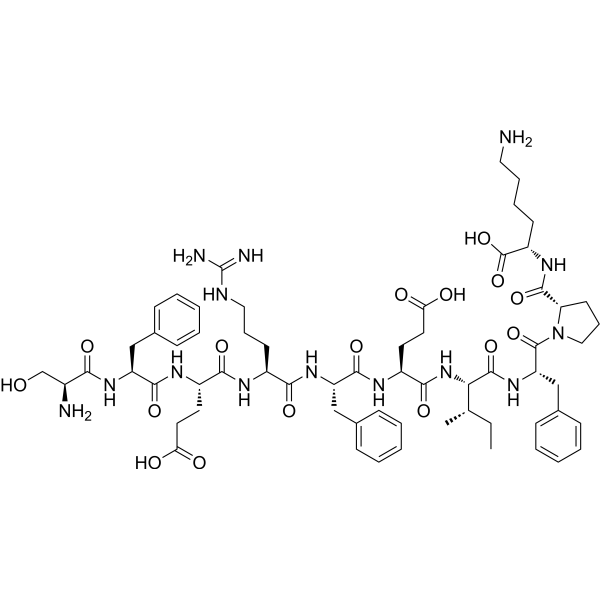
CMD178 TFA is a lead peptide that consistently reduced the expression of Foxp3 and STAT5 induced by IL-2/s IL-2Rα signaling and inhibits Treg cell development .
|
-
-
- HY-103637
-
|
VTP-43742
|
ROR
|
Inflammation/Immunology
|
|
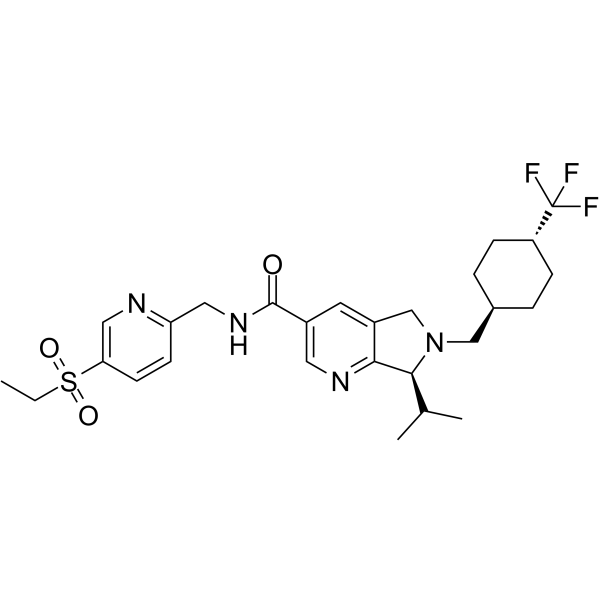
Vimirogant (VTP-43742) is a potent, selective, and orally active RORγt inhibitor (Ki=3.5 nM; IC50=17 nM). Vimirogant exhibits >1000-fold selectivity versus the RORα and RORβ isotypes. Vimirogant inhibits Th17 differentiation and IL-17A secretion from mouse splenocytes (IC50=57 nM) without affecting Th1, Th2, or Treg cell differentiation. Vimirogant has the potential for autoimmune disorders research .
|
-
-
- HY-P990703
-
|
HBM-4003
|
CTLA-4
|
Inflammation/Immunology
|
|
Porustobart (HBM-4003) is a fully human anti-CTLA-4 heavy chain only antibody (HCAb). Porustobart can significantly improve the depletion of regulatory T cells (Treg cells) with high CTLA-4 expression in tumor tissues by enhancing ADCC activity. Porustobart can be used for tumor research .
|
-

-
- HY-103637A
-
|
VTP-43742 hydrochloride
|
ROR
|
Inflammation/Immunology
|
|
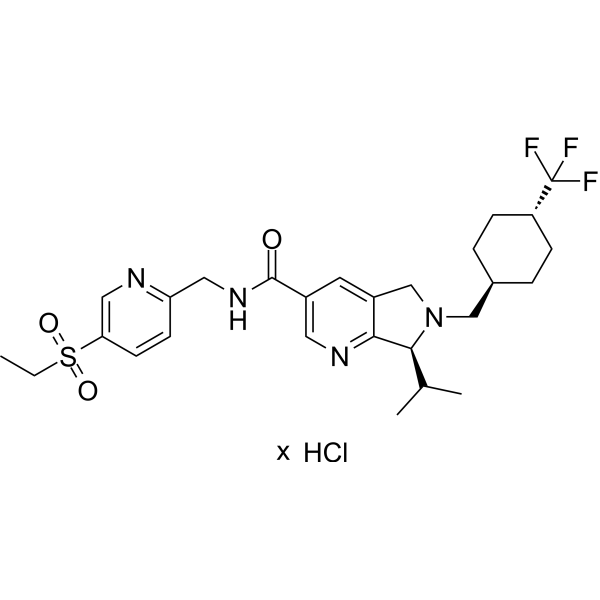
Vimirogant (VTP-43742) hydrochloride is a potent, selective, and orally active RORγt inhibitor (Ki=3.5 nM; IC50=17 nM). Vimirogant hydrochloride exhibits >1000-fold selectivity versus the RORα and RORβ isotypes. Vimirogant hydrochloride inhibits Th17 differentiation and IL-17A secretion from mouse splenocytes (IC50=57 nM) without affecting Th1, Th2, or Treg cell differentiation. Vimirogant hydrochloride has the potential for autoimmune disorders research .
|
-
-
- HY-P990123
-
|
|
Transmembrane Glycoprotein
Influenza Virus
|
Infection
Inflammation/Immunology
|
|
Anti-Mouse ICOSL/CD275 Antibody (HK5.3) is an anti-mouse ICOSL/CD275 IgG2a monoclonal antibody. Anti-Mouse ICOSL/CD275 Antibody (HK5.3) can inhibit the adhesion between T cells and endothelial cells. Anti-Mouse ICOSL/CD275 Antibody (HK5.3) can reduce the expansion of tissue resident (TR) Treg cells. Anti-Mouse ICOSL/CD275 Antibody (HK5.3) can be used for researches on inflammation and infection conditions such as influenza virus infection and arthritis .
|
-
-
- HY-P2520
-
-
-
- HY-P990031
-
|
M-6223
|
Transmembrane Glycoprotein
|
Inflammation/Immunology
Cancer
|
|
Dargistotug (M-6223) is a fully human IgG1 monoclonal antibody targeting TIGIT (T cell immune receptor with Ig domain and ITIM). TIGIT is an inhibitory immune checkpoint that promotes NK cell depletion and reduces the secretion of cytokines by binding to CD155 and other antibodies. It can also directly or indirectly inhibit effector T cells and upregulate Tregs cells, thereby exerting immunosuppression. Function .
|
-

-
- HY-175369
-
|
|
PI3K
Akt
PD-1/PD-L1
Interleukin Related
CD3
|
Inflammation/Immunology
Cancer
|
|
PI3Kδ-IN-25 is an orally active selective PI3Kδ inhibitor (IC50 = 2.1 nM). PI3Kδ-IN-25 has IC50s of 272, 285, and 1171 nM for PI3Kα, PI3Kγ, and PI3Kβ, respectively. PI3Kδ-IN-25 inhibits AKT Ser473 phosphorylation, suppresses Treg cell proliferation, and downregulates PD-L1 expression in B16F10 cells. PI3Kδ-IN-25 exhibits anticancer effects in B16F10 melanoma and Lewis lung cancer mouse models by reducing tumor-infiltrating Treg cells and enhancing immune responses. PI3Kδ-IN-25 is potentially useful in the study of melanoma, lung cancer, and other cancers .
|
-

-
- HY-155505
-
|
|
Aryl Hydrocarbon Receptor
|
Inflammation/Immunology
|
|
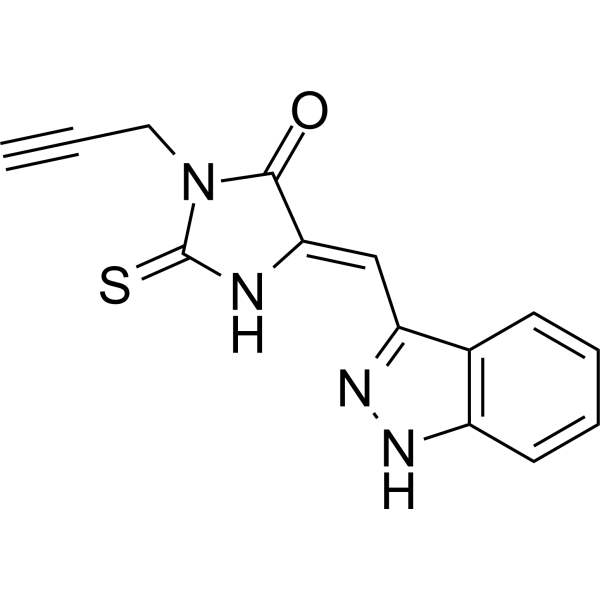
AHR agonist 4 (compound 24e) is an agonist of Aryl hydrocarbon receptor (AHR), assocaited with the immune balance of Th17/22 and Treg cells. AHR agonist 4 serves as a lead compound for anti-psoriasis drug, alleviates imiquimod (IMQ)-induced psoriasis-like skin lesion . AHR agonist 4 is a click chemistry reagent, it contains an Alkyne group and can undergo copper-catalyzed azide-alkyne cycloaddition (CuAAc) with molecules containing Azide groups.
|
-
-
- HY-P990253
-
|
|
Notch
EAAT
|
Inflammation/Immunology
|
|
Anti-Mouse Delta-like protein 1/DLL1 Antibody (HMD1-5) is an anti-mouse Delta-like protein 1/DLL1 IgG monoclonal antibody. Anti-Mouse Delta-like protein 1/DLL1 Antibody (HMD1-5) can reverse the inhibition of Treg cells. Anti-Mouse Delta-like protein 1/DLL1 Antibody (HMD1-5) can inhibit the upregulation of GLT-1 expression induced by endothelial cells. Anti-Mouse Delta-like protein 1/DLL1 Antibody (HMD1-5) reduces autoimmune response by reducing B cell activation. Anti-Mouse Delta-like protein 1/DLL1 Antibody (HMD1-5) can be used for research on inflammation conditions such as lupus nephritis .
|
-
-
- HY-P1453
-
|
|
STAT
|
Cancer
|
|
CMD178 is a lead peptide that consistently reduced the expression of Foxp3 and STAT5 induced by IL-2/s IL-2Rα signaling and inhibits Treg cell development .
|
-

-
- HY-P991403
-
|
|
TNF Receptor
|
Cancer
|
|
BC011 is a human monoclonal antibody (mAb) targeting TNFRSF1B. BC011 promotes CD8+T cell proliferation and depletes Treg cells, thereby increasing the proportion of effector T cells in the tumor microenvironment. BC011 can be used in tumor Immunity research.
|
-

-
- HY-N16465
-
|
|
Apoptosis
Reactive Oxygen Species (ROS)
STAT
|
Inflammation/Immunology
|
|
Cinnamtannin D1 is an orally active polyphenolic compound with immunosuppressive activity. Cinnamtannin D1 regulates the balance of Th17/Treg cells by inhibiting AHR expression. Cinnamtannin D1 reduces apoptosis and ROS in INS-1 cells and primary cultured murine islets induced by Palmitic acid (PA) (HY-N0830). Cinnamtannin D1 reduces Th17 cell differentiation via downregulating p-STAT3/RORγt and promotes Treg cell differentiation via upregulating p-STAT5/Foxp3. Cinnamtannin D1 exerts excellent anti-arthritic efficacy in collagen-induced arthritis (CIA) model of mice. Cinnamtannin D1 can be used for the study of rheumatoid arthritis (RA) .
|
-

-
- HY-120785A
-
|
|
ROR
|
Inflammation/Immunology
|
|
SR1555 hydrochloride is the hydrochloride salt form of SR1555 (HY-120785). SR1555 hydrochloride is an inverse agonist for retinoic acid receptor-related orphan nuclear receptor γ (RORγ) with an IC50 of 1 μM. SR1555 hydrochloride inhibits the development and function of pro-inflammatory TH17 cell, increases the frequency of anti-inflammatory T regulatory (Treg) cells. SR1555 hydrochloride can be used for research about autoimmune diseases .
|
-

-
- HY-W713010
-
|
|
Isotope-Labeled Compounds
FXR
Endogenous Metabolite
|
Inflammation/Immunology
|
|
3-Epideoxycholic acid-d5 is the deuterium labeled 3-Epideoxycholic acid (HY-48814). 3-Epideoxycholic acid is the microbial metabolite of Deoxycholic acid (HY-N0593). 3-Epideoxycholic acid targets FXR of dendritic cells, reduces their immunostimulatory properties, promotes the generation of Treg cells, and exhibits anti-inflammatory activity. 3-Epideoxycholic acid promotes the growth of bacteria Bacteroides .
|
-

-
- HY-P990177
-
|
|
Notch
Influenza Virus
|
Infection
Inflammation/Immunology
|
|
Anti-Mouse Notch4 Antibody (HMN4-14) is an anti-mouse Notch4 IgG monoclonal antibody. Anti-Mouse Notch4 Antibody (HMN4-14) reduces inflammation by restoring the expression of bispecific proteins. Anti-Mouse Notch4 Antibody (HMN4-14) can inhibit Th2/Th17 cell differentiation and improve Treg cell function. Anti-Mouse Notch4 Antibody (HMN4-14) can be used for research on inflammation conditions such as viral pneumonia and airway inflammation .
|
-
-
- HY-N0723R
-
|
|
Reference Standards
Autophagy
p38 MAPK
TNF Receptor
Interleukin Related
PPAR
|
Metabolic Disease
Inflammation/Immunology
|
|
Neomangiferin (Standard) is the analytical standard of Neomangiferin. This product is intended for research and analytical applications. Neomangiferin is an orally active natural flavonoid. Neomangiferin partially ameliorates non-alcoholic fatty liver disease (NAFLD) by regulating the expression of genes related to free fatty acid uptake and lipid oxidation. Neomangiferin exerts anti-colitis effects by inhibiting Th17/Treg cell differentiation. Neomangiferin exerts anti-aging and lifespan-extending effects by targeting upregulation of bas-1, which in turn activates the autophagy, IIS and MAPK pathways. Neomangiferin has the potential to prevent aseptic loosening of prostheses after total joint arthroplasty due to its significant anti-inflammatory and osteoclastogenesis-inhibiting effects.
|
-

-
- HY-N17465
-
|
|
Interleukin Related
|
Others
|
|
Dendronobiloside D is a sesquiterpene glycoside that can be isolated from Dendrobium officinale. Dendronobiloside D is an immunosuppressant that promotes the differentiation of CD4 + T cells into Treg cells .
|
-

-
- HY-182564
-
|
|
CCR
|
Cancer
|
|
ST45177901 is a CC chemokine receptor 4 (CCR4) antagonist. The combination of ST45177901 and Sorafenib (HY-10201) effectively inhibits the chemotaxis of Treg cells via the CCL22/CCL17-CCR4 signaling pathway, thereby significantly suppressing the growth and metastasis of tumor cells. ST45177901 is applicable to liver cancer research .
|
-

| Cat. No. |
Product Name |
Target |
Research Area |
-
- HY-P1453A
-
|
|
STAT
|
Cancer
|
|
CMD178 TFA is a lead peptide that consistently reduced the expression of Foxp3 and STAT5 induced by IL-2/s IL-2Rα signaling and inhibits Treg cell development .
|
-
- HY-P2520
-
-
- HY-P1453
-
|
|
STAT
|
Cancer
|
|
CMD178 is a lead peptide that consistently reduced the expression of Foxp3 and STAT5 induced by IL-2/s IL-2Rα signaling and inhibits Treg cell development .
|
| Cat. No. |
Product Name |
Target |
Research Area |
Image |
-
- HY-P99728
-
|
RG7835; RO7049665
|
Interleukin Related
|
Metabolic Disease
Inflammation/Immunology
|
|
Melredableukin alfa (RG7835) is a bivalent conjugate composed of a human IL-2 mutant (T3A, N88D, C125A) and human IgG1. Melredableukin alfa exhibits enhanced Treg cell selectivity in cynomolgus monkey and humanized mouse models. Melredableukin alfa can be used in research related to ulcerative colitis and autoimmune hepatitis .
|
-

(5)
-
- HY-P990150
-
|
|
Interleukin Related
|
Inflammation/Immunology
|
|
Anti-Mouse TSLP Antibody (28F12) is an anti-mouse TSLP IgG2a monoclonal antibody. Anti-Mouse TSLP Antibody (28F12) weakens skin inflammation and allergic reactions by reducing Treg cells and lymph node cells. Anti-Mouse TSLP Antibody (28F12) can be used for research on allergic conditions .
|
-
(5)
-
- HY-P990703
-
|
HBM-4003
|
CTLA-4
|
Inflammation/Immunology
|
|
Porustobart (HBM-4003) is a fully human anti-CTLA-4 heavy chain only antibody (HCAb). Porustobart can significantly improve the depletion of regulatory T cells (Treg cells) with high CTLA-4 expression in tumor tissues by enhancing ADCC activity. Porustobart can be used for tumor research .
|
-
(5)
-
- HY-P990123
-
|
|
Transmembrane Glycoprotein
Influenza Virus
|
Infection
Inflammation/Immunology
|
|
Anti-Mouse ICOSL/CD275 Antibody (HK5.3) is an anti-mouse ICOSL/CD275 IgG2a monoclonal antibody. Anti-Mouse ICOSL/CD275 Antibody (HK5.3) can inhibit the adhesion between T cells and endothelial cells. Anti-Mouse ICOSL/CD275 Antibody (HK5.3) can reduce the expansion of tissue resident (TR) Treg cells. Anti-Mouse ICOSL/CD275 Antibody (HK5.3) can be used for researches on inflammation and infection conditions such as influenza virus infection and arthritis .
|
-
(5)
-
- HY-P990031
-
|
M-6223
|
Transmembrane Glycoprotein
|
Inflammation/Immunology
Cancer
|
|
Dargistotug (M-6223) is a fully human IgG1 monoclonal antibody targeting TIGIT (T cell immune receptor with Ig domain and ITIM). TIGIT is an inhibitory immune checkpoint that promotes NK cell depletion and reduces the secretion of cytokines by binding to CD155 and other antibodies. It can also directly or indirectly inhibit effector T cells and upregulate Tregs cells, thereby exerting immunosuppression. Function .
|
-
(5)
-
- HY-P990253
-
|
|
Notch
EAAT
|
Inflammation/Immunology
|
|
Anti-Mouse Delta-like protein 1/DLL1 Antibody (HMD1-5) is an anti-mouse Delta-like protein 1/DLL1 IgG monoclonal antibody. Anti-Mouse Delta-like protein 1/DLL1 Antibody (HMD1-5) can reverse the inhibition of Treg cells. Anti-Mouse Delta-like protein 1/DLL1 Antibody (HMD1-5) can inhibit the upregulation of GLT-1 expression induced by endothelial cells. Anti-Mouse Delta-like protein 1/DLL1 Antibody (HMD1-5) reduces autoimmune response by reducing B cell activation. Anti-Mouse Delta-like protein 1/DLL1 Antibody (HMD1-5) can be used for research on inflammation conditions such as lupus nephritis .
|
-
(5)
-
- HY-P991403
-
|
|
TNF Receptor
|
Cancer
|
|
BC011 is a human monoclonal antibody (mAb) targeting TNFRSF1B. BC011 promotes CD8+T cell proliferation and depletes Treg cells, thereby increasing the proportion of effector T cells in the tumor microenvironment. BC011 can be used in tumor Immunity research.
|
-
(5)
-
- HY-P990177
-
|
|
Notch
Influenza Virus
|
Infection
Inflammation/Immunology
|
|
Anti-Mouse Notch4 Antibody (HMN4-14) is an anti-mouse Notch4 IgG monoclonal antibody. Anti-Mouse Notch4 Antibody (HMN4-14) reduces inflammation by restoring the expression of bispecific proteins. Anti-Mouse Notch4 Antibody (HMN4-14) can inhibit Th2/Th17 cell differentiation and improve Treg cell function. Anti-Mouse Notch4 Antibody (HMN4-14) can be used for research on inflammation conditions such as viral pneumonia and airway inflammation .
|
-
(5)
| Cat. No. |
Product Name |
Category |
Target |
Chemical Structure |
-
- HY-N0723
-
-
-
- HY-114360
-
-
-
- HY-N16465
-
|
|
Phenols
Polyphenols
Plants
Lauraceae
Lindera glauca (Siebold & Zucc.) Blume
Source Classification
|
Apoptosis
Reactive Oxygen Species (ROS)
STAT
|
|
Cinnamtannin D1 is an orally active polyphenolic compound with immunosuppressive activity. Cinnamtannin D1 regulates the balance of Th17/Treg cells by inhibiting AHR expression. Cinnamtannin D1 reduces apoptosis and ROS in INS-1 cells and primary cultured murine islets induced by Palmitic acid (PA) (HY-N0830). Cinnamtannin D1 reduces Th17 cell differentiation via downregulating p-STAT3/RORγt and promotes Treg cell differentiation via upregulating p-STAT5/Foxp3. Cinnamtannin D1 exerts excellent anti-arthritic efficacy in collagen-induced arthritis (CIA) model of mice. Cinnamtannin D1 can be used for the study of rheumatoid arthritis (RA) .
|
-
-
- HY-N0723R
-
|
|
Structural Classification
Liliaceae
Xanthones
Phenols
Polyphenols
Anemarrhena asphodeloides Bunge
Plants
Source Classification
|
Reference Standards
Autophagy
p38 MAPK
TNF Receptor
Interleukin Related
PPAR
|
|
Neomangiferin (Standard) is the analytical standard of Neomangiferin. This product is intended for research and analytical applications. Neomangiferin is an orally active natural flavonoid. Neomangiferin partially ameliorates non-alcoholic fatty liver disease (NAFLD) by regulating the expression of genes related to free fatty acid uptake and lipid oxidation. Neomangiferin exerts anti-colitis effects by inhibiting Th17/Treg cell differentiation. Neomangiferin exerts anti-aging and lifespan-extending effects by targeting upregulation of bas-1, which in turn activates the autophagy, IIS and MAPK pathways. Neomangiferin has the potential to prevent aseptic loosening of prostheses after total joint arthroplasty due to its significant anti-inflammatory and osteoclastogenesis-inhibiting effects.
|
-
-
- HY-N17465
-
-
| Cat. No. |
Product Name |
Chemical Structure |
-
- HY-W713010
-
|
|
|
3-Epideoxycholic acid-d5 is the deuterium labeled 3-Epideoxycholic acid (HY-48814). 3-Epideoxycholic acid is the microbial metabolite of Deoxycholic acid (HY-N0593). 3-Epideoxycholic acid targets FXR of dendritic cells, reduces their immunostimulatory properties, promotes the generation of Treg cells, and exhibits anti-inflammatory activity. 3-Epideoxycholic acid promotes the growth of bacteria Bacteroides .
|
-
| Cat. No. |
Product Name |
|
Classification |
-
- HY-155505
-
|
|
|
Alkynes
|
|
AHR agonist 4 (compound 24e) is an agonist of Aryl hydrocarbon receptor (AHR), assocaited with the immune balance of Th17/22 and Treg cells. AHR agonist 4 serves as a lead compound for anti-psoriasis drug, alleviates imiquimod (IMQ)-induced psoriasis-like skin lesion . AHR agonist 4 is a click chemistry reagent, it contains an Alkyne group and can undergo copper-catalyzed azide-alkyne cycloaddition (CuAAc) with molecules containing Azide groups.
|
Your information is safe with us. * Required Fields.
Inquiry Information
- Product Name:
- Cat. No.:
- Quantity:
- MCE Japan Authorized Agent:








