1. Search Result
Search Result
Results for "

acute and chronic inflammatory diseases

" in MedChemExpress (MCE) Product Catalog:

22

Inhibitors & Agonists

1

Screening Libraries

1

Peptides

2

Inhibitory Antibodies

9

Natural
Products

Cat. No. 상품명 Target 연구분야 Chemical Structure
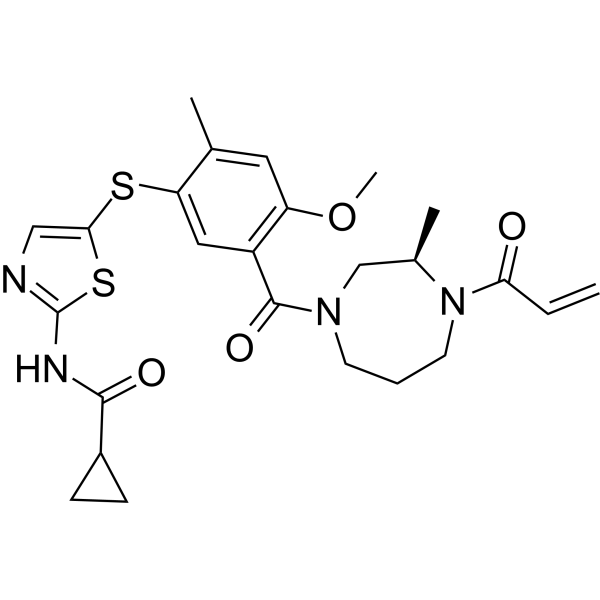
  • HY-150298
    Soquelitinib
    3 Publications Verification

    CPI-818

    Itk Inflammation/Immunology Cancer
    Soquelitinib (CPI-818) is an orally active and highly selective covalent interleukin-2-inducible kinase (ITK) inhibitor. Soquelitinib is active in six different models of T cell-mediated inflammatory and immune disease, including acute and chronic asthma, pulmonary fibrosis, systemic sclerosis (scleroderma), psoriasis, and acute graft versus host disease with Th2 cytokine product inhibition. Soquelitinib increases tumor infiltration of normal CD8 + cells that possess enhanced T effector function .
    Soquelitinib
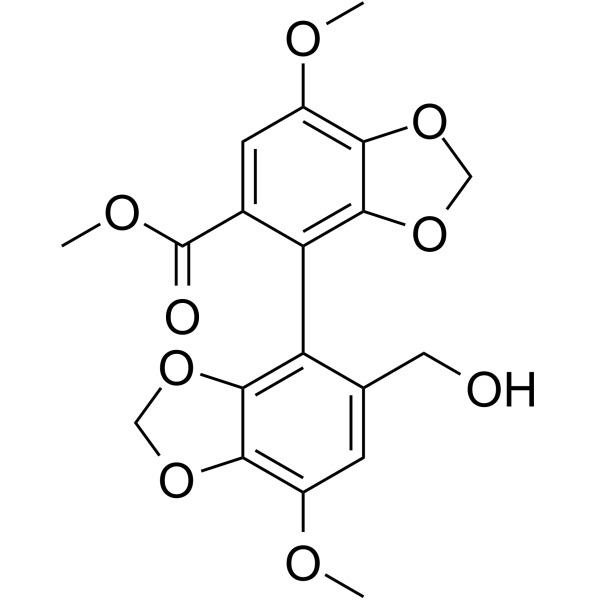
  • HY-B0766

    SY801

    Autophagy Apoptosis HBV HCV HSP Reactive Oxygen Species (ROS) Bcl-2 Family Glutathione S-transferase p38 MAPK NF-κB Microtubule/Tubulin ERK JNK TNF Receptor Interleukin Related CDK Cyclin G-associated Kinase (GAK) mTOR P-glycoprotein Ferroptosis Infection Inflammation/Immunology Cancer


    Bicyclol (SY801) is an orally active derivative of the traditional Chinese medicine Schisandra chinensis, which has antiviral, anti-inflammatory, immunomodulatory, antioxidant, anti-steatosis, anti-fibrotic and anti-tumor activities. Bicyclol regulates the expression of heat shock proteins and plays an anti-apoptosis role in hepatocytes. Bicyclol reduces the activation of NF-κB and the levels of inflammatory factors in hepatocytes infected with hepatitis C virus (HCV) by inhibiting the activation of the ROS-MAPK-NF-κB pathway, and prevents ferroptosis in acute liver injury. Bicyclol can change the expression of Mdr-1, GSH/GST and Bcl-2, increase the intracellular concentration of anticancer drugs, and sensitize drug-resistant cells to anticancer drugs. Bicyclol inhibits the proliferation of human malignant hepatoma cells by regulating the PI3K/AKT pathway and the Ras/Raf/MEK/ERK pathway. Bicyclol can be used in the study of chronic hepatitis, acute liver injury, nonalcoholic fatty liver disease, liver fibrosis and hepatocellular carcinoma .
    Bicyclol
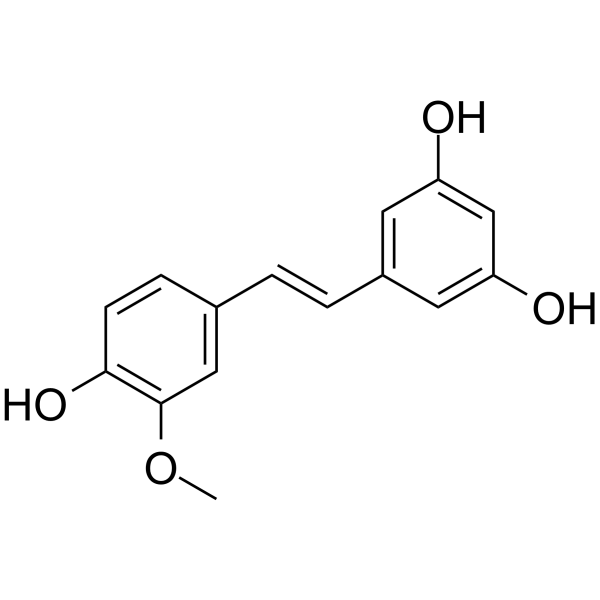
  • HY-N2593
    Isorhapontigenin
    4 Publications Verification

    Carnitine Palmitoyltransferase (CPT) Reactive Oxygen Species (ROS) Autophagy Apoptosis NF-κB PI3K Akt MMP Keap1-Nrf2 Metabolic Disease Inflammation/Immunology Cancer
    Isorhapontigenin is an orally active dietary polyphenol. Isorhapontigenin acts as a potent antioxidant that reduces the production of reactive oxygen species (ROS). Isorhapontigenin promotes the binding of JUN to the AP-1 site on the SESN2 promoter, induces SESN2 transcription, triggers MAPK8-dependent JUN activation, and upregulates the expression of PPAR-α, PGC-1α and CPT-1A to facilitate fatty acid oxidation. Isorhapontigenin induces autophagy, apoptosis and preadipocyte differentiation; it inhibits tumor growth, cell invasion, NF-κB transcriptional activity, the PI3K/Akt signaling pathway, STAT1 phosphorylation and MMP-2 expression. Isorhapontigenin alleviates oxidative stress, inflammatory cytokine release and triglyceride accumulation; it increases intracellular ATP levels and promotes Nrf2 nuclear translocation. Isorhapontigenin improves insulin sensitivity in adipose tissue and glucose tolerance, and reduces postprandial blood glucose, insulin and free fatty acid levels. Isorhapontigenin is applicable to research on bladder cancer, liver injury, chronic obstructive pulmonary disease, acute lung injury and type 2 diabetes .
    Isorhapontigenin
  • HY-P991049

    ATM-001

    TNF Receptor Metabolic Disease Inflammation/Immunology
    Atrosimab is an Fv-Fc1K fusion protein with an EC50 value of 0.37 nM against humans. Atrosimab inhibits TNF-induced TNFR1 activation, release of IL-6 and IL-8, and cell death, and alleviates neuroinflammation. Atrosimab is applicable to research related to inflammatory diseases, neurodegenerative diseases, acute and chronic inflammation, experimental arthritis, non-alcoholic steatohepatitis, and experimental autoimmune encephalomyelitis .
    Atrosimab
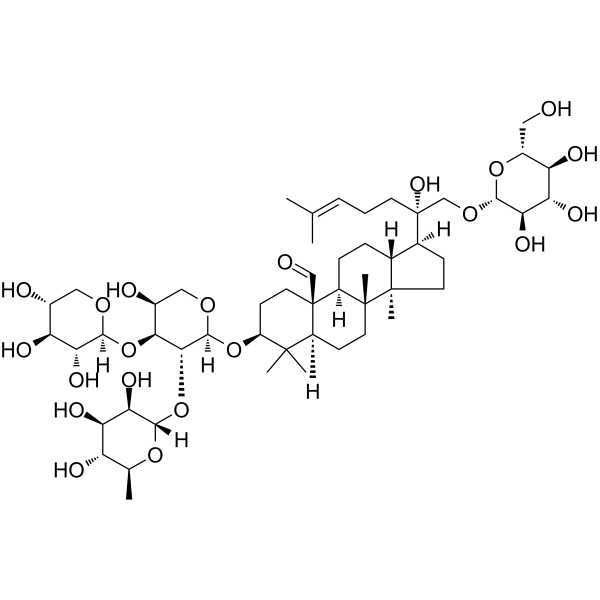
  • HY-N1990
    Gypenoside XLIX
    2 Publications Verification

    PPAR Sirtuin Keap1-Nrf2 Toll-like Receptor (TLR) NF-κB Reactive Oxygen Species (ROS) NOD-like Receptor (NLR) Apoptosis Pyroptosis Autophagy Cardiovascular Disease Neurological Disease Metabolic Disease Inflammation/Immunology
    Gypenoside XLIX is a multifunctional bioactive compound that can be isolated from Gynostemma pentaphyllum, with a Ka value of 1.58 μM for its binding to SIRT1. Gypenoside XLIX acts as a PPAR-α agonist. It inhibits the activation of TLR4-mediated NF-κB signaling pathway by activating the Sirt1/Nrf2 signaling pathway, reduces ROS accumulation, and alleviates hepatic inflammatory injury in mice with sepsis-induced liver disease. Gypenoside XLIX targets SIRT1 to block YAP-NLRP3 activation and improve sepsis-induced cardiomyopathy. Gypenoside XLIX inhibits apoptosis (Apoptosis), pyroptosis (Pyroptosis), autophagy (Autophagy), lipid peroxidation, pro-inflammatory cytokines and anti-inflammatory cytokines. Gypenoside XLIX alleviates sepsis-induced splenic injury by inhibiting inflammation and oxidative stress, and mitigates sepsis-associated encephalopathy by targeting PPAR-α. Gypenoside XLIX prevents acute kidney injury by inhibiting IGFBP7/IGF1R-mediated programmed cell death and inflammation. Gypenoside XLIX inhibits the expression and activity of vascular cell adhesion molecule-1 in cytokine-induced human endothelial cells. Gypenoside XLIX is applicable to research related to acute liver injury, lung injury, cardiomyopathy, acute splenic injury, sepsis-associated encephalopathy, acute kidney injury, atherosclerosis and chronic inflammation .
    Gypenoside XLIX
  • HY-N0444

    Reactive Oxygen Species (ROS) NF-κB HBV Apoptosis Bacterial Fungal Parasite Infection Neurological Disease Metabolic Disease Inflammation/Immunology Cancer
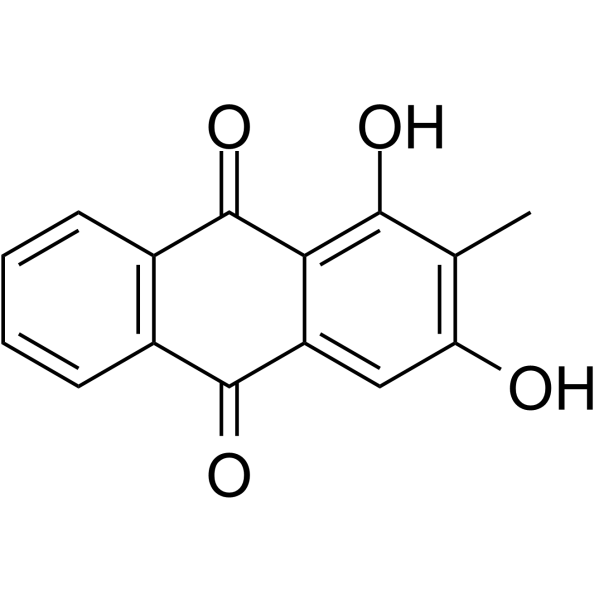
    Rubiadin is an orally active free radical scavenger that inhibits the activation of the NF-κB pathway. Rubiadin inhibits osteoclast formation, bone resorption, lipid peroxidation, HBV DNA replication and cancer cell proliferation; reduces pro-inflammatory cytokine levels; induces cancer cell apoptosis; and possesses antifungal, antimalarial, antibacterial and anticonvulsant activities. Rubiadin can be used in the research of osteoporosis, acute inflammation, chronic inflammation, carbon tetrachloride-induced liver injury, Alzheimer's disease, breast cancer, iron overload disorders, hepatitis B virus infection, colon cancer, liver cancer, T-lymphocytic leukemia, cervical cancer, diabetic nephropathy, epileptic seizures, fungal infections, malaria and bacterial infections .
    Rubiadin
  • HY-N0660

    Apoptosis PARP Caspase AMPK Autophagy VEGFR Keap1-Nrf2 STING 11β-HSD Ferroptosis PI3K Akt p38 MAPK ERK Neurological Disease Metabolic Disease Inflammation/Immunology Cancer
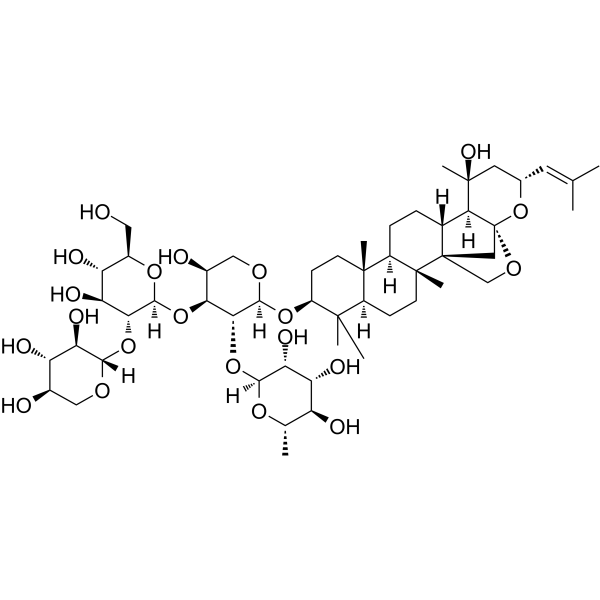
    Jujuboside B is a bioactive saponin component isolated from Ziziphi Spinosae Semen (sour jujube seed), with oral efficacy and blood-brain barrier permeability. Jujuboside B induces acute leukemia cell death and drives necroptosis apoptosis by activating the RIPK1/RIPK3/MLKL pathway. Jujuboside B upregulates the expression of NOXA, PARP and caspase-3, activates AMPK, inhibits the proliferation of breast cancer cells, and induces cell apoptosis and autophagy. Jujuboside B inhibits angiogenesis and tumor growth by blocking the VEGFR-2 signaling pathway. Jujuboside B alleviates liver injury in mice by regulating the Nrf2-STING signaling pathway . Jujuboside B alleviates liver injury by regulating anti-inflammatory responses and downregulating the expression of 11β-HSD2. Jujuboside B induces ferroptosis and overcomes radioresistance in non-small cell lung cancer via the PPARγ-ATF3-Gpx4 signaling pathway. Jujuboside B exerts inhibitory effects on platelet aggregation. Jujuboside B inhibits febrile seizures by suppressing the activity of AMPA receptors. Jujuboside B reverses chronic unpredictable mild stress-promoted tumor progression by blocking the PI3K/Akt and MAPK/ERK pathways and dephosphorylating CREB signaling. Jujuboside B is applicable to related studies on acute leukemia, breast cancer, PM2.5-induced lung injury, hepatotoxicity, liver injury, colorectal cancer, non-small cell lung cancer, thromboembolic diseases, cardiovascular diseases associated with high platelet aggregation, febrile seizures, and depressive-like phenotypes .
    Jujuboside B
  • HY-100009

    Flufenamic acid butyl ester; Butyl flufenamate

    COX Prostaglandin Receptor Inflammation/Immunology
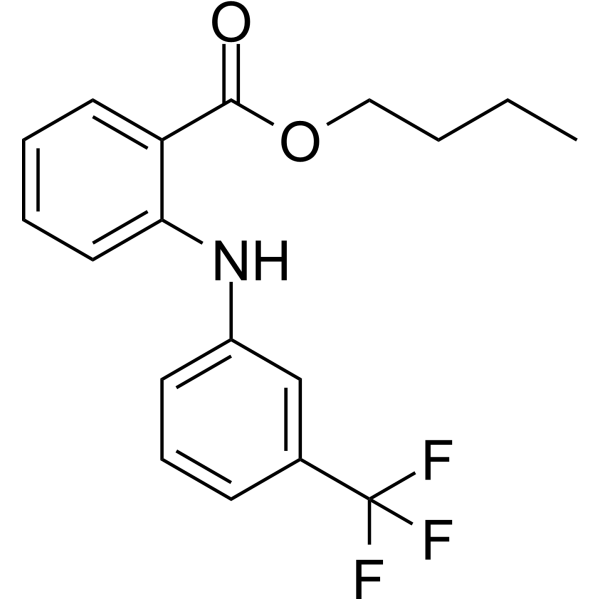
    Ufenamate (Flufenamic acid butyl ester) is an anthranilic acid-based anti-inflammatory drug that can be used in the study of skin diseases such as acute and chronic eczema, contact dermatitis, diaper dermatitis, miliary rashes and atopic dermatitis. Ufenamate has a certain photoprotective effect, reduces the degree of skin erythema and swelling in the photoaging model, downregulates the expression level of COX-2 and can promote the healing of mouse skull defects by secreting BMP2 .
    Ufenamate
  • HY-P990094

    CSL311

    c-Fms Inflammation/Immunology
    Trabikibart (CSL311) is a specific inhibitor targeting the βc receptor (CSF2RB) that inhibits signal transduction mediated by GM-CSF, IL-5, and IL-3. Trabikibart exhibits significant anti-inflammatory and anti-edema effects, reduces myeloid cell infiltration, and inhibits inflammatory cell survival. Trabikibart also possesses antiviral immune functions, which alleviate pulmonary inflammation, reverse airway dysfunction and fibrosis, and thereby restore impaired pulmonary function. Trabikibart can be used in research on related diseases such as acute respiratory distress syndrome, viral pneumonia, asthma, and chronic rhinosinusitis with nasal polyps .
    Trabikibart
  • HY-173568

    Epoxide Hydrolase Inflammation/Immunology
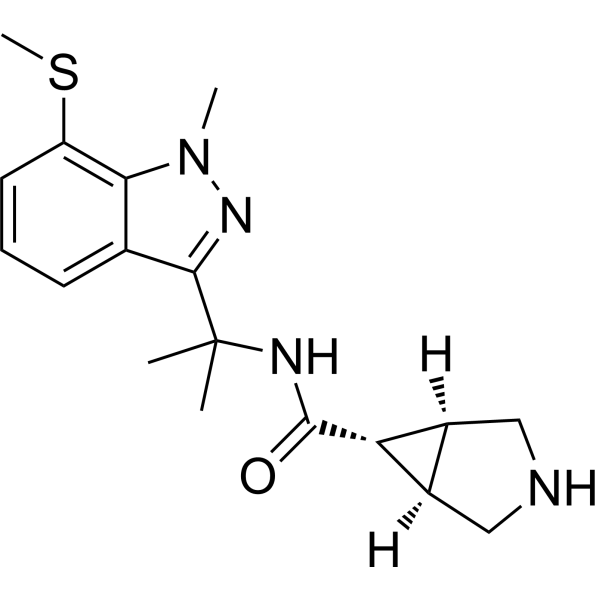
    DJ-89 (Compound 77) is a potent soluble epoxide hydrolase (sEH) inhibitor with an IC50 value of 0.51 nM . DJ-89 inhibits sEH from hydrolyzing epoxyeicosatrienoic acids (EETs), reducing the production of pro-inflammatory substances. DJ-89 is promising for research of acute and chronic inflammatory diseases (such as rheumatoid arthritis) .
    DJ-89
  • HY-163378

    Complement System Inflammation/Immunology
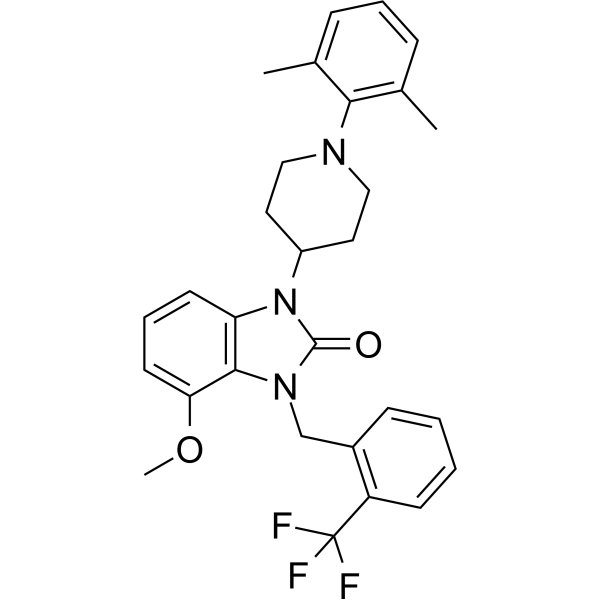
    C5aR1 antagonist 1 (Compound 7e) is an orally active C5a receptor 1 (C5aR1) antagonist. C5aR1 antagonist 1 is active in DISCO and migration assays, with IC50 values of 38 nM and 17 nM, respectively. C5aR1 antagonist 1 can be used for the research of acute and chronic inflammatory diseases .
    C5aR1 antagonist 1
  • HY-142700

    Somatostatin Receptor Neurological Disease
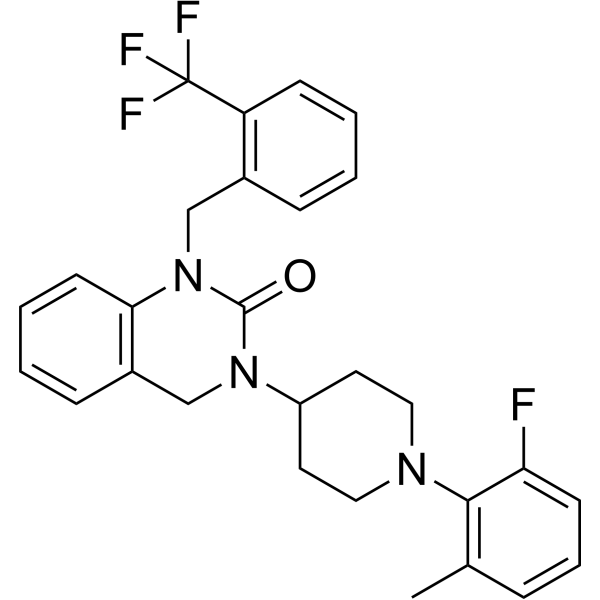
    SSTR4 agonist 3 is a potent agonist of SSTR4. SSTR4 is expressed at relatively high levels in the hippocampus and neocortex, memory and learning regions, and Alzheimer's disease pathology. SSTR4 agonists are potent in rodent models of pain associated with acute and chronic associated anti-peripheral nociceptive and anti-inflammatory activity. SSTR4 agonist 3 has the potential for the research of pain (extracted from patent WO2021233427A1, compound 14) .
    SSTR4 agonist 3
  • HY-163379

    Complement System Inflammation/Immunology
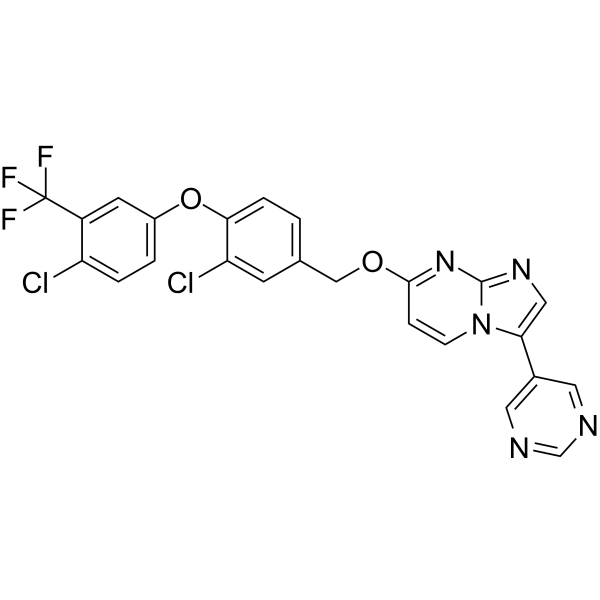
    C5aR1 antagonist 2 (Compound 6a) is an orally active C5a receptor 1 (C5aR1) antagonist that shows efficacy in inhibiting the C5a-induced neutrophil count increase. C5aR1 antagonist 2 is potent in the DISCO and migration assays, with IC50 values of 21 and 3 nM, respectively. C5aR1 antagonist 2 can be used for the research of acute and chronic inflammatory diseases .
    C5aR1 antagonist 2
  • HY-N0444R

    Reference Standards Reactive Oxygen Species (ROS) Apoptosis Fungal Parasite NF-κB HBV Bacterial Infection Neurological Disease Metabolic Disease Inflammation/Immunology Cancer
    Rubiadin (Standard) is the analytical standard of Rubiadin (HY-N0444). This product is intended for research and analytical applications. Rubiadin is an orally active free radical scavenger that inhibits the activation of the NF-κB pathway. Rubiadin inhibits osteoclast formation, bone resorption, lipid peroxidation, HBV DNA replication and cancer cell proliferation; reduces pro-inflammatory cytokine levels; induces cancer cell apoptosis; and possesses antifungal, antimalarial, antibacterial and anticonvulsant activities. Rubiadin can be used in the research of osteoporosis, acute inflammation, chronic inflammation, carbon tetrachloride-induced liver injury, Alzheimer's disease, breast cancer, iron overload disorders, hepatitis B virus infection, colon cancer, liver cancer, T-lymphocytic leukemia, cervical cancer, diabetic nephropathy, epileptic seizures, fungal infections, malaria and bacterial infections.
    Rubiadin (Standard)
  • HY-172135

    p38 MAPK Phosphodiesterase (PDE) Inflammation/Immunology
    PDE4-IN-26 (Compound A5) is an orally active and highly selective PDE4 inhibitor. PDE4-IN-26 has anti-inflammatory activity and can inhibit the phosphorylation of p38 MAPK. In mouse models of acute lung injury and chronic obstructive pulmonary disease, PDE4-IN-26 can improve pulmonary inflammation, injury and fibrosis, promote sputum secretion and relieve cough in mice. PDE4-IN-26 can be used for the research of lung injury-related diseases .
    PDE4-IN-26
  • HY-P10854

    NF-κB Interleukin Related STAT Akt Neurological Disease Inflammation/Immunology
    TAT-N15 is a p55PIK inhibitor with remarkable anti-inflammatory activity and neuroprotective effects. TAT-N15 can significantly inhibit the activation of IL-6, IL-8, Akt, and NF-κB pathways, as well as suppress the protein expression of phosphorylated STAT3 and NF-κB. By inhibiting the activation of Akt, STAT3, and NF-κB pathways, TAT-N15 is used in research on acute conjunctivitis, allergic rhinitis, chronic obstructive pulmonary disease (COPD), and stroke .
    TAT-N15
  • HY-160637

    Phospholipase Cardiovascular Disease Neurological Disease Metabolic Disease Inflammation/Immunology
    Lp-PLA2-IN-17 (Compound 39) is an inhibitor of Lp-PLA2. Lp-PLA2-IN-17 can be used to study disorders involving the hydrolysis of oxidized lipids into two inflammatory substances with the participation of Lp-PLA2 .
    Lp-PLA2-IN-17
  • HY-N2593R

    Reference Standards Carnitine Palmitoyltransferase (CPT) Reactive Oxygen Species (ROS) Autophagy Apoptosis NF-κB PI3K Akt MMP Keap1-Nrf2 Inflammation/Immunology Cancer
    Isorhapontigenin (Standard) is the analytical standard of Isorhapontigenin (HY-N2593). This product is intended for research and analytical applications. Isorhapontigenin is an orally active dietary polyphenol. Isorhapontigenin acts as a potent antioxidant that reduces the production of reactive oxygen species (ROS). Isorhapontigenin promotes the binding of JUN to the AP-1 site on the SESN2 promoter, induces SESN2 transcription, triggers MAPK8-dependent JUN activation, and upregulates the expression of PPAR-α, PGC-1α and CPT-1A to facilitate fatty acid oxidation. Isorhapontigenin induces autophagy, apoptosis and preadipocyte differentiation; it inhibits tumor growth, cell invasion, NF-κB transcriptional activity, the PI3K/Akt signaling pathway, STAT1 phosphorylation and MMP-2 expression. Isorhapontigenin alleviates oxidative stress, inflammatory cytokine release and triglyceride accumulation; it increases intracellular ATP levels and promotes Nrf2 nuclear translocation. Isorhapontigenin improves insulin sensitivity in adipose tissue and glucose tolerance, and reduces postprandial blood glucose, insulin and free fatty acid levels. Isorhapontigenin is applicable to research on bladder cancer, liver injury, chronic obstructive pulmonary disease, acute lung injury and type 2 diabetes.
    Isorhapontigenin (Standard)
  • HY-N17888

    NF-κB p38 MAPK FAK Akt Apoptosis NO Synthase COX TNF Receptor Interleukin Related Inflammation/Immunology Cancer
    Ephemeranthol A is a phenanthrene compound with anticancer and anti-inflammatory activities. Ephemeranthol A exerts significant anti-inflammatory effects in macrophages by inhibiting the NF-κB and MAPK signaling pathways. Ephemeranthol A induces apoptosis and inhibits metastasis of lung cancer cells by suppressing the FAK/Akt signaling and EMT processes. Ephemeranthol A can be used for the research of acute and chronic inflammatory diseases and non-small cell lung cancer .
    Ephemeranthol A
  • HY-100009R

    Flufenamic acid butyl ester (Standard); Butyl flufenamate (Standard)

    Reference Standards COX Prostaglandin Receptor Inflammation/Immunology
    Ufenamate (Standard) is the analytical standard of Ufenamate (HY-100009). This product is intended for research and analytical applications. Ufenamate (Flufenamic acid butyl ester) is an anthranilic acid-based anti-inflammatory drug that can be used in the study of skin diseases such as acute and chronic eczema, contact dermatitis, diaper dermatitis, miliary rashes and atopic dermatitis. Ufenamate has a certain photoprotective effect, reduces the degree of skin erythema and swelling in the photoaging model, downregulates the expression level of COX-2 and can promote the healing of mouse skull defects by secreting BMP2 .
    Ufenamate (Standard)
  • HY-N18124

    Others Neurological Disease
    1-O-Tigloyl-1-O-debenzoylohchinal is an orally active limonoid-type triterpenoid anti-inflammatory and peripheral analgesic agent isolated from the fruits of Melia toosendan. 1-O-Tigloyl-1-O-debenzoylohchinal significantly inhibits acetic acid (HY-Y0319)-induced increase in vascular permeability, λ-Carrageenan (HY-N9470)-induced paw edema, and acetic acid-induced writhing response in mice. 1-O-Tigloyl-1-O-debenzoylohchinal shows no significant analgesic effect in the hot-plate test, and acts mainly on the peripheral rather than the central nervous system. 1-O-Tigloyl-1-O-debenzoylohchinal can be widely used in the research of acute or chronic inflammation, stomachache and other related diseases .
    1-O-Tigloyl-1-O-debenzoylohchinal
  • HY-N0660R

    Reference Standards ERK p38 MAPK Akt PI3K 11β-HSD STING VEGFR Ferroptosis Autophagy Apoptosis Keap1-Nrf2 Caspase PARP AMPK Neurological Disease Metabolic Disease Inflammation/Immunology Cancer
    Jujuboside B (Standard) is the analytical standard of Jujuboside B. This product is intended for research and analytical applications. Jujuboside B is a bioactive saponin component isolated from Ziziphi Spinosae Semen (sour jujube seed), with oral efficacy and blood-brain barrier permeability. Jujuboside B induces acute leukemia cell death and drives necroptosis apoptosis by activating the RIPK1/RIPK3/MLKL pathway. Jujuboside B upregulates the expression of NOXA, PARP and caspase-3, activates AMPK, inhibits the proliferation of breast cancer cells, and induces cell apoptosis and autophagy. Jujuboside B inhibits angiogenesis and tumor growth by blocking the VEGFR-2 signaling pathway. Jujuboside B alleviates liver injury in mice by regulating the Nrf2-STING signaling pathway . Jujuboside B alleviates liver injury by regulating anti-inflammatory responses and downregulating the expression of 11β-HSD2. Jujuboside B induces ferroptosis and overcomes radioresistance in non-small cell lung cancer via the PPARγ-ATF3-Gpx4 signaling pathway. Jujuboside B exerts inhibitory effects on platelet aggregation. Jujuboside B inhibits febrile seizures by suppressing the activity of AMPA receptors. Jujuboside B reverses chronic unpredictable mild stress-promoted tumor progression by blocking the PI3K/Akt and MAPK/ERK pathways and dephosphorylating CREB signaling. Jujuboside B is applicable to related studies on acute leukemia, breast cancer, PM2.5-induced lung injury, hepatotoxicity, liver injury, colorectal cancer, non-small cell lung cancer, thromboembolic diseases, cardiovascular diseases associated with high platelet aggregation, febrile seizures, and depressive-like phenotypes.
    Jujuboside B (Standard)

온라인 문의

Your information is safe with us. * Required Fields.

호칭


Country or Region *

고객명 *


회사명 *

Department *


메일주소 *


상품명 *

Cat. No.


Requested quantity *

전화번호 *


비고

온라인 문의

Inquiry Information

상품명:
Cat. No.:
수량:
MCE Japan Authorized Agent: