



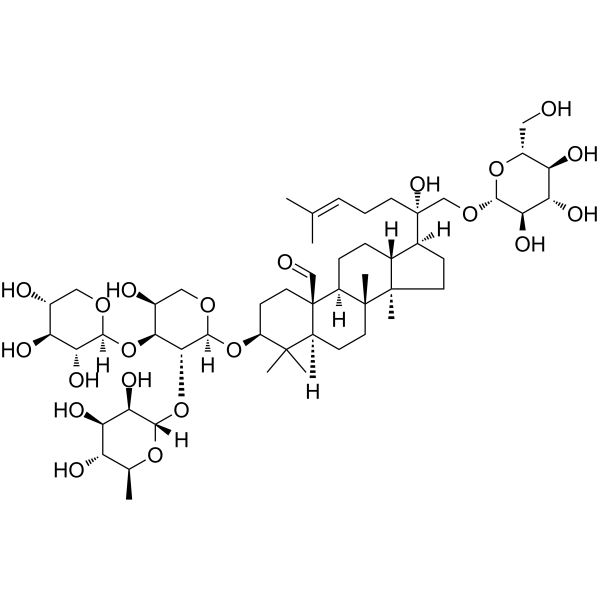
Gypenoside XLIX
Based on 2 publication(s) in Google Scholar
Gypenoside XLIX is a multifunctional bioactive compound that can be isolated from Gynostemma pentaphyllum, with a Ka value of 1.58 μM for its binding to SIRT1. Gypenoside XLIX acts as a PPAR-α agonist. It inhibits the activation of TLR4-mediated NF-κB signaling pathway by activating the Sirt1/Nrf2 signaling pathway, reduces ROS accumulation, and alleviates hepatic inflammatory injury in mice with sepsis-induced liver disease. Gypenoside XLIX targets SIRT1 to block YAP-NLRP3 activation and improve sepsis-induced cardiomyopathy. Gypenoside XLIX inhibits apoptosis (Apoptosis), pyroptosis (Pyroptosis), autophagy (Autophagy), lipid peroxidation, pro-inflammatory cytokines and anti-inflammatory cytokines. Gypenoside XLIX alleviates sepsis-induced splenic injury by inhibiting inflammation and oxidative stress, and mitigates sepsis-associated encephalopathy by targeting PPAR-α. Gypenoside XLIX prevents acute kidney injury by inhibiting IGFBP7/IGF1R-mediated programmed cell death and inflammation. Gypenoside XLIX inhibits the expression and activity of vascular cell adhesion molecule-1 in cytokine-induced human endothelial cells. Gypenoside XLIX is applicable to research related to acute liver injury, lung injury, cardiomyopathy, acute splenic injury, sepsis-associated encephalopathy, acute kidney injury, atherosclerosis and chronic inflammation.
For research use only. We do not sell to patients.
- Purity : 99.88%
- CAS No.: 94987-08-3
- Formula: C52H86O21
- Molecular Weight:1047.23
-
Storage:
4°C, protect from light
* In solvent : -80°C, 6 months; -20°C, 1 month (protect from light)

To place orders, for customer services and technical support, please contact: MedChemExpress USA
Tel: 609-228-6898 E-mail: [email protected] [email protected]


-
 Biological Activity
-
Chemical Information
-
Solvent & Solubility
- Purity & Documentation
- References
-
 Help & FAQs


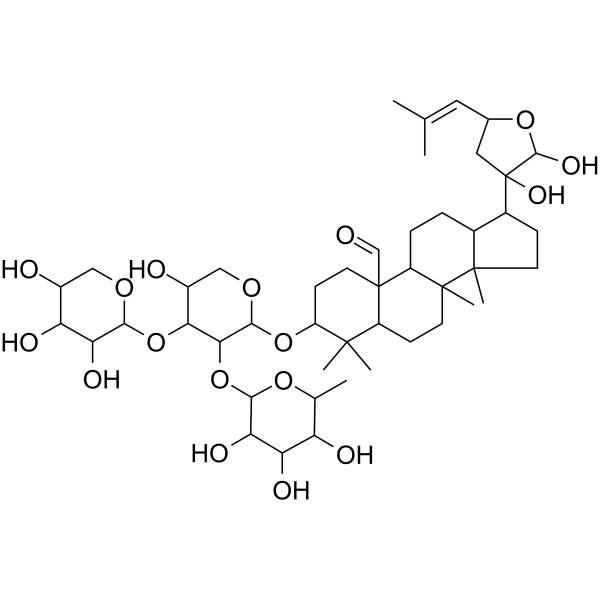
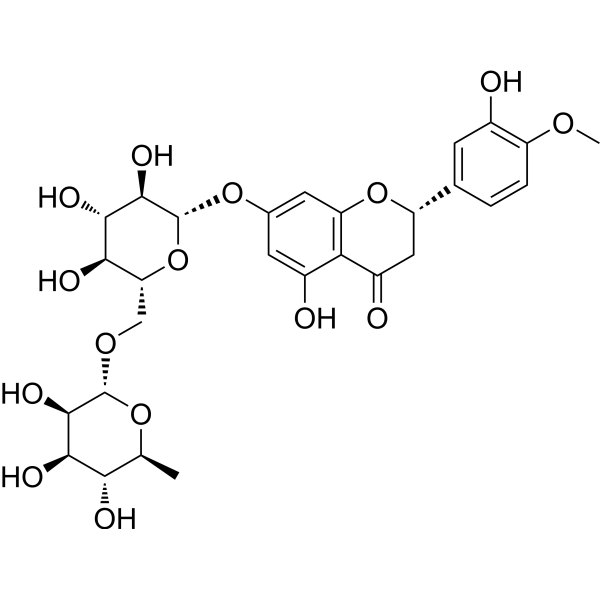
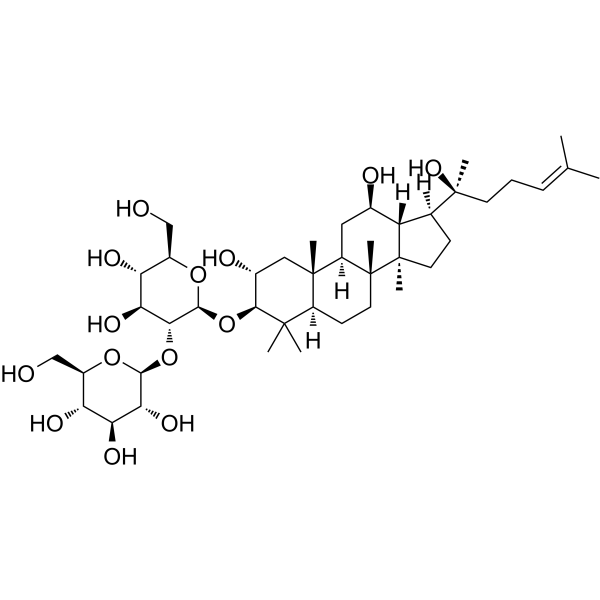
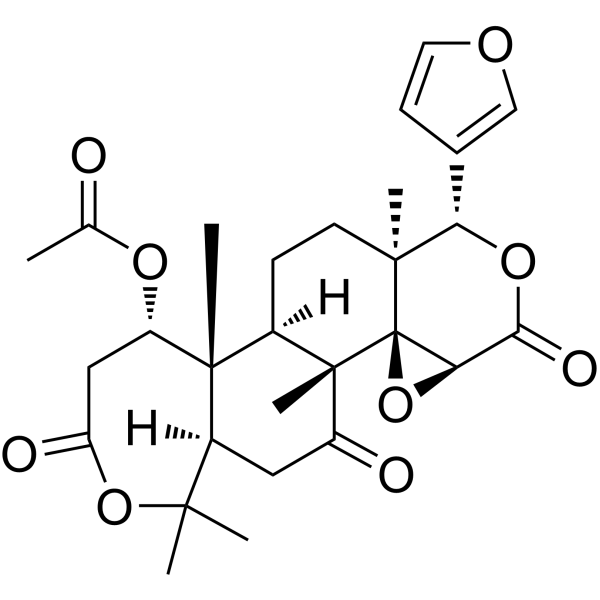
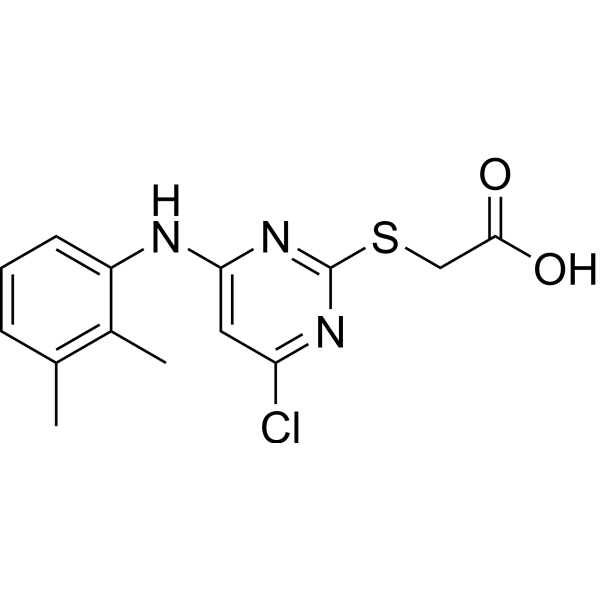


Publications Citing Use of MedChemExpress (MCE) Gypenoside XLIX
More

Biological Activity
Description
IC50 & Target
|
PPAR-α |
In Vitro
Gypenoside XLIX (0-80 μM) reduces the viability of RAW264.7 cells at concentrations of 10, 20, 40, and 80 μM, while exerts no significant effect at 5 μM[1].
Gypenoside XLIX (40 μM) inhibits the LPS (HY-D1056)-activated NF-κB signaling pathway in RAW264.7 cells by reducing the levels of P-IκBα and P-P65 and restoring the level of IκBα, and activates PPAR-α in LPS-stimulated RAW264.7 cells by upregulating the protein level of PPAR-α[1].
Gypenoside XLIX (40 μM; 1 h pre-incubation) activates the antioxidant Nrf2 pathway in LPS-stimulated RAW264.7 cells by upregulating the protein levels of Nrf2, HO-1 and NQO1, thereby alleviating oxidative stress[1].
Gypenoside XLIX (40 μM; 1 h pre-incubation) inhibits the NLRP3 inflammasome pathway and alleviates pyroptosis in LPS-stimulated RAW264.7 cells by reducing the protein levels of NLRP3, ASC, Caspase1 P20, GSDMD and IL-1β[1].
Gypenoside XLIX (32 μM; 12 h) activates the Sirt1/Nrf2 signaling pathway, reduces ROS production, and inhibits NLRP3 inflammasome activation in LPS/ATP (HY-B2176)-stimulated MLE-12 cells[2].
Gypenoside XLIX (3.125-100 μM) binds directly to recombinant SIRT1 protein with high affinity, with a Kd value of 1.58 μM measured by SPR, and stabilizes SIRT1 protein in H9C2 rat cardiomyocytes against heat-induced degradation[3].
Gypenoside XLIX (40 μM; 24 h) alleviates LPS-induced inflammation and oxidative stress in H9C2 rat cardiomyocytes in a SIRT1-dependent manner, reduces the expression of proinflammatory cytokines, the levels of oxidative stress markers and the activation of NLRP3 inflammasome, and promotes the phosphorylation, deacetylation and proteasomal degradation of YAP in cells[3].
Gypenoside XLIX (40 μM) promotes post-transcriptional proteasomal degradation of NLRP3 in YAP-overexpressing H9C2 rat cardiomyocytes by enhancing K27-linked ubiquitination, and reverses YAP-induced upregulation of NLRP3[3].
Gypenoside XLIX (20-40 μM) reduces the viability of mouse microglial BV-2 cells[5].
Gypenoside XLIX (10 μM; 12 h) reduces the production of NO and ROS in LPS-stimulated mouse microglial BV-2 cells, upregulates the expression of PPAR-α in cells, and inhibits the activation of p38 and JNK MAPK pathways, and this effect is partially dependent on the activation of PPAR-α[5].
Gypenoside XLIX (10 μM; 12 h) reduces the expression of inflammatory proteins iNOS, COX-2 and TLR4 in LPS-stimulated mouse microglial BV-2 cells, and activates the Nrf2/Keap1 oxidative stress response pathway in cells, an effect that depends on the activation of PPAR-α[5].
Gypenoside XLIX (10 μM; 12 h) reduces the apoptosis level of LPS-stimulated mouse microglial BV-2 cells by regulating the expression of apoptotic proteins, and this effect depends on the activation of PPAR-α[5].
Gypenoside XLIX (0-256 μM; 24 h) restores the viability of HK2 cells treated with Cisplatin (HY-17394)[6].
Gypenoside XLIX (0-128 μM; 24 h) reduces the increases in KIM-1 protein and KIM-1 mRNA levels induced by Cisplatin or hypoxia/reoxygenation (H/R) in HK2 cells, decreases proinflammatory cytokine production and NF-κB activation, and inhibits necroptosis and apoptosis[6].
Gypenoside XLIX (64 μM; overnight pre-incubation) activates the IGF pathway in Cisplatin-treated HK2 cells by reducing the expression of IGFBP7 and its binding to IGF1R[6].
Gypenoside XLIX (10-300 μM; 0.5-24 h) inhibits TNF-α-induced VCAM-1 promoter activity (IC50 = 186.8 μM), mRNA expression, total protein expression, and surface VCAM-1 expression in human umbilical vein endothelial cells (HUVECs) via a PPAR-α-dependent pathway[7].
MedChemExpress (MCE) has not independently confirmed the accuracy of these methods. They are for reference only.
-
Cell Line:LPS-stimulated RAW264.7
-
Concentration:40 μM
-
Incubation Time:1 h (pre-incubation)
-
Result:Significantly reduced LPS-induced increases in P-IκBα, P-P65 protein levels.
Reversed LPS-induced decreases in IκBα protein levels.\n
Significantly increased Nrf2, , PPAR-α, HO-1 and NQO1 protein levels.
Significantly reduced LPS-induced increases in NLRP3, ASC, Caspase1 P20, GSDMD, and IL-1β protein levels.
-
Cell Line:LPS-stimulated mouse microglial BV-2 cells
-
Concentration:10 μM (pretreated before LPS stimulation)
-
Incubation Time:12 h (pretreated before LPS stimulation)
-
Result:Increased PPAR-α protein expression relative to LPS-only treated cells.
Reduced p-p38 and p-JNK protein expression relative to LPS-only treated cells.
These effects were partially reversed by co-treatment with 5 μM PPAR-α inhibitor GW6471 (pretreated for 30 min before Gypenoside XLIX).\nReduced iNOS, COX-2, and TLR4 protein expression relative to LPS-only treated cells; these effects were reversed by co-treatment with 5 μM PPAR-α inhibitor GW6471 (pretreated for 30 min before Gypenoside XLIX).\nIncreased Nrf2 protein expression relative to LPS-only treated cells.
Reduced Keap1 protein expression relative to LPS-only treated cells; these effects were reversed by co-treatment with 5 μM PPAR-α inhibitor GW6471 (pretreated for 30 min before Gypenoside XLIX).\nReduced Bax protein expression relative to LPS-only treated cells.
Increased Bcl-2 protein expression relative to LPS-only treated cells; these effects were reversed by co-treatment with 5 μM PPAR-α inhibitor GW6471 (pretreated for 30 min before Gypenoside XLIX).
-
Cell Line:HK2 (human renal tubular epithelial cells)
-
Concentration:32 μM (pre-incubated before 24 h Cisplatin treatment); 64 μM (pre-incubated before 24 h Cisplatin treatment); 128 μM (pre-incubated before 24 h Cisplatin treatment)
-
Incubation Time:12 h (pre-incubation); 24 h (cisplatin treatment)
-
Result:Markedly restored HK2 cell viability in response to Cisplatin treatment.
-
Cell Line:HK2 (hypoxia/reoxygenation (H/R)-treated human renal tubular epithelial cells)
-
Concentration:64 μM (pre-incubated before H/R treatment)
-
Incubation Time:12 h (hypoxia); 6 h (reoxygenation)
-
Result:Downregulated H/R-induced increases in protein levels of RIPK1, RIPK3, and cleaved caspase-3.
-
Cell Line:human umbilical vein endothelial cells (HUVECs)
-
Concentration:10-300 μM
-
Incubation Time:30 min pre-incubation before 5 h TNF-α stimulation
-
Result:Concentration-dependently decreased TNF-α-induced VCAM-1 mRNA overexpression (a ~3-fold increase in controls).
-
Cell Line:human umbilical vein endothelial cells (HUVECs)
-
Concentration:10-300 μM
-
Incubation Time:30 min pre-incubation before 5 h TNF-α stimulation
-
Result:Concentration-dependently decreased TNF-α-induced VCAM-1 protein overexpression (a ~3-fold increase in controls).
-
Cell Line:human umbilical vein endothelial cells (HUVECs)
-
Concentration:10-300 μM
-
Incubation Time:24 h pre-incubation before 8 h TNF-α stimulation
-
Result:Concentration-dependently decreased TNF-α-induced cell surface VCAM-1 expression, reducing control activity to 51.4 ± 3.7% at 300 μM.
Parmacokinetics
In Vivo
Gypenoside XLIX (10-40 mg/kg; i.p.; daily; 5 days) dose-dependently alleviates sepsis-induced cardiomyopathy, with the 40 mg/kg dose exerting the most significant therapeutic effects, including an 80% survival rate, reduced levels of inflammation and oxidative stress, restored cardiac function, and inhibition of the YAP-NLRP3 pathway via activation of SIRT1[3].
Gypenoside XLIX (20 mg/kg; i.p.; daily; 4 days) significantly alleviates CLP-induced acute splenic inflammation and oxidative stress in male BALB/c mice with sepsis by reducing ROS and MDA levels, enhancing antioxidant enzyme activity, and regulating the expression of pro-inflammatory and anti-inflammatory mediators[4].
Gypenoside XLIX (40 mg/kg; i.p.; daily; 5 days) alleviates sepsis-associated encephalopathy in CLP-induced C57BL/6 mice via activating PPAR-α, increases the survival rate to 73.33%, and simultaneously attenuates neuroinflammation, oxidative stress, cell apoptosis and blood-brain barrier damage, as well as restores cognitive function[5].
Gypenoside XLIX (25-100 mg/kg; i.p.; daily; 3 days) significantly protects male C57BL/6 mice against cisplatin- and renal ischemia-reperfusion-induced acute kidney injury (AKI) by inhibiting renal inflammation, necroptosis, apoptosis, and dysregulation of the IGFBP7/IGF1R pathway, while it also markedly reduces serum creatinine, blood urea nitrogen (BUN), renal tubular injury scores, and the levels of pro-inflammatory and cell death markers[6].
MedChemExpress (MCE) has not independently confirmed the accuracy of these methods. They are for reference only.
-
Animal Model:BALB/c (male, 6 weeks old, 20-25 g CLP-induced sepsis model)[1]
-
Dosage:40 mg/kg
-
Administration:i.p.; single dose/daily; 4 consecutive days
-
Result:Ameliorated the CLP-induced darkening of liver tissue and maintained the structural integrity of the liver; reduced the severity of hepatocyte vacuolar degeneration, necrosis, and architectural disarray, resulting in a liver structure that appeared more normal and orderly arranged.
Significantly reduced the serum levels of the liver dysfunction biomarkers ALT and AST.
Decreased the mRNA expression levels of the pro-inflammatory cytokines IL-1β, IL-6, and TNF-α, as well as the inflammatory mediator iNOS, while increasing the mRNA expression level of the anti-inflammatory cytokine IL-10.
Significantly reduced the protein expression levels of TLR4 and iNOS.
Increased the protein levels of IκBα in liver tissue and decreased the protein levels of p-p65, thereby inhibiting the activation of the NF-κB signaling pathway.
Reduced the levels of MDA and the protein levels of CYP2E1 in liver tissue, while increasing the levels of T-AOC, CAT, and GSH, as well as the protein levels of Nrf2 and HO-1, also reduced the accumulation of ROS in the liver, thereby effectively alleviating oxidative stress-induced injury.
Increased the protein levels of PPAR-α in liver tissue and reduced the number of lipid droplets (as detected by Oil Red O staining), thereby alleviating hepatic lipid accumulation.
Reduced the protein expression levels of NLRP3, ASC, Caspase-1 p20, GSDMD, and IL-1β in liver tissue, thereby inhibiting the occurrence of hepatocyte pyroptosis.
Iincreased the protein expression levels of Sirt1 and Nrf2 in lung tissue, thereby activating the Sirt1/Nrf2 signaling pathway.
Significantly reduced the number of TUNEL-positive apoptotic cells in lung tissue; it decreased the protein expression of cleaved Caspase-3, Cytochrome c, and Bax, while increasing the protein expression of the anti-apoptotic marker Bcl-2.
Reduced the protein expression levels of the mitochondrial autophagy-related markers Pink1, Parkin, and the LC3B II/I ratio, while increasing the protein expression of p62, thereby inhibiting excessive mitochondrial autophagy.
-
Animal Model:C57BL/6 (male, 8 weeks old, cecal ligation and puncture surgery-induced sepsis)[3]
-
Dosage:10 mg/kg; 20 mg/kg; 40 mg/kg
-
Administration:i.p.; daily; 5 days
-
Result:Increased survival rate, with significant improvement at 20 and 40 mg/kg.
Significantly reduced sepsis model scores at 20 and 40 mg/kg.
Significantly reduced cardiac wet-to-dry weight ratios at 20 and 40 mg/kg.
Reduced serum creatine kinase (CK) and lactate dehydrogenase (LDH) levels at all three doses, with the most significant reduction at 40 mg/kg.
Significantly mitigated CLP-induced body weight loss at 20 and 40 mg/kg.
Significantly reduced cardiomyocyte disorganization, interstitial gap enlargement, and lymphocyte infiltration, with improved H&E staining and reduced histopathological scores at 40 mg/kg.
Reduced left ventricular internal dimension in diastole/systole (LVIDd/LVIDs) ratio, increased left ventricular anterior wall thickness in diastole (LVAWd), left ventricular posterior wall thickness in diastole (LVPWd), fractional shortening (FS), and ejection fraction (EF) at 40 mg/kg compared to untreated mice, reversing ventricular dilation and systolic dysfunction.
Reduced cardiac mRNA expression of pro-inflammatory cytokines IL-1β, IL-6, iNOS, and TNF-α, increased anti-inflammatory cytokine IL-10 mRNA expression, and reduced protein levels of iNOS, COX-2, and TLR4 at 40 mg/kg.
Increased cardiac glutathione (GSH), catalase (CAT), and total antioxidant capacity (T-AOC) levels, reduced malondialdehyde (MDA) levels, reversed CLP-induced increases in Keap1 protein and decreases in Nrf2 protein, and reduced reactive oxygen species (ROS) levels at 40 mg/kg compared to untreated mice.
Increased cardiac SIRT1 mRNA and protein expression, reduced total YAP protein levels, increased phosphorylated YAP levels, reduced acetylated YAP levels, and reduced NLRP3 protein expression at 40 mg/kg compared to untreated mice; promoted K27-linked polyubiquitination of NLRP3 to drive its degradation.
-
Animal Model:BALB/c (male, 6 weeks old, 20-25 g, CLP-induced sepsis)[4]
-
Dosage:20 mg/kg
-
Administration:i.p.; daily; 4 days
-
Result:Mitigated CLP-induced splenic histopathological damage, restoring clear demarcation between red and white marrow with well-defined structures.
Reduced CLP-induced splenic malondialdehyde (MDA) levels and increased catalase (CAT), glutathione (GSH), and total antioxidant capacity (T-AOC) levels in spleen tissue.
Inhibited CLP-induced splenic reactive oxygen species (ROS) accumulation.
Downregulated mRNA and protein levels of pro-inflammatory mediators iNOS, COX-2, TNF-α, IL-6, and IL-1β in spleen tissue.
Upregulated mRNA levels of the anti-inflammatory cytokine IL-10 in spleen tissue.
-
Animal Model:C57BL/6 (6-8 weeks old; sepsis-associated encephalopathy induced by caecal ligation and puncture)[5]
-
Dosage:40 mg/kg
-
Administration:i.p.; daily; 5 days
-
Result:Achieved a 73.33% survival rate in CLP-induced SAE mice.
Reduced neurological deficit scores .
Decreased brain water content.
Mitigated cerebral cortex structural damage and reduced microglial hyperplasia.
Increased time spent and distance travelled in the central area of the open field test; increased exploration of open arms in the elevated plus maze test; reduced escape latency in the Morris water maze test.
Decreased Evans blue leakage, downregulated MMP9 protein expression, and upregulated claudin protein expression.
Decreased mRNA expression of proinflammatory cytokines IL-1β, TNF-α, IL-6, and iNOS; increased mRNA expression of anti-inflammatory cytokine IL-10; downregulated protein expression of iNOS, COX-2, TLR4, and p-p65.
Increased CAT activity, GSH content, and T-AOC activity; decreased MDA content and cerebral cortex ROS levels; upregulated Nrf2 protein expression and downregulated Keap1 protein expression.
Reduced TUNEL-positive cells in the cerebral cortex; downregulated Bax and Cyto-C protein expression; upregulated Bcl-2 protein expression.
Increased PPAR-α protein expression in brain tissue and downregulated activation of downstream MAPK signalling proteins (p-p38 and p-JNK).
Reduced IBA1 protein expression in brain tissue.
-
Animal Model:C57BL/6 (male, 6-8 weeks old, Cisplatin/renal ischemia-reperfusion-induced AKI)[6]
-
Dosage:25 mg/kg; 50 mg/kg; 100 mg/kg
-
Administration:i.p.; daily; 3 consecutive days (first dose 6 hours pre-cisplatin)
-
Result:Significantly suppressed the cisplatin-induced increase in serum creatinine and blood urea nitrogen levels.
Significantly reduced tubular necrosis, dilation, and cast formation, with tubular injury scores decreased to levels significantly lower than the cisplatin group.
Significantly reduced cisplatin-induced upregulation of KIM-1 mRNA and protein levels in kidney tissue.
Significantly reduced the percentage of TNF-α-positive cells in kidney tissue, and suppressed cisplatin-induced upregulation of Tnf-α, Il-6, and Mcp-1 mRNA levels in kidney tissue.
Significantly reduced cisplatin-induced increases in p-P65, RIPK1, RIPK3, and cleaved caspase-3 protein levels in kidney tissue.
Reduced IGFBP7 mRNA and protein levels, and increased p-IGF1R protein levels in kidney tissue, while decreasing the binding of IGFBP7 to IGF1R.


Chemical Information
-
CAS No. 94987-08-3
-
Appearance Solid
-
Molecular Weight 1047.23
-
Formula C52H86O21
-
Color White to light yellow
-
SMILES
O=C[C@@]([C@](CC1)([H])C2(C)C)(CC[C@@H]2O[C@@](OC[C@H](O)[C@@H]3O[C@@](OC[C@@H](O)[C@@H]4O)([H])[C@@H]4O)([H])[C@@H]3O[C@@](O[C@@H](C)[C@H](O)[C@H]5O)([H])[C@@H]5O)[C@](CC[C@@]6([H])[C@]7(CC[C@]6([H])[C@](CC/C=C(C)/C)(O)CO[C@@H]([C@@H]([C@@H](O)[C@@H]8O)O)O[C@@H]8CO)C)([H])[C@]71C
-
Structure Classification
-
Initial Source
-
Shipping
Room temperature in continental US; may vary elsewhere.
-
Storage
4°C, protect from light
* In solvent : -80°C, 6 months; -20°C, 1 month (protect from light)


Publications (2)
-
Journal Impact Factor
-
Most Recent
-
Int J Mol Sci
Cycloastragenol Improves Fatty Acid Metabolism Through NHR-49/FAT-7 Suppression and Potent AAK-2 Activation in Caenorhabditis elegans Obesity Model. [Abstract]2026 Jan 13;27(2):772. PMID: 41596421 -
Front Pharmacol
Gypenoside XLIX inhibiting PI3K/AKT/FOXO1 signaling pathway mediated neuronal mitochondrial autophagy to improve patients with ischemic stroke. [Abstract]2025 Aug 21:16:1600435. PMID: 40918528


Solvent & Solubility
In Vitro:
DMSO : 125 mg/mL (119.36 mM; Need ultrasonic; Hygroscopic DMSO has a significant impact on the solubility of product, please use newly opened DMSO)
Please refer to the solubility information to select the appropriate solvent. Once prepared, please aliquot and store the solution to prevent product inactivation from repeated freeze-thaw cycles.
Storage method and period of stock solution: -80°C, 6 months; -20°C, 1 month (protect from light). When stored at -80°C, please use it within 6 months. When stored at -20°C, please use it within 1 month.
Please refer to the solubility information to select the appropriate solvent. Once prepared, please aliquot and store the solution to prevent product inactivation from repeated freeze-thaw cycles.
Storage method and period of stock solution: -80°C, 6 months; -20°C, 1 month (protect from light). When stored at -80°C, please use it within 6 months. When stored at -20°C, please use it within 1 month.
Concentration (start) × Volume (start) = Concentration (final) × Volume (final)
In Vivo:
Select the appropriate dissolution method based on your experimental animal and administration route.
- For the following dissolution methods, please ensure to first prepare a clear stock solution using an In Vitro approach and then sequentially add co-solvents:
- To ensure reliable experimental results, the clarified stock solution can be appropriately stored based on storage conditions. As for the working solution for In Vivo experiments, it is recommended to prepare freshly and use it on the same day.
- The percentages shown for the solvents indicate their volumetric ratio in the final prepared solution. If precipitation or phase separation occurs during preparation, heat and/or sonication can be used to aid dissolution.
Add each solvent one by one: 10% DMSO 40% PEG300 5% Tween-80 45% Saline
Solubility: ≥ 6.25 mg/mL (5.97 mM); Clear solution
This protocol yields a clear solution of ≥ 6.25 mg/mL (saturation unknown).
Taking 1 mL working solution as an example, add 100 μL DMSO stock solution (62.5 mg/mL) to 400 μL PEG300, and mix evenly; then add 50 μL Tween-80 and mix evenly; then add 450 μL Saline to adjust the volume to 1 mL.
Preparation of Saline: Dissolve 0.9 g sodium chloride in ddH₂O and dilute to 100 mL to obtain a clear Saline solution.
Add each solvent one by one: 10% DMSO 90% (20% SBE-β-CD in Saline)
Solubility: ≥ 6.25 mg/mL (5.97 mM); Clear solution
This protocol yields a clear solution of ≥ 6.25 mg/mL (saturation unknown).
Taking 1 mL working solution as an example, add 100 μL DMSO stock solution (62.5 mg/mL) to 900 μL 20% SBE-β-CD in Saline, and mix evenly.
Preparation of 20% SBE-β-CD in Saline (4°C, storage for one week): 2 g SBE-β-CD powder is dissolved in 10 mL Saline, completely dissolve until clear.
In Vivo Dissolution Calculator
Please enter the basic information of animal experiments:
-
-
-
-
Recommended: Prepare an additional quantity of animals to account for potential losses during experiments.
Please enter your animal formula composition:
-
%DMSO +
Recommended: Keep the proportion of DMSO in working solution below 2% if your animal is weak.
-
%+
-
+%Tween-80 + +
-
%Saline +
The co-solvents required include: DMSO, . All of co-solvents are available by MedChemExpress (MCE). , Tween 80. All of co-solvents are available by MedChemExpress (MCE).
Working solution concentration: 0.22 mg/mL
Method for preparing stock solution: mg drug dissolved in μL DMSO. Stock solution concentration: mg/mL. * In solvent : -80°C, 6 months; -20°C, 1 month (protect from light)
1. Take μL DMSO stock solution;
2. Add μL .
μL , mix evenly;
3. Then add μL Tween 80, mix evenly;
4. Then add μL
Please ensure that the stock solution in the first step is dissolved to a clear state, and add co-solvents in sequence. You can use ultrasonic heating (ultrasonic cleaner, recommended frequency 20-40 kHz), vortexing, etc. to assist dissolution.


Purity & Documentation
-
Data Sheet (308 KB)
-
SDS (252 KB)
- English - EN (252 KB)
- Français - FR (252 KB)
- Deutsch - DE (252 KB)
- Norwegian - NO (252 KB)
- Español - ES (252 KB)
- Swedish - SV (252 KB)
- Italian - IT (252 KB)
- Korean - KR (252 KB)
- Portuguese - PT (252 KB)
-
Handling Instructions (2659 KB)
References
[1]. Zhou M, et al. Gypenoside XLIX alleviates acute liver injury: Emphasis on NF-κB/PPAR-α/NLRP3 pathways. Int Immunopharmacol. 2024;131:111872. [Content Brief]
[2]. Ping K, et al. Gypenoside XLIX Activates the Sirt1/Nrf2 Signaling Pathway to Inhibit NLRP3 Inflammasome Activation to Alleviate Septic Acute Lung Injury. Inflammation. 2025;48(1):42-60. [Content Brief]
[3]. Zhang W, et al. Gypenoside XLIX targets SIRT1 to block YAP-NLRP3 activation and improve sepsis-induced cardiomyopathy. Phytomedicine. 2025;149:157527. [Content Brief]
[4]. Xu B, et al. Gypenoside XLIX attenuates sepsis-induced splenic injury through inhibiting inflammation and oxidative stress. Int Immunopharmacol. 2024;127:111420. [Content Brief]
[5]. Zhao P, et al. Gypenoside XLIX alleviates sepsis-associated encephalopathy by targeting PPAR-α. Exp Neurol. 2025;383:115027. [Content Brief]
[6]. Yang Q, et al. Gypenoside XLIX protects against acute kidney injury by suppressing IGFBP7/IGF1R-mediated programmed cell death and inflammation. Phytomedicine. 2021;85:153541. [Content Brief]
[7]. Huang TH, et al. Gypenoside XLIX, a naturally occurring PPAR-alpha activator, inhibits cytokine-induced vascular cell adhesion molecule-1 expression and activity in human endothelial cells. Eur J Pharmacol. 2007;565(1-3):158-165. [Content Brief]


Complete Stock Solution Preparation Table
Please refer to the solubility information to select the appropriate solvent. Once prepared, please aliquot and store the solution to prevent product inactivation from repeated freeze-thaw cycles.
Storage method and period of stock solution: -80°C, 6 months; -20°C, 1 month (protect from light). When stored at -80°C, please use it within 6 months. When stored at -20°C, please use it within 1 month.
| Optional Solvent | Concentration Solvent Mass | 1 mg | 5 mg | 10 mg | 25 mg |
|---|---|---|---|---|---|
| DMSO | 1 mM | 0.9549 mL | 4.7745 mL | 9.5490 mL | 23.8725 mL |
| 5 mM | 0.1910 mL | 0.9549 mL | 1.9098 mL | 4.7745 mL | |
| 10 mM | 0.0955 mL | 0.4775 mL | 0.9549 mL | 2.3873 mL | |
| 15 mM | 0.0637 mL | 0.3183 mL | 0.6366 mL | 1.5915 mL | |
| 20 mM | 0.0477 mL | 0.2387 mL | 0.4775 mL | 1.1936 mL | |
| 25 mM | 0.0382 mL | 0.1910 mL | 0.3820 mL | 0.9549 mL | |
| 30 mM | 0.0318 mL | 0.1592 mL | 0.3183 mL | 0.7958 mL | |
| 40 mM | 0.0239 mL | 0.1194 mL | 0.2387 mL | 0.5968 mL | |
| 50 mM | 0.0191 mL | 0.0955 mL | 0.1910 mL | 0.4775 mL | |
| 60 mM | 0.0159 mL | 0.0796 mL | 0.1592 mL | 0.3979 mL | |
| 80 mM | 0.0119 mL | 0.0597 mL | 0.1194 mL | 0.2984 mL | |
| 100 mM | 0.0095 mL | 0.0477 mL | 0.0955 mL | 0.2387 mL |


Gypenoside XLIX Related Classifications
HY-N1990 Related Classifications
 Powered by Bioz
Keywords
- Gypenoside XLIX
- 94987-08-3
- PPAR
- Sirtuin
- Keap1-Nrf2
- Toll-like Receptor (TLR)
- NF-κB
- Reactive Oxygen Species (ROS)
- NOD-like Receptor (NLR)
- Apoptosis
- Pyroptosis
- Autophagy
- multifunctional bioactive compound
- Gynostemma pentaphyllum
- acute liver injury
- lung injury
- cardiomyopathy
- acute splenic injury
- sepsis-associated encephalopathy
- acute kidney injury
- atherosclerosis
- chronic inflammation
- RAW264.7 cells
- MLE-12 cells
- H9C2 cells
- BV-2 cells
- HK2 cells
- HUVECs
- BALB/c mice
- C57BL/6 mice
- Inhibitor
- inhibitor
- inhibit