



Cucurbitaceae Extract
-
- Siraitia grosvenorii (Swingle) C. Jeffrey ex Lu et Z. Y. Zhang (58)
- Momordica charantia Linn. (42)
- Gynostemma pentaphyllum (Thunb.) Makino (29)
- Trichosanthes kirilowii Maxim. (14)
- Citrullus colocynthis (L.) Schrad. (13)
- Hemsleya chinensis Cogn. ex Forbes et Hemsl. (7)
- Bolbostemma paniculaum (Maxim)Franguet (6)
- Cucumis melo Linn. (6)
- Cucumis sativus L. (5)
- Cucurbita pepo L. (5)
- Benincasa hispida (Thunb.) Cogn. (4)
- Lagenaria siceraria (Molina) Standl. (4)
- Luffa aegyptiaca Miller (4)
- Cucurbita moschata (3)
- Hemsleya pengxianensis W. J. Chang (3)
- Herpetospermum pedunculosum (Ser.) C. B. Clarke (3)
- Trichosanthes tricuspidata auct. non Lour. : Keraudren (3)
- Bolbostemma paniculatum (Maxim.) Franquet (2)
- Hemsleya amabilis Diels (2)
- Momordica cochinchinensis (Lour.) Spreng. (2)
- Solena heterophylla Lour. (2)
- Trichosanthes cucumerina L. (2)
- Trichosanthes cucumeroides (Ser.) Maxim. (2)
- Actinostemma tenerum Griff. (1)
- Bryonia aspera Steven ex Ledeb. (1)
- Bryonia dioica Bojer (1)
- Cayaponia tayuya (1)
- Cucumis prophetarum L. (1)
- Cucurbita maxima Duch. ex Lam. (1)
- Cyclanthera pedata (L.) Schrad. (1)
- Ecballium elaterium (L.) A. Rich. (1)
- Fevillea cordifolia L. (1)
- Hemsleya gigantha W. J. Chang (1)
- Momordica balsamina L. (1)
- Mormodica charantia L. (1)
- Sechium edule (Jacq.) Sw. (1)
- Trichosanthes rosthornii Harms (1)
- Wilbrandia ebracteata Cogn. (1)
-
Cucurbitaceae Extract (238)

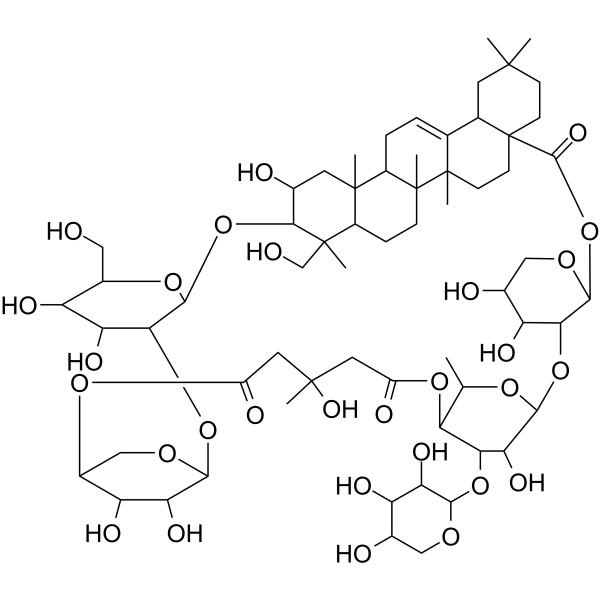
- Formule: C63H98O29
- Masse moléculaire: 1319.43
Tubeimoside I is an orally active HSPD1 inhibitor. Tubeimoside I inhibits NF-κB, MAPK, as well as regulates eNOS-VEGF. Tubeimoside I induces cytoprotective Autophagy via an Akt-mediated pathway. Tubeimoside I inhibits proinflammatory cytokine (IL-6 and IL-1β) production. Tubeimoside I exhibits anti-inflammatory activities. Tubeimoside I promotes angiogenesis and improves sepsis symptoms. Tubeimoside I is used in the research of inflammatory diseases, various cancers, sepsis and ischemic diseases.
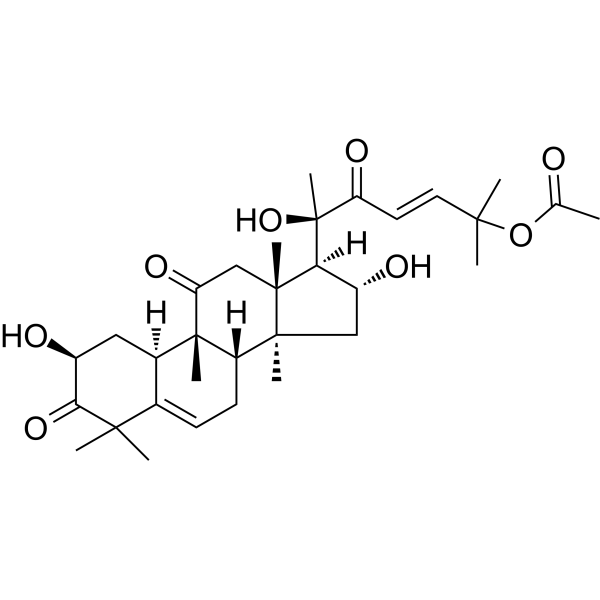
- Formule: C32H46O8
- Masse moléculaire: 558.70
Cucurbitacin B belongs to a class of highly oxidized tetracyclic triterpenoids and is oral active. Cucurbitacin B inhibits tumor cell growth, migration and invasion and cycle arrest, but induces cell apoptosis. Cucurbitacin B has potent anti-inflammatory, antioxidant, antiviral, hypoglycemic, hepatoprotective, neuroprotective activity.
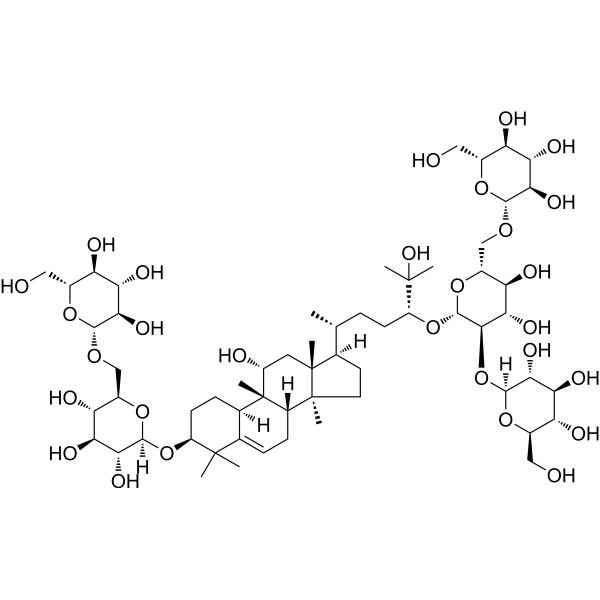
- Formule: C60H102O29
- Masse moléculaire: 1287.43
Mogroside V is a the major active constituent of a traditional Chinese medicine Siraitiae Fructus. Mogroside V reduces the intracellular reactive oxygen species (ROS) levels and enhances mitochondrial function. Mogroside V has anti-oxidative, anti-diabetic and anti-carcinogenic effects. Mogroside V can be used for diabetic diseases research.
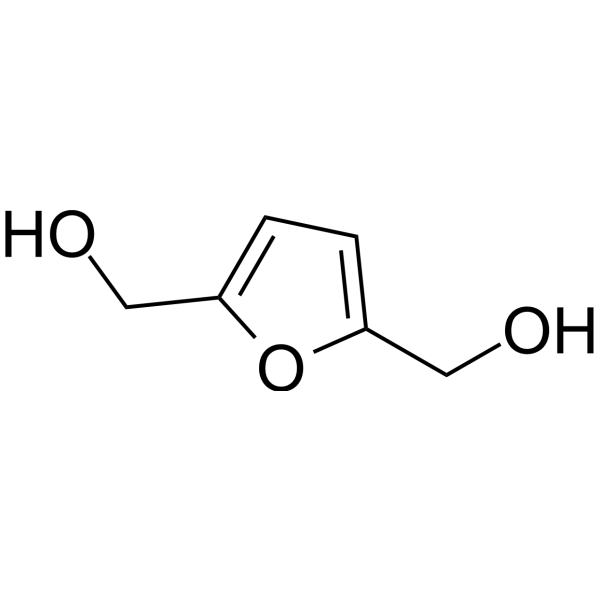
- Formule: C6H8O3
- Masse moléculaire: 128.13
2,5-Furandimethanol (2,5-Bis(hydroxymethyl)furan) is a building block for the enzymatic synthesis of bio-based polyesters. 2,5-Furandimethanol is also a metabolite of Phellinus linteus. 2,5-Furandimethanol affects leukemia. 2,5-Furandimethanol can be used in fungal infection research.
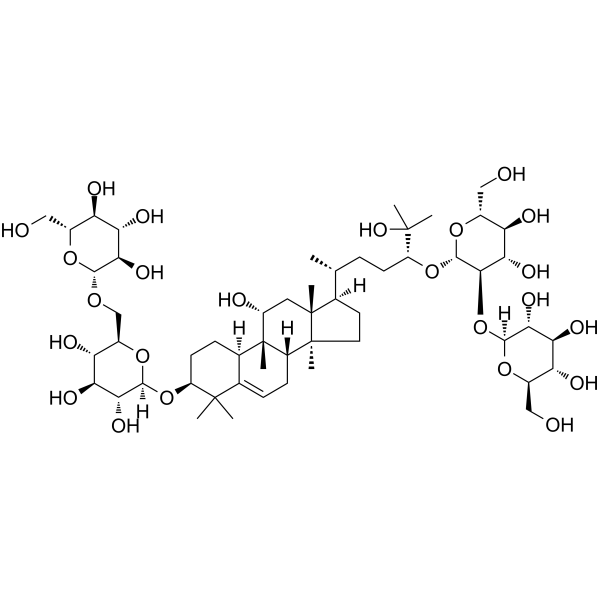
- Formule: C54H92O24
- Masse moléculaire: 1125.29
Mogroside IV-E is a PUS1 inhibitor that reduces PUS1 expression and inhibits bone metastasis of prostate cancer. Mogroside IV-E can be used in prostate cancer-related research.
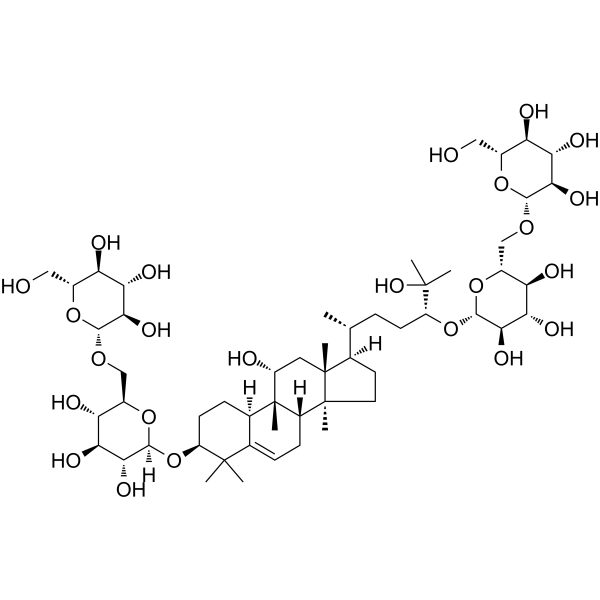
- Formule: C54H92O24
- Masse moléculaire: 1125.29
Mogroside IV-A is a triterpene glycoside found in Siraitia and acts as a PLSCR1 inhibitor. Mogroside IV-A inhibits PLSCR1-promoted EGFR phosphorylation and downstream MAPK signaling activation. Mogroside IV-A inhibits TPA (HY-18739)-induced activation of viral early antigen (EBV-EA). Mogroside IV-A enhances the anticancer effect of Epirubicin (HY-13624) and reverses acquired resistance of cells to Epirubicin. Mogroside IV-A is used in research related to triple-negative breast cancer and herpesvirus infection.
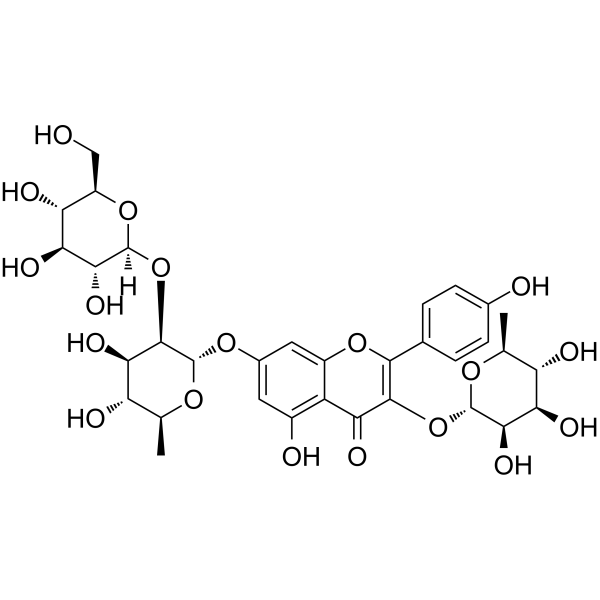
- Formule: C33H40O19
- Masse moléculaire: 740.66
Grosvenorine is an orally active flavonoid glycoside found in S. grosvenorii. Grosvenorine exhibits antibacterial, antioxidant and antiinflammation activities. Grosvenorine can induce apoptosis and increases anti-apoptotic Bcl-2 protein expression and reduces pro-apoptotic P53 protein expression in gastric tissues. Grosvenorine enhances mucin/glycoprotein secretion, regulates gastric pH, and reduces gastric lesion incidence.Grosvenorine increases glutathione peroxidase, catalase, and SOD levels, reduces lipid peroxidation (MDA), and lowers TNF-α and IL-6 levels. Grosvenorine can be used for the researches of bacterial infection and Gastric ulcer.
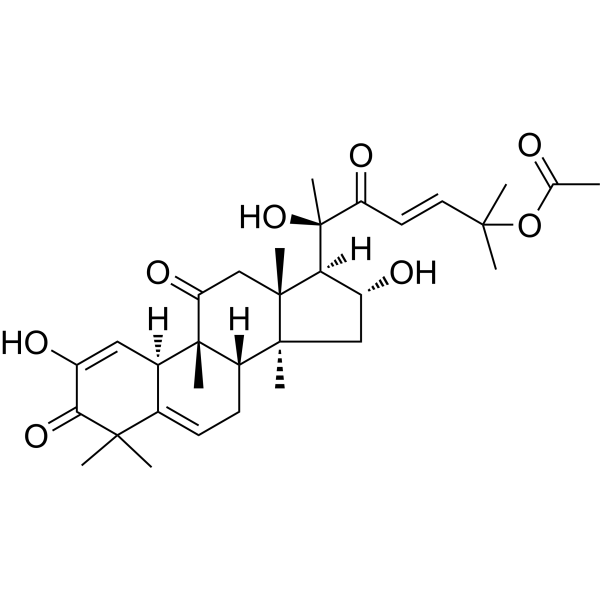
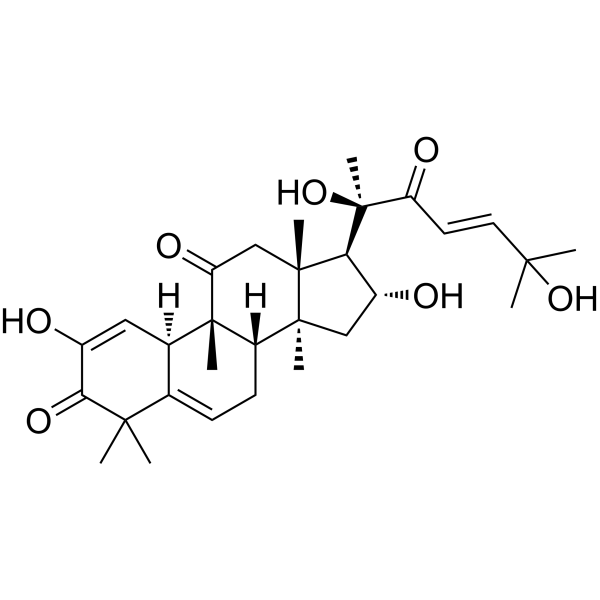
- Formule: C32H44O8
- Masse moléculaire: 556.69
Cucurbitacin E is a CDK1 inhibitor that significantly inhibits the activity of the cyclin B1/CDC2 complex. Cucurbitacin E also induces PANoptosis in adrenocortical carcinoma cells in a ZBP1-dependent manner. Cucurbitacin E exhibits synergistic effects with Mitotane (HY-13690); when used in combination, they effectively eliminate tumors.
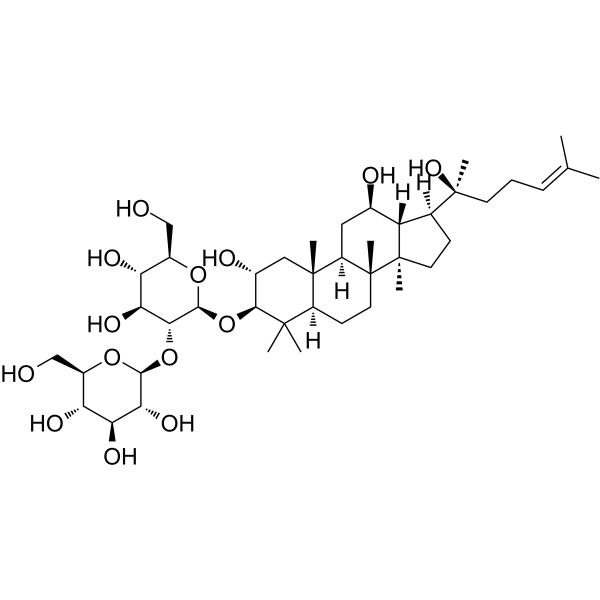
- Formule: C42H72O14
- Masse moléculaire: 801.01
Gypenoside L is a saponin that can be found in Gynostemma pentaphyllum. Gypenoside L increases the SA-β-galactosidase activity, promotes the production of senescence-associated secretory cytokines. Gypenoside L also can activate p38 and ERK MAPK pathways and NF-κB pathway to induce senescence. Gypenoside L exhibits anti-tumor and anti-inflammatory activities.
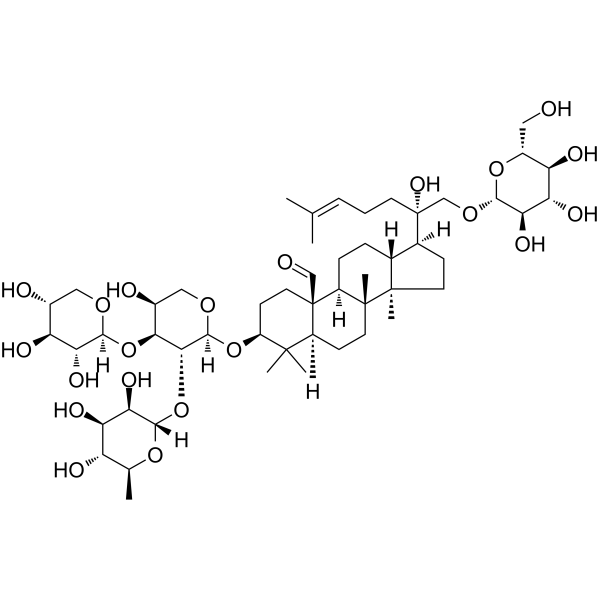
- Formule: C52H86O21
- Masse moléculaire: 1047.23
Gypenoside XLIX is a multifunctional bioactive compound that can be isolated from Gynostemma pentaphyllum, with a Ka value of 1.58 μM for its binding to SIRT1. Gypenoside XLIX acts as a PPAR-α agonist. It inhibits the activation of TLR4-mediated NF-κB signaling pathway by activating the Sirt1/Nrf2 signaling pathway, reduces ROS accumulation, and alleviates hepatic inflammatory injury in mice with sepsis-induced liver disease. Gypenoside XLIX targets SIRT1 to block YAP-NLRP3 activation and improve sepsis-induced cardiomyopathy. Gypenoside XLIX inhibits apoptosis (Apoptosis), pyroptosis (Pyroptosis), autophagy (Autophagy), lipid peroxidation, pro-inflammatory cytokines and anti-inflammatory cytokines. Gypenoside XLIX alleviates sepsis-induced splenic injury by inhibiting inflammation and oxidative stress, and mitigates sepsis-associated encephalopathy by targeting PPAR-α. Gypenoside XLIX prevents acute kidney injury by inhibiting IGFBP7/IGF1R-mediated programmed cell death and inflammation. Gypenoside XLIX inhibits the expression and activity of vascular cell adhesion molecule-1 in cytokine-induced human endothelial cells. Gypenoside XLIX is applicable to research related to acute liver injury, lung injury, cardiomyopathy, acute splenic injury, sepsis-associated encephalopathy, acute kidney injury, atherosclerosis and chronic inflammation.
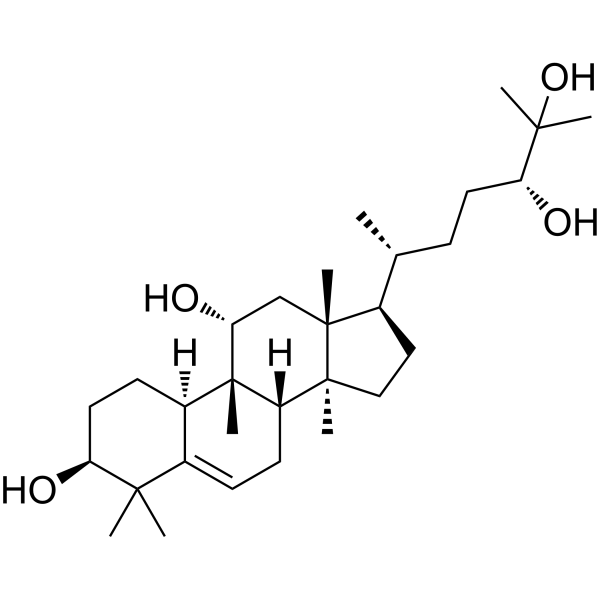
- Formule: C30H52O4
- Masse moléculaire: 476.73
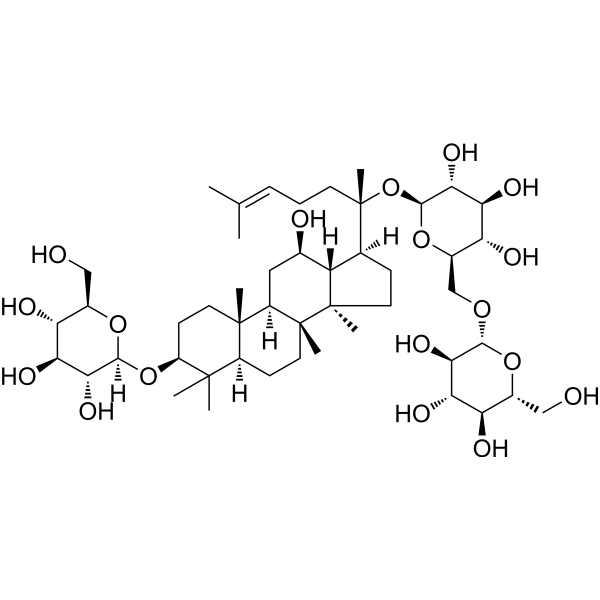
- Formule: C48H82O18
- Masse moléculaire: 947.15
Gypenoside XVII, a novel phytoestrogen belonging to the gypenosides, can activate estrogen receptors.
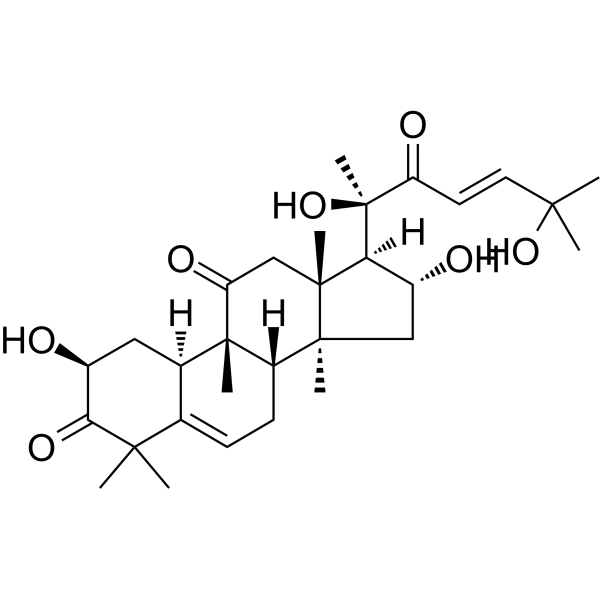
- Formule: C30H44O7
- Masse moléculaire: 516.67
Cucurbitacin D is the active ingredient in Trichosanthes kirilowii and can disrupt the interaction between Hsp90 and two co-chaperones, Cdc37 and p23. Cucurbitacin D is an inflammasome activator. Cucurbitacin D induces cell cycle arrest and cell apoptosis, exhibiting anti-tumor and anti-inflammatory effects.
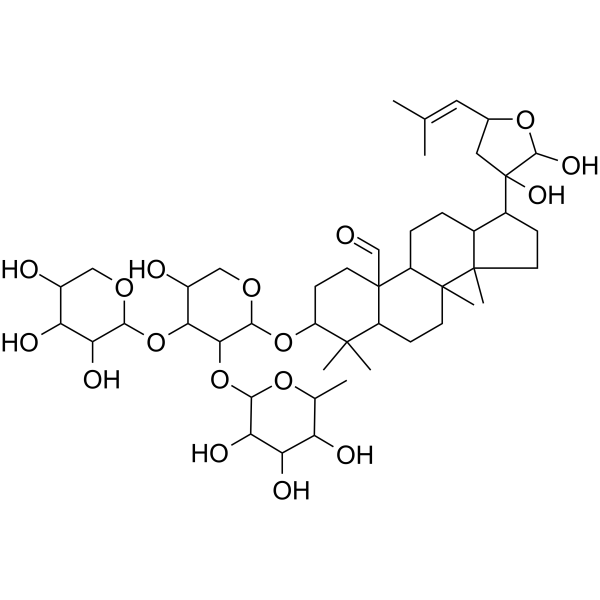
- Formule: C46H74O17
- Masse moléculaire: 899.07
Gypenoside A is an orally active triterpenoid compound that can be isolated from Gynostemma pentaphyllum. Gypenoside A has anti-inflammatory and antioxidant activities. Gypenoside A also has a certain protective effect on cardiomyocytes and can inhibit apoptosis. Gypenoside A can be used in the research of cardiovascular diseases and inflammation-related diseases.
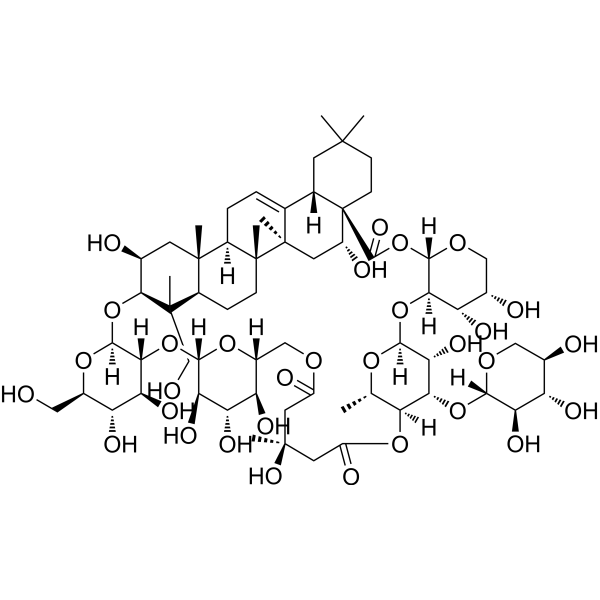
- Formule: C64H100O31
- Masse moléculaire: 1365.46
Tubeimoside III is a triterpenoid saponin. Tubeimoside III has anti-inflammatory and antitumor effects. Tubeimoside III has an LD50 of 15 mg/kg by intraperitoneal injection in ICR mice. Tubeimoside III can be used for the research of tumors and inflammatory diseases.
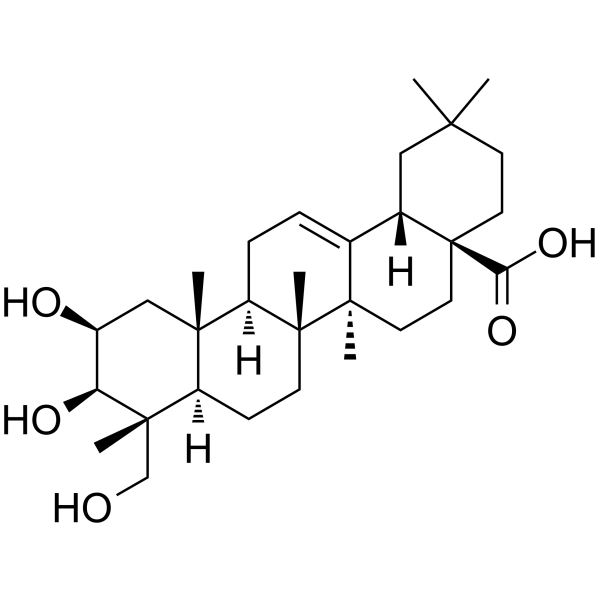
- Formule: C30H48O5
- Masse moléculaire: 488.70
Bayogenin is a triterpenoid saponin and one of the main components of Medicago sativa saponins. Bayogenin is an inhibitor of glycogen phosphorylase.
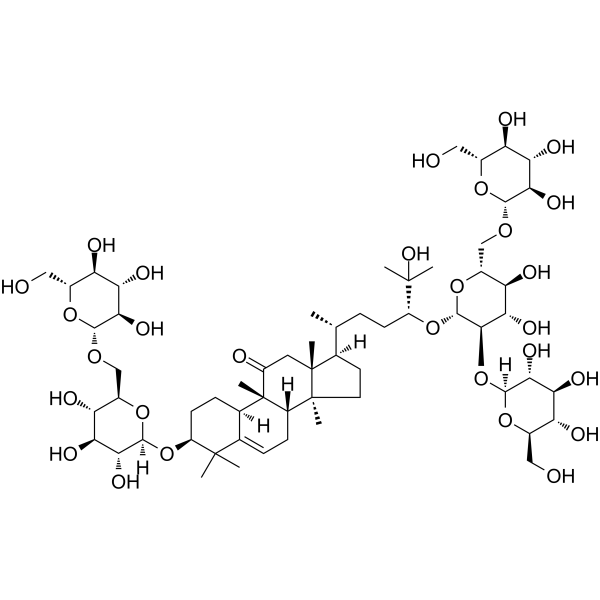
- Formule: C60H100O29
- Masse moléculaire: 1285.42
11-oxo-mogroside V is a natural sweetener that exhibits strong antioxidant activity. It exhibits significant inhibitory effects on reactive oxygen species (O2-, H2O2 and *OH) with EC50 of 4.79, 16.52, and 146.17 μg/mL, respectively.
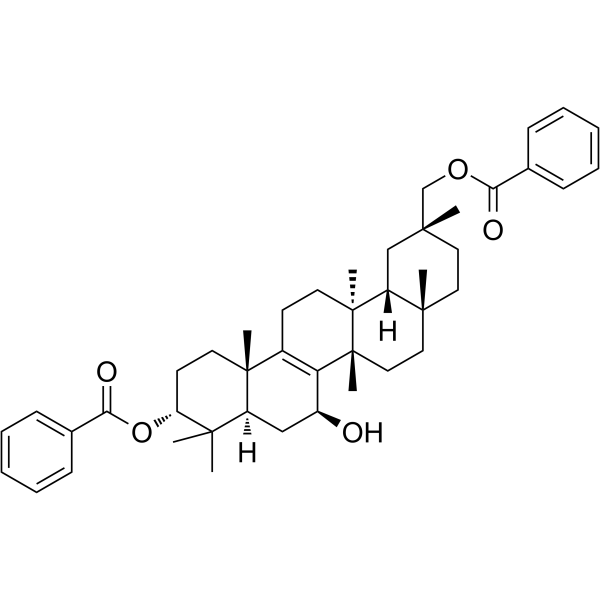
- Formule: C44H58O5
- Masse moléculaire: 666.93
3,29-Dibenzoyl rarounitriol is one major bioactive compound of multiflorane triterpene esters Trichosanthes kirilowii, can be chosen as the marker for quantitation of Trichosanthes kirilowii.
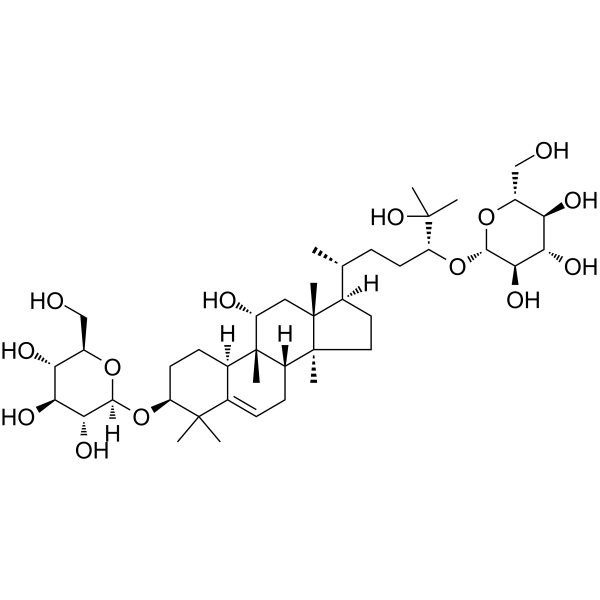
- Formule: C42H72O14
- Masse moléculaire: 801.01
Mogroside IIe is a nonsugar sweetener. Mogrosides are sweeter than sucrose. Mogrosides exhibit antioxidant, antidiabetic and anticancer activities.



