



Gynostemma pentaphyllum (Thunb.) Makino
-
Gynostemma pentaphyllum (Thunb.) Makino (29)

- 1
- 2
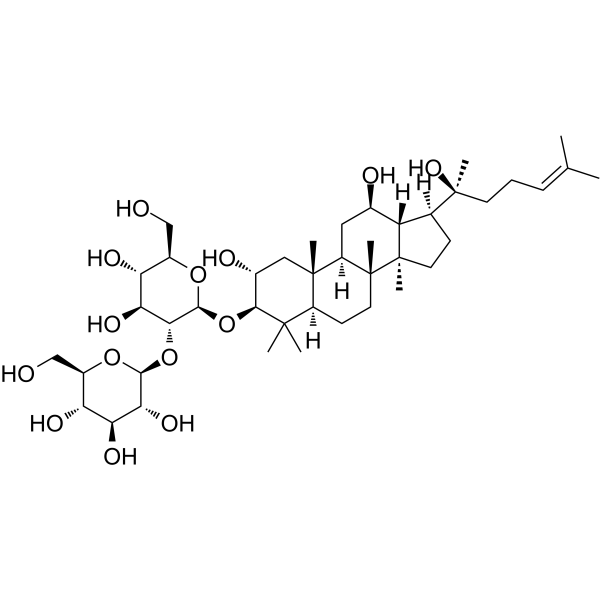
- Formula: C42H72O14
- Molecular Weight: 801.01
Gypenoside L is a saponin that can be found in Gynostemma pentaphyllum. Gypenoside L increases the SA-β-galactosidase activity, promotes the production of senescence-associated secretory cytokines. Gypenoside L also can activate p38 and ERK MAPK pathways and NF-κB pathway to induce senescence. Gypenoside L exhibits anti-tumor and anti-inflammatory activities.
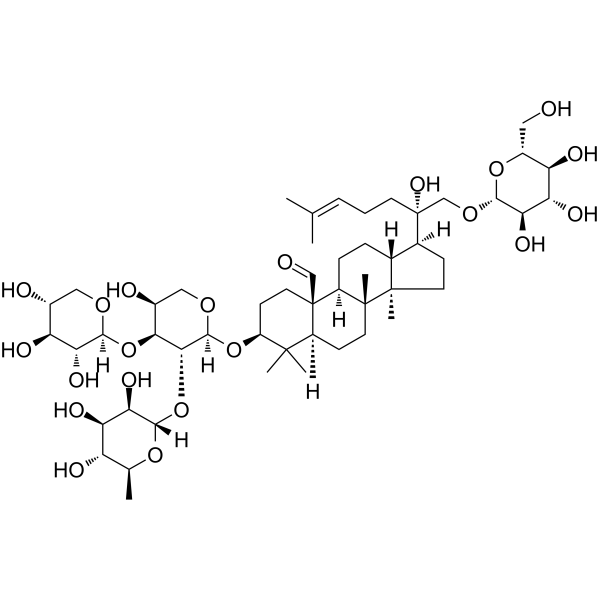
- Formula: C52H86O21
- Molecular Weight: 1047.23
Gypenoside XLIX is a multifunctional bioactive compound that can be isolated from Gynostemma pentaphyllum, with a Ka value of 1.58 μM for its binding to SIRT1. Gypenoside XLIX acts as a PPAR-α agonist. It inhibits the activation of TLR4-mediated NF-κB signaling pathway by activating the Sirt1/Nrf2 signaling pathway, reduces ROS accumulation, and alleviates hepatic inflammatory injury in mice with sepsis-induced liver disease. Gypenoside XLIX targets SIRT1 to block YAP-NLRP3 activation and improve sepsis-induced cardiomyopathy. Gypenoside XLIX inhibits apoptosis (Apoptosis), pyroptosis (Pyroptosis), autophagy (Autophagy), lipid peroxidation, pro-inflammatory cytokines and anti-inflammatory cytokines. Gypenoside XLIX alleviates sepsis-induced splenic injury by inhibiting inflammation and oxidative stress, and mitigates sepsis-associated encephalopathy by targeting PPAR-α. Gypenoside XLIX prevents acute kidney injury by inhibiting IGFBP7/IGF1R-mediated programmed cell death and inflammation. Gypenoside XLIX inhibits the expression and activity of vascular cell adhesion molecule-1 in cytokine-induced human endothelial cells. Gypenoside XLIX is applicable to research related to acute liver injury, lung injury, cardiomyopathy, acute splenic injury, sepsis-associated encephalopathy, acute kidney injury, atherosclerosis and chronic inflammation.
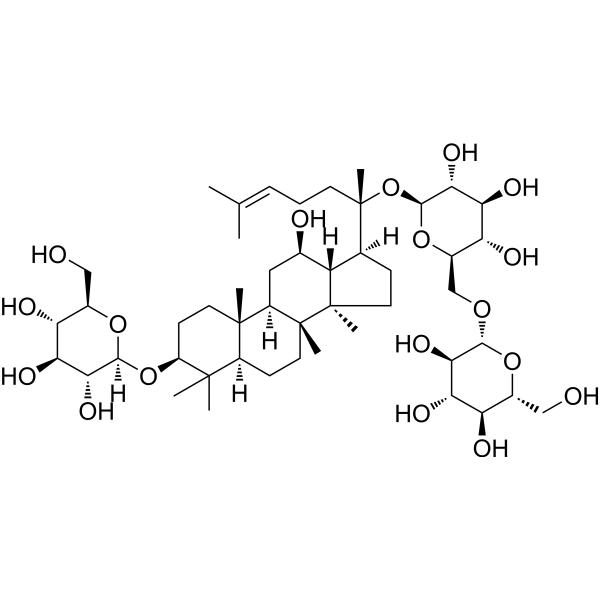
- Formula: C48H82O18
- Molecular Weight: 947.15
Gypenoside XVII, a novel phytoestrogen belonging to the gypenosides, can activate estrogen receptors.
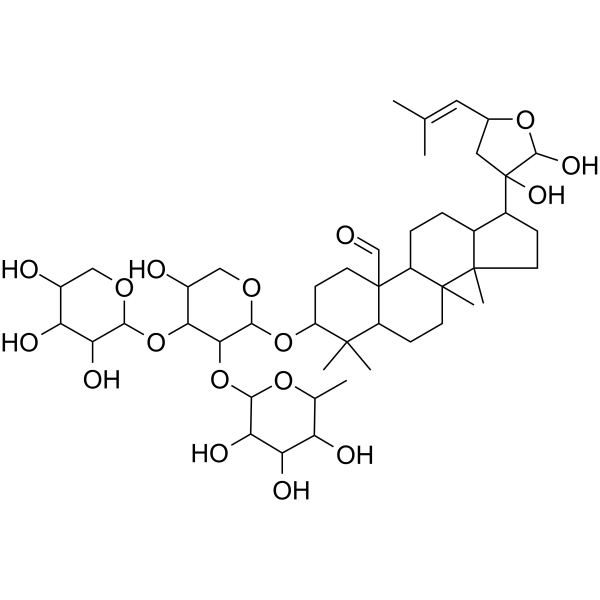
- Formula: C46H74O17
- Molecular Weight: 899.07
Gypenoside A is an orally active triterpenoid compound that can be isolated from Gynostemma pentaphyllum. Gypenoside A has anti-inflammatory and antioxidant activities. Gypenoside A also has a certain protective effect on cardiomyocytes and can inhibit apoptosis. Gypenoside A can be used in the research of cardiovascular diseases and inflammation-related diseases.
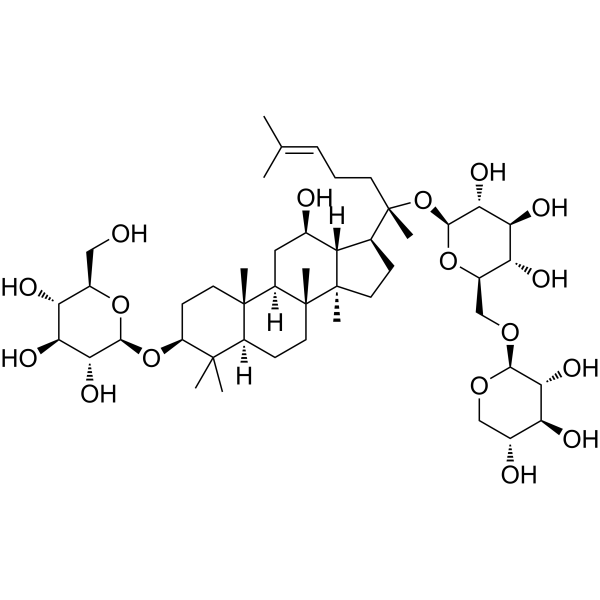
- Formula: C47H80O17
- Molecular Weight: 917.13
Gynostemma Extract (Gypenoside IX) is a triterpenoid saponin. Gynostemma Extract can be isolated from Panax notoginseng. Gynostemma Extract reduces NFκB nuclear translocation and transcriptional activity by inhibiting the p38 MAPK/Akt/NFκB signaling pathway. Gynostemma Extract reduces the expression of cytokines (COX-2, IL-6) and the production of NO. Gynostemma Extract has anti-inflammatory activity. Gynostemma Extract can be used in the study of liver injury and neuroinflammation.


- Formula: C48H82O18
- Molecular Weight: 947.15
Gypenoside XVII (Standard) is the analytical standard of Gypenoside XVII. This product is intended for research and analytical applications. Gypenoside XVII, a novel phytoestrogen belonging to the gypenosides, can activate estrogen receptors.

- Formula: C47H76O17
- Molecular Weight: 913.10
GypenosideZ-1 is a triterpenoid saponin found in Gynostemma pentaphyllum.
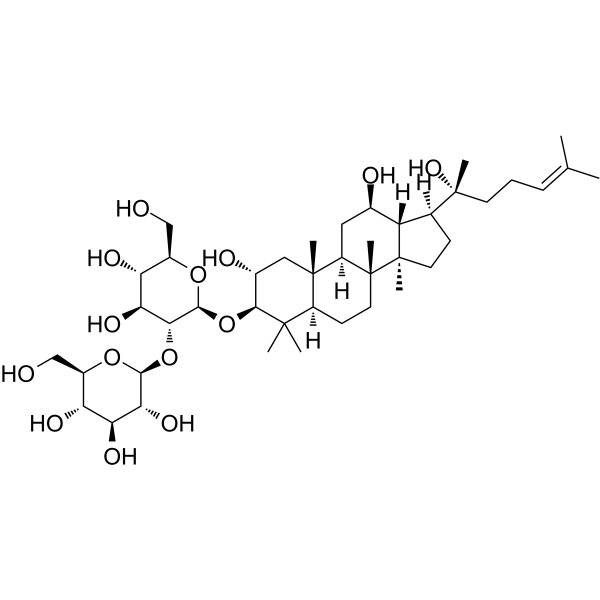
- Formula: C42H72O14
- Molecular Weight: 801.01
Gypenoside LI, a gypenoside monomer, possesses anti-tumor activity. Gypenoside LI induces cell apoptosis, cell cycle and migration.
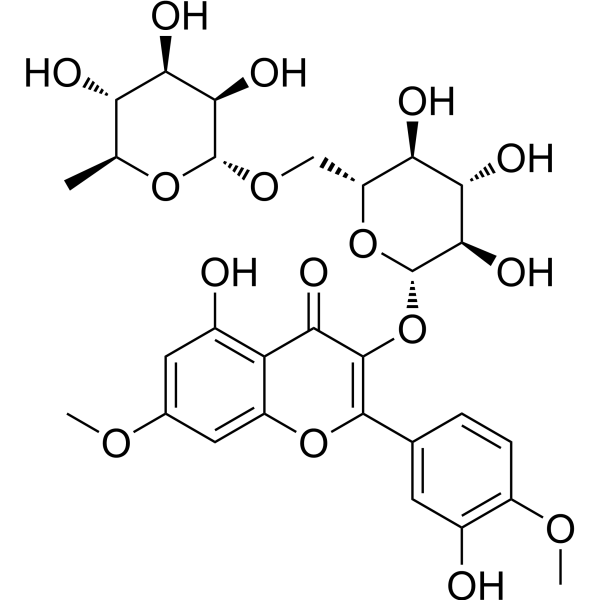
- Formula: C29H34O16
- Molecular Weight: 638.57
Ombuoside has antioxidant properties, inhibiting ROS production and apoptosis. Ombuoside exerts neuroprotective effects through the ERK-JNK-caspase-3 system. Ombuoside promotes Dopamine biosynthesis through TH and CREB activation. Ombuoside exhibits antimicrobial activity against several Gram-positive and Gram-negative bacteria, as well as Candida albicans
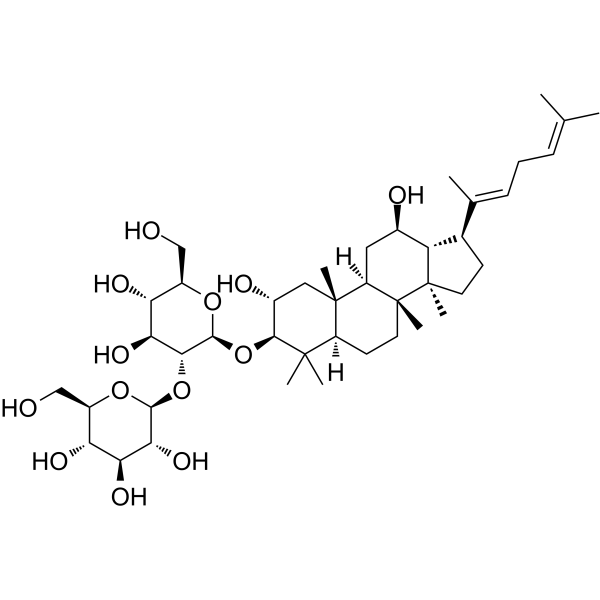
- Formula: C42H70O13
- Molecular Weight: 783.00
Damulin A is a saponin found in G. pentaphyllum with anti-cancer activities.
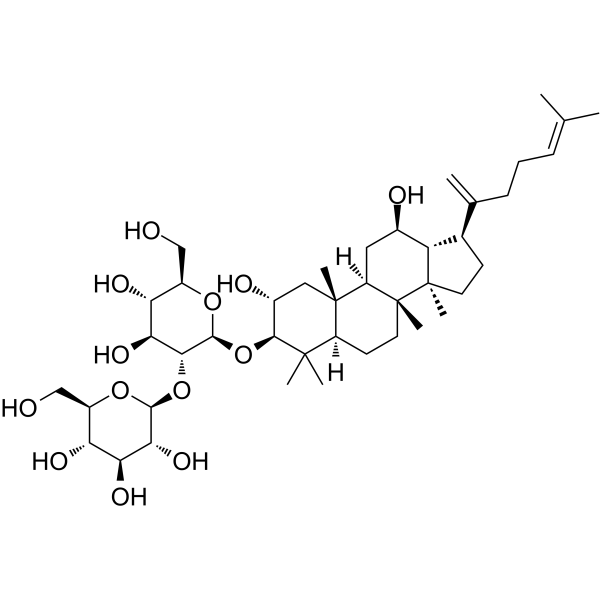
- Formula: C42H70O13
- Molecular Weight: 783.00
Damulin B is a dammarane-type saponin found in Gynostemma pentaphyllum. Damulin B can inhibit cancer cell apoptosis, decrease mitochondrial membrane potential, inhibit ROS production and cause G0/G1 phase arrest. Damulin B can prevent Cisplatin (HY-17394)-induced acute kidney injury and induce hair growth. Damulin B shows anti-inflammation anti-diabetic and anti-obesity effect. Damulin B can be used for the researches of cancer, inflammation, metabolic disease, such as lung cancer, osteoarthritis and diabetes.
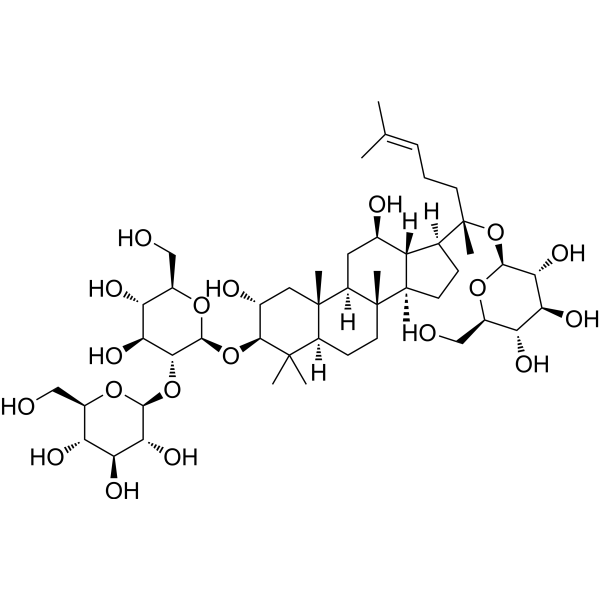
- Formula: C48H82O19
- Molecular Weight: 963.15
Gypenoside XLVI is one of the major dammarane-type triterpenoid saponins from Gynostamma pentaphallum. Gypenoside XLVI has a tetracyclic triterpene structure and possess potent non-small cell lung carcinoma A549 cell inhibitory activity.
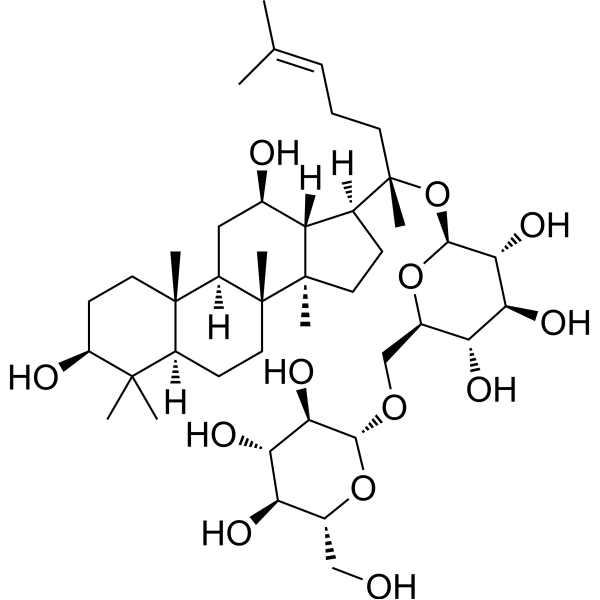
- Formula: C42H72O13
- Molecular Weight: 785.01
Gypenoside LXXV, isolated from Gynostemma pentaphyllum, is one of the deglycosylated shapes of ginsenoside Rb1. Gypenoside LXXV significantly reduces cancer cell viability and displays an anti-cancer effect.
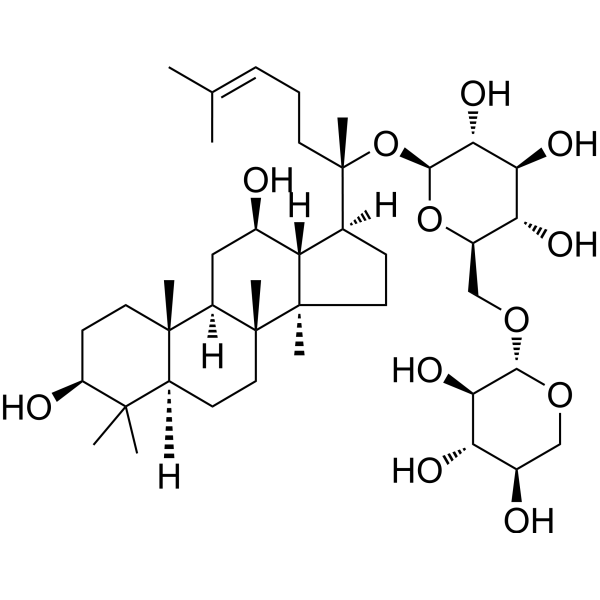
- Formula: C41H70O12
- Molecular Weight: 754.99
Gypenoside XIII is belonging to the gypenosides. Gypenosides, extracted from Gynostemma pentaphyllum, have various pharmacological properties and protect against cardiovascular diseases, especially atherosclerosis.

- Formula: C46H74O16
- Molecular Weight: 883.07
GypenosideZ-3 is a dammarane triterpene glycoside found in the roots of Machilus yaoshansis.

- Formula: C47H76O18
- Molecular Weight: 929.10
Gypenoside UL5 (Compound UL5) is a dammarane-type triterpene saponin found in Gynostemma pentaphyllum. Gypenoside UL5 shows liver injury-inhibiting, anti-inflammatory and antioxidant properties. Gypenoside UL5 can be used for the research of hepatitis, fatty liver, and liver fibrosis.

- Formula: C47H80O17
- Molecular Weight: 917.13
Gypenoside XCI is a glycoside found in Gynostemma pentaphyllum.

- Formula: C46H74O16
- Molecular Weight: 883.07

- Formula: C47H76O17
- Molecular Weight: 913.10
GypenosideZ-2 is a dammarane-type triterpene saponin found in the aerial parts of Gynostemma pentaphyllum (Thunb.) Makino.
- 1
- 2



