Search Result
Results for "
anti-HSV-1 activity
" in MedChemExpress (MCE) Product Catalog:
12
Isotope-Labeled Compounds
| Cat. No. |
Product Name |
Target |
Research Areas |
Chemical Structure |
-
- HY-N0415
-
|
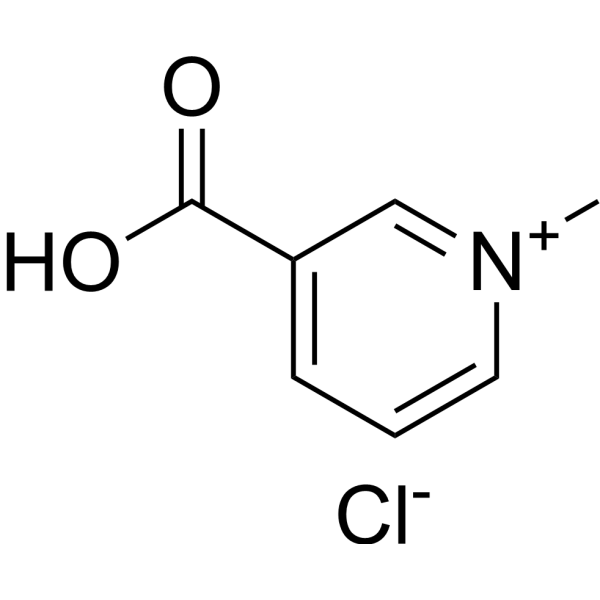
Trigonelline hydrochloride
|
Endogenous Metabolite
Ferroptosis
Apoptosis
HIV
Bacterial
Fungal
|
Infection
Metabolic Disease
Cancer
|
|
Trigonelline chloride is an alkaloid with potential antidiabetic activity that can be isolated from Trigonella foenum-graecum L or Leonurus artemisia. Trigonelline chloride is a potent Nrf2 inhibitor that blocks Nrf2-dependent proteasome activity, thereby enhancing apoptosis in pancreatic cancer cells. Trigonelline chloride also has anti-HSV-1, antibacterial, and antifungal activity, and induces ferroptosis.
|
-
-
- HY-N0414
-
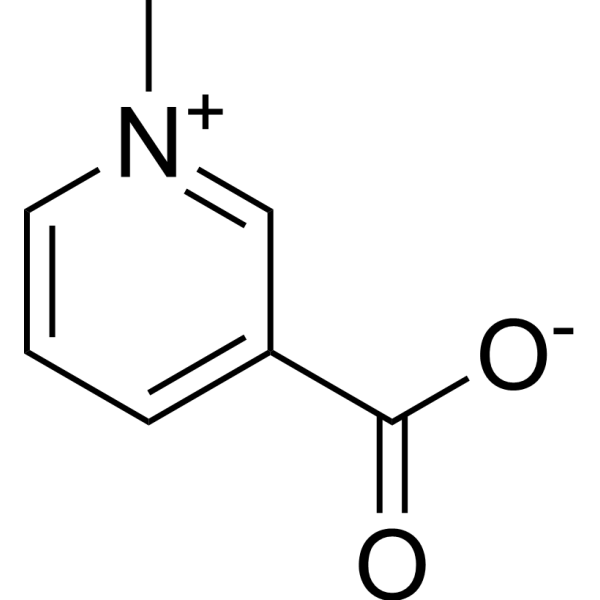
Trigonelline
Maximum Cited Publications
10 Publications Verification
Trigenolline
|
Endogenous Metabolite
Ferroptosis
Apoptosis
HIV
Bacterial
Fungal
|
Metabolic Disease
Cancer
|
|
Trigonelline is an alkaloid with potential antidiabetic activity that can be isolated from Trigonella foenum-graecum L or Leonurus artemisia. Trigonelline is a potent Nrf2 inhibitor that blocks Nrf2-dependent proteasome activity, thereby enhancing apoptosis in pancreatic cancer cells. Trigonelline also has anti-HSV-1, antibacterial, and antifungal activity and induces ferroptosis.
|
-
-
- HY-B0275
-
|
|
Environmental Pollutants
Antibiotic
Endogenous Metabolite
Bacterial
HSV
|
Infection
|
|
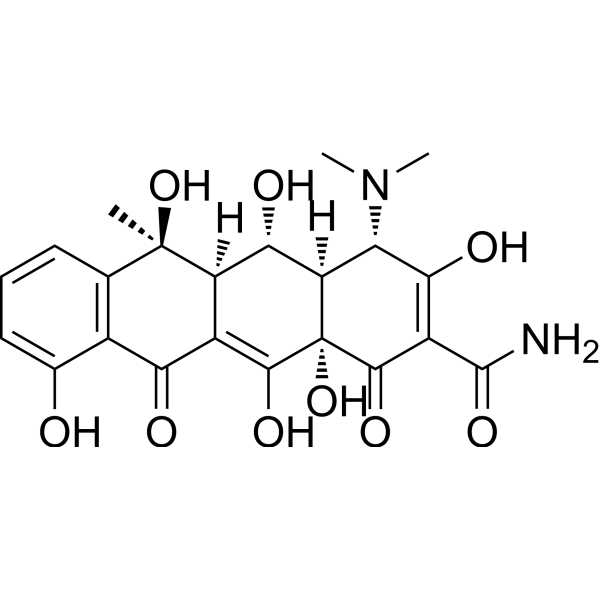
Oxytetracycline is an antibiotic belonging to the tetracycline class. Oxytetracycline potent inhibits Gram-negative and Gram-positive bacteria. Oxytetracycline is a protein synthesis inhibitor and prevents the binding from aminoacil-tRNA to the complex m-ribosomal RNA. Oxytetracycline also possesses anti-HSV-1 activity .
|
-
-
- HY-B0275A
-
|
|
Environmental Pollutants
Antibiotic
Endogenous Metabolite
Bacterial
HSV
|
Infection
|
|
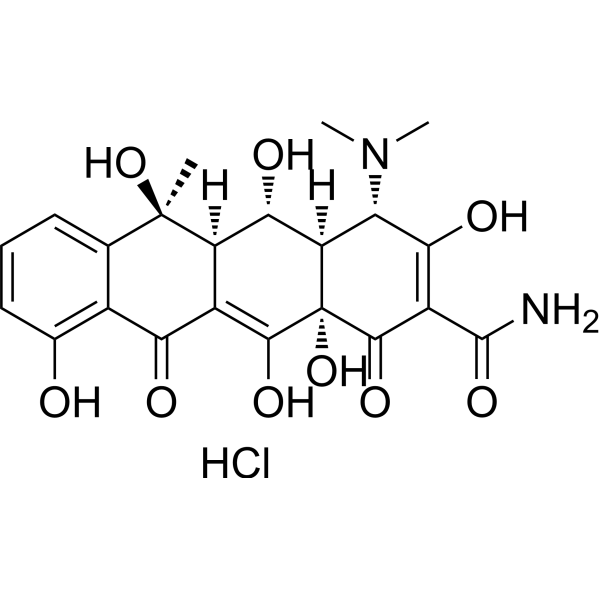
Oxytetracycline hydrochloride is an antibiotic belonging to the tetracycline class. Oxytetracycline hydrochloride potent inhibits Gram-negative and Gram-positive bacteria. Oxytetracycline hydrochloride is a protein synthesis inhibitor and prevents the binding from aminoacil-tRNA to the complex m-ribosomal RNA. Oxytetracycline hydrochloride also possesses anti-HSV-1 activity .
|
-
-
- HY-W017522
-
-
-
- HY-N6073
-
-
-
- HY-B0275B
-
|
|
Bacterial
HSV
Antibiotic
Endogenous Metabolite
|
Infection
|
|
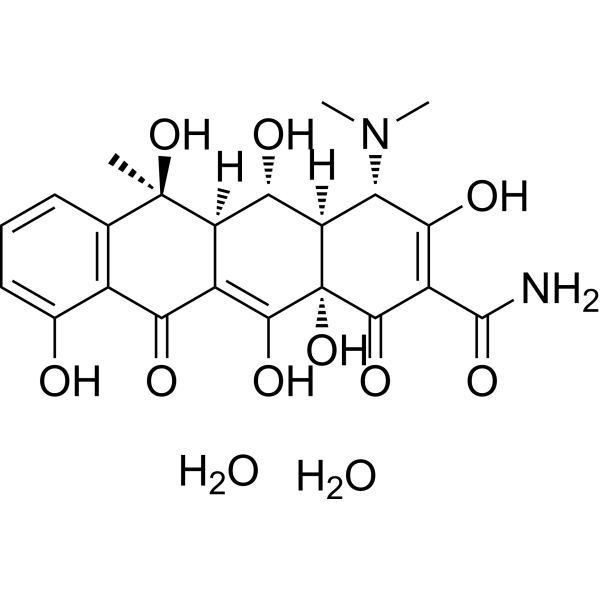
Oxytetracycline dihydrate is an antibiotic belonging to the tetracycline class. Oxytetracycline dihydrate potent inhibits Gram-negative and Gram-positive bacteria. Oxytetracycline dihydrate is a protein synthesis inhibitor and prevents the binding from aminoacil-tRNA to the complex m-ribosomal RNA. Oxytetracycline dihydrate also possesses anti-HSV-1 activity .
|
-
-
- HY-N2110
-
|
|
Akt
Sirtuin
Integrin
STAT
PI3K
Apoptosis
ERK
PPAR
PKC
Toll-like Receptor (TLR)
HIV
|
Inflammation/Immunology
|
|
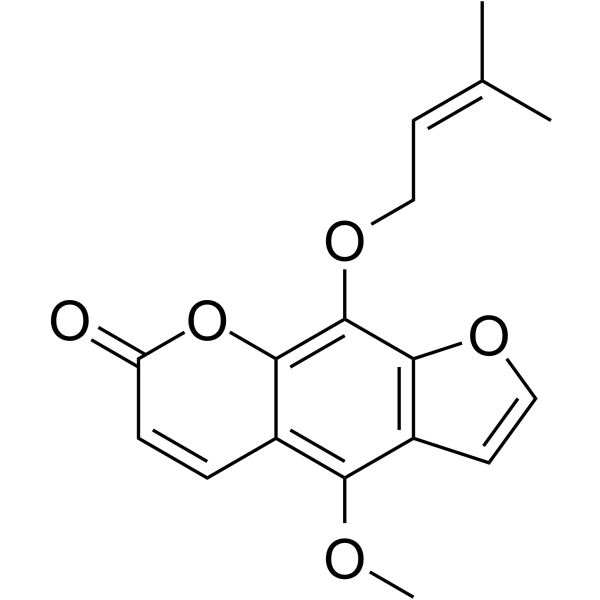
Phellopterin, an orally active furocoumarin with multiple biological activities. Phellopterin is a partial agonist of the central benzodiazepine receptors. Phellopterin exerts anti-inflammatory effects by upregulating SIRT1, downregulating ICAM-1 (reducing chronic inflammation, aiding diabetic ulcer healing), inhibiting STAT3 phosphorylation (easing atopic dermatitis inflammation), regulating Akt/PKC pathways (lowering TNF-α-induced VCAM-1 to block monocyte adhesion), and inhibiting TLR4/NF-κB pathway and macrophage M2 polarization (alleviating colitis-related cancers). Phellopterin suppresses ovarian cancer progression via inhibiting the PU.1/CLEC5A/PI3K-AKT loop (inducing cell cycle arrest, apoptosis, DNA damage). Phellopterin alleviates murine diabetes by promoting adipocyte differentiation and increasing PPARγ. Phellopterin also has anti-HSV-1 activity. Phellopterin can be used for studying anti-inflammation, anti-cancer (e.g., ovarian cancer, colitis cancer), blood glucose lowering, anti-diabetes, and anti-virus .
|
-
-
- HY-B0275AR
-
|
|
Reference Standards
Bacterial
HSV
Antibiotic
Endogenous Metabolite
|
Infection
|
|
Oxytetracycline (hydrochloride) (Standard) is the analytical standard of Oxytetracycline (hydrochloride). This product is intended for research and analytical applications. Oxytetracycline hydrochloride is an antibiotic belonging to the tetracycline class. Oxytetracycline hydrochloride potent inhibits Gram-negative and Gram-positive bacteria. Oxytetracycline hydrochloride is a protein synthesis inhibitor and prevents the binding from aminoacil-tRNA to the complex m-ribosomal RNA. Oxytetracycline hydrochloride also possesses anti-HSV-1 activity .
|
-

-
- HY-W004486
-
|
|
HSV
MMP
ERK
p38 MAPK
JNK
|
Infection
|
|
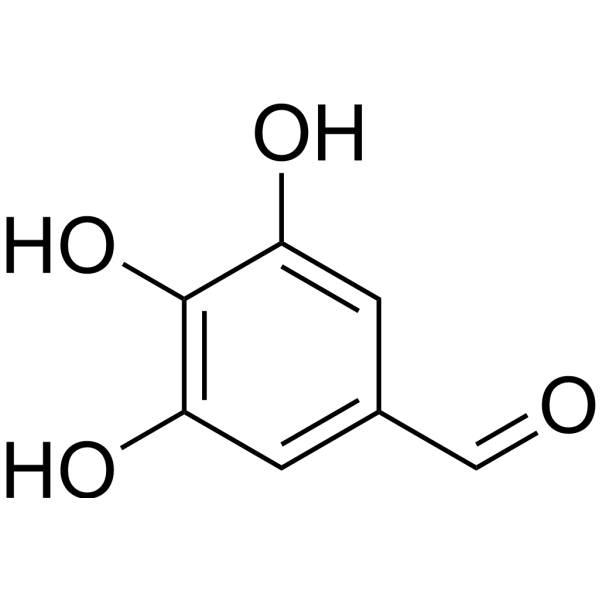
Gallic aldehyde (3,4,5-Trihydroxybenzaldehyde) is a phenolic aldehyde. Gallic aldehyde can be isolated from Geum japonicum. Gallic aldehyde inhibits the gelatinolytic activity and expression of MMP-9. Gallic aldehyde also inhibits ERK1/2, p38, and JNK. Gallic aldehyde has potent anti-HSV-1 and antioxidant activities. Gallic aldehyde also exhibits antibacterial activity against Oenococcus oeni VF .
|
-
-
- HY-W017522S4
-
|
Hexanedioic acid-d8
|
Isotope-Labeled Compounds
Endogenous Metabolite
HSV
|
Infection
Metabolic Disease
|
|
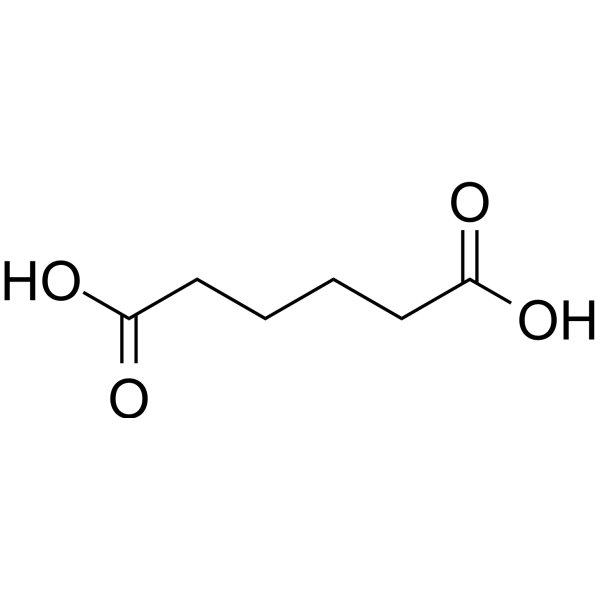
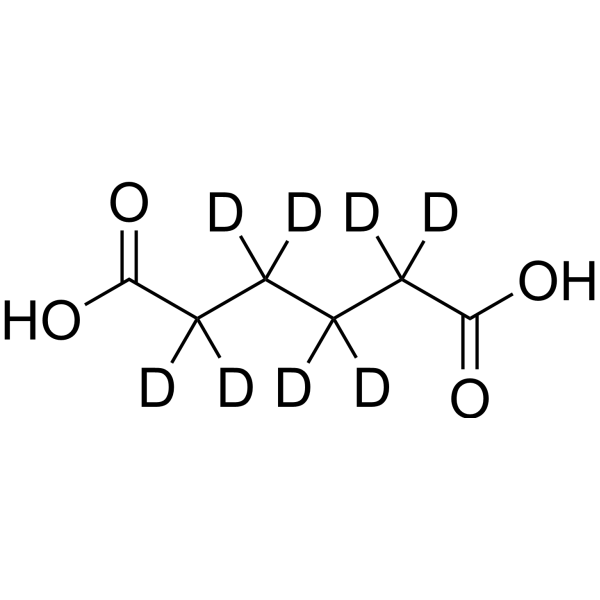
Adipic acid-d8 (Hexanedioic acid-d8) is the deuterium labeled Adipic acid (HY-W017522). Adipic acid (Hexanedioic acid) is an orally active compound with anti-HSV-1 activity. Adipic acid has low toxicity and can be used as a food additive and a gelling agent. Adipic acid can also be used in the synthesis of lubricants, artificial resins, plastics, etc .
|
-
-
- HY-N0415S
-
|
Trigonelline-d3 hydrochloride
|
Isotope-Labeled Compounds
HSV
Bacterial
Fungal
|
Infection
Metabolic Disease
Cancer
|
|
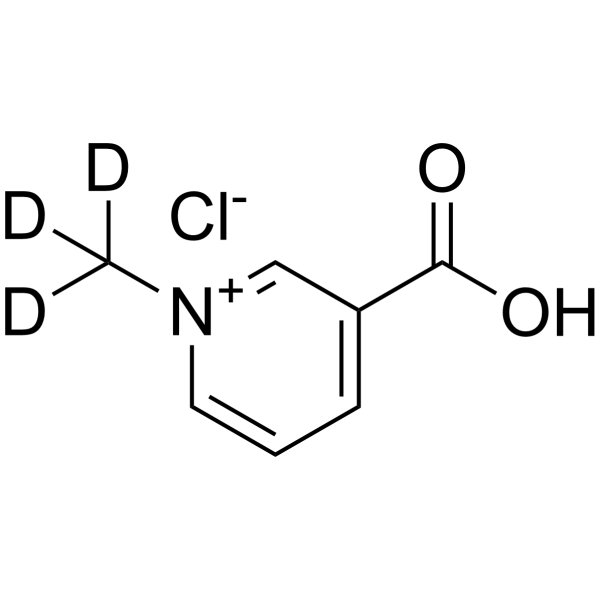
Trigonelline-d3 (chloride) is the deuterium labeled Trigonelline chloride. Trigonelline chloride, an alkaloid with potential antidiabetic activity, is present in considerable amounts in coffee. Trigonelline chloride has anti-HSV-1 , antibacterial, and antifungal activities.
|
-
-
- HY-B0275S
-
|
|
Isotope-Labeled Compounds
Antibiotic
Bacterial
Endogenous Metabolite
HSV
|
Infection
|
|
Oxytetracycline-d6 is deuterium labeled Oxytetracycline. Oxytetracycline is an antibiotic belonging to the tetracycline class. Oxytetracycline potent inhibits Gram-negative and Gram-positive bacteria. Oxytetracycline is a protein synthesis inhibitor and prevents the binding from aminoacil-tRNA to the complex m-ribosomal RNA. Oxytetracycline also possesses anti-HSV-1 activity .
|
-

-
- HY-W017522S3
-
|
Hexanedioic acid-13C
|
Isotope-Labeled Compounds
Endogenous Metabolite
HSV
|
Infection
Metabolic Disease
|
|
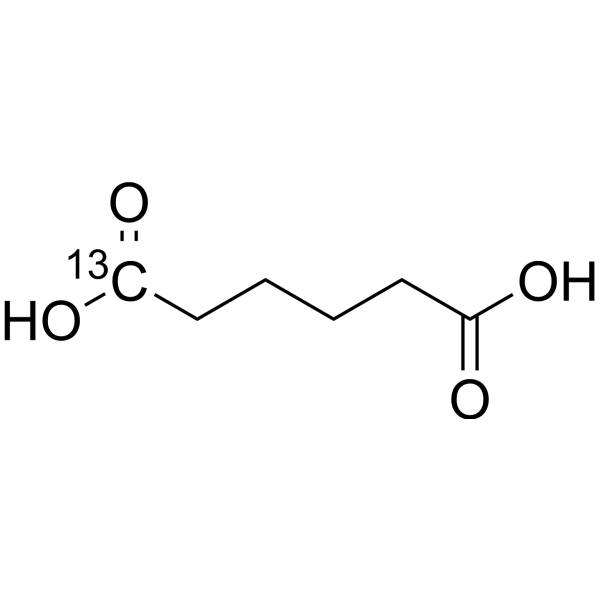
Adipic acid- 13C (Hexanedioic acid- 13C) is the 13C labeled Adipic acid (HY-W017522). Adipic acid (Hexanedioic acid) is an orally active compound with anti-HSV-1 activity. Adipic acid has low toxicity and can be used as a food additive and a gelling agent. Adipic acid can also be used in the synthesis of lubricants, artificial resins, plastics, etc .
|
-
-
- HY-N0414R
-
|
Trigenolline (Standard)
|
Endogenous Metabolite
Ferroptosis
Apoptosis
HIV
Bacterial
Fungal
Reference Standards
|
Metabolic Disease
Cancer
|
|
Trigonelline (Standard) is the analytical standard of Trigonelline. This product is intended for research and analytical applications. Trigonelline is an alkaloid with potential antidiabetic activity that can be isolated from Trigonella foenum-graecum L or Leonurus artemisia. Trigonelline is a potent Nrf2 inhibitor that blocks Nrf2-dependent proteasome activity, thereby enhancing apoptosis in pancreatic cancer cells. Trigonelline also has anti-HSV-1, antibacterial, and antifungal activity and induces ferroptosis.
|
-

-
- HY-N8156
-
|
|
HSV
|
Infection
|
|
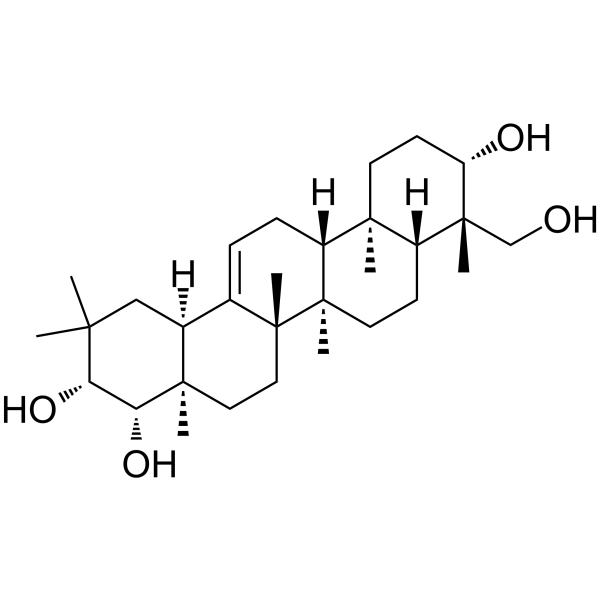
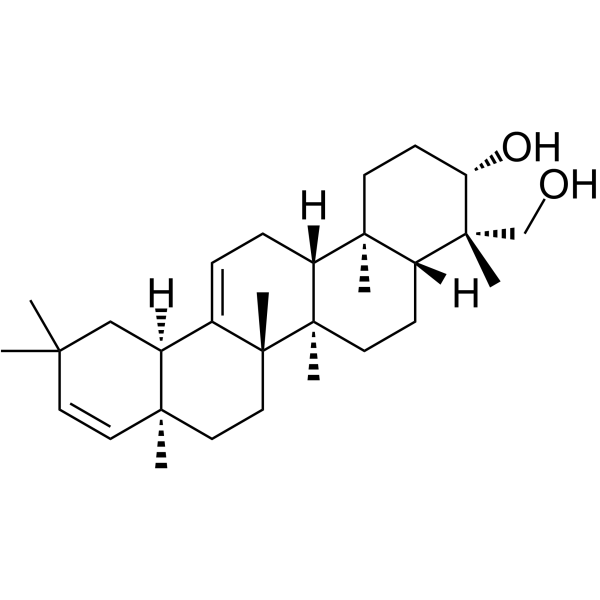
Soyasapogenol C is an oleanane-type triterpenoid. Soyasapogenol C exhibits anti-HSV-1 activity, with an IC50 of 18.9 μM .
|
-
-
- HY-113471
-
|
|
Apoptosis
HSV
|
Infection
Inflammation/Immunology
Cancer
|
|
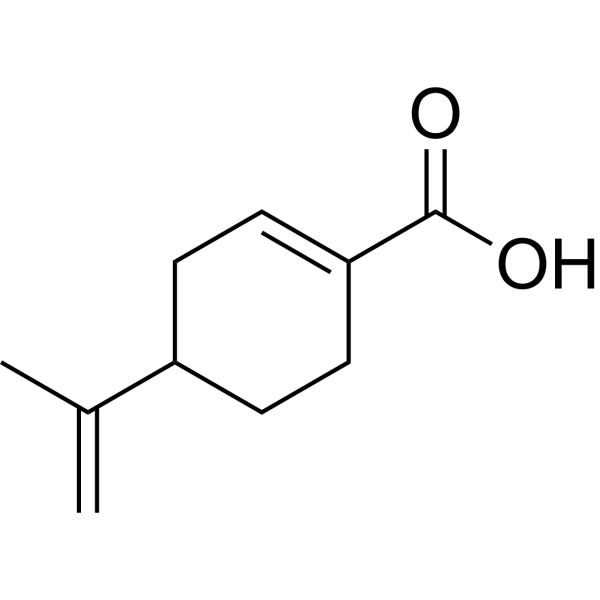
Perillic acid is the metabolite of Perillyl alcohol (HY-N7000). Perillic acid induces lung cancer cell cycle arrest and apoptosis. Perillic acid shows anti-HSV-1 and immunomodulatory activities .
|
-
-
- HY-W017522S
-
|
Hexanedioic acid-d10
|
Isotope-Labeled Compounds
Endogenous Metabolite
HSV
|
Infection
Metabolic Disease
|
|
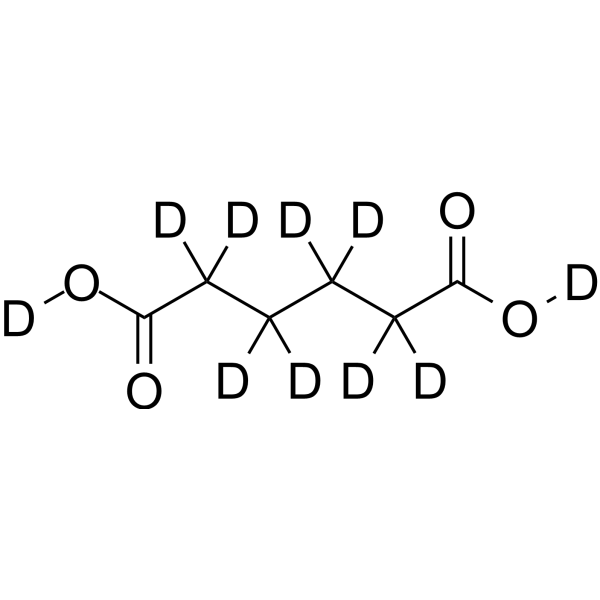
Adipic acid-d10 (Hexanedioic acid-d10) is the deuterium labeled Adipic acid (HY-W017522). Adipic acid (Hexanedioic acid) is an orally active compound with anti-HSV-1 activity. Adipic acid has low toxicity and can be used as a food additive and a gelling agent. Adipic acid can also be used in the synthesis of lubricants, artificial resins, plastics, etc .
|
-
-
- HY-W017522S1
-
|
Hexanedioic acid-13C6
|
Isotope-Labeled Compounds
Endogenous Metabolite
HSV
|
Infection
Metabolic Disease
|
|
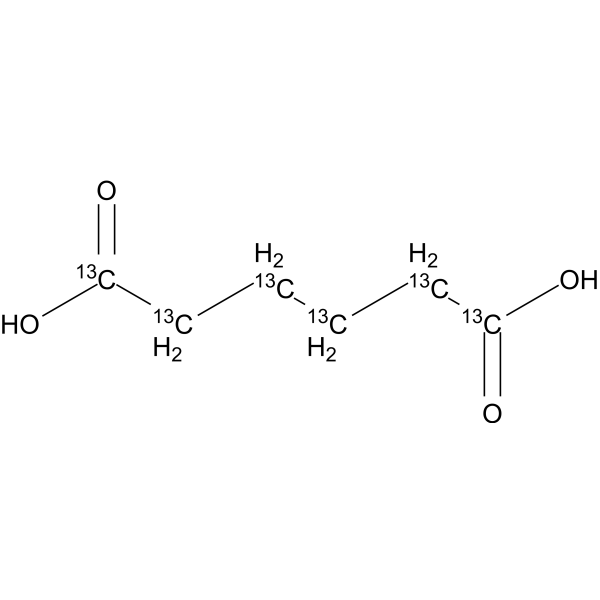
Adipic acid- 13C6 (Hexanedioic acid- 13C6) is the 13C labeled Adipic acid (HY-W017522). Adipic acid (Hexanedioic acid) is an orally active compound with anti-HSV-1 activity. Adipic acid has low toxicity and can be used as a food additive and a gelling agent. Adipic acid can also be used in the synthesis of lubricants, artificial resins, plastics, etc .
|
-
-
- HY-B0275S1
-
|
|
Isotope-Labeled Compounds
Endogenous Metabolite
Bacterial
Antibiotic
HSV
|
Infection
|
|
Oxytetracycline-d3 is the deuterium labeled Oxytetracycline (HY-B0275). Oxytetracycline is an antibiotic belonging to the tetracycline class. Oxytetracycline potent inhibits Gram-negative and Gram-positive bacteria. Oxytetracycline is a protein synthesis inhibitor and prevents the binding from aminoacil-tRNA to the complex m-ribosomal RNA. Oxytetracycline also possesses anti-HSV-1 activity .
|
-

-
- HY-W017522S2
-
|
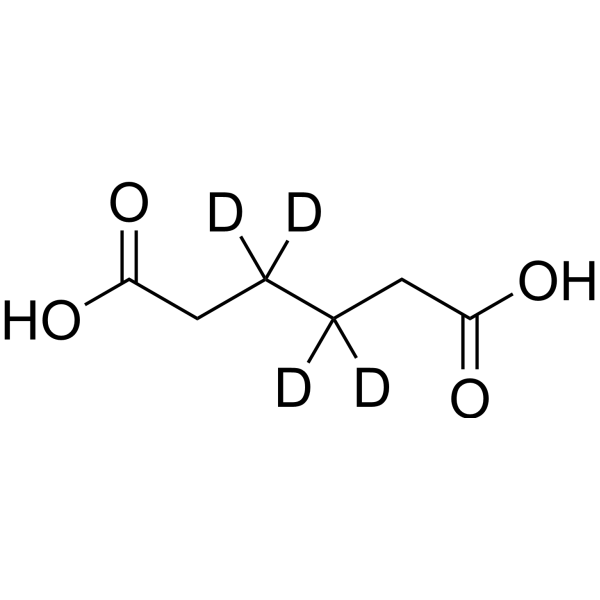
Hexanedioic acid-d4
|
Isotope-Labeled Compounds
Endogenous Metabolite
HSV
|
Infection
Metabolic Disease
|
|
Adipic acid-d4 (Hexanedioic acid-d4) is the deuterium labeled Adipic acid (HY-W017522). Adipic acid (Hexanedioic acid) is an orally active compound with anti-HSV-1 activity. Adipic acid has low toxicity and can be used as a food additive and a gelling agent. Adipic acid can also be used in the synthesis of lubricants, artificial resins, plastics, etc .
|
-
-
- HY-B0275C
-
|
|
Bacterial
HSV
Antibiotic
Endogenous Metabolite
|
Infection
|
|
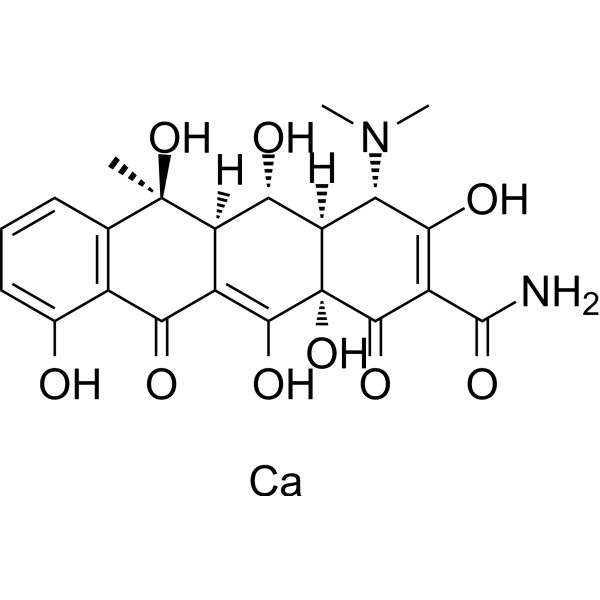
Oxytetracycline calcium is an antibiotic belonging to the tetracycline class. Oxytetracycline calcium potently inhibits Gram-negative and Gram-positive bacteria. Oxytetracycline calcium is a protein synthesis inhibitor and prevents the binding from aminoacil-tRNA to the complex m-ribosomal RNA. Oxytetracycline calcium also possesses anti-HSV-1 activity .
|
-
-
- HY-W755036
-
|
|
Isotope-Labeled Compounds
Bacterial
HSV
Antibiotic
|
Infection
|
|
Oxytetracycline-13C,d3 hydrochloride is the 13C- and deuterium labeled Oxytetracycline hydrochloride (HY-B0275A). Oxytetracycline hydrochloride is an antibiotic that exhibits board-spectrum antibacterial activity. Oxytetracycline hydrochloride is a protein synthesis inhibitor and prevents the binding from aminoacil-tRNA to the complex m-ribosomal RNA. Oxytetracycline hydrochloride also possesses anti-HSV-1 activity .
|
-

-
- HY-W017522R
-
|
Hexanedioic acid (Standard)
|
Reference Standards
Endogenous Metabolite
HSV
|
Infection
Metabolic Disease
|
|
Adipic acid (Standard) (Hexanedioic acid (Standard)) is the analytical standard of Adipic acid (HY-W017522). This product is intended for research and analytical applications. Adipic acid (Hexanedioic acid) is an orally active compound with anti-HSV-1 activity. Adipic acid has low toxicity and can be used as a food additive and a gelling agent. Adipic acid can also be used in the synthesis of lubricants, artificial resins, plastics, etc .
|
-

-
- HY-B0275R
-
|
|
Reference Standards
Bacterial
HSV
Endogenous Metabolite
Antibiotic
|
Infection
|
|
Oxytetracycline (Standard) is the analytical standard of Oxytetracycline. This product is intended for research and analytical applications. Oxytetracycline is an antibiotic belonging to the tetracycline class. Oxytetracycline potent inhibits Gram-negative and Gram-positive bacteria. Oxytetracycline is a protein synthesis inhibitor and prevents the binding from aminoacil-tRNA to the complex m-ribosomal RNA. Oxytetracycline also possesses anti-HSV-1 activity .
|
-

-
- HY-N0415R
-
|
Trigonelline hydrochloride (Standard)
|
Endogenous Metabolite
Ferroptosis
Apoptosis
HIV
Bacterial
Fungal
Reference Standards
|
Infection
Metabolic Disease
Cancer
|
|
Trigonelline (chloride) (Standard) is the analytical standard of Trigonelline (chloride). This product is intended for research and analytical applications. Trigonelline chloride is an alkaloid with potential antidiabetic activity that can be isolated from Trigonella foenum-graecum L or Leonurus artemisia. Trigonelline chloride is a potent Nrf2 inhibitor that blocks Nrf2-dependent proteasome activity, thereby enhancing apoptosis in pancreatic cancer cells. Trigonelline chloride also has anti-HSV-1, antibacterial, and antifungal activity, and induces ferroptosis.
|
-

-
- HY-W004486R
-
|
|
Reference Standards
HSV
MMP
ERK
p38 MAPK
JNK
|
Infection
|
|
Gallic aldehyde (Standard) is an analytical standard of Gallic aldehyde (HY-W004486). This product is intended for research and analytical applications. Gallic aldehyde (3,4,5-Trihydroxybenzaldehyde) is a phenolic aldehyde. Gallic aldehyde can be isolated from Geum japonicum. Gallic aldehyde inhibits the gelatinolytic activity and expression of MMP-9. Gallic aldehyde also inhibits ERK1/2, p38, and JNK. Gallic aldehyde has potent anti-HSV-1 and antioxidant activities. Gallic aldehyde also exhibits antibacterial activity against Oenococcus oeni VF .
|
-

-
- HY-N2110R
-
|
|
Reference Standards
Akt
Sirtuin
Integrin
STAT
PI3K
Apoptosis
ERK
PPAR
PKC
Toll-like Receptor (TLR)
HIV
|
Infection
Cardiovascular Disease
Neurological Disease
Metabolic Disease
Inflammation/Immunology
Cancer
|
|
Phellopterin (Standard) is the analytical standard of Phellopterin. Phellopterin, an orally active furocoumarin with multiple biological activities. Phellopterin is a partial agonist of the central benzodiazepine receptors. Phellopterin exerts anti-inflammatory effects by upregulating SIRT1, downregulating ICAM-1 (reducing chronic inflammation, aiding diabetic ulcer healing), inhibiting STAT3 phosphorylation (easing atopic dermatitis inflammation), regulating Akt/PKC pathways (lowering TNF-α-induced VCAM-1 to block monocyte adhesion), and inhibiting TLR4/NF-κB pathway and macrophage M2 polarization (alleviating colitis-related cancers). Phellopterin suppresses ovarian cancer progression via inhibiting the PU.1/CLEC5A/PI3K-AKT loop (inducing cell cycle arrest, apoptosis, DNA damage). Phellopterin alleviates murine diabetes by promoting adipocyte differentiation and increasing PPARγ. Phellopterin also has anti-HSV-1 activity. Phellopterin can be used for studying anti-inflammation, anti-cancer (e.g., ovarian cancer, colitis cancer), blood glucose lowering, anti-diabetes, and anti-virus.
|
-

-
- HY-N6073R
-
|
|
Reference Standards
Apoptosis
HSV
|
Infection
Metabolic Disease
Inflammation/Immunology
Cancer
|
|
Soyasapogenol A (Standard) is the analytical standard of Soyasapogenol A (HY-N6073). This product is intended for research and analytical applications. Soyasapogenol A is a triterpenoid aglycone of soyasaponins. Soyasapogenol A has activities such as anti-inflammation, anti-cancer, hepatoprotection and anti-HSV-1. Soyasapogenol A can be used in the research of tumors and immune inflammatory diseases .
|
-

-
- HY-W017522S6
-
|
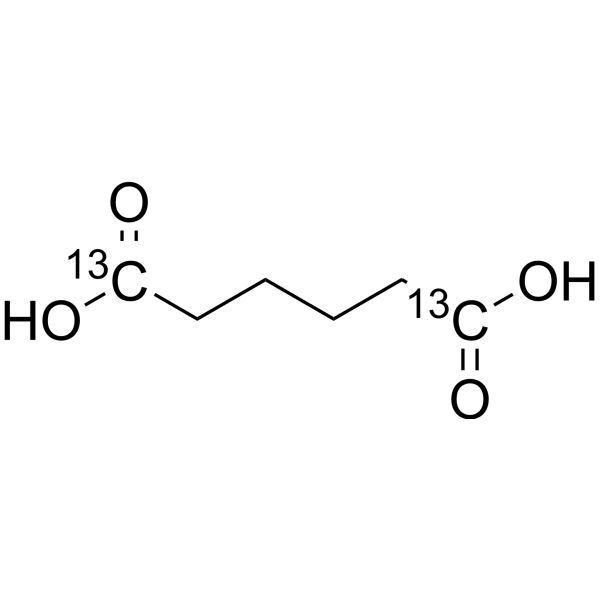
Hexanedioic acid-13C2
|
Isotope-Labeled Compounds
Endogenous Metabolite
HSV
|
Infection
Metabolic Disease
|
|
Adipic acid- 13C2 (Hexanedioic acid- 13C2) is 13C labeled Adipic acid (HY-W017522). Adipic acid (Hexanedioic acid) is an orally active compound with anti-HSV-1 activity. Adipic acid has low toxicity and can be used as a food additive and a gelling agent. Adipic acid can also be used in the synthesis of lubricants, artificial resins, plastics, etc .
|
-
-
- HY-W017522S5
-
|
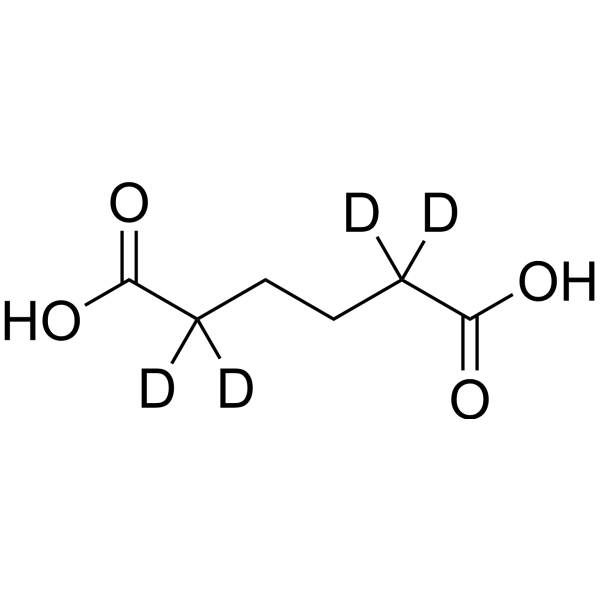
Hexanedioic acid-d4-1
|
Isotope-Labeled Compounds
Endogenous Metabolite
HSV
|
Infection
Metabolic Disease
|
|
Adipic acid-d4-1 (Hexanedioic acid-d4-1) is the deuterium labeled Adipic acid (HY-W017522). Adipic acid (Hexanedioic acid) is an orally active compound with anti-HSV-1 activity. Adipic acid has low toxicity and can be used as a food additive and a gelling agent. Adipic acid can also be used in the synthesis of lubricants, artificial resins, plastics, etc .
|
-
-
- HY-B0275BR
-
|
|
Reference Standards
Bacterial
HSV
Antibiotic
Endogenous Metabolite
|
Infection
|
|
Oxytetracycline (dihydrate) (Standard) is the analytical standard of Oxytetracycline (dihydrate). This product is intended for research and analytical applications. Oxytetracycline dihydrate is an antibiotic belonging to the tetracycline class. Oxytetracycline dihydrate potent inhibits Gram-negative and Gram-positive bacteria. Oxytetracycline dihydrate is a protein synthesis inhibitor and prevents the binding from aminoacil-tRNA to the complex m-ribosomal RNA. Oxytetracycline dihydrate also possesses anti-HSV-1 activity .
|
-

-
- HY-N18293
-
|
|
HSV
|
Infection
|
|
Makisterone A 2-acetate is a steroid compound that can be isolated from the 75% ethanol extract of Cyanotis arachnoidea. Experimental tests show that Makisterone A 2-acetate has no anti-HSV-1 activity .
|
-

-
- HY-186203
-
|
|
HSV
|
Infection
|
|
8-Bromo-harmane is a β-carboline derivative with anti-HSV-1 activity. 8-Bromo-harmane is non-cytotoxic. 8-Bromo-harmane can be used for the research of herpes simplex virus 1 (HSV-1) infection .
|
-

-
- HY-N0415S1
-
|
Trigonelline-d3-1 hydrochloride
|
Isotope-Labeled Compounds
Fungal
Apoptosis
Bacterial
HIV
Ferroptosis
Endogenous Metabolite
|
Infection
Metabolic Disease
Cancer
|
|
Trigonelline-d3-1 chloride (Trigonelline-d3-1 hydrochloride) is the deuterium labeled Trigonelline chloride (HY-N0415). Trigonelline chloride is an alkaloid with potential antidiabetic activity that can be isolated from Trigonella foenum-graecum L or Leonurus artemisia. Trigonelline chloride is a potent Nrf2 inhibitor that blocks Nrf2-dependent proteasome activity, thereby enhancing apoptosis in pancreatic cancer cells. Trigonelline chloride also has anti-HSV-1, antibacterial, and antifungal activity, and induces ferroptosis.
|
-

| Cat. No. |
Product Name |
Category |
Target |
Chemical Structure |
-
- HY-N0415
-
-
-
- HY-N0414
-
-
-
- HY-B0275
-
-
-
- HY-B0275A
-
-
-
- HY-W017522
-
-
-
- HY-N6073
-
-
-
- HY-B0275B
-
-
-
- HY-N2110
-
|
|
Structural Classification
Classification of Application Fields
Coumarins
Phenylpropanoids
Umbelliferae
Helogyne apaloidea Nutt.
Plants
Inflammation/Immunology
Disease Research Fields
Source Classification
|
Akt
Sirtuin
Integrin
STAT
PI3K
Apoptosis
ERK
PPAR
PKC
Toll-like Receptor (TLR)
HIV
|
|
Phellopterin, an orally active furocoumarin with multiple biological activities. Phellopterin is a partial agonist of the central benzodiazepine receptors. Phellopterin exerts anti-inflammatory effects by upregulating SIRT1, downregulating ICAM-1 (reducing chronic inflammation, aiding diabetic ulcer healing), inhibiting STAT3 phosphorylation (easing atopic dermatitis inflammation), regulating Akt/PKC pathways (lowering TNF-α-induced VCAM-1 to block monocyte adhesion), and inhibiting TLR4/NF-κB pathway and macrophage M2 polarization (alleviating colitis-related cancers). Phellopterin suppresses ovarian cancer progression via inhibiting the PU.1/CLEC5A/PI3K-AKT loop (inducing cell cycle arrest, apoptosis, DNA damage). Phellopterin alleviates murine diabetes by promoting adipocyte differentiation and increasing PPARγ. Phellopterin also has anti-HSV-1 activity. Phellopterin can be used for studying anti-inflammation, anti-cancer (e.g., ovarian cancer, colitis cancer), blood glucose lowering, anti-diabetes, and anti-virus .
|
-
-
- HY-B0275AR
-
-
-
- HY-N0414R
-
-
-
- HY-N8156
-
-
-
- HY-B0275C
-
-
-
- HY-W017522R
-
-
-
- HY-B0275R
-
-
-
- HY-N0415R
-
-
-
- HY-N2110R
-
|
|
Structural Classification
Coumarins
Phenylpropanoids
Umbelliferae
Helogyne apaloidea Nutt.
Plants
Source Classification
|
Reference Standards
Akt
Sirtuin
Integrin
STAT
PI3K
Apoptosis
ERK
PPAR
PKC
Toll-like Receptor (TLR)
HIV
|
|
Phellopterin (Standard) is the analytical standard of Phellopterin. Phellopterin, an orally active furocoumarin with multiple biological activities. Phellopterin is a partial agonist of the central benzodiazepine receptors. Phellopterin exerts anti-inflammatory effects by upregulating SIRT1, downregulating ICAM-1 (reducing chronic inflammation, aiding diabetic ulcer healing), inhibiting STAT3 phosphorylation (easing atopic dermatitis inflammation), regulating Akt/PKC pathways (lowering TNF-α-induced VCAM-1 to block monocyte adhesion), and inhibiting TLR4/NF-κB pathway and macrophage M2 polarization (alleviating colitis-related cancers). Phellopterin suppresses ovarian cancer progression via inhibiting the PU.1/CLEC5A/PI3K-AKT loop (inducing cell cycle arrest, apoptosis, DNA damage). Phellopterin alleviates murine diabetes by promoting adipocyte differentiation and increasing PPARγ. Phellopterin also has anti-HSV-1 activity. Phellopterin can be used for studying anti-inflammation, anti-cancer (e.g., ovarian cancer, colitis cancer), blood glucose lowering, anti-diabetes, and anti-virus.
|
-
-
- HY-N6073R
-
-
-
- HY-B0275BR
-
-
-
- HY-N18293
-
-
| Cat. No. |
Product Name |
Chemical Structure |
-
- HY-W017522S4
-
|
|
|
Adipic acid-d8 (Hexanedioic acid-d8) is the deuterium labeled Adipic acid (HY-W017522). Adipic acid (Hexanedioic acid) is an orally active compound with anti-HSV-1 activity. Adipic acid has low toxicity and can be used as a food additive and a gelling agent. Adipic acid can also be used in the synthesis of lubricants, artificial resins, plastics, etc .
|
-
-
- HY-N0415S
-
|
|
|
Trigonelline-d3 (chloride) is the deuterium labeled Trigonelline chloride. Trigonelline chloride, an alkaloid with potential antidiabetic activity, is present in considerable amounts in coffee. Trigonelline chloride has anti-HSV-1 , antibacterial, and antifungal activities.
|
-
-
- HY-B0275S
-
|
|
|
Oxytetracycline-d6 is deuterium labeled Oxytetracycline. Oxytetracycline is an antibiotic belonging to the tetracycline class. Oxytetracycline potent inhibits Gram-negative and Gram-positive bacteria. Oxytetracycline is a protein synthesis inhibitor and prevents the binding from aminoacil-tRNA to the complex m-ribosomal RNA. Oxytetracycline also possesses anti-HSV-1 activity .
|
-
-
- HY-W017522S3
-
|
|
|
Adipic acid- 13C (Hexanedioic acid- 13C) is the 13C labeled Adipic acid (HY-W017522). Adipic acid (Hexanedioic acid) is an orally active compound with anti-HSV-1 activity. Adipic acid has low toxicity and can be used as a food additive and a gelling agent. Adipic acid can also be used in the synthesis of lubricants, artificial resins, plastics, etc .
|
-
-
- HY-W017522S
-
|
|
|
Adipic acid-d10 (Hexanedioic acid-d10) is the deuterium labeled Adipic acid (HY-W017522). Adipic acid (Hexanedioic acid) is an orally active compound with anti-HSV-1 activity. Adipic acid has low toxicity and can be used as a food additive and a gelling agent. Adipic acid can also be used in the synthesis of lubricants, artificial resins, plastics, etc .
|
-
-
- HY-W017522S1
-
|
|
|
Adipic acid- 13C6 (Hexanedioic acid- 13C6) is the 13C labeled Adipic acid (HY-W017522). Adipic acid (Hexanedioic acid) is an orally active compound with anti-HSV-1 activity. Adipic acid has low toxicity and can be used as a food additive and a gelling agent. Adipic acid can also be used in the synthesis of lubricants, artificial resins, plastics, etc .
|
-
-
- HY-B0275S1
-
|
|
|
Oxytetracycline-d3 is the deuterium labeled Oxytetracycline (HY-B0275). Oxytetracycline is an antibiotic belonging to the tetracycline class. Oxytetracycline potent inhibits Gram-negative and Gram-positive bacteria. Oxytetracycline is a protein synthesis inhibitor and prevents the binding from aminoacil-tRNA to the complex m-ribosomal RNA. Oxytetracycline also possesses anti-HSV-1 activity .
|
-
-
- HY-W017522S2
-
|
|
|
Adipic acid-d4 (Hexanedioic acid-d4) is the deuterium labeled Adipic acid (HY-W017522). Adipic acid (Hexanedioic acid) is an orally active compound with anti-HSV-1 activity. Adipic acid has low toxicity and can be used as a food additive and a gelling agent. Adipic acid can also be used in the synthesis of lubricants, artificial resins, plastics, etc .
|
-
-
- HY-W755036
-
|
|
|
Oxytetracycline-13C,d3 hydrochloride is the 13C- and deuterium labeled Oxytetracycline hydrochloride (HY-B0275A). Oxytetracycline hydrochloride is an antibiotic that exhibits board-spectrum antibacterial activity. Oxytetracycline hydrochloride is a protein synthesis inhibitor and prevents the binding from aminoacil-tRNA to the complex m-ribosomal RNA. Oxytetracycline hydrochloride also possesses anti-HSV-1 activity .
|
-
-
- HY-W017522S6
-
|
|
|
Adipic acid- 13C2 (Hexanedioic acid- 13C2) is 13C labeled Adipic acid (HY-W017522). Adipic acid (Hexanedioic acid) is an orally active compound with anti-HSV-1 activity. Adipic acid has low toxicity and can be used as a food additive and a gelling agent. Adipic acid can also be used in the synthesis of lubricants, artificial resins, plastics, etc .
|
-
-
- HY-W017522S5
-
|
|
|
Adipic acid-d4-1 (Hexanedioic acid-d4-1) is the deuterium labeled Adipic acid (HY-W017522). Adipic acid (Hexanedioic acid) is an orally active compound with anti-HSV-1 activity. Adipic acid has low toxicity and can be used as a food additive and a gelling agent. Adipic acid can also be used in the synthesis of lubricants, artificial resins, plastics, etc .
|
-
-
- HY-N0415S1
-
|
|
|
Trigonelline-d3-1 chloride (Trigonelline-d3-1 hydrochloride) is the deuterium labeled Trigonelline chloride (HY-N0415). Trigonelline chloride is an alkaloid with potential antidiabetic activity that can be isolated from Trigonella foenum-graecum L or Leonurus artemisia. Trigonelline chloride is a potent Nrf2 inhibitor that blocks Nrf2-dependent proteasome activity, thereby enhancing apoptosis in pancreatic cancer cells. Trigonelline chloride also has anti-HSV-1, antibacterial, and antifungal activity, and induces ferroptosis.
|
-
Your information is safe with us. * Required Fields.
Inquiry Information
- Product Name:
- Cat. No.:
- Quantity:
- MCE Japan Authorized Agent:








