1. Search Result
Search Result
Results for "

anti-stress

" in MedChemExpress (MCE) Product Catalog:

27

Inhibitors & Agonists

1

Peptides

16

Natural
Products

7

Isotope-Labeled Compounds

Cat. No. 상품명 Target 연구분야 Chemical Structure
  • HY-15121
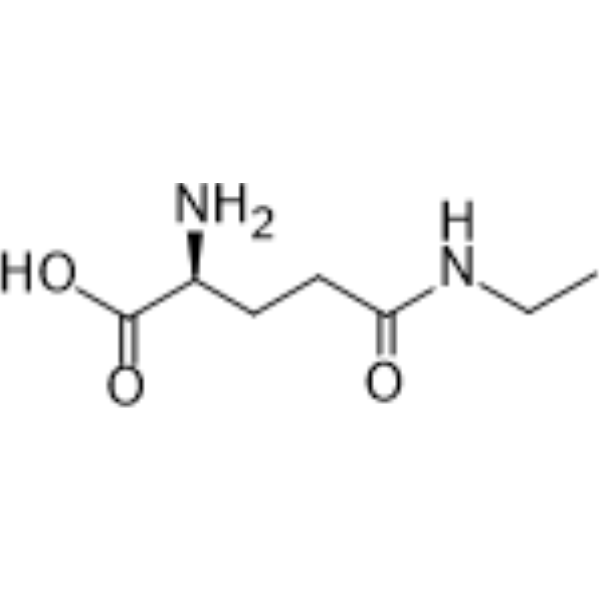
    L-Theanine
    5 Publications Verification

    L-Glutamic Acid γ-ethyl amide; Nγ-Ethyl-L-glutamine

    Apoptosis Endogenous Metabolite Reactive Oxygen Species (ROS) Neurological Disease Cancer
    L-Theanine (L-Glutamic Acid γ-ethyl amide) is a non-protein amino acid contained in green tea leaves, which blocks the binding of L-glutamic acid to glutamate receptors in the brain, and with neuroprotective, anticancer and anti-oxidative activities. L-Theanine can pass through the blood–brain barrier and is orally active .
    L-Theanine
  • HY-Z0478
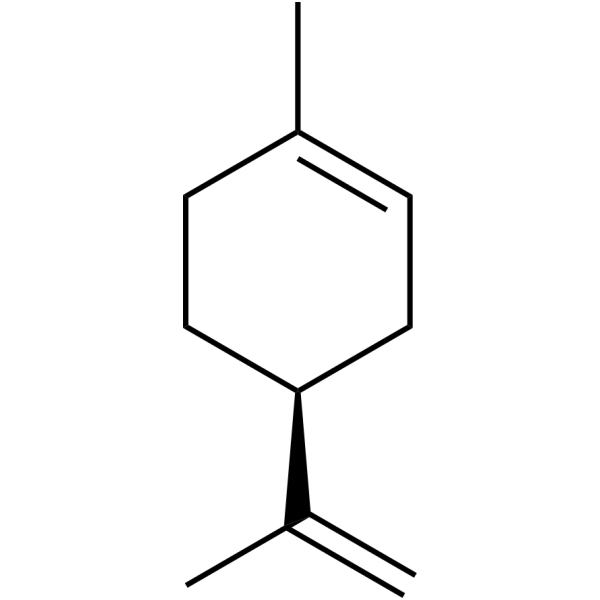
    (-)-Limonene
    1 Publications Verification

    (S)-(-)-Limonene

    Bacterial Antibiotic CaMK Infection Cardiovascular Disease Metabolic Disease
    (-)-Limonene ((S)-(-)-Limonene) is orally active and can cause mild bronchoconstriction. (-)-Limonene alleviates cytosolic and mitochondrial oxidative stress by inhibiting the increase of calcium ions (Ca 2+) and Ca 2+/calmodulin-dependent protein kinase II (CaMKII). It also exerts anti-stress effects by inhibiting the activity of the hypothalamic-pituitary-adrenal (HPA) axis. Additionally, (-)-Limonene can be used as an antibacterial agent in aquaculture .
    (-)-Limonene
  • HY-W012382

    Endogenous Metabolite Metabolic Disease Cancer
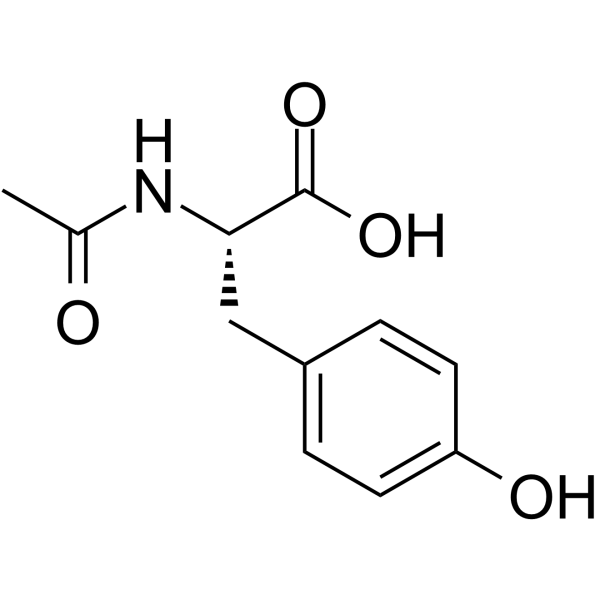
    N-Acetyl-L-tyrosine is an orally active endogenous mitochondrial stress response regulator that can permeate the cell membrane by passive diffusion. N-Acetyl-L-tyrosine induces low-level reactive oxygen species (ROS) generation by transiently perturbing mitochondrial membrane potential, triggering reverse signaling to activate FoxO and Keap1 pathways. As a result, N-Acetyl-L-tyrosine enhances the expression of antioxidant enzyme genes, exerting anti-stress and cytoprotective effects. N-Acetyl-L-tyrosine can improve heat stress tolerance, inhibit tumor growth, and regulate energy metabolism. N-Acetyl-L-tyrosine can be used in the research of aging, metabolic diseases (such as diabetes), and cancer .
    N-Acetyl-L-tyrosine
  • HY-N0368
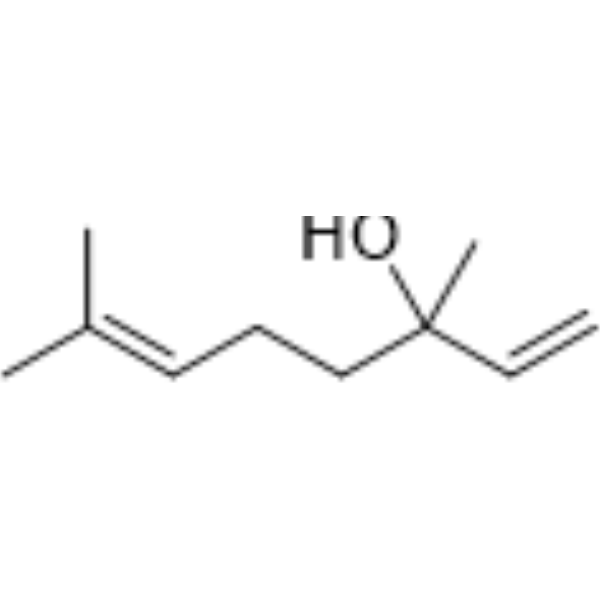
    Linalool,98% (stabilized with MEHQ)
    4 Publications Verification

    Environmental Pollutants Apoptosis iGluR Endogenous Metabolite Bacterial TNF Receptor Infection Cardiovascular Disease Neurological Disease Inflammation/Immunology Cancer
    Linalool is a natural monoterpene which is a competitive NMDA receptor antagonist. Linalool is orally active and crosses the blood-brain barrier. Linalool has anticancer, antibacterial, anti-inflammatory, neuroprotective, anxiolytic, antidepressant, anti-stress, cardioprotective, hepatoprotective, nephroprotective and pulmonary protective activities .
    Linalool,98% (stabilized with MEHQ)
  • HY-N6948
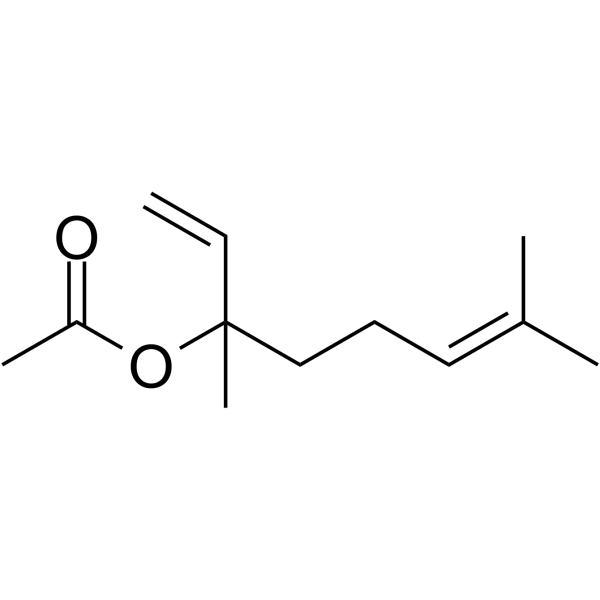
    Linalyl acetate
    1 Publications Verification

    Environmental Pollutants Lactate Dehydrogenase Cardiovascular Disease Neurological Disease Metabolic Disease Inflammation/Immunology
    Linalyl acetate is the principal components of many plant essential oils. Linalyl acetate exhibits anti-anxiety, anti-inflammatory, anti-diabetic, anti-stress, and cardiovascular-regulatory effects. Linalyl acetate is orally active .
    Linalyl acetate
  • HY-N1440

    Bcl-2 Family Inflammation/Immunology Cancer
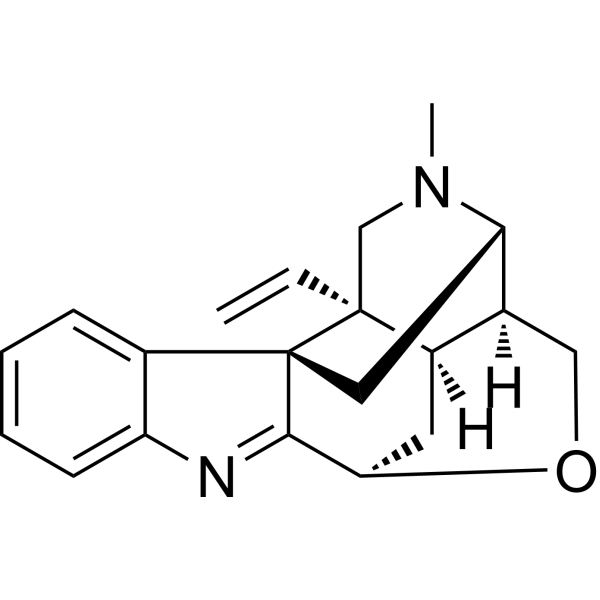
    Koumine is an alkaloid separated from Gelsemium elegans, shows potent anti-tumor activity. Koumine up-regulates the Bax/Bcl-2 ratio and caspase-3 expression in human breast cancer cells . Koumine has anxiolytic, antistress, antipsoriatic, and analgesic activities , protects against the development of arthritis in Rheumatoid arthritis (RA) animal models .
    Koumine
  • HY-111191
    ONO-2952
    1 Publications Verification

    Adrenergic Receptor Neurological Disease
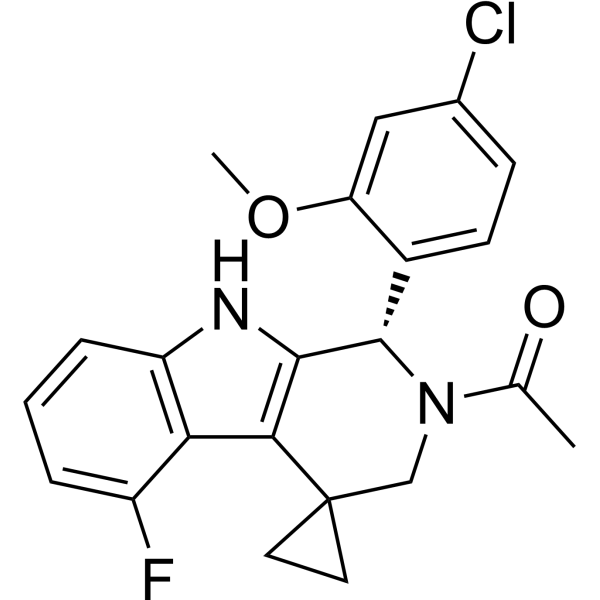
    ONO-2952 is a potent, selective and orally active translocator protein 18 kDa (TSPO) antagonist with Ki of 0.33-9.30 nM for rat and human TSPO. ONO-2952 is more selective for TSPO than other receptors, transporters, ion channels and enzymes. ONO-2952 exerts its anti-stress effects through inhibition of excessive activation of noradrenergic system in the brain without the amnesic effect. ONO-2952 has the potential for irritable bowel syndrome treatment .
    ONO-2952
  • HY-W012123

    GABA Receptor Endogenous Metabolite Neurological Disease
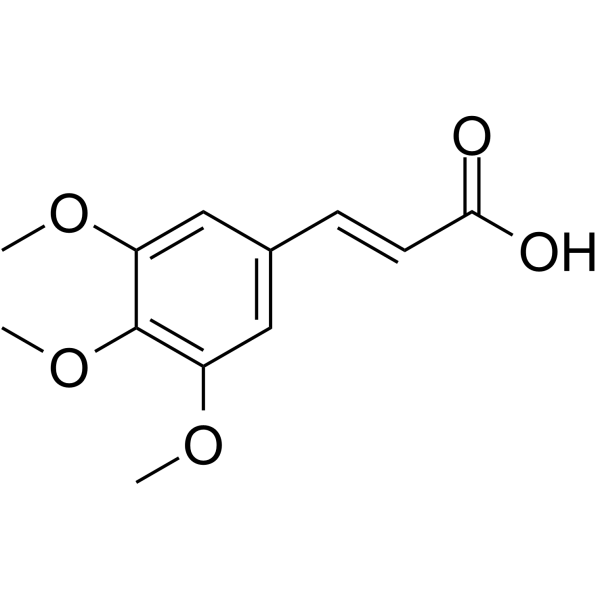
    3,4,5-Trimethoxycinnamic acid is a phenylpropanoid isolated from the roots of Polygala tenuifolia WILLD, with anti-stress effect, prolonging the sleeping time in animals . 3,4,5-Trimethoxycinnamic acid increases expression of GAD65 and γ-subunit of GABAA receptor, but shows no effect on the amounts of α-, β-subunits .
    3,4,5-Trimethoxycinnamic acid
  • HY-P2602

    GABA Receptor Neurological Disease
    α-Casozepine is an orally effective anxiolytic that binds to the benzodiazepine site of the GABAA receptor in bovine samples with an IC50 of 88 μM. α-Casozepine exerts anxiolytic and anti-stress effects on cats exposed to unfamiliar environments and dogs undergoing road transport . α-Casozepine exhibits significant anxiolytic activity in rats. α-Casozepine can be used in studies related to fear, anxiety and stress .
    α-Casozepine
  • HY-15121S

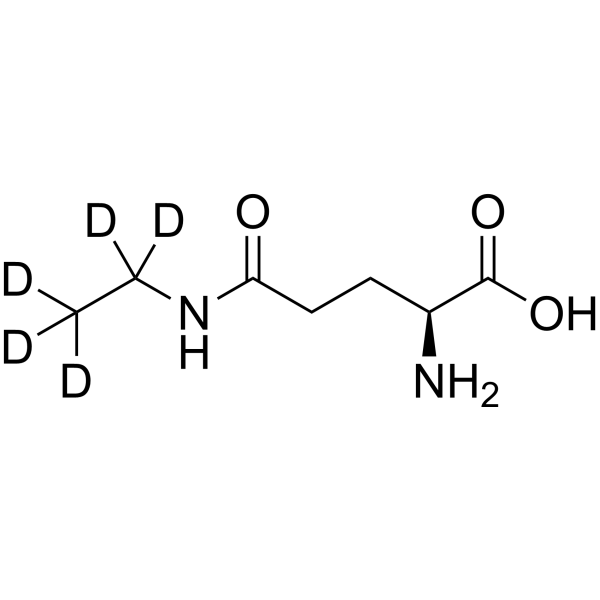
    L-Glutamic Acid γ-ethyl amide-d5; Nγ-Ethyl-L-glutamine-d5

    Apoptosis Endogenous Metabolite Neurological Disease
    L-Theanine-d5 is the deuterium labeled L-Theanine. L-Theanine (L-Glutamic Acid γ-ethyl amide)is a non-protein amino acid contained in green tea leaves, which blocks the binding of L-glutamic acid to glutamate receptors in the brain, and with neuroprotective and anti-oxidative activities. L-Theanine causes anti-stress effects via the inhibition of cortical neuron excitation by oral intake .
    L-Theanine-d5
  • HY-15121R

    L-Glutamic Acid γ-ethyl amide (Standard); Nγ-Ethyl-L-glutamine (Standard)

    Reference Standards Apoptosis Endogenous Metabolite Reactive Oxygen Species (ROS) Neurological Disease Cancer
    L-Theanine (Standard) is the analytical standard of L-Theanine. This product is intended for research and analytical applications. L-Theanine (L-Glutamic Acid γ-ethyl amide) is a non-protein amino acid contained in green tea leaves, which blocks the binding of L-glutamic acid to glutamate receptors in the brain, and with neuroprotective, anticancer and anti-oxidative activities. L-Theanine can pass through the blood–brain barrier and is orally active .
    L-Theanine (Standard)
  • HY-110146

    mGluR Neurological Disease
    XAP044 is a potent and selective antagonist of mGlu7. The metabotropic glutamate receptor subtype 7 (mGlu7) is an important presynaptic regulator of neurotransmission in the mammalian CNS. XAP044 demonstrates good brain exposure and wide spectrum anti-stress and antidepressant- and anxiolytic-like efficacy in rodent behavioral paradigms .
    XAP044
  • HY-W012382S

    Isotope-Labeled Compounds Endogenous Metabolite Metabolic Disease Cancer
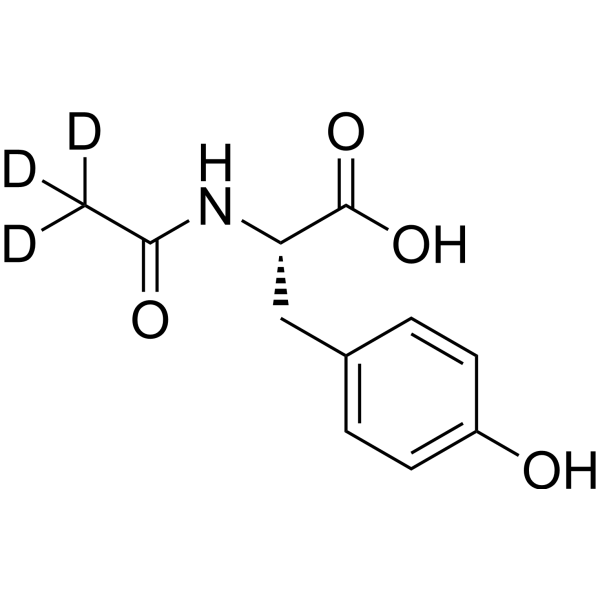
    N-Acetyl-L-tyrosine-d3 is the deuterated form of N-Acetyl-L-tyrosine (HY-W012382). N-Acetyl-L-tyrosine is an orally active endogenous mitochondrial stress response regulator that can permeate the cell membrane by passive diffusion. N-Acetyl-L-tyrosine induces low-level reactive oxygen species (ROS) generation by transiently perturbing mitochondrial membrane potential, triggering reverse signaling to activate FoxO and Keap1 pathways. As a result, N-Acetyl-L-tyrosine enhances the expression of antioxidant enzyme genes, exerting anti-stress and cytoprotective effects. N-Acetyl-L-tyrosine can improve heat stress tolerance, inhibit tumor growth, and regulate energy metabolism. N-Acetyl-L-tyrosine can be used in the research of aging, metabolic diseases (such as diabetes), and cancer .
    N-Acetyl-L-tyrosine-d3
  • HY-152052S

    Isotope-Labeled Compounds Others
    Linalool-d5 is the deuterium labeled Linalool (HY-N0368). Linalool is a natural monoterpene which is a competitive NMDA receptor antagonist. Linalool is orally active and crosses the blood-brain barrier. Linalool has anticancer, antibacterial, anti-inflammatory, neuroprotective, anxiolytic, antidepressant, anti-stress, cardioprotective, hepatoprotective, nephroprotective and pulmonary protective activities .
    Linalool-d5
  • HY-111803
    4'-Methoxyflavonol
    1 Publications Verification

    Androgen Receptor SOD Metabolic Disease Cancer
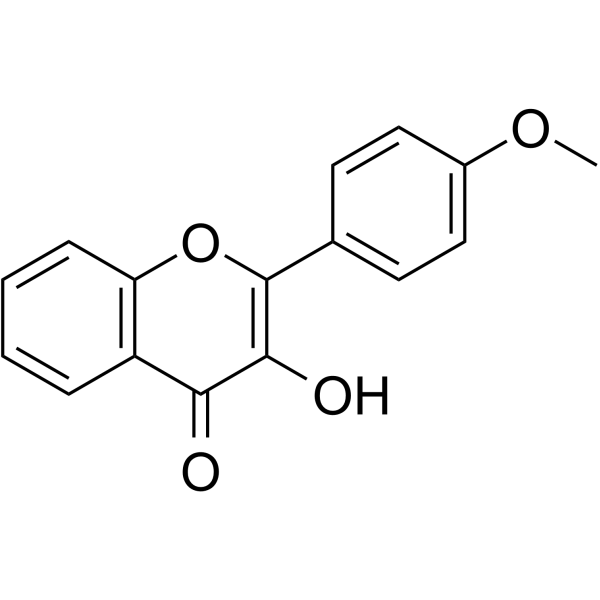
    4'-Methoxyflavonol is a flavonol. 4'-Methoxyflavonol reduces androgen receptor and increases SOD. 4'-Methoxyflavonol reduces plasma glucose, cholesterol, and triglycerides. 4'-Methoxyflavonol has anti-stress and antioxidant activities. 4'-Methoxyflavonol can be used in prostate cancer research .
    4'-Methoxyflavonol
  • HY-W012382R

    Reference Standards Endogenous Metabolite Metabolic Disease Cancer
    N-Acetyl-L-tyrosine (Standard) is the analytical standard of N-Acetyl-L-tyrosine (HY-W012382). This product is intended for research and analytical applications. N-Acetyl-L-tyrosine is an orally active endogenous mitochondrial stress response regulator that can permeate the cell membrane by passive diffusion. N-Acetyl-L-tyrosine induces low-level reactive oxygen species (ROS) generation by transiently perturbing mitochondrial membrane potential, triggering reverse signaling to activate FoxO and Keap1 pathways. As a result, N-Acetyl-L-tyrosine enhances the expression of antioxidant enzyme genes, exerting anti-stress and cytoprotective effects. N-Acetyl-L-tyrosine can improve heat stress tolerance, inhibit tumor growth, and regulate energy metabolism. N-Acetyl-L-tyrosine can be used in the research of aging, metabolic diseases (such as diabetes), and cancer .
    N-Acetyl-L-tyrosine (Standard)
  • HY-N12715

    Others Neurological Disease
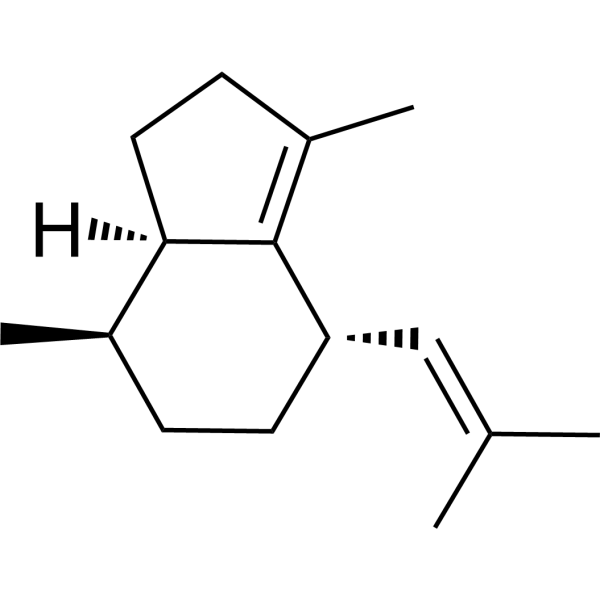
    Valerena-4,7(11)-diene is a tranquilizer. Valerena-4,7(11)-diene suppresses stress-induced excitatory behaviors. Valerena-4,7(11)-diene is expressed via olfactory stimulation and pulmonary absorption .
    Valerena-4,7(11)-diene
  • HY-W012123R

    Reference Standards GABA Receptor Endogenous Metabolite Neurological Disease
    3,4,5-Trimethoxycinnamic acid is a phenylpropanoid isolated from the roots of Polygala tenuifolia WILLD, with anti-stress effect, prolonging the sleeping time in animals . 3,4,5-Trimethoxycinnamic acid increases expression of GAD65 and γ-subunit of GABAA receptor, but shows no effect on the amounts of α-, β-subunits .
    3,4,5-Trimethoxycinnamic acid (Standard)
  • HY-N0368S1

    Apoptosis Endogenous Metabolite iGluR Bacterial Isotope-Labeled Compounds Cancer
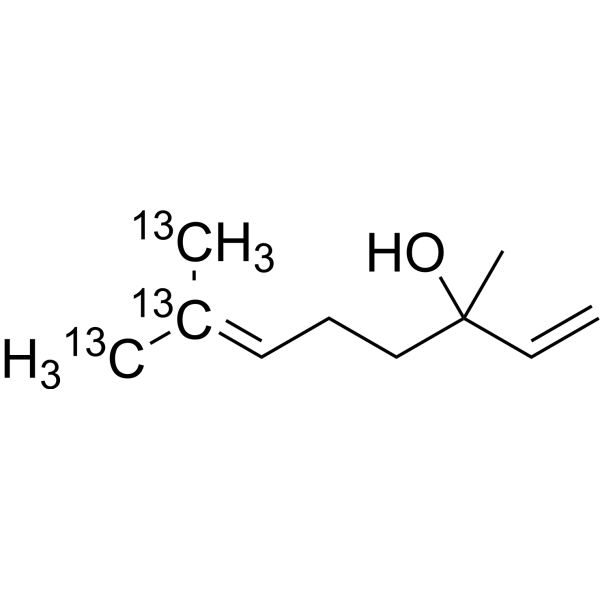
    Linalool- 13C3 is 13C labeled Linalool (HY-N0368). Linalool is a natural monoterpene which is a competitive NMDA receptor antagonist. Linalool is orally active and crosses the blood-brain barrier. Linalool has anticancer, antibacterial, anti-inflammatory, neuroprotective, anxiolytic, antidepressant, anti-stress, cardioprotective, hepatoprotective, nephroprotective and pulmonary protective activities .
    Linalool-13C3
  • HY-N15147

    DNA/RNA Synthesis Cardiovascular Disease Neurological Disease Metabolic Disease Inflammation/Immunology Cancer
    Panax saponin C is a ginsenoside found in Ginseng with biological activities including regulatory effects on immunomodulation, protection functions in the central nervous and cardiovascular systems, anti-diabetic, anti-aging, anti-carcinogenic, anti-fatigue, anti-pyretic, anti-stress, boosting physical vitality, and promotion of DNA, RNA, and protein synthesis activities .
    Panax saponin C
  • HY-W010410S

    Isotope-Labeled Compounds Metabolic Disease
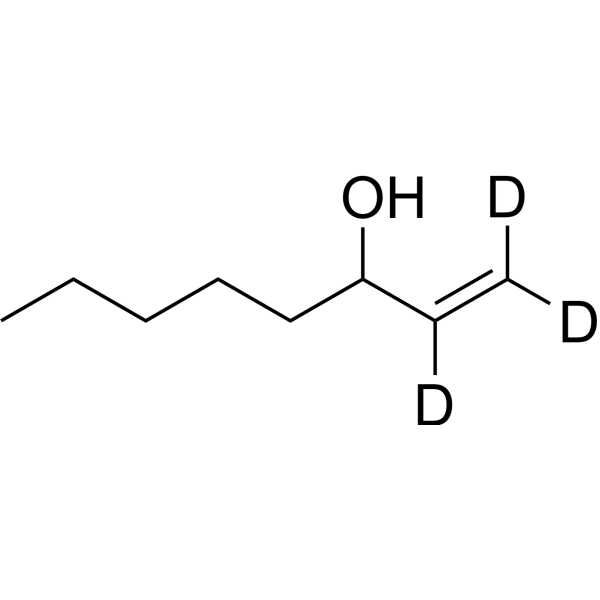
    Oct-1-en-3-ol-d3 is deuterated labeled Linalool (HY-N0368). Linalool is a natural monoterpene which is a competitive NMDA receptor antagonist. Linalool is orally active and crosses the blood-brain barrier. Linalool has anticancer, antibacterial, anti-inflammatory, neuroprotective, anxiolytic, antidepressant, anti-stress, cardioprotective, hepatoprotective, nephroprotective and pulmonary protective activities .
    Oct-1-en-3-ol-d3
  • HY-N6948R

    Reference Standards Lactate Dehydrogenase Cardiovascular Disease Neurological Disease Metabolic Disease Inflammation/Immunology
    Linalyl acetate (Standard) is the analytical standard of Linalyl acetate. This product is intended for research and analytical applications. Linalyl acetate is the principal components of many plant essential oils. Linalyl acetate exhibits anti-anxiety, anti-inflammatory, anti-diabetic, anti-stress, and cardiovascular-regulatory effects. Linalyl acetate is orally active .
    Linalyl acetate (Standard)
  • HY-N6948S

    Isotope-Labeled Compounds Lactate Dehydrogenase Cardiovascular Disease Neurological Disease Metabolic Disease Inflammation/Immunology
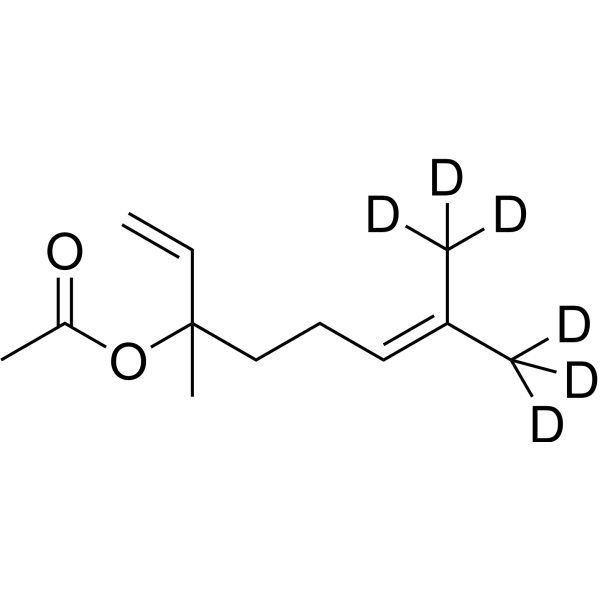
    Linalyl acetate-d6 is deuterated labeled Linalyl acetate (HY-N6948). Linalyl acetate is the principal components of many plant essential oils. Linalyl acetate exhibits anti-anxiety, anti-inflammatory, anti-diabetic, anti-stress, and cardiovascular-regulatory effects. Linalyl acetate is orally active .
    Linalyl acetate-d6
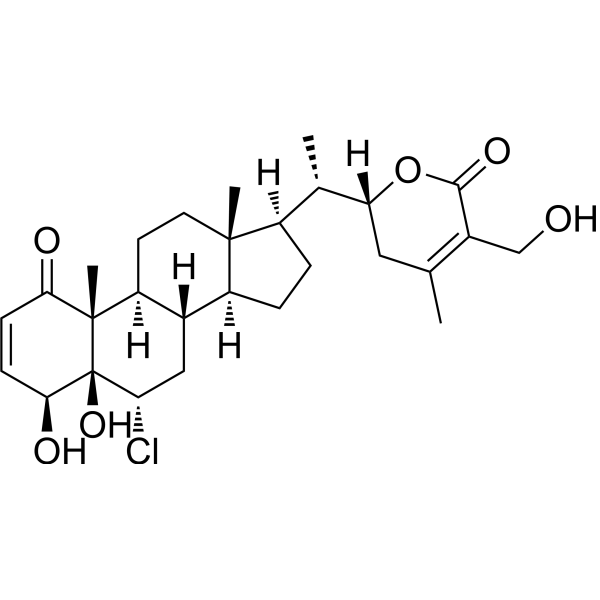
  • HY-N5113

    Bacterial Others
    6α-Chloro-5β-hydroxywithaferin A is a withanolide that can be isolated from W. somnifera. W. somnifera has antioxidant, anti-inflammatory, immunomodulatory, anticarcinogenic, antibacterial antiparkinsonism and antistress properties .
    6α-Chloro-5β-hydroxywithaferin A
  • HY-N13197

    Antibiotic Bacterial Fungal Parasite Infection Inflammation/Immunology Cancer
    6-Methyl-5,6-dihydro-2H-pyran-2-one is a heterocyclic compound with antitumor, antifungal, antimicrobial, anti-inflammatory, antistress, antibiotic, antituberculosis, antiparasitic, antiviral activities .
    6-Methyl-5,6-dihydro-2H-pyran-2-one
  • HY-N1440R

    Reference Standards Bcl-2 Family Inflammation/Immunology Cancer
    Koumine (Standard) is the analytical standard of Koumine. This product is intended for research and analytical applications. Koumine is an alkaloid separated from Gelsemium elegans, shows potent anti-tumor activity. Koumine up-regulates the Bax/Bcl-2 ratio and caspase-3 expression in human breast cancer cells . Koumine has anxiolytic, antistress, antipsoriatic, and analgesic activities , protects against the development of arthritis in Rheumatoid arthritis (RA) animal models .
    Koumine (Standard)
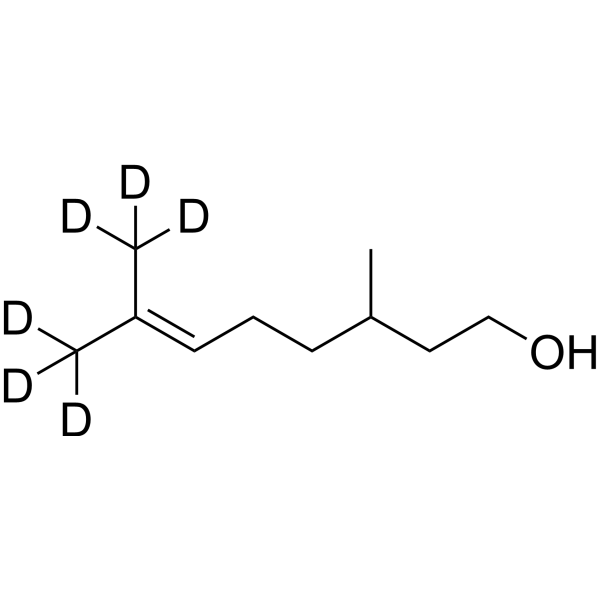
  • HY-W010201S

    (±)-Citronellol-d6; (±)-β-Citronellol-d6

    Reactive Oxygen Species (ROS) Isotope-Labeled Compounds Cancer
    Citronellol-d6 is deuterated labeled Citronellol (HY-W010201). Citronellol ((±)-Citronellol) is an orally active inducer of apoptosis. Citronellol can prevent oxidative stress, mitochondrial dysfunction, and apoptosis in the SH-SY5Y cell Parkinson's disease model induced by 6-OHDA by regulating the ROS-NO, MAPK/ERK, and PI3K/Akt signaling pathways. Citronellol can induce necroptosis in human lung cancer cells through the TNF-α pathway and accumulation of ROS. Citronellol can reduce the levels of LC-3 and p62 to regulate the autophagy pathway, inhibit oxidative stress and neuroinflammation, and thus have neuroprotective effects on Parkinson's rats. Citronellol exhibits anti-fungal activity against Trichophyton rubrum by inhibiting ergosterol synthesis .
    Citronellol-d6

온라인 문의

Your information is safe with us. * Required Fields.

호칭


Country or Region *

고객명 *


회사명 *

Department *


메일주소 *


상품명 *

Cat. No.


Requested quantity *

전화번호 *


비고

온라인 문의

Inquiry Information

상품명:
Cat. No.:
수량:
MCE Japan Authorized Agent: