



Valerianaceae
-
Valerianaceae (59)

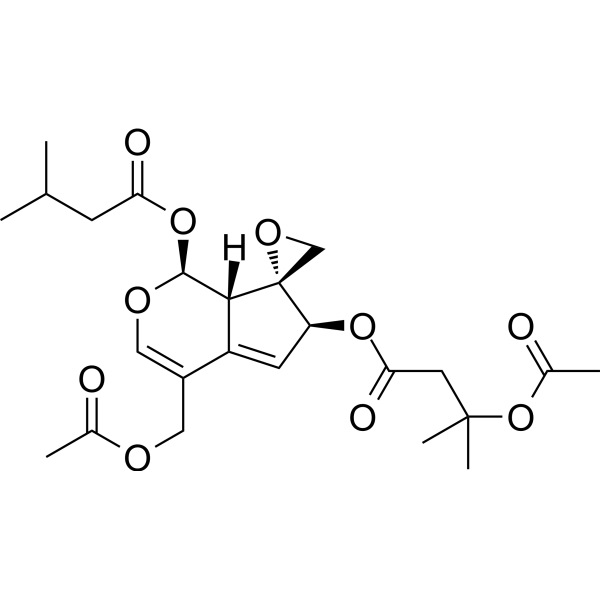
- Formula: C24H32O10
- Molecular Weight: 480.50
Acevaltrate inhibits the Na+/K+-ATPase activity in the rat kidney and brain hemispheres with IC50s of 22.8 μM and 42.3 μM, respectively.
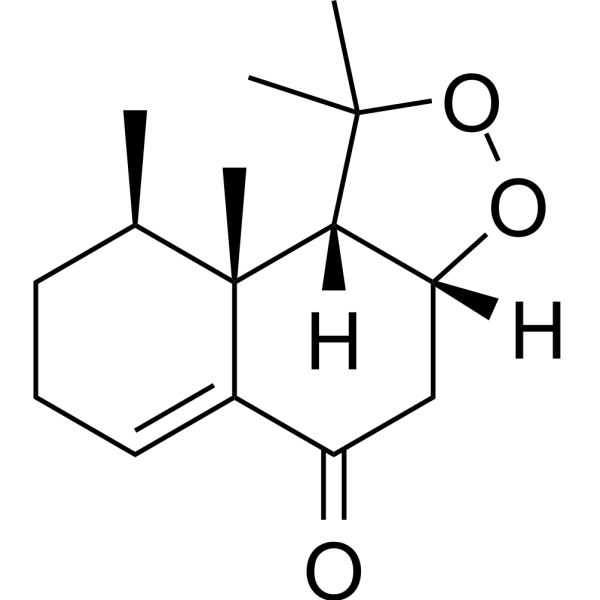
- Formula: C15H22O3
- Molecular Weight: 250.33
Nardosinone, isolated from Nardostachys chinensis, is the first enhancer of the neuritogenic action of dbcAMP and staurosporine. Nardosinone may become a useful pharmacological tool for studying the mechanism of action of not only nerve growth factor (NGF) but also both the neuritogenic substances.
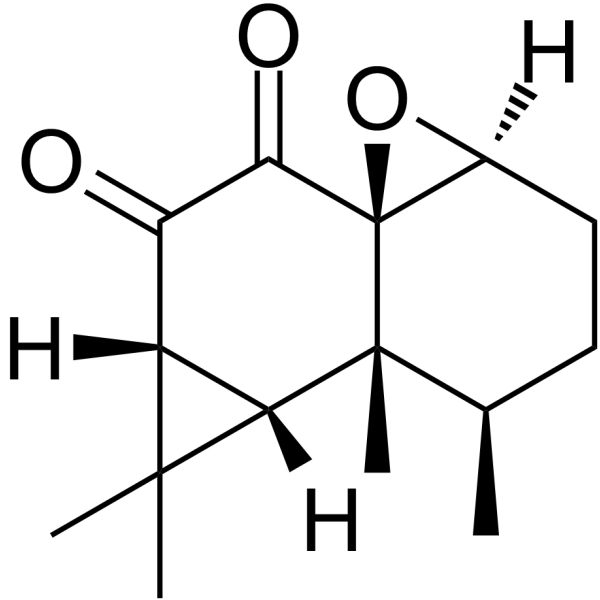
- Formula: C15H20O3
- Molecular Weight: 248.32
Kanshone C is a sesquiterpenoid of Nardostachys chinensis roots.
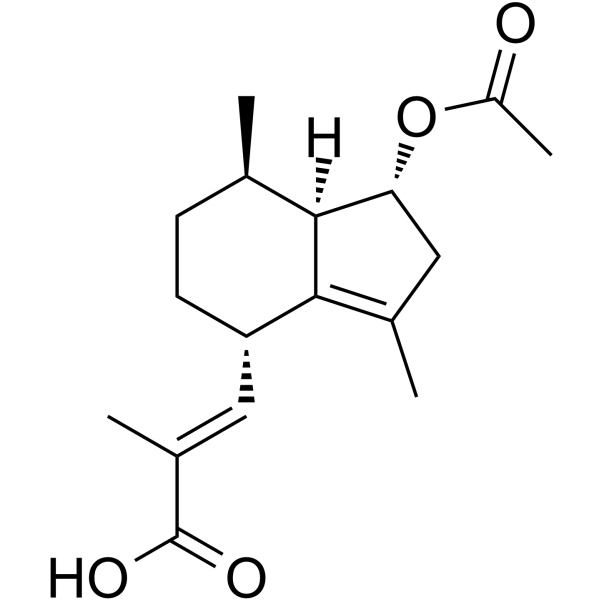
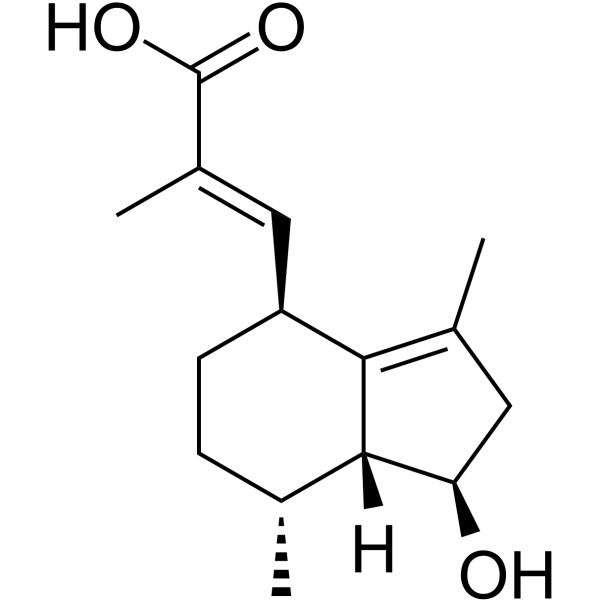
- Formula: C17H24O4
- Molecular Weight: 292.37
Acetoxyvalerenic acid is a natural compound that could be found in valerian.


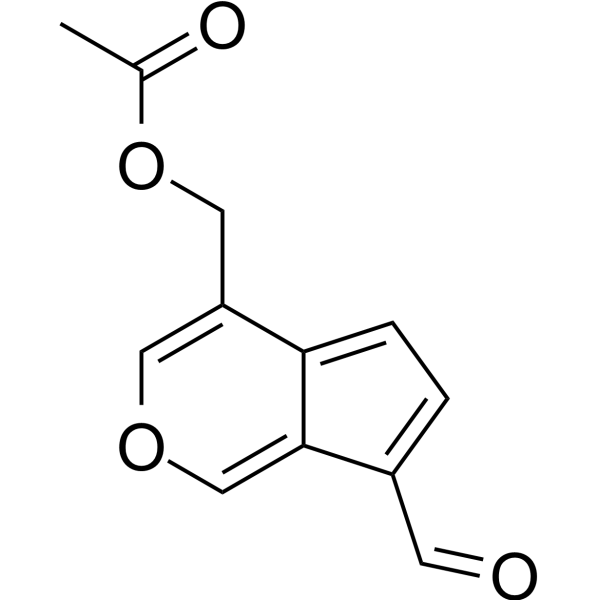
- Formula: C12H10O4
- Molecular Weight: 218.21
Baldrinal is derived from the extracts of valerian rhizomes and roots, inhibits autonomic activity, and has anti-inflammatory effects.
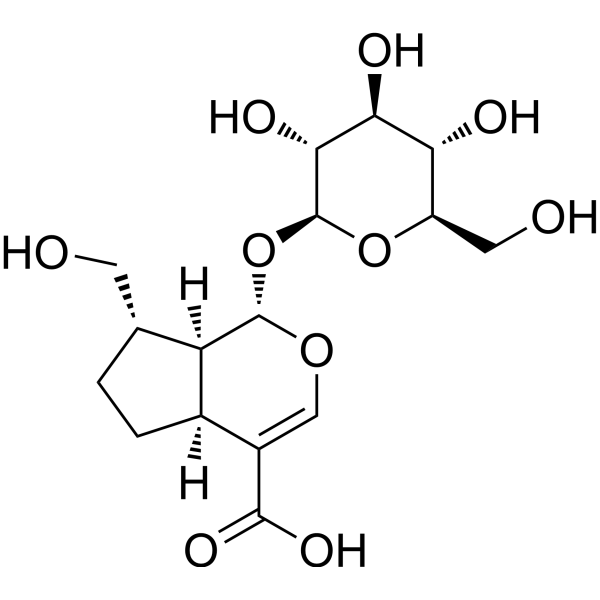
- Formula: C16H24O10
- Molecular Weight: 376.36
Adoxosidic acid is a SERT enhancer can be extracted from N. jatamansi and can be used in antidepressant research.

- Formula: C21H34O11
- Molecular Weight: 462.49
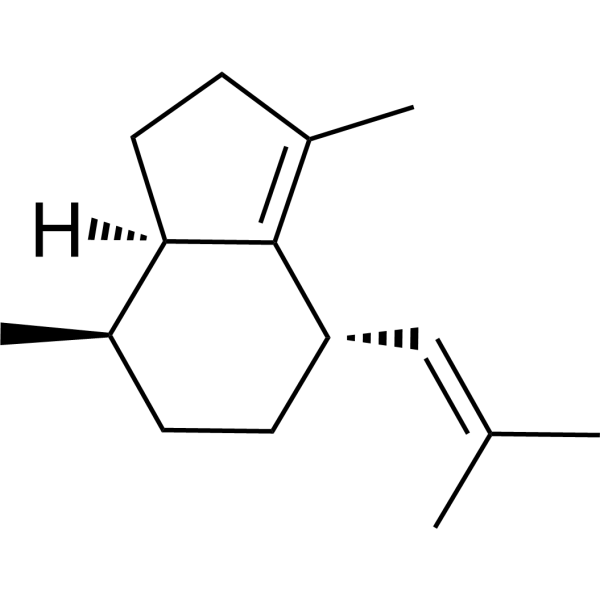
- Formula: C15H24
- Molecular Weight: 204.35
Valerena-4,7(11)-diene is a tranquilizer. Valerena-4,7(11)-diene suppresses stress-induced excitatory behaviors. Valerena-4,7(11)-diene is expressed via olfactory stimulation and pulmonary absorption.
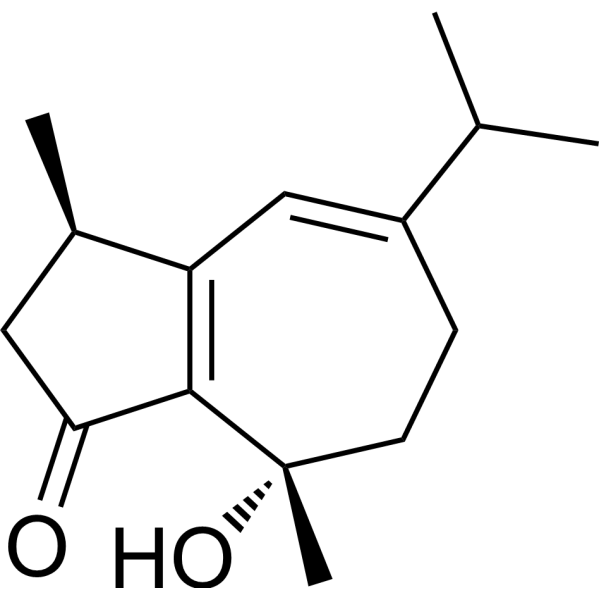
- Formula: C15H22O2
- Molecular Weight: 234.33
Nardoguaianone K, a guaiane-type compound, can be isolated from Nardostachys chinensis roots. Nardoguaianone K cam be used in the research of pancreatic cancer.
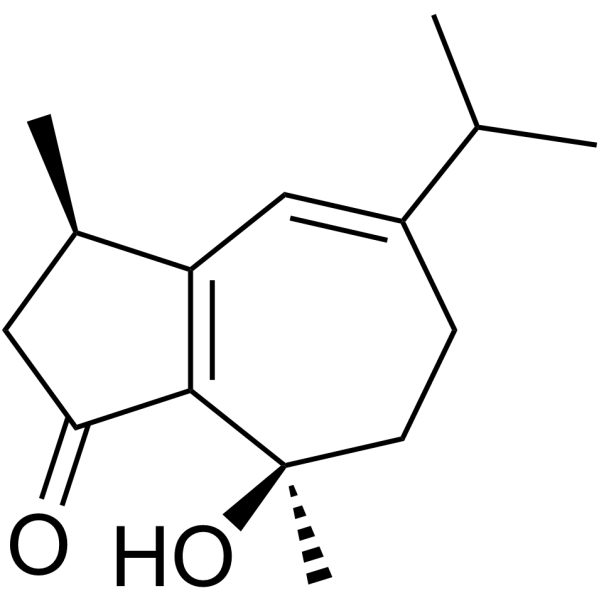
- Formula: C15H22O2
- Molecular Weight: 234.33
Nardoguaianone J, a guaiane-type compound, can be isolated from Nardostachys chinensis roots. Nardoguaianone J can enhance SERT activity.
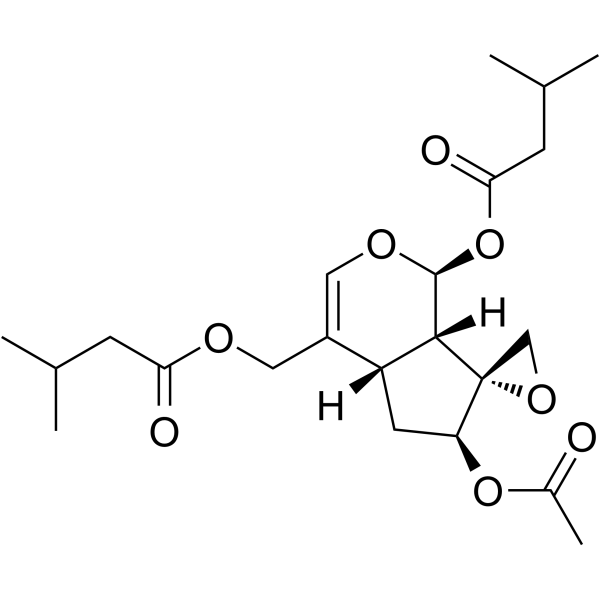
- Formula: C22H32O8
- Molecular Weight: 424.48
Didrovaltrate (Didrovaltratum) is an L-type calcium channel blocker, ROS scavenger, autophagy enhancer, and lipid accumulation inhibitor. Didrovaltrate blocks L-type calcium currents in a concentration-dependent manner, shifts the current-voltage curve upward, modulates steady-state inactivation kinetics, and inhibits the nuclear translocation of glucocorticoid receptors. Didrovaltrate reduces ROS levels, downregulates the expression of muscle atrophy-related genes, enhances autophagy via lipophagy, and decreases Oleic acid-induced lipid accumulation. Didrovaltrate exhibits cytotoxic activity against cancer cells. Didrovaltrate can be used in research related to skeletal muscle atrophy, non-alcoholic fatty liver disease, breast cancer, lung cancer, gastric cancer, and prostate cancer.

- Formula: C32H34O8
- Molecular Weight: 546.61
Nardochalaristolone B is a natural sesquiterpene.

- Formula: C32H50O13
- Molecular Weight: 642.73
Jatamanvaltrate B is a natural iridoid.

- Formula: C15H26O2
- Molecular Weight: 238.37
Bornyval is a derivative preparation of valerian (Baldrian).

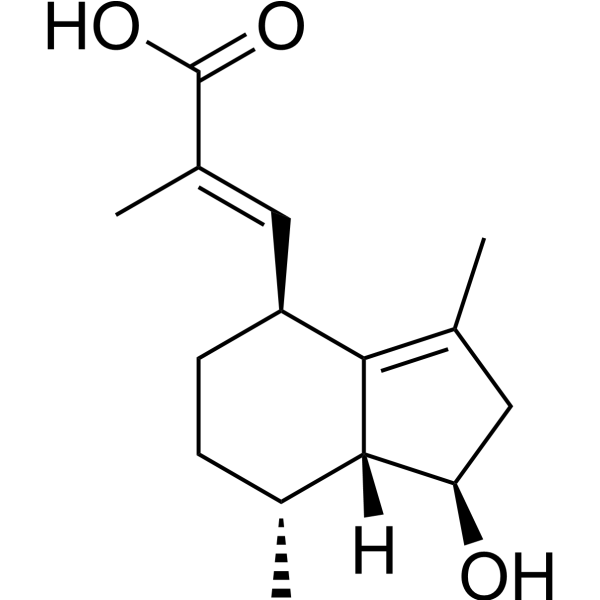
- Formula: C15H22O3
- Molecular Weight: 250.33
Hydroxyvalerenic acid (Standard) is the analytical standard of Hydroxyvalerenic acid. This product is intended for research and analytical applications. Hydroxyvalerenic acid is isolated from Verbena officinalis, has a low toxicity with IC50 values of 123 and 165 μM against GLC4 and COLO 320 cells, respectively.

- Formula: C17H24O4
- Molecular Weight: 292.37
Acetoxyvalerenic acid (Standard) is the analytical standard of Acetoxyvalerenic acid. This product is intended for research and analytical applications. Acetoxyvalerenic acid is a natural compound that could be found in valerian.



