

Search Result
Results for "
anxiety-like
" in MedChemExpress (MCE) Product Catalog:
1
Biochemical Assay Reagents
| Cat. No. |
Product Name |
Target |
Research Areas |
Chemical Structure |
-
- HY-12452
-
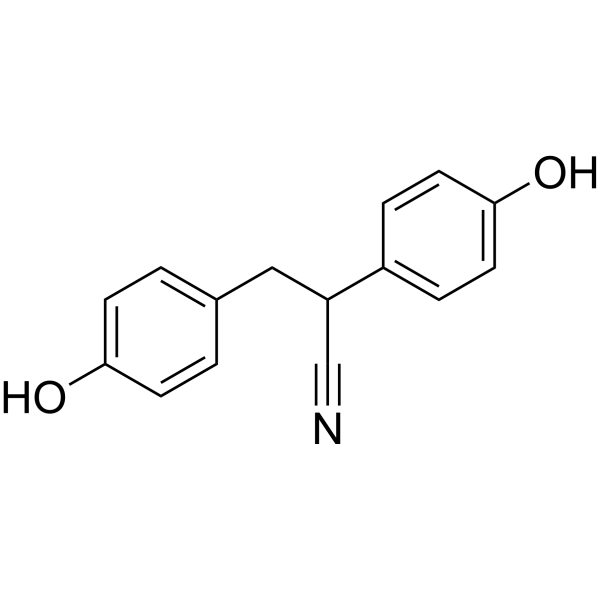
DPN
Maximum Cited Publications
17 Publications Verification
Diarylpropionitrile
|
Estrogen Receptor/ERR
Apoptosis
Autophagy
|
Neurological Disease
|
|
DPN (Diarylpropionitrile) is a non-steroidal estrogen receptor β (ERβ) selective ligand, with an EC50 of 0.85 nM. DPN has neuroprotective effects in a number of neurological diseases .
|
-
-
- HY-103377
-
|
|
CRFR
|
Inflammation/Immunology
Endocrinology
|
|
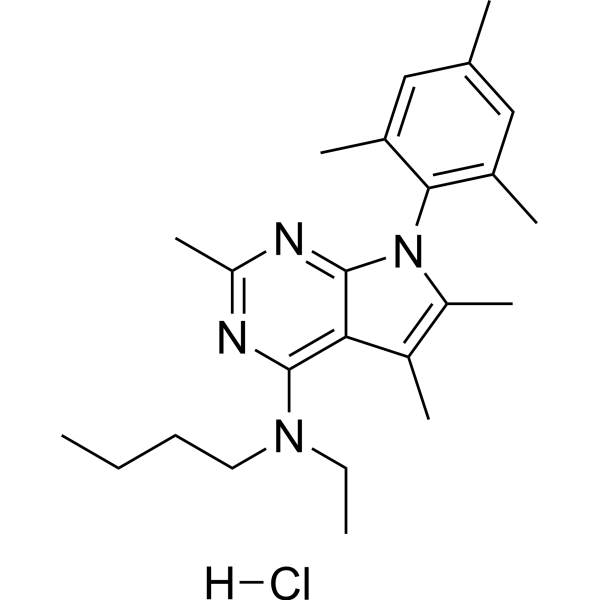
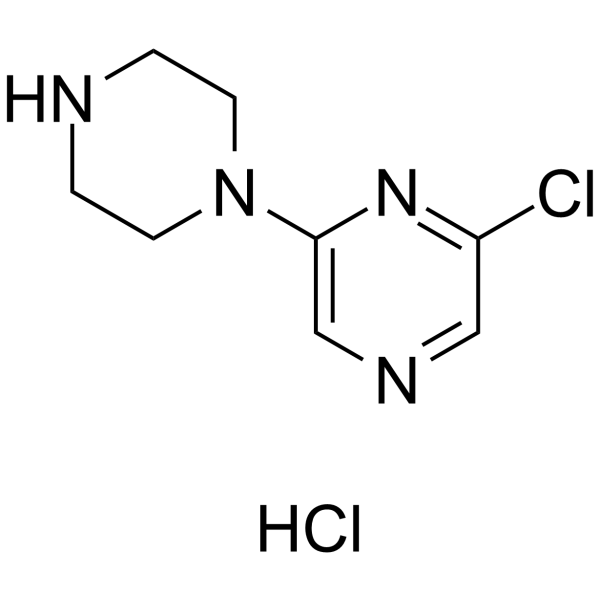
Antalarmin (hydrochloride) is an oral active non-peptide corticotropin-releasing hormone receptor 1 (CRHR1) antagonist with a Ki of 1 nM. Antalarmin hydrochloride suppresses CRH-induced ACTH secretion and blocks CRH and novelty induced anxiety-like behavior in animal models. Antalarmin hydrochloride produces anti-inflammatory effects in arthritis models, and suppresses stress-induced gastric ulceration related to irritable bowel syndrome .
|
-
-
- HY-W674241
-
|
|
Endogenous Metabolite
Apoptosis
Bcl-2 Family
Reactive Oxygen Species (ROS)
|
Neurological Disease
Cancer
|
|
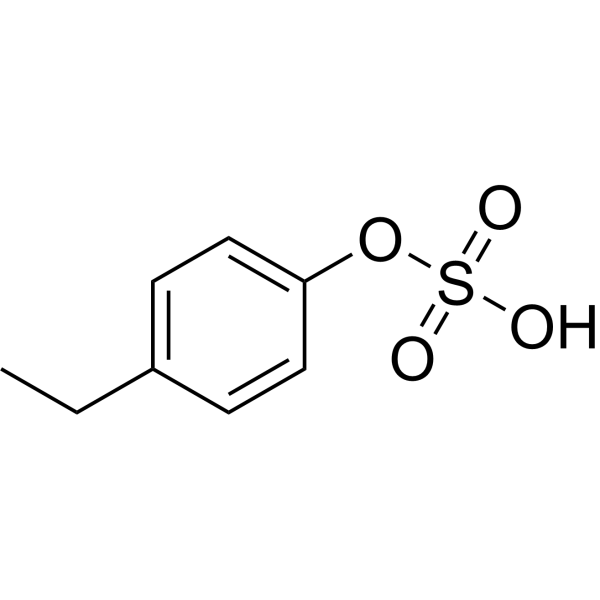
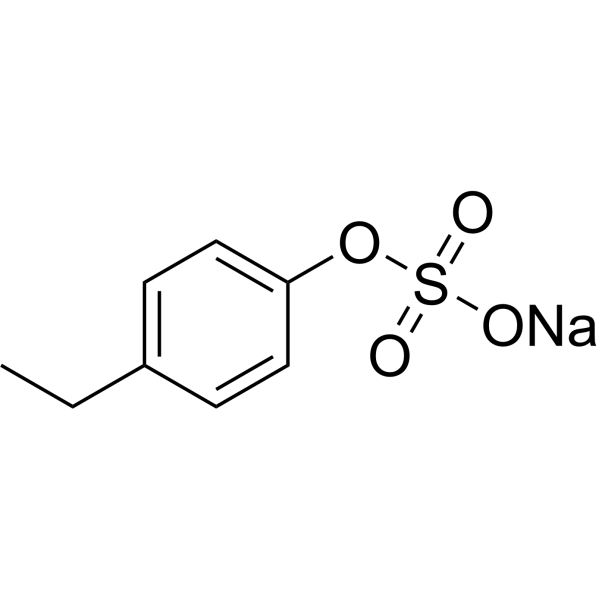
4-Ethylphenyl sulfate is an orally active and brain-penetrant gut microbial metabolite. 4-Ethylphenyl sulfate downregulates Bcl2 expression, upregulates Bax expression, and induces cancer cell apoptosis via the endogenous apoptotic pathway. 4-Ethylphenyl sulfate induces G2/M cell cycle arrest and reactive oxygen species (ROS) production. 4-Ethylphenyl sulfate impairs oligodendrocyte maturation, reduces oligodendrocyte-neuron interactions, decreases axonal myelination levels, and shifts the oligodendrocyte population toward immature precursor cells. 4-Ethylphenyl sulfate alters brain region-specific neural activity and functional connectivity in mice, and correlates with anxiety-like behaviors in mice .
|
-
-
- HY-W019599
-
|
L-PCPA
|
5-HT Receptor
Tryptophan Hydroxylase
|
Neurological Disease
|
|
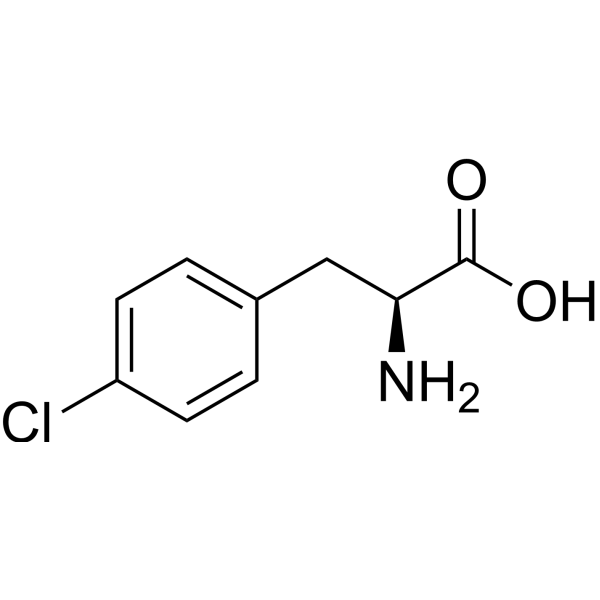
4-Chloro-L-phenylalanine (L-PCPA) is a tryptophan hydroxylase inhibitor targeting TPH1 and TPH2, with the activity of blocking serotonin biosynthesis. 4-Chloro-L-phenylalanine reduces the levels of serotonin and its metabolites in the brain without impairing the survival of serotonergic neurons. 4-Chloro-L-phenylalanine enhances anhedonic, depression-like and anxiety-like behaviors in mice with depleted noradrenergic and dopaminergic neurons. 4-Chloro-L-phenylalanine acts as a decarboxylation substrate for aromatic L-amino acid decarboxylase from Bacillus atrophaeus. 4-Chloro-L-phenylalanine can be used in studies related to Parkinson's disease .
|
-
-
- HY-W009123
-
|
cis-13-Docosenamide
|
Endogenous Metabolite
Bacterial
|
Infection
Neurological Disease
|
|
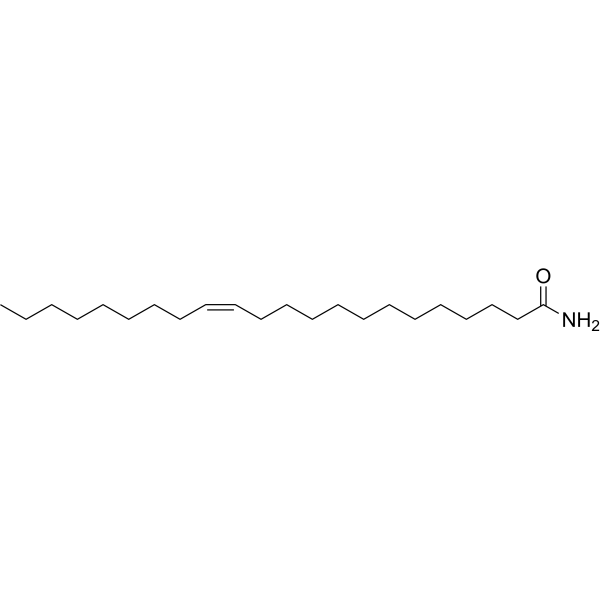
Erucamide is an orally active, blood-brain barrier-permeable TMEM19 ligand and T3SS inhibitor. Erucamide exerts retinal neuroprotective effects in mouse models of retinal degeneration. Erucamide attenuates depression- and anxiety-like behaviors in mice.\n\nErucamide binds to the conserved hydrophobic pocket in HrcC, disrupts its outer membrane localization, and blocks T3SS-mediated effector protein secretion in Gram-negative pathogenic bacteria. Erucamide enhances the antimicrobial immunity of plants against pathogenic bacteria. Erucamide can be used in research related to retinitis pigmentosa, anxiety and depression, bacterial wilt, and bacterial blight .
|
-
-
- HY-175188
-
|
BPN-0027490
|
Myosin
|
Neurological Disease
|
MT-110 (BPN-0027490) is a non-muscle myosin NMIIB-selective inhibitor with high brain penetration and favorable safety profile. MT-110 specifically disrupts NMIIB-dependent actin dynamics in dendritic spines, while it exerts no significant adverse effects on cardiac myosin II and cardiac functions (such as cardiac output and heart rate) at tested concentrations. A single administration of MT-110 produces long-lasting (sustained for several weeks) blockade of methamphetamine motivation associated with environmental cues. MT-110 exhibits extremely high specificity, with no interference with cocaine motivation, hippocampus-dependent memory, fear memory, or locomotor and anxiety-like behaviors. MT-110 serves as a valuable tool compound for investigating the mechanisms of methamphetamine use disorder .
|
-
-
- HY-B1752
-
|
LY 171555; (-)-LY 141865
|
Dopamine Receptor
Calcium Channel
Bcl-2 Family
iGluR
Apoptosis
|
Neurological Disease
|
|
Quinpirole (LY 171555; (-)-LY 141865) is a D2/D3 dopamine receptor agonist and a CaV1.3 calcium channel modulator. Quinpirole normalizes dendritic spine density in dopamine-depleted striatum, upregulates the protein expression of BCL2 and GluR2, downregulates the protein expression of BAX, and delays the onset of seizures. Quinpirole enhances learning and memory, inhibits neuronal apoptosis (apoptosis), and induces anxiety-like, stereotyped, and compulsive behaviors. Quinpirole disrupts prepulse inhibition in rhesus monkeys, enhances the activity of paraventricular thalamic neurons to promote recovery from Isoflurane anesthesia, and alters the composition of the gut microbiota in rats. Quinpirole can be used in research related to dyskinesia, pain, epilepsy, and neurological disorders including anxiety disorder, obsessive-compulsive disorder, and schizophrenia .
|
-
-
- HY-W017424
-
|
|
Drug Intermediate
Caspase
Apoptosis
|
Neurological Disease
Cancer
|
|
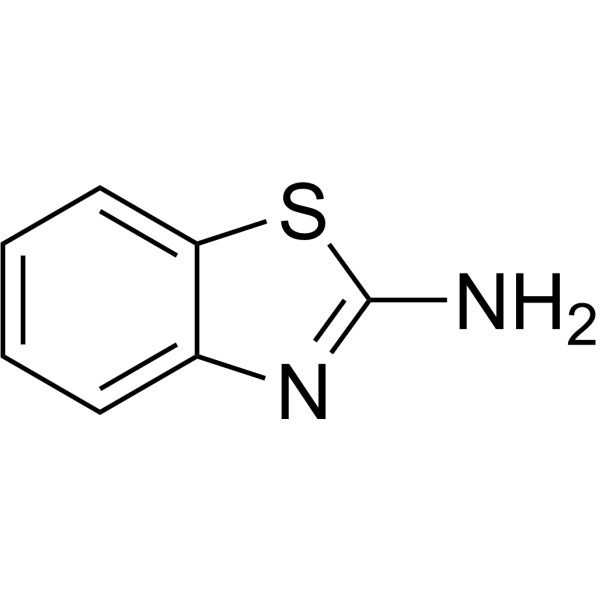
2-Aminobenzothiazole acts as a caspase 3/7 activator, an anticancer cytotoxic agent, and also exhibits neurotoxicity. 2-Aminobenzothiazole drives the apoptotic pathway by activating caspase 3/7, induces mitochondrial inner membrane depolarization, and triggers both early and late apoptosis via a caspase-dependent pathway. In zebrafish models, 2-Aminobenzothiazole induces oxidative damage in brain tissues and inhibits genes related to GABA and 5-HT synthesis pathways. Long-term exposure to 2-Aminobenzothiazole impairs motor ability, social behavior, anxiety-like state and cognitive function. 2-Aminobenzothiazole can be used in studies of human laryngeal carcinoma and related neurotoxicity .
|
-
-
- HY-N1414
-
|
|
Trk Receptor
NF-κB
Amyloid-β
|
Neurological Disease
|
|
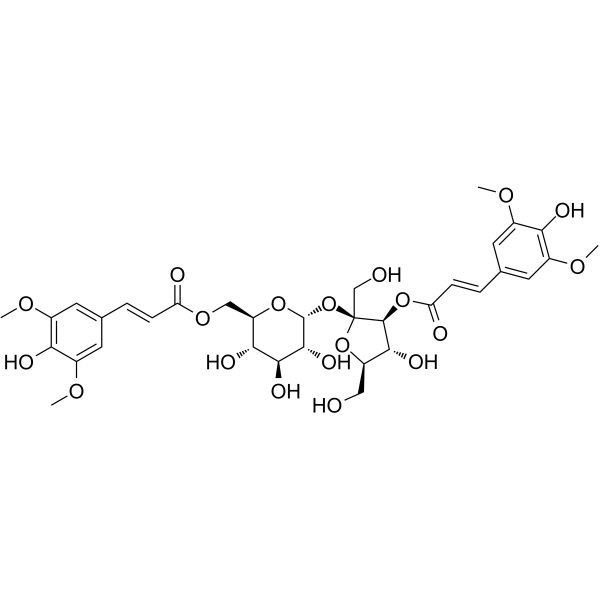
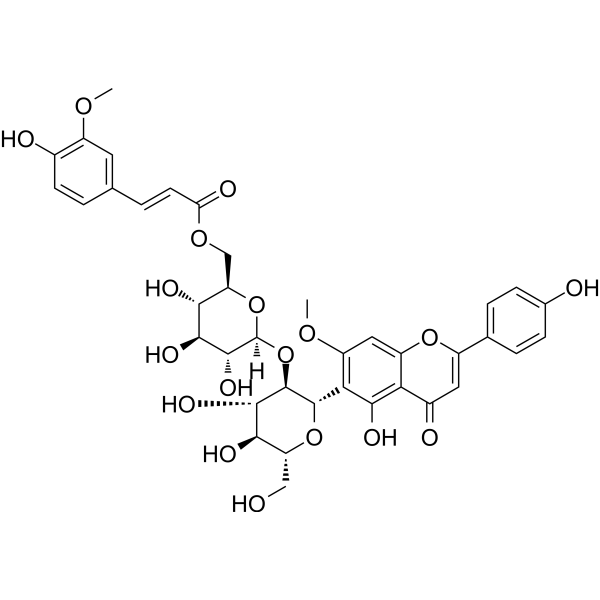
(E)-3',6-Disinapoylsucrose is an orally active, blood-brain barrier permeable neuroprotective agent that inhibits Aβ protein aggregation. (E)-3',6-Disinapoylsucrose exerts anxiolytic, anti-inflammatory and cognitive-enhancing effects. (E)-3',6-Disinapoylsucrose regulates the TrkB/BDNF signaling pathway, inhibits the expression of NF-κB p65, reduces pro-inflammatory cytokine levels, and alleviates neuronal damage. (E)-3',6-Disinapoylsucrose also enhances the functions of central 5-HT and noradrenergic systems, thereby improving spatial learning and memory abilities and reducing anxiety-like behaviors. (E)-3',6-Disinapoylsucrose can be used for the research of related diseases such as Alzheimer's disease, depression, memory impairment and anxiety disorder .
|
-
-
- HY-119684
-
|
|
NOD-like Receptor (NLR)
Interleukin Related
|
Neurological Disease
Inflammation/Immunology
|
|
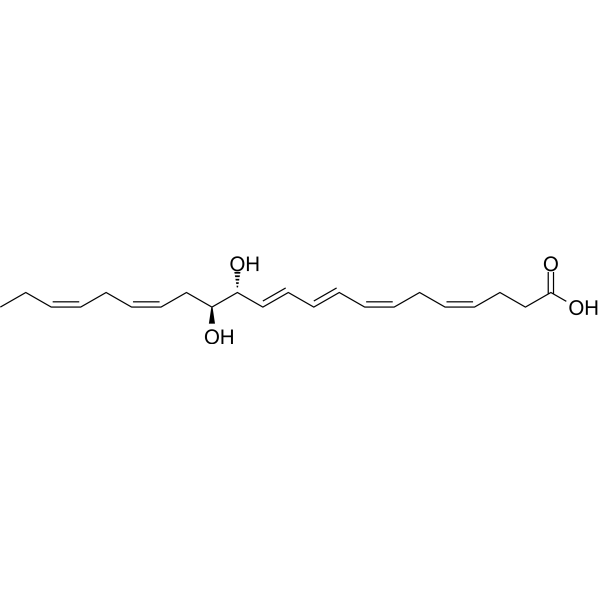
Maresin 2 is an anti-inflammatory and pro-resolving mediator. Maresin 2 drives intestinal epithelial cell migration by activating the focal cell-matrix adhesion signaling pathway in primary human intestinal epithelial cells, thereby promoting mucosal wound repair. Maresin 2 alleviates nociceptive and anxiety-like behaviors in rats with type 1 diabetes by inhibiting IL-1β in the spinal cord and prefrontal cortex. Maresin 2 attenuates allergic airway inflammation in mice by inhibiting the activation of the NLRP3 inflammasome, Th2-type immune responses, and oxidative stress. Maresin 2 inhibits inflammatory and neuropathic trigeminal neuralgia and reduces neuronal activation in the trigeminal ganglion. Maresin 2 promotes inflammation resolution and mucosal repair after DSS-induced colitis or biopsy-induced colonic mucosal injury .
|
-
-
- HY-103511
-
|
|
GABA Receptor
|
Neurological Disease
|
|
TCS1105 is a benzodiazepine ligand with agonist for α2-subunit containing GABAA receptors and antagonist for α1-subunit containing GABAA receptors. TCS1105 reduces anxiety-like behavior in mice. TCS1105 enhances offensive behavior and social dominance. TCS1105 blocks Sema3A induced AGC (axonal growth cones) collapse in a concentration-dependent fashion .
|
-
-
- HY-W674241A
-
|
|
Endogenous Metabolite
Apoptosis
Bcl-2 Family
Reactive Oxygen Species (ROS)
|
Neurological Disease
Cancer
|
|
4-Ethylphenyl sulfate sodium is an orally active and brain-penetrant gut microbial metabolite. 4-Ethylphenyl sulfate sodium downregulates Bcl2 expression, upregulates Bax expression, and induces cancer cell apoptosis via the endogenous apoptotic pathway. 4-Ethylphenyl sulfate sodium induces G2/M cell cycle arrest and reactive oxygen species (ROS) production. 4-Ethylphenyl sulfate sodium impairs oligodendrocyte maturation, reduces oligodendrocyte-neuron interactions, decreases axonal myelination levels, and shifts the oligodendrocyte population toward immature precursor cells. 4-Ethylphenyl sulfate sodium alters brain region-specific neural activity and functional connectivity in mice, and correlates with anxiety-like behaviors in mice .
|
-
-
- HY-135230
-
|
FP3FBZ
|
Opioid Receptor
|
Neurological Disease
|
|
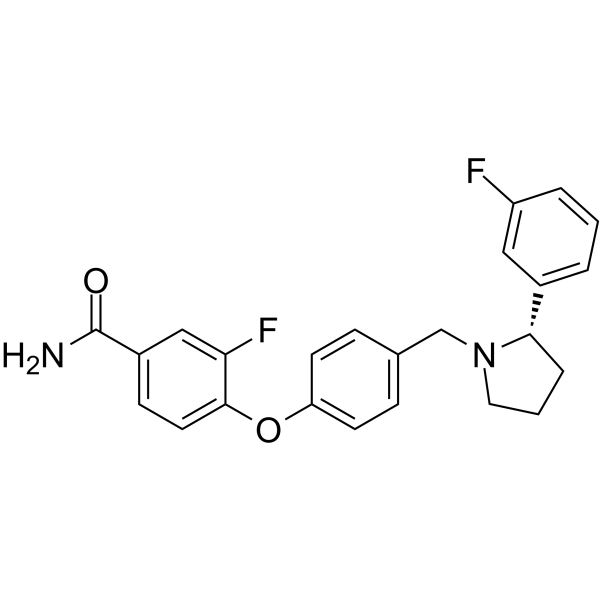
LY2444296 is an orally bioavailable, high-affinity and selective short-acting kappa opioid receptor (KOPR) antagonist, with a Ki value of ~1 nM. LY2444296 exhibits anti-anxiety like effects .
|
-
-
- HY-116266
-
|
|
5-HT Receptor
|
Others
|
|
RS 67333 is a 5-HT4R agonist with stress-preventive activity. RS 67333 attenuates stress-induced body weight changes and prevents depression- and anxiety-like behaviors in two mouse strains tested in different stress models.
|
-
-
- HY-175548
-
|
|
Keap1-Nrf2
Apoptosis
Caspase
|
Neurological Disease
|
|
Nrf2 activator-21 is a Nrf2 activator with dual antioxidant and neuroprotective properties. Nrf2 activator-21 binds to Keap1 Kelch
domain and disrupts Keap1-Nrf2 interactions and activate
antioxidant defense mechanisms. Nrf2 activator-21 reduces apoptosis and decreases caspase-3 activity in the hippocampal neurons. Nrf2 activator-21 targets cerebral ischemia/reperfusion injury (CIRI) via Nrf2 pathway activation. Nrf2 activator-21 improves neurological function, alleviates anxiety-like behavior, enhances memory in rats with 2-vessel occlusion (2VO)-induced CIRI. Nrf2 activator-21 can be used for the study of cerebral ischemia/reperfusion injury .
|
-
-
- HY-107614G
-
|
1-Oleoyl-sn-glycero-3-phosphate sodium; 1-Oleoyl-LPA sodium
|
LPL Receptor
ROCK
TGF-beta/Smad
TGF-β Receptor
|
Neurological Disease
Cancer
|
|
1-Oleoyl lysophosphatidic acid sodium (GMP) is the GMP-grade form of 1-Oleoyl lysophosphatidic acid sodium (HY-107614). GMP-grade small molecules serve as auxiliary reagents in cell therapy. 1-Oleoyl lysophosphatidic acid sodium is a bioactive lipid signaling molecule. 1-Oleoyl lysophosphatidic acid sodium inhibits lysoPLD-catalyzed hydrolysis of lysophosphatidylcholine and FS-3. 1-Oleoyl lysophosphatidic acid sodium activates LPA1 and LPA2, thereby triggering calcium mobilization, NFATc1 translocation, Rho/ROCK activation, Smad2/3 phosphorylation and c-Fos expression. 1-Oleoyl lysophosphatidic acid sodium induces anxiety-like, depression-like and hypoactivity phenotypes, regulates osteoclast cytoskeleton and viability, reduces osteoclast bone resorptive activity, and drives mesenchymal stem cell differentiation into myofibroblast-like cells. 1-Oleoyl lysophosphatidic acid sodium stimulates the secretion of transforming growth factor-β1 and stromal cell-derived factor-1. 1-Oleoyl lysophosphatidic acid sodium is applicable to research related to anxiety, depression and ovarian cancer .
|
-
-
- HY-W018475
-
|
MK 462 free base
|
5-HT Receptor
|
Neurological Disease
|
|
Rizatriptan (MK 462 free base) is an orally active 5-HT1B/5-HT1D receptor agonist, with BBB permeability. Rizatriptan exerts significant anti-migraine effects by constricting intracranial and extracranial blood vessels and inhibiting neuropeptide release. Rizatriptan exhibits species- and tissue-specific metabolic characteristics; for example, it undergoes oxidative deamination mainly by MAO-A in the liver of brown rats, so co-administration with MAO-A inhibitors is prohibited. Rizatriptan may also exacerbate nitroglycerin-induced cutaneous allodynia, prolong the duration of central sensitization, and increase anxiety-like behavior and active drug-seeking behavior in mice. Rizatriptan has been widely used in studies related to migraine and medication-overuse headache .
|
-
-
- HY-103377R
-
|
|
Reference Standards
CRFR
|
Inflammation/Immunology
Endocrinology
|
|
Antalarmin (hydrochloride) (Standard) is the analytical standard of Antalarmin (hydrochloride). This product is intended for research and analytical applications. Antalarmin (hydrochloride) is an oral active non-peptide corticotropin-releasing hormone receptor 1 (CRHR1) antagonist with a Ki of 1 nM. Antalarmin hydrochloride suppresses CRH-induced ACTH secretion and blocks CRH and novelty induced anxiety-like behavior in animal models. Antalarmin hydrochloride produces anti-inflammatory effects in arthritis models, and suppresses stress-induced gastric ulceration related to irritable bowel syndrome .
|
-
-
- HY-N1363R
-
|
(E)-Queen Bee Acid (Standard); (E)-10-Hydroxy-2-decenoic acid (Standard)
|
Reference Standards
Endogenous Metabolite
|
Neurological Disease
|
|
Royal Jelly acid (Standard) is the analytical standard of Royal Jelly acid. This product is intended for research and analytical applications. Royal Jelly acid (Queen Bee Acid) is a fatty acid constituent of royal jelly, promotes the growth and protection of neurons, reduces anxiety-like phenotypes .
|
-
-
- HY-P1438A
-
|
|
Neuropeptide Y Receptor
|
Neurological Disease
|
|
Neuropeptide S(Rat) TFA is a potent endogenous neuropeptide S receptor (NSPR) agonist (EC50=3.2 nM). Neuropeptide S(Rat) TFA increases locomotor activity and wakefulness in mice. Neuropeptide S(Rat) TFA also reduces anxiety-like behavior in mice.
|
-
-
- HY-172176
-
|
|
Beta-secretase
Tau Protein
|
Neurological Disease
|
|
RA-PR058 is an orally active Ramalin derivative with blood-brain barrier permeability, exhibiting multi-target regulatory effects and favorable pharmacokinetic properties. RA-PR058 demonstrates potential as a multi-target modulator for Alzheimer's disease by reducing the expression of BACE1, tau protein hyperphosphorylation, and anxiety-like behaviors .
|
-
-
- HY-P1437A
-
|
|
Neuropeptide S Receptor
|
Neurological Disease
|
|
Neuropeptide S(Mouse) TFA is a potent endogenous neuropeptide S receptor (NPSR) agonist (EC50=3 nM). Neuropeptide S(Mouse) TFA induces mobilization of intracellular Ca 2+. Neuropeptide S(Mouse) TFA increases locomotor activity and wakefulness in mice. Neuropeptide S(Mouse) TFA also reduces anxiety-like behavior in mice.
|
-
-
- HY-W017424R
-
|
|
Reference Standards
Apoptosis
Drug Intermediate
Caspase
|
Others
|
|
2-Aminobenzothiazole (Standard) is the analytical standard of 2-Aminobenzothiazole. This product is intended for research and analytical applications. 2-Aminobenzothiazole acts as a caspase 3/7 activator, an anticancer cytotoxic agent, and also exhibits neurotoxicity. 2-Aminobenzothiazole drives the apoptotic pathway by activating caspase 3/7, induces mitochondrial inner membrane depolarization, and triggers both early and late apoptosis via a caspase-dependent pathway. In zebrafish models, 2-Aminobenzothiazole induces oxidative damage in brain tissues and inhibits genes related to GABA and 5-HT synthesis pathways. Long-term exposure to 2-Aminobenzothiazole impairs motor ability, social behavior, anxiety-like state and cognitive function. 2-Aminobenzothiazole can be used in studies of human laryngeal carcinoma and related neurotoxicity .
|
-
-
- HY-P5887
-
-
-
- HY-12452R
-
|
Diarylpropionitrile (Standard)
|
Estrogen Receptor/ERR
Apoptosis
Autophagy
Reference Standards
|
Neurological Disease
|
|
DPN (Standard) is the analytical standard of DPN. This product is intended for research and analytical applications. DPN (Diarylpropionitrile) is a non-steroidal estrogen receptor β (ERβ) selective ligand, with an EC50 of 0.85 nM. DPN has neuroprotective effects in a number of neurological diseases .
|
-
-
- HY-W725737
-
|
|
LPL Receptor
Phosphodiesterase (PDE)
|
Neurological Disease
Cancer
|
|
BrP-LPA is a LPA antagonist/ATX inhibitor. BrP-LPA shows pan-antagonist activity towards LPA1-4 GPCRs. BrP-LPA decreases blood vessel density. BrP-LPA dose-dependently inhibits Lysophosphatidic acid-induced head-dip counts. BrP-LPA exhibits anticancer activity against breast cancer, colon cancer, and lung cancer. BrP-LPA inhibits anxiety-like behavior .
|
-
-
- HY-181703
-
|
|
Na+/K+ ATPase
NF-κB
|
Neurological Disease
Inflammation/Immunology
|
|
4-PSQ is an orally active neuroprotective agent. 4-PSQ possesses both antioxidant and anti-inflammatory activities. 4-PSQ improves cognitive impairment and depressive- and anxiety-like emotional abnormalities in mice by regulating the activity of Na +, K +-ATPase, the NFκB signaling pathway, and the expression of p21. 4-PSQ can be used for the research of neurological diseases .
|
-
-
- HY-101008
-
-
-
- HY-19203
-
|
|
Neurokinin Receptor
|
Neurological Disease
|
|
CGP-49823 is an orally active and highly selective antagonist of the neurokinin 1 receptor (NK1 receptor). CGP-49823‘s potency is significantly higher in isolated spinal cords of hamsters than in those of rats. CGP 49823 exhibits a significant anti-anxiety effect in social interaction experiments of rats, and its tolerance develops slowly, without causing anxiety-like withdrawal reactions after discontinuation. CGP-49823 can be used in anxiety and depression research .
|
-
-
- HY-183325
-
|
|
Fat Mass and Obesity-associated Protein (FTO)
CXCR
TNF Receptor
|
Neurological Disease
|
|
FTO-IN-17 is an orally active and brain-penetrant FTO (m6A RNA demethylase) inhibitor with an IC50 of 1.1 μM. FTO-IN-17 stably binds the FTO catalytic pocket. FTO-IN-17 protects against Aβ1-42-induced toxicity while increasing global m6A levels and dampening pro-inflammatory gene (CXCL10, TNF-α) expression. FTO-IN-17 ameliorates anxiety-like behavior and rescues hippocampal-dependent spatial, recognition memory and neuroinflammation in Alzheimer's disease mice models .
|
-
-
- HY-181127
-
|
|
iGluR
|
Neurological Disease
|
|
GluN2B-NMDAR Allosteric modulator 1 is a selective GluN2B-NMDAR positive allosteric modulator. GluN2B-NMDAR Allosteric modulator 1 can increase glutamate- and aspartate-evoked GluN2B-NMDAR-gated currents with EC50 values of 43.7 and 18 nM. GluN2B-NMDAR Allosteric modulator 1 can reverse anxiety-like behavior and social cognition deficits in mice. GluN2B-NMDAR Allosteric modulator 1 can be used for the research of neurological disease, such as anxiety .
|
-
-
- HY-181878
-
|
Z7149
|
Serotonin Transporter
Adrenergic Receptor
5-HT Receptor
|
Neurological Disease
|
Z8779877149 (Z7149) is a blood-brain barrier-permeable multi-target ligand that targets SERT (Ki=198 nM), α2A adrenergic receptor (Ki=180 nM; EC50=440 nM) and 5-HT2A receptor (EC50=172 nM, Emax=76%). Z8779877149 inhibits 5-HT reuptake and activates Gi and Gq protein signaling pathways, respectively. Z8779877149 effectively alleviates pain responses as well as depression- and anxiety-like behaviors, while exhibiting favorable safety without inducing sedation or motor impairment. Z8779877149 is available for the research of pain, depression and anxiety disorders .
|
-
| Cat. No. |
Product Name |
Type |
-
- HY-107614G
-
|
1-Oleoyl-sn-glycero-3-phosphate sodium; 1-Oleoyl-LPA sodium
|
Fluorescent Dyes
|
|
1-Oleoyl lysophosphatidic acid sodium (GMP) is the GMP-grade form of 1-Oleoyl lysophosphatidic acid sodium (HY-107614). GMP-grade small molecules serve as auxiliary reagents in cell therapy. 1-Oleoyl lysophosphatidic acid sodium is a bioactive lipid signaling molecule. 1-Oleoyl lysophosphatidic acid sodium inhibits lysoPLD-catalyzed hydrolysis of lysophosphatidylcholine and FS-3. 1-Oleoyl lysophosphatidic acid sodium activates LPA1 and LPA2, thereby triggering calcium mobilization, NFATc1 translocation, Rho/ROCK activation, Smad2/3 phosphorylation and c-Fos expression. 1-Oleoyl lysophosphatidic acid sodium induces anxiety-like, depression-like and hypoactivity phenotypes, regulates osteoclast cytoskeleton and viability, reduces osteoclast bone resorptive activity, and drives mesenchymal stem cell differentiation into myofibroblast-like cells. 1-Oleoyl lysophosphatidic acid sodium stimulates the secretion of transforming growth factor-β1 and stromal cell-derived factor-1. 1-Oleoyl lysophosphatidic acid sodium is applicable to research related to anxiety, depression and ovarian cancer .
|
| Cat. No. |
Product Name |
Type |
-
- HY-107614G
-
|
1-Oleoyl-sn-glycero-3-phosphate sodium; 1-Oleoyl-LPA sodium
|
Biochemical Assay Reagents
|
|
1-Oleoyl lysophosphatidic acid sodium (GMP) is the GMP-grade form of 1-Oleoyl lysophosphatidic acid sodium (HY-107614). GMP-grade small molecules serve as auxiliary reagents in cell therapy. 1-Oleoyl lysophosphatidic acid sodium is a bioactive lipid signaling molecule. 1-Oleoyl lysophosphatidic acid sodium inhibits lysoPLD-catalyzed hydrolysis of lysophosphatidylcholine and FS-3. 1-Oleoyl lysophosphatidic acid sodium activates LPA1 and LPA2, thereby triggering calcium mobilization, NFATc1 translocation, Rho/ROCK activation, Smad2/3 phosphorylation and c-Fos expression. 1-Oleoyl lysophosphatidic acid sodium induces anxiety-like, depression-like and hypoactivity phenotypes, regulates osteoclast cytoskeleton and viability, reduces osteoclast bone resorptive activity, and drives mesenchymal stem cell differentiation into myofibroblast-like cells. 1-Oleoyl lysophosphatidic acid sodium stimulates the secretion of transforming growth factor-β1 and stromal cell-derived factor-1. 1-Oleoyl lysophosphatidic acid sodium is applicable to research related to anxiety, depression and ovarian cancer .
|
| Cat. No. |
Product Name |
Target |
Research Area |
-
- HY-W019599
-
|
L-PCPA
|
5-HT Receptor
Tryptophan Hydroxylase
|
Neurological Disease
|
|
4-Chloro-L-phenylalanine (L-PCPA) is a tryptophan hydroxylase inhibitor targeting TPH1 and TPH2, with the activity of blocking serotonin biosynthesis. 4-Chloro-L-phenylalanine reduces the levels of serotonin and its metabolites in the brain without impairing the survival of serotonergic neurons. 4-Chloro-L-phenylalanine enhances anhedonic, depression-like and anxiety-like behaviors in mice with depleted noradrenergic and dopaminergic neurons. 4-Chloro-L-phenylalanine acts as a decarboxylation substrate for aromatic L-amino acid decarboxylase from Bacillus atrophaeus. 4-Chloro-L-phenylalanine can be used in studies related to Parkinson's disease .
|
-
- HY-P1438A
-
|
|
Neuropeptide Y Receptor
|
Neurological Disease
|
|
Neuropeptide S(Rat) TFA is a potent endogenous neuropeptide S receptor (NSPR) agonist (EC50=3.2 nM). Neuropeptide S(Rat) TFA increases locomotor activity and wakefulness in mice. Neuropeptide S(Rat) TFA also reduces anxiety-like behavior in mice.
|
-
- HY-P1437A
-
|
|
Neuropeptide S Receptor
|
Neurological Disease
|
|
Neuropeptide S(Mouse) TFA is a potent endogenous neuropeptide S receptor (NPSR) agonist (EC50=3 nM). Neuropeptide S(Mouse) TFA induces mobilization of intracellular Ca 2+. Neuropeptide S(Mouse) TFA increases locomotor activity and wakefulness in mice. Neuropeptide S(Mouse) TFA also reduces anxiety-like behavior in mice.
|
-
- HY-P5887
-
| Cat. No. |
Product Name |
Category |
Target |
Chemical Structure |
-
- HY-N1414
-
|
|
Structural Classification
Simple Phenylpropanols
Polygalaceae
Phenols
Polyphenols
Phenylpropanoids
Plants
Polygala tenuifolia Willd.
Source Classification
|
Trk Receptor
NF-κB
Amyloid-β
|
|
(E)-3',6-Disinapoylsucrose is an orally active, blood-brain barrier permeable neuroprotective agent that inhibits Aβ protein aggregation. (E)-3',6-Disinapoylsucrose exerts anxiolytic, anti-inflammatory and cognitive-enhancing effects. (E)-3',6-Disinapoylsucrose regulates the TrkB/BDNF signaling pathway, inhibits the expression of NF-κB p65, reduces pro-inflammatory cytokine levels, and alleviates neuronal damage. (E)-3',6-Disinapoylsucrose also enhances the functions of central 5-HT and noradrenergic systems, thereby improving spatial learning and memory abilities and reducing anxiety-like behaviors. (E)-3',6-Disinapoylsucrose can be used for the research of related diseases such as Alzheimer's disease, depression, memory impairment and anxiety disorder .
|
-
-
- HY-W674241A
-
-
-
- HY-N1363R
-
-
| Cat. No. |
Product Name |
Target |
Research Areas |
Chemical Structure |
-
- HY-107614G
-
|
1-Oleoyl-sn-glycero-3-phosphate sodium; 1-Oleoyl-LPA sodium
|
LPL Receptor
ROCK
TGF-beta/Smad
TGF-β Receptor
|
Neurological Disease
Cancer
|
|
1-Oleoyl lysophosphatidic acid sodium (GMP) is the GMP-grade form of 1-Oleoyl lysophosphatidic acid sodium (HY-107614). GMP-grade small molecules serve as auxiliary reagents in cell therapy. 1-Oleoyl lysophosphatidic acid sodium is a bioactive lipid signaling molecule. 1-Oleoyl lysophosphatidic acid sodium inhibits lysoPLD-catalyzed hydrolysis of lysophosphatidylcholine and FS-3. 1-Oleoyl lysophosphatidic acid sodium activates LPA1 and LPA2, thereby triggering calcium mobilization, NFATc1 translocation, Rho/ROCK activation, Smad2/3 phosphorylation and c-Fos expression. 1-Oleoyl lysophosphatidic acid sodium induces anxiety-like, depression-like and hypoactivity phenotypes, regulates osteoclast cytoskeleton and viability, reduces osteoclast bone resorptive activity, and drives mesenchymal stem cell differentiation into myofibroblast-like cells. 1-Oleoyl lysophosphatidic acid sodium stimulates the secretion of transforming growth factor-β1 and stromal cell-derived factor-1. 1-Oleoyl lysophosphatidic acid sodium is applicable to research related to anxiety, depression and ovarian cancer .
|
-
Your information is safe with us. * Required Fields.
Inquiry Information
- Product Name:
- Cat. No.:
- Quantity:
- MCE Japan Authorized Agent:

