



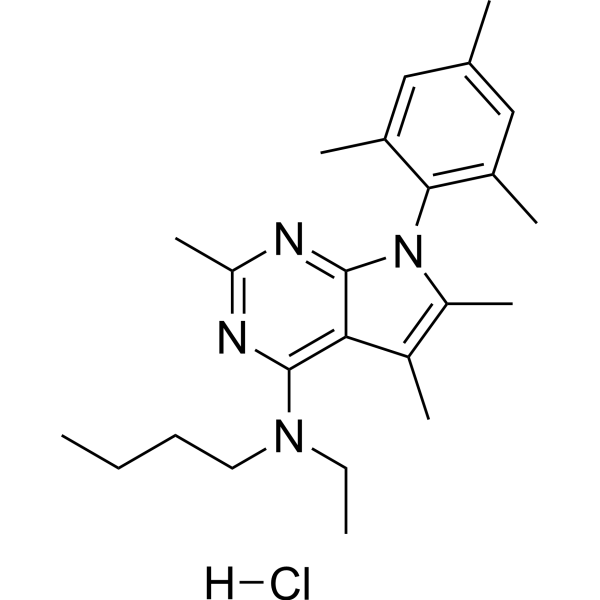
Antalarmin hydrochloride
Based on 8 publication(s) in Google Scholar
Antalarmin (hydrochloride) is an oral active non-peptide corticotropin-releasing hormone receptor 1 (CRHR1) antagonist with a Ki of 1 nM. Antalarmin hydrochloride suppresses CRH-induced ACTH secretion and blocks CRH and novelty induced anxiety-like behavior in animal models. Antalarmin hydrochloride produces anti-inflammatory effects in arthritis models, and suppresses stress-induced gastric ulceration related to irritable bowel syndrome.
For research use only. We do not sell to patients.
- Purity : 99.87%
- CAS No.: 220953-69-5
- Formula: C24H35ClN4
- Molecular Weight:415.01
-
Storage:
-20°C, sealed storage, away from moisture
* In solvent : -80°C, 6 months; -20°C, 1 month (sealed storage, away from moisture)

To place orders, for customer services and technical support, please contact: MedChemExpress USA
Tel: 609-228-6898 E-mail: [email protected] [email protected]


-
 Biological Activity
-
Chemical Information
-
Solvent & Solubility
- Protocols
- Purity & Documentation
- References
-
 Help & FAQs


-
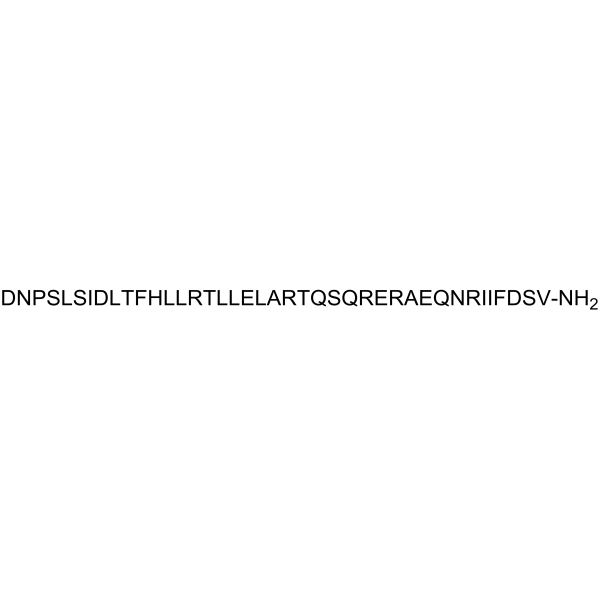
HY-P1295
Urocortin, humanCRF Receptor Agonist -
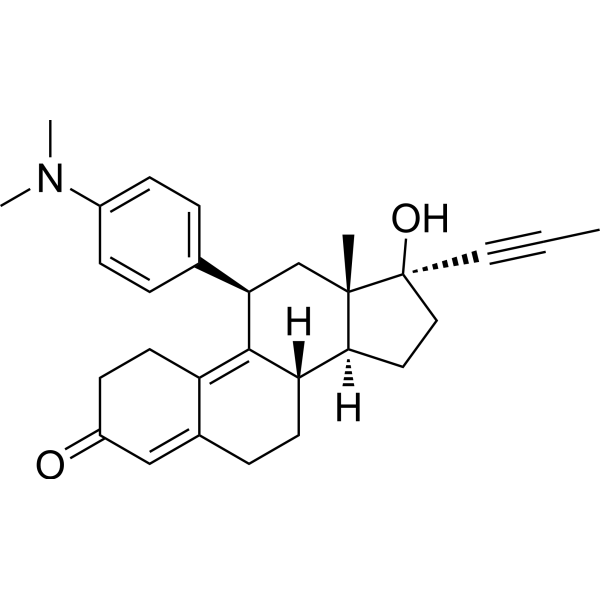
HY-13683
MifepristoneProgesterone Receptor Antagonist -
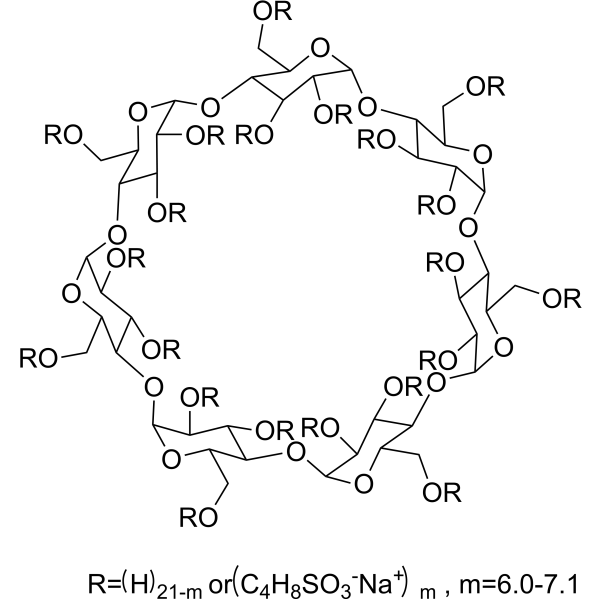
HY-17031
SBE-β-CDExcipient -
HY-10583
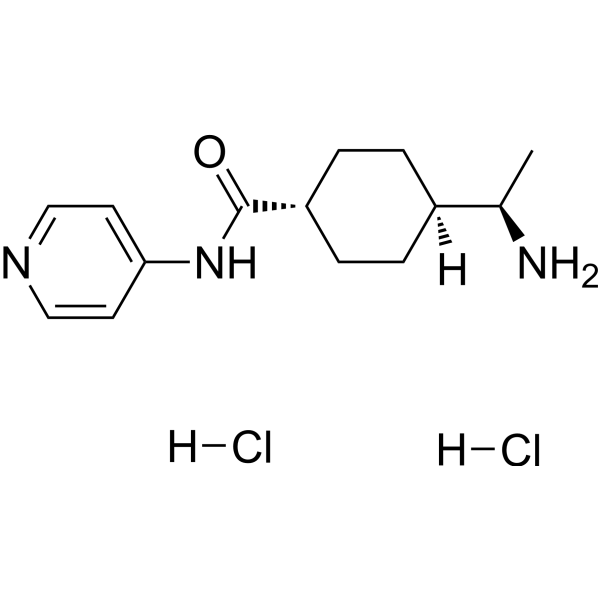
Y-27632 dihydrochlorideROCK Inhibitor -
HY-14127
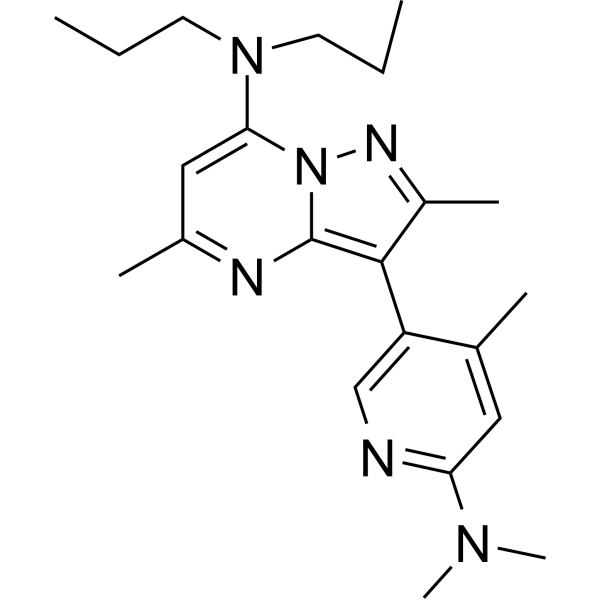
R121919CRF1 Receptor Antagonist -

HY-P0086
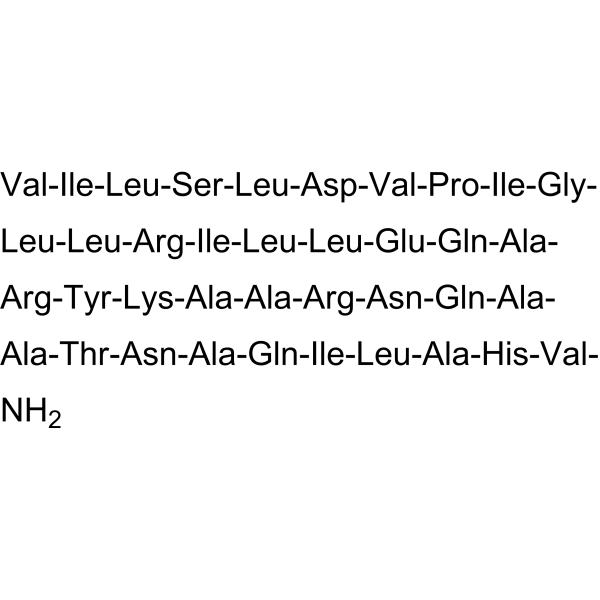
Corticotropin-releasing factor (human)CRFR Modulator -
HY-P2847
Urocortin II, mouseCRFR Agonist -

HY-12129
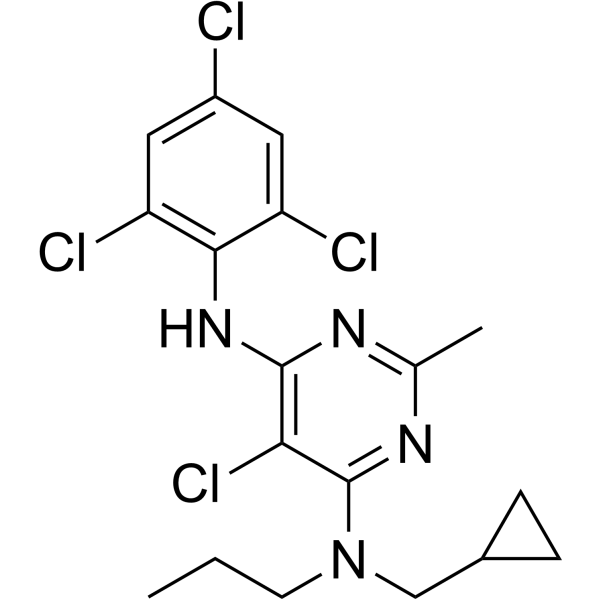
CP 154526 hydrochlorideCRF1 Antagonist -
HY-135542
NBI-27914CRFR1 Antagonist -

HY-103377R
Antalarmin hydrochloride (Standard)CRHR1 Antagonist -
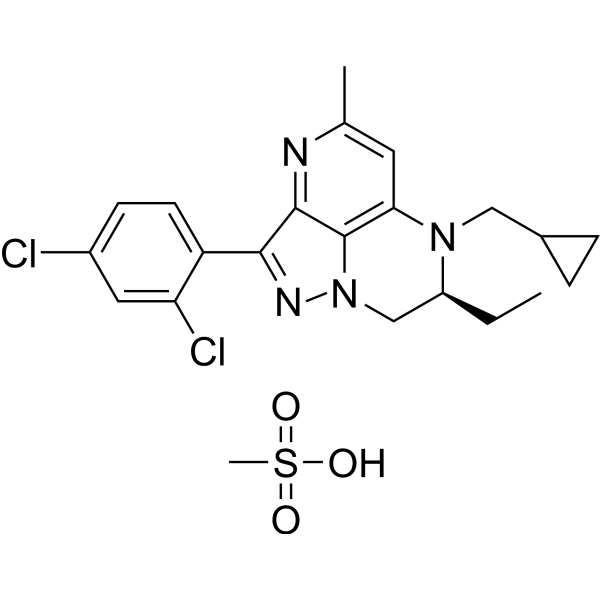
HY-103378
NBI 35965 methanesulfonateCRF1 Antagonist -
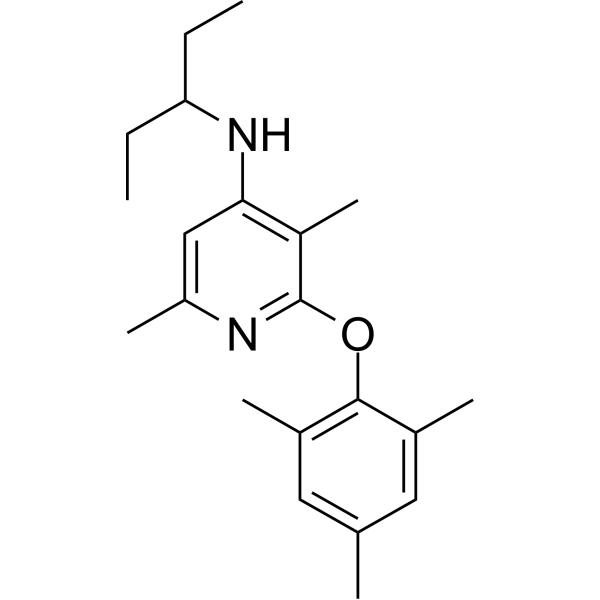
HY-14130
CP 376395CRF1 Receptor Antagonist
Publications Citing Use of MedChemExpress (MCE) Antalarmin hydrochloride
More- Immunity. 2026 Mar 10;59(3):598-617.e11. [Abstract]
- Immunity. 2024 Feb 13;57(2):364-378.e9. [Abstract]
- Sci Adv. 2026 May 15;12(20):eaeb6961. [Abstract]
- Free Radic Biol Med. 2026 Oct:254:714-729.
- J Agric Food Chem. 2026 Jan 28;74(3):2560-2573. [Abstract]
- Ann Med. 2025 Dec;57(1):2490823. [Abstract]
- Exp Neurol. 2024 Aug:378:114822. [Abstract]
- SSRN. 2025 Jun 18.


Biological Activity
Description
In Vitro
In Vivo
MedChemExpress (MCE) has not independently confirmed the accuracy of these methods. They are for reference only.
-
Animal Model:CRF-induced anxiety-like behavior in Wistar rats (250-300 g, male)[2]
-
Dosage:5, 10, 20 mg/kg
-
Administration:Intraperitoneal (i.p.), 80 minutes before behavioral tests, single dose
-
Result:Reduced defensive withdrawal behavior, blocked CRF-induced anxiety-like effects, without affecting normal behavior.
-
Animal Model:D-amphetamine-induced motor activation in Wistar rats[2]
-
Dosage:20 mg/kg
-
Administration:Intraperitoneal (i.p.), 90 minutes before behavioral tests, single dose
-
Result:Did not affect D-amphetamine-induced motor activation.


Chemical Information
-
CAS No. 220953-69-5
-
Appearance Solid
-
Molecular Weight 415.01
-
Formula C24H35ClN4
-
Color White to light yellow
-
SMILES
CC1=C(N2C(C)=C(C)C3=C(N(CCCC)CC)N=C(C)N=C32)C(C)=CC(C)=C1.[H]Cl
-
Shipping
Room temperature in continental US; may vary elsewhere.
-
Storage
-20°C, sealed storage, away from moisture
* In solvent : -80°C, 6 months; -20°C, 1 month (sealed storage, away from moisture)


Publications (8)
-
Journal Impact Factor
-
Most Recent
-
Immunity
2026 Mar 10;59(3):598-617.e11. PMID: 41722568 -
Immunity
Small-molecule CBP/p300 histone acetyltransferase inhibition mobilizes leukocytes from the bone marrow via the endocrine stress response. [Abstract]2024 Feb 13;57(2):364-378.e9. PMID: 38301651 -
Sci Adv
2026 May 15;12(20):eaeb6961. PMID: 42139357 -
-
J Agric Food Chem
Peoniflorin Alleviates Corticotropin-Releasing Factor-Induced Irritable Bowel Syndrome by Improving the Intestinal Barrier Function through the Inhibition of the CRFR1/ROCK2/MLC Signaling Pathway. [Abstract]2026 Jan 28;74(3):2560-2573. PMID: 41550014 -
Ann Med
Corticotropin-releasing hormone inhibits autophagy by suppressing PTEN to promote apoptosis in dermal papilla cells. [Abstract]2025 Dec;57(1):2490823. PMID: 40219757 -
Exp Neurol
CRHR1 antagonist alleviated depression-like behavior by downregulating p62 in a rat model of post-stroke depression. [Abstract]2024 Aug:378:114822. PMID: 38823676 -


Solvent & Solubility
In Vitro:
DMSO : 125 mg/mL (301.20 mM; Need ultrasonic; Hygroscopic DMSO has a significant impact on the solubility of product, please use newly opened DMSO)
DMF : 20 mg/mL (48.19 mM; Need ultrasonic and warming)
Ethanol : 14 mg/mL (33.73 mM; Need ultrasonic and warming)
Please refer to the solubility information to select the appropriate solvent. Once prepared, please aliquot and store the solution to prevent product inactivation from repeated freeze-thaw cycles.
Storage method and period of stock solution: -80°C, 6 months; -20°C, 1 month (sealed storage, away from moisture). When stored at -80°C, please use it within 6 months. When stored at -20°C, please use it within 1 month.
Please refer to the solubility information to select the appropriate solvent. Once prepared, please aliquot and store the solution to prevent product inactivation from repeated freeze-thaw cycles.
Storage method and period of stock solution: -80°C, 6 months; -20°C, 1 month (sealed storage, away from moisture). When stored at -80°C, please use it within 6 months. When stored at -20°C, please use it within 1 month.
Concentration (start) × Volume (start) = Concentration (final) × Volume (final)
In Vivo:
Select the appropriate dissolution method based on your experimental animal and administration route.
- For the following dissolution methods, please ensure to first prepare a clear stock solution using an In Vitro approach and then sequentially add co-solvents:
- To ensure reliable experimental results, the clarified stock solution can be appropriately stored based on storage conditions. As for the working solution for In Vivo experiments, it is recommended to prepare freshly and use it on the same day.
- The percentages shown for the solvents indicate their volumetric ratio in the final prepared solution. If precipitation or phase separation occurs during preparation, heat and/or sonication can be used to aid dissolution.
Add each solvent one by one: 10% DMSO 40% PEG300 5% Tween-80 45% Saline
Solubility: ≥ 2.08 mg/mL (5.01 mM); Clear solution
This protocol yields a clear solution of ≥ 2.08 mg/mL (saturation unknown).
Taking 1 mL working solution as an example, add 100 μL DMSO stock solution (20.8 mg/mL) to 400 μL PEG300, and mix evenly; then add 50 μL Tween-80 and mix evenly; then add 450 μL Saline to adjust the volume to 1 mL.
Preparation of Saline: Dissolve 0.9 g sodium chloride in ddH₂O and dilute to 100 mL to obtain a clear Saline solution.
Add each solvent one by one: 10% DMSO 90% (20% SBE-β-CD in Saline)
Solubility: 2.08 mg/mL (5.01 mM); Suspended solution; Need ultrasonic
This protocol yields a suspended solution of 2.08 mg/mL. Suspended solution can be used for oral and intraperitoneal injection.
Taking 1 mL working solution as an example, add 100 μL DMSO stock solution (20.8 mg/mL) to 900 μL 20% SBE-β-CD in Saline, and mix evenly.
Preparation of 20% SBE-β-CD in Saline (4°C, storage for one week): 2 g SBE-β-CD powder is dissolved in 10 mL Saline, completely dissolve until clear.
For the following dissolution methods, please prepare the working solution directly:
It is recommended to prepare fresh solutions and use them promptly within a short period of time.
The percentages shown for the solvents indicate their volumetric ratio in the final prepared solution. If precipitation or phase separation occurs during preparation, heat and/or sonication can be used to aid dissolution.
Add each solvent one by one: 15% Cremophor EL 85% Saline
Solubility: 5 mg/mL (12.05 mM); Clear solution; Need ultrasonic
In Vivo Dissolution Calculator
Please enter the basic information of animal experiments:
-
-
-
-
Recommended: Prepare an additional quantity of animals to account for potential losses during experiments.
Please enter your animal formula composition:
-
%DMSO +
Recommended: Keep the proportion of DMSO in working solution below 2% if your animal is weak.
-
%+
-
+%Tween-80 + +
-
%Saline +
The co-solvents required include: DMSO, . All of co-solvents are available by MedChemExpress (MCE). , Tween 80. All of co-solvents are available by MedChemExpress (MCE).
Working solution concentration: 0.22 mg/mL
Method for preparing stock solution: mg drug dissolved in μL DMSO. Stock solution concentration: mg/mL. * In solvent : -80°C, 6 months; -20°C, 1 month (sealed storage, away from moisture)
1. Take μL DMSO stock solution;
2. Add μL .
μL , mix evenly;
3. Then add μL Tween 80, mix evenly;
4. Then add μL
Please ensure that the stock solution in the first step is dissolved to a clear state, and add co-solvents in sequence. You can use ultrasonic heating (ultrasonic cleaner, recommended frequency 20-40 kHz), vortexing, etc. to assist dissolution.

Protocols
-
Collagen-Induced Arthritis
Collagen-induced arthritis (CIA) is an autoimmune murine model of rheumatoid arthritis in which immunization with type II collagen (CII) emulsified in an adjuvant induces a T cell- and autoantibody-driven inflammatory arthritis characterized by synovial hyperplasia, immune cell infiltration, and joint destruction. The model typically relies on genetically susceptible mouse strains (e. g. , DBA/1) and reproduces key features of human rheumatoid arthritis, including anti-collagen immune responses and progressive joint inflammation. Disease onset generally occurs within ~3-4 weeks after immunization, depending on antigen/adjuvant combinations and protocol variation. The immunopathology is driven by adaptive immune activation against CII, leading to systemic and local joint inflammation mediated by pro-inflammatory cytokines and effector immune cells, making CIA a standard preclinical platform for evaluating immunomodulatory and anti-arthritic interventions.
-
Protocol for Open Field Test (OF)
The Open Field Test is a rodent behavioral assay that measures spontaneous locomotion, exploratory behavior, and anxiety-like behavior when an animal is placed in a novel open arena. The main readouts are total distance traveled, movement time, velocity, center-zone entries, center-zone time, peripheral-zone time, and thigmotaxis. The assay is based on the conflict between exploration of a novel environment and avoidance of exposed open areas; higher center exploration is commonly interpreted as lower anxiety-like behavior, whereas increased wall-following or peripheral occupancy is interpreted as higher anxiety-like behavior.
-
Protocol for Elevated Plus Maze Test
The Elevated Plus Maze is a rodent anxiety-like behavior assay based on the conflict between spontaneous exploration and avoidance of open, elevated, exposed spaces. The apparatus contains two open arms and two closed arms arranged in a plus shape, and rodents normally spend more time in closed arms than open arms. The assay readout is generated by recording arm entries, time spent in open and closed arms, and related exploratory behaviors. Increased open-arm time or open-arm entries is commonly interpreted as reduced anxiety-like behavior, whereas reduced open-arm exploration is interpreted as increased anxiety-like behavior.
-
Research Protocol for Endocrine Diseases
Endocrine diseases often arise from disrupted hormone production, hormone signaling, or target-tissue responsiveness; for diabetes-focused endocrine disease models, insulin signaling regulates glucose uptake, hepatic glucose output, lipid metabolism, and β-cell compensation. Type 2 diabetes develops through interacting defects in insulin resistance, β-cell dysfunction, adipose inflammation, hepatic glucose overproduction, altered incretin signaling, and ectopic lipid metabolism. A major unresolved question is whether endocrine dysfunction is driven primarily by target-tissue insulin resistance, intrinsic β-cell failure, immune/inflammatory stress, or combined multi-organ failure that differs by disease stage.
-
Research Protocol for Inflammation-related Diseases
The NLRP3 inflammasome is a cytosolic innate immune signaling platform that integrates priming signals and danger-signal activation to promote caspase-1 activation, maturation of IL-1β and IL-18, and gasdermin D-mediated pyroptotic cell death. The core experimental logic is to determine whether inflammatory disease phenotypes are driven by increased NLRP3 expression, ASC-containing inflammasome assembly, caspase-1 cleavage, GSDMD cleavage, and extracellular release of IL-1β/IL-18 rather than by nonspecific cell injury alone. The pathway is strongly linked to inflammation-related disease phenotypes because monosodium urate crystals activate NALP3/NLRP3 inflammasome signaling in gout-like crystal inflammation, cholesterol crystals activate NLRP3 inflammasomes in atherogenesis models, and DSS-induced intestinal inflammation has been reported to involve NLRP3 inflammasome activity. However, experimental colitis studies also show context-dependent protective effects of NLRP3 inflammasome co


Purity & Documentation
-
Data Sheet (280 KB)
-
SDS (252 KB)
- English - EN (252 KB)
- Français - FR (252 KB)
- Deutsch - DE (252 KB)
- Norwegian - NO (252 KB)
- Español - ES (252 KB)
- Swedish - SV (252 KB)
- Italian - IT (252 KB)
- Korean - KR (252 KB)
- Portuguese - PT (252 KB)
-
Handling Instructions (2659 KB)
References
[1]. Webster EL, et al. In vivo and in vitro characterization of antalarmin, a nonpeptide corticotropin-releasing hormone (CRH) receptor antagonist: suppression of pituitary ACTH release and peripheral inflammation. Endocrinology. 1996 Dec;137(12):5747-50. doi: 10.1210/endo.137.12.8940412. [Content Brief]
[2]. Zorrilla EP, et al. Effects of antalarmin, a CRF type 1 receptor antagonist, on anxiety-like behavior and motor activation in the rat. Brain Res. 2002 Oct 18;952(2):188-99. [Content Brief]
[3]. Deak T, et al. The impact of the nonpeptide corticotropin-releasing hormone antagonist antalarmin on behavioral and endocrine responses to stress. Endocrinology. 1999 Jan;140(1):79-86. [Content Brief]
[4]. Cao J, et al. Human mast cells express corticotropin-releasing hormone (CRH) receptors and CRH leads to selective secretion of vascular endothelial growth factor. J Immunol. 2005 Jun 15;174(12):7665-75. [Content Brief]


Complete Stock Solution Preparation Table
Please refer to the solubility information to select the appropriate solvent. Once prepared, please aliquot and store the solution to prevent product inactivation from repeated freeze-thaw cycles.
Storage method and period of stock solution: -80°C, 6 months; -20°C, 1 month (sealed storage, away from moisture). When stored at -80°C, please use it within 6 months. When stored at -20°C, please use it within 1 month.
| Optional Solvent | Concentration Solvent Mass | 1 mg | 5 mg | 10 mg | 25 mg |
|---|---|---|---|---|---|
| Ethanol / DMF / DMSO | 1 mM | 2.4096 mL | 12.0479 mL | 24.0958 mL | 60.2395 mL |
| 5 mM | 0.4819 mL | 2.4096 mL | 4.8192 mL | 12.0479 mL | |
| 10 mM | 0.2410 mL | 1.2048 mL | 2.4096 mL | 6.0240 mL | |
| 15 mM | 0.1606 mL | 0.8032 mL | 1.6064 mL | 4.0160 mL | |
| 20 mM | 0.1205 mL | 0.6024 mL | 1.2048 mL | 3.0120 mL | |
| 25 mM | 0.0964 mL | 0.4819 mL | 0.9638 mL | 2.4096 mL | |
| 30 mM | 0.0803 mL | 0.4016 mL | 0.8032 mL | 2.0080 mL | |
| DMF / DMSO | 40 mM | 0.0602 mL | 0.3012 mL | 0.6024 mL | 1.5060 mL |
| DMSO | 50 mM | 0.0482 mL | 0.2410 mL | 0.4819 mL | 1.2048 mL |
| 60 mM | 0.0402 mL | 0.2008 mL | 0.4016 mL | 1.0040 mL | |
| 80 mM | 0.0301 mL | 0.1506 mL | 0.3012 mL | 0.7530 mL | |
| 100 mM | 0.0241 mL | 0.1205 mL | 0.2410 mL | 0.6024 mL |


Antalarmin hydrochloride Related Classifications
HY-103377 Related Classifications
 Powered by Bioz