From 11:00 pm to 12:00 pm EST ( 8:00 pm to 9:00 pm PST ) on January 6th, the website will be under maintenance. We are sorry for the inconvenience. Please arrange your schedule properly.
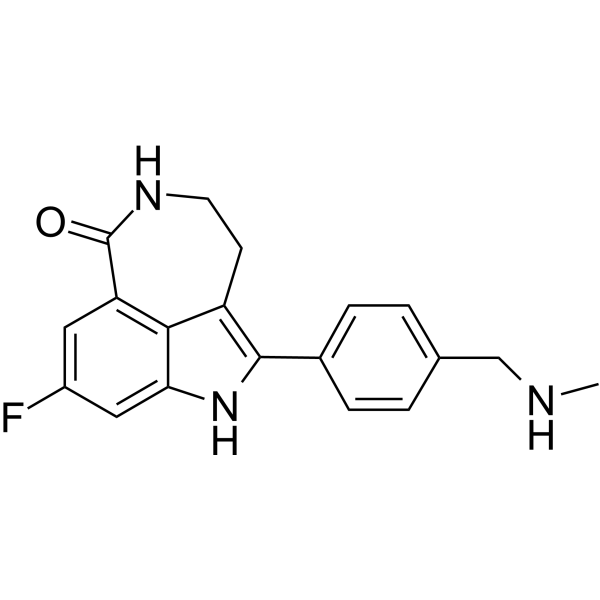
Rucaparib (AG014699) is an orally active, potent inhibitor of PARP proteins (PARP-1, PARP-2 and PARP-3) with a Ki of 1.4 nM for PARP1. Rucaparib is a modest hexose-6-phosphate dehydrogenase (H6PD) inhibitor. Rucaparib has the potential for castration-resistant prostate cancer (CRPC) research [1] .
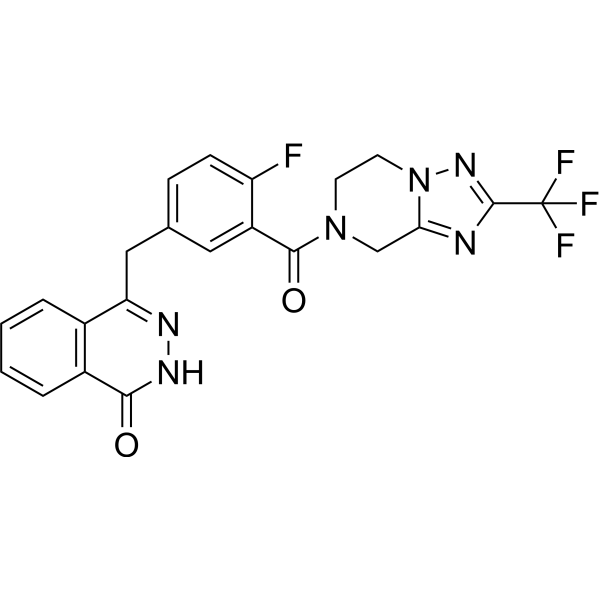
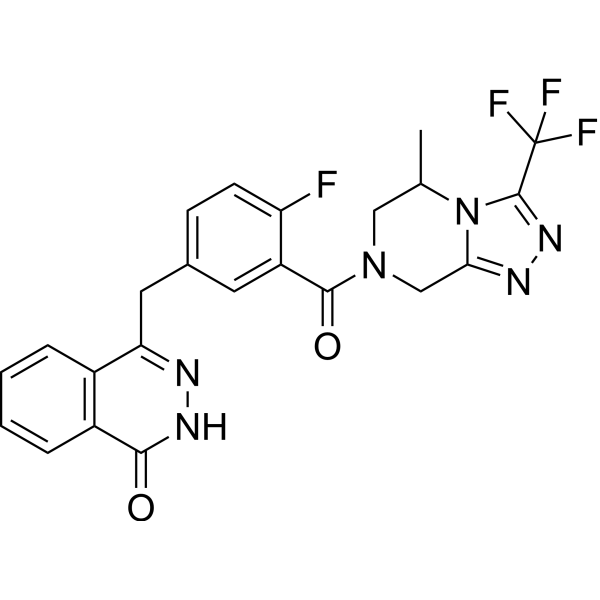
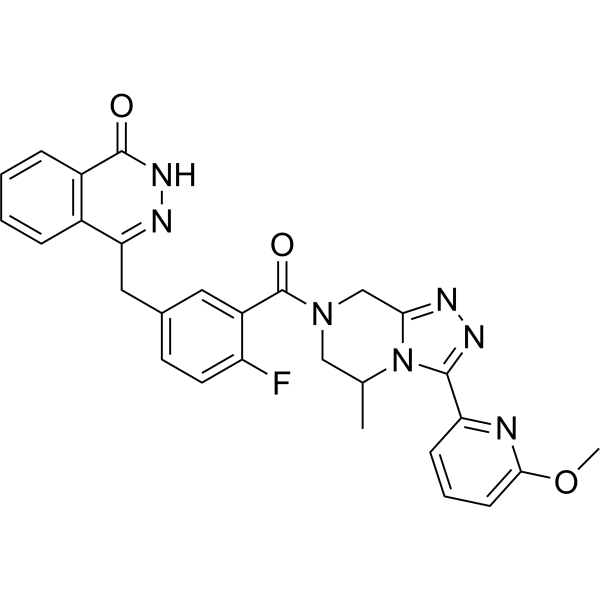
Fluzoparib (SHR3162) is a potent and orally active PARP1 inhibitor (IC50=1.46±0.72 nM, a cell-free enzymatic assay) with superior antitumor activity. Fluzoparib selectively inhibits the proliferation of homologous recombination repair (HR)-deficient cells, and sensitizes both HR-deficient and HR-proficient cells to cytotoxic agents. Fluzoparib exhibits good pharmacokinetic properties in vivo and can be used for BRCA1/2-mutant relapsed ovarian cancer research [1].
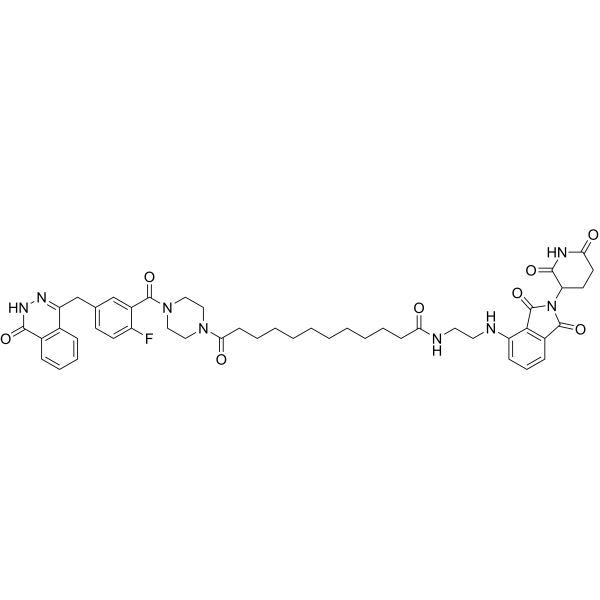
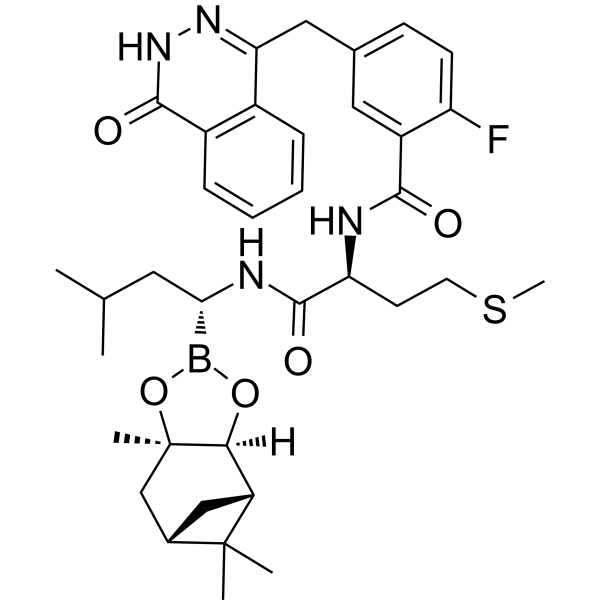
SK-575 is a highly potent and specific proteolysis-targeting chimera (PROTAC) degrader of PARP1, with an IC50 of 2.30 nM. SK-575 potently inhibits the growth of cancer cells bearing BRCA1/2 mutations [1].
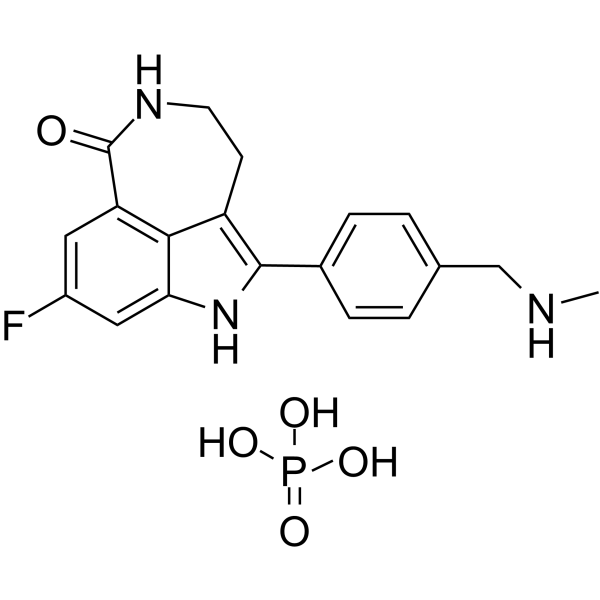
Rucaparib (AG014699) phosphate is an orally active, potent inhibitor of PARP proteins (PARP-1, PARP-2 and PARP-3) with a Ki of 1.4 nM for PARP1. Rucaparib phosphate is a modest hexose-6-phosphate dehydrogenase (H6PD) inhibitor. Rucaparib phosphate has the potential for castration-resistant prostate cancer (CRPC) research [1] .
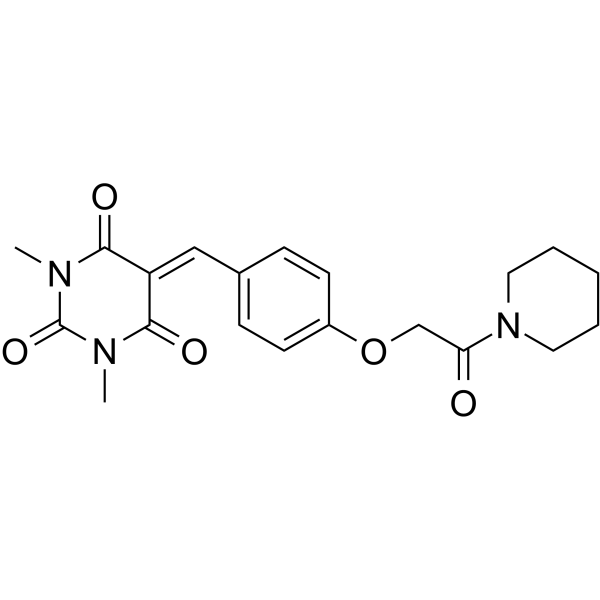
D-I03 is a selective RAD52 inhibitor with a Kd of 25.8 μM. D-I03 specifically inhibits RAD52-dependent single-strand annealing (SSA) and D-loop formation with IC50s of 5 μM and 8 μM, respectively. D-I03 suppresses growth of BRCA1- and BRCA2-deficient cells and inhibits formation of damage-induced RAD52 foci, but does not effect on RAD51 foci induced by Cisplatin [1] .
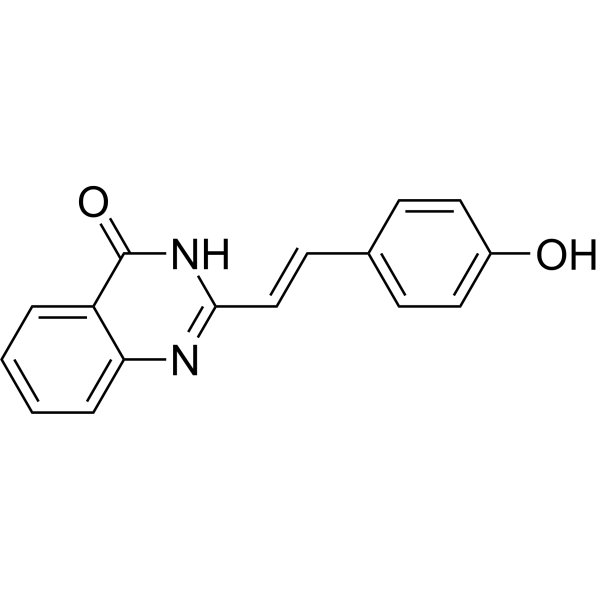
EXO1-IN-1 is a human exonuclease 1(EXO1) inhibitor (IC50 = 15.7 μM). EXO1-IN-1 inhibits DNA end resection, promotes the accumulation of DNA double-strand breaks, and triggers S-phase polyamylation. EXO1-IN-1 induces apoptosis (Apoptosis) in BRCA1-deficient breast cancer cells. EXO1-IN-1 suppresses the growth of BRCA1-deficient breast cancer xenografts. EXO1-IN-1 can be used in research related to BRCA1-deficient breast cancer [1].
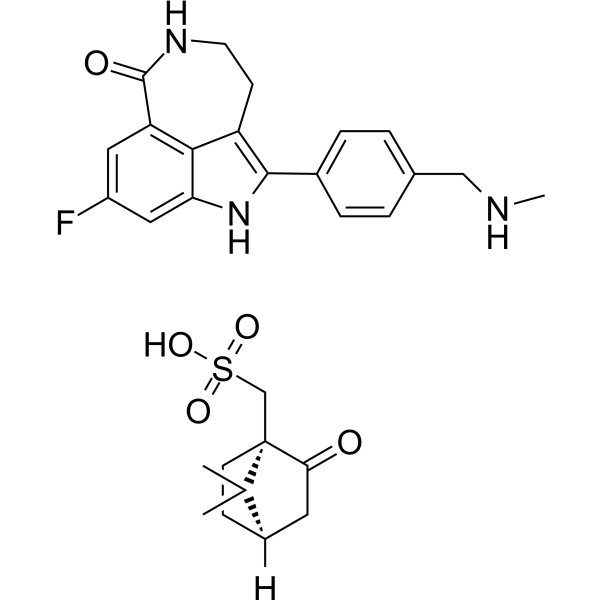
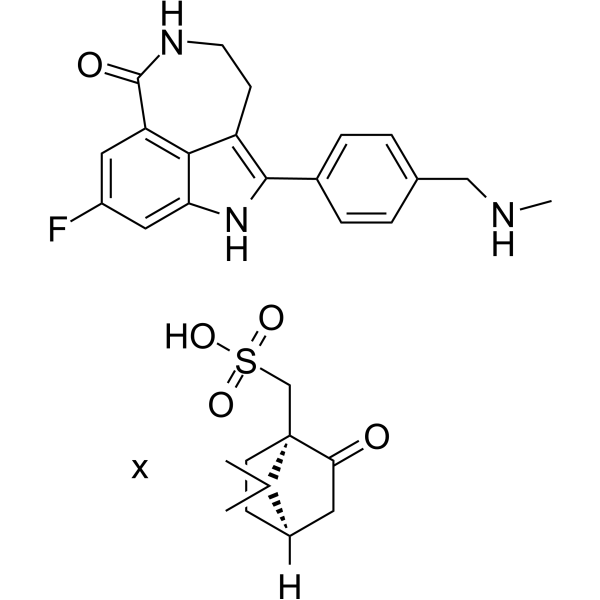
Rucaparib (AG014699) monocamsylate is an orally active, potent inhibitor of PARP proteins (PARP-1, PARP-2 and PARP-3) with a Ki of 1.4 nM for PARP1. Rucaparib monocamsylate is a modest hexose-6-phosphate dehydrogenase (H6PD) inhibitor. Rucaparib monocamsylate has the potential for castration-resistant prostate cancer (CRPC) research [1] .
Bractoppin is a potent and selective agent-like inhibitor of phosphopeptide recognition by the human BRCA1 tandem(t) BRCT domain (binding IC50: 74 nM). Bractoppin diminishes BRCA1 recruitment to DNA breaks, in turn suppressing damage-induced G2 arrest and assembly of the recombinase, RAD51. Bractoppin preferentially inhibits BRCA1 tBRCT-dependent steps in the DNA damage response [1].
TNG348 is an orally available allosteric inhibitor of the ubiquitin-specific protease USP1. TNG348 specifically and efficiently inhibits the activity of USP1, inhibiting its deubiquitination of proliferative PCNA and FANCD2, thereby disrupting the DNA repair process. TNG348 has inhibitory activity against breast and ovarian cancers carrying BRCA1/2 mutations and other homologous recombination defects (HRD) [1] .
BSJ-5-63 is a potent CDK12, CDK7, CDK9 PROTAC degrader. BSJ-5-63 BSJ-5-63 decreases the protein expression of CDK12, CDK7, CDK9, RNAPII, Cyclin K. BSJ-5-63 decreases the mRNA expression of BRCA1, BRCA2. BSJ-5-63 shows anticancer activity and has the potential for the research of prostate cancer (Pink: ligand for target protein (HY-150948); black: linker (HY-W140827); Blue: E3 ligase ligand (HY-112078)) [1].
AB25583 is a Polθ helicase (Polθ-hel) small molecule inhibitor, with an IC50 value of 6 nM. AB25583 selectively kills BRCA1/2 deficient cells and works in synergy with Olaparib (HY-10162) in cancer cells carrying pathogenic BRCA1/2 mutations. AB25583 can be used for tumor research [1].
BRCA1-IN-2 (compound 15) is a cell-permeable protein-protein interaction (PPI) inhibitor for BRCA1 with an IC50 of 0.31 μM and a Kd of 0.3 μM, which shows antitumor activities via the disruption of BRCA1 (BRCT)2/protein interactions [1].
BRCA1 Human Pre-designed siRNA Set A contains three designed siRNAs for BRCA1 gene (Human), as well as a negative control, a positive control, and a FAM-labeled negative control.
Octamethylcyclotetrasiloxane promotes the anchorage-independent growth of MCF-10A and MCF-10F cells. Octamethylcyclotetrasiloxane induces DNA damage, inhibits the expression of DNA-repairing protein BRCA1 under long-term and high-concentration exposure. Octamethylcyclotetrasiloxane exhibits intrinsic estrogenic activity [1].
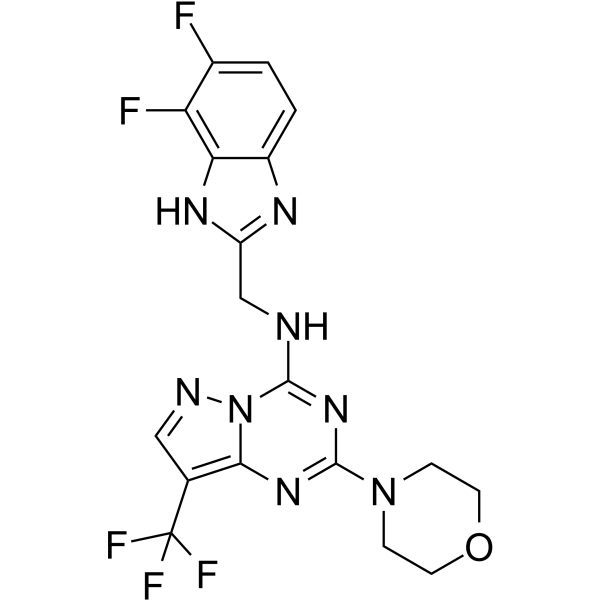
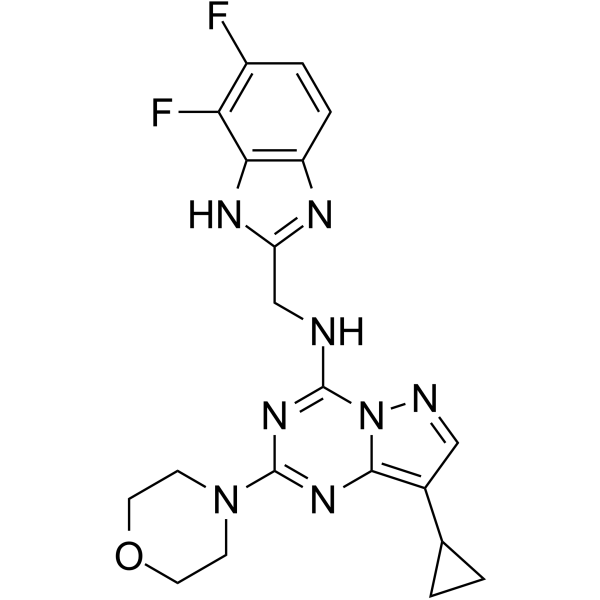
CDK12-IN-6, a pyrazolotriazine, is a potent CDK12 inhibitor with an IC50 of 1.19 μM at high ATP (2 mM). CDK12-IN-6 has no effect on CDK2/Cyclin E (IC50>20 μM) and CDK9/Cyclin T1 (IC50>20 μM) at high ATP (2 mM) (WO2021116178A1) [1].
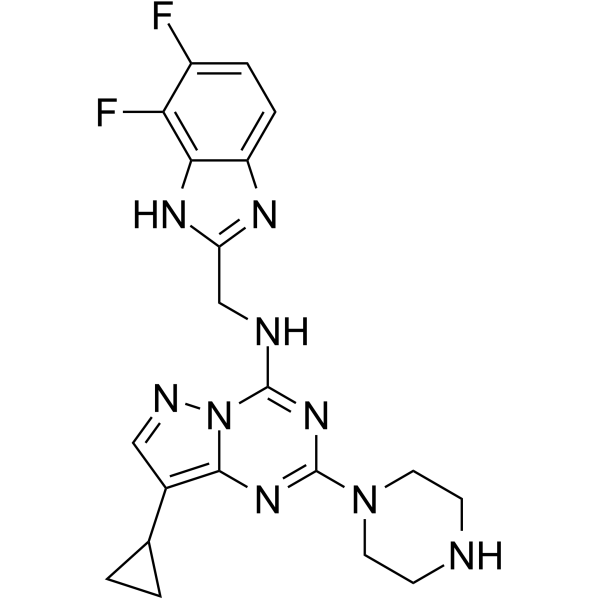
CDK12-IN-5, a pyrazolotriazine, is a potent CDK12 inhibitor with an IC50 of 23.9 nM at high ATP (2 mM). CDK12-IN-5 has no effect on CDK2/Cyclin E (IC50=173 μM) and CDK9/Cyclin T1 (IC50=127 μM) at high ATP (2 mM) (WO2021116178A1) [1].
ZLY025 is a potent and orally active CCNK molecular glue degrader with an DC50 of 42.7 nM. ZLY025 exhibits broad-spectrum antiproliferative activity against various tumor cells with IC50 values ranging from 0.08 to 2.45 μM. ZLY025 can induce cells apoptosis and G1 phase arrest. ZLY025 can be used for the research of cancer, such as lung cancer [1].
RP-2119 is an orally bioactive Polymerase Theta (Polθ) inhibitor, with an IC50 of 0.7 nM against human Polθ ATPase. RP-2119 reduces Polθ activity and exerts antiproliferative effects in BRCA2-deficient cancer cells. RP-2119 exhibits antitumor activity in BRCA2-deficient cancer cell xenograft mouse models . RP-2119 can be used for the research of cancer and homologous recombination-deficient cancers, including brca1/brca2-mutant cancers and shld2-mutant cancers [1] .
Brca1 Rat Pre-designed siRNA Set A contains three designed siRNAs for Brca1 gene (Rat), as well as a negative control, a positive control, and a FAM-labeled negative control.
TS-24 is an inhibitor for cathepsin S, with an IC50 of 4.3 μM. TS-24 exhibits radiosensitizing activity in wild type breast cancer susceptibility gene 1 (BRCA1) and in TNBC xenograft mice model, through induction of apoptosis[1].
Simmiparib is a highly potent and orally active PARP1 and PARP2 inhibitor with IC50 values of 1.75 nM and 0.22 nM, respectively. Simmiparib has more potent PARP1/2 inhibition than its parent Olaparib (HY-10162). Simmiparib induces DNA double-strand breaks (DSB) accumulation and G2/M arrest in homologous recombination repair (HR)-deficient cells, thereby inducing apoptosis. Simmiparib exhibits remarkable anticancer activities in cells and nude mice bearing xenografts [1].
Brca1 Mouse Pre-designed siRNA Set A contains three designed siRNAs for Brca1 gene (Mouse), as well as a negative control, a positive control, and a FAM-labeled negative control.
D-G23 is a selective RAD52 inhibitor. D-G23 disrupts RAD52-mediated DNA repair pathways and suppresses the growth of BRCA1- and BRCA2-deficient cancer cells. D-G23 is promising for research of homologous recombination-related cancers, such as hereditary breast cancer and ovarian cancer caused by BRCA1/2 mutations [1].
RTx-303 is an orally active, selective DNA polymerase θ (Polθ) inhibitor (IC50 = 5.1 nM). RTx-303 exhibits significantly high cellular potency and strongly potentiates PARPi in BRCA1/2 mutant cells and patient-derived xenograft models. RTx-303 can be used for the study of BRCA2-mutated breast cancer [1].
Anti-BRCA1 Antibody (BR64) is a kind of mouse IgG1 κ chimeric antibody, targeting to human BRCA1. Anti-BRCA1 Antibody (BR64) reacts with BRCA1 (Breast cancer susceptibility gene 1) involved in tumor suppression, transcription, genomic stability, DNA repair and recombination. Anti-BRCA1 Antibody (BR64) can be used for the detections of immunofluorescence, western blot, and immunoprecipitation in cancer, such as breast and ovarian cancer [1].
Theophylline-platinum(IV) prodrug-1 is a PARP-1 inhibitor. Theophylline-platinum(IV) prodrug-1 enhances DNA
damage, ROS production, mitochondrial dysfunction, apoptosis and S-phase arrest, along with reducing invasion and metastasis in cells. Theophylline-platinum(IV) prodrug-1 exhibits superior antitumor activity in the xenograft SKOV3-BRCA1-KD tumor model. Theophylline-platinum(IV) prodrug-1 can be used for the study of ovarian cancer [1].
Dicycloplatin is a DNA damage inducer. Dicycloplatin induces DNA damage by activating biphosphorylated checkpoint kinase 2 (CHK2), breast cancer 1(BRCA1) and triphosphorylated p53. Dicycloplatin can induce cell cycle arrest, inhibit proliferation and lead to apoptosis in prostate cancer PC3 cells and lung cancer NCI/H446 cells. Dicycloplatin can be used in cancer researchr [1].
Rucaparib (AG014699) camsylate is an orally active, potent inhibitor of PARP proteins (PARP-1, PARP-2 and PARP-3) with a Ki of 1.4 nM for PARP1. Rucaparib camsylate is a modest hexose-6-phosphate dehydrogenase (H6PD) inhibitor. Rucaparib camsylate has the potential for castration-resistant prostate cancer (CRPC) research [1] .
Human OLA1 mRNA encodes the human Obg like ATPase 1 (OLA1) protein, a member of the GTPase protein family. OLA1 interacts with breast cancer-associated gene 1 (BRCA1) and BRCA1-associated RING domain protein (BARD1), and is involved in centrosome regulation.
PARP1-IN-30 (Compound 3) is a specific and potent PARP1 inhibitor with cytotoxicity. PARP1-IN-30 allows precise inhibition of PARP1 in tumor cells with breast cancer 1 protein (BRCA1) or BRCA2 deficiencies. PARP1-IN-30 is promising for research of cancers [1].
BRCA1-IN-2 (Standard) is the analytical standard of BRCA1-IN-2 (HY-100862). This product is intended for research and analytical applications. BRCA1-IN-2 (compound 15) is a cell-permeable protein-protein interaction (PPI) inhibitor for BRCA1 with an IC50 of 0.31 μM and a Kd of 0.3 μM, which shows antitumor activities via the disruption of BRCA1 (BRCT)2/protein interactions [1].
PARP-1/Proteasome-IN-1 (compound 42i) is a dual PARP-1 and proteasome inhibitor with significant inhibitory effects on breast cancer. PARP-1/Proteasome-IN-1 can downregulate the expression of BRCA1 and RAD51 to inhibit homologous recombination repair function and induce apoptosis [1].
CDK12-IN-4, a pyrazolotriazine, is a potent CDK12 inhibitor with an IC50 of 0.641 μM at high ATP (2 mM). CDK12-IN-4 has no effect on CDK2/Cyclin E (IC50>20 μM) and CDK9/Cyclin T1 (IC50>20 μM) at high ATP (2 mM) (WO2021116178A1) [1].
PARP1-IN-14 (compound 19k) is a potent PARP1 inhibitor, with an IC50 of 0.6 ± 0.1 nM. PARP1-IN-14 exhibits antiproliferative effect against both MDA-MB-436 (BRCA1−/−) and Capan-1 (BRCA2 −/−) cells with IC50 values below 0.3 nM [1].
PARP1-IN-39 is an inhibitor of PARP1 with an IC50 of 0.22 nM. PARP1-IN-39 has an IC50 of 1.57 nM in human breast cancer cells. PARP1-IN-39 can be studied in breast, ovarian, pancreatic, and prostate cancers associated with DNA repair deficiencies, such as BRCA1/2 mutations [1].
Rucaparib (Standard) is the analytical standard of Rucaparib. This product is intended for research and analytical applications. Rucaparib (AG014699) is an orally active, potent inhibitor of PARP proteins (PARP-1, PARP-2 and PARP-3) with a Ki of 1.4 nM for PARP1. Rucaparib is a modest hexose-6-phosphate dehydrogenase (H6PD) inhibitor. Rucaparib has the potential for castration-resistant prostate cancer (CRPC) research [1] .
(rac)-Talazoparib ((rac)-BMN-673) (Compound 47) is the orally active inhibitor for PARP1/2 with Ki of 1.2 nM and 0.87 nM. (rac)-Talazoparib inhibits cellular PARylation with an EC50 of 2.51 nM. (rac)-Talazoparib causes the accumulation of DNA damage, inhibits proliferation of BRCA1/2-mutated MX-1 cell and Capan-1 cell with IC50 of 0.3 nM and 5 nM. (rac)-Talazoparib exhibits antitumor efficacy in mouse models [1].
PARP1-IN-15 (Compound 6) is a PARP1 inhibitor. PARP1-IN-15 inhibits tankyrase (TNKS) and facilitates DNA double-strand breaks damage. PARP1-IN-15 induces tumor cell apoptosis. PARP1-IN-15 has anti-cancer activity in triple-negative breast cancer (TNBC) cells and TNBC patient-derived organoids. PARP1-IN-15 can be used for research of TNBC with or without BRCA1 mutations [1].
A 62176 hydrochloride is a compound that targets DNA topoisomerase II and has the activity of inhibiting purine synthesis in cancer cells. A 62176 hydrochloride interferes with c-MYC mRNA expression by interacting with G-quadruplex. The main mechanism of action of A 62176 hydrochloride is by displacing nucleosomes from the quadruplex of non-template strand rDNA, resulting in rapid redistribution of nucleosomes. The application potential of A 62176 hydrochloride is that it causes DNA damage and relies on BRCA1/2-mediated homologous recombination and DNA-PK-mediated non-homologous end-joining pathways to repair the damage [1].
NERx 329 is a replication protein A (RPA) inhibitor with an IC50 of 4.9 μM. NERx 329 blocks the interaction between RPA and single-stranded DNA, and induces functional RPA depletion, loss of single-stranded DNA gap protection, chromosome fragmentation and cell death. NERx 329 inhibits the DNA damage response signaling pathway, exhibits broad single-agent anticancer activity, and enhances the activity of DNA-damaging agents. NERx 329 can be used in research related to brca1-deficient breast cancer, non-small cell lung cancer, and brca1-deficient ovarian cancer [1] .
USP1-IN-17 is an orally active USP1/UAF1 complex inhibitor. USP1-IN-17 exhibits potent anti-proliferative activity against BRCA1-mutant human breast cancer MDA-MB-436 cells, with an IC50 value of 8.1 nM. USP1-IN-17 binds to USP1 to stabilize the enzyme conformation, impairs deubiquitination function, elevates the monoubiquitination level of PCNA, inhibits cancer cell proliferation, and induces DNA damage accumulation. USP1-IN-17 can be used for the research of BRCA1-mutated cancers [1].
Rucaparib (phosphate) (Standard) is the analytical standard of Rucaparib (phosphate). This product is intended for research and analytical applications. Rucaparib (AG014699) phosphate is an orally active, potent inhibitor of PARP proteins (PARP-1, PARP-2 and PARP-3) with a Ki of 1.4 nM for PARP1. Rucaparib phosphate is a modest hexose-6-phosphate dehydrogenase (H6PD) inhibitor. Rucaparib phosphate has the potential for castration-resistant prostate cancer (CRPC) research [1] .
AZD4956 is a potent and selective DNA polymerase theta (POLQ) inhibitor. AZD4956 exhibits an IC50 value of less than 3 μmol/L against POLQ and 3.4 μmol/L against MMEJ. AZD4956 suppresses the MMEJ pathway and enhances the activity of DNA-damaging agents in HRR-deficient cellular contexts. AZD4956 shows antitumor activity in BRCA1/2-mutated triple-negative breast cancer and prostate cancer models. AZD4956 can be used for the study of homologous recombination-deficient tumors [1].
PARP1-IN-10 (compound 12c) is a no-cytotoxicity and potent PARP1 inhibitor with an IC50 value of 50.62 nM in vitro. PARP1-IN-10 causes cell cycle arrest at G2/M phase and apoptosis, and enhances the cytotoxicity of temozolomide (TMZ) [1].
DN1679 is a potent, selective and orally active CRBN-dependent CDK12/13 PROTAC dual degrader. DN1679 shows DC50 of 8.8/9.8 nM (MDA-MB-231), 5.1/6.4 nM (MDA-MB-157) and 17.2/15.8 nM (MDA-MB-468) for CDK12/13. DN1679 can downregulate DNA damage response gene mRNA levels, such as ATM, ATR, BRCA1 and RAD51. DN1679 demonstrates a potent synergistic anti-tumor effect companied with Olaparib (HY-10162). DN1679 can be used for research of triple-negative breast cance [1].
PARP1/ERKIN-1 is a dual PARP1/ERK inhibitor, with a PARP1IC50 of 0.9 nM and an ERK2IC50 of 1.8 nM. PARP1/ERKIN-1 inhibits proliferation and migration of various cancer cell lines, and induces apoptosis and DNA damage. PARP1/ERKIN-1 suppresses tumor growth in mouse models of colorectal cancer, and reduces the expression of Ki‑67, BRCA1 and Rad51. PARP1/ERKIN-1 can be used in the research of colorectal cancer, triple-negative breast cancer and pancreatic cancer [1].
DD-CIP2 is a DNA damage and apoptosis inducer. DD-CIP2 demonstrates effective anti-proliferative activity against multiple cancer cell. DD-CIP2 modulates the DNA damage response pathway, triggering robust DNA damage, cell cycle arrest, and apoptosis in vitro. DD-CIP2 demonstrates significant anti-tumor efficacy in vivo at well-tolerated doses, without substantial toxicity. DD-CIP2 exhibits superior cytotoxic potency against a broad panel of blood-and solid-tumor-derived cancer cell lines independent of their BRCA1/2 status. DD-CIP2 can be used for small-cell lung cancer (SCLC) and non small-cell lung cancer (NSCLC) research [1].
PARP1/PKM2-IN-1 is a dual PARP1/PKM2 inhibitor, with an IC50 of 39.5 nM against PARP1, and IC50 values of 261 nM (recombinant PKM2) and 50 nM (dimeric PKM2) against PKM2. PARP1/PKM2-IN-1 reduces the dimerization of PKM2 and decreases its nuclear accumulation level. PARP1/PKM2-IN-1 also selectively downregulates PKM2 mRNA and impairs poly (ADP-ribose)-mediated nuclear retention of PKM2. PARP1/PKM2-IN-1 exhibits antiproliferative activity and inhibits the formation of 3D cancer spheroids. PARP1/PKM2-IN-1 can be used in research related to mammary adenocarcinoma, triple-negative breast cancer, BRCA1-mutant triple-negative breast cancer, and prostate adenocarcinoma [1].
Rucaparib monocamsylate (Standard) is the analytical standard of Rucaparib monocamsylate (HY-102003). This product is intended for research and analytical applications. Rucaparib (AG014699) monocamsylate is an orally active, potent inhibitor of PARP proteins (PARP-1, PARP-2 and PARP-3) with a Ki of 1.4 nM for PARP1. Rucaparib monocamsylate is a modest hexose-6-phosphate dehydrogenase (H6PD) inhibitor. Rucaparib monocamsylate has the potential for castration-resistant prostate cancer (CRPC) research [1] .
PROTAC RNF4 degrader-1 is a RNF4PROTAC degrader (Kd = 64.5 nM) that degrades RNF4 via the ubiquitin-proteasome system. PROTAC RNF4 degrader-1 induces DNA damage, apoptosis, and exhibits antiproliferative activity in cancer cells. PROTAC RNF4 degrader-1 displays antitumor activity with no obvious side effects in mouse models. PROTAC RNF4 degrader-1 is applicable to the research of hepatocellular carcinoma [1].
Anti-BRCA1 Antibody (BR64) is a kind of mouse IgG1 κ chimeric antibody, targeting to human BRCA1. Anti-BRCA1 Antibody (BR64) reacts with BRCA1 (Breast cancer susceptibility gene 1) involved in tumor suppression, transcription, genomic stability, DNA repair and recombination. Anti-BRCA1 Antibody (BR64) can be used for the detections of immunofluorescence, western blot, and immunoprecipitation in cancer, such as breast and ovarian cancer [1].
BRCC36 is a metalloprotease that selectively cleaves "Lys-63" linked polyubiquitin chains, especially histones H2A and H2AX in the BRCA1-A complex during the DNA damage response. As the catalytic subunit of the BRISC complex, it also targets “Lys-63”-linked ubiquitin in various substrates, affecting mitotic spindle assembly and interferon signaling. BRCC36 Protein, Human (His-SUMO) is the recombinant human-derived BRCC36 protein, expressed by E. coli , with N-6*His, N-SUMO labeled tag.
BRAP protein acts as a negative regulator of MAP kinase activation, inhibits the formation of the Raf/MEK complex, and may inactivate the KSR1 scaffolding protein. As a Ras-responsive E3 ubiquitin ligase, BRAP undergoes autopolyubiquitination upon Ras activation, releasing its inhibitory effect on Raf/MEK complex formation. BRAP Protein, Human is the recombinant human-derived BRAP protein, expressed by E. coli , with tag free.
RTx-303 is an orally active, selective DNA polymerase θ (Polθ) inhibitor (IC50 = 5.1 nM). RTx-303 exhibits significantly high cellular potency and strongly potentiates PARPi in BRCA1/2 mutant cells and patient-derived xenograft models. RTx-303 can be used for the study of BRCA2-mutated breast cancer [1].
brca1/brca2 containing complex, subunit 5; BRCC 5; BRCC5; DNA repair protein RAD51 homolog 1; DNA repair protein rhp51; HRAD51; HsRad51; HsT16930; MRMV2; Rad 51; RAD51; RAD51 homolog; RecA homolog, E. coli; S. cerevisiae; RAD51 homolog A; RAD51 homolog; RAD51 recombinase; RAD51, S. cerevisiae, homolog of; RAD51_HUMAN; RAD51A; RECA; RecA like protein; RecA, E. coli, homolog of; Recombination protein A.
WB
Human, Mouse, Rat, Monkey
Rad51 Antibody (YA5219) is a Mouse-derived and non-conjugated monoclonal antibody, targeting to Rad51.
brca 2 antibody; brca1/brca2 containing complex subunit 2 antibody; brca2 antibody; brca2, DNA repair associated antibody; brca2_HUMAN antibody; BRCC 2 antibody; BRCC2 antibody; Breast and ovarian cancer susceptibility gene early onset antibody; breast and ovarian cancer susceptibility protein 2 antibody; Breast cancer 2 early onset antibody; brca 2 antibody; brca1/brca2 containing complex subunit 2 antibody; brca2 antibody; brca2, DNA repair associated antibody; brca2_HUMAN antibody; BRCC 2 antibody; BRCC2 antibody; Breast and ovarian cancer susceptibility gene early onset antibody; breast and ovarian cancer susceptibility protein 2 antibody; Breast cancer 2 early onset antibody; Breast Cancer 2 tumor suppressor antibody; Breast cancer susceptibility protein brca2 antibody; Breast cancer type 2 susceptibility protein antibody; BROVCA2 antibody; FACD antibody; FAD 1 antibody; FAD antibody; FAD1 antibody; FANCB antibody; FANCD 1 antibody; FANCD antibody; FANCD1 antibody; FANCD1 gene antibody; Fanconi anemia complementation group D1 antibody; Fanconi anemia group D1 protein antibody; GLM3 antibody; mutant brca2 antibody; OTTHUMP00000018803 antibody; OTTHUMP00000042401 antibody; PNCA2 antibody; XRCC11 antibody;
WB, FC
Human
BRCA2 Antibody (YA6483) is a Rabbit-derived and non-conjugated IgG monoclonal antibody, targeting to BRCA2.
BRCA1 Human Pre-designed siRNA Set A contains three designed siRNAs for BRCA1 gene (Human), as well as a negative control, a positive control, and a FAM-labeled negative control.
Brca1 Rat Pre-designed siRNA Set A contains three designed siRNAs for Brca1 gene (Rat), as well as a negative control, a positive control, and a FAM-labeled negative control.
Brca1 Mouse Pre-designed siRNA Set A contains three designed siRNAs for Brca1 gene (Mouse), as well as a negative control, a positive control, and a FAM-labeled negative control.
Human OLA1 mRNA encodes the human Obg like ATPase 1 (OLA1) protein, a member of the GTPase protein family. OLA1 interacts with breast cancer-associated gene 1 (BRCA1) and BRCA1-associated RING domain protein (BARD1), and is involved in centrosome regulation.
Inquiry Online
Your information is safe with us. * Required Fields.
Western blot analysis of extracts from THP-1(lane 2(20μg), Jurkat (lane 3(20μg) and NIH3T3(lane 4(20μg) using FOXO1A (HY-P80132) Rabbit mAb. Proteins were transferred
to a PVDF membrane and blocked with 5% non-fat milk in TBST for 2 hour at room temperature. The primary antibody (1/1000) and Loading control antibody (Beta Actin, HY-P80438, 1/10000) was
used in 5% non-fat milk in TBST at 4°C overnight. Goat Anti-Mouse/Rabbit IgG-HRP Secondary Antibody (1/10000) was used for 1 hour at room temperature.
Western blot analysis of extracts from THP-1(lane 2(20μg), Jurkat (lane 3(20μg) and NIH3T3(lane 4(20μg) using FOXO1A (HY-P80132) Rabbit mAb. Proteins were transferred
to a PVDF membrane and blocked with 5% non-fat milk in TBST for 2 hour at room temperature. The primary antibody (1/1000) and Loading control antibody (Beta Actin, HY-P80438, 1/10000) was
used in 5% non-fat milk in TBST at 4°C overnight. Goat Anti-Mouse/Rabbit IgG-HRP Secondary Antibody (1/10000) was used for 1 hour at room temperature.
Western blot analysis of extracts from THP-1(lane 2(20μg), Jurkat (lane 3(20μg) and NIH3T3(lane 4(20μg) using FOXO1A (HY-P80132) Rabbit mAb. Proteins were transferred
to a PVDF membrane and blocked with 5% non-fat milk in TBST for 2 hour at room temperature. The primary antibody (1/1000) and Loading control antibody (Beta Actin, HY-P80438, 1/10000) was
used in 5% non-fat milk in TBST at 4°C overnight. Goat Anti-Mouse/Rabbit IgG-HRP Secondary Antibody (1/10000) was used for 1 hour at room temperature.
Western blot analysis of extracts from THP-1(lane 2(20μg), Jurkat (lane 3(20μg) and NIH3T3(lane 4(20μg) using FOXO1A (HY-P80132) Rabbit mAb. Proteins were transferred
to a PVDF membrane and blocked with 5% non-fat milk in TBST for 2 hour at room temperature. The primary antibody (1/1000) and Loading control antibody (Beta Actin, HY-P80438, 1/10000) was
MedchemExpress Validation 03
Western blot analysis of extracts from THP-1(lane 2(20μg), Jurkat (lane 3(20μg) and NIH3T3(lane 4(20μg) using FOXO1A (HY-P80132) Rabbit mAb. Proteins were transferred
MedchemExpress Validation 04
Western blot analysis of extracts from THP-1(lane 2(20μg), Jurkat (lane 3(20μg) and NIH3T3(lane 4(20μg) using FOXO1A (HY-P80132) Rabbit mAb. Proteins were transferred
to a PVDF membrane and blocked with 5% non-fat milk in TBST for 2 hour at room temperature. The primary antibody (1/1000) and Loading control antibody (Beta Actin, HY-P80438, 1/10000) was
used in 5% non-fat milk in TBST at 4°C overnight. Goat Anti-Mouse/Rabbit IgG-HRP Secondary Antibody (1/10000) was used for 1 hour at room temperature.
MedchemExpress Validation
Western blot analysis of extracts from THP-1(lane 2(20μg), Jurkat (lane 3(20μg) and NIH3T3(lane 4(20μg) using FOXO1A (HY-P80132) Rabbit mAb. Proteins were transferred
to a PVDF membrane and blocked with 5% non-fat milk in TBST for 2 hour at room temperature. The primary antibody (1/1000) and Loading control antibody (Beta Actin, HY-P80438, 1/10000) was
used in 5% non-fat milk in TBST at 4°C overnight. Goat Anti-Mouse/Rabbit IgG-HRP Secondary Antibody (1/10000) was used for 1 hour at room temperature.
Western blot analysis of extracts from THP-1(lane 2(20μg), Jurkat (lane 3(20μg) and NIH3T3(lane 4(20μg) using FOXO1A (HY-P80132) Rabbit mAb. Proteins were transferred
to a PVDF membrane and blocked with 5% non-fat milk in TBST for 2 hour at room temperature. The primary antibody (1/1000) and Loading control antibody (Beta Actin, HY-P80438, 1/10000) was
used in 5% non-fat milk in TBST at 4°C overnight. Goat Anti-Mouse/Rabbit IgG-HRP Secondary Antibody (1/10000) was used for 1 hour at room temperature.
MedchemExpress Validation
Western blot analysis of extracts from THP-1(lane 2(20μg), Jurkat (lane 3(20μg) and NIH3T3(lane 4(20μg) using FOXO1A (HY-P80132) Rabbit mAb. Proteins were transferred
to a PVDF membrane and blocked with 5% non-fat milk in TBST for 2 hour at room temperature. The primary antibody (1/1000) and Loading control antibody (Beta Actin, HY-P80438, 1/10000) was
used in 5% non-fat milk in TBST at 4°C overnight. Goat Anti-Mouse/Rabbit IgG-HRP Secondary Antibody (1/10000) was used for 1 hour at room temperature.
MedchemExpress Validation
Western blot analysis of extracts from THP-1(lane 2(20μg), Jurkat (lane 3(20μg) and NIH3T3(lane 4(20μg) using FOXO1A (HY-P80132) Rabbit mAb. Proteins were transferred
to a PVDF membrane and blocked with 5% non-fat milk in TBST for 2 hour at room temperature. The primary antibody (1/1000) and Loading control antibody (Beta Actin, HY-P80438, 1/10000) was
used in 5% non-fat milk in TBST at 4°C overnight. Goat Anti-Mouse/Rabbit IgG-HRP Secondary Antibody (1/10000) was used for 1 hour at room temperature.
MedchemExpress Validation
Western blot analysis of extracts from THP-1(lane 2(20μg), Jurkat (lane 3(20μg) and NIH3T3(lane 4(20μg) using FOXO1A (HY-P80132) Rabbit mAb. Proteins were transferred
to a PVDF membrane and blocked with 5% non-fat milk in TBST for 2 hour at room temperature. The primary antibody (1/1000) and Loading control antibody (Beta Actin, HY-P80438, 1/10000) was
used in 5% non-fat milk in TBST at 4°C overnight. Goat Anti-Mouse/Rabbit IgG-HRP Secondary Antibody (1/10000) was used for 1 hour at room temperature.
MedchemExpress Validation
Western blot analysis of extracts from THP-1(lane 2(20μg), Jurkat (lane 3(20μg) and NIH3T3(lane 4(20μg) using FOXO1A (HY-P80132) Rabbit mAb. Proteins were transferred
to a PVDF membrane and blocked with 5% non-fat milk in TBST for 2 hour at room temperature. The primary antibody (1/1000) and Loading control antibody (Beta Actin, HY-P80438, 1/10000) was
used in 5% non-fat milk in TBST at 4°C overnight. Goat Anti-Mouse/Rabbit IgG-HRP Secondary Antibody (1/10000) was used for 1 hour at room temperature.
MedchemExpress Validation
Western blot analysis of extracts from THP-1(lane 2(20μg), Jurkat (lane 3(20μg) and NIH3T3(lane 4(20μg) using FOXO1A (HY-P80132) Rabbit mAb. Proteins were transferred
to a PVDF membrane and blocked with 5% non-fat milk in TBST for 2 hour at room temperature. The primary antibody (1/1000) and Loading control antibody (Beta Actin, HY-P80438, 1/10000) was
used in 5% non-fat milk in TBST at 4°C overnight. Goat Anti-Mouse/Rabbit IgG-HRP Secondary Antibody (1/10000) was used for 1 hour at room temperature.
MedchemExpress Validation
Western blot analysis of extracts from THP-1(lane 2(20μg), Jurkat (lane 3(20μg) and NIH3T3(lane 4(20μg) using FOXO1A (HY-P80132) Rabbit mAb. Proteins were transferred
to a PVDF membrane and blocked with 5% non-fat milk in TBST for 2 hour at room temperature. The primary antibody (1/1000) and Loading control antibody (Beta Actin, HY-P80438, 1/10000) was
used in 5% non-fat milk in TBST at 4°C overnight. Goat Anti-Mouse/Rabbit IgG-HRP Secondary Antibody (1/10000) was used for 1 hour at room temperature.
MedChemExpress values your privacy and your trust is important to us. We use cookies to enhance your website experience. Some cookies are necessary to run the website.
Privacy and Cookie Policy