
1. Search Result
Search Result
Pathways Recommended: MAPK/ERK Pathway
Results for "

caspase-8 pathway

" in MedChemExpress (MCE) Product Catalog:

20

Inhibitors & Agonists

3

Peptides

8

Natural
Products

2

Oligonucleotides

Cat. No. Product Name Target Research Areas Chemical Structure
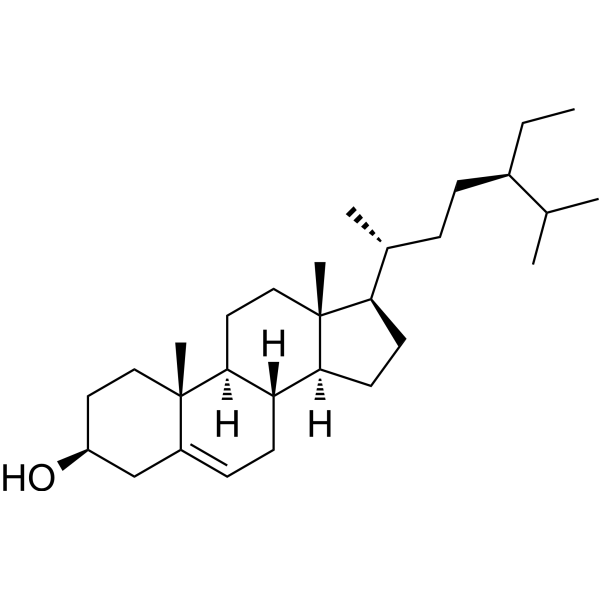
  • HY-N0171A
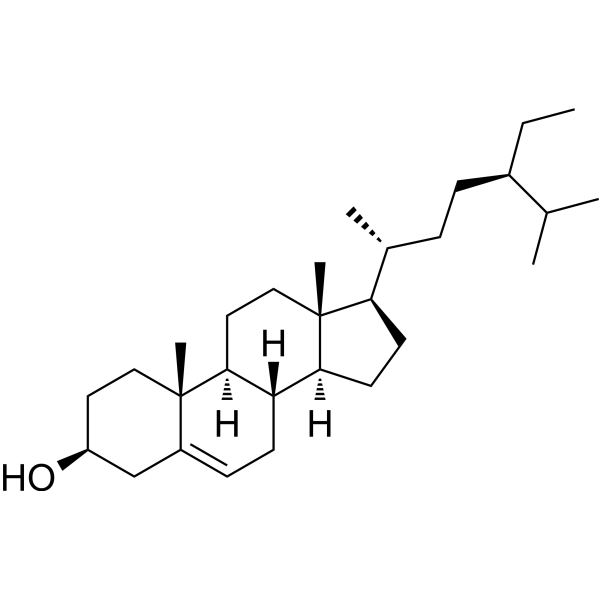
    Beta-Sitosterol (purity>98%)
    15+ Cited Publications

    β-Sitosterol (purity>98%); 22,23-Dihydrostigmasterol (purity>98%)

    Bacterial Apoptosis Reactive Oxygen Species (ROS) MDM-2/p53 Caspase PARP MMP Bcl-2 Family HIF/HIF Prolyl-Hydroxylase TNF Receptor Interleukin Related NF-κB mTOR Lactate Dehydrogenase CDK Glutathione Peroxidase SOD Infection Cardiovascular Disease Inflammation/Immunology Cancer
    Beta-Sitosterol (purity>98%) is orally active. Beta-Sitosterol exhibits multiple activities, including anti-inflammatory, anticancer, antioxidant, antimicrobial, antidiabetic, antioxidant enzyme, and analgesic. Beta-Sitosterol inhibits inflammation and impaired adipogenesis in bovine mammary epithelial cells by reducing levels of ROS, TNF-α, IL-1β, and NF-κB p65 and restoring the activity of the HIF-1α/mTOR signaling pathway. Beta-Sitosterol induces apoptosis in cancer cells through ROS-mediated mitochondrial dysregulation and p53 activation. Beta-Sitosterol exerts its anticancer effects in cancer cells by activating caspase-3, caspase-8, and caspase-9, mediating PARP inactivation, MMP loss, altered Bcl-2-Bax ratio, and cytochrome c release. Beta-Sitosterol modulates macrophage polarization and reduces rheumatoid inflammation in mice. Beta-Sitosterol inhibits tumor growth in multiple mouse cancer models. Beta-Sitosterol can be used in the research of arthritis, lung cancer, breast cancer and other cancers, diabetes, etc .
    Beta-Sitosterol (purity>98%)
  • HY-N0171
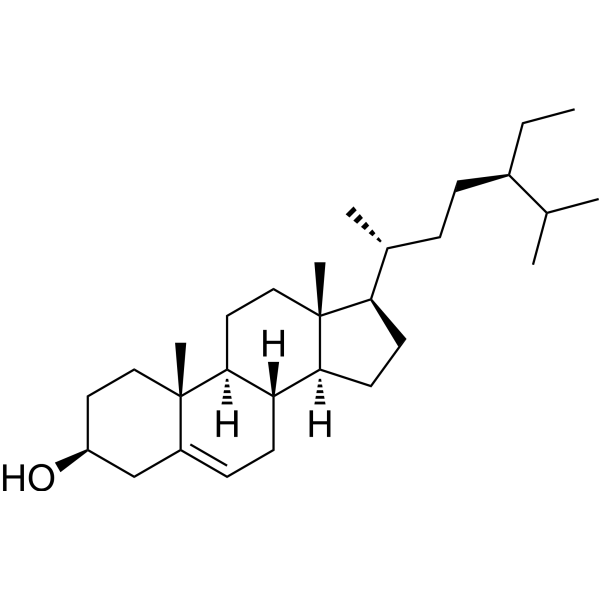
    Beta-Sitosterol (purity>80%)
    20+ Cited Publications

    Apoptosis Endogenous Metabolite Cardiovascular Disease Inflammation/Immunology Cancer
    Beta-Sitosterol (purity≥80%) is orally active. Beta-Sitosterol exhibits multiple activities, including anti-inflammatory, anticancer, antioxidant, antimicrobial, antidiabetic, antioxidant enzyme, and analgesic. Beta-Sitosterol inhibits inflammation and impaired adipogenesis in bovine mammary epithelial cells by reducing levels of ROS, TNF-α, IL-1β, and NF-κB p65 and restoring the activity of the HIF-1α/mTOR signaling pathway. Beta-Sitosterol induces apoptosis in cancer cells through ROS-mediated mitochondrial dysregulation and p53 activation. Beta-Sitosterol exerts its anticancer effects in cancer cells by activating caspase-3, caspase-8, and caspase-9, mediating PARP inactivation, MMP loss, altered Bcl-2-Bax ratio, and cytochrome c release. Beta-Sitosterol modulates macrophage polarization and reduces rheumatoid inflammation in mice. Beta-Sitosterol inhibits tumor growth in multiple mouse cancer models. Beta-Sitosterol can be used in the research of arthritis, lung cancer, breast cancer and other cancers, diabetes, etc .
    Beta-Sitosterol (purity>80%)
  • HY-121320
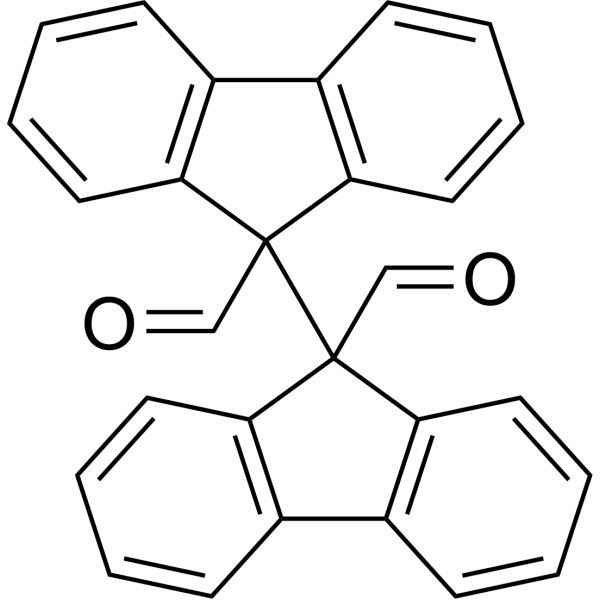
    Raptinal
    5+ Cited Publications

    Caspase Apoptosis Cancer
    Raptinal, a agent that directly activates caspase-3, initiates intrinsic pathway caspase-dependent apoptosis. Raptinal is able to rapidly induce cancer cell death by directly activating the effector caspase-3, bypassing the activation of initiator caspase-8 and caspase-9 .
    Raptinal
  • HY-B0493
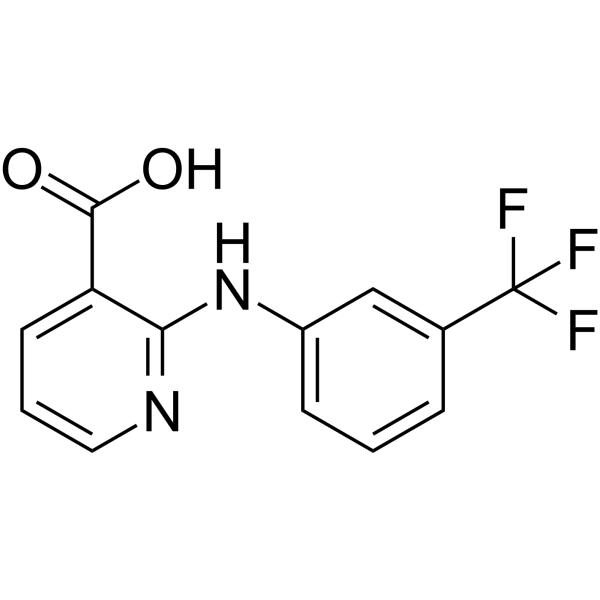
    Niflumic acid
    4 Publications Verification

    Chloride Channel COX Inflammation/Immunology Cancer
    Niflumic acid is a calcium-activated chloride channel blocker and COX-2 inhibitor with the IC50 value of 100 nM. Niflumic acid induces apoptosis through caspase-8/Bid/Bax pathway in lung cancer cells. Niflumic acide exhibits anti-tumor activity by affecting the expression of ERK1/2 and the activity of MMP2 and MMP9. Niflumic acid has orally bioactivity. Niflumic acid acts on rheumatoid arthritis .
    Niflumic acid
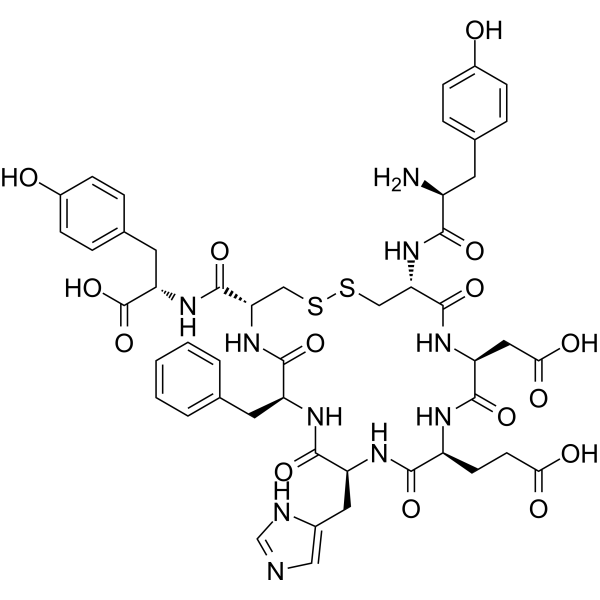
  • HY-P10102
    Kp7-6
    2 Publications Verification

    Apoptosis PERK NF-κB Caspase JNK Inflammation/Immunology Cancer
    Kp7-6 is a Fas mimetic peptide and also a Fas/FasL antagonist. Kp7-6 specifically binds to Fas and FasL, disrupts receptor complexes, and blocks downstream apoptosis signaling pathways. Kp7-6 inhibits the phosphorylation of ERK1-2, induces the phosphorylation of IκBα, and activates NF-κB. Kp7-6 inhibits the activation of caspase-8, caspase-3 and JNK, and suppresses human amylin-induced β-cell apoptosis. Kp7-6 inhibits FasL-induced lymphoid cytotoxicity and apoptosis. Kp7-6 reduces local tumor FasL expression, increases CD8 +Fas + T cell infiltration, and decreases tumor volume in pancreatic neuroendocrine tumor models. Kp7-6 prevents concanavalin A-induced liver injury in mice. Kp7-6 is applicable to research related to type 2 diabetes, concanavalin A-induced hepatitis and pancreatic neuroendocrine tumors .
    Kp7-6
  • HY-N0171R
    Beta-Sitosterol (Standard)
    5+ Cited Publications

    β-Sitosterol (Standard); 22,23-Dihydrostigmasterol (Standard))

    Reference Standards Apoptosis Endogenous Metabolite Cardiovascular Disease Inflammation/Immunology Cancer
    Beta-Sitosterol (Standard) is the analytical standard of Beta-Sitosterol. This product is intended for research and analytical applications. Beta-Sitosterol (purity≥80%) is orally active. Beta-Sitosterol exhibits multiple activities, including anti-inflammatory, anticancer, antioxidant, antimicrobial, antidiabetic, antioxidant enzyme, and analgesic. Beta-Sitosterol inhibits inflammation and impaired adipogenesis in bovine mammary epithelial cells by reducing levels of ROS, TNF-α, IL-1β, and NF-κB p65 and restoring the activity of the HIF-1α/mTOR signaling pathway. Beta-Sitosterol induces apoptosis in cancer cells through ROS-mediated mitochondrial dysregulation and p53 activation. Beta-Sitosterol exerts its anticancer effects in cancer cells by activating caspase-3, caspase-8, and caspase-9, mediating PARP inactivation, MMP loss, altered Bcl-2-Bax ratio, and cytochrome c release. Beta-Sitosterol modulates macrophage polarization and reduces rheumatoid inflammation in mice. Beta-Sitosterol inhibits tumor growth in multiple mouse cancer models. Beta-Sitosterol can be used in the research of arthritis, lung cancer, breast cancer and other cancers, diabetes, etc.
    Beta-Sitosterol (Standard)
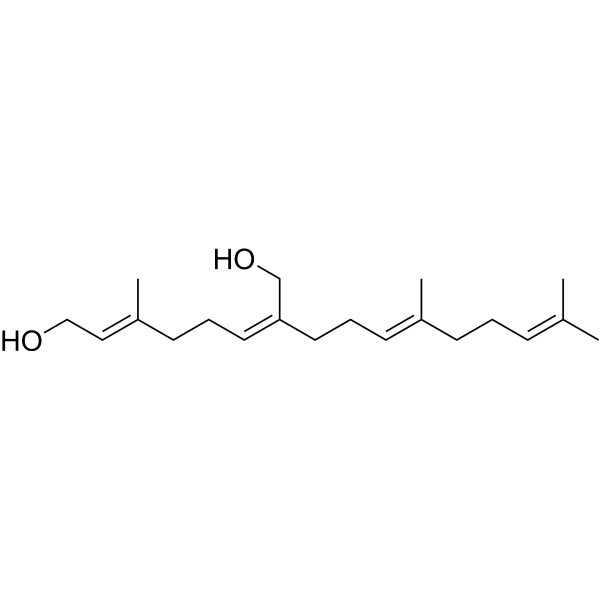
  • HY-106789

    CS-684

    Bacterial Infection Inflammation/Immunology Cancer
    Plaunotol is an orally active acyclic diterpene alcohol. Plaunotol has antibacterial activity against Helicobacter pylori which causes peptic ulcer . Plaunotol inhibits tumor angiogenesis and cell proliferation. Plaunotol induces apoptosis by activation of caspase 8 and caspase 9 pathways. Plaunotol is a potential anticancer agent against colon cancer .
    Plaunotol
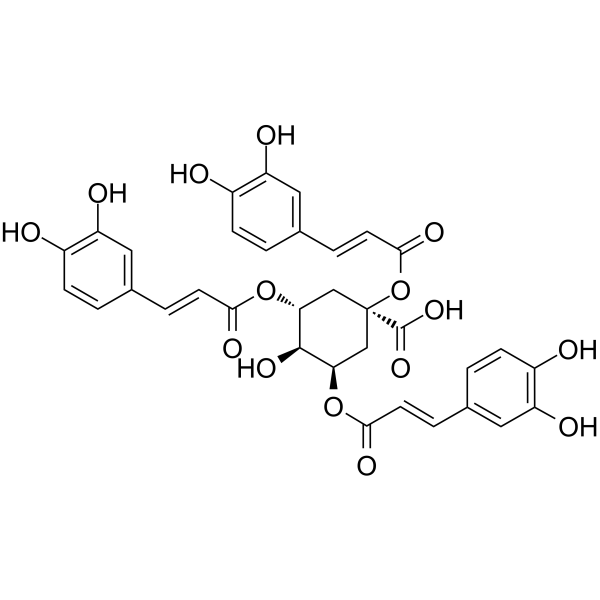
  • HY-N6926

    HIV Apoptosis Caspase VEGFR ERK PI3K Akt mTOR PARP Infection Cancer
    1,3,5-Tricaffeoylquinic acid acts as an angiogenesis inhibitor and apoptosis inducer, and exhibits anti-HIV activity. 1,3,5-Tricaffeoylquinic acid inhibits the phosphorylation of VEGFR2, ERK, PI3K, Akt and mTOR in the angiogenesis signaling pathway. 1,3,5-Tricaffeoylquinic acid regulates apoptosis-related proteins, upregulates the levels of activated caspase-8, Bax, activated PARP and caspase-3/9, while downregulates the level of Bcl-2. 1,3,5-Tricaffeoylquinic acid inhibits tube formation and shows cytotoxicity against ovarian cancer cells. 1,3,5-Tricaffeoylquinic acid can be used in studies related to ovarian cancer .
    1,3,5-Tricaffeoylquinic acid
  • HY-B0493R

    Reference Standards Chloride Channel COX Inflammation/Immunology
    Niflumic acid (Standard) is the analytical standard of Niflumic acid. This product is intended for research and analytical applications. Niflumic acid is a calcium-activated chloride channel blocker and COX-2 inhibitor with the IC50 value of 100 nM. Niflumic acid induces apoptosis through caspase-8/Bid/Bax pathway in lung cancer cells. Niflumic acide exhibits anti-tumor activity by affecting the expression of ERK1/2 and the activity of MMP2 and MMP9. Niflumic acid has orally bioactivity. Niflumic acid acts on rheumatoid arthritis .
    Niflumic acid (Standard)
  • HY-P3779

    Aβ(17-42)

    Apoptosis Neurological Disease
    Amyloid 17-42 (Aβ(17-42)) is a major constituent of diffuse plaques in Alzheimer's disease and cerebellar pre-amyloid in Down's syndrome, derived by alpha- and gamma-secretase cleavage of the amyloid precursor protein (APP). Amyloid 17-42 can induce neuronal apoptosis via a Fas-like/caspase-8 activation pathway .
    Amyloid 17-42
  • HY-N10133

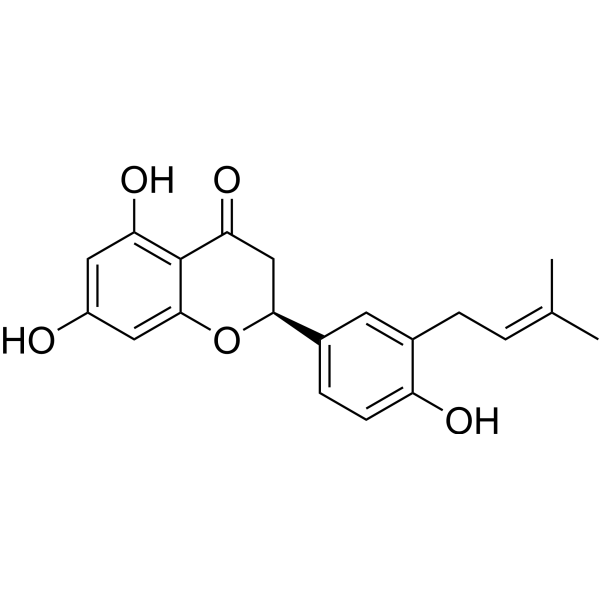
    3′-Prenylnaringenin

    Bacterial mTOR Akt PI3K NF-κB Caspase JNK ERK COX NO Synthase Apoptosis Others
    Licoflavanone (3′-Prenylnaringenin) is a flavanone with antioxidant, anti-inflammatory and anticancer activities. Licoflavanone can be isolated from the leaf extract of Glycyrrhiza glabra. Licoflavanone downregulates the mTOR/PI3K/AKT signaling pathway to inhibit the proliferation, migration and invasion of cancer cells, while activates Bax, Bad and multiple caspase enzymes to induce apoptosis. Its anti-inflammatory effect is manifested by reducing the nuclear translocation of NF-κB, decreasing the phosphorylation levels of p38, JNK and ERK1/2, thereby inhibiting the expression of nitric oxide, proinflammatory cytokines, COX-2 and iNOS. Licoflavanone is used in studies on nasopharyngeal carcinoma and related mechanisms .
    Licoflavanone
  • HY-118522

    Proteasome NF-κB Caspase PARP IAP Apoptosis Cancer
    TP-110 is a proteasome inhibitor. TP-110 specifically inhibits the protease-like activity of the 20S proteasome, but does not affect the trypsin-like or peptidyl-glutamyl peptide hydrolysis activity. TP-110 inhibits the NF-κB pathway, activates caspase-8, -9, and -3, and causes PARP cleavage, significantly reducing the levels of cIAP-1 and XIAP. TP-110 causes cell cycle arrest at the G2/M phase and promotes apoptosis of cancer cells. TP-110 can be used in cancer research of prostate cancer and multiple myeloma, etc .
    TP-110
  • HY-178099

    Apoptosis Caspase PARP Bcl-2 Family Cancer
    Apoptosis inducer 45 is an apoptosis inducer. Apoptosis inducer 45 is cytotoxically active against the MCF-7 cell line. Apoptosis inducer 45 elicits MCF-7 cell apoptosis via the mitochondrial pathway (increases the Bax/Bcl-2 ratio) by activating cleavage of caspase-9, thereby inducing the fragmentation of DNA repair protein PARP. Apoptosis inducer 45 also can induce caspase-8 cleavage, subsequently initiating cleavage of caspase-3 and its downstream protein PARP to culminate in the extrinsic apoptosis. Apoptosis inducer 45 can be used in the research of breast cancer .
    Apoptosis inducer 45
  • HY-116497

    FAK Cancer
    PH11 is a novel focal adhesion kinase (FAK) inhibitor that rapidly induces apoptosis in TRAIL-resistant PANC-1 cells when combined with TRAIL, but has no effect on normal human fibroblasts. The study found that PH11 downregulates c-FLIP through inhibition of FAK and phosphatidylinositol-3-kinase (PI3K)/AKT pathways, thereby restoring the TRAIL apoptotic pathway, suggesting that this combination therapy may provide an attractive therapeutic strategy for the safe and effective treatment of pancreatic cancer. PH11 selectively inhibits c-FLIP expression by modulating upstream signaling pathways and may represent an innovative therapeutic strategy. Although further work is needed to fully elucidate the mechanism of PH11-induced TRAIL sensitization, we believe that our results will provide a new approach to target c-FLIP without the risk of interfering with caspase-8 processing, which could potentially lead to TRAIL resistance. This study also suggests a role for the FAK/AKT signaling pathway in regulating c-FLIP expression in TRAIL-induced apoptosis, and this understanding will provide important clues to control the resistance mechanism to optimize the potential of TRAIL-based pancreatic cancer treatment.
    PH11
  • HY-N17612

    Apoptosis Caspase Bcl-2 Family Cancer
    Haplophytin-A is a quinoline alkaloid. Haplophytin-A is a potent apoptosis inducer that exerts robust anti-leukemic activity by activating the caspase-8-dependent apoptotic pathway. Haplophytin-A can be used for the research of promyelocytic leukemia .
    Haplophytin-A
  • HY-N6969A

    Adrenergic Receptor Cancer
    Dicentrine hydrochloride is a drug with anti-inflammatory and anti-cancer activity. Dicentrine hydrochloride exerts its effects by enhancing TNF-α-induced apoptosis in A549 lung adenocarcinoma cells. Dicentrine hydrochloride increases caspase-8, -9, -3 and poly(ADP-ribose) polymerase (PARP) activities. Dicentrine hydrochloride inhibits TNF-α-induced invasion and migration of A549 cells. Dicentrine hydrochloride significantly inhibited the TNF-α-activated TAK1, p38, JNK and Akt signaling pathways, and reduced the transcriptional activities of NF-κB and AP-1 .
    Dicentrine hydrochloride
  • HY-183150

    HDAC Apoptosis Caspase Cancer
    HDAC1-IN-13 is an orally active HDAC1 inhibitor with IC50 values of 91, 185, 170, and 280 nM against HDAC1, HDAC2, HDAC3, and HDAC10, respectively, and shows no activity against HDAC4, HDAC5, HDAC6, HDAC7, and HDAC9. HDAC1-IN-13 induces extrinsic apoptosis by activating the caspase-8 pathway and triggers G0/G1 cell cycle arrest. HDAC1-IN-13 can be used for the research of leukemia .
    HDAC1-IN-13
  • HY-P11828

    Survivin Caspase Apoptosis Cancer
    Anticancer agent 324 is a Survivin inhibitor. Anticancer agent 324 competitively binds to Survivin’s linker region and triggers proteasomal IAP degradation. Anticancer agent 324 blocks Borealin binding and chromosomal passenger complex formation, and inhibits Survivin-CRM1 nuclear-cytoplasmic transport. Anticancer agent 324 activates extrinsic (caspase-8) and intrinsic (caspase-9) apoptotic pathways, activates executioner caspases-3 and caspases-7, and arrests cell cycle. Anticancer agent 324 can be used for the research of breast cancer .
    Anticancer agent 324
  • HY-N16771

    Caspase Apoptosis Bcl-2 Family Bacterial VEGFR Cancer
    Clausenidin is a selective inhibitor targeting apoptosis-related pathways, including the mitochondrial pathway and death receptor pathway, and vascular endothelial growth factor (VEGF). Clausenidin induces mitochondrial membrane depolarization by activating caspase-3, caspase-8 and caspase-9, upregulating the pro-apoptotic protein Bax and downregulating the anti-apoptotic protein Bcl-2. Clausenidin also inhibits VEGF expression and blocks angiogenesis, exerting anti-tumor activity. Clausenidin has inhibitory effects against Mycobacterium tuberculosis (MIC=200 μg/mL). Clausenidin can induce apoptosis in liver cancer cells, arrest the cell cycle in the G2/M phase, and inhibit tumor angiogenesis. Clausenidin can be used in the research of malignant tumors such as liver cancer .
    Clausenidin
  • HY-179485

    EGFR VEGFR COX Caspase Apoptosis Bcl-2 Family Cancer
    EGFR/VEGFR2-IN-10 is a selective EGFR, VEGFR2 and COX2 inhibitor with IC50s of 8.5, 68 and 158 nM, respectively. EGFR/VEGFR2-IN-10 induces G1-phase cell cycle arrest in MCF-7 cells. EGFR/VEGFR2-IN-10 increases the Bax/Bcl-2 ratio, upregulates caspase-8, and elevates caspase-9 protein levels, confirming activation of the intrinsic apoptotic pathway. EGFR/VEGFR2-IN-10 demonstrates exceptional therapeutic potential by simultaneously inhibiting tumor proliferation, angiogenesis, and inflammation pathways while maintaining a favorable selectivity profile. EGFR/VEGFR2-IN-10 can be used as a research tool for cervical, liver, colon, and breast cancer studies .
    EGFR/VEGFR2-IN-10

Inquiry Online

Your information is safe with us. * Required Fields.

Salutation


Country or Region *

Applicant Name *


Organization Name *

Department *


Email Address *


Product Name *

Cat. No.


Requested quantity *

Phone Number *


Remarks

Inquiry Online

Inquiry Information

Product Name:
Cat. No.:
Quantity:
MCE Japan Authorized Agent:

