1. Search Result
Search Result
Results for "

centrally penetrant

" in MedChemExpress (MCE) Product Catalog:

47

Inhibitors & Agonists

1

Screening Libraries

4

Peptides

2

Natural
Products

1

Isotope-Labeled Compounds

Cat. No. Product Name Target Research Areas Chemical Structure
  • HY-101718
    Aticaprant
    Maximum Cited Publications
    9 Publications Verification

    CERC-501; LY-2456302

    Opioid Receptor Neurological Disease
    Aticaprant (CERC-501) is a potent and centrally-penetrant kappa opioid receptor antagonist with a Ki of 0.807 nM.
    Aticaprant
  • HY-17001
    Flupirtine Maleate
    1 Publications Verification

    D 9998 Maleate

    Potassium Channel iGluR GABA Receptor Neurological Disease Inflammation/Immunology
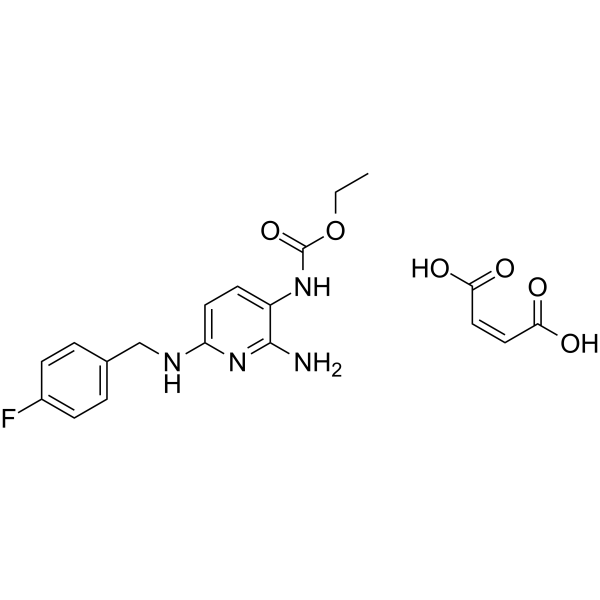
    Flupirtine (D 9998) Maleate is an orally active, blood-brain barrier-crossing non-opioid analgesic and neuroprotective agent. Flupirtine Maleate is a neuronal potassium channel opener (Kv7 activator), a NMDA receptor antagonist and a GABA receptor activator. Flupirtine Maleate stabilizes blood-brain-barrier integrity, reduces oxidative stress and brain leukocyte infiltration, enhances angioneurogenesis, suppresses calcium influx, stabilizes neuronal resting membrane potential, and counteracts focal cerebral ischemia. Flupirtine Maleate exhibits analgesic, muscle relaxant properties, protects neurons from excitotoxic, ischemic, or cytokine-mediated death. Flupirtine Maleate functions as a non-opioid analgesic without antipyretic or antiphlogistic properties, shows no relevant affinity to opiate receptor. Flupirtine Maleate can be used for the research of focal cerebral ischemia, pain, Alzheimer’s disease, or multiple sclerosis .
    Flupirtine Maleate
  • HY-103530
    CGP35348
    2 Publications Verification

    GABA Receptor Neurological Disease
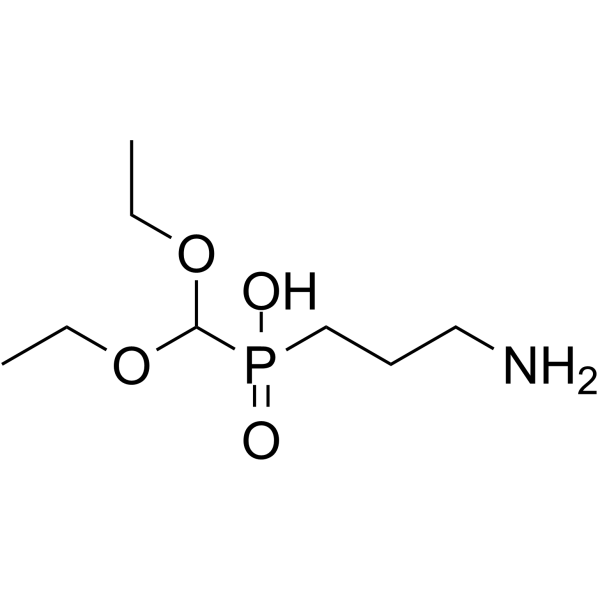
    CGP 35348 is a selective, brain penetrant, centrally active GABAB receptor antagonist with an EC50 of 34 μM. CGP 35348 shows affinity for the GABAB receptor only . CGP 35348 has a potential to improve neuromuscular coordination and spatial learning in albino mouse following neonatal brain damage .
    CGP35348
  • HY-15722
    SB-222200
    5+ Cited Publications

    Neurokinin Receptor Neurological Disease Endocrinology
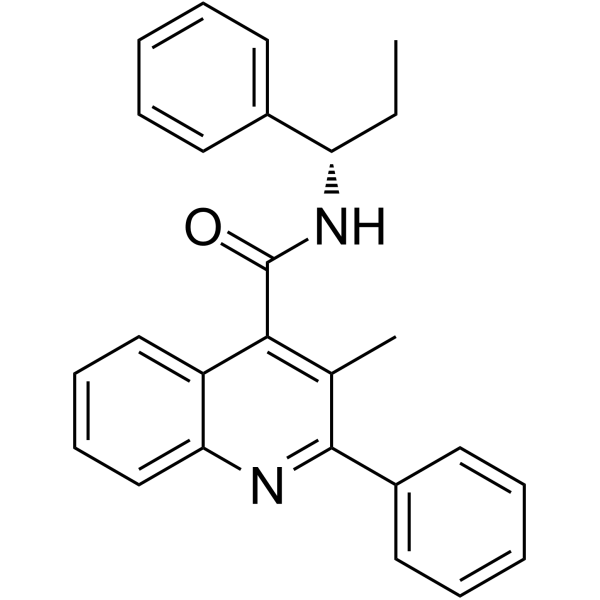
    SB-222200 is a potent, selective, orally active and blood-brain barrier (BBB) penetrant NK-3 receptor antagonist. SB-222200 is developed for central nervous system (CNS) disorders .
    SB-222200
  • HY-19884B
    Relamorelin TFA
    1 Publications Verification

    RM-131 TFA; BIM-28131 TFA

    GHSR Metabolic Disease
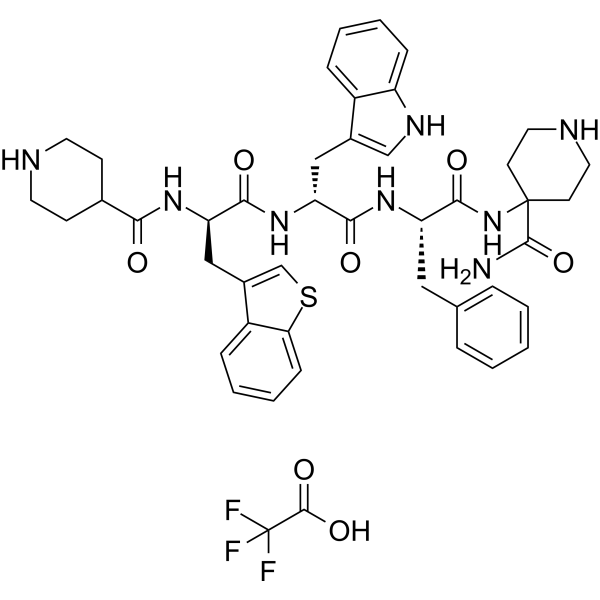
    Relamorelin (RM-131) TFA, a pentapeptide ghrelin analog, is a selective ghrelin/growth hormone secretagogue receptor (GHSR) agonist with a Ki of 0.42 nM for GHS-1a receptor. Relamorelin TFA is centrally penetrant. Relamorelin TFA increases growth hormone levels and accelerates gastric emptying. Relamorelin TFA has the potential for cachexia, gastroparesis, and gastric/intestinal dysmobility disorders research .
    Relamorelin TFA
  • HY-149555

    Eukaryotic Initiation Factor (eIF) Neurological Disease
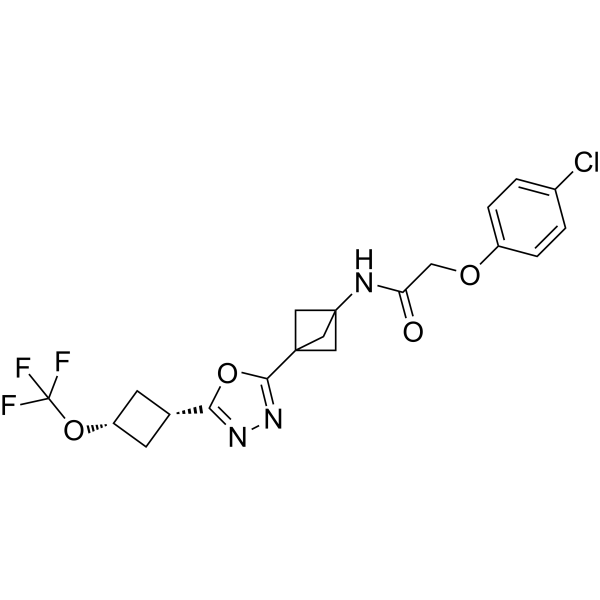
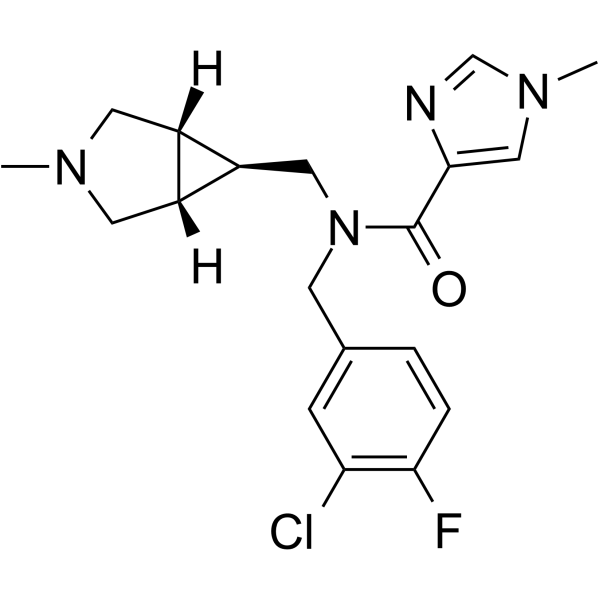
    DNL343 is a potent, selective, orally active and brain-penetrant activator of eukaryotic initiation factor eIF2B. DNL343 inhibits the activity of the integrated stress response (ISR) in the central nervous system (CNS) and reverses neurodegeneration and neuroinflammation. DNL343 also prevents motor dysfunction and premature death in eIF2B loss-of-function (LOF) mutant mice. DNL343 can be used in the study of neurodegenerative diseases .
    DNL343
  • HY-172429

    ORIC-114

    EGFR Neurological Disease Cancer
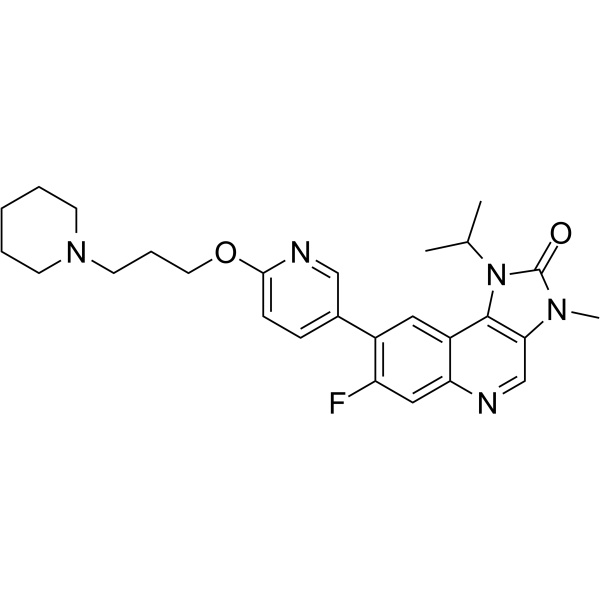
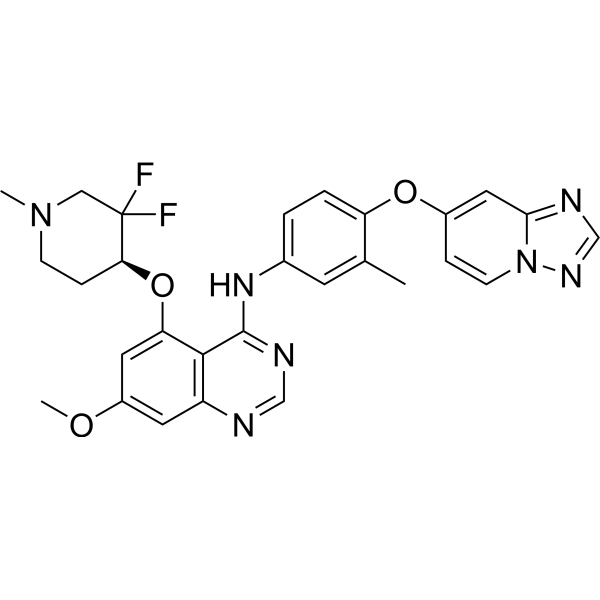
    Enozertinib (ORIC-114) is an orally active, CNS-penetrant, highly selective and irreversible dual EGFR/HER2 inhibitor that exhibits potent and targeted inhibition of exon 20 insertion mutations. Enozertinib exhibits high kinome selectivity for the EGFR family of receptors to reduce off-target kinase liabilities. Enozertinib induces tumor regression and demonstrates antitumor activity in central nervous system and non-small cell lung cancer (NSCLC) tumor models. Enozertinib can be used for the research of solid tumors and NSCLC .
    Enozertinib
  • HY-W027553

    NIK-247 free base; Amiridine free base

    Cholinesterase (ChE) Potassium Channel Sodium Channel Neurological Disease Metabolic Disease
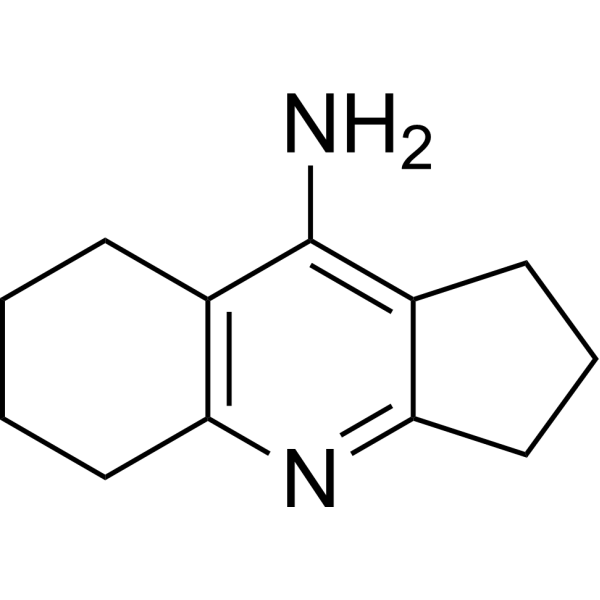
    Ipidacrine is orally active and brain-penetrant AChE and BuChE inhibitors with IC50 values of 1 μM and 1.9 μM, respectively, which is also a partial agonist of M2-cholinergic receptors and a reversible cholinesterase inhibitor. Ipidacrine has a stimulating effect on neuromuscular transmission and excitation along the nerve fibres with a moderately anti-pain effect. Ipidacrine is an aminopyridines and is structurally similar to Tacrine (HY-111338). Ipidacrine is effective in various amnesia models, improves erectile function and inhibits K + and Na +-channels in the neuronal membrane in diabetic rats. Ipidacrine is promising for research of Alzheimer’s disease, ischaemic stroke, idiopathic neuropathy of the facial nerve, diabetes mellitus-induced erectile dysfunction and other deficits in central or peripheral cholinergic deseases .
    Ipidacrine
  • HY-101022
    CXCR2-IN-1
    4 Publications Verification

    CXCR Inflammation/Immunology Endocrinology
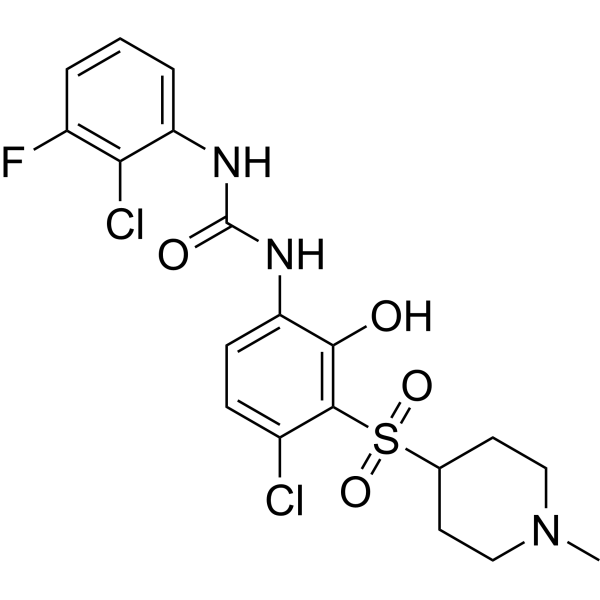
    CXCR2-IN-1 is a central nervous system penetrant CXCR2 antagonist with a pIC50 of 9.3.
    CXCR2-IN-1
  • HY-109192
    Tolebrutinib
    5+ Cited Publications

    SAR442168; PRN2246

    Btk Neurological Disease
    Tolebrutinib (SAR442168) is a potent, selective, orally active and brain-penetrant inhibitor of Bruton tyrosine kinase (BTK), with IC50s of 0.4 and 0.7 nM in Ramos B cells and in HMC microglia cells, respectively. Tolebrutinib exhibits efficacy in central nervous system immunity. Tolebrutinib can be used for the research of multiple sclerosis (MS) .
    Tolebrutinib
  • HY-113357

    Endogenous Metabolite Neurological Disease Metabolic Disease Inflammation/Immunology
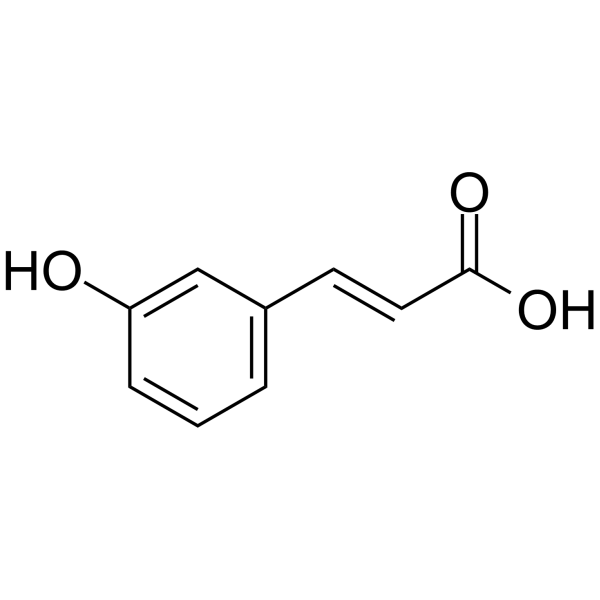
    m-Coumaric acid is a polyphenol metabolite from caffeic acid, formed by the gut microflora and the amount in human biofluids is diet-dependant. m-Coumaric acid is a BBB-penetrant metabolite of chlorogenic acid. m-Coumaric acid stimulates the cerebral nerves in vitro. m-Coumaric acid can evoke neurite outgrowth in hippocampal neuronal cells. m-Coumaric acid can promote neuronal differentiation. m-Coumaric acid increases spontaneous locomotor activity in mice by acting on the central nervous system. m-Coumaric acid inhibits the oxidation of L-dopa by epidermis tyrosinase. m-Coumaric acid attenuates non-catalytic protein glycosylation in retinas of diabetic rats .
    m-Coumaric acid
  • HY-173591

    Formyl Peptide Receptor (FPR) Apoptosis Cardiovascular Disease Neurological Disease Inflammation/Immunology
    T0080 is a central nervous system-penetrant FPR1 inhibitor. By functionally blocking the FPR1 signaling pathway, T0080 effectively reduces neutrophil infiltration into ischemic brain tissue and maintains the integrity of the blood-brain barrier. T0080 alleviates tPA-associated hemorrhagic transformation, inhibits demyelination responses and the expression of NOX2. T0080 also possesses anti-apoptotic (apoptosis) and anti-inflammatory properties, thereby protecting myelin and reducing neurological deficits. T0080 is widely used in studies related to ischemic stroke complicated by hemorrhagic transformation after tPA thrombolysis, as well as multiple sclerosis .
    T0080
  • HY-147294

    ACT-539313

    Orexin Receptor (OX Receptor) Cytochrome P450 Neurological Disease
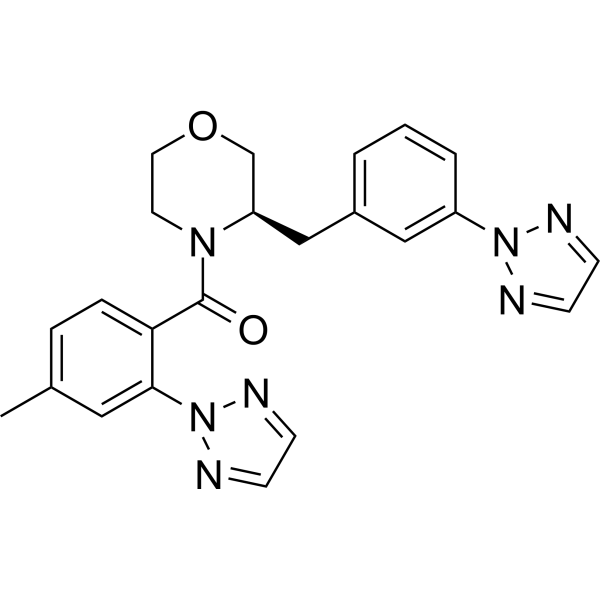
    Nivasorexant (ACT-539313) is an orally active, blood-brain barrier penetrant, selective orexin OX1R inhibitor. Nivasorexant specifically blocks central OX1Rs without affecting OX2Rs, and exhibits competitive inhibitory activity against CYP2C8, CYP2C9, CYP2C19 and CYP3A4 (IC50 values are 25 μM, 8.6 μM, 1.6 μM, 19 μM/44 μM, respectively). Nivasorexant significantly reduces binge-like eating behavior of highly palatable food in rat models and has long-acting properties. Nivasorexant shows no relevant off-target activity against over 130 selected proteins, exhibits favorable safety profiles, and can be used for studies related to binge eating disorder .
    Nivasorexant
  • HY-132308
    DYRK1-IN-1
    3 Publications Verification

    DYRK Neurological Disease
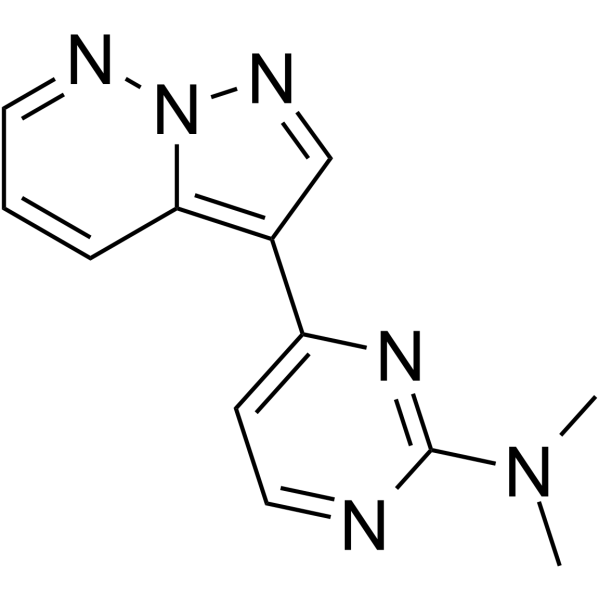
    DYRK1-IN-1 is a highly selective and ligand-efficient DYRK1A inhibitor. DYRK1-IN-1 inhibits DYRK1A phosphorylation activity with an IC50 value of 220 nM. DYRK1-IN-1 can be used for the research of central nervous system penetrant DYRK1A chemical probe .
    DYRK1-IN-1
  • HY-172429A

    ORIC-114 hemihydrate

    EGFR Neurological Disease Cancer
    Enozertinib (ORIC-114) hemihydrate is an orally active, CNS-penetrant, highly selective and irreversible dual EGFR/HER2 inhibitor that exhibits potent and targeted inhibition of exon 20 insertion mutations. Enozertinib hemihydrate exhibits high kinome selectivity for the EGFR family of receptors to reduce off-target kinase liabilities. Enozertinib hemihydrate induces tumor regression and demonstrates antitumor activity in central nervous system and non-small cell lung cancer (NSCLC) tumor models. Enozertinib hemihydrate can be used for the research of solid tumors and NSCLC .
    Enozertinib hemihydrate
  • HY-10716A

    GlyT Neurological Disease
    PF-03463275 is a centrally penetrant, orally available, selective, and competitive GlyT1 (glycine transporter-1) reversible inhibitor, with a Ki of 11.6 nM. PF-03463275 has the potential for Schizophrenia research .
    PF-03463275
  • HY-144330

    Histone Methyltransferase Cancer
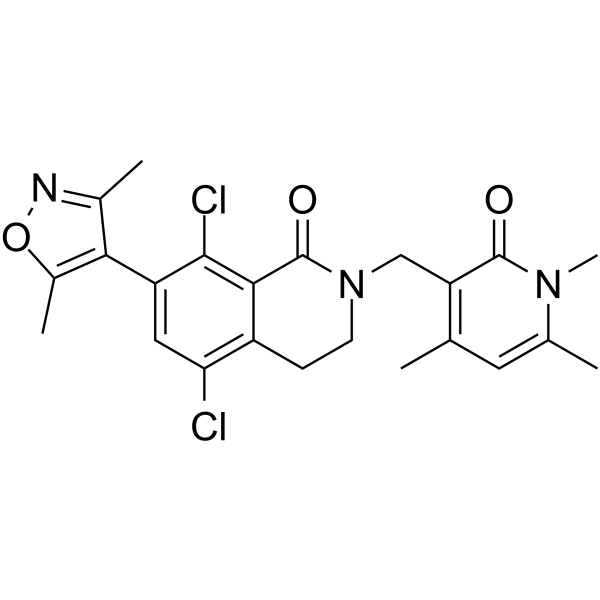
    TDI-6118 (Compound 5) is a potent brain-penetrant inhibitor of EZH2. EZH2-IN-12 has the potential for the research of central nervous system malignancies .
    TDI-6118
  • HY-172182

    VU6011887

    Potassium Channel Neurological Disease
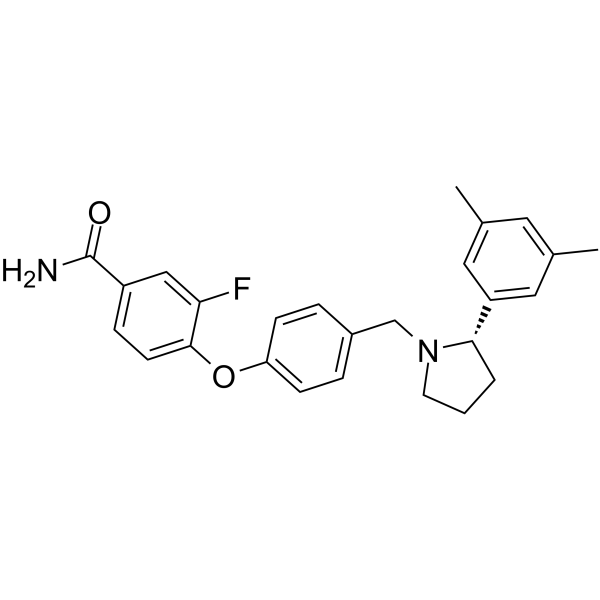
    ONO-2920632 is an orally active and central nervous system (CNS)-penetrant TREK activator, with EC50 values of 0.3 µM and 2.8 μM for TREK-1 and TREK-2, respectively. ONO-2920632 exhibits selectivity for other K2P channels (>91-fold selective versus TASK1, TASK2, TASK3, TRAAK, and TWIK2; 31-fold selective versus TRESK). ONO-2920632 possesses analgesic effects and can be used in research on pain, migraine, and neurological disorders.
    ONO-2920632
  • HY-101839

    VU0488130

    mAChR Neurological Disease
    ML381 (VU0488130) is a highly selective, central nervous system penetrant mAChR M5 orthogonal antagonist (IC50 = 450 nM; Ki = 340 nM). ML381 is unstable in rat plasma and can be mainly used as a molecular probe for in vitro and electrophysiological studies .
    ML381
  • HY-101230

    Opioid Receptor Neurological Disease
    ICI 174864 is a selective and brain-penetrant δ-opioid receptor antagonist with Ke values of 22.0 nM to 30.6 nM at δ-opioid receptor in mouse vas deferens. ICI 174864 selectively blocks biological effects mediated by the δ-opioid receptor agonist DPDPE (HY-P1334) after central administration. ICI 174864 reverses hypotension in rats with endotoxic shock and inhibits acetic acid-induced writhing in mice. ICI 174864 can be used for the research of opioid receptor subtypes, endotoxic hypotension and analgesic pathways .
    ICI 174864
  • HY-19884

    RM-131; BIM-28131

    GHSR Metabolic Disease
    Relamorelin (RM-131), a pentapeptide ghrelin analog, is a selective ghrelin/growth hormone secretagogue receptor (GHSR) agonist with a Ki of 0.42 nM for GHS-1a receptor. Relamorelin is centrally penetrant. Relamorelin increases growth hormone levels and accelerates gastric emptying. Relamorelin has the potential for cachexia, gastroparesis, and gastric/intestinal dysmobility disorders research .
    Relamorelin
  • HY-115726

    γ-secretase Amyloid-β Neurological Disease
    FRM-024 is a central nervous system-penetrant, orally active γ-secretase modulator and Aβ42 lowering agent. FRM-024 is used for the research of familial Alzheimer's disease .
    FRM-024
  • HY-177085

    Orexin Receptor (OX Receptor) Neurological Disease
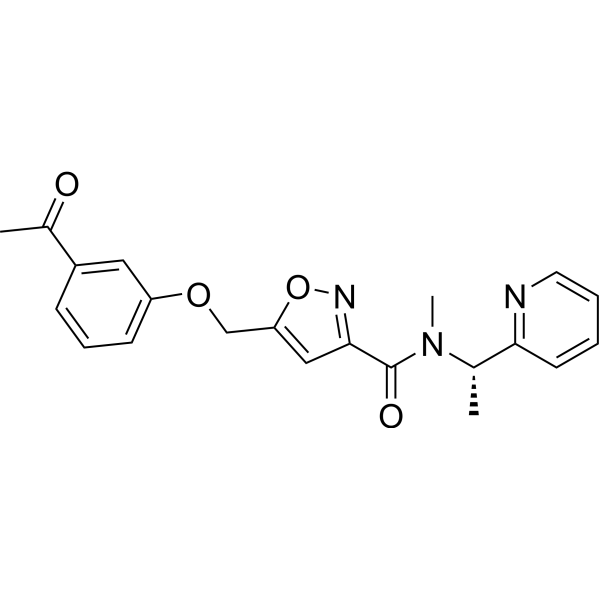
    Fumiporexant (Compound Example 93) is an orally active, brain-penetrant and selective Orexin receptor 2 (OX2R) antagonist. Fumiporexant regulates the sleep-wake cycle and emotion-related pathways in the central nervous system. Fumiporexant is promising for research of nervous system diseases such as insomnia and major depressive disorder .
    Fumiporexant
  • HY-113357R

    Reference Standards Endogenous Metabolite Neurological Disease Inflammation/Immunology
    m-Coumaric acid (Standard) is the analytical standard of m-Coumaric acid. This product is intended for research and analytical applications. m-Coumaric acid is a polyphenol metabolite from caffeic acid, formed by the gut microflora and the amount in human biofluids is diet-dependant. m-Coumaric acid is a BBB-penetrant metabolite of chlorogenic acid. m-Coumaric acid stimulates the cerebral nerves in vitro. m-Coumaric acid can evoke neurite outgrowth in hippocampal neuronal cells. m-Coumaric acid can promote neuronal differentiation. m-Coumaric acid increases spontaneous locomotor activity in mice by acting on the central nervous system. m-Coumaric acid inhibits the oxidation of L-dopa by epidermis tyrosinase. m-Coumaric acid attenuates non-catalytic protein glycosylation in retinas of diabetic rats .
    m-Coumaric acid (Standard)
  • HY-19884A

    RM-131 acetate; BIM-28131 acetate

    GHSR Metabolic Disease
    Relamorelin (RM-131) acetate, a pentapeptide ghrelin analog, is a selective ghrelin/growth hormone secretagogue receptor (GHSR) agonist with a Ki of 0.42 nM for GHS-1a receptor. Relamorelin acetate is centrally penetrant. Relamorelin acetate increases growth hormone levels and accelerates gastric emptying. Relamorelin acetate has the potential for cachexia, gastroparesis, and gastric/intestinal dysmobility disorders research .
    Relamorelin acetate
  • HY-116524

    5-HT Receptor Neurological Disease
    PF-04781340 is a potent and selective 5-HT2C receptor agonist. PF-04781340 is orally available and have central nervous system penetrant profile .
    PF-04781340
  • HY-116819A

    GCGR Metabolic Disease
    VU0453379 hydrochloride is a highly selective and central nervous system (CNS) penetrant positive allosteric modulator (PAM) of glucagon-like peptide-1R (GLP-1R) with an EC50 of 1.3 μM .
    VU0453379 hydrochloride
  • HY-122647

    VU0652957; VU2957

    mGluR Neurological Disease
    Valiglurax (VU0652957) is a potent, orally active and selective mGlu4 positive allosteric modulator with EC50 values of 64.6 nM and 197 nM for hmGlu4/Gqi5 and rmGlu4 GIRK, respectively. Valiglurax is a central nervous system (CNS) penetrant. Valiglurax can be used in research of Parkinson's disease .
    Valiglurax
  • HY-W027553R

    NIK-247 free base (Standard); Amiridine free base (Standard)

    Reference Standards Cholinesterase (ChE) Potassium Channel Sodium Channel Neurological Disease Metabolic Disease
    Ipidacrine (Standard) is the analytical reference standard of Ipidacrine. This product is used for research and analytical applications. Ipidacrine is orally active and blood-brain-barrier-penetrant AChE and BuChE inhibitors with IC50 values of 1 μM and 1.9 μM, respectively, which is also a partial agonist of M2-cholinergic receptors and a reversible cholinesterase inhibitor. Ipidacrine has a stimulating effect on neuromuscular transmission and excitation along the nerve fibres with a moderately anti-pain effect. Ipidacrine is an aminopyridines and is structurally similar to Tacrine (HY-111338). Ipidacrine is effective in various amnesia models, improves erectile function and inhibits K + and Na +-channels in the neuronal membrane in diabetic rats. Ipidacrine is promising for research of Alzheimer’s disease, ischaemic stroke, idiopathic neuropathy of the facial nerve, diabetes mellitus-induced erectile dysfunction and other deficits in central or peripheral cholinergic deseases .
    Ipidacrine (Standard)
  • HY-103530R

    Reference Standards GABA Receptor Neurological Disease
    CGP35348 (Standard) is the analytical standard of CGP35348. This product is intended for research and analytical applications. CGP 35348?is a selective, brain penetrant, centrally active GABAB receptor antagonist with an EC50 of 34 μM.?CGP 35348 shows affinity for the GABAB receptor only . CGP 35348 has a potential to improve neuromuscular coordination and spatial learning in albino mouse following neonatal brain damage .
    CGP35348 (Standard)
  • HY-120862

    Cholecystokinin Receptor Neurological Disease
    L 368935 is a cholecystokinin B receptor (CCKB receptor) antagonist. L 368935 is a brain-penetrant and centrally active compound .
    L 368935
  • HY-124382

    TRP Channel Neurological Disease
    AS1928370 is a novel and central nervous system (CNS) penetrant TRPV1 antagonist and can prevent ligand-induced activation in vivo. AS1928370 is a promising agent for neuropathic pain research .
    AS1928370
  • HY-10716

    GlyT Neurological Disease
    PF-03463275 hydrochloride is a centrally penetrant, orally available, selective, and competitive GlyT1 (glycine transporter-1) reversible inhibitor, with a Ki of 11.6 nM. PF-03463275 hydrochloride has the potential for Schizophrenia research .
    PF-03463275 hydrochloride
  • HY-164506

    FAAH Neurological Disease Cancer
    NRMA-8 is a brain-penetrant small molecule nuclear receptor modulator. NRMA-8 is promising for research of central nervous system disorders, including Alzheimer's disease, Parkinson's disease, demylenation disorders and glioblastomas .
    NRMA-8
  • HY-121313

    BAY 10-6734

    Angiotensin Receptor Neurological Disease Endocrinology
    Embusartan (BAY 10-6734) is a brain-penetrant and effective AT1 receptor blocker. Embusartan inhibits Ang II binding to brain AT1 receptors in the nuclei of central nervous system (CNS) inside due to high lipophilic character. Embusartan is promising for research of sympathetic hyperactivity and hypertension .
    Embusartan
  • HY-W714513

    mGluR Neurological Disease
    VU0469650 hydrochloride is a brain-penetrant negative allosteric modulator of metabotropic glutamate receptor 1 (mGluR1). VU0469650 hydrochloride inhibits glutamate-induced calcium flux in cells expressing human mGluR1 (IC50= 99 nM). VU0469650 hydrochloride is promising for research of central nervous system diseases such as anxiety, addiction, and epilepsy .
    VU0469650 hydrochloride
  • HY-137055

    Others Others
    PF-3774076 is a highly central nervous system (CNS) penetrant, potent, and selective human α1A-adrenoceptor partial agonist. It exhibits good potency and selectivity in multiple binding and functional assays. PF-3774076 increases peak urethral pressure in anesthetized female dogs in a dose-dependent manner via a central mechanism. PF-3774076 affects both the proximal and distal portions of the urethra in vivo. These properties suggest that PF-3774076 may have significant benefit in the treatment of stress urinary incontinence (SUI) as a CNS-penetrant α1A receptor partial agonist. However, despite its partial agonism and selectivity for α1A receptors, PF-3774076 failed to provide adequate safety differences in in vivo models of cardiovascular function. This may be due to the simultaneous activation of both peripheral and central α1A receptors. These data suggest that while central α1A partial agonists may have significant benefit in the treatment of SUI, this class of agents may have difficulty achieving the desired urethral selectivity without affecting cardiovascular function.
    PF-3774076
  • HY-107727

    Neuropeptide Y Receptor Neurological Disease
    BMS-193885 (L-Lactic acid) is a potent, selective, and brain-penetrant neuropeptide Y1 receptor antagonist. BMS-193885 has a Ki value of 3.3 nM for the neuropeptide Y1 receptor, competitively acts on the neuropeptide Y binding site, and can reduce food intake and body weight through central Y1 inhibition .
    BMS-193885 L-Lactic acid
  • HY-131293

    mGluR Neurological Disease
    MGS0008 is an orally active and brain-penetrant metabotropic glutamate receptor 2/3 (mGlu2/3) agonist with EC50 values of 29.4 nM and 45.4 nM for mGluR2 and mGluR3, respectively. MGS0008 is promising for research of central nervous system disorders, including schizophrenia, anxiety, and neurodegenerative diseases .
    MGS0008
  • HY-123934

    P-glycoprotein Neurological Disease
    VU6007477 is a brain-penetrant, selective M1 positive allosteric modulator (PAM) with an EC50 value of 230 nM. VU6007477 is also a human P-glycoprotein (P-gp) substrate with moderate permeability. VU6007477 displays improved central nervous system (CNS) penetration over the hydroxylated congeners. VU6007477 a pyranyl amide derivative, which is promising for research of robust cholinergic seizure activity .
    VU6007477
  • HY-W027553S1

    NIK-247-d9 free base

    Isotope-Labeled Compounds Cholinesterase (ChE) Potassium Channel Sodium Channel Metabolic Disease
    Ipidacrine-d9 (NIK-247-d9 (free base)) is the deuterium labeled Ipidacrine (HY-W027553). Ipidacrine is orally active and brain-penetrant AChE and BuChE inhibitors with IC50 values of 1 μM and 1.9 μM, respectively, which is also a partial agonist of M2-cholinergic receptors and a reversible cholinesterase inhibitor. Ipidacrine has a stimulating effect on neuromuscular transmission and excitation along the nerve fibres with a moderately anti-pain effect. Ipidacrine is an aminopyridines and is structurally similar to Tacrine (HY-111338). Ipidacrine is effective in various amnesia models, improves erectile function and inhibits K+ and Na+-channels in the neuronal membrane in diabetic rats. Ipidacrine is promising for research of Alzheimer’s disease, ischaemic stroke, idiopathic neuropathy of the facial nerve, diabetes mellitus-induced erectile dysfunction and other deficits in central or peripheral cholinergic deseases .
    Ipidacrine-d9
  • HY-101718R

    CERC-501 (Standard); LY-2456302 (Standard)

    Reference Standards Opioid Receptor Neurological Disease
    Aticaprant (Standard) (CERC-501 (Standard)) is the analytical standard of Aticaprant (HY-101718). This product is intended for research and analytical applications. Aticaprant (CERC-501) is a potent and centrally-penetrant kappa opioid receptor antagonist with a Ki of 0.807 nM.
    Aticaprant (Standard)
  • HY-101022R

    CXCR Reference Standards Inflammation/Immunology Endocrinology
    CXCR2-IN-1 (Standard) is the analytical standard of CXCR2-IN-1 (HY-101022). This product is intended for research and analytical applications. CXCR2-IN-1 is a central nervous system penetrant CXCR2 antagonist with a pIC50 of 9.3.
    CXCR2-IN-1 (Standard)
  • HY-164504

    MMP Neurological Disease
    NRMA-10, an amide prodrug, is a brain-penetrant nuclear receptor modulator. NRMA-10 increases brain expression of Adam10. NRMA-10 preferres distribution to the CNS compared to the periphery. NRMA-10 can be used for the study of central nervous system (CNS) disorders .
    NRMA-10
  • HY-10716AR

    Reference Standards GlyT Neurological Disease
    PF-03463275 (Standard) is the analytical standard of PF-03463275 (HY-10716A). This product is intended for research and analytical applications. PF-03463275 is a centrally penetrant, orally available, selective, and competitive GlyT1 (glycine transporter-1) reversible inhibitor, with a Ki of 11.6 nM. PF-03463275 has the potential for Schizophrenia research .
    PF-03463275 (Standard)
  • HY-183116

    Molecular Glues Anaplastic lymphoma kinase (ALK) Cancer
    TRI-611 is a brain-penetrant, orally active molecular glue degrader targeting ALK. TRI-611 engages ALK via a distal degron, forms a ternary complex with CRBN, triggers ALK polyubiquitination and degradation, including TKI-resistant ALK fusion proteins. TRI-611 inhibits ALK downstream signaling pathways, induces anti-proliferative effects in ALK-positive cancer cells. TRI-611 induces regression of ALK-positive non-small cell lung cancer tumors in preclinical xenograft models. TRI-611 can be used for the research of ALK-positive non-small cell lung cancer, including TKI-refractory tumors and central nervous system metastases .
    TRI-611
  • HY-19689

    NIK-247; Amiridine

    Cholinesterase (ChE) Potassium Channel Sodium Channel Cardiovascular Disease Neurological Disease Endocrinology
    Ipidacrine (NIK-247; Amiridine) hydrochloride is orally active and blood-brain-barrier-penetrant AChE and BuChE inhibitors with IC50 values of 1 μM and 1.9 μM, respectively, which is also a partial agonist of M2-cholinergic receptors and a reversible cholinesterase inhibitor. Ipidacrine hydrochloride has a stimulating effect on neuromuscular transmission and excitation along the nerve fibres with a moderately anti-pain effect. Ipidacrine hydrochloride is an aminopyridines and is structurally similar to Tacrine (HY-111338). Ipidacrine hydrochloride is effective in various amnesia models, improves erectile function and inhibits K + and Na +-channels in the neuronal membrane in diabetic rats. Ipidacrine hydrochloride is promising for research of Alzheimer’s disease, ischaemic stroke, idiopathic neuropathy of the facial nerve, diabetes mellitus-induced erectile dysfunction and other deficits in central or peripheral cholinergic deseases .
    Ipidacrine hydrochloride

Inquiry Online

Your information is safe with us. * Required Fields.

Salutation


Country or Region *

Applicant Name *


Organization Name *

Department *


Email Address *


Product Name *

Cat. No.


Requested quantity *

Phone Number *


Remarks

Inquiry Online

Inquiry Information

Product Name:
Cat. No.:
Quantity:
MCE Japan Authorized Agent:

