
1. Search Result
Search Result
Results for "

cholinergic receptor inhibitor

" in MedChemExpress (MCE) Product Catalog:

45

Inhibitors & Agonists

5

Peptides

3

Natural
Products

8

Isotope-Labeled Compounds

Cat. No. Product Name Target Research Areas Chemical Structure
  • HY-B0282
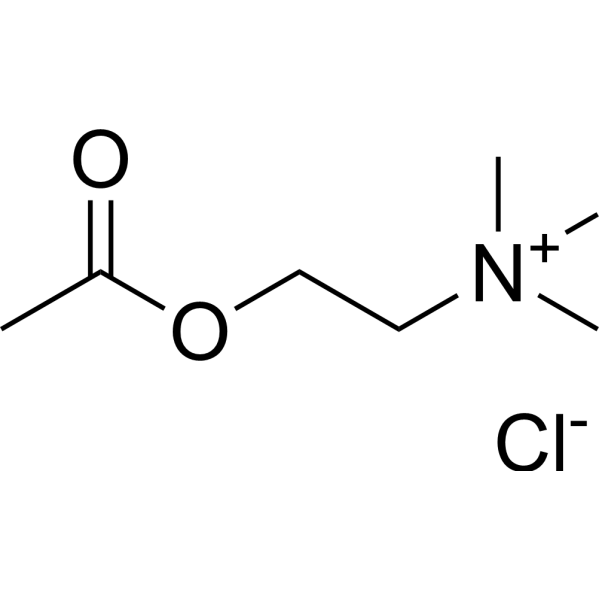
    Acetylcholine chloride
    20+ Cited Publications

    ACh chloride

    nAChR Calcium Channel Endogenous Metabolite Infection Neurological Disease Cancer
    Acetylcholine chloride (ACh chloride), a neurotransmitter, is a potent and BBB-permeable cholinergic agonist. Acetylcholine chloride is a modulator of the activity of dopaminergic (DAergic) neurons through the stimulation of nicotinic acetylcholine receptors (nAChRs) . Acetylcholine chloride inhibits p53 mutant peptide aggregation in vitro .
    Acetylcholine chloride
  • HY-B0527A
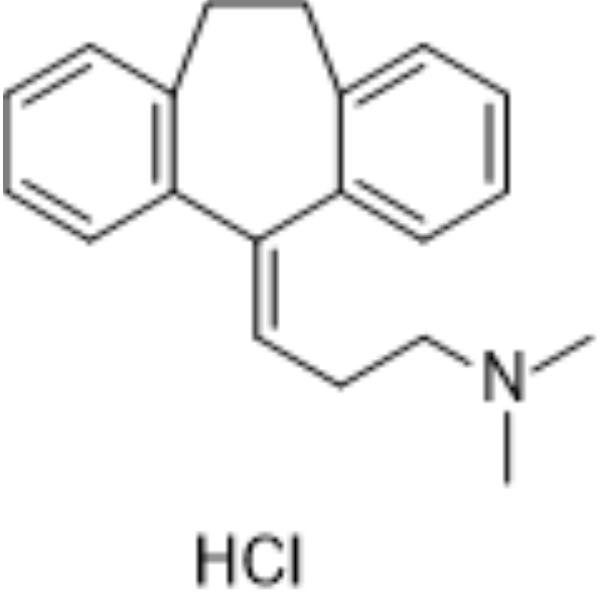
    Amitriptyline hydrochloride
    5+ Cited Publications

    Serotonin Transporter 5-HT Receptor mAChR Histamine Receptor Adrenergic Receptor Trk Receptor Sodium Channel Potassium Channel Dopamine Transporter Apoptosis Neurological Disease Inflammation/Immunology Endocrinology
    Amitriptyline hydrochloride is an orally active tricyclic antidepressant (TCA). Amitriptyline hydrochloride mainly exerts its antidepressant effect by blocking SERT (Ki = 3.45 nM) and NET (Ki = 13.3 nM), thereby increasing the concentrations of 5-hydroxytryptamine (5-HT) and norepinephrine (NE) in the synaptic cleft. Amitriptyline hydrochloride is also an agonist at α2A and TrkA/TrkB receptors, thereby exerting analgesic and neurotrophic activities (inhibiting cell apoptosis). Amitriptyline hydrochloride can reduce inflammation, angiogenesis and fibrosis. Amitriptyline hydrochloride binds to DAT (with Ki = 2.58 μM). Amitriptyline hydrochloride has high affinity for a series of receptors and can antagonize muscarinic cholinergic receptors (M1/M2/M3/M4/M5 receptors) (Ki = 11-24 nM), H1 receptors (Ki = 0.5-1.1 nM), adrenergic α1 receptors (Ki = 4.4 nM), etc., resulting in a series of side effects. Amitriptyline hydrochloride can block sodium channels and hERG potassium channel (IC50 = 4.78 μM) and it has cardiotoxicity .
    Amitriptyline hydrochloride
  • HY-B0527
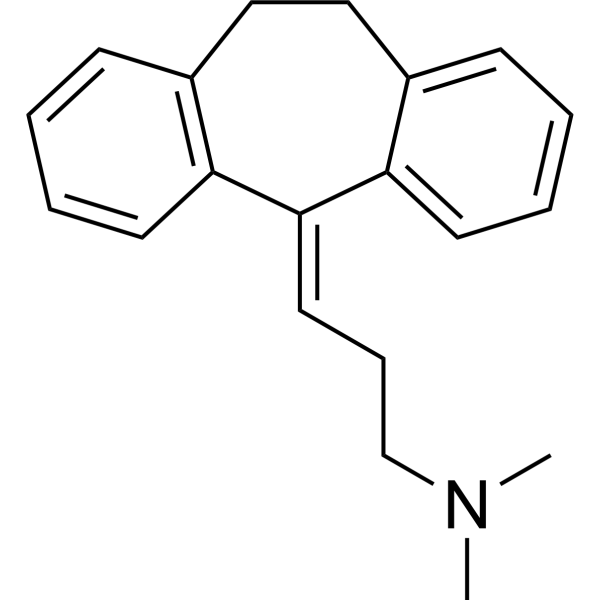
    Amitriptyline
    5+ Cited Publications

    Serotonin Transporter Trk Receptor Sodium Channel 5-HT Receptor Histamine Receptor Adrenergic Receptor mAChR Potassium Channel Dopamine Transporter Apoptosis Neurological Disease Inflammation/Immunology Endocrinology
    Amitriptyline is an orally active tricyclic antidepressant (TCA). Amitriptyline mainly exerts its antidepressant effect by blocking SERT (Ki = 3.45 nM) and NET (Ki = 13.3 nM), thereby increasing the concentrations of 5-hydroxytryptamine (5-HT) and norepinephrine (NE) in the synaptic cleft. Amitriptyline is also an agonist at α2A and TrkA/TrkB receptors, thereby exerting analgesic and neurotrophic activities (inhibiting cell apoptosis). Amitriptyline can reduce inflammation, angiogenesis and fibrosis. Amitriptyline binds to DAT (with Ki = 2.58 μM). Amitriptyline has high affinity for a series of receptors and can antagonize muscarinic cholinergic receptors (M1/M2/M3/M4/M5 receptors) (Ki = 11-24 nM), H1 receptors (Ki = 0.5-1.1 nM), adrenergic α1 receptors (Ki = 4.4 nM), etc., resulting in a series of side effects. Amitriptyline can block sodium channels and hERG potassium channel (IC50 = 4.78 μM) and it has cardiotoxicity .
    Amitriptyline
  • HY-B0282S

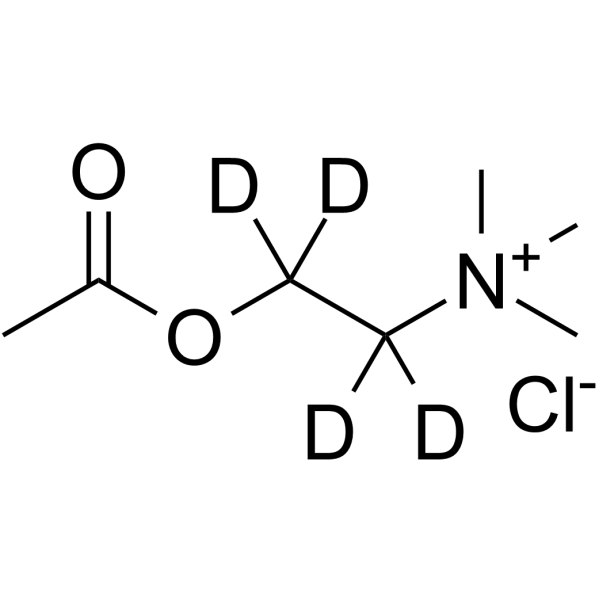
    ACh-d4 chloride

    nAChR Calcium Channel Endogenous Metabolite Neurological Disease Cancer
    Acetylcholine-d4 (chloride) is the deuterium labeled Acetylcholine chloride. Acetylcholine chloride (ACh chloride), a neurotransmitter, is a potent and BBB-permeable cholinergic agonist. Acetylcholine chloride is a modulator of the activity of dopaminergic (DAergic) neurons through the stimulation of nicotinic acetylcholine receptors (nAChRs) . Acetylcholine chloride inhibits p53 mutant peptide aggregation in vitro .
    Acetylcholine-d4 chloride
  • HY-B1277
    Trihexyphenidyl hydrochloride
    3 Publications Verification

    mAChR Cholinesterase (ChE) Neurological Disease
    Trihexyphenidyl hydrochloride is a selective and orally active M1 muscarinic receptor antagonist with an IC50 of 3.7 nM for rat cerebral cortex M1 muscarinic receptors. Trihexyphenidyl hydrochloride modulates cholinergic activity, countering acetylcholine supersensitivity in neural pathways. Trihexyphenidyl hydrochloride improves movement disorder, inhibits McN-A-343 (HY-107648)-induced pressor responses, vagally-induced bradycardia and vasodilatation. Trihexyphenidyl hydrochloride can be used for the research of Parkinson's disease. .
    Trihexyphenidyl hydrochloride
  • HY-W027553

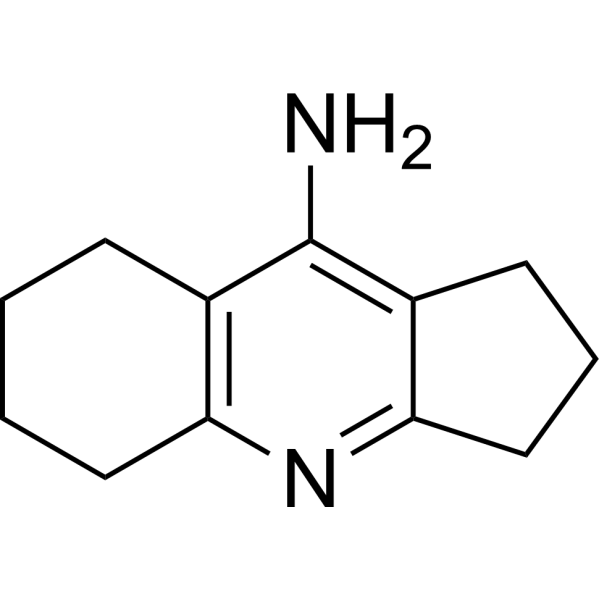
    NIK-247 free base; Amiridine free base

    Cholinesterase (ChE) Potassium Channel Sodium Channel Neurological Disease Metabolic Disease
    Ipidacrine is orally active and brain-penetrant AChE and BuChE inhibitors with IC50 values of 1 μM and 1.9 μM, respectively, which is also a partial agonist of M2-cholinergic receptors and a reversible cholinesterase inhibitor. Ipidacrine has a stimulating effect on neuromuscular transmission and excitation along the nerve fibres with a moderately anti-pain effect. Ipidacrine is an aminopyridines and is structurally similar to Tacrine (HY-111338). Ipidacrine is effective in various amnesia models, improves erectile function and inhibits K + and Na +-channels in the neuronal membrane in diabetic rats. Ipidacrine is promising for research of Alzheimer’s disease, ischaemic stroke, idiopathic neuropathy of the facial nerve, diabetes mellitus-induced erectile dysfunction and other deficits in central or peripheral cholinergic deseases .
    Ipidacrine
  • HY-B1693
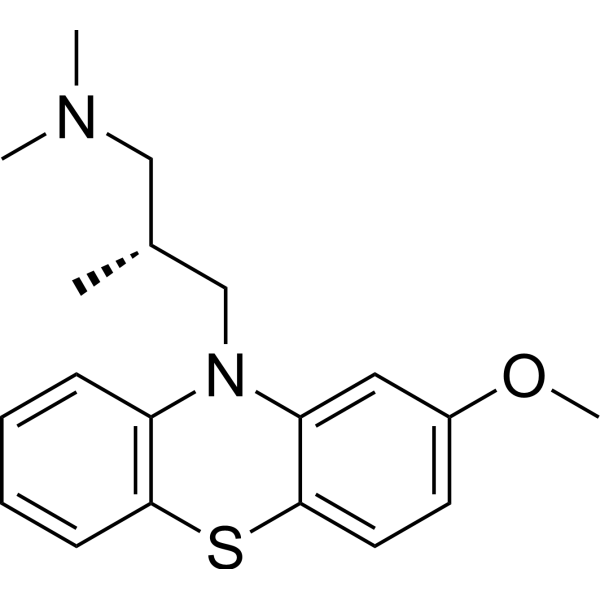
    Levomepromazine
    1 Publications Verification

    Methotrimeprazine

    5-HT Receptor Dopamine Receptor Histamine Receptor Autophagy Enterovirus Calcium Channel Infection Neurological Disease Inflammation/Immunology
    Levomepromazine (Methotrimeprazine) is an orally active antipsychotic compound and Ca 2+ release inducer. Levomepromazine inhibits SERCA pump and induces an increase in cytoplasmic Ca 2+ levels. Levomepromazine has antagonistic effects on a variety of neurotransmitter receptors, including dopamine, cholinergic, serotonin, and histamine receptors. Levomepromazine can induce adaptive ER stress and autophagy. In addition, Levomepromazine has antiviral, anti-inflammatory, neuroprotective and analgesic, sedative and anti-injurious activities. Levomepromazine can be used in the study psychiatric disorders and relieving nausea and vomiting .
    Levomepromazine
  • HY-10351A

    NAD-​299 hydrochloride

    5-HT Receptor Neurological Disease
    Robalzotan hydrochloride (NAD-​299 hydrochloride) is a potent and selective 5-Hydroxytryptamine 1A (5-HT1A) inhibitor. Robalzotan hydrochloride increases the firing rate of 5-HT cells. Robalzotan hydrochloride induces 5-HT1A receptor occupancy. Robalzotan hydrochloride has the potential for the research of a cholinergic deficit in the central -nervous system .
    Robalzotan hydrochloride
  • HY-159829

    NBI-1117568; HTL-0016878

    mAChR Neurological Disease
    Direclidine (NBI-1117568, HTL-0016878) is a selective orthosteric agonist targeting the muscarinic acetylcholine M4 receptor, exhibiting very low affinity for M1, M2, M3, and M5 receptors. It binds to the orthosteric site of the M4 receptor in a non-covalent, competitive manner. Direclidine specifically activates the M4 receptor, inhibiting the release of acetylcholine from striatal cholinergic interneurons, thereby regulating the balance of the dopaminergic system and reducing psychiatric symptoms associated with excessive dopamine release. Direclidine can improve symptoms associated with neuropsychiatric disorders and is used in research on schizophrenia and other neuropsychiatric disorders .
    Direclidine
  • HY-112076

    Methylatropine bromide

    mAChR Neurological Disease
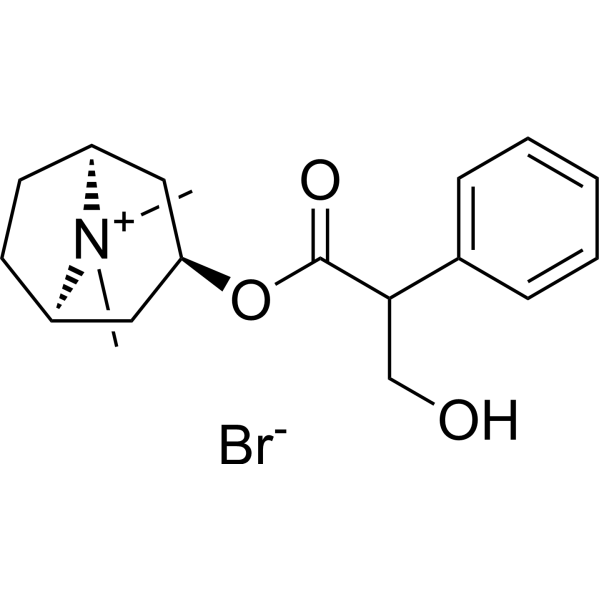
    Atropine methyl bromide (Methylatropine bromide), an antagonist of muscarinic acetylcholine receptors (mAChR), is a quaternary ammonium salt of atropine and an active molecule used for pupil dilation during ophthalmic examinations. Due to its high polarity, it is used to relieve pyloric spasm in infants. It is less likely than atropine to cross the central nervous system .
    Atropine methyl bromide
  • HY-B0282S1

    ACh-d9 chloride

    nAChR Calcium Channel Endogenous Metabolite Neurological Disease Cancer
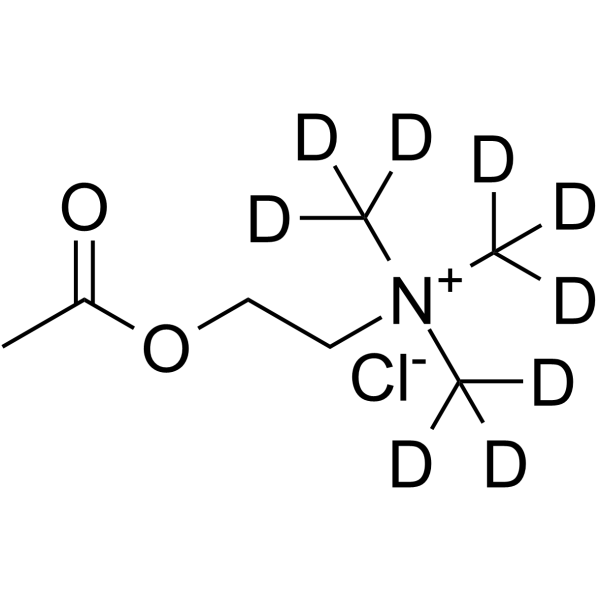
    Acetylcholine-d9 (chloride) is the deuterium labeled Acetylcholine chloride. Acetylcholine chloride (ACh chloride), a neurotransmitter, is a potent and BBB-permeable cholinergic agonist. Acetylcholine chloride is a modulator of the activity of dopaminergic (DAergic) neurons through the stimulation of nicotinic acetylcholine receptors (nAChRs) . Acetylcholine chloride inhibits p53 mutant peptide aggregation in vitro .
    Acetylcholine-d9 chloride
  • HY-106901A

    HI-6

    Cholinesterase (ChE) nAChR Neurological Disease
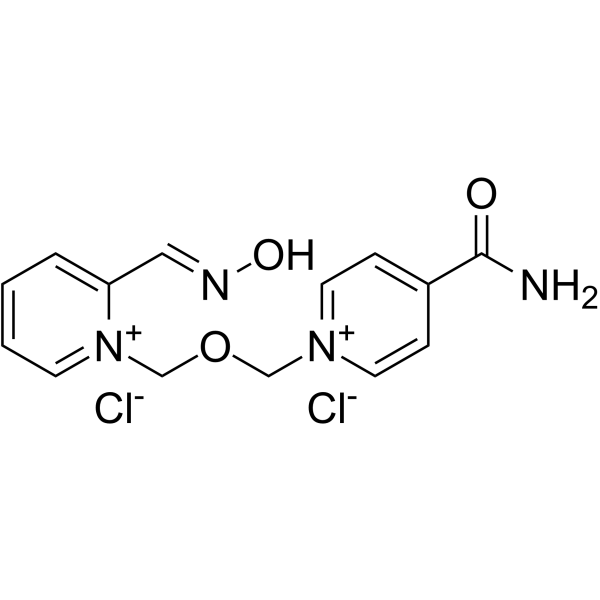
    Asoxime dichloride (HI-6) is an orally active thiosemicarbazone-based antidote. Asoxime dichloride is a reversible inhibitor of AChE, and its core mechanism of action is to re-activate AChE inhibited by nerve toxins, thereby restoring the cholinergic nerve function. Asoxime dichloride significantly restores the function of poisoned muscles without reactivating AChE. Asoxime dichloride is an antagonist of acetylcholine receptors (AChRs), including nicotinic receptor and α7 nAChR. Asoxime dichloride can serve as an effective immunomodulator, improving the immune effect of the nervous system .
    Asoxime dichloride
  • HY-B0282R

    ACh chloride (Standard)

    Reference Standards nAChR Calcium Channel Endogenous Metabolite Neurological Disease Cancer
    Acetylcholine (chloride) (Standard) is the analytical standard of Acetylcholine (chloride). This product is intended for research and analytical applications. Acetylcholine chloride (ACh chloride), a neurotransmitter, is a potent and BBB-permeable cholinergic agonist. Acetylcholine chloride is a modulator of the activity of dopaminergic (DAergic) neurons through the stimulation of nicotinic acetylcholine receptors (nAChRs) . Acetylcholine chloride inhibits p53 mutant peptide aggregation in vitro .
    Acetylcholine chloride (Standard)
  • HY-P3162A

    Apelin Receptor (APJ) Cardiovascular Disease
    (Ala13)-Apelin-13 TFA is a potent apelin receptors (APJ) antagonist. (Ala13)-Apelin-13 TFA inhibits gastric motility through vagal cholinergic pathway .
    (Ala13)-Apelin-13 TFA
  • HY-P1831

    ProAM N20, Human; PAMP-20, human

    nAChR Sodium Channel Calcium Channel Cardiovascular Disease Neurological Disease
    Proadrenomedullin (1-20), human is a potent hypotensive and catecholamine release–inhibitory peptide released from chromaffin cells. Proadrenomedullin (1-20) inhibits catecholamine secretion in PC12 pheochromocytoma cells (IC50 ≈ 350 nM) by suppressing Na +/Ca 2+ influx and blocking desensitization. Proadrenomedullin (1-20), human specifically acts on nicotinic cholinergic receptors in a non competitive manner. Proadrenomedullin (1-20), human can be used for research on conditions such as hypertension .
    Proadrenomedullin (1-20), human
  • HY-B0527AR
    Amitriptyline hydrochloride (Standard)
    4 Publications Verification

    Reference Standards Serotonin Transporter 5-HT Receptor Histamine Receptor mAChR Adrenergic Receptor Trk Receptor Sodium Channel Potassium Channel Dopamine Transporter Apoptosis Neurological Disease Inflammation/Immunology Endocrinology
    Amitriptyline hydrochloride (Standard) is the analytical standard of Amitriptyline hydrochloride (HY-B0527A). This product is intended for research and analytical applications. Amitriptyline hydrochloride is an orally active tricyclic antidepressant (TCA). Amitriptyline hydrochloride mainly exerts its antidepressant effect by blocking SERT (Ki = 3.45 nM) and NET (Ki = 13.3 nM), thereby increasing the concentrations of 5-hydroxytryptamine (5-HT) and norepinephrine (NE) in the synaptic cleft. Amitriptyline hydrochloride is also an agonist at α2A and TrkA/TrkB receptors, thereby exerting analgesic and neurotrophic activities (inhibiting cell apoptosis). Amitriptyline hydrochloride can reduce inflammation, angiogenesis and fibrosis. Amitriptyline hydrochloride binds to DAT (with Ki = 2.58 μM). Amitriptyline hydrochloride has high affinity for a series of receptors and can antagonize muscarinic cholinergic receptors (M1/M2/M3/M4/M5 receptors) (Ki = 11-24 nM), H1 receptors (Ki = 0.5-1.1 nM), adrenergic α1 receptors (Ki = 4.4 nM), etc., resulting in a series of side effects. Amitriptyline hydrochloride can block sodium channels and hERG potassium channel (IC50 = 4.78 μM) and it has cardiotoxicity.
    Amitriptyline hydrochloride (Standard)
  • HY-B0527AS

    Isotope-Labeled Compounds Serotonin Transporter 5-HT Receptor Histamine Receptor mAChR Adrenergic Receptor Trk Receptor Sodium Channel Potassium Channel Dopamine Transporter Apoptosis Neurological Disease Inflammation/Immunology Endocrinology
    Amitriptyline-d6 hydrochloride is the deuterium labeled Amitriptyline hydrochloride (HY-B0527A). Amitriptyline hydrochloride is an orally active tricyclic antidepressant (TCA). Amitriptyline hydrochloride mainly exerts its antidepressant effect by blocking SERT (Ki = 3.45 nM) and NET (Ki = 13.3 nM), thereby increasing the concentrations of 5-hydroxytryptamine (5-HT) and norepinephrine (NE) in the synaptic cleft. Amitriptyline hydrochloride is also an agonist at α2A and TrkA/TrkB receptors, thereby exerting analgesic and neurotrophic activities (inhibiting cell apoptosis). Amitriptyline hydrochloride can reduce inflammation, angiogenesis and fibrosis. Amitriptyline hydrochloride binds to DAT (with Ki = 2.58 μM). Amitriptyline hydrochloride has high affinity for a series of receptors and can antagonize muscarinic cholinergic receptors (M1/M2/M3/M4/M5 receptors) (Ki = 11-24 nM), H1 receptors (Ki = 0.5-1.1 nM), adrenergic α1 receptors (Ki = 4.4 nM), etc., resulting in a series of side effects. Amitriptyline hydrochloride can block sodium channels and hERG potassium channel (IC50 = 4.78 μM) and it has cardiotoxicity.
    Amitriptyline-d6 hydrochloride
  • HY-B1277A

    mAChR Cholinesterase (ChE) Cardiovascular Disease Neurological Disease
    Trihexyphenidyl is a selective and orally active M1 muscarinic receptor antagonist with an IC50 of 3.7 nM for rat cerebral cortex M1 muscarinic receptors. Trihexyphenidyl modulates cholinergic activity, countering acetylcholine supersensitivity in neural pathways. Trihexyphenidyl improves movement disorder, inhibits McN-A-343 (HY-107648)-induced pressor responses, vagally-induced bradycardia and vasodilatation. Trihexyphenidyl can be used for the research of Parkinson's disease. .
    Trihexyphenidyl
  • HY-106901AS
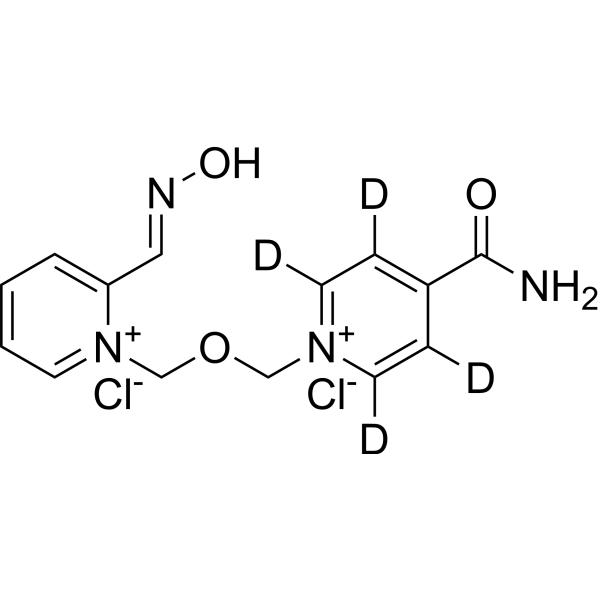
    Asoxime-d4 dichloride
    1 Publications Verification

    HI-6-d4

    Isotope-Labeled Compounds Cholinesterase (ChE) nAChR Neurological Disease
    Asoxime-d4 dichloride (HI-6-d4) is the deuterium labeled Asoxime dichloride. Asoxime dichloride is an orally active thiosemicarbazone-based antidote. Asoxime dichloride is a reversible inhibitor of AChE, and its core mechanism of action is to re-activate AChE inhibited by nerve toxins, thereby restoring the cholinergic nerve function. Asoxime dichloride significantly restores the function of poisoned muscles without reactivating AChE. Asoxime dichloride is an antagonist of acetylcholine receptors (AChRs), including nicotinic receptor and α7 nAChR. Asoxime dichloride can serve as an effective immunomodulator, improving the immune effect of the nervous system.
    Asoxime-d4 dichloride
  • HY-B1585B

    Parpanil (edisylate)

    iGluR Neurological Disease
    Caramiphen edisylate (Parpanil edisylate) is an anticholinergic agent with NMDA receptor antagonist activity. Caramiphen edisylate can be used to inhibit diseases related to cholinergic neurotransmission. Caramiphen edisylate exerts its pharmacological effects by blocking cholinergic effects .
    Caramiphen (edisylate)
  • HY-120408

    Atroscine

    Adrenergic Receptor Neurological Disease
    (±)-Scopolamine (Atroscine) is the racemic modification of Scopolamine. (±)-Scopolamine inhibits α-adrenergic receptor activity. (±)-Scopolamine has Ki values of 33 μM and 7.25 nM for α1-adrenerg receptor and muscarinic cholinergic receptor, respectively .
    (±)-Scopolamine
  • HY-P3162

    Apelin Receptor (APJ) Cardiovascular Disease
    (Ala13)-Apelin-13 is a potent apelin receptors (APJ) antagonist. (Ala13)-Apelin-13 inhibits gastric motility through vagal cholinergic pathway .
    (Ala13)-Apelin-13
  • HY-W027553R

    NIK-247 free base (Standard); Amiridine free base (Standard)

    Reference Standards Cholinesterase (ChE) Potassium Channel Sodium Channel Neurological Disease Metabolic Disease
    Ipidacrine (Standard) is the analytical reference standard of Ipidacrine. This product is used for research and analytical applications. Ipidacrine is orally active and blood-brain-barrier-penetrant AChE and BuChE inhibitors with IC50 values of 1 μM and 1.9 μM, respectively, which is also a partial agonist of M2-cholinergic receptors and a reversible cholinesterase inhibitor. Ipidacrine has a stimulating effect on neuromuscular transmission and excitation along the nerve fibres with a moderately anti-pain effect. Ipidacrine is an aminopyridines and is structurally similar to Tacrine (HY-111338). Ipidacrine is effective in various amnesia models, improves erectile function and inhibits K + and Na +-channels in the neuronal membrane in diabetic rats. Ipidacrine is promising for research of Alzheimer’s disease, ischaemic stroke, idiopathic neuropathy of the facial nerve, diabetes mellitus-induced erectile dysfunction and other deficits in central or peripheral cholinergic deseases .
    Ipidacrine (Standard)
  • HY-10351

    NAD-​299

    5-HT Receptor Neurological Disease
    Robalzotan (NAD-​299) is a potent and selective 5-Hydroxytryptamine 1A (5-HT1A) inhibitor. Robalzotan increases the firing rate of 5-HT cells. Robalzotan induces 5-HT1A receptor occupancy. Robalzotan has the potential for the research of a cholinergic deficit in the central -nervous system .
    Robalzotan
  • HY-B1693A

    Methotrimeprazine hydrochloride

    5-HT Receptor Dopamine Receptor Histamine Receptor Autophagy Enterovirus Calcium Channel Infection Neurological Disease Inflammation/Immunology
    Levomepromazine (Methotrimeprazine) hydrochloride is an orally active antipsychotic compound and Ca 2+ release inducer. Levomepromazine inhibits SERCA pump and induces an increase in cytoplasmic Ca 2+ levels. Levomepromazine hydrochloride has antagonistic effects on a variety of neurotransmitter receptors, including dopamine, cholinergic, serotonin, and histamine receptors. Levomepromazine hydrochloride can induce adaptive ER stress and autophagy. In addition, Levomepromazine hydrochloride has antiviral, anti-inflammatory, neuroprotective and analgesic, sedative and anti-injurious activities. Levomepromazine hydrochloride can be used in the study psychiatric disorders and relieving nausea and vomiting .
    Levomepromazine hydrochloride
  • HY-B1693R

    Methotrimeprazine (Standard)

    Reference Standards 5-HT Receptor Dopamine Receptor Autophagy Histamine Receptor Enterovirus Calcium Channel Infection Neurological Disease Inflammation/Immunology
    Levomepromazine (Standard) is the analytical standard of Levomepromazine. This product is intended for research and analytical applications. Levomepromazine (Methotrimeprazine) is an orally active antipsychotic compound and Ca 2+ release inducer. Levomepromazine inhibits SERCA pump and induces an increase in cytoplasmic Ca 2+ levels. Levomepromazine has antagonistic effects on a variety of neurotransmitter receptors, including dopamine, cholinergic, serotonin, and histamine receptors. Levomepromazine can induce adaptive ER stress and autophagy. In addition, Levomepromazine has antiviral, anti-inflammatory, neuroprotective and analgesic, sedative and anti-injurious activities. Levomepromazine can be used in the study psychiatric disorders and relieving nausea and vomiting .
    Levomepromazine (Standard)
  • HY-P11313

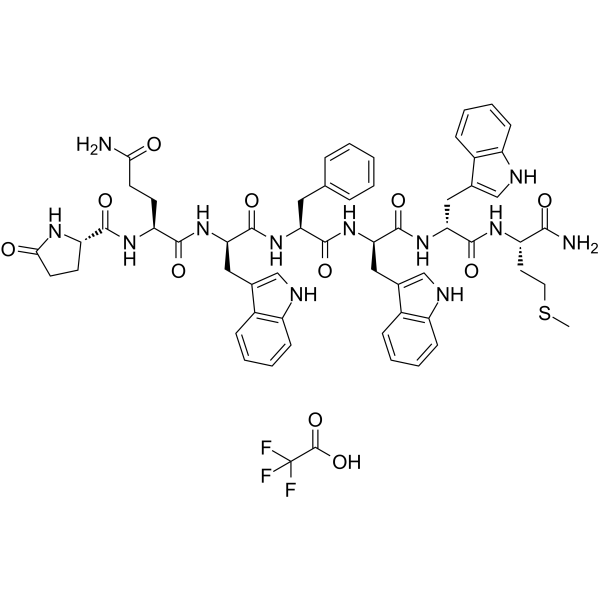
    Rat chromogranin A367–387

    nAChR Akt Cardiovascular Disease
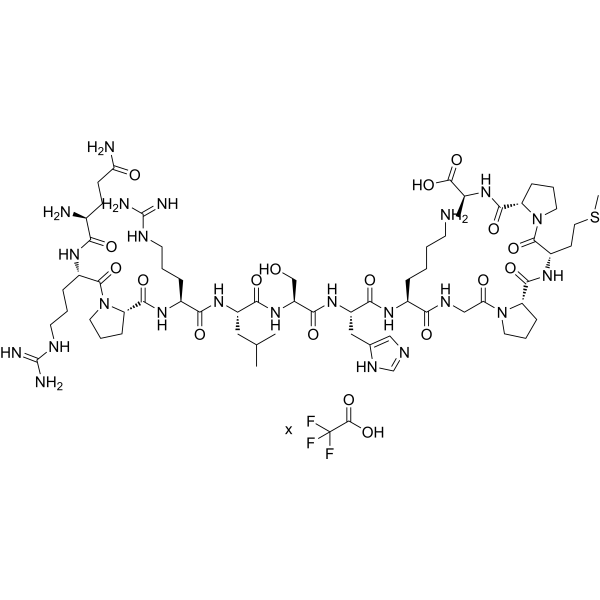
    Catestatin (rat) (Rat chromogranin A367–387) is a potent, reversible, noncompetitive, and noncooperative nicotinic cholinergic antagonist derived from chromogranin A (A367-387). Catestatin (rat) inhibits norepinephrine release in rat PC12 pheochromocytoma cells (IC50 = 1.2 μM), and blocks desensitization of norepinephrine release (IC50 = 0.62 μM). Catestatin (rat) exerts antiadrenergic effects through the endothelial PI3K-AKT-eNOS pathway in rat papillary muscles and isolated cardiomyocytes. Catestatin (rat) maintains mitochondrial membrane potential in I/R cardiomyocytes and increases phosphorylation of AKT at S473, GSK3β at S9, PLB at T17, and eNOS at S1179. Catestatin (rat) reverses desensitization of 22Na + uptake. Catestatin (rat) can be used for the study of nicotinic cholinergic receptor regulation and catecholamine release control mechanisms .
    Catestatin (rat)
  • HY-B1585

    Parpanil

    iGluR Neurological Disease
    Parpanil is an anticholinergic agent with NMDA receptor antagonist activity. Parpanil can be used to inhibit diseases related to cholinergic neurotransmission. Parpanil exerts its pharmacological effects by blocking cholinergic effects .
    Caramiphen
  • HY-105545C

    (+)-Benzetimide hydrochloride; (S)-(+)-Dexetimide hydrochloride; Dexbenzetimide hydrochloride

    mAChR Neurological Disease
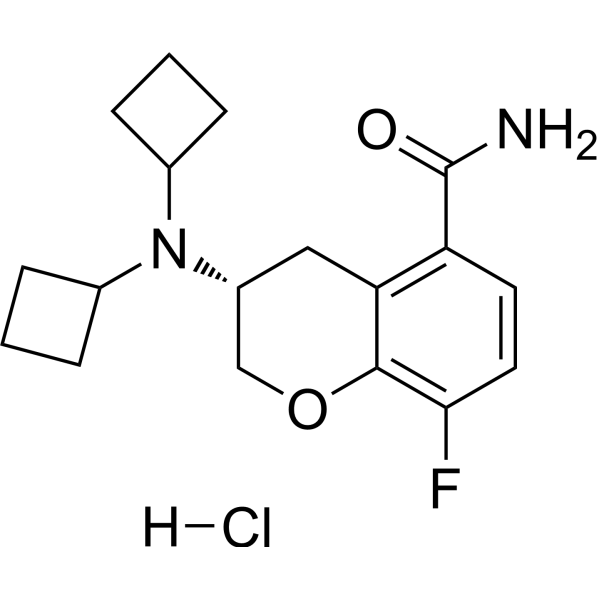
    Dexetimide hydrochloride ((+)-Benzetimide hydrochloride) is an antimuscarinic drug with the activity of suppressing neuroleptic-induced Parkinson's syndrome. Dexetimide hydrochloride is used to improve the symptoms of movement disorders caused by the use of neuroleptics. Dexetimide hydrochloride, as the (-)-enantiomer of (-)-Benzetimide, shows the ability to selectively inhibit cholinergic receptors .
    Dexetimide hydrochloride
  • HY-P1376A
    G-Protein antagonist peptide TFA
    1 Publications Verification

    mAChR Adrenergic Receptor Endocrinology
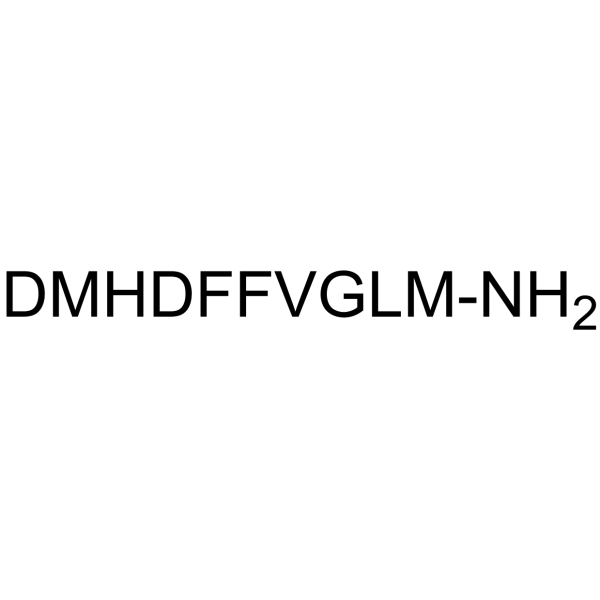
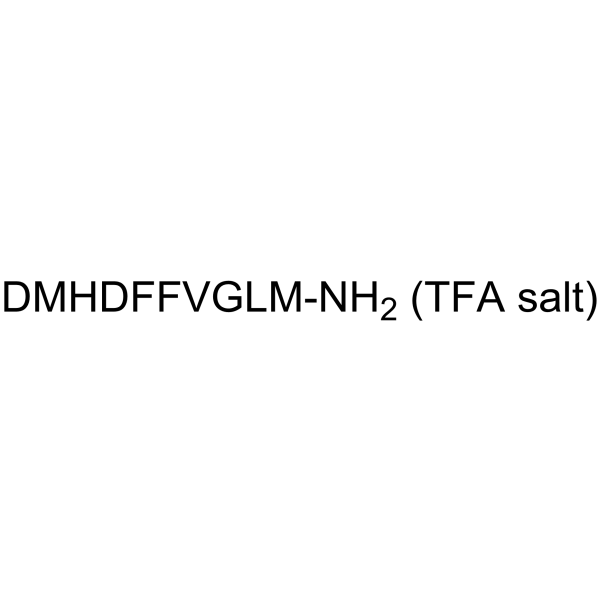
    G-Protein antagonist peptide TFA is a truncated substance P-related peptide, competes with receptor for G protein binding. G-Protein antagonist peptide TFA inhibits the activation of Gi or Go by M2 muscarinic cholinergic receptor (M2 mAChR) or of Gs by beta-adrenergic receptor in the reconstituted phospholipid vesicles, assayed by receptor-promoted GTP hydrolysis .
    G-Protein antagonist peptide TFA
  • HY-105793

    mAChR Neurological Disease
    Mazaticol is an anticholinergic agent. Mazaticol blocks the muscarinic acetylcholine receptors and cholinergic nerve activity. Mazaticol is a potent 3H-QNB and 3H-PZ binding inhibitor, can bind to the M2 receptors with high affinity. Mazaticol exhibits inhibitory effects on dopamine uptake in the striatal nerve terminal. Mazaticol can be used for parkinsonian syndrome research .
    Mazaticol
  • HY-W027553S1

    NIK-247-d9 free base

    Isotope-Labeled Compounds Cholinesterase (ChE) Potassium Channel Sodium Channel Metabolic Disease
    Ipidacrine-d9 (NIK-247-d9 (free base)) is the deuterium labeled Ipidacrine (HY-W027553). Ipidacrine is orally active and brain-penetrant AChE and BuChE inhibitors with IC50 values of 1 μM and 1.9 μM, respectively, which is also a partial agonist of M2-cholinergic receptors and a reversible cholinesterase inhibitor. Ipidacrine has a stimulating effect on neuromuscular transmission and excitation along the nerve fibres with a moderately anti-pain effect. Ipidacrine is an aminopyridines and is structurally similar to Tacrine (HY-111338). Ipidacrine is effective in various amnesia models, improves erectile function and inhibits K+ and Na+-channels in the neuronal membrane in diabetic rats. Ipidacrine is promising for research of Alzheimer’s disease, ischaemic stroke, idiopathic neuropathy of the facial nerve, diabetes mellitus-induced erectile dysfunction and other deficits in central or peripheral cholinergic deseases .
    Ipidacrine-d9
  • HY-117223

    Potassium Channel Neurological Disease
    GEA 857 is a structural analog of the Serotonin (HY-B1473A) uptake blocker Alaproclate (HY-164011). GEA 857 enhances responses induced by muscarinic receptor agonists by inhibiting certain calcium-dependent potassium channels on membranes, a blockade that can enhance or prolong the muscarinic cholinergic effects. GEA 857 can be used in research on neurodegenerative diseases .
    GEA 857
  • HY-172884

    Cholinesterase (ChE) iGluR Neurological Disease
    MDAR IN-1 (Compound 5m) is a brain-penetrant inhibitor of acetylcholinesterase (AChE) and antagonist of the GluN1/GluN2B subtype of NMDAR receptor. MDAR IN-1 effectively inhibits AChE activity, enhances cholinergic neurotransmission, and blocks NMDAR, reducing excitatory neurotoxicity. MDAR IN-1 is promising for research of Alzheimer's disease .
    MDAR-IN-1
  • HY-B1277AS

    Isotope-Labeled Compounds mAChR Cholinesterase (ChE) Neurological Disease
    Trihexyphenidyl-d5 is deuterium labeled Trihexyphenidyl (HY-B1277A). Trihexyphenidyl is a selective and orally active M1 muscarinic receptor antagonist with an IC50 of 3.7 nM for rat cerebral cortex M1 muscarinic receptors. Trihexyphenidyl modulates cholinergic activity, countering acetylcholine supersensitivity in neural pathways. Trihexyphenidyl improves movement disorder, inhibits McN-A-343 (HY-107648)-induced pressor responses, vagally-induced bradycardia and vasodilatation. Trihexyphenidyl can be used for the research of Parkinson's disease. .
    Trihexyphenidyl-d5
  • HY-B1277S

    Isotope-Labeled Compounds mAChR Cholinesterase (ChE) Neurological Disease
    Trihexyphenidyl-d5 hydrochloride is deuterium labeled Trihexyphenidyl hydrochloride (HY-B1277). Trihexyphenidyl hydrochloride is a selective and orally active M1 muscarinic receptor antagonist with an IC50 of 3.7 nM for rat cerebral cortex M1 muscarinic receptors. Trihexyphenidyl hydrochloride modulates cholinergic activity, countering acetylcholine supersensitivity in neural pathways. Trihexyphenidyl hydrochloride improves movement disorder, inhibits McN-A-343 (HY-107648)-induced pressor responses, vagally-induced bradycardia and vasodilatation. Trihexyphenidyl hydrochloride can be used for the research of Parkinson's disease. .
    Trihexyphenidyl-d5 hydrochloride
  • HY-B1277R

    Reference Standards mAChR Cholinesterase (ChE) Neurological Disease
    Trihexyphenidyl hydrochloride (Standard) is the analytical standard of Trihexyphenidyl hydrochloride (HY-B1277). This product is intended for research and analytical applications. Trihexyphenidyl is a selective and orally active M1 muscarinic receptor antagonist with an IC50 of 3.7 nM for rat cerebral cortex M1 muscarinic receptors. Trihexyphenidyl modulates cholinergic activity, countering acetylcholine supersensitivity in neural pathways. Trihexyphenidyl improves movement disorder, inhibits McN-A-343 (HY-107648)-induced pressor responses, vagally-induced bradycardia and vasodilatation. Trihexyphenidyl can be used for the research of Parkinson's disease. .
    Trihexyphenidyl hydrochloride (Standard)
  • HY-136625

    N-myristoyltransferase Cardiovascular Disease
    LY134046 is an inhibitor of norepinephrine N-methyltransferase (NMT) with cardiovascular activity. LY134046 causes sustained reductions in mean arterial blood pressure and heart rate, but no significant reductions in norepinephrine concentrations in the rat brain. LY134046 does not interact with adrenergic or cholinergic receptors, and its hypotensive and bradycardic effects do not require neurogenic tension. LY134046 (40 mg/kg/day) causes sustained and significant inhibition of hypothalamic and brainstem NMT activity, resulting in central norepinephrine depletion.
    LY134046
  • HY-15116

    Prolyl Endopeptidase (PREP) Neurological Disease
    ONO 1603, a novel prolyl endopeptidase inhibitor investigated as a potential antidementia drug, demonstrated neuroprotective and neurotrophic effects in cerebellar granule cells similar to tetrahydroaminoacridine (THA). At a concentration of 0.03 microM, ONO 1603 promoted neuronal survival, enhanced neurite outgrowth, increased m3-muscarinic acetylcholine receptor (mAChR) mRNA levels, and stimulated mAChR-mediated signaling pathways. These findings suggest that ONO 1603 shares pharmacological similarities with THA, indicating its potential as a therapeutic agent for Alzheimer's disease by enhancing cholinergic neurotransmission and neuronal function .
    ONO 1603
  • HY-117284A

    mAChR Neurological Disease
    Eucatropine hydrochloride is a potent muscarinic acetylcholine receptor (mAChR) inhibitor with an IC50 value of 0.583 μM. Eucatropine hydrochloride acts as an anticholinergic agent. Eucatropine hydrochloride produces behavioral effects via central cholinergic receptive sites in cats .
    Eucatropine hydrochloride
  • HY-19689

    NIK-247; Amiridine

    Cholinesterase (ChE) Potassium Channel Sodium Channel Cardiovascular Disease Neurological Disease Endocrinology
    Ipidacrine (NIK-247; Amiridine) hydrochloride is orally active and blood-brain-barrier-penetrant AChE and BuChE inhibitors with IC50 values of 1 μM and 1.9 μM, respectively, which is also a partial agonist of M2-cholinergic receptors and a reversible cholinesterase inhibitor. Ipidacrine hydrochloride has a stimulating effect on neuromuscular transmission and excitation along the nerve fibres with a moderately anti-pain effect. Ipidacrine hydrochloride is an aminopyridines and is structurally similar to Tacrine (HY-111338). Ipidacrine hydrochloride is effective in various amnesia models, improves erectile function and inhibits K + and Na +-channels in the neuronal membrane in diabetic rats. Ipidacrine hydrochloride is promising for research of Alzheimer’s disease, ischaemic stroke, idiopathic neuropathy of the facial nerve, diabetes mellitus-induced erectile dysfunction and other deficits in central or peripheral cholinergic deseases .
    Ipidacrine hydrochloride
  • HY-184140

    Insecticide nAChR Cholinesterase (ChE) Others
    AChE-IN-117 is an AChE/nAChR inhibitor with larvicidal activity against Culex pipiens third-instar larvae. AChE-IN-117 forms stable catalytic site interactions to disrupt cholinergic signaling. AChE-IN-117 binds to its receptor via hydrogen bonding and π-cation interactions to interfere with cholinergic synaptic transmission. AChE-IN-117 induces neurotoxic symptoms including hyperactivity, erratic movement, tremors, paralysis, and larval mortality. AChE-IN-117 can be used for the research of mosquito-borne infectious diseases .
    AChE-IN-117
  • HY-106901B

    HI-6 dimesylate

    Cholinesterase (ChE) nAChR Neurological Disease
    Asoxime dimesylate (HI-6 dimesylate) is an orally active thiosemicarbazone-based antidote. Asoxime dimesylate is a reversible inhibitor of AChE, and its core mechanism of action is to re-activate AChE inhibited by nerve toxins, thereby restoring the cholinergic nerve function. Asoxime dimesylate significantly restores the function of poisoned muscles without reactivating AChE. Asoxime dimesylate is an antagonist of acetylcholine receptors (AChRs), including nicotinic receptor and α7 nAChR. Asoxime dimesylate can serve as an effective immunomodulator, improving the immune effect of the nervous system .
    Asoxime dimesylate
  • HY-166562S

    Methotrimeprazine-d6 hydrochloride

    Isotope-Labeled Compounds Enterovirus Histamine Receptor Autophagy 5-HT Receptor Calcium Channel Dopamine Receptor Infection Neurological Disease Inflammation/Immunology
    Levomepromazine-d6 hydrochloride (Methotrimeprazine-d6 hydrochloride) is the deuterium labeled Levomepromazine hydrochloride. Levomepromazine (Methotrimeprazine) hydrochloride is an orally active antipsychotic compound and Ca 2+ release inducer. Levomepromazine inhibits SERCA pump and induces an increase in cytoplasmic Ca 2+ levels. Levomepromazine hydrochloride has antagonistic effects on a variety of neurotransmitter receptors, including dopamine, cholinergic, serotonin, and histamine receptors. Levomepromazine hydrochloride can induce adaptive ER stress and autophagy. In addition, Levomepromazine hydrochloride has antiviral, anti-inflammatory, neuroprotective and analgesic, sedative and anti-injurious activities. Levomepromazine hydrochloride can be used in the study psychiatric disorders and relieving nausea and vomiting .
    Levomepromazine-d6 hydrochloride
  • HY-116153

    Cholinesterase (ChE) Neurological Disease
    HUHS2002 is a free fatty acid derivative with the ability to enhance α7 cholinergic receptor activity. HUHS2002 enhances whole-cell membrane currents of α7 ACh receptors expressed in Xenopus oocytes in a concentration-dependent manner. The effects of HUHS2002 were blocked in the presence of the Ca2 /calmodulin-dependent protein kinase II (CaMKII) inhibitor KN-93. HUHS2002 activated CaMKII in cultured rodent hippocampal neurons, and this activation was abolished by KN-93. HUHS2002 also partially inhibited the activity of protein phosphatase 1 (PP1) in a cell-free PP1 activity assay .
    HUHS2002

Inquiry Online

Your information is safe with us. * Required Fields.

Salutation


Country or Region *

Applicant Name *


Organization Name *

Department *


Email Address *


Product Name *

Cat. No.


Requested quantity *

Phone Number *


Remarks

Inquiry Online

Inquiry Information

Product Name:
Cat. No.:
Quantity:
MCE Japan Authorized Agent:

