
Search Result
Results for "
dual mechanism
" in MedChemExpress (MCE) Product Catalog:
1
Biochemical Assay Reagents
| Cat. No. |
Product Name |
Target |
Research Areas |
Chemical Structure |
-
- HY-P99014
-
|
ARGX-110
|
Fc Receptor (FcR)
NF-κB
|
Inflammation/Immunology
Cancer
|
|
Cusatuzumab (ARGX-110) is a selective competitive blocker targeting CD70 (with an equilibrium dissociation constant of 17 pM for binding to human CD70). Cusatuzumab also possesses enhanced antibody-dependent cell-mediated cytotoxicity (ADCC) activity. It is a humanized IgG1 monoclonal antibody, artificially synthesized through humanization and genetic engineering modifications (CH2 region mutation to enhance effector function). Cusatuzumab has a dual mechanism of action: firstly, it competitively blocks the interaction between CD70 and CD27, inhibiting the CD27-NF-κB signaling pathway, reducing regulatory T cell (Treg) activation and tumor cell proliferation; secondly, by enhancing binding to FcγRIIIa, it mediates ADCC and antibody-dependent cellular phagocytosis (ADCP), directly lysing CD70-positive tumor cells. Cusatuzumab can efficiently eliminate leukemia stem cells (LSCs), induce tumor cell differentiation and apoptosis, restore immune surveillance, and target CD70-positive tumors. Cusatuzumab is used in the study of acute myeloid leukemia (AML) .
|
-
-
- HY-109168
-
|
JNJ-6379; JNJ-56136379
|
HBV
DNA/RNA Synthesis
|
Infection
|
|
Bersacapavir (JNJ-6379) is an HBV capsid assembly modulator. Bersacapavir exerts a dual mechanism of action against both early and late stages of HBV infection by forming complete genome-free empty capsids and inhibiting de novo synthesis of cccDNA. Bersacapavir inhibits HBV replication. Bersacapavir can be used in the research of hepatitis B .
|
-
-
- HY-B2004
-
|
|
Environmental Pollutants
Fungal
Mitochondrial Metabolism
|
Infection
|
|
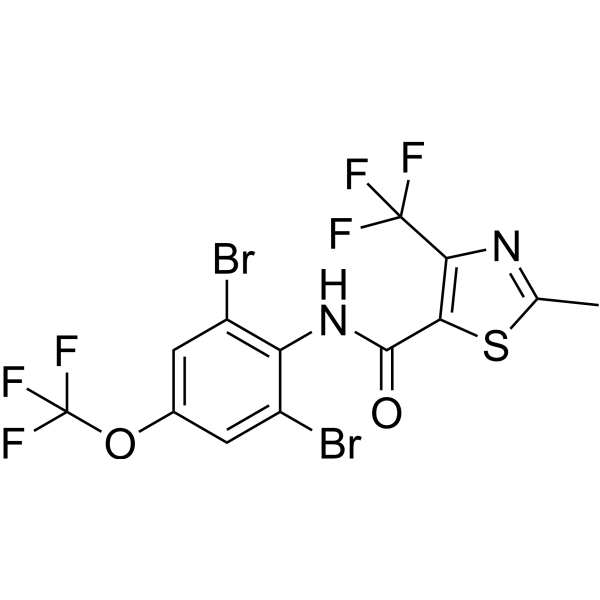
Thifluzamide is a fungicide that inhibits fungal respiration by blocking the ubiquinone-binding site in mitochondrial complex II. Thifluzamide exhibits significant activity against Basidiomycota pathogens (such as Rhizoctonia cerealis, Ustilago and Puccinia genera) and is commonly used in studies on wheat sharp eyespot. Thifluzamide displays a dual mechanism in regulating lipid metabolism: it reduces fatty acid synthase activity to inhibit endogenous fatty acid synthesis, and increases carnitine palmitoyltransferase-I activity to accelerate fatty acid β-oxidation, thereby reducing total cholesterol and triglyceride levels in the liver. Thifluzamide also induces hepatotoxicity in zebrafish models and carries a risk of developmental toxicity. Thifluzamide inhibition of Rhizoctonia cerealis may result in low to moderate levels of drug resistance, leading to the generation of stable drug-resistant mutants .
|
-
-
- HY-A0191
-
|
(+)-Brompheniramine; (S)-Brompheniramine
|
Endogenous Metabolite
Histamine Receptor
TRP Channel
|
Neurological Disease
Metabolic Disease
Inflammation/Immunology
|
|
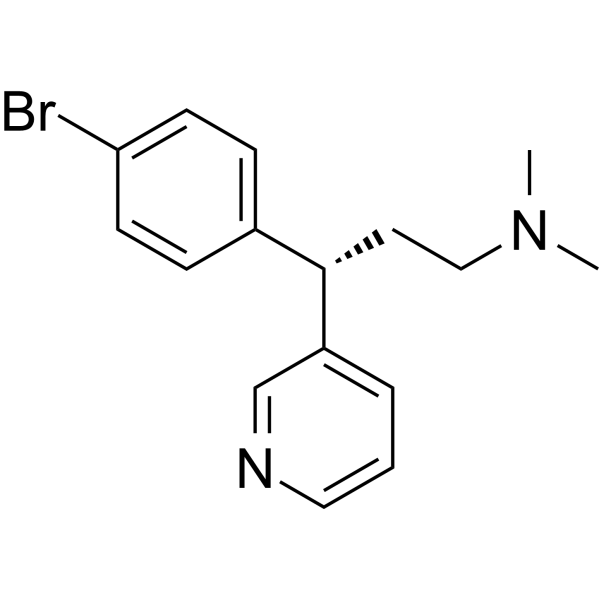
Dexbrompheniramine ((+)-Brompheniramine; (S)-Brompheniramine) is a dual inhibitor of histamine H1 receptor and TRPV1 receptor that can cross the blood-brain barrier. Dexbrompheniramine exerts its effects by functionally blocking H1 receptor activity and dose-dependently inhibiting TRPV1-mediated calcium responses, including Capsaicin (HY-10448)-induced responses. The combination of Dexbrompheniramine with Cimetidine (HY-14289) eliminates histamine-induced and sham-feeding-induced drinking behavior, whereas Dexbrompheniramine alone does not induce thirst or alter sham-feeding behavior in rats. Dexbrompheniramine can be used in the research of chronic cough and related pathological mechanisms .
|
-
-
- HY-162275
-
|
|
Histone Demethylase
Histone Methyltransferase
STAT
|
Cancer
|
|
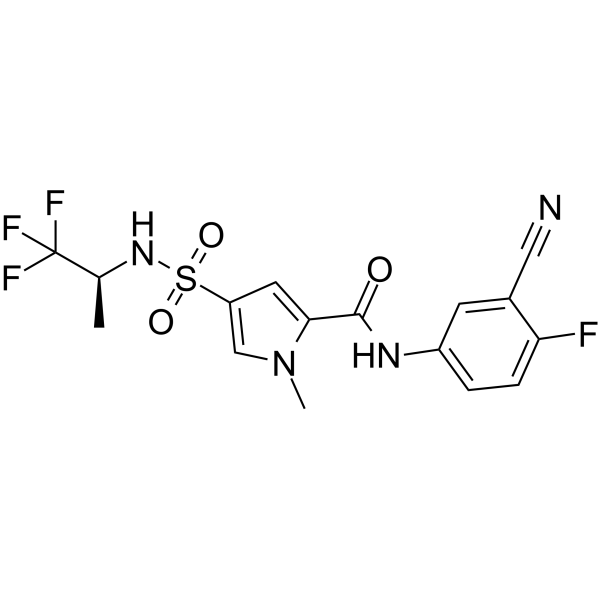
JMJD1C-IN-1 is an orally active and selective inhibitor of JMJD1C (IC50 = 0.59 μM, Kd = 1.96 μM). JMJD1C-IN-1 inhibits the binding of JMJD1C to H3K9me2 peptide substrate in the HTRF assay (IC50 = 1.47 μM). JMJD1C-IN-1 disrupts intratumoral regulatory T (Treg) cell fitness by dual mechanisms: promoting H3K9me2 accumulation to downregulate PD1 expression and reducing STAT3 demethylation to enhance STAT3 activation. JMJD1C-IN-1 demonstrates dose-dependent antitumor efficacy in multiple mouse tumor models (MCA205 fibrosarcoma, B16-F10 melanoma, LLC lung cancer, Hepa1-6 hepatocellular carcinoma, CT26 colorectal cancer). JMJD1C-IN-1 can be used for the study of tumor immunotherapy by selectively targeting intratumoral Treg cells .
|
-
-
- HY-141584
-
|
|
MDM-2/p53
|
Cancer
|
|
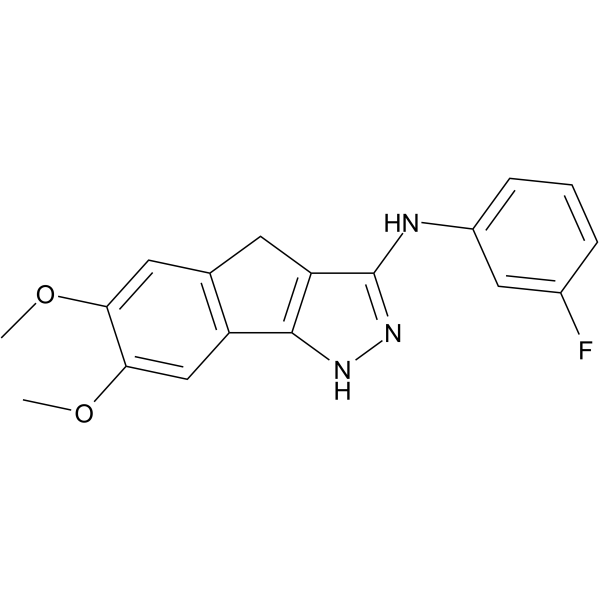
ATSP-7041, a selective dual peptide inhibitor of MDM2 and MDMX, effectively reactivates the p53 tumor suppressor pathway in a mechanism-dependent manner in p53-positive cancers .
|
-
-
- HY-W011266
-
|
|
PDGFR
|
Cancer
|
|
JNJ-10198409 is a relatively selective, orally active, and ATP competitive PDGF-RTK (platelet-derived growth factor receptor tyrosine kinase) inhibitor (IC50=2 nM). It is a dual-mechanism, antiangiogenic, and tumor cell antiproliferative agent. JNJ-10198409 has good activity against PDGFR-β kinase (IC50=4.2 nM) and PDGFR-α kinase (IC50=45 nM) .
|
-
-
- HY-148088
-
M1069
1 Publications Verification
|
Adenosine Receptor
|
Cancer
|
|
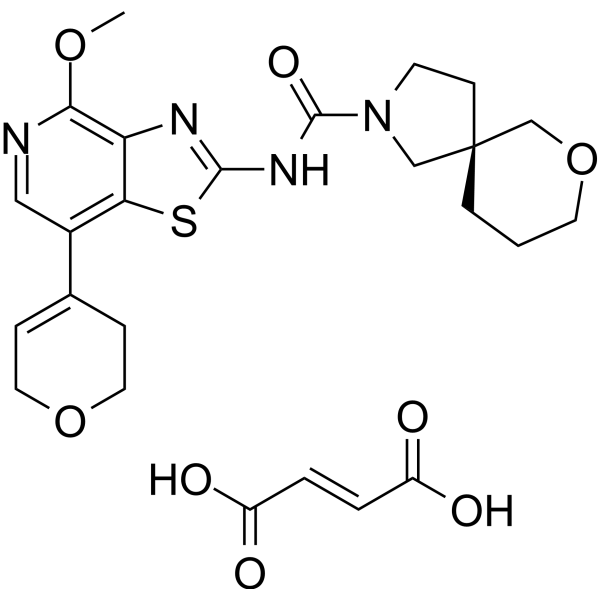
M1069 is a selective and orall active, dual A2A/A2B adenosine receptor antagonist with a selectivity of >100 fold against the A1 and A3 receptors. M1069 counteracts immune-suppressive mechanisms of adenosine, and exhibits anti-tumor activity .
|
-
-
- HY-117664
-
|
|
DNA/RNA Synthesis
|
Cancer
|
|
PNR-7-02 is a dual Rev1 and human DNA polymerase η (hpol η) inhibitor, with an IC50 value of 8 μM against hpol η. PNR-7-02 binds to hpol η to disrupt the orientation of template DNA and block the catalytic function of hpol η. When used in combination with Cisplatin (HY-17394), PNR-7-02 induces DNA damage and replication stress in cells with intact hpol η function. PNR-7-02 can be used in mechanism studies related to chronic myeloid leukemia and ovarian cancer .
|
-
-
- HY-N6893
-
|
|
NF-κB
NOD-like Receptor (NLR)
Apoptosis
Autophagy
|
Neurological Disease
Cancer
|
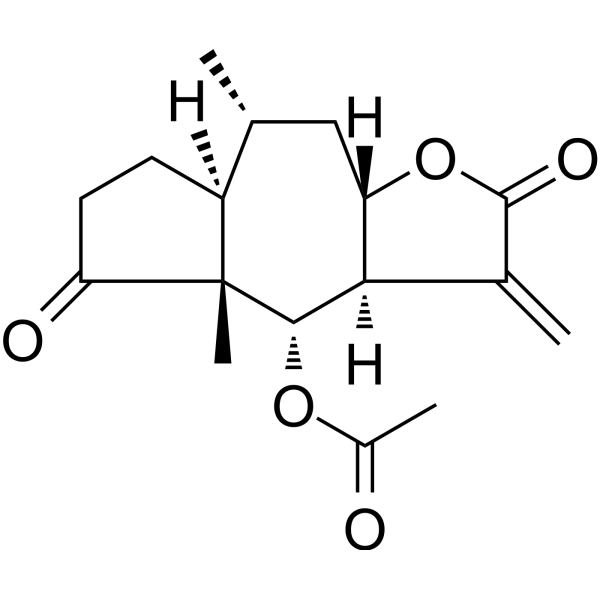
Ergolide is an orally active dual inhibitor targeting NF-κB/p65 and NLRP3. Ergolide blocks the NF-κB signaling pathway and the nuclear translocation of p65, and irreversibly binds to the NACHT domain of NLRP3 to inhibit inflammasome assembly. Ergolide significantly reduces the production of inflammatory mediators (e.g., NO, PGE2) and cytokines, induces cancer cell apoptosis, autophagy and ROS generation. Ergolide also enhances the anti-tumor effect of vincristine. Ergolide alleviates acute lung injury via an NLRP3-dependent mechanism, and effectively improves the survival rate and behavioral function of septic mice and inflammatory zebrafish models. Ergolide is used in the research of metastatic uveal melanoma, neurodegenerative diseases (such as Alzheimer's disease, Parkinson's disease), sepsis and acute lymphoblastic leukemia .
|
-
-
- HY-162382
-
|
|
PI3K
Akt
mTOR
|
Cancer
|
|
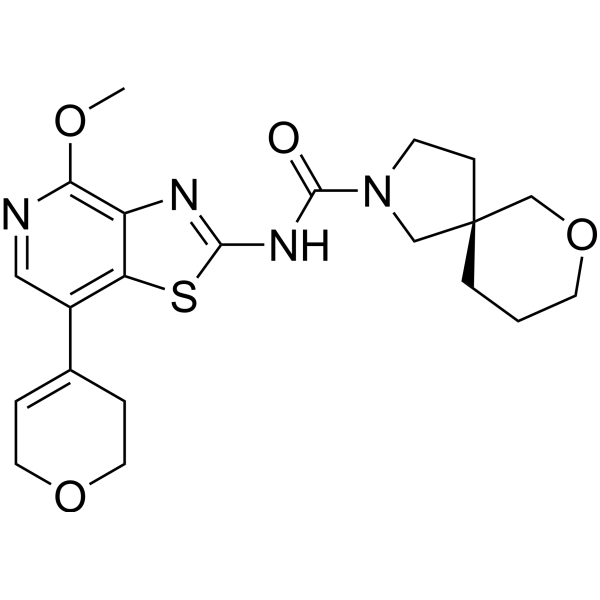
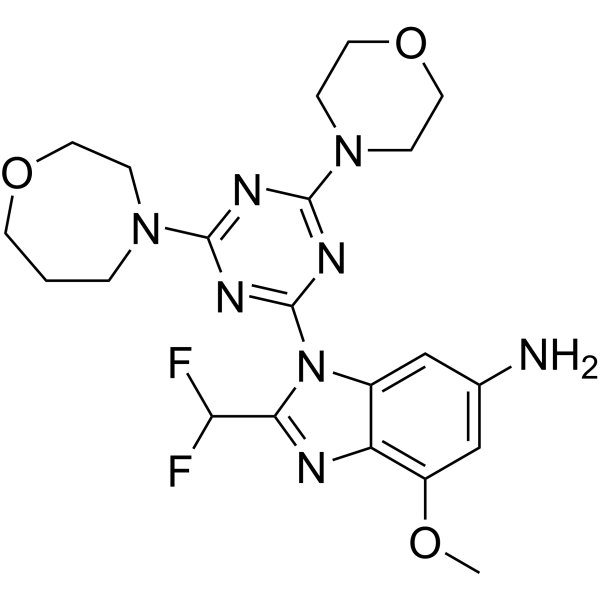
KTC1101 is an orally active pan-PI3K inhibitor. KTC1101 can inhibit the PI3K signaling pathway, reduce downstream AKT and mTOR phosphorylation, and reduces the expression of Ki67. The anti-tumor effect of KTC1101 has a dual mechanism of action: directly inhibiting tumor cell growth and dynamically enhancing immune response .
|
-
-
- HY-123468
-
|
|
Cyclic GMP-AMP Synthase
PKA
ERK
Tyrosine Hydroxylase
Calcium Channel
|
Cardiovascular Disease
Metabolic Disease
|
|
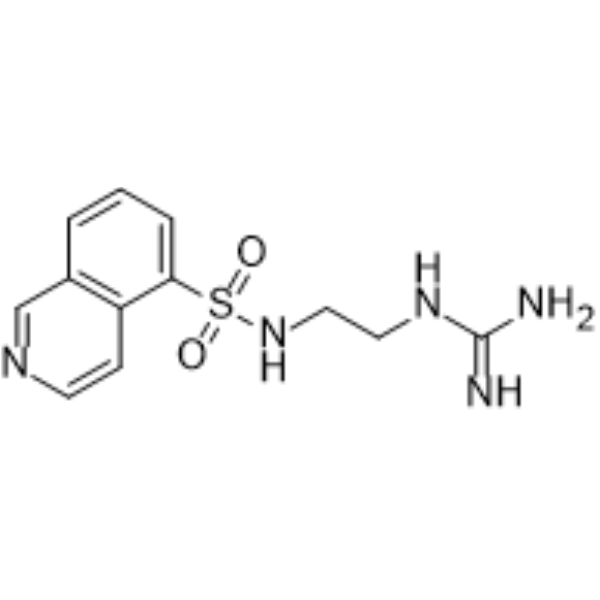
HA-1004 is a selective inhibitor of PKA, which can inhibit lipolysis and induce vascular relaxation. HA-1004 is also a dual inhibitor of cyclic GMP-dependent protein kinase and cyclic AMP-dependent protein, and is involved in smooth muscle, second messenger, cyclic AMP and cyclic GMP regulation mechanisms. HA-1004 is an antagonist for calcium, that can be used as a vasodilator to inhibit the contraction of rabbit aortic strips, or to antagonize ERK and tyrosine hydroxylase (TH) phosphorylation in morphine abstinence rat models .
|
-
-
- HY-116763
-
|
|
COX
LOX-1
|
|
|
COX-2/5-LOX-IN-4 (Compound 1) is a dual inhibitor that acts on both COX-2 and 5-LOX, with IC50 values of 0.05 μM for COX-2 and 0.003 μM for 5-LOX. By inhibiting the arachidonic acid metabolism pathway, COX-2/5-LOX-IN-4 reduces the production of prostaglandins and leukotrienes, alleviating inflammatory responses. In a rat ear edema model, intravenous administration (0.01 and 0.1 mg/kg) reduced edema by 41% and 44%, respectively, demonstrating significant anti-inflammatory effects. COX-2/5-LOX-IN-4 shows promise for studying the mechanisms of inflammatory diseases .
|
-
-
- HY-179433
-
|
|
PROTACs
Androgen Receptor
Estrogen Receptor/ERR
Src
|
Cancer
|
|
PROTAC AR Degrader-12 is a highly efficient PROTAC targeting AR coactivator binding site (AR-CBS). PROTAC AR Degrader-12 induces AR degradation in a ubiquitin proteasome system (UPS) pathway-dependent manner. PROTAC AR Degrader-12 inhibits tumor cell growth by affecting DNA replication and cell division PROTAC AR Degrader-12 could not only effectively degrade AR, but also potently inhibit the proliferation of MCF-7 and multiple mutant or resistant BC cells. PROTAC AR Degrader-12 effectively blocked estrogen receptor α (ERα) signaling through a dual mechanism involving ERα protein downregulation and suppression of its transcriptional activity. PROTAC AR Degrader-12 significantly inhibits the mRNA expression of FOXA1, GREB1, SRC, and PELP1. PROTAC AR Degrader-12 can be used for the study of breast cancer .
|
-
-
- HY-175548
-
|
|
Keap1-Nrf2
Apoptosis
Caspase
|
Neurological Disease
|
|
Nrf2 activator-21 is a Nrf2 activator with dual antioxidant and neuroprotective properties. Nrf2 activator-21 binds to Keap1 Kelch
domain and disrupts Keap1-Nrf2 interactions and activate
antioxidant defense mechanisms. Nrf2 activator-21 reduces apoptosis and decreases caspase-3 activity in the hippocampal neurons. Nrf2 activator-21 targets cerebral ischemia/reperfusion injury (CIRI) via Nrf2 pathway activation. Nrf2 activator-21 improves neurological function, alleviates anxiety-like behavior, enhances memory in rats with 2-vessel occlusion (2VO)-induced CIRI. Nrf2 activator-21 can be used for the study of cerebral ischemia/reperfusion injury .
|
-
-
- HY-P10209
-
|
|
Antibiotic
Bacterial
|
Infection
|
|
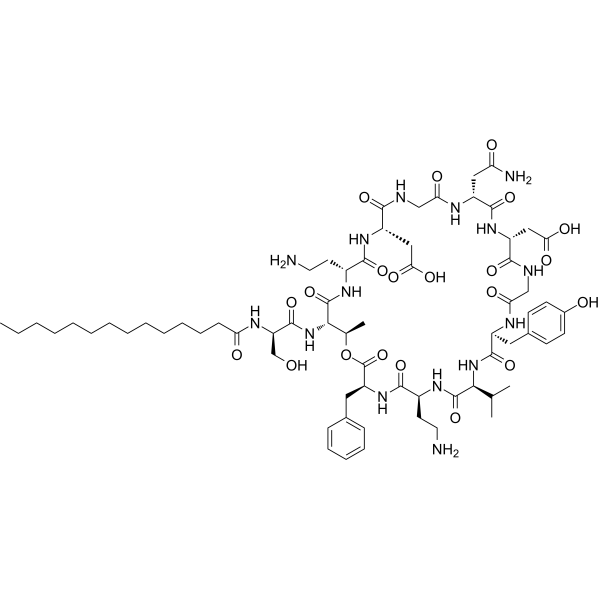
Cilagicin, a dodeca-lipodepsipeptide, is a Gram-positive active antibiotic. Cilagicin has a dual polyprenyl phosphate binding mechanism that impedes resistance development .
|
-
-
- HY-120321
-
|
|
Mineralocorticoid Receptor
Carbonic Anhydrase
|
Cardiovascular Disease
|
|
DSR-71167 is an orally active mineralocorticoid receptor (MR) antagonist with an IC50 of 0.26 μM. DSR-71167 exhibits weak carbonic anhydrase (CA) inhibitory activity with an IC50 of 19 μM. DSR-71167 can dose-dependently increase urinary sodium excretion in rat models and has a very low risk of hyperkalemia in potassium-loading rat models. DSR-71167 lowers systolic blood pressure in hypertensive rat models. DSR-71167 can be used for research on hypertension and heart failure .
|
-
-
- HY-P99660
-
|
IGM-2323
|
CD20
CD3
|
Inflammation/Immunology
Cancer
|
|
Imvotamab (IGM-2323) is a CD20 and CD3 bispecific IGM antibody with dual action mechanism. Imvotamab is used to induce physiological T cell activation to prevent over-stimulation and subsequent down-regulation of immune function. Imvotamab can be used for the study of B-cell malignant tumors, multiple myeloma (MM) and non-Hodgkin's lymphoma (NHL) .
|
-
-
- HY-112348
-
|
|
Cyclic GMP-AMP Synthase
PKA
ERK
Calcium Channel
|
Cardiovascular Disease
Metabolic Disease
|
|
HA-1004 hydrochloride is a selective inhibitor of PKA, which can inhibit lipolysis and induce vascular relaxation. HA-1004 hydrochloride is also a dual inhibitor of cyclic GMP-dependent protein kinase and cyclic AMP-dependent protein (Cyclic GMP-AMP Synthase), and is involved in smooth muscle, second messenger, cyclic AMP and cyclic GMP regulation mechanisms. HA-1004 hydrochloride an antagonist for calcium, that can be used as a vasodilator to inhibit the contraction of rabbit aortic strips, or to antagonize ERK and tyrosine hydroxylase (TH) phosphorylation in morphine abstinence rat models .
|
-
-
- HY-A0191A
-
|
(+)-Brompheniramine maleate; (S)-Brompheniramine maleate
|
TRP Channel
Histamine Receptor
|
Inflammation/Immunology
|
|
Dexbrompheniramine ((+)-Brompheniramine; (S)-Brompheniramine) maleate is a dual inhibitor of histamine H1 receptor and TRPV1 receptor that can cross the blood-brain barrier. Dexbrompheniramine maleate exerts its effects by functionally blocking H1 receptor activity and dose-dependently inhibiting TRPV1-mediated calcium responses, including Capsaicin (HY-10448)-induced responses. The combination of Dexbrompheniramine maleate with Cimetidine (HY-14289) eliminates histamine-induced and sham-feeding-induced drinking behavior, whereas Dexbrompheniramine maleate alone does not induce thirst or alter sham-feeding behavior in rats. Dexbrompheniramine maleate can be used in the research of chronic cough and related pathological mechanisms .
|
-
-
- HY-178441
-
|
|
Pyruvate Kinase
Reactive Oxygen Species (ROS)
Apoptosis
Microtubule/Tubulin
|
Metabolic Disease
Cancer
|
|
PKM2-IN-11 is a PKM2 inhibitor (IC50 = 0.363 μM). PKM2-IN-11 has dual mechanisms involving pyruvate kinase M2 (PKM2) inhibition and microtubule stabilization. PKM2-IN-11 can decrease PKM2 protein levels in MCF-7 cells. PKM2-IN-11 can slightly reduce reactive oxygen species (ROS) levels and significantly increase early apoptotic cells. PKM2-IN-11 induces G2/M phase arrest. PKM2-IN-11 can be used for the study of breast cancer .
|
-
-
- HY-174302
-
|
|
Pim
HDAC
PARP
Apoptosis
|
Cancer
|
|
PIM-1/HDAC-IN-2 is a robust PIM/HDAC inhibitor (IC50 = 0.11 μM in MV4-11cells), which exerts a synergistic antiproliferative effect through a dual mechanism of inhibiting PIM1 kinase and selectively inhibiting HDAC6. PIM-1/HDAC-IN-2 induces cell apoptosis. PIM-1/HDAC-IN-2 remarkably induces the cleavage of PARP, thereby initiating the arrest of the cell cycle in G1 phase and a reduction in S phase. PIM-1/HDAC-IN-2 demonstrates significant anticancer efficacyin the MV4-11 xenograft model without notable toxicity[1].
|
-
-
- HY-P10211
-
|
|
Antibiotic
Bacterial
|
Infection
|
|
Virgilagicin is a Gram-positive active antibiotic that has a dual polyprenyl phosphate binding mechanism that impedes resistance development .
|
-
-
- HY-148088A
-
|
|
Adenosine Receptor
|
Cancer
|
|
M1069 (free base) is a selective and orall active, dual A2A/A2B adenosine receptor antagonist with a selectivity of >100 fold against the A1 and A3 receptors. M1069 (free base) counteracts immune-suppressive mechanisms of adenosine, and exhibits anti-tumor activity .
|
-
-
- HY-173361
-
|
|
Microtubule/Tubulin
|
Cancer
|
|
Anticancer agent 270 (Compound 8e) is an inhibitor that acts on tubulin. Its IC50 value against MCF-7 breast cancer cells is 1.02 μM. Through a dual mechanism of action, namely inducing Apoptosis and destabilizing microtubules, it exerts significant anti-proliferative activity against breast cancer cells. Anticancer agent 270 can be applied to research in the field of cancer .
|
-
-
- HY-138215
-
|
|
ERK
|
Cancer
|
|
ADTL-EI1712 is a potent, orally active, and selective dual-target inhibitor of ERK1 and ERK5, inhibition rates of ERK1/5 at 1 μM are 93.54% and 89.35%, respectively. ADTL-EI1712 can induce regulated cell death, a form of cell death that relies on the activation of genetically encoded machinery, to overcome compensatory mechanism in specific cancer cells in vitro and in vivo .
|
-
-
- HY-114796
-
|
|
Lipoxygenase
|
Inflammation/Immunology
|
|
tHGA is a compound with anti-inflammatory activity and has the activity to inhibit soybean 15-LOX. tHGA showed significant inhibitory effects in experiments on human leukocytes, with an IC50 value of 0.42 μM, which is close to the effect of commonly used standard NDGA. tHGA concentration-dependently inhibits the synthesis of 5-LOX products, especially the cysteine leukotriene LTC(4), with an IC50 value of 1.80 μM. and showed no cytotoxicity. The anti-inflammatory effects of tHGA do not appear to be through redox or metal chelation mechanisms, as the compound was negative in these bioactivity tests. tHGA works through a dual LOX/COX inhibition mechanism and has higher selectivity for 5-LOX and COX-2, with an IC50 value of 0.40 μM .
|
-
-
- HY-162578
-
|
|
PPAR
|
Metabolic Disease
|
|
PPARα/γ agonist 4 (Compound (S)-7) is an orally active dual potent agonist of PPARα and PPARγ, with EC50 values of 0.061 μM and 1.42 μM respectively. PPARα/γ agonist 4 acts through an insulin-independent mechanism and exhibits mitochondrial pyruvate carrier inhibition and anti-diabetic properties. PPARα/γ agonist 4 is expected to be used in research for dyslipidemic type 2 diabetes .
|
-
-
- HY-173081
-
|
|
SARS-CoV
|
Infection
|
|
4"-(2-(p-Chlorophenyl)acetoxyl)spiramycin (Compound 2d) is a broad-spectrum anti-coronaviral agent via targeting frameshifting element (FSE). 4"-(2-(p-Chlorophenyl)acetoxyl)spiramycin inhibits HCoV-OC43 and HCoV-229E with EC50 values of 0.85 μM and 1.45 μM. 4"-(2-(p-Chlorophenyl)acetoxyl)spiramycin shows a dual-target mechanism that acts on both viral FSE RNA and host DIS3L2 .
|
-
-
- HY-170951
-
|
|
Androgen Receptor
|
Cancer
|
AR antagonist 10 (Compound Y5) is potent and orally active androgen receptor (AR) antagonist with an IC50 of 0.04 μM. AR antagonist 10 demonstrates dual mechanisms of action, antagonizes AR by disrupting AR dimerization, and induces AR degradation via the ubiquitin-proteasome pathway. AR antagonist 10 exhibits excellent activity against variant drug-resistant AR mutants. AR antagonist 10 effectively suppresses the tumor growth of the LNCaP xenograft. AR antagonist 10 is potential to be used for drug-resistant prostate cancer .
|
-
-
- HY-P10379
-
|
|
Neuropeptide FF Receptor
|
Others
Neurological Disease
|
|
palm-PrRP31 is a potent dual receptor agonist for both GPR10 (EC50=72 pM) and NPFF-R2. palm-PrRP31 activates downstream signaling pathways through binding to its receptors, GPR10 and NPFF-R2, which results in reduced appetite and increased energy expenditure. Utilizing palm-PrRP31 facilitates the study of the mechanism of action in the nervous system, thereby elucidating the complex biological processes that regulate appetite and energy expenditure .
|
-
-
- HY-123468A
-
|
|
Cyclic GMP-AMP Synthase
PKA
ERK
Calcium Channel
|
Cardiovascular Disease
Metabolic Disease
|
|
HA-1004 dihydrochloride is a selective inhibitor of PKA, which can inhibit lipolysis and induce vascular relaxation. HA-1004 dihydrochloride is also a dual inhibitor of cyclic GMP-dependent protein kinase and cyclic AMP-dependent protein, and is involved in smooth muscle, second messenger, cyclic AMP and cyclic GMP regulation mechanisms. HA-1004 dihydrochloride is an antagonist for calcium, that can be used as a vasodilator to inhibit the contraction of rabbit aortic strips, or to antagonize ERK and tyrosine hydroxylase (TH) phosphorylation in morphine abstinence rat models .
|
-
-
- HY-B2004R
-
|
|
Reference Standards
Fungal
Mitochondrial Metabolism
|
Infection
|
|
Thifluzamide (Standard) is the analytical standard of Thifluzamide. This product is intended for research and analytical applications. Thifluzamide is a fungicide that inhibits fungal respiration by blocking the ubiquinone-binding site in mitochondrial complex II. Thifluzamide exhibits significant activity against Basidiomycota pathogens (such as Rhizoctonia cerealis, Ustilago and Puccinia genera) and is commonly used in studies on wheat sharp eyespot. Thifluzamide displays a dual mechanism in regulating lipid metabolism: it reduces fatty acid synthase activity to inhibit endogenous fatty acid synthesis, and increases carnitine palmitoyltransferase-I activity to accelerate fatty acid β-oxidation, thereby reducing total cholesterol and triglyceride levels in the liver. Thifluzamide also induces hepatotoxicity in zebrafish models and carries a risk of developmental toxicity. Thifluzamide inhibition of Rhizoctonia cerealis may result in low to moderate levels of drug resistance, leading to the generation of stable drug-resistant mutants .
|
-
-
- HY-172892
-
|
|
PI3K
Reactive Oxygen Species (ROS)
|
Cancer
|
|
PI3K-IN-59 (Compound 3d) is a PI3K inhibitor (IC50: 17.44 μM). PI3K-IN-59 has significant antiproliferative activity and exhibits potent inhibitory effects on breast cancer 4T1 cells (IC50: 3.70 μM) and colon cancer CT26 cells (IC50: 1.98 μM) as well as human breast cancer cells (IC50: 19.72 μM). PI3K-IN-59 exerts a dual anti-tumor mechanism by inhibiting PI3Kα enzymatic activity and triggering the Fenton reaction to generate hydroxyl radicals (•OH). PI3K-IN-59 shows promising anti-4T1 tumor effects and is suitable for synergistic targeting studies in breast and colon cancers .
|
-
-
- HY-180370
-
|
NitroSynapsin; YQW-036; NMI-6979
|
iGluR
Drug Derivative
|
Cardiovascular Disease
Neurological Disease
|
|
Nitromemantine (NitroSynapsin) is a nitrate derivative of Memantine (HY-B0591) and is a dual-functional NMDAR antagonist. Nitromemantine exhibits significant efficacy in rodent models of cerebral infarction through a dual mechanism of blocking channels and regulating receptors via NO/redox regulation. Nitromemantine can target ischemic neurons under hypoxic conditions and enhance its activity. Nitromemantine inhibits the current induced by NMDA, with its IC50 being 2.4 μM. Nitromemantine can be used for the study of cerebral ischemic stroke .
|
-
-
- HY-D3311
-
|
|
Fluorescent Dye
|
Cancer
|
|
M1219 is a GSH/ATP dual near-infrared activated fluorescent probe that enables independent real-time monitoring of dynamic changes in intracellular GSH and ATP without spectral crosstalk (GSH: Ex=640 nm, Em=740~800 nm; ATP: Ex=594 nm/610 nm, Em=650~700 nm). M1219 not only visualizes the metabolic regulatory mechanism of TNBC under single/dual-target inhibition of SLC7A11/GLUT1 and accurately evaluates its in vivo efficacy, but also achieves precise localization of the TNBC tumor invasion boundary. M1219 can be used for the research of triple-negative breast cancer .
|
-
-
- HY-179518
-
|
|
Fungal
PKA
Ras
|
Infection
|
|
Antifungal agent 140 (compound 5p) is a potent antifungal agent with broad-spectrum antifungal activity. Antifungal agent 140 exerts a dual mechanism by targeting the Ras/cAMP/PKA pathway to inhibit hyphal formation and the ergosterol biosynthesis pathway. Antifungal agent 140 enhances survival, reduces fungal load in the kidneys, and strengthens host immune responses in a murine model of systemic candidiasis. Antifungal agent 140 can be used for research of resistant fungal infections .
|
-
-
- HY-180549
-
|
|
11β-HSD
AMPK
|
Metabolic Disease
|
|
11β-HSD1-IN-25 is a selective and orally active 11β-HSD1 inhibitor. 11β-HSD1-IN-25 effectively reduces glucocorticoid levels in vitro and serum, and diminishes lipid accumulation in both vitro and vivo. 11β-HSD1-IN-25 modulates lipid metabolism through dual mechanisms: inhibition of 11β-HSD1 and activation of the AMP-activated protein kinase (AMPK) signaling pathway. 11β-HSD1-IN-25 can be used for obesity and related metabolic disorders research .
|
-
-
- HY-181413
-
|
|
PROTACs
Histone Methyltransferase
Bcl-2 Family
Caspase
PARP
|
Cancer
|
|
PROTAC EZH2 Degrader-44 (compound 60) is a highly efficient PROTAC degrader targeting the EZH2-PRC2 complex. By recruiting the CRBN E3 ligase and relying on the proteasome system, PROTAC EZH2 Degrader-44 simultaneously induces the degradation of core components EZH2, SUZ12 and EED, thereby significantly reducing the levels of H3K27me3 and CARM1. PROTAC EZH2 Degrader-44 exerts antiproliferative effects through a dual mechanism: on the one hand, it triggers mitochondrial dysfunction leading to decreased membrane potential; on the other hand, it strongly promotes apoptosis by regulating Bcl-2 family proteins (upregulating Bax, Caspase-3 and PARP, and downregulating Bcl-2). PROTAC EZH2 Degrader-44 exhibits only extremely low cytotoxicity in human normal mammary epithelial, liver and kidney cells, showing a favorable safety window. PROTAC EZH2 Degrader-44 is an ideal tool molecule for exploring the mechanisms of targeted therapy for triple-negative breast cancer .
|
-
-
- HY-165459
-
|
MK-056
|
TRP Channel
|
Infection
Inflammation/Immunology
|
|
KJM429 (MK-056) is a high-affinity ligand for the rat vanilloid receptor rTRPV1 (Ki=30-63 nM) with a unique dual regulatory function. KJM429 acts as a competitive antagonist to inhibit TRPV1 receptor activation induced by Capsaicin (HY-10448), resiniferatoxin, thermal stimulation and weak acid (pH 6.0), and switches to a TRPV1 agonist under strong acid conditions (pH<5.5). KJM429 effectively blocks calcium influx induced by Capsaicin and partial thermal stimulation, and triggers calcium uptake under low pH conditions, with minimal effects on non-TRPV1-mediated calcium signaling. KJM429 can be used for research on the mechanisms of pain-related diseases such as postherpetic neuralgia, diabetic neuropathy, cluster headache, osteoarthritis and pruritus .
|
-
-
- HY-180119
-
|
|
IKK
NF-κB
Autophagy
|
Cancer
|
|
IKKβ-IN-5 is an orally active and selective IKKβ inhibitor with an IC50 of 7.5 nM. IKKβ-IN-5 directly inhibits IKKβ phosphorylation and attenuates NF κB mediated inflammatory and survival signals while promoting autophagy flux. IKKβ-IN-5 exhibits a 6-fold selectivity forIKKβ over the homologous kinase IKKα. IKKβ-IN-5 exerts robust antiproliferative effects through a dual mechanism involving G₂/M phase cell cycle arrest and autophagy activation, even under inflammatory stimulation in vitro. IKKβ-IN-5 demonstrates favorable pharmacokinetics and suppresses tumor growth in vivo. IKKβ-IN-5 can be used for colorectal cancer and potentially other inflammation driven malignancies research .
|
-
-
- HY-181532
-
|
|
Ligands for E3 Ligase
IAP
|
Cancer
|
|
IAP ligand 8 is an ASX-series, non-peptidic SMAC mimetic and IAP binder with high cell permeability. IAP ligand 8 selectively targets cIAP1-BIR3, XIAP-BIR2 (with a KD of 15.8 nM for both). IAP ligand 8 serves as an IAP ligand moiety to synthesize IAP-recruiting protein degrader (IPD) (HY-181590). This IPD simultaneously forms two ternary complexes, cIAP1-A538-TEAD1 and XIAP-A538-TEAD1, and efficiently degrades TEAD1 via a dual E3 recruitment mechanism, while inducing the autodegradation of cIAP1. IAP ligand 8 and its series of degraders are applicable to targeted research on Hippo pathway-dysregulated cancers such as NF2-mutant mesothelioma .
|
-
-
- HY-13689G
-
|
|
PKC
Histone Methyltransferase
DNA Methyltransferase
DNA/RNA Synthesis
|
Inflammation/Immunology
|
|
Go 6983 GMP is Go 6983 (HY-13689) produced by using GMP guidelines. GMP small molecules works appropriately as an auxiliary reagent for cell therapy manufacture. Go 6983 is a dual inhibitor targeting Suv39h1/2 (KMT1A/KMT1B) and PKC, as well as a transcriptional activator capable of inducing DNA hypomethylation. Go 6983 stimulates the transcription of Prdm14 by reducing Suv39h1/2 protein levels, decreasing histone modifications in the Prdm14 promoter region, and increasing the recruitment of RNA polymerase II. Go 6983 induces genome-wide DNA hypomethylation by inhibiting de novo methyltransferase expression and increasing Tet1/Tet2 levels, thereby promoting self-renewal and pluripotency maintenance of stem cells. Meanwhile, Go 6983 can block PKC-mediated signaling pathways to reduce the expression of EMT-related genes and eliminate the upregulation of antioxidant genes downstream of NRF2. Go 6983 is mainly used in mechanism studies related to myocardial ischemia/reperfusion injury .
|
-
-
- HY-P992056
-
|
|
Autophagy
|
Cancer
|
|
Anti-Human/Mouse LY6E Antibody (9B12) is a high-affinity, multi-target antibody that binds specifically to LY6E. Anti-Human/Mouse LY6E Antibody (9B12) binds specifically to cell-surface LY6E and enters lysosomes via lipid raft-dependent endocytosis, thereby effectively inhibiting the growth of various LY6E-expressing solid tumors (such as breast cancer and lung cancer) in both in vitro and in vivo models. Anti-Human/Mouse LY6E Antibody (9B12) exerts a dual mechanism of action: on one hand, it blocks the interaction between PILRα and CD8α, specifically reduces the survival rate of peripheral CD8 + T cells and induces their activation, breaking the state of cellular quiescence; on the other hand, it recognizes and immunoprecipitates IDE under both non-denaturing and denaturing conditions, which is applicable to studies on the subcellular localization and protein interactions of IDE. The regulatory effect of Anti-Human/Mouse LY6E Antibody (9B12) on CD8 + T cells strictly depends on the presence of PILRα, and it does not affect CD4 + T cells or T cell development in the thymus, exhibiting high specificity .
|
-
-
-
HY-L162M
-
|
|
22 compounds
|
|
Cell death is a core biological process that maintains homeostasis in multicellular organisms, playing a dual role in life activities. On one hand, cell death participates in physiological processes such as cell renewal and damage repair through precise regulation; on the other hand, it actively eliminates damaged, infected, or cancerous cells, thereby blocking pathological progression and preserving organism health. Cell death not only ensures the normal development and growth regulation of organisms but is also closely associated with the occurrence and development of various diseases. Numerous studies have shown that specific types of programmed cell death play critical roles in disease progression, providing an important theoretical basis for developing novel therapeutic strategies by regulating cell death pathways.
MCE offers 22 types of commonly used cell death inhibitors, such as apoptosis, ferroptosis, pyroptosis, and cuproptosis, suitable for use as positive controls in the study of novel cell death mechanisms.
|
| Cat. No. |
Product Name |
Type |
-
- HY-D3311
-
|
|
Fluorescent Dyes
|
|
M1219 is a GSH/ATP dual near-infrared activated fluorescent probe that enables independent real-time monitoring of dynamic changes in intracellular GSH and ATP without spectral crosstalk (GSH: Ex=640 nm, Em=740~800 nm; ATP: Ex=594 nm/610 nm, Em=650~700 nm). M1219 not only visualizes the metabolic regulatory mechanism of TNBC under single/dual-target inhibition of SLC7A11/GLUT1 and accurately evaluates its in vivo efficacy, but also achieves precise localization of the TNBC tumor invasion boundary. M1219 can be used for the research of triple-negative breast cancer .
|
-
- HY-13689G
-
|
|
Fluorescent Dyes
|
|
Go 6983 GMP is Go 6983 (HY-13689) produced by using GMP guidelines. GMP small molecules works appropriately as an auxiliary reagent for cell therapy manufacture. Go 6983 is a dual inhibitor targeting Suv39h1/2 (KMT1A/KMT1B) and PKC, as well as a transcriptional activator capable of inducing DNA hypomethylation. Go 6983 stimulates the transcription of Prdm14 by reducing Suv39h1/2 protein levels, decreasing histone modifications in the Prdm14 promoter region, and increasing the recruitment of RNA polymerase II. Go 6983 induces genome-wide DNA hypomethylation by inhibiting de novo methyltransferase expression and increasing Tet1/Tet2 levels, thereby promoting self-renewal and pluripotency maintenance of stem cells. Meanwhile, Go 6983 can block PKC-mediated signaling pathways to reduce the expression of EMT-related genes and eliminate the upregulation of antioxidant genes downstream of NRF2. Go 6983 is mainly used in mechanism studies related to myocardial ischemia/reperfusion injury .
|
| Cat. No. |
Product Name |
Type |
-
- HY-13689G
-
|
|
Biochemical Assay Reagents
|
|
Go 6983 GMP is Go 6983 (HY-13689) produced by using GMP guidelines. GMP small molecules works appropriately as an auxiliary reagent for cell therapy manufacture. Go 6983 is a dual inhibitor targeting Suv39h1/2 (KMT1A/KMT1B) and PKC, as well as a transcriptional activator capable of inducing DNA hypomethylation. Go 6983 stimulates the transcription of Prdm14 by reducing Suv39h1/2 protein levels, decreasing histone modifications in the Prdm14 promoter region, and increasing the recruitment of RNA polymerase II. Go 6983 induces genome-wide DNA hypomethylation by inhibiting de novo methyltransferase expression and increasing Tet1/Tet2 levels, thereby promoting self-renewal and pluripotency maintenance of stem cells. Meanwhile, Go 6983 can block PKC-mediated signaling pathways to reduce the expression of EMT-related genes and eliminate the upregulation of antioxidant genes downstream of NRF2. Go 6983 is mainly used in mechanism studies related to myocardial ischemia/reperfusion injury .
|
| Cat. No. |
Product Name |
Target |
Research Area |
-
- HY-141584
-
|
|
MDM-2/p53
|
Cancer
|
|
ATSP-7041, a selective dual peptide inhibitor of MDM2 and MDMX, effectively reactivates the p53 tumor suppressor pathway in a mechanism-dependent manner in p53-positive cancers .
|
-
- HY-P10209
-
|
|
Antibiotic
Bacterial
|
Infection
|
|
Cilagicin, a dodeca-lipodepsipeptide, is a Gram-positive active antibiotic. Cilagicin has a dual polyprenyl phosphate binding mechanism that impedes resistance development .
|
-
- HY-P10211
-
|
|
Antibiotic
Bacterial
|
Infection
|
|
Virgilagicin is a Gram-positive active antibiotic that has a dual polyprenyl phosphate binding mechanism that impedes resistance development .
|
-
- HY-P10379
-
|
|
Neuropeptide FF Receptor
|
Others
Neurological Disease
|
|
palm-PrRP31 is a potent dual receptor agonist for both GPR10 (EC50=72 pM) and NPFF-R2. palm-PrRP31 activates downstream signaling pathways through binding to its receptors, GPR10 and NPFF-R2, which results in reduced appetite and increased energy expenditure. Utilizing palm-PrRP31 facilitates the study of the mechanism of action in the nervous system, thereby elucidating the complex biological processes that regulate appetite and energy expenditure .
|
| Cat. No. |
Product Name |
Target |
Research Area |
Image |
-
- HY-P99014
-
|
ARGX-110
|
Fc Receptor (FcR)
NF-κB
|
Inflammation/Immunology
Cancer
|
|
Cusatuzumab (ARGX-110) is a selective competitive blocker targeting CD70 (with an equilibrium dissociation constant of 17 pM for binding to human CD70). Cusatuzumab also possesses enhanced antibody-dependent cell-mediated cytotoxicity (ADCC) activity. It is a humanized IgG1 monoclonal antibody, artificially synthesized through humanization and genetic engineering modifications (CH2 region mutation to enhance effector function). Cusatuzumab has a dual mechanism of action: firstly, it competitively blocks the interaction between CD70 and CD27, inhibiting the CD27-NF-κB signaling pathway, reducing regulatory T cell (Treg) activation and tumor cell proliferation; secondly, by enhancing binding to FcγRIIIa, it mediates ADCC and antibody-dependent cellular phagocytosis (ADCP), directly lysing CD70-positive tumor cells. Cusatuzumab can efficiently eliminate leukemia stem cells (LSCs), induce tumor cell differentiation and apoptosis, restore immune surveillance, and target CD70-positive tumors. Cusatuzumab is used in the study of acute myeloid leukemia (AML) .
|
-
(5)
-
- HY-P99660
-
|
IGM-2323
|
CD20
CD3
|
Inflammation/Immunology
Cancer
|
|
Imvotamab (IGM-2323) is a CD20 and CD3 bispecific IGM antibody with dual action mechanism. Imvotamab is used to induce physiological T cell activation to prevent over-stimulation and subsequent down-regulation of immune function. Imvotamab can be used for the study of B-cell malignant tumors, multiple myeloma (MM) and non-Hodgkin's lymphoma (NHL) .
|
-
(5)
-
- HY-P992056
-
|
|
Autophagy
|
Cancer
|
|
Anti-Human/Mouse LY6E Antibody (9B12) is a high-affinity, multi-target antibody that binds specifically to LY6E. Anti-Human/Mouse LY6E Antibody (9B12) binds specifically to cell-surface LY6E and enters lysosomes via lipid raft-dependent endocytosis, thereby effectively inhibiting the growth of various LY6E-expressing solid tumors (such as breast cancer and lung cancer) in both in vitro and in vivo models. Anti-Human/Mouse LY6E Antibody (9B12) exerts a dual mechanism of action: on one hand, it blocks the interaction between PILRα and CD8α, specifically reduces the survival rate of peripheral CD8 + T cells and induces their activation, breaking the state of cellular quiescence; on the other hand, it recognizes and immunoprecipitates IDE under both non-denaturing and denaturing conditions, which is applicable to studies on the subcellular localization and protein interactions of IDE. The regulatory effect of Anti-Human/Mouse LY6E Antibody (9B12) on CD8 + T cells strictly depends on the presence of PILRα, and it does not affect CD4 + T cells or T cell development in the thymus, exhibiting high specificity .
|
-
(5)
| Cat. No. |
Product Name |
Category |
Target |
Chemical Structure |
-
- HY-A0191
-
-
-
- HY-N6893
-
|
|
Phyllodium pulchellum (L.) Desv.
Structural Classification
Classification of Application Fields
Ketones, Aldehydes, Acids
Plants
Compositae
Inflammation/Immunology
Disease Research Fields
Piptanthus nepalensis (Hook.) D. Don
Source Classification
|
NF-κB
NOD-like Receptor (NLR)
Apoptosis
Autophagy
|
Ergolide is an orally active dual inhibitor targeting NF-κB/p65 and NLRP3. Ergolide blocks the NF-κB signaling pathway and the nuclear translocation of p65, and irreversibly binds to the NACHT domain of NLRP3 to inhibit inflammasome assembly. Ergolide significantly reduces the production of inflammatory mediators (e.g., NO, PGE2) and cytokines, induces cancer cell apoptosis, autophagy and ROS generation. Ergolide also enhances the anti-tumor effect of vincristine. Ergolide alleviates acute lung injury via an NLRP3-dependent mechanism, and effectively improves the survival rate and behavioral function of septic mice and inflammatory zebrafish models. Ergolide is used in the research of metastatic uveal melanoma, neurodegenerative diseases (such as Alzheimer's disease, Parkinson's disease), sepsis and acute lymphoblastic leukemia .
|
-
| Cat. No. |
Product Name |
Target |
Research Areas |
Chemical Structure |
-
- HY-13689G
-
|
|
PKC
Histone Methyltransferase
DNA Methyltransferase
DNA/RNA Synthesis
|
Inflammation/Immunology
|
|
Go 6983 GMP is Go 6983 (HY-13689) produced by using GMP guidelines. GMP small molecules works appropriately as an auxiliary reagent for cell therapy manufacture. Go 6983 is a dual inhibitor targeting Suv39h1/2 (KMT1A/KMT1B) and PKC, as well as a transcriptional activator capable of inducing DNA hypomethylation. Go 6983 stimulates the transcription of Prdm14 by reducing Suv39h1/2 protein levels, decreasing histone modifications in the Prdm14 promoter region, and increasing the recruitment of RNA polymerase II. Go 6983 induces genome-wide DNA hypomethylation by inhibiting de novo methyltransferase expression and increasing Tet1/Tet2 levels, thereby promoting self-renewal and pluripotency maintenance of stem cells. Meanwhile, Go 6983 can block PKC-mediated signaling pathways to reduce the expression of EMT-related genes and eliminate the upregulation of antioxidant genes downstream of NRF2. Go 6983 is mainly used in mechanism studies related to myocardial ischemia/reperfusion injury .
|
-
Your information is safe with us. * Required Fields.
Inquiry Information
- Product Name:
- Cat. No.:
- Quantity:
- MCE Japan Authorized Agent:

