1. Search Result
Search Result
Results for "

enzymatic inhibition

" in MedChemExpress (MCE) Product Catalog:

31

Inhibitors & Agonists

2

Fluorescent Dyes

2

Biochemical Assay Reagents

4

Natural
Products

1

Isotope-Labeled Compounds

Cat. No. Product Name Target Research Areas Chemical Structure
  • HY-D0837
    Imidazole
    2 Publications Verification

    Glyoxaline; 1,3-Diaza-2,4-cyclopentadiene

    MOFs Ser/Thr Protease Thrombopoietin Receptor Neurological Disease Inflammation/Immunology
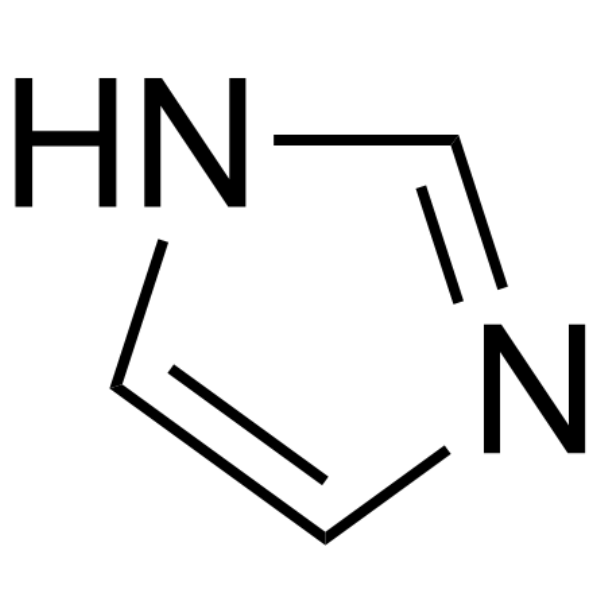
    Imidazole (Glyoxaline; 1,3-Diaza-2,4-cyclopentadiene) is a heterocyclic aromatic compound. Imidazole bearing molecules have been used as corrosion, acetylcholinesterase (AChEI) and xanthine oxidase (XO) inhibitors, performing biological activities such as antifungal, antituberculosis, anti-inflammatory, antioxidant, and analgesic, amongst many others. Imidazole inhibits the enzymatic conversion of the endoperoxides (PGG2 and PGH2) to thromboxane A2 by platelet microsomes. Imidazole derivatives exhibits inhibition on SARS-CoV-2 3CL Pro enzyme, which is promising for research in the field of Alzheimer’s disease, gout, COVID-19 and thrombo-embolic disease .
    Imidazole
  • HY-129388B
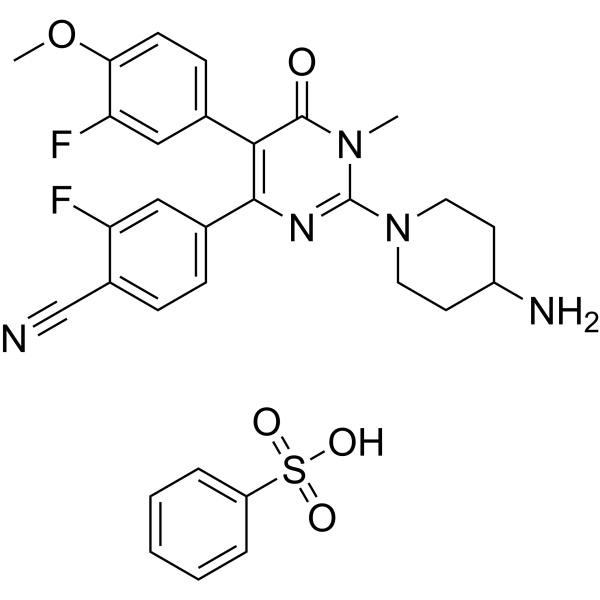
    Pulrodemstat benzenesulfonate
    4 Publications Verification

    CC-90011 benzenesulfonate; LSD1-IN-7 benzenesulfonate

    Histone Demethylase Inflammation/Immunology Cancer
    Pulrodemstat (CC-90011) benzenesulfonate is a potent, selective, reversible and orally active inhibitor of lysine specific demethylase-1 (LSD1) with an IC50 of 0.25 nM. Pulrodemstat benzenesulfonate is less enzymatic inhibition against LSD2, MAO-A, and MAO-B. Pulrodemstat benzenesulfonate induces acute myeloid leukemia (AML) and small cell lung cancer (SCLC) cells differentiation and has potent anticancer activity .
    Pulrodemstat benzenesulfonate
  • HY-148333
    MS177
    3 Publications Verification

    PROTACs Histone Methyltransferase Apoptosis Cancer
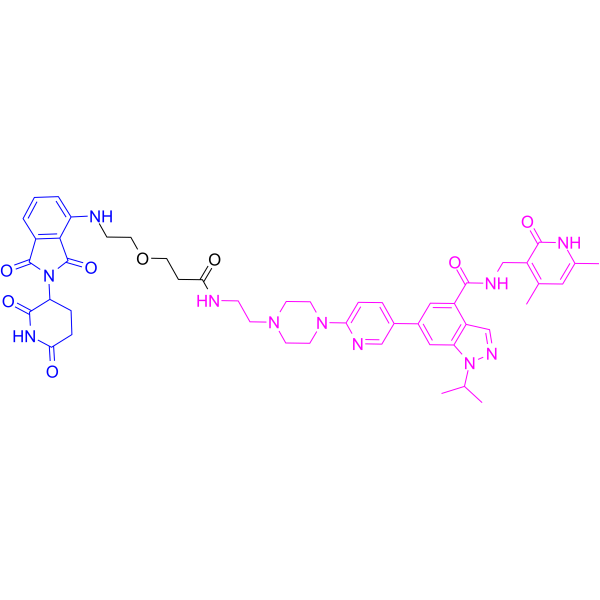
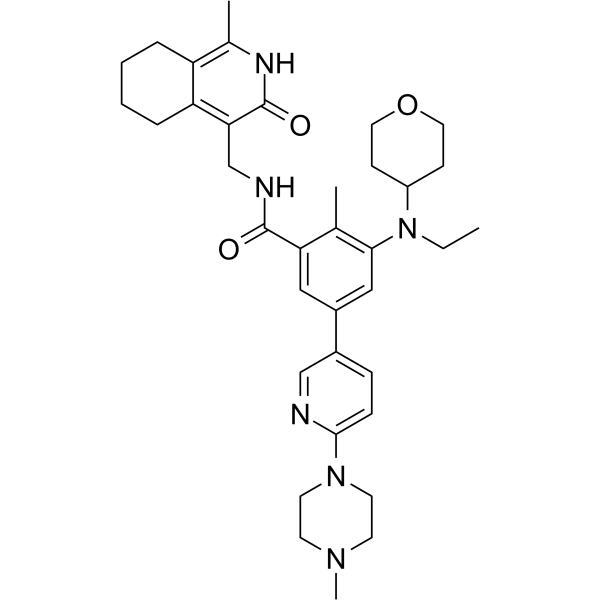
    MS177 is an effective and fast-acting EZH2 degrader. MS177 is a PROTAC that consists of a CRBN ligand, linker, and a potent enzymatic EZH2 inhibitor C24 (C24 IC50): 12 nM). MS177 effectively depletes both canonical EZH2-PRC2 and noncanonical EZH2-cMyc complexes. MS177 induces leukaemia cell growth inhibition, apoptosis and cell cycle progression arrest .
    MS177
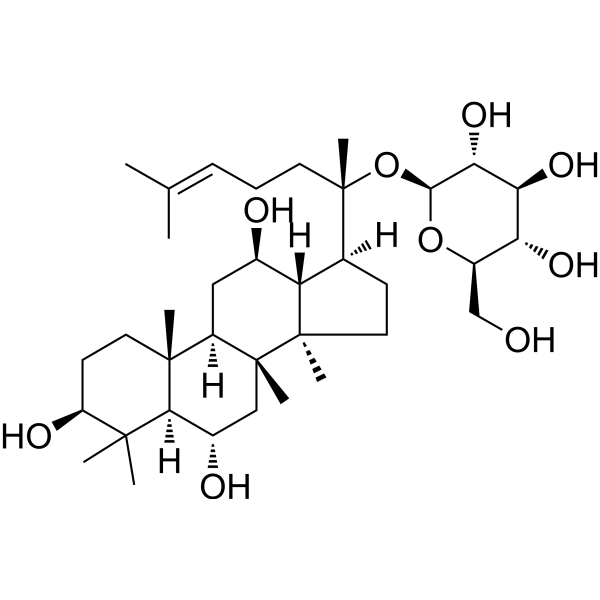
  • HY-N0598
    Ginsenoside F1
    1 Publications Verification

    20(S)-Ginsenoside F1

    Cytochrome P450 Endogenous Metabolite Cancer
    Ginsenoside F1, an enzymatically modified derivative of Ginsenoside Rg1, demonstrates competitive inhibition of CYP3A4 activity and weaker inhibition of CYP2D6 activity.
    Ginsenoside F1
  • HY-D0162
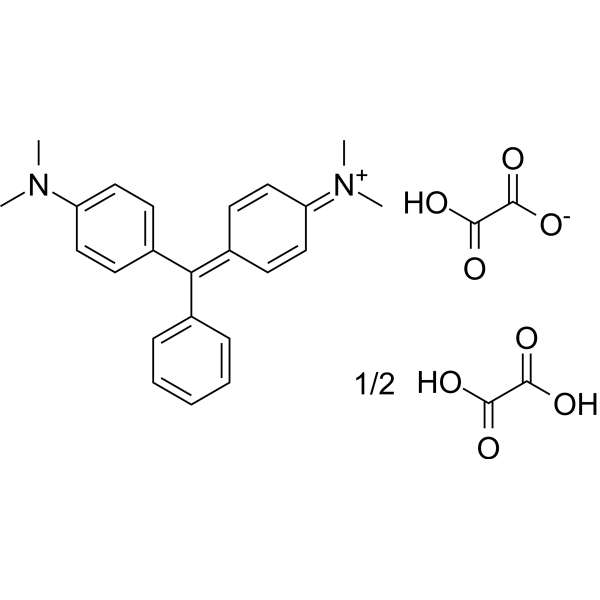
    Malachite green hemioxalate
    1 Publications Verification

    MCCK1

    Fungal IKK NF-κB Apoptosis Infection Cancer
    Malachite green hemioxalate (MCCK1) is a triphenylmethane dye which can be used to detect the release of phosphate in enzymatic reactions. Malachite green hemioxalate has antibacterial activity, which is attributed to inhibition of intracellular enzymes, insertion into DNA and/or interaction with cell membranes. Malachite green hemioxalate is also a potent and selective inhibitor of IKBKE, and inhibits its downstream targets such as IκBα, p65 and IRF3. Malachite green hemioxalate exhibits antitumor activity in vitro and in vivo .
    Malachite green hemioxalate
  • HY-157421

    NAMPT Metabolic Disease
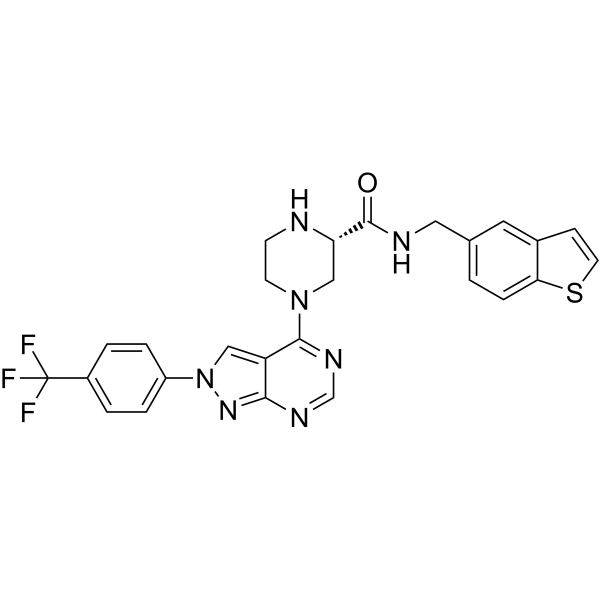
    Nampt activator-4 is an orally active NAMPT activator, with an EC50 of 58 nM and a Ka of 85.38 nM against human NAMPT. Nampt activator-4 effectively relieves the feedback inhibition of nicotinamide and NAD +, thereby enhancing enzymatic activity and significantly increasing intracellular NAD + levels. Nampt activator-4 exhibits moderate stability in human and mouse liver microsomes. Nampt activator-4 shows low to moderate inhibitory effects on cytochrome P450 (especially CYP3A4). Nampt activator-4 can be used for the research of type 2 diabetes and related metabolic disorders .
    Nampt activator-4
  • HY-145685

    DNA/RNA Synthesis Cancer
    RECQL5-IN-1 (Compound 4a) acts as an orally effective RECQL5 inhibitor (targeting both enzymatic and nonenzymatic domain). RECQL5-IN-1 is a potent inhibitor of RECQL5 helicase activity (IC50=46.3 nM), stabilizes the interaction between RECQL5-RAD51 proteins, causes RAD51 aggregation and homologous recombination repair (HRR) inhibition, thereby exhibiting selective cytotoxicity in RECQL5-expressing cancer cells .
    RECQL5-IN-1
  • HY-116804

    Histone Methyltransferase Cancer
    ZLD1039 is a potent, highly selective, and orally bioavailable EZH2 inhibitor. ZLD1039 shows potent and concentration-dependent inhibition of PRC2 enzymatic activity against EZH2 wild-type as well as Y641F, and A677G mutant enzymes with IC50 values of 5.6, 15, and 4.0 nM, respectively. ZLD1039 inhibits breast tumor growth and metastasis .
    ZLD1039
  • HY-129388A
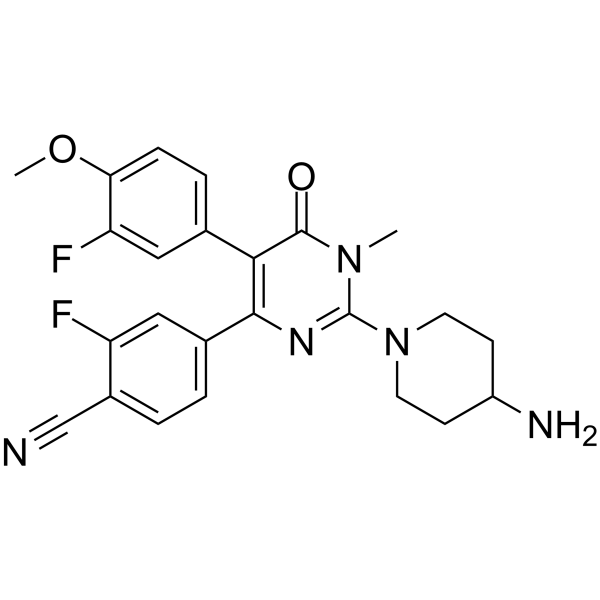
    Pulrodemstat
    4 Publications Verification

    CC-90011; LSD1-IN-7

    Histone Demethylase Inflammation/Immunology Cancer
    Pulrodemstat (CC-90011) is a potent, selective, reversible and orally active inhibitor of lysine specific demethylase-1 (LSD1) with an IC50 of 0.25 nM. Pulrodemstat is less enzymatic inhibition against LSD2, MAO-A, and MAO-B. Pulrodemstat induces acute myeloid leukemia (AML) and small cell lung cancer (SCLC) cells differentiation and has potent anticancer activity .
    Pulrodemstat
  • HY-128333

    PI3K mTOR Cancer
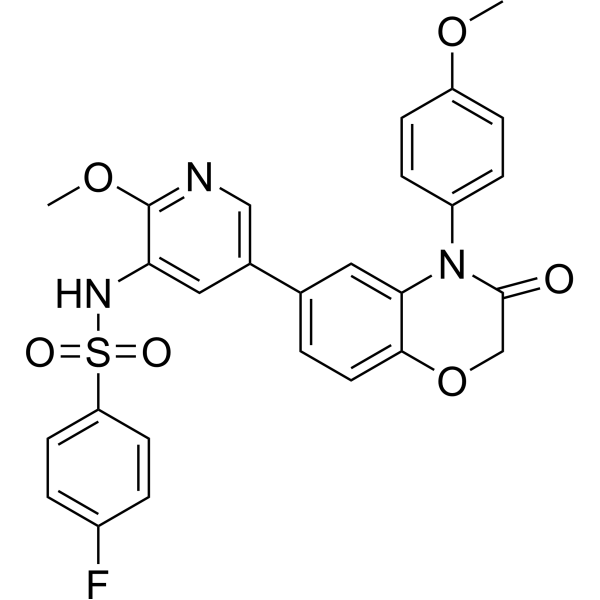
    PI3K/mTOR Inhibitor-4 is an orally active pan-class I PI3K/mTOR inhibitor. PI3K/mTOR Inhibitor-4 has enzymatic inhibition activity for PI3Kα, PI3Kγ, PI3Kδ and mTOR with IC50 values of 0.63 nM, 22 nM, 9.2 nM and 13.85 nM, respectively. PI3K/mTOR Inhibitor-4 can be used for the research of cancer .
    PI3K/mTOR Inhibitor-4
  • HY-125209A

    Apoptosis PARP DNA/RNA Synthesis Cancer
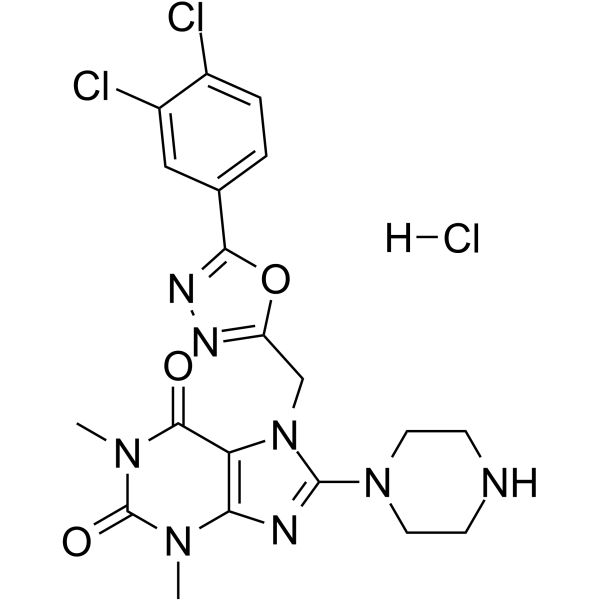
    TH5427 hydrochloride is a NUDT5 inhibitor with a human target IC50 of 29 nM, ~690-fold selectivity over MTH1 in vitro, and selective functional inhibition over other NUDIX hydrolases including NUDT9 .TH5427 hydrochloride binds to the active site of NUDT5, blocking enzymatic activity related to ADP-ribose metabolism and PAR-derived ATP synthesis .TH5427 hydrochloride blocks progestin-dependent nuclear ATP synthesis, impairs progestin-induced chromatin remodeling, inhibits histone H1 displacement, disrupts progestin-dependent gene regulation, and abrogates progestin-dependent proliferation in breast cancer cells .TH5427 hydrochloride functions as a versatile probe to study nuclear ATP dynamics and ADP-ribose-related metabolism in cells .TH5427 hydrochloride engages NUDT5 at physiological temperatures, as demonstrated by Drug Affinity Responsive Target Stability (DARTS) assay .TH5427 hydrochloride stabilizes NUDT5 against thermal denaturation in cell lysates and intact cells, as shown by cellular thermal shift assay (CETSA) .TH5427 hydrochloride functionally inhibits NUDT5 activity, leading to downstream effects on oxidative DNA damage and DNA replication in triple-negative breast cancer (TNBC) cells .TH5427 hydrochloride suppresses proliferation of TNBC cells without inducing cell death or apoptosis, slows DNA replication in TNBC cells, promotes accumulation of oxidative DNA lesions, and triggers DNA damage response in TNBC cells .TH5427 hydrochloride suppresses growth of TNBC cells in vitro, inhibits growth of TNBC xenograft tumors in nude mice in vivo, and shows greater potency against TNBC cell lines compared to ER-positive and normal-like breast cell lines .TH5427 hydrochloride can be used for the research of breast cancer and triple-negative breast cancer .
    TH5427 hydrochloride
  • HY-18569AR

    Indole-3-acetic acid sodium (Standard); 3-IAA sodium (Standard)

    Reference Standards Endogenous Metabolite Metabolic Disease
    Ginsenoside F1 (Standard) is the analytical standard of Ginsenoside F1. This product is intended for research and analytical applications. Ginsenoside F1, an enzymatically modified derivative of Ginsenoside Rg1, demonstrates competitive inhibition of CYP3A4 activity and weaker inhibition of CYP2D6 activity.
    3-Indoleacetic acid sodium (Standard)
  • HY-174372

    Histone Methyltransferase Cancer
    EZH2-IN-23 (Compound 25) is an EZH2 inhibitor that exhibits potent enzymatic inhibition of the PRC2 complex (EZH2, EED, SUZ12, AEBP2, RbAp48) with a biochemical IC50 of 0.8 nM. EZH2-IN-23 inhibits H3K27 trimethylation in cellular assays, showing an IC50 of 40 nM. EZH2-IN-23 displays good rat PKproperties with 100 % oral bioavailability.
    EZH2-IN-23
  • HY-112806

    Drug-Linker Conjugates for ADC HDAC EGFR Microtubule/Tubulin Cancer
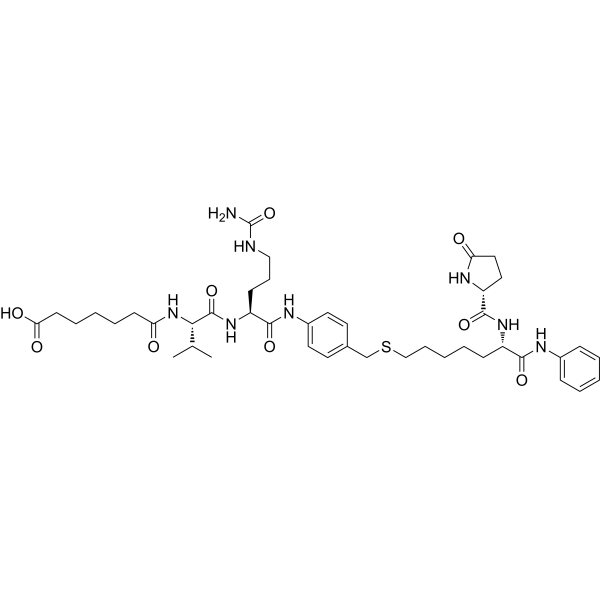
    ST8155AA1 is a part of antibody agent conjugates (ADCs) charged with HDAC inhibitor. ST8155AA1 induces α-tubulin, histone H3/H4 acetylation via direct enzymatic inhibition. ST8155AA1 recognizes and binds EGFR, undergoes internalization into EGFR-expressing tumor cells. ST8155AA1 inhibits cancer cell proliferation and exerts activity in mouse tumor models. ST8155AA1 can be used for the research of non-small cell lung cancer .
    ST8155AA1
  • HY-176890

    PDHK Cancer
    JTT251 is a PDHK inhibitor. JTT251 binds to the allosteric lipoamidebinding domain, resulting in only partial inhibition of PDHK enzymatic activity. JTT251 can be used for the research of cancer .
    JTT251
  • HY-129388C

    CC-90011 hydrochloride; LSD1-IN-7 hydrochloride

    Histone Demethylase Inflammation/Immunology Cancer
    Pulrodemstat (CC-90011) hydrochloride is a potent, selective, reversible and orally active inhibitor of lysine specific demethylase-1 (LSD1) with an IC50 value of 0.25 nM. Pulrodemstat hydrochloride is less enzymatic inhibition against LSD2, MAO-A, and MAO-B. Pulrodemstat hydrochloride induces acute myeloid leukemia (AML) and small cell lung cancer (SCLC) cells differentiation and has potent anticancer activity .
    Pulrodemstat hydrochloride
  • HY-138831

    HDAC Apoptosis Cancer
    AES-350 is a potent and orally active HDAC6 inhibitor with an IC50 and a Ki of 0.0244 μM and 0.035 μM, respectively. AES-350 is also against HDAC3, HDAC8 in an enzymatic activity assay with IC50 values of 0.187 μM and 0.245 μM, respectively. AES-350 triggers apoptosis in AML cells through HDAC inhibition and can be used for acute myeloid leukemia (AML) research .
    AES-350
  • HY-D0837R

    Glyoxaline (Standard); 1,3-Diaza-2,4-cyclopentadiene (Standard)

    Xanthine Oxidase Reference Standards Ser/Thr Protease Thrombopoietin Receptor Neurological Disease Inflammation/Immunology
    Imidazole (Standard) is the analytical standard of Imidazole. This product is intended for research and analytical applications. Imidazole (Glyoxaline; 1,3-Diaza-2,4-cyclopentadiene) is a heterocyclic aromatic compound. Imidazole bearing molecules have been used as corrosion, acetylcholinesterase (AChEI) and xanthine oxidase (XO) inhibitors, performing biological activities such as antifungal, antituberculosis, anti-inflammatory, antioxidant, and analgesic, amongst many others. Imidazole inhibits the enzymatic conversion of the endoperoxides (PGG2 and PGH2) to thromboxane A2 by platelet microsomes. Imidazole derivatives exhibits inhibition on SARS-CoV-2 3CLPro enzyme, which is promising for research in the field of Alzheimer’s disease, gout, COVID-19 and thrombo-embolic disease .
    Imidazole (Standard)
  • HY-N0598R

    20(S)-Ginsenoside F1 (Standard)

    Reference Standards Cytochrome P450 Endogenous Metabolite Cancer
    Ginsenoside F1 (Standard) is the analytical standard of Ginsenoside F1. This product is intended for research and analytical applications. Ginsenoside F1, an enzymatically modified derivative of Ginsenoside Rg1, demonstrates competitive inhibition of CYP3A4 activity and weaker inhibition of CYP2D6 activity.
    Ginsenoside F1 (Standard)
  • HY-136818

    Histamine Receptor Endocrinology
    DA 4643 (hydrochloride) is an H2 receptor antagonist with the chemical name 2-guanidino-4 (3-methylaminomethyleneiminophenyl) thiazole dihydrochloride. It has a weak interaction with cytochrome P-450 and has a less inhibitory effect on P-450 than cimetidine and tiotidine. DA 4643 (hydrochloride) is able to inhibit both enzymatic and non-enzymatic lipid peroxidation reactions. This inhibition may not be achieved by inhibiting agent metabolizing enzymes, but rather due to the antioxidant properties of the compound itself. Compared with other H2 receptor antagonists such as cimetidine, ranitidine and tiotidine, DA 4643 (hydrochloride) shows a unique effect in lipid peroxidation inhibition. These properties make DA 4643 (hydrochloride) a potential H2 receptor antagonist with multiple mechanisms of action.
    DA 4643 dihydrochloride
  • HY-N7538

    Bacterial Infection
    Dealanylalahopcin is an antimicrobial agent that can be isolated from the culture filtrate of Streptomyces leucoderma subsp. ochraceus. Dealanylalahopcin can also be synthesized by enzymatic hydrolysis of alahopcin by microbial α-amino acid ester hydrolases. Dealanylalahopcin has weak antimicrobial activity against Gram-positive and Gram-negative bacteria and exhibits moderate inhibition of collagen prolyl hydroxylase .
    Dealanylalahopcin
  • HY-129388

    CC-90011 Methylbenzenesulfonate; LSD1-IN-7 Methylbenzenesulfonate

    Histone Demethylase Inflammation/Immunology Cancer
    Pulrodemstat (CC-90011) Methylbenzenesulfonate is a potent, selective, reversible and orally active inhibitor of lysine specific demethylase-1 (LSD1) with an IC50 of 0.25 nM. Pulrodemstat Methylbenzenesulfonate is less enzymatic inhibition against LSD2, MAO-A, and MAO-B. Pulrodemstat Methylbenzenesulfonate induces acute myeloid leukemia (AML) and small cell lung cancer (SCLC) cells differentiation and has potent anticancer activity .
    Pulrodemstat Methylbenzenesulfonate
  • HY-147841

    HIV Reverse Transcriptase Infection
    HIV-1 inhibitor-41 (Compound B23) is an orally active non-nucleoside HIV-1 reverse transcriptase inhibitor with EC50 values of 20.8 nM and 50 nM against HIV-1 WT and mutant E138K strain, respectively. HIV-1 inhibitor-41 shows low hERG, no apparent CYP enzymatic inhibition and no acute toxicity .
    HIV-1 inhibitor-41
  • HY-156078

    Glycosidase Metabolic Disease
    α-Glucosidase-IN-32 (compound f26) is a reversible, noncompetitive and orally active α-glucosidase inhibitor with an IC50 value of 3.07 μM. α-Glucosidase-IN-32 complex with α-glucosidase through hydrogen bonds and hydrophobic interactions, led to changes in the conformation and secondary strictures of α-glucosidase and further the inhibition of the enzymatic activity. α-Glucosidase-IN-32 can be used for diabetic disease research .
    α-Glucosidase-IN-32
  • HY-170525

    CD73 Inflammation/Immunology
    CD73-IN-19 (Compound 4ab) is a CD73 inhibitor (with a 44% inhibition rate of CD73 enzymatic activity at 100 μM). CD73-IN-19 (at 10 μM and 100 μM) can completely antagonize the blockade of T cell proliferation induced by TCR (T cell receptor) triggering (which is induced by CD73 activity), and it can also inhibit the hA2A receptor activity in HEK-293 cells (Ki is 3.31 μM). CD73-IN-19 holds promise for research in the field of immune diseases .
    CD73-IN-19
  • HY-D0162R

    MCCK1 (Standard)

    Reference Standards Fungal IKK NF-κB Apoptosis Infection Cancer
    Malachite green hemioxalate (Standard) is the analytical standard of Malachite green hemioxalate (HY-D0162). This product is intended for research and analytical applications. Malachite green hemioxalate is a triphenylmethane dye which can be used to detect the release of phosphate in enzymatic reactions. Malachite green hemioxalate has antimicrobial activity, which is attributed to inhibition of intracellular enzymes, intercalation into DNA, and/or interaction with cellular membranes. Malachite green hemioxalate is also a potent and selective inhibitor of IKBKE, and inhibits its downstream targets such as IκBα, p65 and IRF3. Malachite green hemioxalate exhibits antitumor activity in vitro and in vivo.
    Malachite green hemioxalate (Standard)
  • HY-W699983

    Glyoxaline-15N2; 1,3-Diaza-2,4-cyclopentadiene-15N2

    Isotope-Labeled Compounds Thrombopoietin Receptor Ser/Thr Protease Xanthine Oxidase Neurological Disease Inflammation/Immunology
    Imidazole- 15N2 (Glyoxaline- 15N2) is 15N labeled Imidazole. Imidazole (Glyoxaline; 1,3-Diaza-2,4-cyclopentadiene) is a heterocyclic aromatic compound. Imidazole bearing molecules have been used as corrosion, acetylcholinesterase (AChEI) and xanthine oxidase (XO) inhibitors, performing biological activities such as antifungal, antituberculosis, anti-inflammatory, antioxidant, and analgesic, amongst many others. Imidazole inhibits the enzymatic conversion of the endoperoxides (PGG2 and PGH2) to thromboxane A2 by platelet microsomes. Imidazole derivatives exhibits inhibition on SARS-CoV-2 3CL Pro enzyme, which is promising for research in the field of Alzheimer’s disease, gout, COVID-19 and thrombo-embolic disease .
    Imidazole-15N2
  • HY-183616

    VEGFR Cancer
    VEGFR-2-IN-87 is a VEGFR-2 inhibitor with an inhibition rate of 79% in enzymatic assays. VEGFR-2-IN-87 exhibits anti-angiogenic activity. VEGFR-2-IN-87 can be used in cancer research .
    VEGFR-2-IN-87
  • HY-W472153

    β-glucuronidase Inflammation/Immunology Cancer
    β-Glucuronidase-IN-5 (Compound 19; Compound 5c) is a β-glucuronidase inhibitor with an IC50 of 39.8 μM. β-Glucuronidase-IN-5 does not show significant cytotoxicity towards PC-3 cells, with its IC50 > 30 μM. β-Glucuronidase-IN-5 shows no affinity for adenosine receptors (A₁ and A₂A receptors). β-Glucuronidase-IN-5 can be used to study diseases related to excessive expression of β-glucuronidase (such as colon cancer, arthritis, and AIDS complications) .
    β-Glucuronidase-IN-5
  • HY-183809

    Hexokinase Inflammation/Immunology
    ZSW is a hexokinase 2 (HK2) inhibitor with human HK2 IC50 of 0.48 μM, human HK2 Ka of 252.00 μM, and selectivity over HK3 and GCK. ZSW binds directly to HK2, inhibits its enzymatic activity, modulates macrophage phenotypes through glycolysis inhibition, and inhibits NF-κB nuclear translocation by preventing IκBα phosphorylation and degradation. ZSW alleviates inflammatory bowel disease (IBD) and improves the intestinal inflammatory state of IBD mice. ZSW can be used for the research of inflammatory bowel disease .
    ZSW
  • HY-178696

    Virus Protease Cathepsin SARS-CoV Infection
    UAWJ9-36-3 is a M pro and cathepsin L (IC50: 1.81 μM) inhibitor. UAWJ9-36-3 shows potent binding and enzymatic inhibition against the M pros from SARS-CoV-2, SARS-CoV, MERS-CoV, HCoV-OC43, HCoV-NL63, HCoV-229E, and HCoV-HKU1. UAWJ9-36-3 demonstrates broad-spectrum antiviral activity against not only SARS-CoV-2, but also the common human coronaviruses HCoV-OC43, HCoV-NL63, and HCoV-229E .
    UAWJ9-36-3

Inquiry Online

Your information is safe with us. * Required Fields.

Salutation


Country or Region *

Applicant Name *


Organization Name *

Department *


Email Address *


Product Name *

Cat. No.


Requested quantity *

Phone Number *


Remarks

Inquiry Online

Inquiry Information

Product Name:
Cat. No.:
Quantity:
MCE Japan Authorized Agent:

