1. Search Result
Search Result
Results for "

ink

" in MedChemExpress (MCE) Product Catalog:
90

Inhibitors & Agonists

1

Screening Libraries

52

Fluorescent Dye

14

Biochemical Assay Reagents

2

Peptides

4

Natural
Products

3

Recombinant Proteins

4

Isotope-Labeled Compounds

12

Antibodies

1

Oligonucleotides

Cat. No. Product Name Target Research Areas Chemical Structure
  • HY-13328
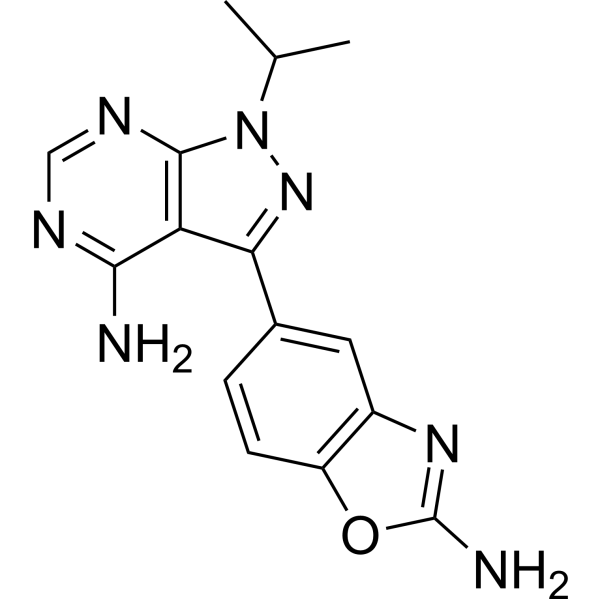
    Sapanisertib
    Maximum Cited Publications
    52 Publications Verification

    ink-128; MLN0128; TAK-228

    mTOR Autophagy Cancer
    Sapanisertib (INK-128; MLN0128; TAK-228) is an orally available, ATP-dependent mTOR1/2 inhibitor with an IC50 of 1 nM for mTOR kinase.
    Sapanisertib
  • HY-17044
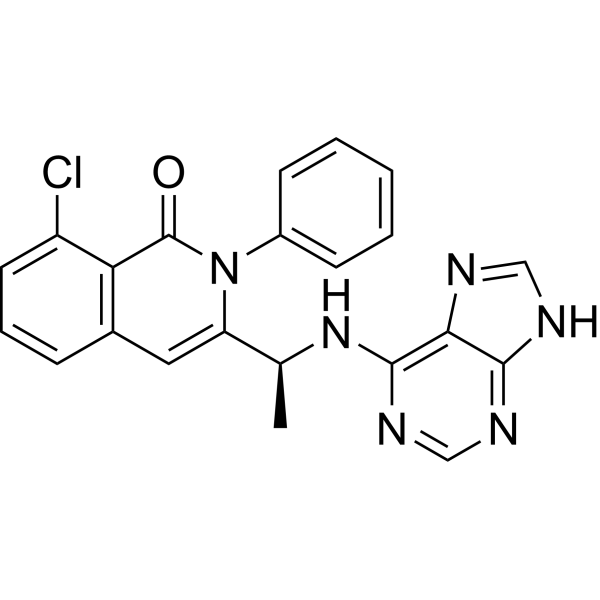
    Duvelisib
    15+ Cited Publications

    IPI-145; ink1197

    PI3K Cancer
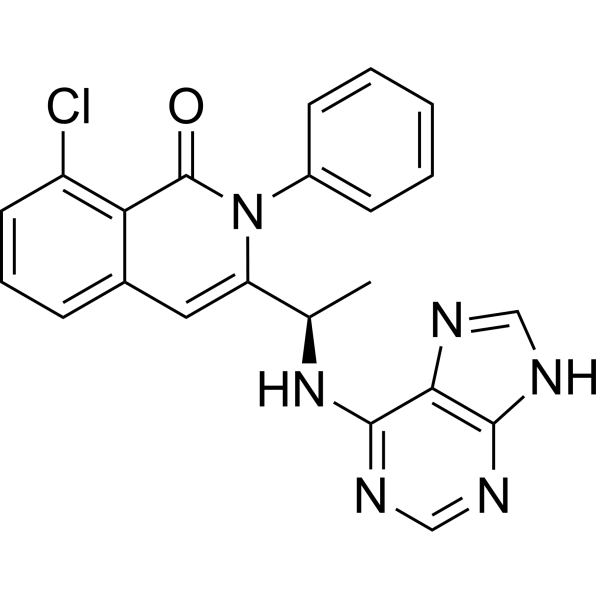
    Duvelisib (IPI-145) is a selectivite p100δ inhibitor with IC50 of 2.5 nM, 27.4 nM, 85 nM and 1602 nM for p110δ, P110γ, p110β and p110α, respectively .
    Duvelisib
  • HY-W013508
    I2959
    2 Publications Verification

    Biochemical Assay Reagents Others
    I2959 is widely used as a photoinitiator for photochemical cross-linking of hydrogels, and the combination of I2959 and CMA hydrogel has been used as a bio-ink for biological 3D printing applications. In addition, I2959 has a high free radical generation efficiency and is cytotoxic to rapidly dividing cell lines .
    I2959
  • HY-162543

    18:1 Lissamine rhodamine PE

    Fluorescent Dye Others
    18:1 Liss Rhod (18:1 Lissamine rhodamine) PE is a fluorescent phospholipid and fluorescent probe.18:1 Liss Rhod PE admixes into phospholipid inks for large-scale monitoring of dip-pen nanolithography-generated lithographic structures via fluorescence microscopy.18:1 Liss Rhod PE undergoes phase separation or self-quenching under certain conditions in thin lipid membrane stacks .
    18:1 Liss Rhod PE
  • HY-119344
    MS37452
    1 Publications Verification

    Histone Methyltransferase Cancer
    MS37452 is a potent inhibitor of CBX7 chromodomain binding to H3K27me3, with a Kd of 27.7 μM. MS37452 can derepress transcription of polycomb repressive complex target gene p16/CDKN2A by displacing CBX7 binding to the INK4A/ARF locus in prostate cancer cells .
    MS37452
  • HY-12285

    MLN1117; ink1117; TAK-117

    PI3K Cancer
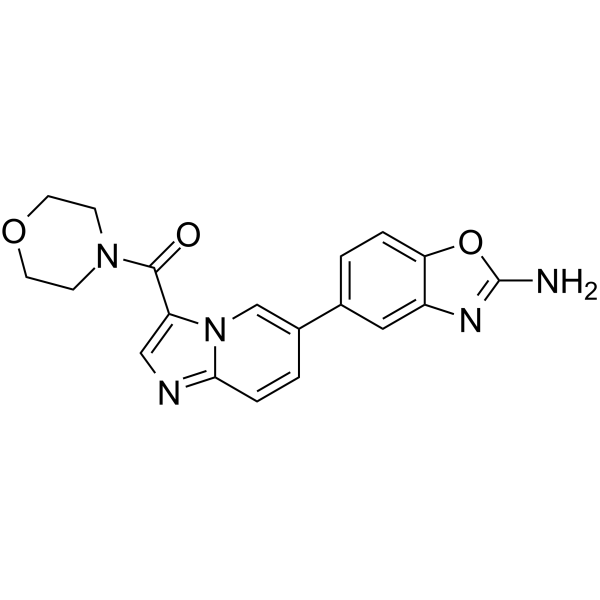
    Serabelisib (MLN1117) is a selective p110α inhibitor with an IC50 of 15 nM.
    Serabelisib
  • HY-128387

    Endogenous Metabolite Cardiovascular Disease
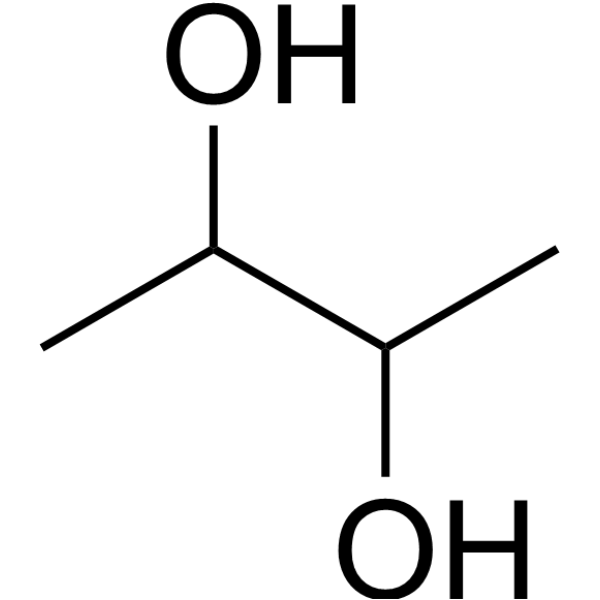
    2,3-Butanediol is microbially derived compound that is a discriminating urinary biomarker of Fmo5 -/- mice. 2,3-Butanediol prevents age-related increases in the plasma concentration of cholesterol. 2,3-Butanediol has potential applications in the manufacture of printing inks, perfumes, fumigants, moistening and softening agents, plasticizers, and as a carrier for pharmaceuticals .
    2,3-Butanediol
  • HY-17044A

    IPI-145 R enantiomer; ink1197 R enantiomer

    PI3K Cancer
    Duvelisib R enantiomer is a PI3K inhibitor, which is the less active enantiomer of Duvelisib.
    Duvelisib (R enantiomer)
  • HY-W090294

    Peri-dinaphthalene (purified by sublimation)

    Environmental Pollutants Biochemical Assay Reagents Others
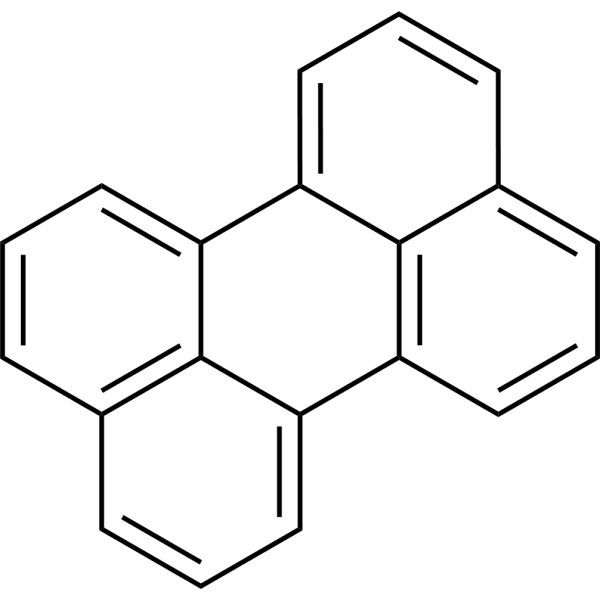
    Perylene, which is a polycyclic aromatic hydrocarbon composed of four linearly fused benzene rings, is commonly used as a pigment and dye in a variety of applications, including printing inks, plastics, and textiles. In addition, Perylene has potential uses in solar cells as photosensitizers and as fluorescent probes in biochemistry and materials science. Perylene's rigid planar structure endows it with unique electronic and optical properties, making it a versatile and important compound in many fields of chemistry and materials science.
    Perylene
  • HY-W075766

    Nickel difluoride

    Biochemical Assay Reagents Others
    Nickel(II) fluoride (Nickel difluoride) is a fluorinating agent and catalyst suitable for surface treatment of aluminum profiles and the production of inks, fluorescent lamps, and organic synthesis. Nickel(II) fluoride is a kind of biological materials or organic compounds that are widely used in life science research .
    Nickel(II) fluoride
  • HY-D0363

    Fluorescent Dye
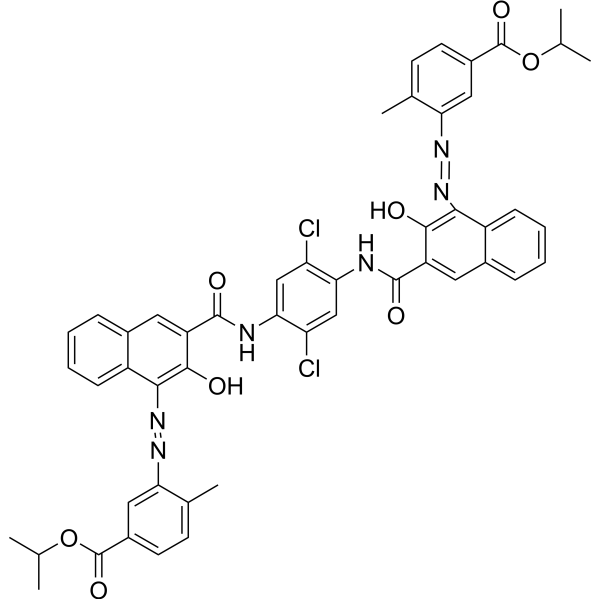
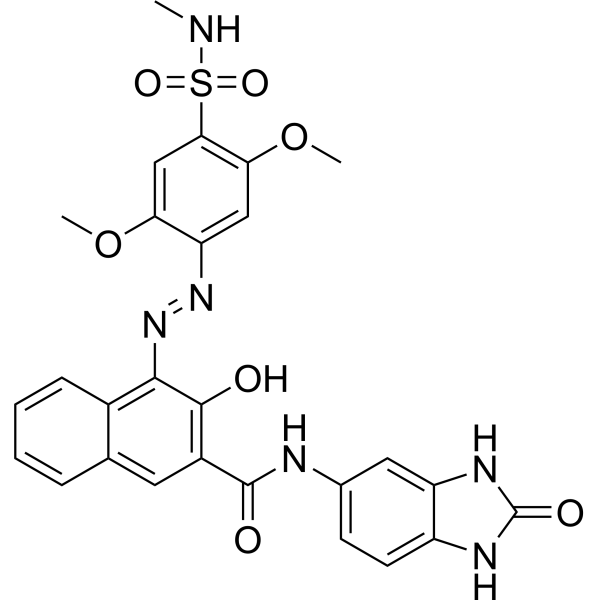
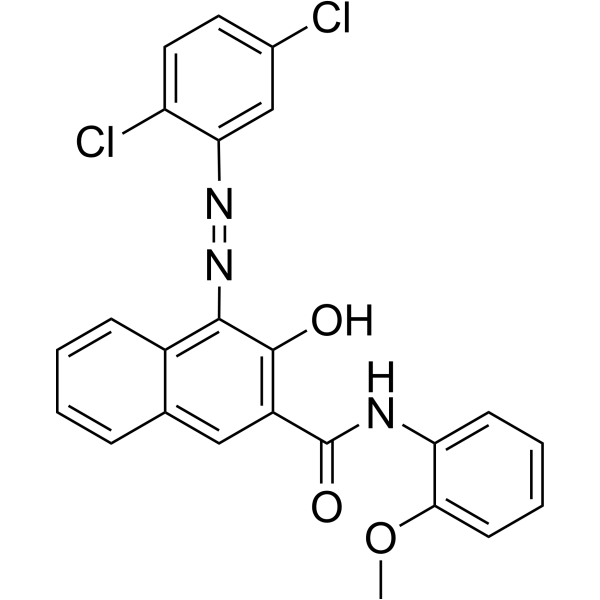
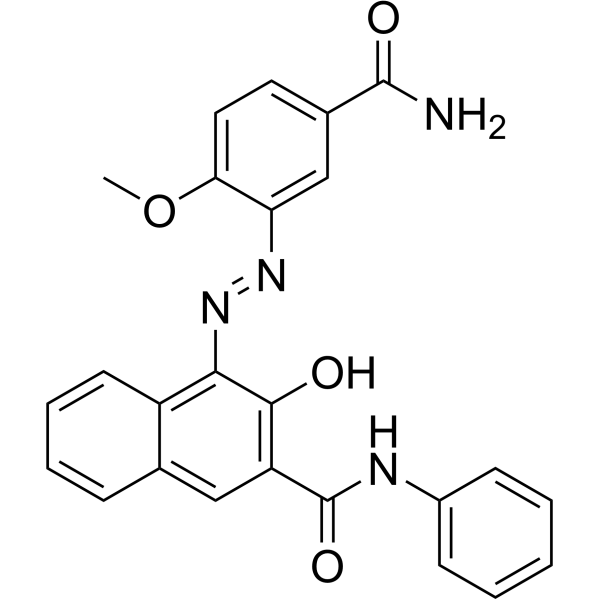
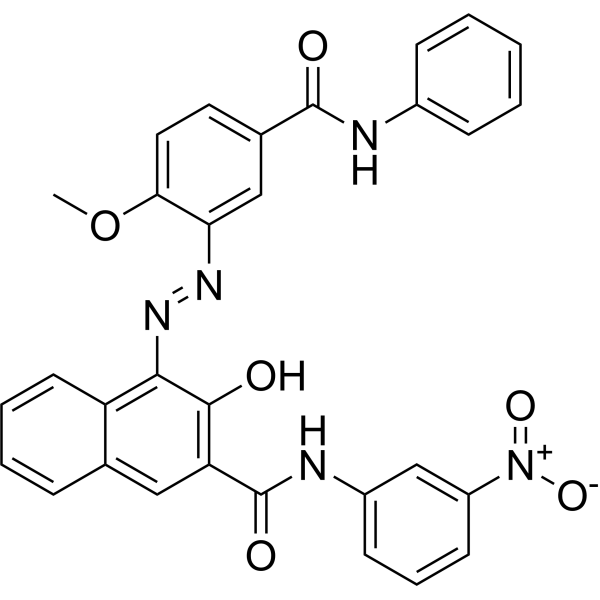
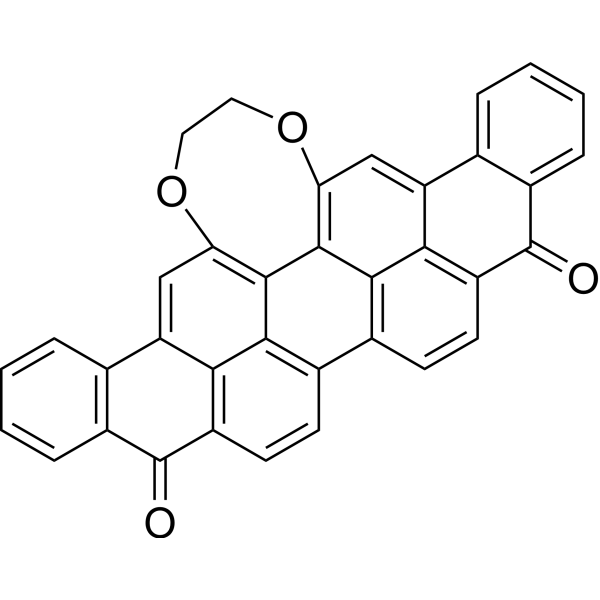
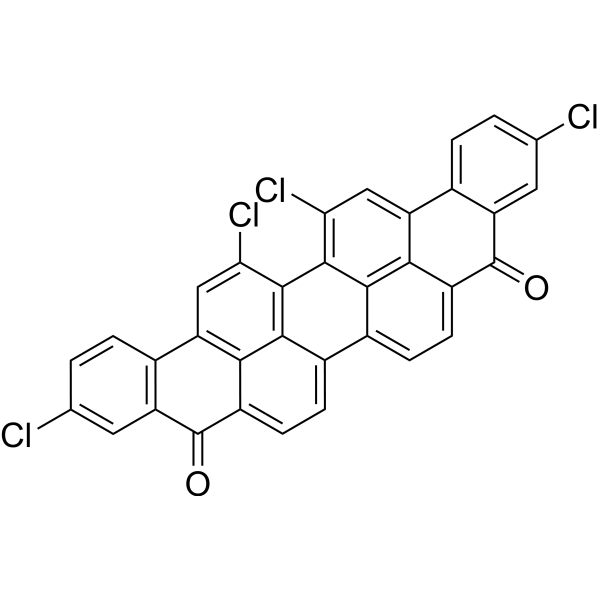
    Pigment Red 166 is a commonly used commercial dye for bulk coloring of plastics and synthetic fibers and for surface coatings such as paints and inks.
    Pigment Red 166
  • HY-D1137

    Fluorescent Dye
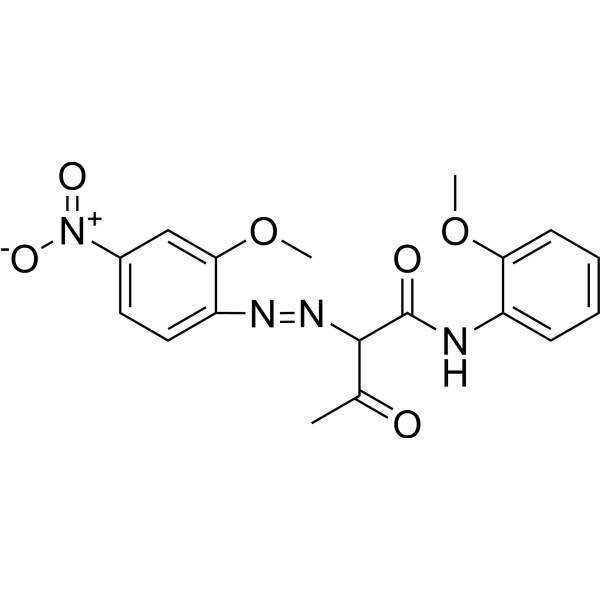
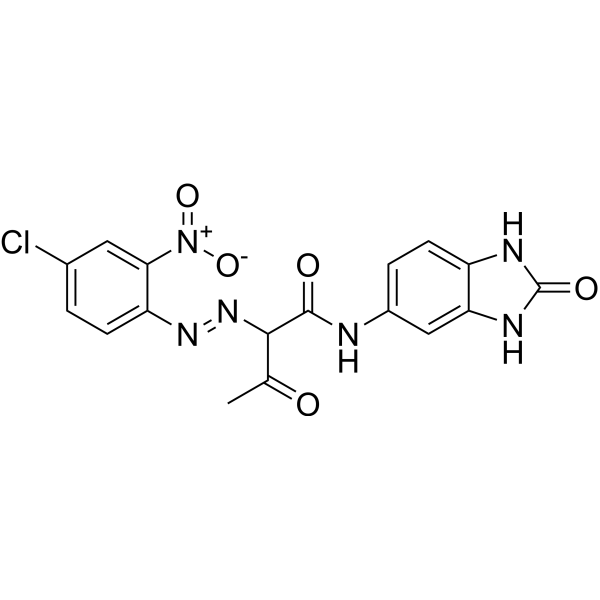
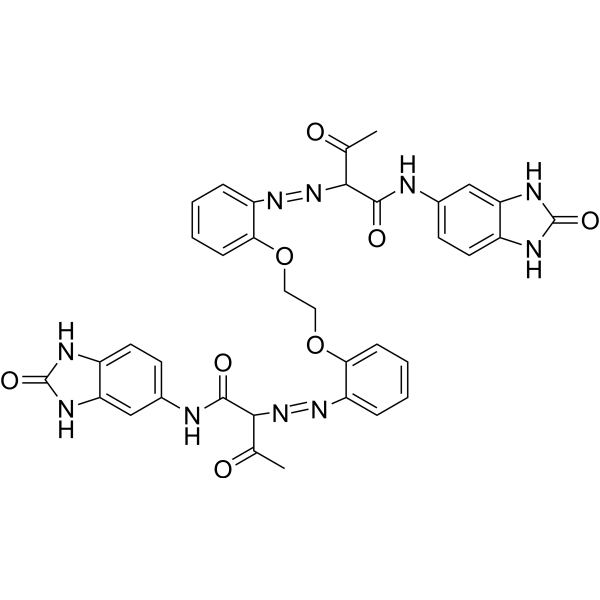
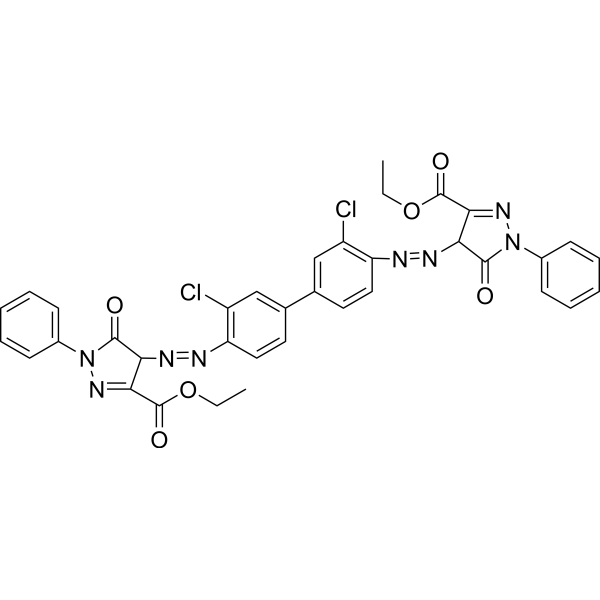
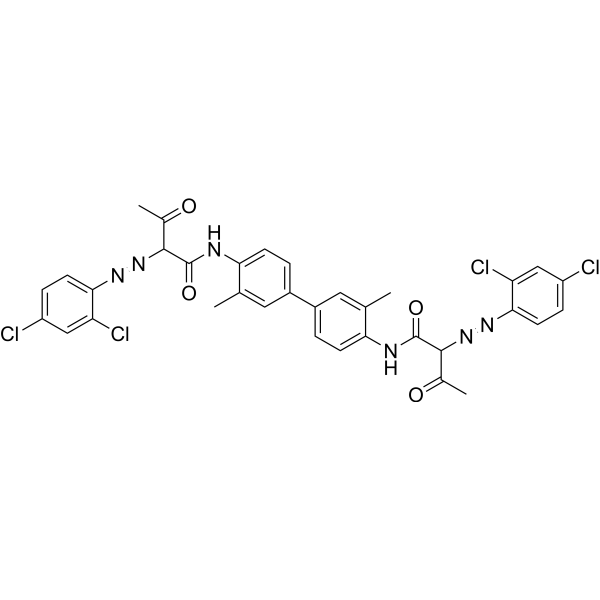
    C.I. Pigment yellow 110 is the most important colorant used to add color or change the color of something and is chemically essentially unaffected by the carrier or medium into which it is incorporated. It can be widely used in textile, medicine, food, cosmetics, plastics, paint, ink, photography and paper industries.
    C.I. Pigment yellow 110
  • HY-D0411

    Acidyellow 17; Yellow 2G

    Biochemical Assay Reagents Others
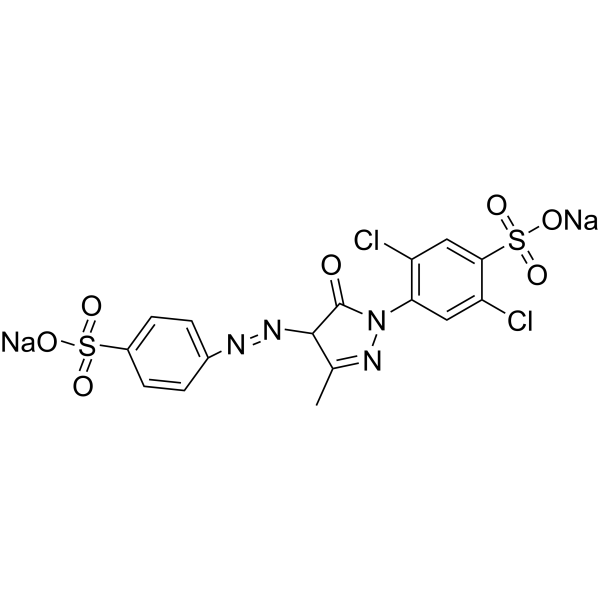
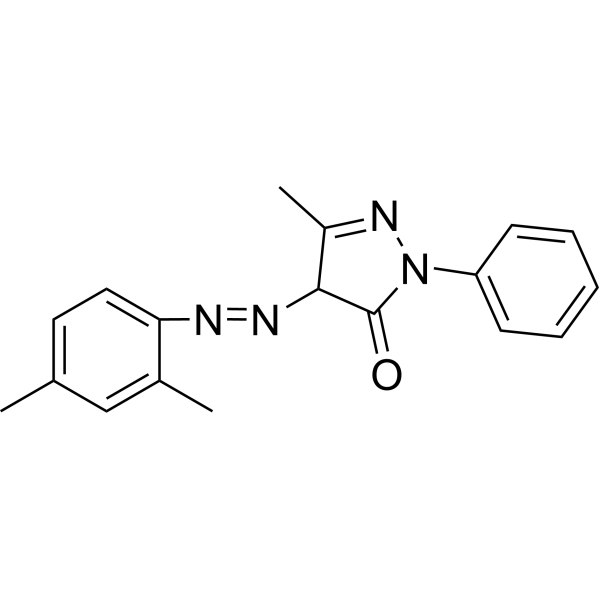
    Xylene Fast Yellow 2G is a synthetic dye belonging to the class of azo dyes. It is commonly used in the textile industry to dye natural and synthetic fibers as well as in the paper and ink industries. Xylene Fast Yellow 2G produces a bright yellow color that is fade and wash resistant and can be applied to textiles by a variety of methods including dipping, padding and printing.
    Xylene Fast Yellow 2G
  • HY-D0854

    Acid Violet 19; Acid fuchsin sodium

    Environmental Pollutants Biochemical Assay Reagents Others
    Acid Red is a class of synthetic dyes commonly used in the textile, paper and ink industries. They are in the category of acid dyes, which means they are water soluble and have acidic properties. Acid Red dye produces bright, vibrant colors that don't fade easily, but are not as durable as some other dyes. They can be used to dye a wide variety of fibers including wool, silk and nylon, as well as paper and leather.
    Acid Red sodium
  • HY-158222A

    AlgMA (MW 300000)

    Biochemical Assay Reagents Others
    Alginate Methacryloyl (MW 300000) is a methacryloyl alginate with potential for use as a tissue engineering scaffold and 3D printing ink. Alginate Methacryloyl (MW 300000) is biocompatible, non-immunogenic, has low toxicity and is capable of physical cross-linking with divalent cations such as calcium . Alginate Methacryloyl (MW 300000) needs to self-assemble into fibrous hydrogel under the action of photoinitiator LAP (HY-44076), and target bioactive adhesion sites, play an inherent supporting role for tissue cells and biodegradable activity.
    Application: cell culture, biological 3D printing, tissue engineering, etc.
    Alginate Methacryloyl (MW 300000)
  • HY-W011875

    Biochemical Assay Reagents Others
    2-Isopropylthioxanthone is a photoinitiator that is widely used in printing ink of packaging materials. 2-Isopropylthioxanthone triggers the radical polymerization of the acrylic component of inks, thus causing the liquid ink film to dry .
    2-Isopropylthioxanthone
  • HY-D0278

    Environmental Pollutants Fluorescent Dye Others
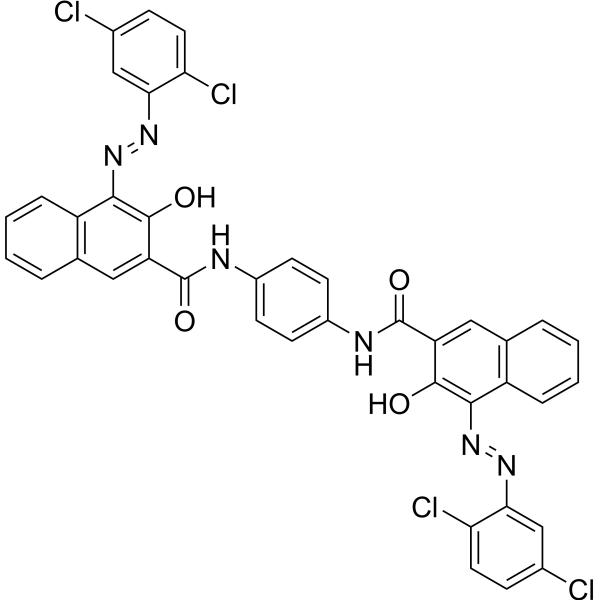
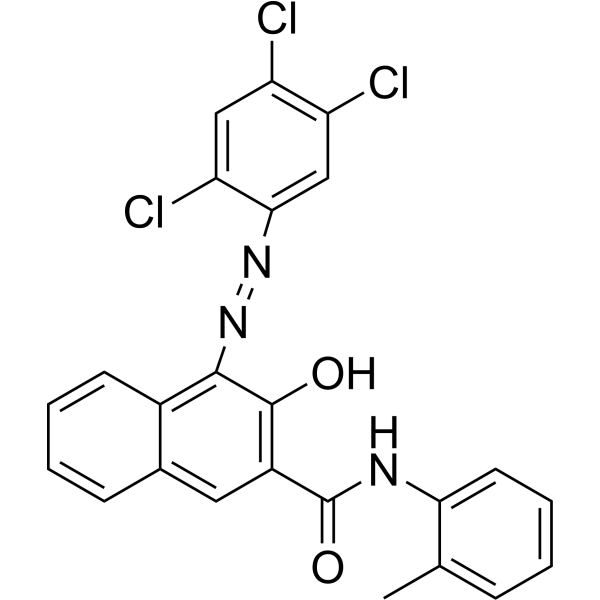
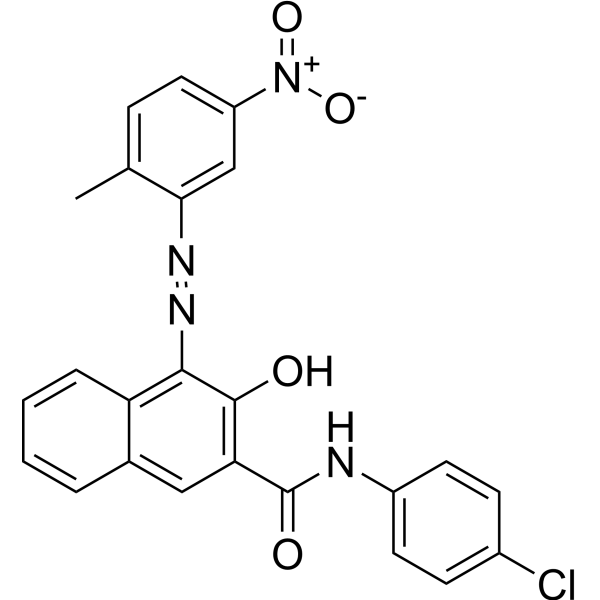
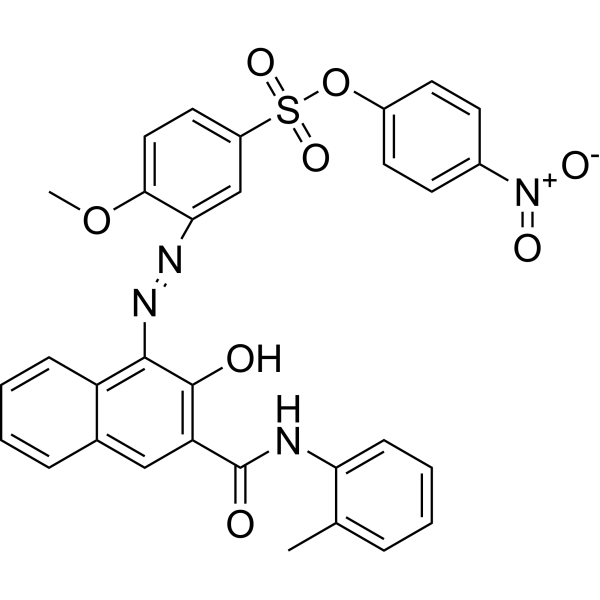
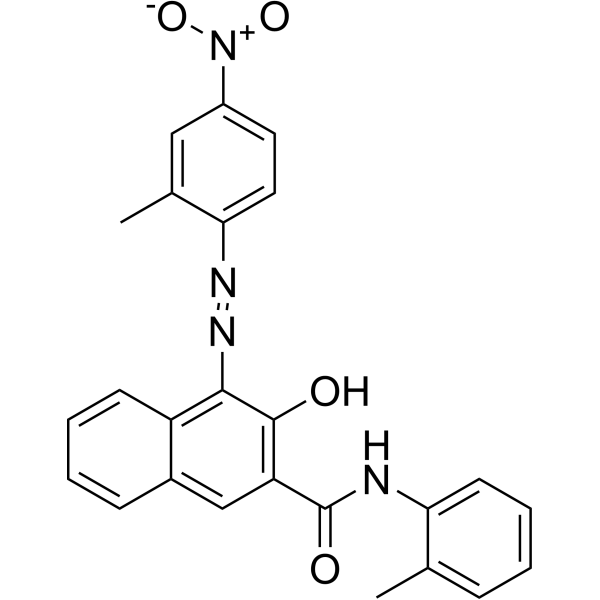
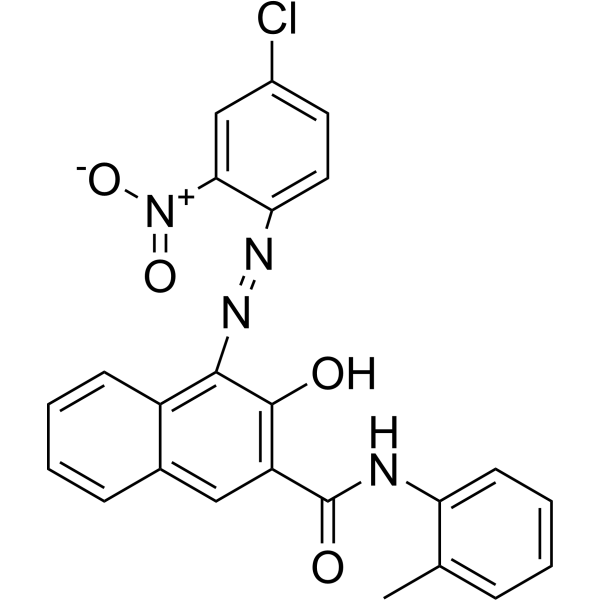
    Pigment Red 170 is a commonly used commercial dye for bulk coloring of plastics and synthetic fibers and for surface coatings such as paints and inks.
    Pigment red 170
  • HY-P1109

    CDK Cancer
    [Ala92]-p16 (84-103) is a peptide derived from the p16CDKN2/INK4a (p16) tumor suppressor protein. [Ala92]-p16 (84-103) binds to both cdk4 and cdk6 and inhibits cdk4-cyclin D1 kinase activity in vitro (IC50: 1.5 μM). [Ala92]-p16 (84-103) blocks cell cycle progression through the G1 phase .
    [Ala92]-p16 (84-103)
  • HY-D0429

    Fluorescent Dye
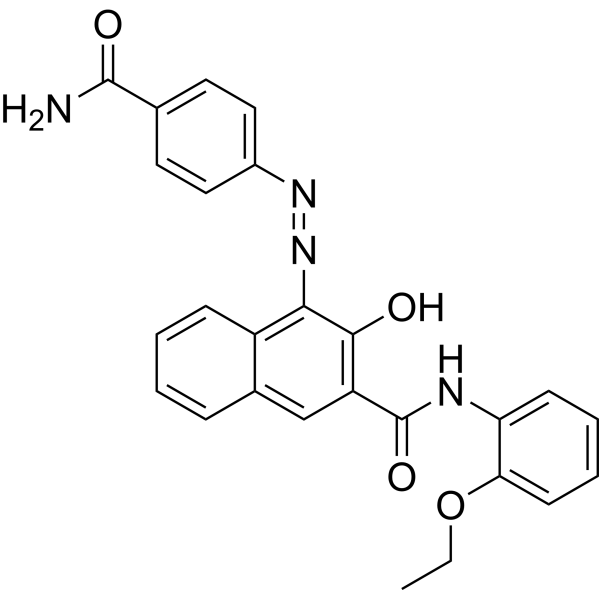
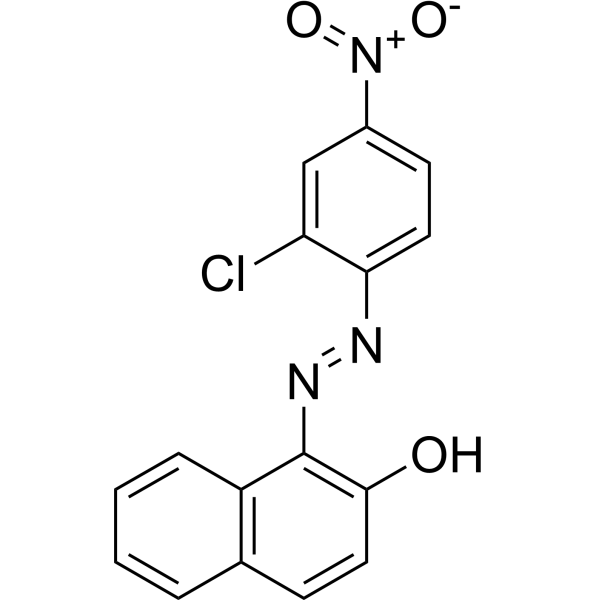
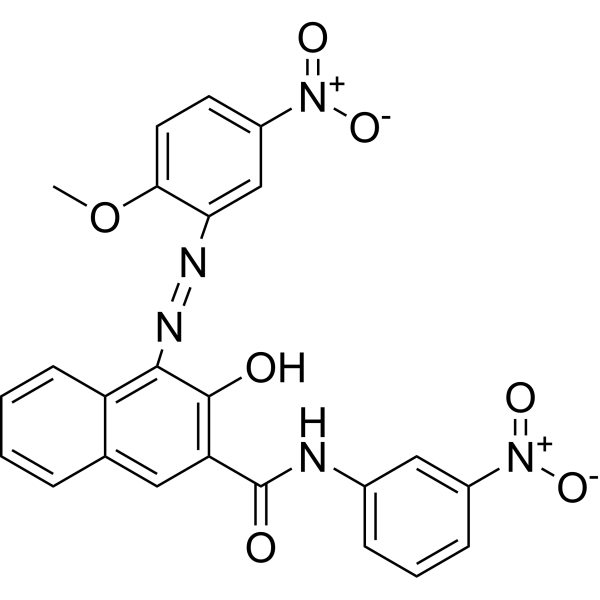
    C.I. Pigment red 5 is the most important colorant used to add color or change the color of something and is chemically essentially unaffected by the carrier or medium into which it is incorporated. It can be widely used in textile, medicine, food, cosmetics, plastics, paint, ink, photography and paper industries.
    C.I. Pigment red 5
  • HY-158220

    HAMA (MW 400 kDa)

    Biochemical Assay Reagents Others
    Hyaluronic acid Methacryloyl (HAMA) is methacrylated hyaluronic acid that is biocompatible. Hyaluronic acid Methacryloyl is also used as a 3D printing hydrogel ink, which has the characteristics of fast photosensitive response, fast gelation speed and stable hydrogel performance. Hyaluronic acid Methacryloyl can quickly induce gelation with lithium phenyl-2,4,6-trimethylbenzoylphosphinate (LAP) under UV irradiation. The combination of Hyaluronic acid Methacryloyl and tissue-specific extracellular matrix (ECM) materials (such as pancreatic extracellular matrix (pECM)) will become an important source material for organoid culture .
    Hyaluronic acid Methacryloyl (MW 400 kDa)
  • HY-158222

    AlgMA (MW 50000)

    Biochemical Assay Reagents Others
    Alginate Methacryloyl (MW 50000) is a methacryloyl alginate with potential for use as a tissue engineering scaffold and 3D printing ink. Alginate Methacryloyl (MW 50000) is biocompatible, non-immunogenic, has low toxicity and is capable of physical cross-linking with divalent cations such as calcium . Alginate Methacryloyl (MW 50000) needs to self-assemble into fibrous hydrogel under the action of photoinitiator LAP (HY-44076), and target bioactive adhesion sites, play an inherent supporting role for tissue cells and biodegradable activity.
    Application: cell culture, biological 3D printing, tissue engineering, etc.
    Alginate Methacryloyl (MW 50000)
  • HY-158220A

    HAMA (MW 150 kDa)

    Biochemical Assay Reagents Others
    Hyaluronic acid Methacryloyl (HAMA) MW 150 kDa is methacrylated hyaluronic acid that is biocompatible. Hyaluronic acid Methacryloyl is also used as a 3D printing hydrogel ink, which has the characteristics of fast photosensitive response, fast gelation speed and stable hydrogel performance. Hyaluronic acid Methacryloyl can quickly induce gelation with lithium phenyl-2,4,6-trimethylbenzoylphosphinate (LAP) under UV irradiation. The combination of Hyaluronic acid Methacryloyl and tissue-specific extracellular matrix (ECM) materials (such as pancreatic extracellular matrix (pECM)) will become an important source material for organoid culture .
    Hyaluronic acid Methacryloyl (MW 150 kDa)
  • HY-123535

    CDK Inflammation/Immunology
    P18IN003 is a potent p18(INK4C) inhibitor andspecifically block the activity of p18 protein. P18IN003 has the potential to be aneffective chemical agent for therapeutic expansion of HSC .
    P18IN003
  • HY-17044R

    IPI-145 (Standard); ink1197 (Standard)

    PI3K Reference Standards Cancer
    Duvelisib (Standard) is the analytical standard of Duvelisib. This product is intended for research and analytical applications. Duvelisib (IPI-145) is a selectivite p100δ inhibitor with IC50 of 2.5 nM, 27.4 nM, 85 nM and 1602 nM for p110δ, P110γ, p110β and p110α, respectively .
    Duvelisib (Standard)
  • HY-D0280

    Fluorescent Dye
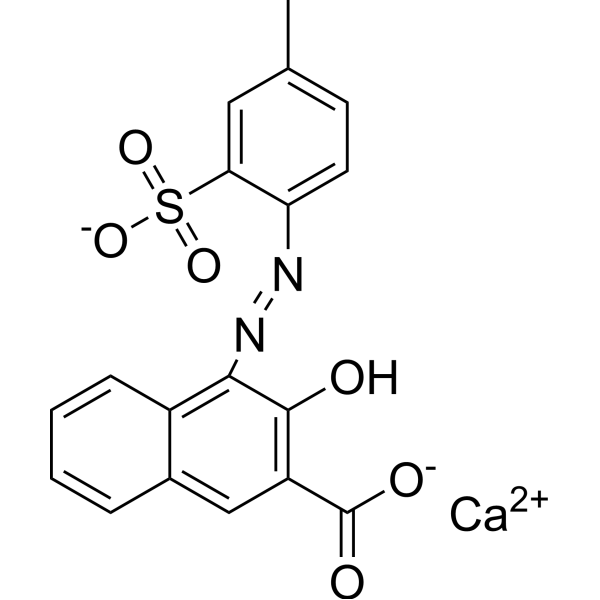
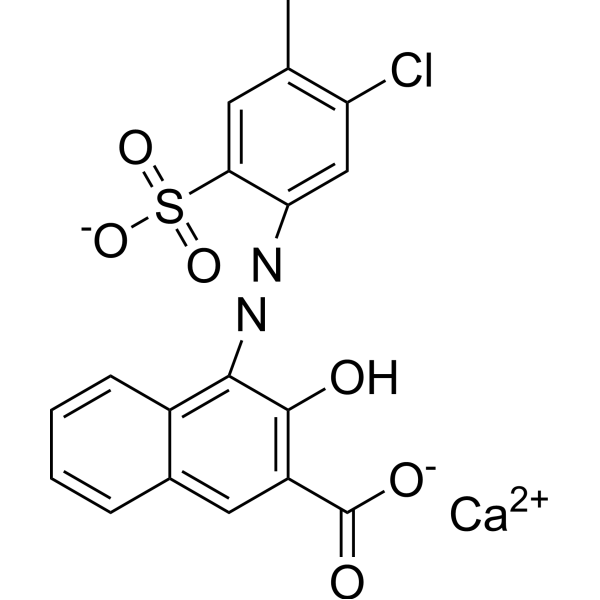
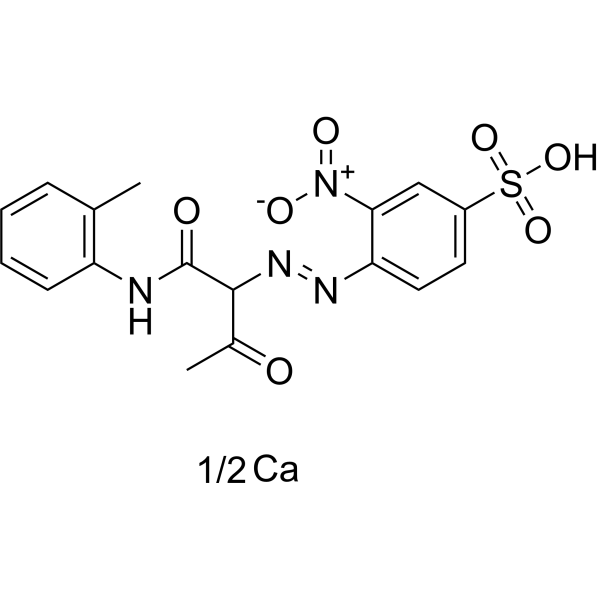
    Pigment red 57-1 is a commonly used commercial dye for bulk coloring of plastics and synthetic fibers and for surface coatings such as paints and inks.
    Pigment red 57-1
  • HY-B2220B

    Endogenous Metabolite Others
    Thermostable cellulase recombinant is a cellulose hydrolase present in hyperthermophiles, which catalyzes the hydrolysis of β-1,4 glycosidic bonds in cellulose. Thermostable cellulase recombinant targets carboxymethyl cellulose (CMC) as its primary substrate, and retains high residual activity even after incubation at high temperatures. The activity of Thermostable cellulase recombinant is inhibited by ionic and non-ionic detergents, and can be enhanced by cobalt ions. Thermostable cellulase recombinant can be applied in the paper industry .
    Thermostable cellulase (recombinant)
  • HY-D0531

    Fluorescent Dye
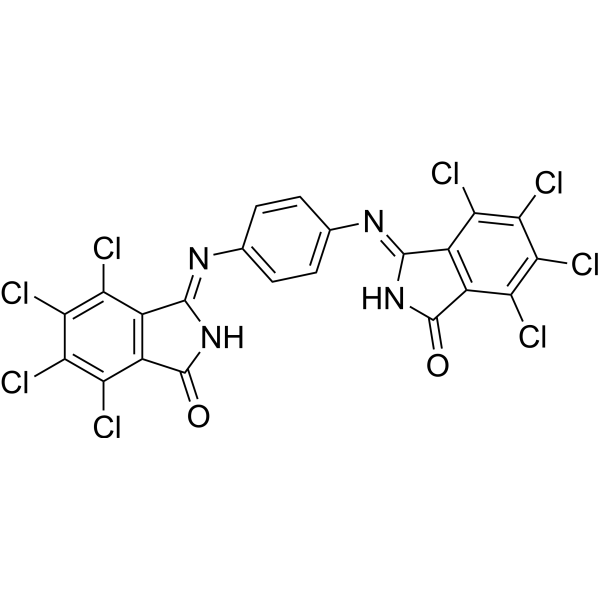
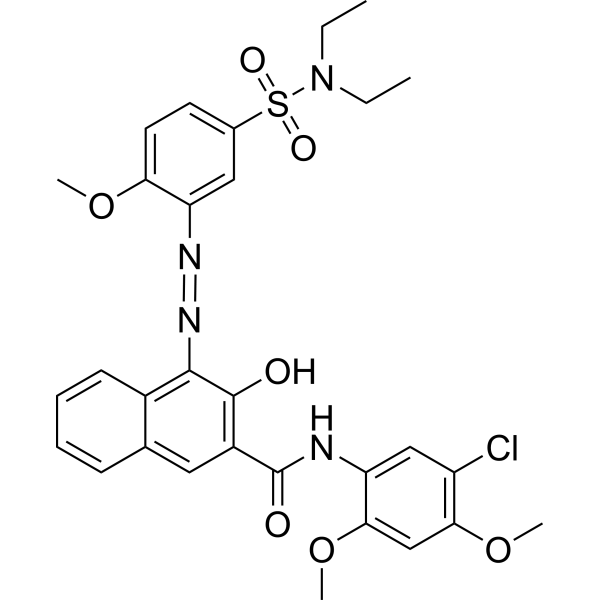
    C.I. Pigment red 123 is the most important colorant used to add color or change the color of something and is chemically essentially unaffected by the carrier or medium into which it is incorporated. It can be widely used in textile, medicine, food, cosmetics, plastics, paint, ink, photography and paper industries.
    C.I. Pigment red 123
  • HY-D0960

    Fluorescent Dye
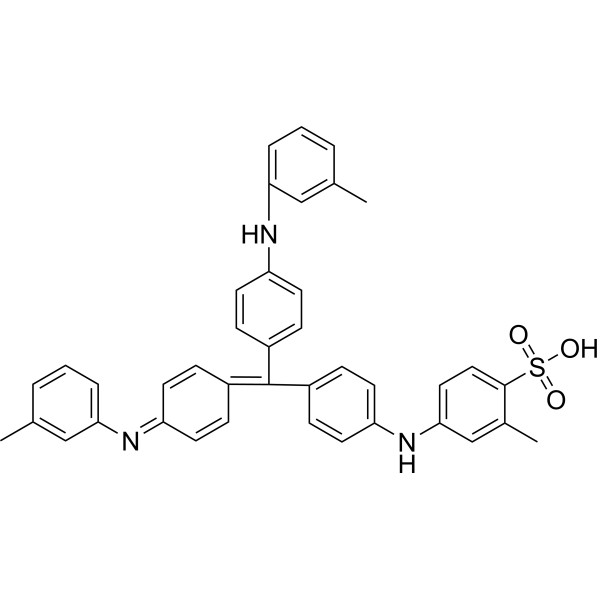
    C.I. Solvent Blue 43 is the most important colorant used to add color or change the color of something and is chemically essentially unaffected by the carrier or medium into which it is incorporated. It can be widely used in textile, medicine, food, cosmetics, plastics, paint, ink, photography and paper industries.
    C.I. Solvent Blue 43
  • HY-W008816

    Octyl carbinol; Pelargonic alcohol

    Environmental Pollutants Others
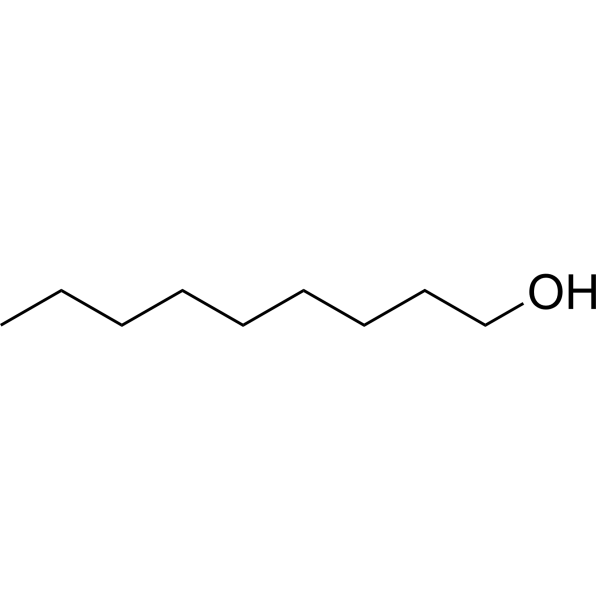
    Nonan-1-ol is an organic compound commonly used in the manufacture of surfactants and lubricants, among others. It can be used as a detergent, emulsifier and stabilizer, and is widely used in some cosmetics, personal care products and printing inks. In addition, the compound has important applications in certain industrial fields, for example in the production of plastics and rubber.
    Nonanol
  • HY-128387S1

    Isotope-Labeled Compounds Endogenous Metabolite Cardiovascular Disease
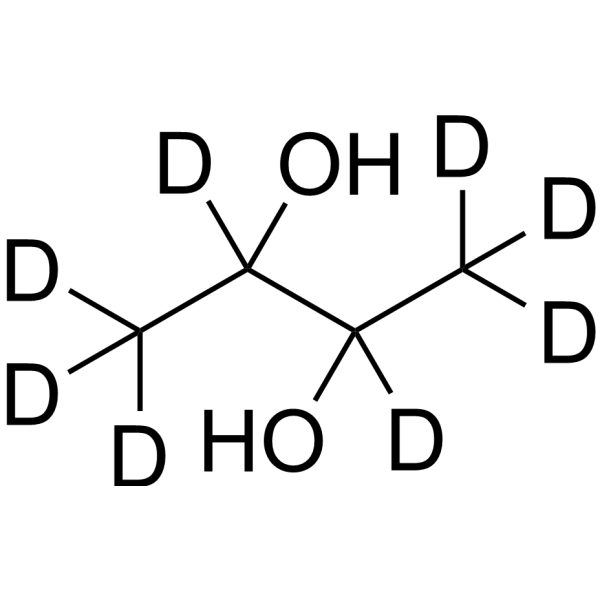
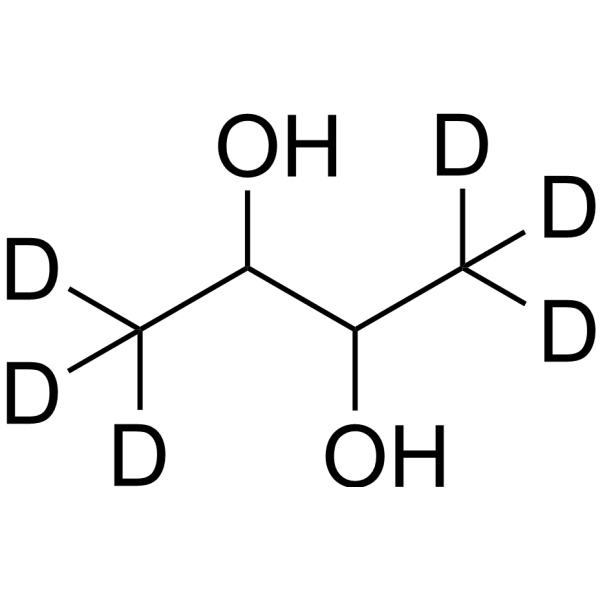
    2,3-Butanediol-d8 is the deuterium labeled 2,3-Butanediol (HY-128387) . 2,3-Butanediol is microbially derived compound that is a discriminating urinary biomarker of Fmo5 -/- mice. 2,3-Butanediol prevents age-related increases in the plasma concentration of cholesterol. 2,3-Butanediol has potential applications in the manufacture of printing inks, perfumes, fumigants, moistening and softening agents, plasticizers, and as a carrier for pharmaceuticals .
    2,3-Butanediol-d8
  • HY-128387R

    Reference Standards Endogenous Metabolite Cardiovascular Disease
    2,3-Butanediol (Standard) is the analytical standard of 2,3-Butanediol (HY-128387). This product is intended for research and analytical applications. 2,3-Butanediol is microbially derived compound that is a discriminating urinary biomarker of Fmo5 -/- mice. 2,3-Butanediol prevents age-related increases in the plasma concentration of cholesterol. 2,3-Butanediol has potential applications in the manufacture of printing inks, perfumes, fumigants, moistening and softening agents, plasticizers, and as a carrier for pharmaceuticals.
    2,3-Butanediol (Standard)
  • HY-158223

    CMCSMA

    Biochemical Assay Reagents Others
    Carboxymethyl chitosan Methacryloyl (CMCSMA) is methacrylated carboxymethyl chitosan with properties as a 3D printing ink. A composite hydrogel made of Carboxymethyl chitosan Methacryloyl can effectively accelerate bone healing in an infectious microenvironment after implantation in a rat model of Staphylococcus aureus-infected femoral defect . Carboxymethyl chitosan Methacryloyl needs to self-assemble into fibrous hydrogel under the action of photoinitiator LAP (HY-44076), and target bioactive adhesion sites, play an inherent supporting role for tissue cells and biodegradable activity.
    Application: cell culture, biological 3D printing, tissue engineering, etc.
    Carboxymethyl chitosan Methacryloyl
  • HY-158221

    CSMA

    Biochemical Assay Reagents Others
    Chondroitin Sulfate Methacryloyl (CSMA) is methacrylated chondroitin sulfate and is biocompatible. Chondroitin Sulfate Methacryloyl has a higher degree of methacrylation than HAMA (HY-158220), and the degree of methacrylation is closely related to customizable mechanical properties, swelling properties and enzymatic degradability. Chondroitin Sulfate Methacryloyl is a versatile biomaterial suitable for biomimetic hydrogel scaffolds and an ideal 3D printing hydrogel ink . Chondroitin Sulfate Methacryloyl needs to self-assemble into fibrous hydrogel under the action of photoinitiator LAP (HY-44076), and target bioactive adhesion sites, play an inherent supporting role for tissue cells and biodegradable activity.
    Application: cell culture, biological 3D printing, tissue engineering, etc.
    Chondroitin Sulfate Methacryloyl
  • HY-W250148

    Spirit nigrosine

    Biochemical Assay Reagents Others
    Solvent black 5 (Spirit nigrosine) is a synthetic dye belonging to the family of azo dyes. Also known as oil black or naphthol black, it is dark blue-black and has excellent solubility in organic solvents. Solvent black 5 is commonly used as a colorant in various industrial applications such as printing inks, coatings and plastics. It can also be used as an indicator dye to detect the presence of metals in solution. Furthermore, due to its high absorption and emission properties in the near-infrared region, it has been used in scientific research as a fluorescent biomarker for tissues and cells. However, Solvent black 5 has been reported to have potentially toxic effects on human health and the environment and its use is therefore regulated in some countries.
    Solvent black 5
  • HY-108420
    INK4C-IN-2
    1 Publications Verification

    CDK Cancer
    INK4C-IN-2 is a p18 INK4C inhibitor. NK4C-IN-2 promotes hematopoietic stem cells (HSCs) division by inhibiting INK4C and activating CDK4/6, with an ED50 of 5.21 nM. INK4C-IN-2 shows no cytotoxic to normal 32D cells, HSCs, leukemia cell lines and myeloma cell lines .
    INK4C-IN-2
  • HY-D0384

    Fluorescent Dye
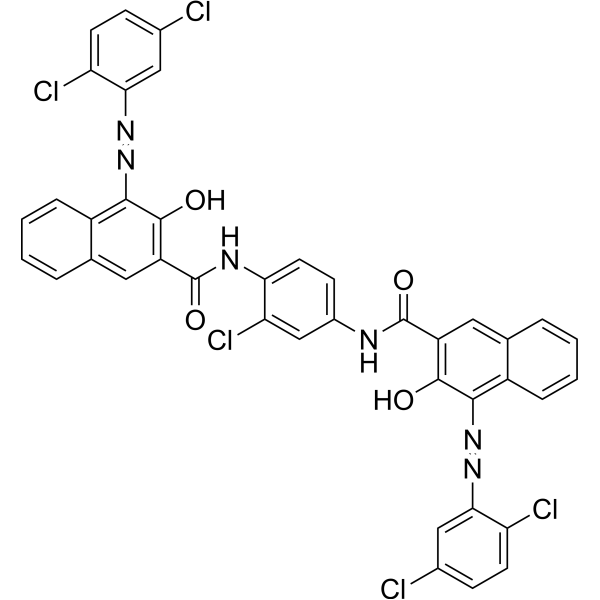
    Pigment Red 144 is a commonly used commercial dye for bulk coloring of plastics and synthetic fibers and for surface coatings such as paints and inks.
    Pigment Red 144
  • HY-D0345

    Fluorescent Dye
    Pigment Red 178 is a commonly used commercial dye for bulk coloring of plastics and synthetic fibers and for surface coatings such as paints and inks.
    Pigment Red 178
  • HY-D0632

    Fluorescent Dye
    Pigment Red 147 is a commonly used commercial dye for bulk coloring of plastics and synthetic fibers and for surface coatings such as paints and inks.
    Pigment Red 147
  • HY-D0421

    Fluorescent Dye Others
    C.I. Solvent yellow 18 is a lipid-soluble fluorescent azo dye, which is widely used in industries such as textiles, medicine, food, cosmetics, plastics, paints, inks, photography and papermaking .
    C.I. Solvent yellow 18
  • HY-120942

    CDK Cancer
    XIE18-6 is a potent INK4C (p18) inhibitor. XIE18-6 shows potent bioactivity in hematopoietic stem cells (HSCs) expansion with an ED50 of 105.5 nM .
    XIE18-6
  • HY-D0405

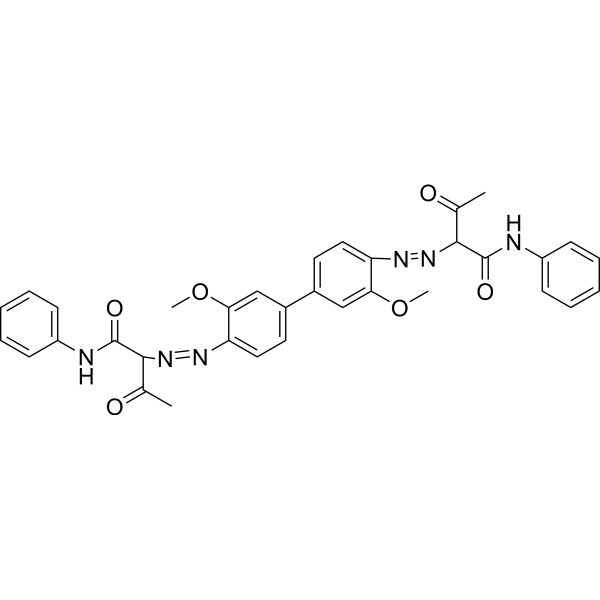
    Fluorescent Dye
    C.I. Pigment yellow 74 is the most important colorant used to add color or change the color of something and is chemically essentially unaffected by the carrier or medium into which it is incorporated. It can be widely used in textile, medicine, food, cosmetics, plastics, paint, ink, photography and paper industries.
    C.I. Pigment yellow 74
  • HY-D0457

    Fluorescent Dye
    C.I. Solvent red 179 is the most important colorant used to add color or change the color of something and is chemically essentially unaffected by the carrier or medium into which it is incorporated. It can be widely used in textile, medicine, food, cosmetics, plastics, paint, ink, photography and paper industries.
    C.I. Solvent red 179
  • HY-W009400

    Drug Intermediate Others
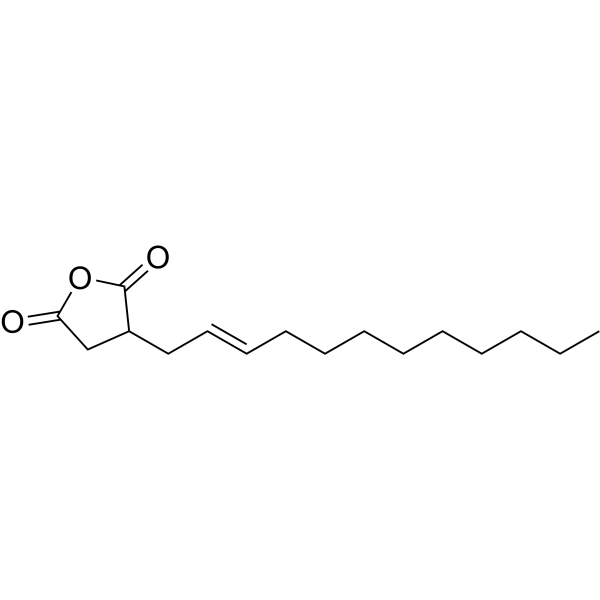
    (2-Dodecen-1-yl)succinic anhydride is an organic compound commonly used in certain polymerization reactions. It is used in the manufacture of products such as plastics and resins, and is widely used in certain industrial fields, such as coatings, inks and textile manufacturing. In addition, the compound is also used as a raw material for pharmaceutical intermediates and surfactants.
    (2-Dodecen-1-yl)succinic anhydride
  • HY-D1229

    Fluorescent Dye Others
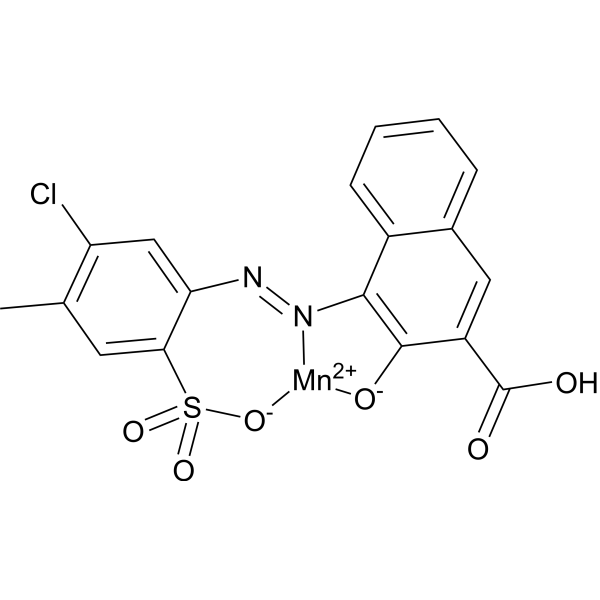
    Pigment Red 48:4 is a manganese-complex dye that can be used in printing ink applications and paint systems.
    Pigment Red 48:4
  • HY-D1064

    Fluorescent Dye
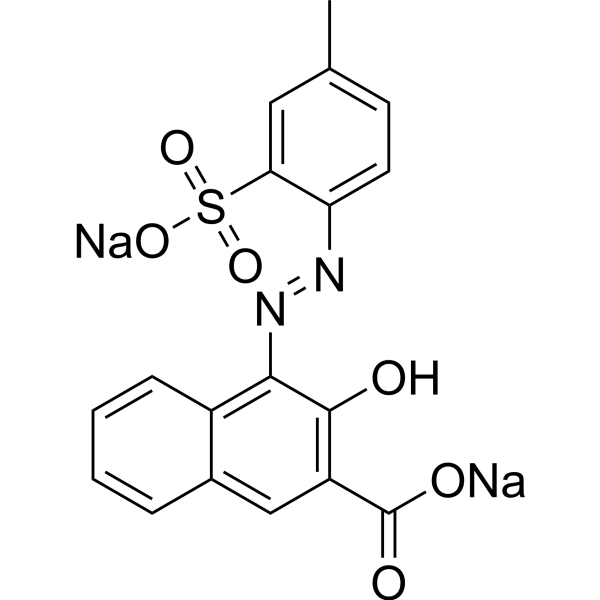
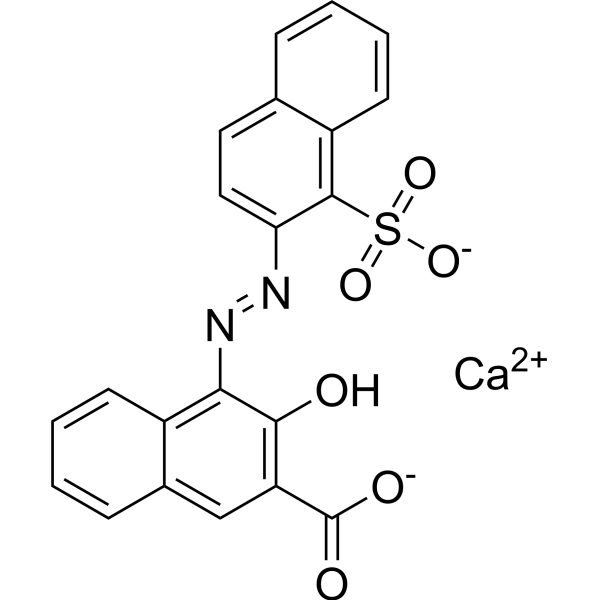
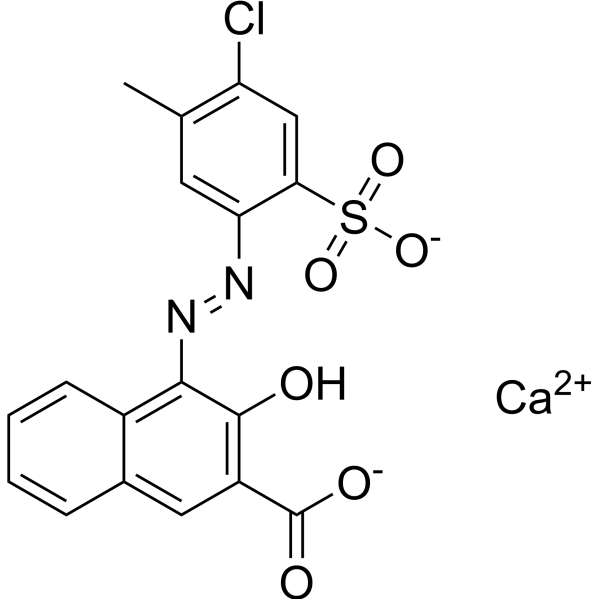
    Pigment red 57 is a commonly used commercial dye for bulk coloring of plastics and synthetic fibers and for surface coatings such as paints and inks.
    Pigment red 57
  • HY-D0383

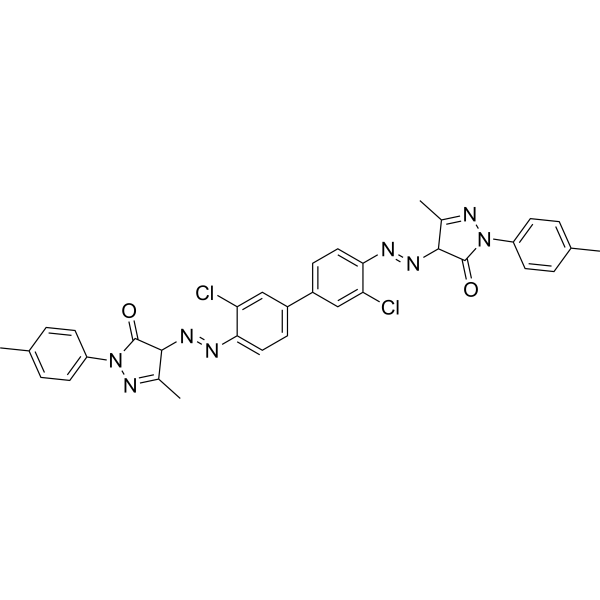
    Fluorescent Dye
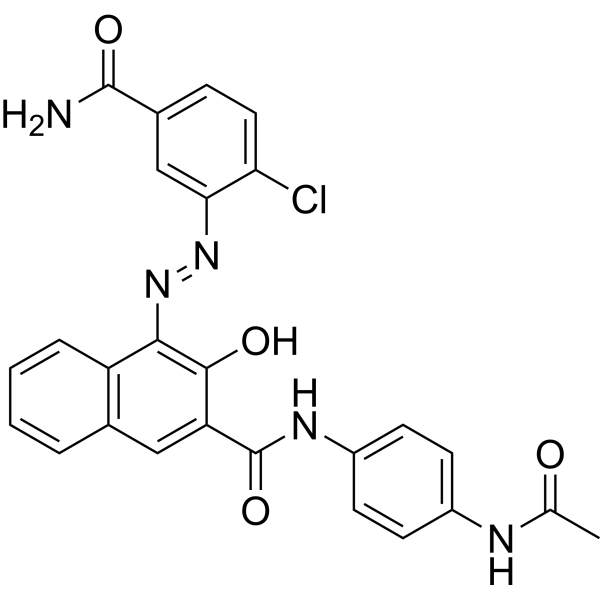
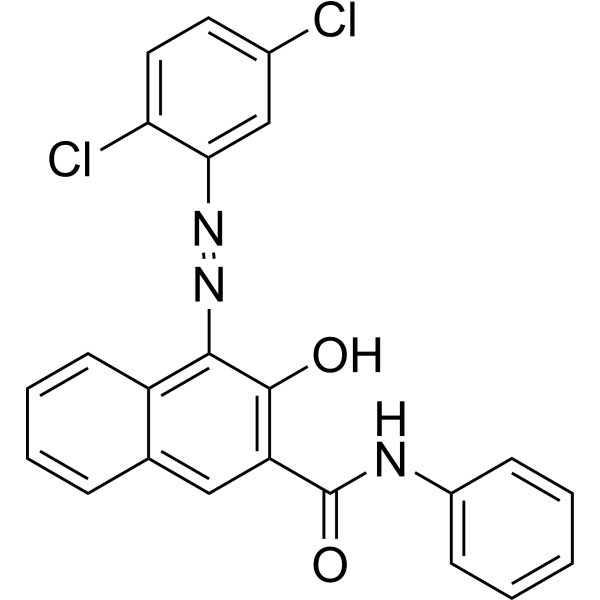
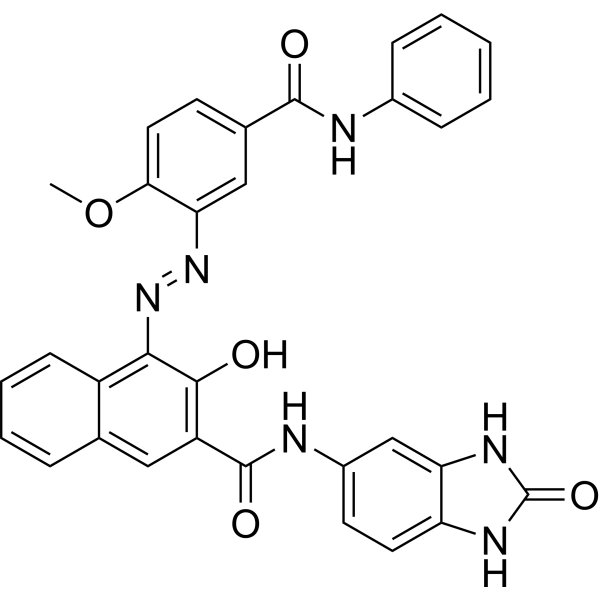
    Pigment Red 146 is a commonly used commercial dye for bulk coloring of plastics and synthetic fibers and for surface coatings such as paints and inks.
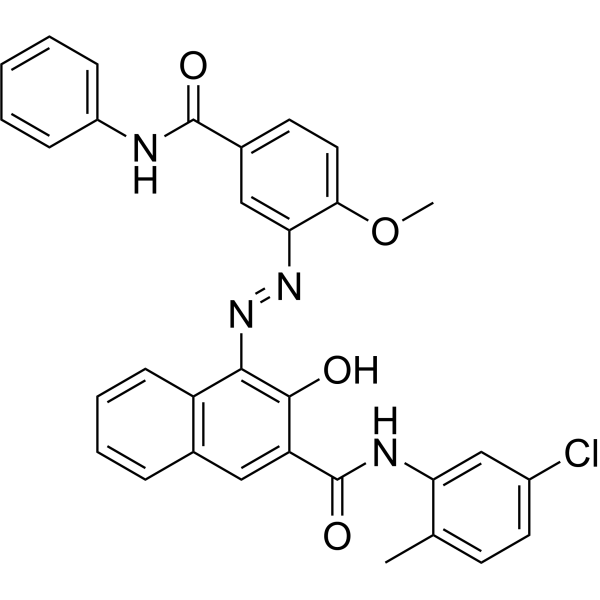
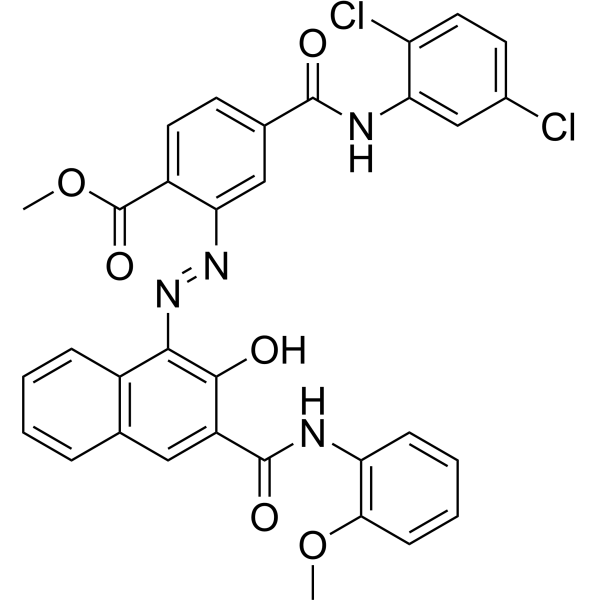
    Pigment Red 146
  • HY-D0596

    Fluorescent Dye
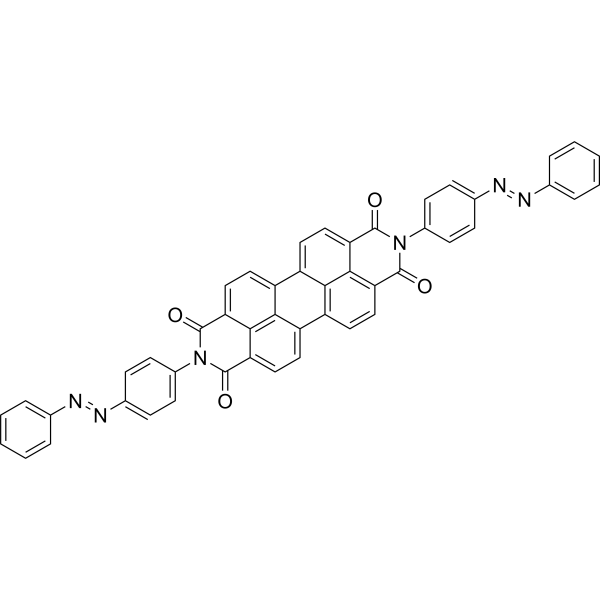
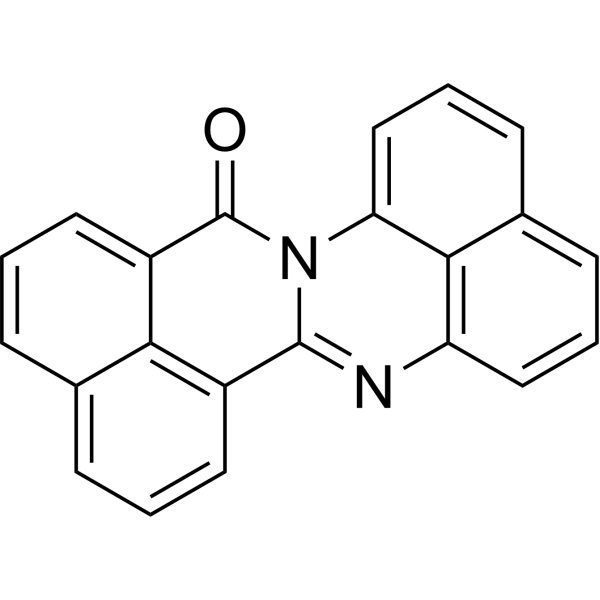
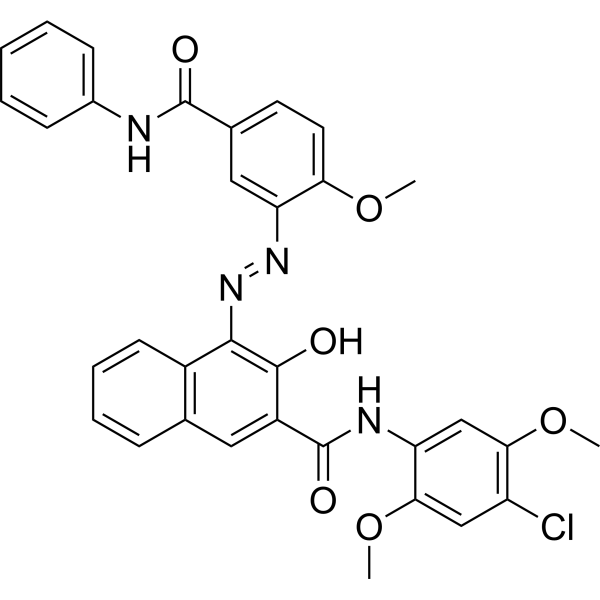
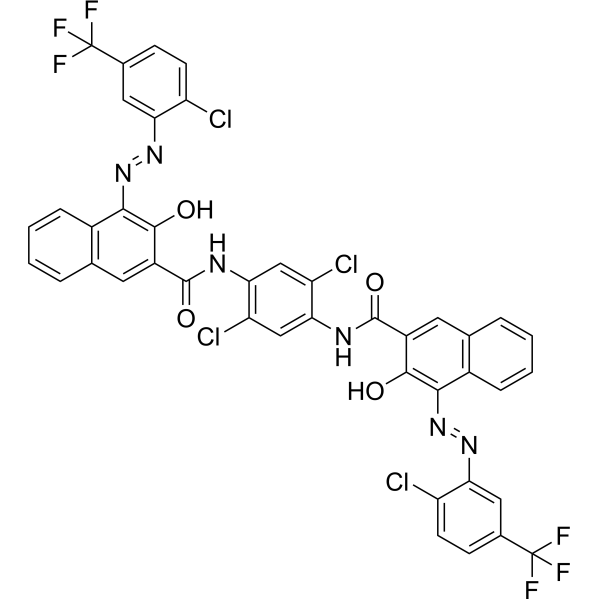
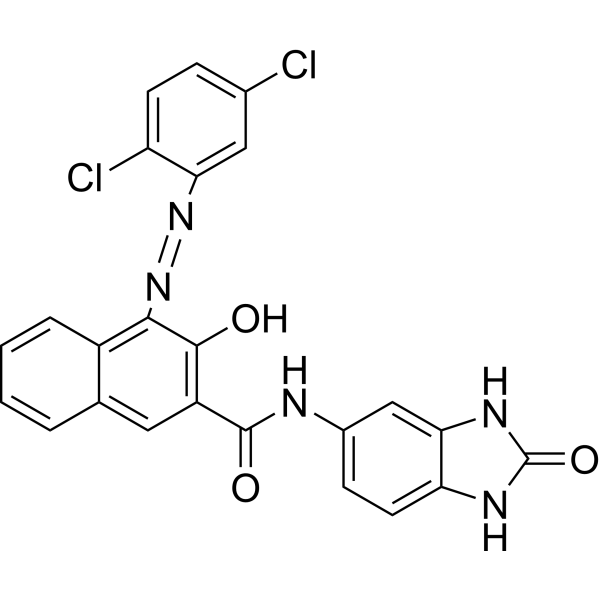
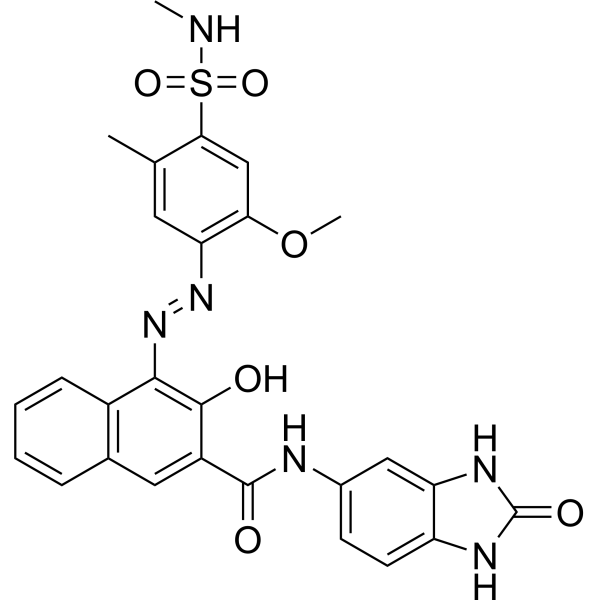
    Pigment Red 188 is a commonly used commercial dye for bulk coloring of plastics and synthetic fibers and for surface coatings such as paints and inks.
    Pigment Red 188
  • HY-D1233

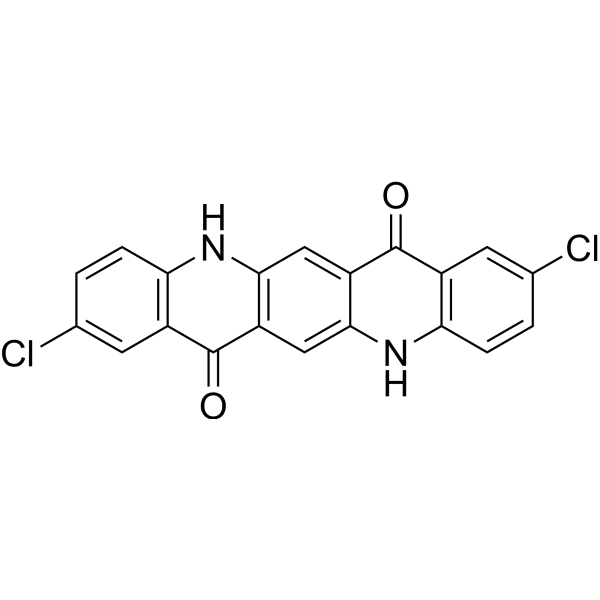
    Quinaridone magenta 202

    Fluorescent Dye
    Pigment Red 202 is a commonly used commercial dye for bulk coloring of plastics and synthetic fibers and for surface coatings such as paints and inks.
    Pigment red 202
  • HY-D0568

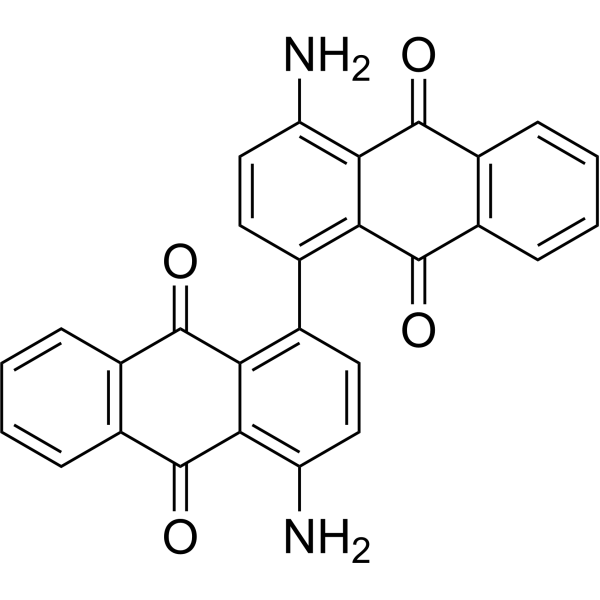
    Fluorescent Dye
    Pigment Red 242 is a commonly used commercial dye for bulk coloring of plastics and synthetic fibers and for surface coatings such as paints and inks.
    Pigment red 242
  • HY-D1139

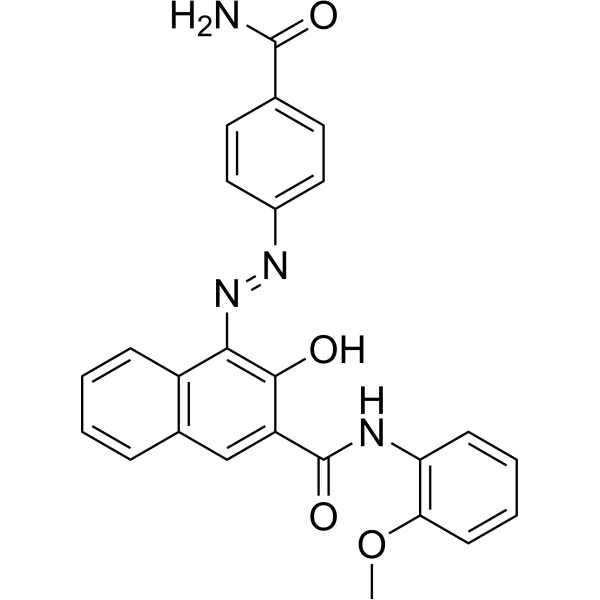
    Fluorescent Dye
    Pigment Red 177 is a commonly used commercial dye for bulk coloring of plastics and synthetic fibers and for surface coatings such as paints and inks.
    Pigment red 177

Inquiry Online

Your information is safe with us. * Required Fields.

Salutation


Country or Region *

Applicant Name *


Organization Name *

Department *


Email Address *


Product Name *

Cat. No.


Requested quantity *

Phone Number *


Remarks

Inquiry Online

Inquiry Information

Product Name:
Cat. No.:
Quantity:
MCE Japan Authorized Agent: