

Search Result
Results for "
intestinal enzymes
" in MedChemExpress (MCE) Product Catalog:
4
Biochemical Assay Reagents
1
Isotope-Labeled Compounds
| Cat. No. |
Product Name |
Target |
Research Areas |
Chemical Structure |
-
- HY-W007376
-
|
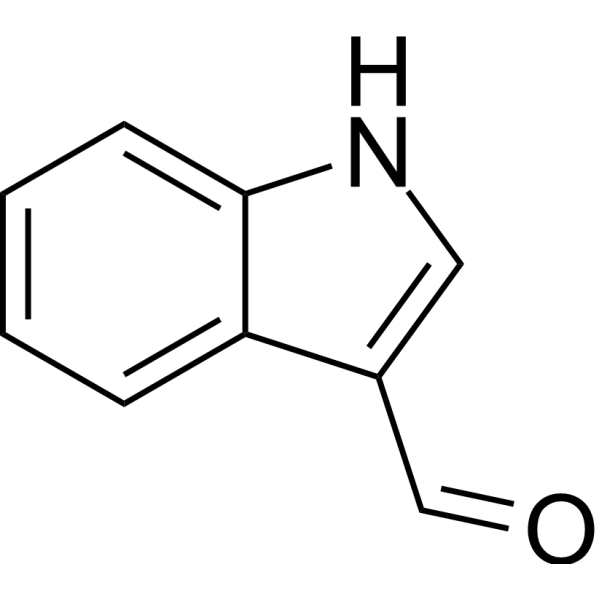
3-Formylindole
|
Endogenous Metabolite
|
Others
|
|
Indole-3-carboxaldehyde (3-Formylindole), a banlangen extract, is the product of the oxidative degradation of indole-3-acetic acid (IAA) by crude enzyme preparations from etiolated pea seedlings. Indole-3-carboxaldehyde is a biochemical used to prepare analogs of the indole phytoalexin cyclobrassinin. Indole-3-carboxaldehyde also enhances the epithelial barrier and anti-inflammatory activity in the intestinal tract .
|
-
-
- HY-N7075
-
Inulin
4 Publications Verification
|
Endogenous Metabolite
|
Infection
Neurological Disease
Metabolic Disease
Cancer
|
|
Inulin is an orally active prebiotic targeting the intestinal microbiota, selectively promoting the proliferation and activity of beneficial bacteria such as bifidobacteria and lactic acid bacteria, and playing a role in regulating the intestinal microecology. The functions of Inulin include: Fermentation by probiotics in the colon to produce short-chain fatty acids (such as butyrate and propionate), lowering the intestinal pH and inhibiting the overgrowth of harmful bacteria; Enhancing the intestinal barrier function and reducing endotoxin translocation; Directly scavenging free radicals (such as superoxide free radicals, hydroxyl free radicals) and activating antioxidant enzymes (SOD, CAT) to reduce oxidative stress. Inulin can also be used in the study of intestinal diseases (constipation, IBD), metabolic syndrome (diabetes, obesity) and liver damage by regulating glucose and lipid metabolism (such as reducing triglycerides, improving insulin sensitivity) and immune response (enhancing NK cell activity, inhibiting inflammatory factors)[1][2][3][4].
|
-
-
- HY-N0321
-
|
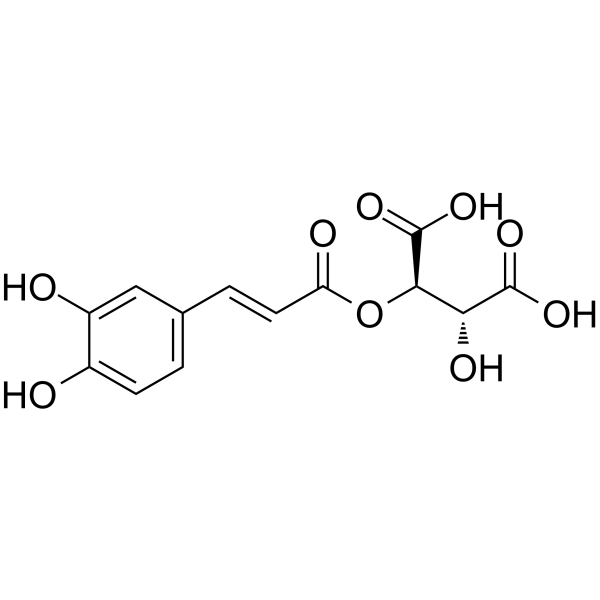
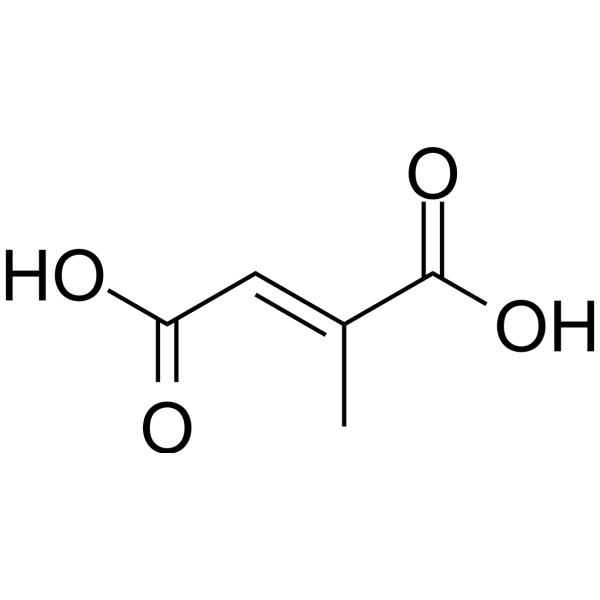
trans-Caftaric acid
|
Others
|
Cardiovascular Disease
Neurological Disease
Inflammation/Immunology
|
|
Caftaric acid (trans-Caftaric acid) is a polyphenolic antidiuretic, antioxidant and anti-apoptotic agent that can be hydrolyzed by intestinal microbial esterases. Caftaric acid exerts its antioxidant and potential anti-inflammatory effects mainly through intestinal microbial metabolism. Caftaric acid can reduce renal damage, restore electrolyte balance, renal function indicators and antioxidant enzyme activities in a rat albinism model, and further exert anti-oxidative stress and anti-inflammatory activities .
|
-
-
- HY-Y1683
-
|
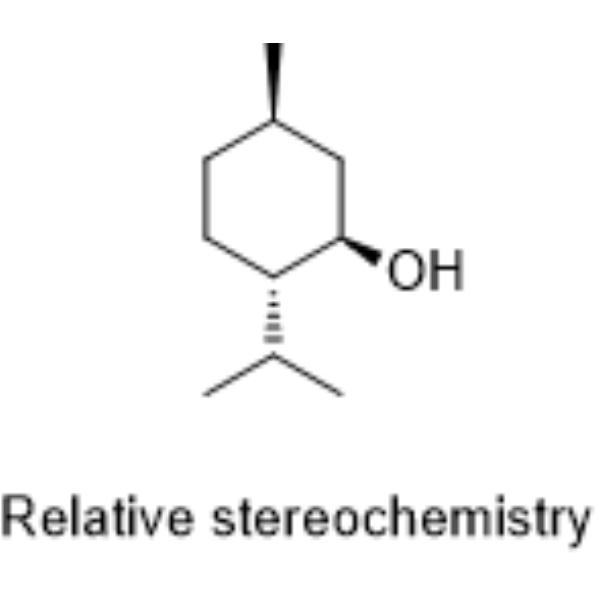
Racementhol
|
Environmental Pollutants
GABA Receptor
|
Infection
Neurological Disease
|
|
DL-Menthol (Racementhol) is an orally active, GABAaR positive allosteric modulator and UDP-glucuronosyltransferase (UGT) inhibitor that can cross the blood-brain barrier. DL-Menthol binds to GABAAR and exhibits an allosteric activation effect, enhancing GABA-mediated chloride influx and inhibiting neuronal excitability. DL-Menthol can induce surgical anesthesia in fish and inhibit the metabolic detoxification of tobacco carcinogens by human liver and intestinal UGT enzymes, resulting in reduced NNAL-N-Gluc production .
|
-
-
- HY-113478
-
|
Isoursodeoxycholic acid
|
Drug Metabolite
|
Metabolic Disease
|
|
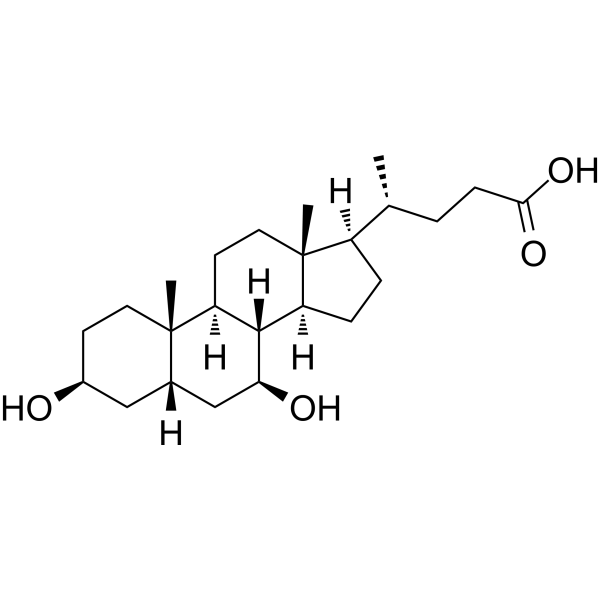
3β-Ursodeoxycholic acid (Isoursodeoxycholic acid) is a bile acid. 3β-Ursodeoxycholic acid shows good tolerance and well intestinal absorption by oral adminstation. 3β-Ursodeoxycholic acid can be isomerized by intestinal and hepatic enzymes to yield UDCA .
|
-
-
- HY-Y1325I
-
|
|
Environmental Pollutants
Biochemical Assay Reagents
Apoptosis
NO Synthase
p38 MAPK
Heme Oxygenase (HO)
Keap1-Nrf2
Wnt
β-catenin
|
Metabolic Disease
Inflammation/Immunology
Cancer
|
|
Sodium acetate trihydrate, 99.5% is a short-chain fatty acid salt with multiple biological activities. Sodium acetate trihydrate, 99.5% serves as a direct precursor of acetyl-CoA, and it extensively affects gene expression by promoting histone acetylation. Sodium acetate trihydrate, 99.5% can activate the p38 MAPK pathway to induce cancer cell apoptosis. Sodium acetate trihydrate, 99.5% can activate the Wnt/β-catenin signaling pathway to stimulate the proliferation and migration of cecal epithelial cells, thereby improving intestinal health. Sodium acetate trihydrate, 99.5% alleviates lead accumulation and oxidative damage by upregulating the testosterone-dependent eNOS/NO/cGMP signaling pathway, as well as activating the Nrf2/HO-1 pathway and its downstream antioxidant enzymes .
|
-
-
- HY-P2879
-
|
|
Endogenous Metabolite
|
Metabolic Disease
|
|
Cholesterol esterase, Pseudomonas is an enzyme that hydrolyzes cholesterol ester to cholesterol and free fatty acid in the intestinal lumen. Cholesterol synthesized in the acinar cells and is stored in zymogen granules. Cholesterol esterase is also known as bile salt-stimulated lipase and carboxy ester lipasea, acts function for acceleration of cholesterol absorption .
|
-
-
- HY-107863
-
|
Oligolevulose
|
Biochemical Assay Reagents
Bacterial
|
Infection
Metabolic Disease
|
|
Fructooligosaccharides (Oligolevulose) are a class of orally active dietary fibers and prebiotics. Fructooligosaccharides exist in foods such as breast milk, wheat, honey, onions, garlic and bananas. Fructooligosaccharides resist hydrolysis by the body's digestive enzymes and stimulate the growth of beneficial intestinal bacteria through colonic fermentation. Fructooligosaccharides significantly prevent bone loss in the femur and lumbar spine .
|
-
-
- HY-P2911
-
|
GLDH
|
Mitochondrial Metabolism
|
Others
|
|
Glutamate dehydrogenase NAD(P) (GLDH) can be found in hepatocytes, renal tissue, brain, muscle, and intestinal cells. Glutamate dehydrogenase NAD(P) is often used in biochemical studies. Glutamate dehydrogenase is a mitochondrial enzyme, it catalyzes the reversible oxidative deamination of glutamate to α-ketoglutarate (α-KG) as part of the urea cycle .
|
-
-
- HY-P2758
-
|
DAO
|
Biochemical Assay Reagents
|
Metabolic Disease
Inflammation/Immunology
Cancer
|
|
Diamine oxidase (DAO) is an orally active enzyme. Diamine oxidase catalyzes oxidative deamination of various polyamines. Diamine oxidase degrades histamine and polyamines to maintain the metabolic balance of amines in the body. Diamine oxidase is a key regulatory enzyme in rapidly proliferating tissues such as bone marrow and intestinal mucosa. Diamine oxidase can be used in research related to intestinal diseases, small bowel transplant rejection, histamine intolerance, and other conditions .
|
-
-
- HY-W007376R
-
|
3-Formylindole (Standard)
|
Reference Standards
Endogenous Metabolite
|
Others
|
|
Indole-3-carboxaldehyde (Standard) is the analytical standard of Indole-3-carboxaldehyde. This product is intended for research and analytical applications. Indole-3-carboxaldehyde (3-Formylindole), a banlangen extract, is the product of the oxidative degradation of indole-3-acetic acid (IAA) by crude enzyme preparations from etiolated pea seedlings. Indole-3-carboxaldehyde is a biochemical used to prepare analogs of the indole phytoalexin cyclobrassinin. Indole-3-carboxaldehyde also enhances the epithelial barrier and anti-inflammatory activity in the intestinal tract[1][2].
|
-
-
- HY-W718179
-
|
2-Hydroxypropyl starch
|
Biochemical Assay Reagents
|
Metabolic Disease
|
|
Hydroxypropyl starch (2-Hydroxypropyl starch) is a type of modified starch used as a food additive. Hydroxypropyl starch is not absorbed intact by the gut, but is significantly hydrolyzed by intestinal enzymes and then fermented by intestinal microbiota .
|
-
-
- HY-D1460
-
|
|
Bacterial
β-glucuronidase
|
Infection
|
|
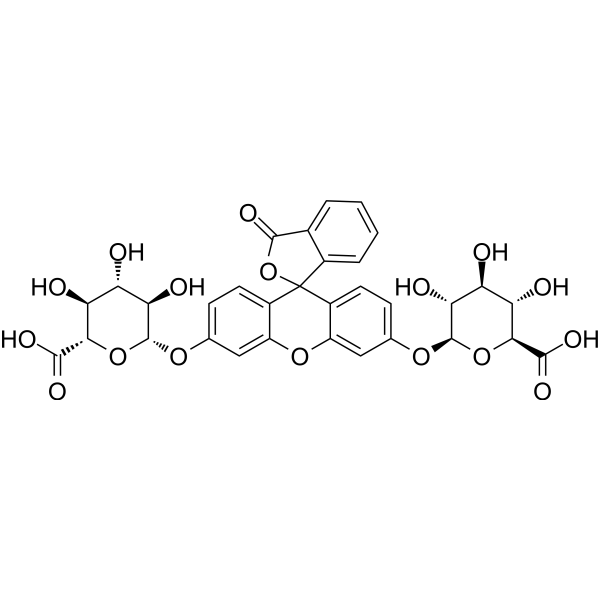
Fluorescein Di-β-D-Glucuronide is an orally active fluorescent probe substrate and an indicator of β-glucuronidase (βG) activity in intestinal bacteria. Fluorescein Di-β-D-Glucuronide can be used for non-invasive time-lapse optical imaging of βG activity in intestinal bacteria in nude mice. Fluorescein Di-β-D-Glucuronide supports the quantitative analysis of bacterial βG enzyme activity and inhibition .
|
-
-
- HY-N2093
-
Vicine
2 Publications Verification
|
Drug Metabolite
|
Cardiovascular Disease
Metabolic Disease
|
|
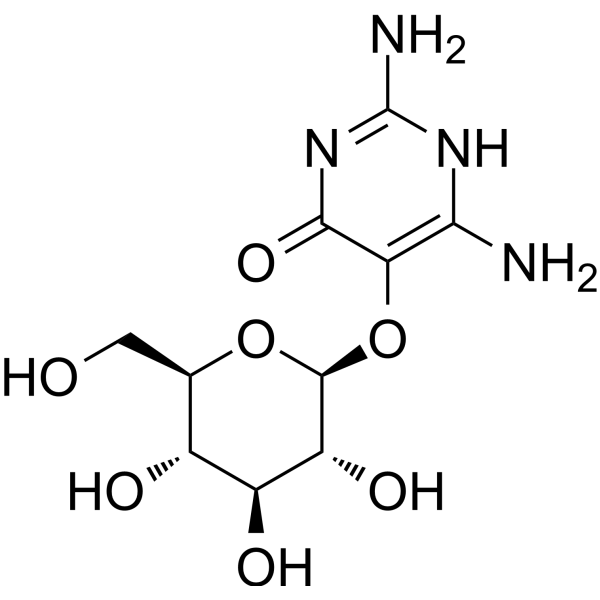
Vicine, an alkaloid glycoside found mainly in fava beans, is toxic in individuals who have a hereditary loss of the enzyme glucose-6-phosphate dehydrogenase and may cause haemolytic anaemia.Vicine is an inactive compound that is hydrolysed by the intestinal microflora to a highly reactive free radical generating compound, the aglycone divicine when Vicine enters the body through food .
|
-
-
- HY-130046
-
|
16-epi-Estriol; 16β,17β-Estriol
|
UGT
Bacterial
|
Infection
Inflammation/Immunology
|
|
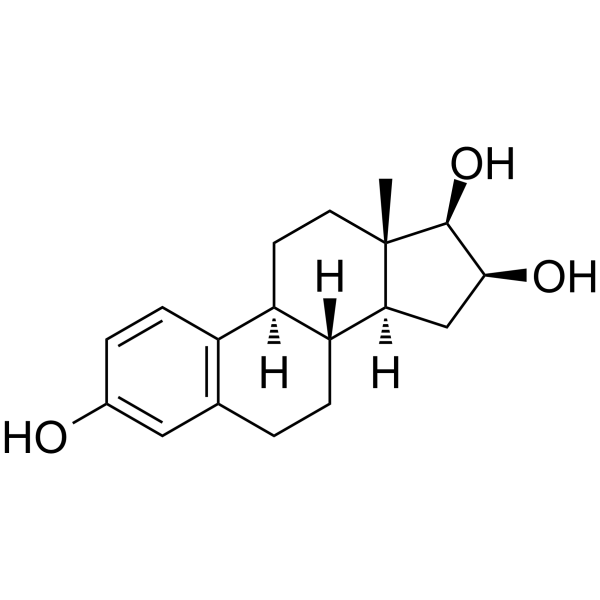
16-Epiestriol (16-epi-Estriol; 16β,17β-Estriol) is a natural stereoisomer of estriol and an anti-inflammatory agent that targets UGT. The Ki values of 16-Epiestriol against human UGT1A10 and UGT2B7 are 98.1 μM and 162 μM, respectively. As a glucuronidation substrate, 16-Epiestriol can be modified at the 3-OH, 16-OH and 17-OH sites by various UGT enzymes; in liver microsomes, the modification mainly occurs at the 16-OH and 17-OH sites, while reactions take place at all three sites in intestinal microsomes. 16-Epiestriol acts on the phase II inflammatory process by blocking edema mediated by prostaglandins and leukocyte infiltration. It lacks glycogenic activity or any effect on blood glucose levels, and serves as an important candidate molecule in the research of inflammatory diseases .
|
-
-
- HY-N17272
-
|
|
Drug Metabolite
|
Metabolic Disease
|
|
Cholic acid 3-sulfate is the sulfated metabolite of Cholic acid (HY-N0324), produced by liver enzyme sulfotransferase-2A1. Cholic acid 3-sulfate is less toxic than the parent compound, thus serving as a detoxification pathway for bile acids. Cholic acid 3-sulfate does not have the effect of stimulating intestinal secretion .
|
-
-
- HY-401721
-
|
|
Biochemical Assay Reagents
|
Others
|
|
5-CNAC is an orally active enhancer of absorption, with no pharmacological activity on its own. 5-CNAC can significantly enhance the absorption efficiency of the drug (such as Salmon calcitonin (HY-P0090)) when administered together with it in the gastrointestinal tract. 5-CNAC binds reversibly and non-covalently to peptide drugs, protecting them from degradation by gastrointestinal enzymes, increasing their lipid solubility, promoting passive transcellular absorption, and not damaging the integrity of the intestinal epithelium. 5-CNAC can be used in the research of adjuvants for orally administered peptide agents .
|
-
-
- HY-W750674
-
|
3-Formylindole-C13C8
|
Isotope-Labeled Compounds
|
Inflammation/Immunology
|
|
Indole-3-carboxaldehyde- 13C8 (3-Formylindole- 13C8) is the 13C-labeled Indole-3-carboxaldehyde (HY-W007376). Indole-3-carboxaldehyde, a banlangen extract, is the product of the oxidative degradation of indole-3-acetic acid (IAA) by crude enzyme preparations from etiolated pea seedlings. Indole-3-carboxaldehyde is a biochemical used to prepare analogs of the indole phytoalexin cyclobrassinin. Indole-3-carboxaldehyde also enhances the epithelial barrier and anti-inflammatory activity in the intestinal tract .
|
-
-
- HY-147388
-
|
|
Cholinesterase (ChE)
|
Metabolic Disease
|
|
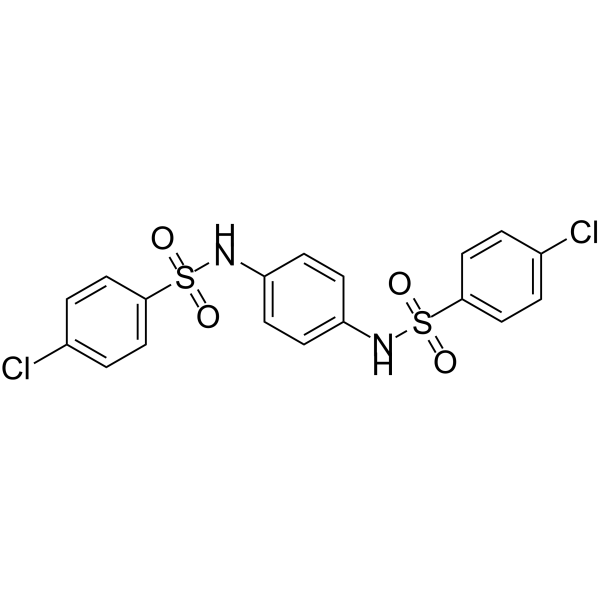
hiCE inhibitor-1, a sulfonamide derivative, is a selective human intestinal enzyme (hiCE) inhibitor with a Ki value of 53.3 nM. hiCE inhibitor-1 can be used to improve Irinotecan (HY-16562)-induced diarrhoea .
|
-
-
- HY-121624
-
|
|
Glutathione S-transferase
|
Infection
|
|
Anthglutin is a gamma-glutamyltransferase inhibitor isolated from Penicillium oxalicum cultures. The Ki values of Anthglutin for different enzymes are: porcine kidney enzyme 5.7 μM, human kidney enzyme 18.3 μM, human liver soluble enzyme 13.6 μM, and conjugated enzyme 10.2 μM. Anthglutin had no significant effect on intestinal absorption of methionine in rats .
|
-
-
- HY-113478R
-
|
Isoursodeoxycholic acid (Standard)
|
Drug Metabolite
Reference Standards
|
Metabolic Disease
|
|
3β-Ursodeoxycholic acid (Standard) is the analytical standard of 3β-Ursodeoxycholic acid. This product is intended for research and analytical applications. 3β-Ursodeoxycholic acid (Isoursodeoxycholic acid) is a bile acid. 3β-Ursodeoxycholic acid shows good tolerance and well intestinal absorption by oral adminstation. 3β-Ursodeoxycholic acid can be isomerized by intestinal and hepatic enzymes to yield UDCA .
|
-
-
- HY-B1282AR
-
|
|
Reference Standards
Bacterial
Parasite
Antibiotic
|
Infection
|
|
3β-Ursodeoxycholic acid (Standard) is the analytical standard of 3β-Ursodeoxycholic acid. This product is intended for research and analytical applications. 3β-Ursodeoxycholic acid (Isoursodeoxycholic acid) is a bile acid. 3β-Ursodeoxycholic acid shows good tolerance and well intestinal absorption by oral adminstation. 3β-Ursodeoxycholic acid can be isomerized by intestinal and hepatic enzymes to yield UDCA .
|
-
-
- HY-W012159
-
|
H-MET-SER-OH
|
Angiotensin-converting Enzyme (ACE)
|
Cardiovascular Disease
|
|
Methionylserine (H-MET-SER-OH) is a methionine- and serine-containing dipeptide. Methionylserine binds to and translocation via intestinal di/tri-peptide transporter 1 (hPEPT1) with a Km value of 0.2 mM. Methionylserine inhibits ACE enzyme activity. Methionylserine can be used in the research of hypension .
|
-
-
- HY-157356
-
|
|
Bacterial
|
Others
|
|
Violet Red Bile Glucose Agar can be used for counting intestinal bacteria and identification of enterobacteriaceae. The composition of 1 liter of Violet Red Bile Glucose Agar contains: 7.0 g gelatin pancreatic enzyme hydrolysate, 3.0 g yeast extract powder, 1.5 g sodium deoxycholate, 10.0 g glucose, 5.0 g sodium chloride, 0.03 g neutral red, 0.002 g crystal violet, and 15.0 g agar in per liter .
|
-
-
- HY-N9503
-
|
|
TRP Channel
Na+/K+ ATPase
Parasite
|
Others
Neurological Disease
Inflammation/Immunology
|
|
Carvacryl acetate is an orally active and brain-penetrant TRPA1 receptor activator and Na +/K +-ATPase activator. Carvacryl acetate modulates GABAergic signaling, alters hippocampal GABA and glutamine levels, reduces lipid peroxidation and nitrite formation, scavenges hydroxyl radicals, and boosts glutathione and antioxidant enzyme activity. Carvacryl acetate inhibits Haemonchus contortus larval hatching, development, adult motility, and fecal egg counts, and induces adult worm structural damage. Carvacryl acetate can be used for the research of intestinal mucositis, gastrointestinal nematode infection, epilepsy, and neurodegenerative diseases .
|
-
-
- HY-171837A
-
|
|
TNF Receptor
Interleukin Related
SOD
|
Inflammation/Immunology
|
|
t9,t11,c15-CLNA is a conjugated linolenic acid (CLNA) isomer produced by Lactobacillus plantarum ZS2058. t9,t11,c15-CLNA has the main activities of anti-inflammatory, antioxidant and improving intestinal barrier function. The regulatory mechanism of t9,t11,c15-CLNA includes upregulation of tight junction proteins, inhibition of pro-inflammatory cytokines (such as TNF-α, IL-6) and activation of antioxidant enzymes (such as SOD, CAT). t9,t11,c15-CLNA can be used in the study of inflammatory bowel diseases (such as colitis) .
|
-
-
- HY-E70968
-
|
|
Endogenous Metabolite
|
Metabolic Disease
|
|
Enterokinase, Porcine (EC 3.4.21.9), is an enzyme produced by duodenal cells and participates in the digestive process in humans and animals. Enterokinase converts trypsinogen (an enzyme precursor) into its active form, trypsin, thereby activating pancreatic digestive enzymes. Deficiency of enterokinase can lead to intestinal digestive dysfunction.
|
-
-
- HY-183076
-
|
|
Bacterial
|
Infection
|
|
AW00718 is a Brachyspira pilosicoli glutamate racemase (Bp-MurI) inhibitor. AW00718 binds to Bp-MurI active site residues, forming stable hydrogen bonds and interactions with conserved amino acids in the enzyme’s binding cavity. AW00718 exerts antibacterial and bactericidal activity against Brachyspira pilosicoli in vitro. AW00718 can be used for the research of intestinal spirochaetosis .
|
-
-
- HY-105528
-
|
|
Glycosidase
|
Metabolic Disease
|
|
MDL-25637 is an α-glucosidase inhibitor. MDL-25637 can inhibit the activity of sucrose enzyme, maltase, isomaltase, glucose amylase, and trehalose in the intestinal tract of rats. MDL-25637 can be used in the research of diabetes .
|
-
-
- HY-156957
-
|
|
Biochemical Assay Reagents
|
Others
|
|
5-CNAC disodium is an orally active enhancer of absorption, with no pharmacological activity on its own. 5-CNAC disodium can significantly enhance the absorption efficiency of the drug (such as Salmon calcitonin (HY-P0090)) when administered together with it in the gastrointestinal tract. 5-CNAC disodium binds reversibly and non-covalently to peptide drugs, protecting them from degradation by gastrointestinal enzymes, increasing their lipid solubility, promoting passive transcellular absorption, and not damaging the integrity of the intestinal epithelium. 5-CNAC disodium can be used in the research of adjuvants for orally administered peptide agents .
|
-
-
- HY-130046R
-
|
16-epi-Estriol (Standard); 16β,17β-Estriol (Standard)
|
Endogenous Metabolite
Reference Standards
Bacterial
|
Infection
Inflammation/Immunology
|
|
16-Epiestriol (Standard) is the analytical standard of 16-Epiestriol (HY-130046). This product is intended for research and analytical applications. 16-Epiestriol (16-epi-Estriol; 16β,17β-Estriol) is a natural stereoisomer of estriol and an anti-inflammatory agent that targets UGT. The Ki values of 16-Epiestriol against human UGT1A10 and UGT2B7 are 98.1 μM and 162 μM, respectively. As a glucuronidation substrate, 16-Epiestriol can be modified at the 3-OH, 16-OH and 17-OH sites by various UGT enzymes; in liver microsomes, the modification mainly occurs at the 16-OH and 17-OH sites, while reactions take place at all three sites in intestinal microsomes. 16-Epiestriol acts on the phase II inflammatory process by blocking edema mediated by prostaglandins and leukocyte infiltration. It lacks glycogenic activity or any effect on blood glucose levels, and serves as an important candidate molecule in the research of inflammatory diseases .
|
-
| Cat. No. |
Product Name |
Type |
-
- HY-D1460
-
|
|
Fluorescent Dyes
|
|
Fluorescein Di-β-D-Glucuronide is an orally active fluorescent probe substrate and an indicator of β-glucuronidase (βG) activity in intestinal bacteria. Fluorescein Di-β-D-Glucuronide can be used for non-invasive time-lapse optical imaging of βG activity in intestinal bacteria in nude mice. Fluorescein Di-β-D-Glucuronide supports the quantitative analysis of bacterial βG enzyme activity and inhibition .
|
| Cat. No. |
Product Name |
Type |
-
- HY-Y1325I
-
|
|
Biochemical Assay Reagents
|
|
Sodium acetate trihydrate, 99.5% is a short-chain fatty acid salt with multiple biological activities. Sodium acetate trihydrate, 99.5% serves as a direct precursor of acetyl-CoA, and it extensively affects gene expression by promoting histone acetylation. Sodium acetate trihydrate, 99.5% can activate the p38 MAPK pathway to induce cancer cell apoptosis. Sodium acetate trihydrate, 99.5% can activate the Wnt/β-catenin signaling pathway to stimulate the proliferation and migration of cecal epithelial cells, thereby improving intestinal health. Sodium acetate trihydrate, 99.5% alleviates lead accumulation and oxidative damage by upregulating the testosterone-dependent eNOS/NO/cGMP signaling pathway, as well as activating the Nrf2/HO-1 pathway and its downstream antioxidant enzymes .
|
-
- HY-107863
-
|
Oligolevulose
|
Biochemical Assay Reagents
|
|
Fructooligosaccharides (Oligolevulose) are a class of orally active dietary fibers and prebiotics. Fructooligosaccharides exist in foods such as breast milk, wheat, honey, onions, garlic and bananas. Fructooligosaccharides resist hydrolysis by the body's digestive enzymes and stimulate the growth of beneficial intestinal bacteria through colonic fermentation. Fructooligosaccharides significantly prevent bone loss in the femur and lumbar spine .
|
-
- HY-W718179
-
|
2-Hydroxypropyl starch
|
Biochemical Assay Reagents
|
|
Hydroxypropyl starch (2-Hydroxypropyl starch) is a type of modified starch used as a food additive. Hydroxypropyl starch is not absorbed intact by the gut, but is significantly hydrolyzed by intestinal enzymes and then fermented by intestinal microbiota .
|
-
- HY-157356
-
|
|
Biochemical Assay Reagents
|
|
Violet Red Bile Glucose Agar can be used for counting intestinal bacteria and identification of enterobacteriaceae. The composition of 1 liter of Violet Red Bile Glucose Agar contains: 7.0 g gelatin pancreatic enzyme hydrolysate, 3.0 g yeast extract powder, 1.5 g sodium deoxycholate, 10.0 g glucose, 5.0 g sodium chloride, 0.03 g neutral red, 0.002 g crystal violet, and 15.0 g agar in per liter .
|
| Cat. No. |
Product Name |
Target |
Research Area |
-
- HY-W012159
-
|
H-MET-SER-OH
|
Angiotensin-converting Enzyme (ACE)
|
Cardiovascular Disease
|
|
Methionylserine (H-MET-SER-OH) is a methionine- and serine-containing dipeptide. Methionylserine binds to and translocation via intestinal di/tri-peptide transporter 1 (hPEPT1) with a Km value of 0.2 mM. Methionylserine inhibits ACE enzyme activity. Methionylserine can be used in the research of hypension .
|
| Cat. No. |
Product Name |
Category |
Target |
Chemical Structure |
-
- HY-W007376
-
-
-
- HY-N7075
-
Inulin
4 Publications Verification
|
Structural Classification
Human Gut Microbiota Metabolites
Polysaccharides
Classification of Application Fields
Metabolic Disease
Plants
Compositae
Endogenous metabolite
Disease Research Fields
Saccharides
Sophora tomentosa L.
Source Classification
|
Endogenous Metabolite
|
|
Inulin is an orally active prebiotic targeting the intestinal microbiota, selectively promoting the proliferation and activity of beneficial bacteria such as bifidobacteria and lactic acid bacteria, and playing a role in regulating the intestinal microecology. The functions of Inulin include: Fermentation by probiotics in the colon to produce short-chain fatty acids (such as butyrate and propionate), lowering the intestinal pH and inhibiting the overgrowth of harmful bacteria; Enhancing the intestinal barrier function and reducing endotoxin translocation; Directly scavenging free radicals (such as superoxide free radicals, hydroxyl free radicals) and activating antioxidant enzymes (SOD, CAT) to reduce oxidative stress. Inulin can also be used in the study of intestinal diseases (constipation, IBD), metabolic syndrome (diabetes, obesity) and liver damage by regulating glucose and lipid metabolism (such as reducing triglycerides, improving insulin sensitivity) and immune response (enhancing NK cell activity, inhibiting inflammatory factors)[1][2][3][4].
|
-
-
- HY-N0321
-
-
-
- HY-Y1683
-
-
-
- HY-W007376R
-
-
-
- HY-N2093
-
-
-
- HY-N17272
-
-
-
- HY-121624
-
|
|
Microorganisms
Ketones, Aldehydes, Acids
Source Classification
|
Glutathione S-transferase
|
|
Anthglutin is a gamma-glutamyltransferase inhibitor isolated from Penicillium oxalicum cultures. The Ki values of Anthglutin for different enzymes are: porcine kidney enzyme 5.7 μM, human kidney enzyme 18.3 μM, human liver soluble enzyme 13.6 μM, and conjugated enzyme 10.2 μM. Anthglutin had no significant effect on intestinal absorption of methionine in rats .
|
-
-
- HY-N9503
-
|
|
Structural Classification
Natural Products
Labiatae
Launaea mucronata (Forssk.) Muschl.
Plants
Source Classification
|
TRP Channel
Na+/K+ ATPase
Parasite
|
|
Carvacryl acetate is an orally active and brain-penetrant TRPA1 receptor activator and Na +/K +-ATPase activator. Carvacryl acetate modulates GABAergic signaling, alters hippocampal GABA and glutamine levels, reduces lipid peroxidation and nitrite formation, scavenges hydroxyl radicals, and boosts glutathione and antioxidant enzyme activity. Carvacryl acetate inhibits Haemonchus contortus larval hatching, development, adult motility, and fecal egg counts, and induces adult worm structural damage. Carvacryl acetate can be used for the research of intestinal mucositis, gastrointestinal nematode infection, epilepsy, and neurodegenerative diseases .
|
-
| Cat. No. |
Product Name |
Chemical Structure |
-
- HY-W750674
-
|
|
|
Indole-3-carboxaldehyde- 13C8 (3-Formylindole- 13C8) is the 13C-labeled Indole-3-carboxaldehyde (HY-W007376). Indole-3-carboxaldehyde, a banlangen extract, is the product of the oxidative degradation of indole-3-acetic acid (IAA) by crude enzyme preparations from etiolated pea seedlings. Indole-3-carboxaldehyde is a biochemical used to prepare analogs of the indole phytoalexin cyclobrassinin. Indole-3-carboxaldehyde also enhances the epithelial barrier and anti-inflammatory activity in the intestinal tract .
|
-
Your information is safe with us. * Required Fields.
Inquiry Information
- Product Name:
- Cat. No.:
- Quantity:
- MCE Japan Authorized Agent:

