



Indole-3-carboxaldehyde
Based on 4 publication(s) in Google Scholar
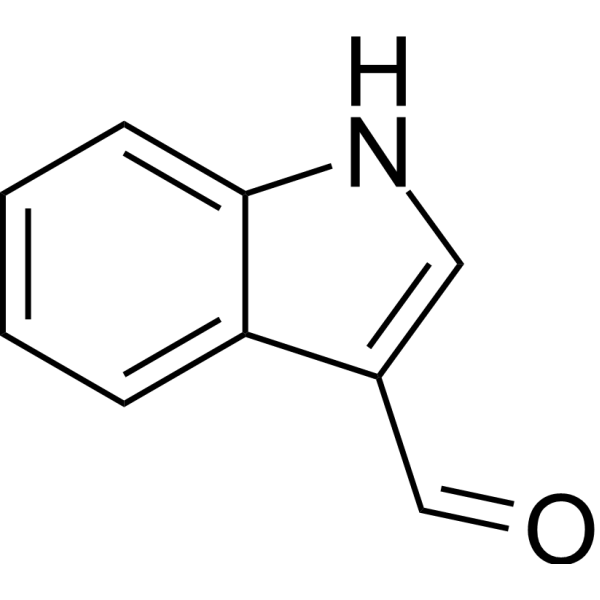
Indole-3-carboxaldehyde (3-Formylindole), a banlangen extract, is the product of the oxidative degradation of indole-3-acetic acid (IAA) by crude enzyme preparations from etiolated pea seedlings. Indole-3-carboxaldehyde is a biochemical used to prepare analogs of the indole phytoalexin cyclobrassinin. Indole-3-carboxaldehyde also enhances the epithelial barrier and anti-inflammatory activity in the intestinal tract.
For research use only. We do not sell to patients.
- Purity : 99.95%
- CAS No.: 487-89-8
- Formula: C9H7NO
- Molecular Weight:145.16
-
Storage:
4°C, stored under nitrogen
* In solvent : -80°C, 6 months; -20°C, 1 month (stored under nitrogen)

To place orders, for customer services and technical support, please contact: MedChemExpress USA
Tel: 609-228-6898 E-mail: [email protected] [email protected]


-
 Biological Activity
-
Chemical Information
-
Solvent & Solubility
- Protocols
- Purity & Documentation
- References
-
 Help & FAQs


-
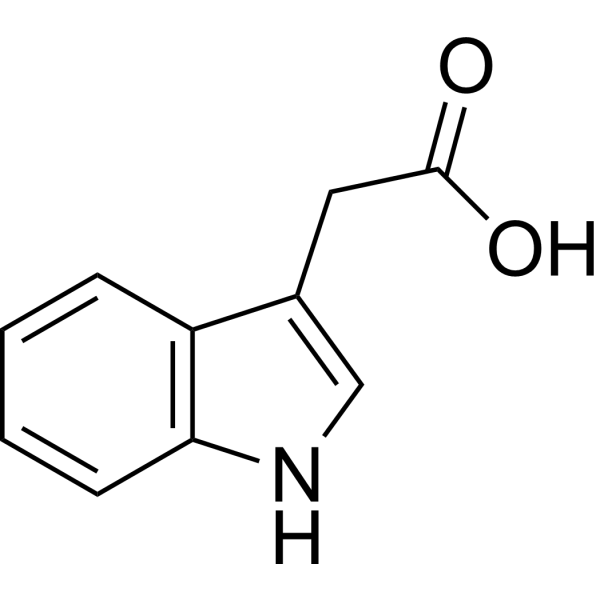
HY-18569
3-Indoleacetic acidPlant Growth Regulator -
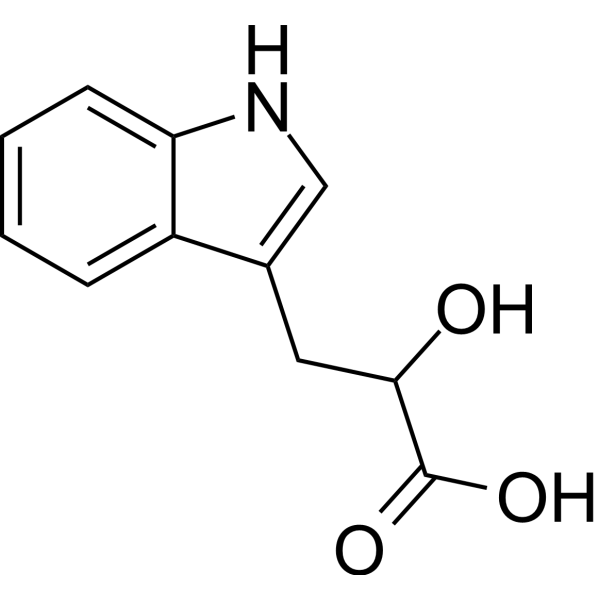
HY-113099
Indolelactic acidTryptophan Catabolite -
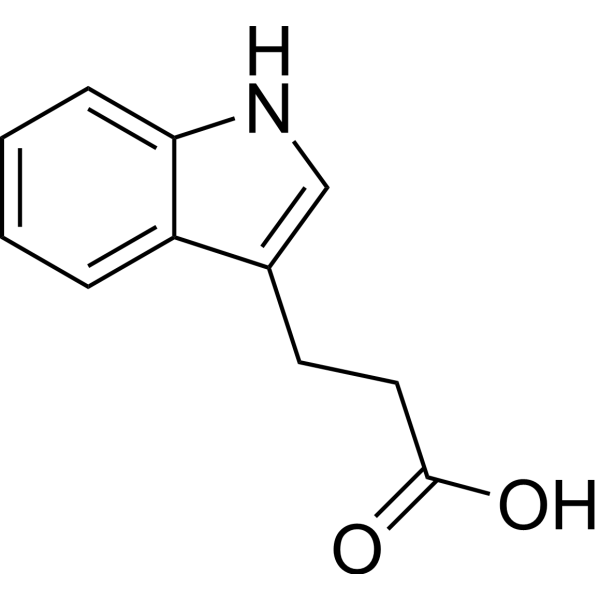
HY-W015229
3-Indolepropionic acid -
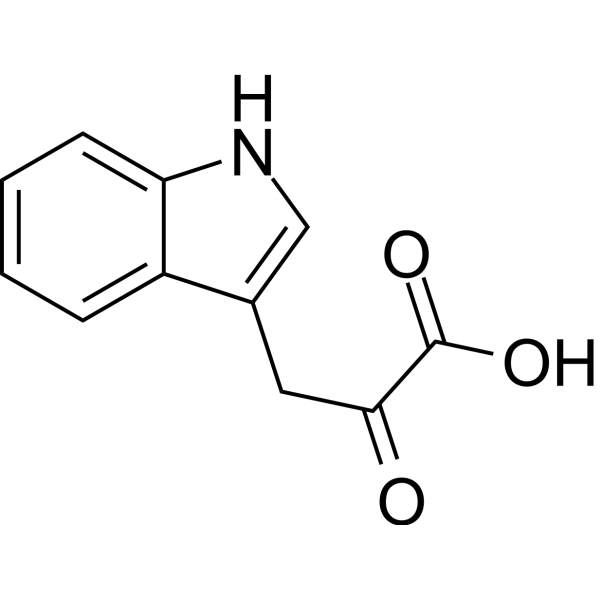
HY-W028393
Indole-3-pyruvic acidAHR Agonist -
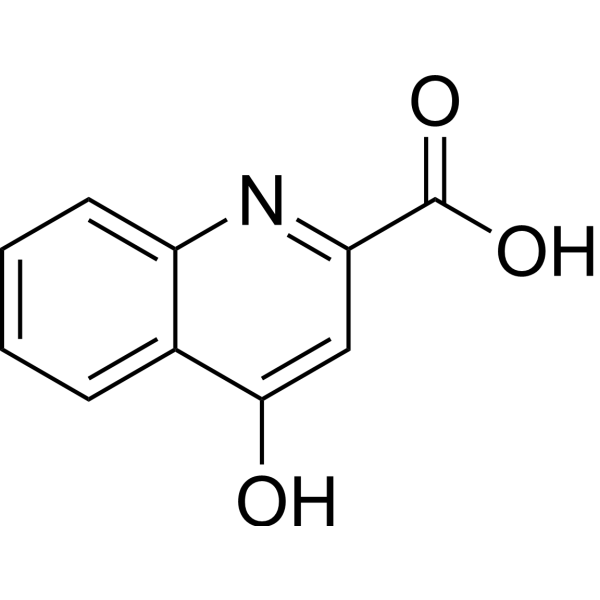
HY-100806
Kynurenic acidiGluR/α7 nAChR Antagonist -
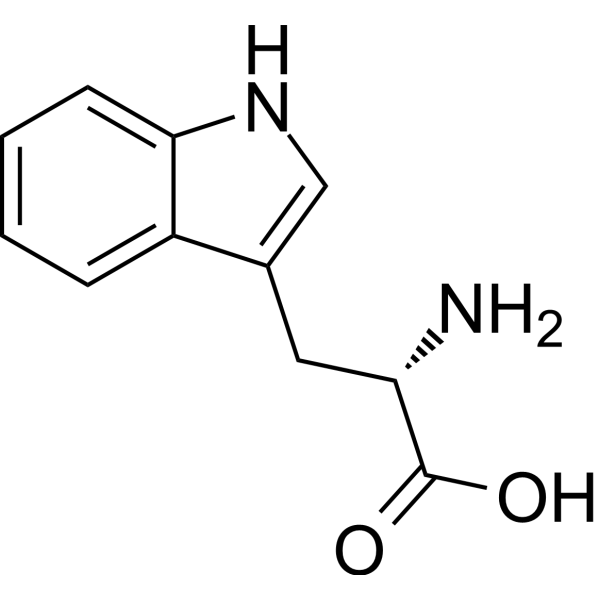
HY-N0623
L-TryptophanEssential Amino Acid -
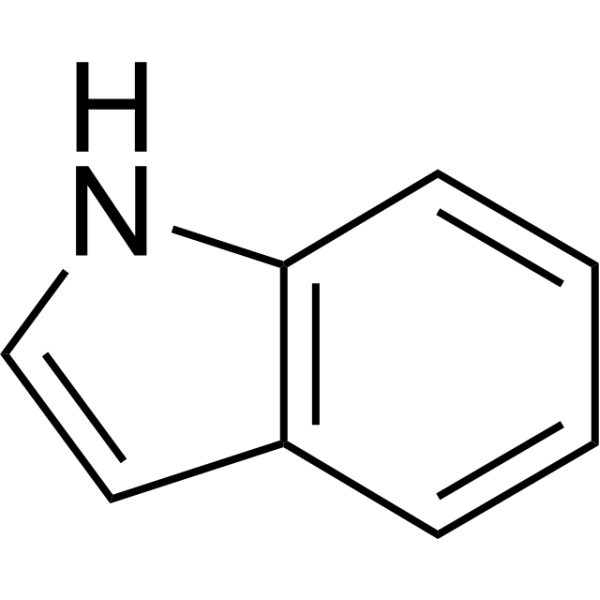
HY-W001132
Indole -

HY-W007376R
Indole-3-carboxaldehyde (Standard)Endogenous Metabolite -
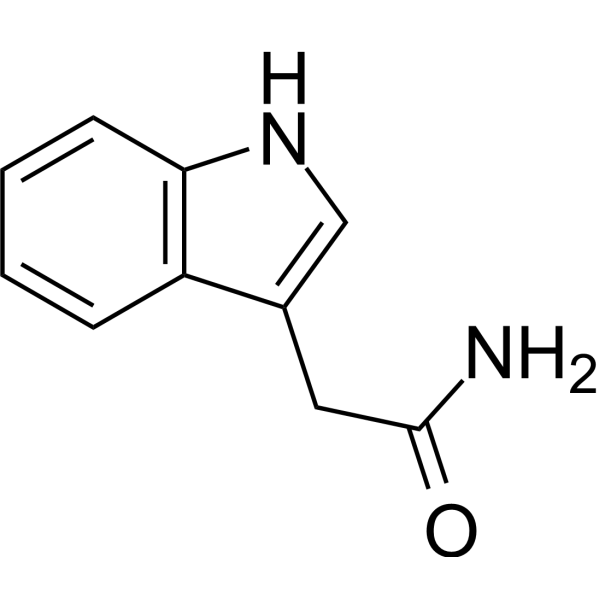
HY-W016784
Indole-3-acetamideEndogenous Metabolite -
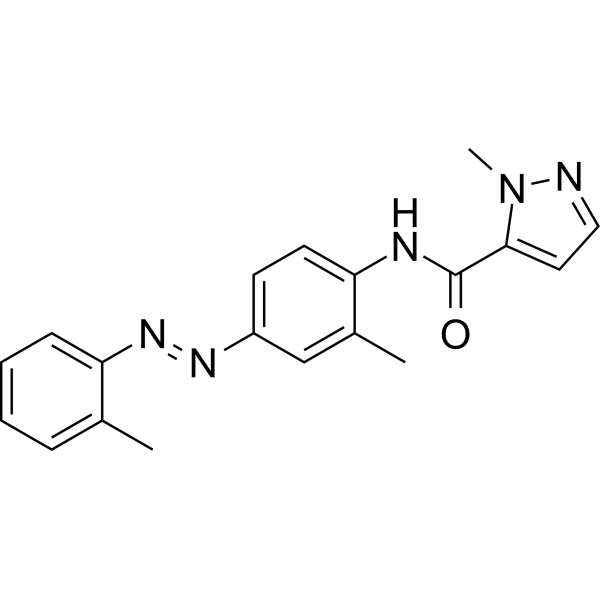
HY-12684
CH-223191AhR Antagonist -
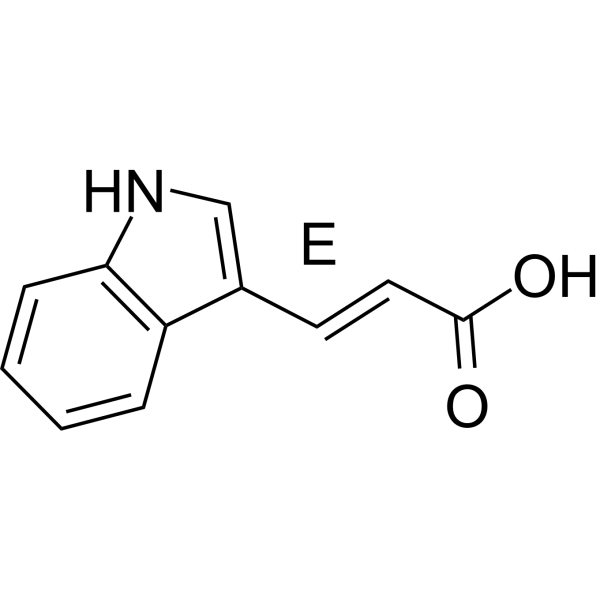
HY-W015273A
trans-3-Indoleacrylic acidFerroptosis inhibitor -
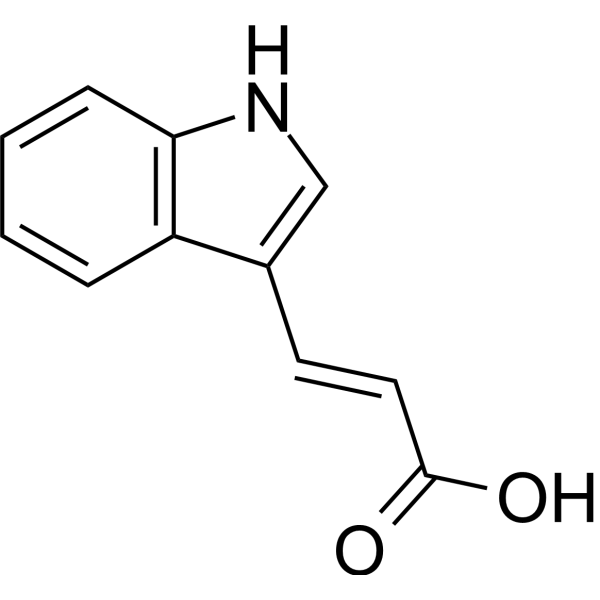
HY-W015273
3-Indoleacrylic acidAntialgal Agent
Publications Citing Use of MedChemExpress (MCE) Indole-3-carboxaldehyde
More Customer Validation & Images

-
Cell Proliferation/Viability Assay
-
Bio/Physico-chemical Assay
-
Bio/Physico-chemical Assay
-
Cell Proliferation/Viability Assay
-
Cell Imaging/Staining
All Endogenous Metabolite Isoforms
More

Biological Activity
Description
IC50 & Target
|
Human Endogenous Metabolite |
Cellular Effect
|
Cell Line

|
Type | Value | Description | References |
|---|---|---|---|---|
| BV-2 | IC50 |
0.76 μM
Compound: 11
|
Antineuroinflammatory activity in mouse BV2 cells assessed as inhibition of LPS-induced NO production after 24 hrs in presence of LPS by Griess reaction based assay
Antineuroinflammatory activity in mouse BV2 cells assessed as inhibition of LPS-induced NO production after 24 hrs in presence of LPS by Griess reaction based assay
|
[PMID: 27919656] |
| HeLa | IC50 |
>100 μM
Compound: 7
|
Antiproliferative activity against human Hela cells assessed as reduction in cell viability measured after 48 hrs by MTT assay
Antiproliferative activity against human Hela cells assessed as reduction in cell viability measured after 48 hrs by MTT assay
|
[PMID: 32531682] |
| HeLa S3 | IC50 |
>10 μM
Compound: 8
|
Cytotoxicity against human HeLa S3 cells assessed as cell viability incubated for 48 hrs by microscopic analysis
Cytotoxicity against human HeLa S3 cells assessed as cell viability incubated for 48 hrs by microscopic analysis
|
[PMID: 35704432] |
| L5178Y | IC50 |
0.069 μM
Compound: 18
|
Anticancer activity against mouse L5178Y assessed as cell growth inhibition by [3H]-thymidine assay
Anticancer activity against mouse L5178Y assessed as cell growth inhibition by [3H]-thymidine assay
|
[PMID: 33940466] |
In Vitro
Indole-3-carboxaldehyde (100 nM, 12 h) increases endothelial nitric oxide synthase (eNOS) transcription levels, reduces gene expression of VCAM, CCL2, and IL6, reduces ROS levels in HUVECs[2].
MedChemExpress (MCE) has not independently confirmed the accuracy of these methods. They are for reference only.


Chemical Information
-
CAS No. 487-89-8
-
Appearance Solid
-
Molecular Weight 145.16
-
Formula C9H7NO
-
Color Off-white to yellow
-
SMILES
O=CC1=CNC2=C1C=CC=C2
-
Synonyms
3-Formylindole
-
Structure Classification
-
Shipping
Room temperature in continental US; may vary elsewhere.
-
Storage
4°C, stored under nitrogen
* In solvent : -80°C, 6 months; -20°C, 1 month (stored under nitrogen)


Publications (4)
-
Journal Impact Factor
-
Most Recent
-
Phytomedicine
Saikosaponin A restores the IDO1-driven gut-testis kynurenine axis to alleviate oligozoospermia. [Abstract]2026 Aug:158:158414. PMID: 42287814 -
Cell Prolif
Tryptophan Metabolic Enzyme IL4I1 Inhibits Ferroptosis by Decreasing Ubiquitination of Nrf2 via I3P in Glioblastoma. [Abstract]2025 Jun;58(6):e13816. PMID: 40071723
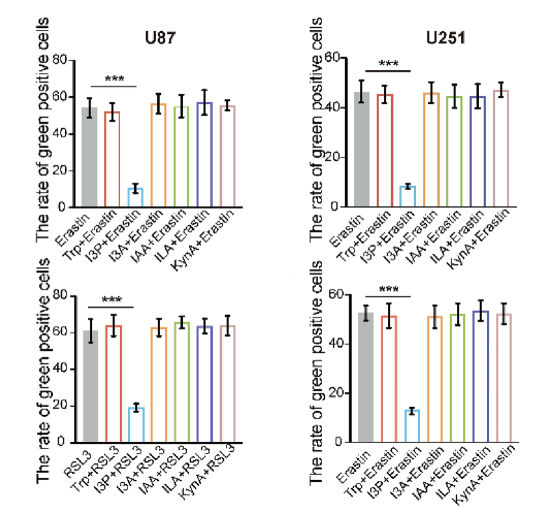
Indole-3-carboxaldehyde purchased from MedChemExpress. Usage Cited in: Cell Prolif. 2025 Jun;58(6):e13816. [Abstract]
Quantification of cell death in U87 and U251 cells treated for 24h with 10mM of Erastin or 1mM of RSL3 in the presence of 200mM of TRP, I3P, KYNA, Indole-3-carboxaldehyde (I3A), ILA, and IAA.
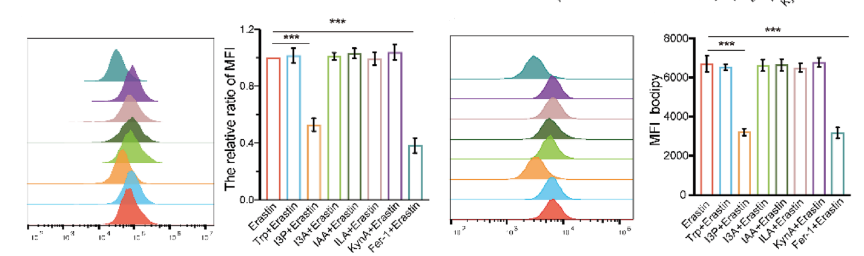
Indole-3-carboxaldehyde purchased from MedChemExpress. Usage Cited in: Cell Prolif. 2025 Jun;58(6):e13816. [Abstract]
Indole-3-carboxaldehyde (I3A) did not block ROS and lipid peroxidation accumulation induced by 24h of Erastin treatment in U87 cells. ROS and lipid peroxidation quantification were determined by flow cytometry using the H2DCFDA and C11-BODIPY probe, respectively. Fer-1 was added as a positive control.
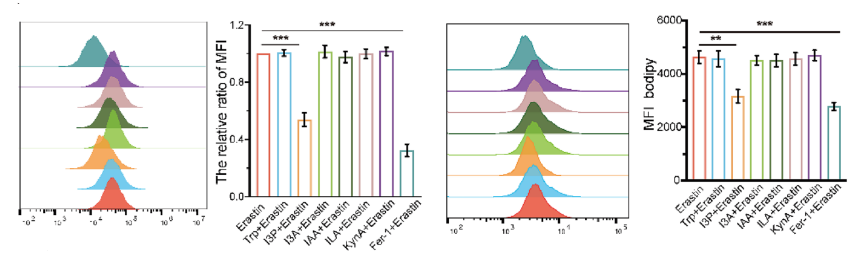
Indole-3-carboxaldehyde purchased from MedChemExpress. Usage Cited in: Cell Prolif. 2025 Jun;58(6):e13816. [Abstract]
Indole-3-carboxaldehyde (I3A) did not block ROS and lipid peroxidation accumulation induced by 24h of Erastin treatment in U251 cells. ROS and lipid peroxidation quantification were determined by flow cytometry using the H2DCFDA and C11-BODIPY probe, respectively. Fer-1 was added as a positive control.
-
Chem Biol Interact
Fusobacterium nucleatum-derived 3-indolepropionic acid promotes colorectal cancer progression via aryl hydrocarbon receptor activation in macrophages. [Abstract]2025 Jun 1:414:111495. PMID: 40174685 -
J Cell Mol Med
Indole-3-Carboxaldehyde Inhibits Inflammatory Response and Lipid Accumulation in Macrophages Through the miR-1271-5p/HDAC9 Pathway. [Abstract]2024 Dec;28(24):e70263. PMID: 39698913
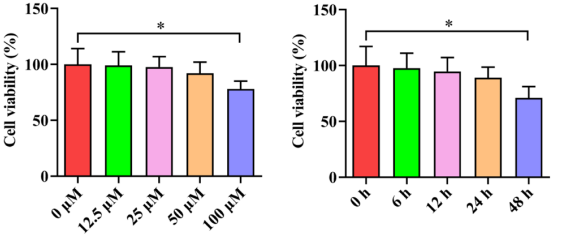
Indole-3-carboxaldehyde purchased from MedChemExpress. Usage Cited in: J Cell Mol Med. 2024 Dec;28(24):e70263. [Abstract]
THP-1 macrophage-derived foam cells were treated with the indicated concentrations ofIndole-3-carboxaldehyde (ICA; 0-100 μM) for 24h or incubated with 50μM ICA (0, 6, 12, 24, 48 h) for different time points. CCK-8 was applied to measure cell viability.
Indole-3-carboxaldehyde purchased from MedChemExpress. Usage Cited in: J Cell Mol Med. 2024 Dec;28(24):e70263. [Abstract]
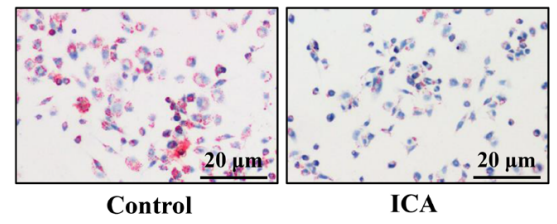
Indole-3-carboxaldehyde (ICA; 50μM; 24 h) demonstrated that the intracellular lipid droplets in ICA group were smaller and fewer than those in control group in THP-1 macrophage-derived foam cells.
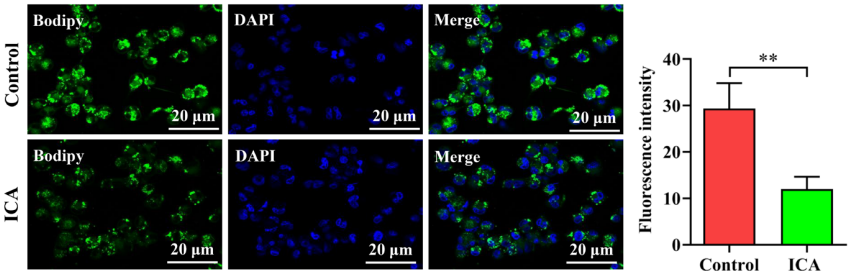
Indole-3-carboxaldehyde purchased from MedChemExpress. Usage Cited in: J Cell Mol Med. 2024 Dec;28(24):e70263. [Abstract]
Indole-3-carboxaldehyde (ICA; 50μM; 24 h) could markedly suppress intracellular lipid deposition in THP-1 macrophage-derived foam cells. Representative images of Bodipy 493/503 staining and quantitative analysis.
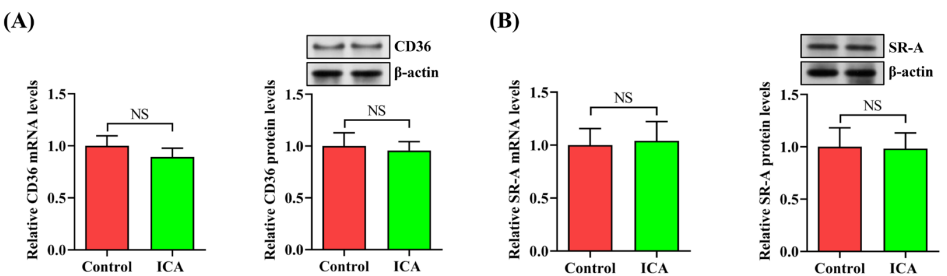
Indole-3-carboxaldehyde purchased from MedChemExpress. Usage Cited in: J Cell Mol Med. 2024 Dec;28(24):e70263. [Abstract]
THP-1 macrophage-derived foam cells were treated with Indole-3-carboxaldehyde (ICA; 50μM) or DMSO for 24h. (A, B) The expression of CD36 and SR-A was determined by qRT-PCR and western blot.
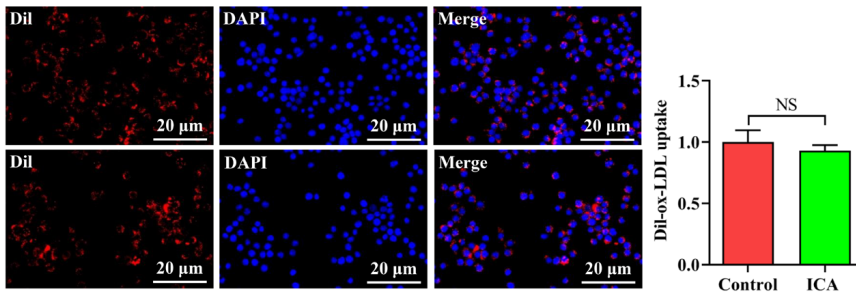
Indole-3-carboxaldehyde purchased from MedChemExpress. Usage Cited in: J Cell Mol Med. 2024 Dec;28(24):e70263. [Abstract]
Indole-3-carboxaldehyde (ICA; 50μM; 24 h) showed no significant difference in Dil-ox-LDL uptake between ICA group and control group.

Indole-3-carboxaldehyde purchased from MedChemExpress. Usage Cited in: J Cell Mol Med. 2024 Dec;28(24):e70263. [Abstract]
Indole-3-carboxaldehyde (ICA; 50 μM; 24 h) enhanced the capability of NBD-cholesterol efflux to apoA-I and HDL. Representative photomicrographs of NBDcholesterol burden and quantitative analyses of cholesterol efflux to apoA-I and HDL.


Solvent & Solubility
In Vitro:
DMSO : 20 mg/mL (137.78 mM; Need ultrasonic; Hygroscopic DMSO has a significant impact on the solubility of product, please use newly opened DMSO)
H2O : < 0.1 mg/mL (insoluble)
Please refer to the solubility information to select the appropriate solvent. Once prepared, please aliquot and store the solution to prevent product inactivation from repeated freeze-thaw cycles.
Storage method and period of stock solution: -80°C, 6 months; -20°C, 1 month (stored under nitrogen). When stored at -80°C, please use it within 6 months. When stored at -20°C, please use it within 1 month.
Please refer to the solubility information to select the appropriate solvent. Once prepared, please aliquot and store the solution to prevent product inactivation from repeated freeze-thaw cycles.
Storage method and period of stock solution: -80°C, 6 months; -20°C, 1 month (stored under nitrogen). When stored at -80°C, please use it within 6 months. When stored at -20°C, please use it within 1 month.
Concentration (start) × Volume (start) = Concentration (final) × Volume (final)
In Vivo:
Select the appropriate dissolution method based on your experimental animal and administration route.
- For the following dissolution methods, please ensure to first prepare a clear stock solution using an In Vitro approach and then sequentially add co-solvents:
- To ensure reliable experimental results, the clarified stock solution can be appropriately stored based on storage conditions. As for the working solution for In Vivo experiments, it is recommended to prepare freshly and use it on the same day.
- The percentages shown for the solvents indicate their volumetric ratio in the final prepared solution. If precipitation or phase separation occurs during preparation, heat and/or sonication can be used to aid dissolution.
Add each solvent one by one: 10% DMSO 90% (20% SBE-β-CD in Saline)
Solubility: 2 mg/mL (13.78 mM); Clear solution; Need ultrasonic
This protocol yields a clear solution of 2 mg/mL.
Taking 1 mL working solution as an example, add 100 μL DMSO stock solution (20.0 mg/mL) to 900 μL 20% SBE-β-CD in Saline, and mix evenly.
Preparation of 20% SBE-β-CD in Saline (4°C, storage for one week): 2 g SBE-β-CD powder is dissolved in 10 mL Saline, completely dissolve until clear.
In Vivo Dissolution Calculator
Please enter the basic information of animal experiments:
-
-
-
-
Recommended: Prepare an additional quantity of animals to account for potential losses during experiments.
Please enter your animal formula composition:
-
%DMSO +
Recommended: Keep the proportion of DMSO in working solution below 2% if your animal is weak.
-
%+
-
+%Tween-80 + +
-
%Saline +
The co-solvents required include: DMSO, . All of co-solvents are available by MedChemExpress (MCE). , Tween 80. All of co-solvents are available by MedChemExpress (MCE).
Working solution concentration: 0.22 mg/mL
Method for preparing stock solution: mg drug dissolved in μL DMSO. Stock solution concentration: mg/mL. * In solvent : -80°C, 6 months; -20°C, 1 month (stored under nitrogen)
1. Take μL DMSO stock solution;
2. Add μL .
μL , mix evenly;
3. Then add μL Tween 80, mix evenly;
4. Then add μL
Please ensure that the stock solution in the first step is dissolved to a clear state, and add co-solvents in sequence. You can use ultrasonic heating (ultrasonic cleaner, recommended frequency 20-40 kHz), vortexing, etc. to assist dissolution.


Purity & Documentation
-
Data Sheet (278 KB)
-
SDS (394 KB)
- English - EN (394 KB)
- Français - FR (394 KB)
- Deutsch - DE (394 KB)
- Norwegian - NO (394 KB)
- Español - ES (394 KB)
- Swedish - SV (394 KB)
- Italian - IT (394 KB)
- Korean - KR (394 KB)
- Portuguese - PT (394 KB)
-
Handling Instructions (2659 KB)
References


Complete Stock Solution Preparation Table
Please refer to the solubility information to select the appropriate solvent. Once prepared, please aliquot and store the solution to prevent product inactivation from repeated freeze-thaw cycles.
Storage method and period of stock solution: -80°C, 6 months; -20°C, 1 month (stored under nitrogen). When stored at -80°C, please use it within 6 months. When stored at -20°C, please use it within 1 month.
| Optional Solvent | Concentration Solvent Mass | 1 mg | 5 mg | 10 mg | 25 mg |
|---|---|---|---|---|---|
| DMSO | 1 mM | 6.8889 mL | 34.4447 mL | 68.8895 mL | 172.2237 mL |
| 5 mM | 1.3778 mL | 6.8889 mL | 13.7779 mL | 34.4447 mL | |
| 10 mM | 0.6889 mL | 3.4445 mL | 6.8889 mL | 17.2224 mL | |
| 15 mM | 0.4593 mL | 2.2963 mL | 4.5926 mL | 11.4816 mL | |
| 20 mM | 0.3444 mL | 1.7222 mL | 3.4445 mL | 8.6112 mL | |
| 25 mM | 0.2756 mL | 1.3778 mL | 2.7556 mL | 6.8889 mL | |
| 30 mM | 0.2296 mL | 1.1482 mL | 2.2963 mL | 5.7408 mL | |
| 40 mM | 0.1722 mL | 0.8611 mL | 1.7222 mL | 4.3056 mL | |
| 50 mM | 0.1378 mL | 0.6889 mL | 1.3778 mL | 3.4445 mL | |
| 60 mM | 0.1148 mL | 0.5741 mL | 1.1482 mL | 2.8704 mL | |
| 80 mM | 0.0861 mL | 0.4306 mL | 0.8611 mL | 2.1528 mL | |
| 100 mM | 0.0689 mL | 0.3444 mL | 0.6889 mL | 1.7222 mL |


Indole-3-carboxaldehyde Related Classifications
HY-W007376 Related Classifications
 Powered by Bioz