1. Search Result
Search Result
Results for "

iron (III)

" in MedChemExpress (MCE) Product Catalog:

43

Inhibitors & Agonists

6

Biochemical Assay Reagents

9

Natural
Products

Targets Recommended:
Cat. No. Product Name Target Research Areas Chemical Structure
  • HY-B0988
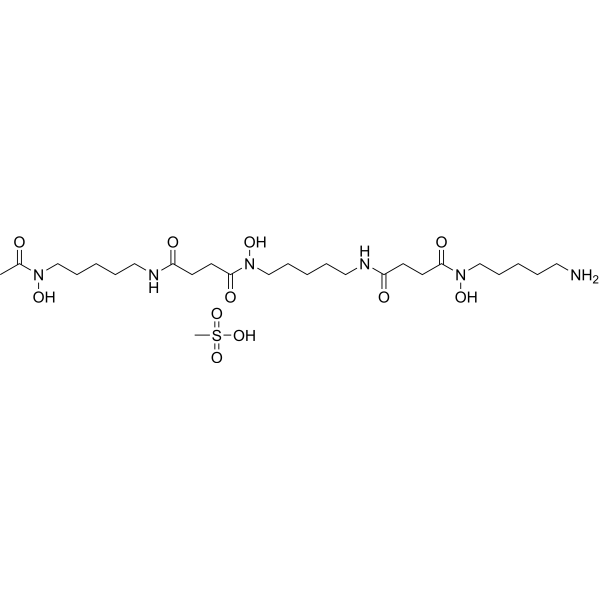
    Deferoxamine mesylate
    Maximum Cited Publications
    397 Publications Verification

    Desferrioxamine B mesylate; DFOM

    Autophagy HIF/HIF Prolyl-Hydroxylase Reactive Oxygen Species (ROS) Apoptosis Akt Infection Neurological Disease Metabolic Disease Inflammation/Immunology Cancer
    Deferoxamine mesylate (Deferoxamine B mesylate) is an iron chelator (binds to Fe(III) and many other metal cations), is widely used to reduce iron accumulation and deposition in tissues. Deferoxamine mesylate upregulates HIF-1α levels with good antioxidant activity. Deferoxamine mesylate also shows anti-proliferative activity, can induce apoptosis and autophagy in cancer cells. Deferoxamine mesylate can be used in studies of diabetes, neurodegenerative diseases as well as anti-cancer and anti-COVID-19 .
    Deferoxamine mesylate
  • HY-B1645
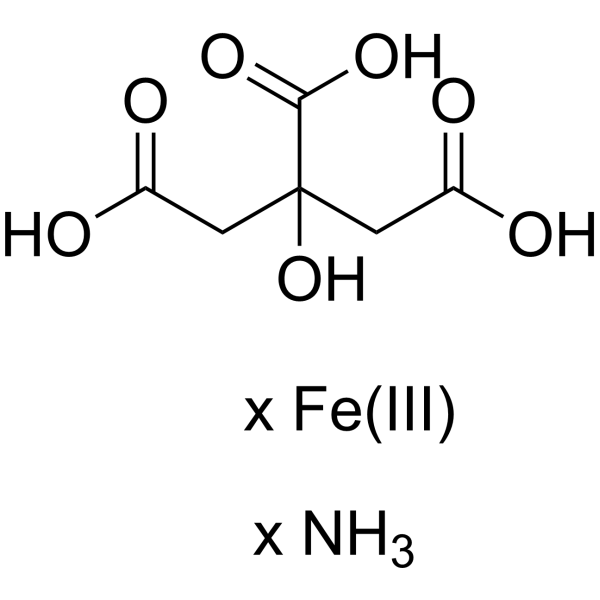
    Ammonium iron(III) citrate
    25+ Cited Publications

    Ammonium ferric citrate; FAC

    Environmental Pollutants Ferroptosis Cancer
    Ammonium iron(III) citrate (Ammonium ferric citrate), a physiological form of nonetransferrin-bound iron, induces intracellular iron overload to cause ferroptosis . Ammonium iron(III) citrate can enhance protein production .
    Ammonium iron(III) citrate
  • HY-B1625
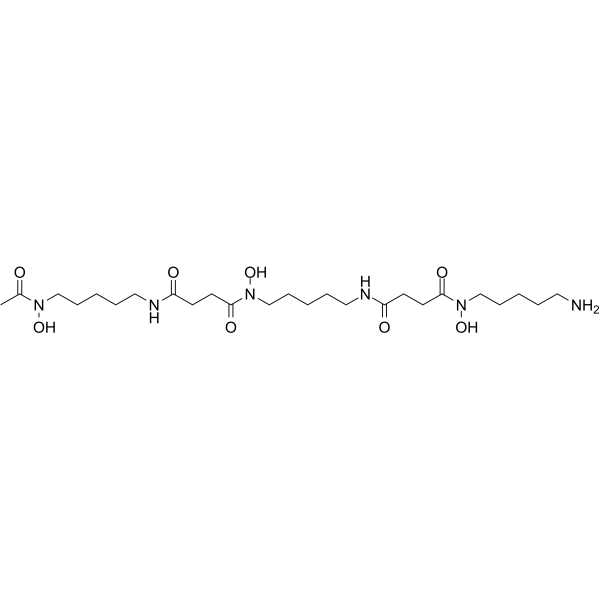
    Deferoxamine
    Maximum Cited Publications
    397 Publications Verification

    Deferoxamine B; Deferriferrioxamine B; Deferrioxamine

    HIF/HIF Prolyl-Hydroxylase Reactive Oxygen Species (ROS) Apoptosis Akt Autophagy Infection Neurological Disease Metabolic Disease Inflammation/Immunology Cancer
    Deferoxamine (Deferoxamine B) is an iron chelator (binds to Fe(III) and many other metal cations), is widely used to reduce iron accumulation and deposition in tissues. Deferoxamine upregulates HIF-1α levels with good antioxidant activity. Deferoxamine also shows anti-proliferative activity, can induce apoptosis and autophagy in cancer cells. Deferoxamine can be used in studies of diabetes, neurodegenerative diseases as well as anti-cancer and anti-COVID-19 .
    Deferoxamine
  • HY-N1428C
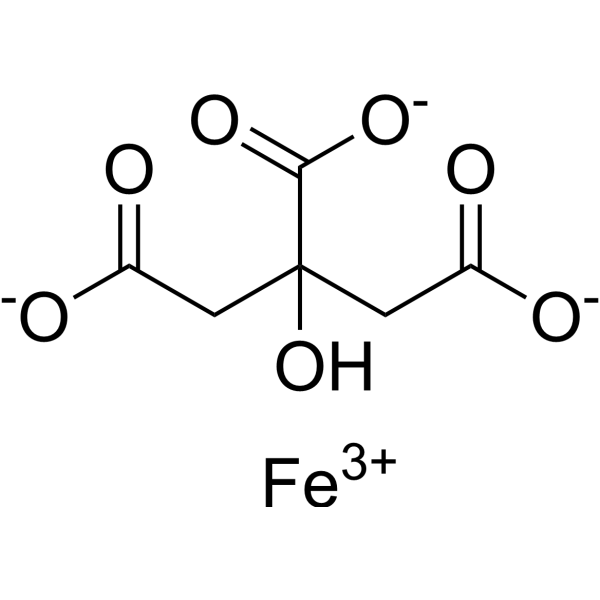
    Ferric citrate
    5 Publications Verification

    iron(III) citrate; Zerenex

    Reactive Oxygen Species (ROS) Antibiotic Metabolic Disease
    Ferric citrate (Iron(III) citrate), an orally active iron supplement, is an efficacious phosphate binder. Ferric citratee can be used for iron deficiency anemia and chronic kidney disease (CKD) research .
    Ferric citrate
  • HY-W075707
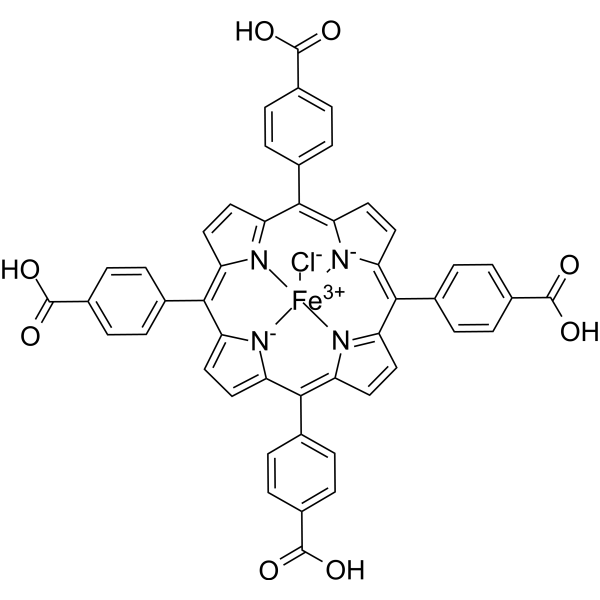
    FeTCPP chloride
    1 Publications Verification

    iron(III) meso-Tetra(4-carboxyphenyl)porphine chloride

    MOFs Others
    FeTCPP chloride (Iron(III) meso-Tetra(4-carboxyphenyl)porphine chloride) is a metallic porphyrin compound formed by the coordination of a central iron ion (Fe 3+) with four 4-carboxyphenylporphyrins (TCPP). FeTCPP chloride can be used as a catalyst for catalytic, electrochemical, photochemical and biomedical research. FeTCPP chloride has high photocatalytic performance for p-nitrophenol under visible light. FeTCPP chloride also has peroxisase-like activity, which is used in bionic catalysis research .
    FeTCPP chloride
  • HY-N0928
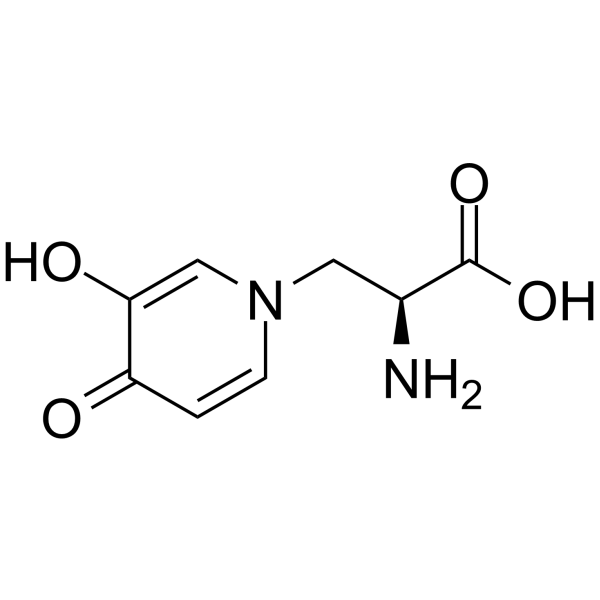
    Mimosine
    4 Publications Verification

    Apoptosis Inflammation/Immunology Cancer
    Mimosine, a tyrosine analog , can act as an antioxidant by its potent iron-binding activity . Mimosine is a known chelator of Fe(III) . Mimosine induces apoptosis through metal ion chelation, mitochondrial activation and ROS production in human leukemic cells . Anti-cancer, antiinflammation.
    Mimosine
  • HY-W019927

    Ammonium ferric sulfate dodecahydrate, 99%

    Biochemical Assay Reagents Others
    Ammonium iron(III) sulfate dodecahydrate, 99% is an analytical reagent-grade iron(III) salt and source material for iron(III) reagent or standard solutions in volumetric analysis .
    Ammonium iron(III) sulfate dodecahydrate, 99%
  • HY-Y0998

    Red prussiate, 99.5%

    Biochemical Assay Reagents Others
    Potassium hexacyanoferrate(III), 99.5% (Red prussiate, 99.5%) is a chelating agent for metals such as iron and copper.
    Potassium hexacyanoferrate(III), 99.5%
  • HY-131697
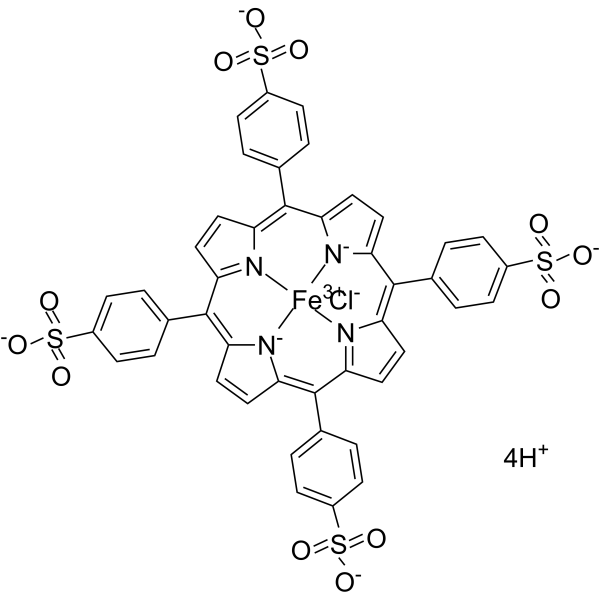
    FeTPPS
    1 Publications Verification

    MOFs NO Synthase Apoptosis Inflammation/Immunology
    FeTPPS, a 5,10,15,20-tetrakis (4-sulfonatophenyl) porphyrin iron III chloride peroxynitrite decomposition catalyst, possesses evident neuroprotective effects in a experimental model of spinal cord damage . FeTPPS acts as a peroxynitrite scavenger and anti-nitrating agent in vivo. FeTPPS reduces nitric oxide (NO) production and apoptosis process .
    FeTPPS
  • HY-N7432

    Antibiotic Bacterial Fungal Infection
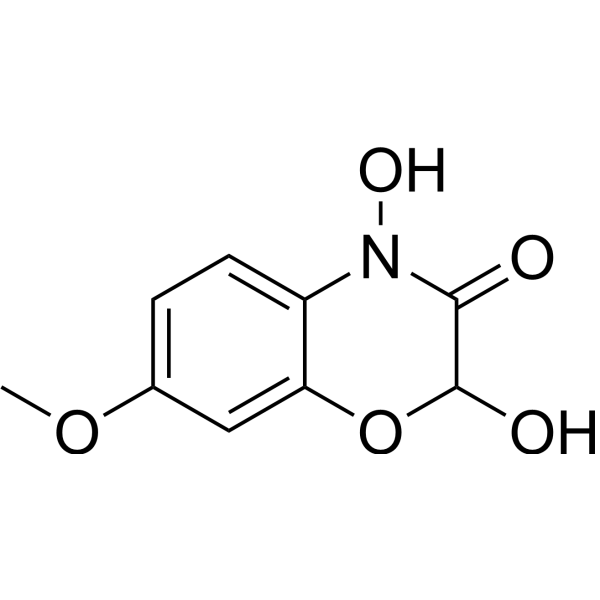
    DIMBOA, an antibiotic, has antibacterial properties and inhibits bacteria such as Staphylococcus aureus and the mycotoxin-producing fungus Fusarium graminearum (which causes scab). DIMBOA exhibits strong free radical scavenging activity and weak iron(III) ion reducing activity, and has antioxidant activity. DIMBOA inhibits the biosynthesis and accumulation of toxic trichothecenes by affecting the expression of Tri6 and Tri5. DIMBOA reduces plant susceptibility to scab. DIMBOA also exhibits cytotoxicity to plant cells, causing plasmolysis, cell collapse, and cell rupture .
    DIMBOA
  • HY-106594A

    iron(III) ferrocyanide; Milori blue

    Environmental Pollutants Bacterial Infection Cancer
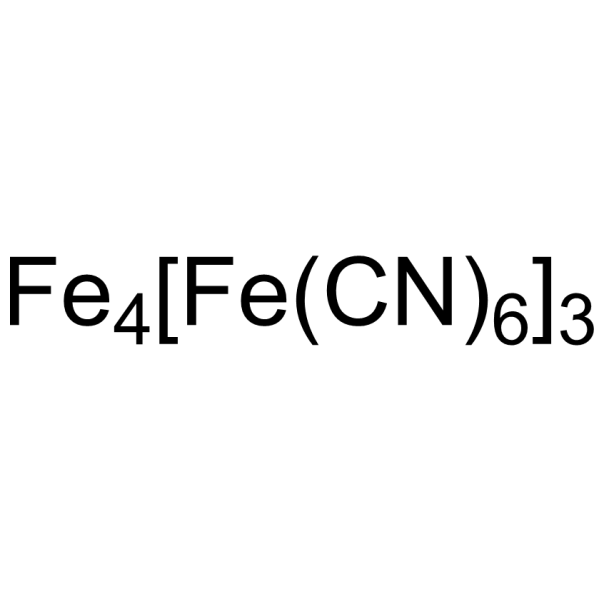
    Prussian blue soluble is a good adsorbent to be used as antidotes for poisoning with cesium or thallium ions. Prussian blue soluble has anticancerous and antibacterial properties. Prussian blue soluble can be used as a contrast agent in photoacoustic and magnetic resonance imaging (MRI) .
    Prussian blue insoluble
  • HY-B0988R

    Desferrioxamine B mesylate (Standard); DFOM (Standard)

    Reference Standards Autophagy HIF/HIF Prolyl-Hydroxylase Reactive Oxygen Species (ROS) Apoptosis Akt Infection Neurological Disease Metabolic Disease Inflammation/Immunology Cancer
    Deferoxamine (mesylate) (Standard) is the analytical standard of Deferoxamine (mesylate). This product is intended for research and analytical applications. Deferoxamine mesylate (Deferoxamine B mesylate) is an iron chelator (binds to Fe(III) and many other metal cations), is widely used to reduce iron accumulation and deposition in tissues. Deferoxamine mesylate upregulates HIF-1α levels with good antioxidant activity. Deferoxamine mesylate also shows anti-proliferative activity, can induce apoptosis and autophagy in cancer cells. Deferoxamine mesylate can be used in studies of diabetes, neurodegenerative diseases as well as anti-cancer and anti-COVID-19 .
    Deferoxamine mesylate (Standard)
  • HY-N11874

    Bacterial Infection
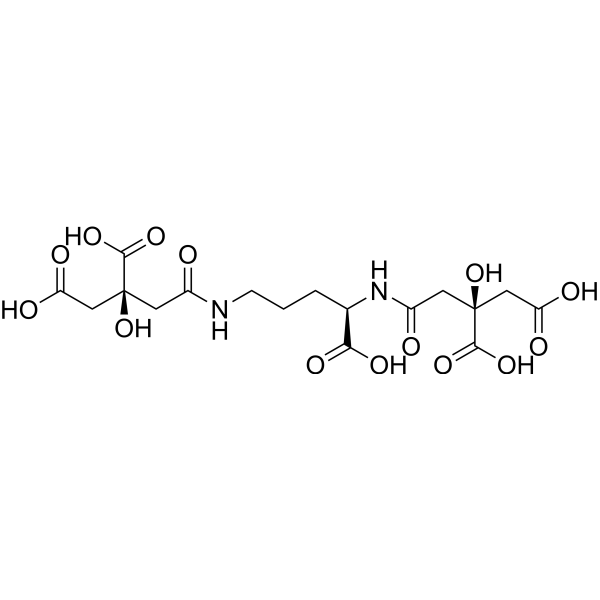
    Staphyloferrin A is a carboxylate-type siderophore, as well as an iron (III) chelator and a HtsA ligand with high binding affinity for iron (III). Staphyloferrin A can be used in studies of bacterial infections .
    Staphyloferrin A
  • HY-W127790

    Biochemical Assay Reagents Others
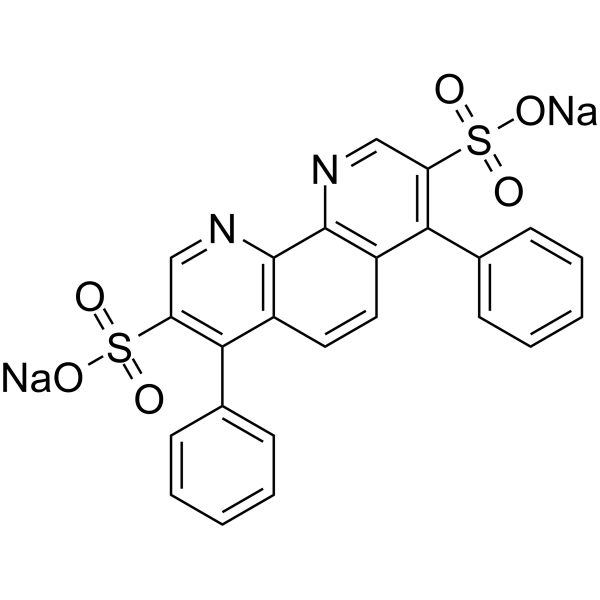
    Bathophenanthrolinedisulfonic acid disodium salt (BPS) is a colorimetric reagent for iron detection, with a wavelength of 535 nm for iron complex. It can be used for iron determination in aqueous solution systems without the need for extraction solvents. BPS can serve as a precursor to prepare Europium(III) tris(dibenzoylmethanate) bis(bathophenanthrolinedisulfonate) complex and ruthenium(II) tris(bathophenanthrolinedisulfonate), or participate in the catalytic oxidation of 2-hexanol by forming water-soluble complexes with palladium .
    Bathophenanthrolinedisulfonic acid disodium
  • HY-W127813

    Chloro(octaethylporphyrinato)iron

    Biochemical Assay Reagents Others
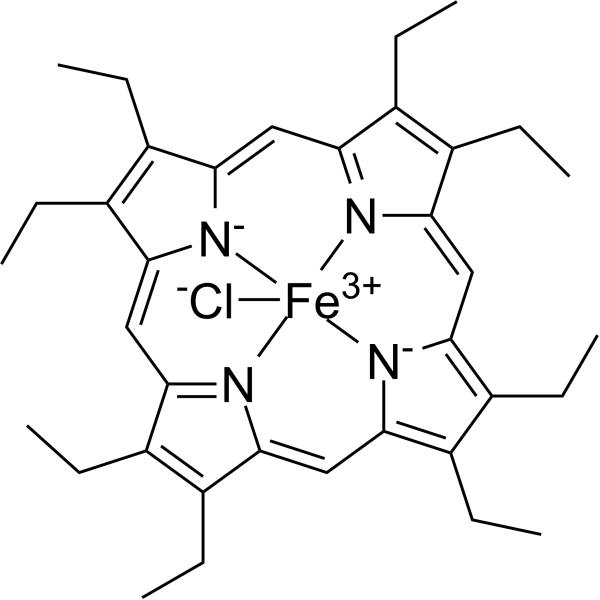
    Iron(III) octaethylporphine chloride is a biochemical reagent that can be used as a biological material or organic compound for life science related research.
    Iron(III) octaethylporphine chloride
  • HY-108362

    MOFs Others
    Iron(III) mesotetraphenylporphine chloride is a metal-organic framework (MOF).
    Iron(III) mesotetraphenylporphine chloride
  • HY-B1625R
    Deferoxamine (Standard)
    3 Publications Verification

    Deferoxamine B (Standard); Deferriferrioxamine B (Standard); Deferrioxamine (Standard)

    Reference Standards HIF/HIF Prolyl-Hydroxylase Reactive Oxygen Species (ROS) Apoptosis Akt Autophagy Infection Neurological Disease Metabolic Disease Inflammation/Immunology Cancer
    Deferoxamine (Standard) is the analytical standard of Deferoxamine. This product is intended for research and analytical applications. Deferoxamine (Deferoxamine B) is an iron chelator (binds to Fe(III) and many other metal cations), is widely used to reduce iron accumulation and deposition in tissues. Deferoxamine upregulates HIF-1α levels with good antioxidant activity. Deferoxamine also shows anti-proliferative activity, can induce apoptosis and autophagy in cancer cells. Deferoxamine can be used in studies of diabetes, neurodegenerative diseases as well as anti-cancer and anti-COVID-19 .
    Deferoxamine (Standard)
  • HY-W107177

    meso-Tetrakis(4-chlorophenyl)porphyrin-Fe(III)chloride

    MOFs Others
    5,10,15,20-tetrakis(p-chlorophenyl)porphyrin iron(III) chloride (meso-Tetrakis(4-chlorophenyl)porphyrin-Fe(III)chloride) is a metal-organic framework (MOF).
    5,10,15,20-tetrakis(p-chlorophenyl)porphyrin iron(III) chloride
  • HY-W113011

    meso-Tetratolylporphyrin-Fe(III)chloride

    MOFs Others
    5,?10,?15,?20-?Tetra(4-?methylphenyl)?-?21H,?23H-?porphine iron(III) chloride (meso-Tetratolylporphyrin-Fe(III)chloride) is a metal-organic framework (MOF).
    5,​10,​15,​20-​Tetra(4-​methylphenyl)​-​21H,​23H-​porphine iron(III) chloride
  • HY-130765

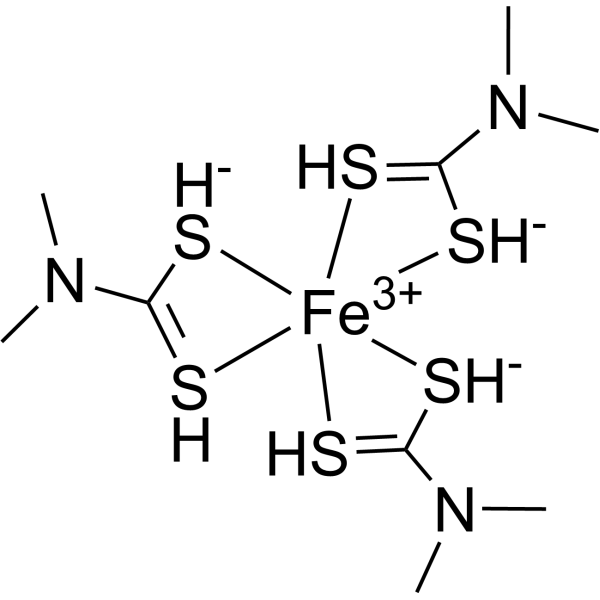
    iron(III) dimethyldithiocarbamate

    Fungal Infection
    Ferbam (Iron(III) dimethyldithiocarbamate) is a potent fungicide .
    Ferbam
  • HY-Y0945B

    Biochemical Assay Reagents Others
    Iron (III) sulfate hydrate,for plant cell culture is a biochemical assay reagent.
    Iron (III) sulfate hydrate,for plant cell culture
  • HY-N0928R

    Reference Standards Apoptosis Inflammation/Immunology Cancer
    Mimosine, a tyrosine analog , can act as an antioxidant by its potent iron-binding activity . Mimosine is a known chelator of Fe(III) . Mimosine induces apoptosis through metal ion chelation, mitochondrial activation and ROS production in human leukemic cells . Anti-cancer, antiinflammation.
    Mimosine (Standard)
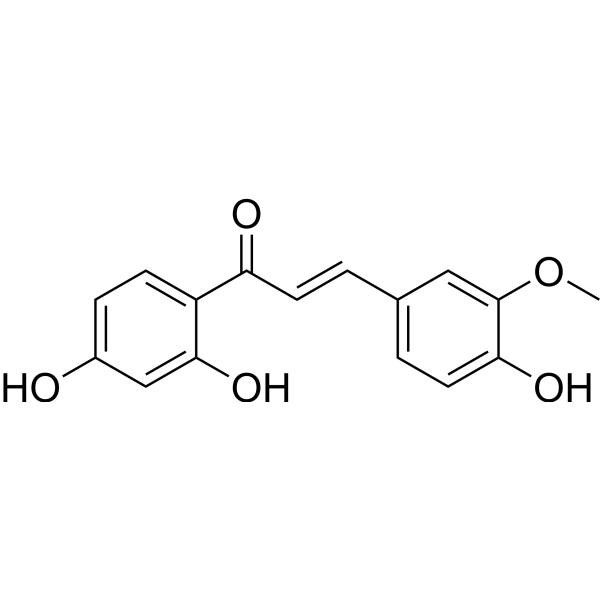
  • HY-N8707

    Parasite HDAC NF-κB Infection Inflammation/Immunology Cancer
    Homobutein a natural chalcones (can be found in many medicinal plants, fruits, vegetables, spices and nuts), is a potent HDACs/NF-κB dual inhibitor with IC50s of 190 and 38 μM, respectively. Homobutein also a chelator of iron (II and III) cations, shows various activities, including anticancer, anti-inflammatory, antiparasite and antioxidation .
    Homobutein
  • HY-W698255

    Reactive Oxygen Species (ROS) Ferroptosis Cancer
    Chlorido[N,N'-disalicylidene-1,2-phenylenediamine]iron(III) generates lipid-based ROS and induce ferroptosis
    Chlorido[N,N'-disalicylidene-1,2-phenylenediamine]iron(III)
  • HY-W112277

    Endogenous Metabolite Biochemical Assay Reagents Others
    5,10,15,20-Tetrakis(4-methoxyphenyl)-21H,23H-porphine iron(III) chloride is a type of metalloporphyrin complex that features iron(III) at its core.
    5,10,15,20-Tetrakis(4-methoxyphenyl)-21H,23H-porphine iron(III) chloride
  • HY-W094110

    Environmental Pollutants Biochemical Assay Reagents Others
    Iron (III) sulfate is a stable rhombohedral NASICON compound. Iron (III) sulfate can serve as a sodium ion intercalation host, enabling sodium ion intercalation and deintercalation via a single-phase mechanism relying on the Fe 2+/Fe 3+ redox couple. Iron (III) sulfate exhibits reversible electrochemical behavior and moderate polarization in cyclic voltammetry tests, and its charge transfer resistance changes during charge-discharge cycles. Iron (III) sulfate possesses a high redox potential, excellent rate capability, and long-cycle stability .
    Iron(III) sulfate
  • HY-W072975

    iron(III) Meso-Tetraphenylporphine-mu-Oxo Dimer

    MOFs Others
    Iron(III) meso-tetraphenylporphine-^m-oxo dimer (Iron(Iii) Meso-Tetraphenylporphine-mu-Oxo Dimer) is a metal-organic framework (MOF).
    Iron(III) meso-tetraphenylporphine-^m-oxo dimer
  • HY-W094110A

    Biochemical Assay Reagents Others
    Iron (III) sulfate solution acts as a sodium ion intercalator and sodium storage material. Iron (III) sulfate solution is applicable to research related to the development of sodium-ion battery electrodes .
    Iron(III) sulfate (solution)
  • HY-W075679

    iron(III) 1,3,5-benzenetricarboxylate hydrate

    MOFs Others
    ZIF-9(Iron(III) 1,3,5-benzenetricarboxylate hydrate) is a metal-organic framework (MOF).
    ZIF-9
  • HY-N7432R

    Antibiotic Bacterial Fungal Reference Standards Infection
    DIMBOA (Standard) is the analytical standard of DIMBOA. This product is intended for research and analytical applications. DIMBOA, an antibiotic, has antibacterial properties and inhibits bacteria such as Staphylococcus aureus and the mycotoxin-producing fungus Fusarium graminearum (which causes scab). DIMBOA exhibits strong free radical scavenging activity and weak iron(III) ion reducing activity, and has antioxidant activity. DIMBOA inhibits the biosynthesis and accumulation of toxic trichothecenes by affecting the expression of Tri6 and Tri5. DIMBOA reduces plant susceptibility to scab. DIMBOA also exhibits cytotoxicity to plant cells, causing plasmolysis, cell collapse, and cell rupture[1][2][3][4][5].
    DIMBOA (Standard)
  • HY-W112288

    Tetrakis(N-methyl-4-pyridinium)yl-porphine iron(III) complex

    MOFs Others
    5,10,15,20-Tetra (1-methyl-4-pyridyl) porphyrin iron (Tetrakis(N-methyl-4-pyridinium)yl-porphine iron(III) complex) is a metal-organic framework (MOF).
    5,10,15,20-Tetra (1-methyl-4-pyridyl) porphyrin iron
  • HY-W249336

    iron(III)meso-tetrakis(4-chlorophenyl)porphine-μ-oxodimer

    MOFs Others
    21H,23H-Porphine, 5,10,15,20-tetrakis(4-chlorophenyl)-, iron complex (Iron(III)meso-tetrakis(4-chlorophenyl)porphine-μ-oxodimer) is a metal-organic framework (MOF).
    21H,23H-Porphine, 5,10,15,20-tetrakis(4-chlorophenyl)-, iron complex
  • HY-W588958

    MOFs Others
    5,10,15,20-Tetrakis(pentafluorophenyl)-21H,23H-porphyrin iron(III) chloride is a metal-organic framework (MOF).
    5,10,15,20-Tetrakis(pentafluorophenyl)-21H,23H-porphyrin iron(III) chloride
  • HY-W075622

    ((2-Amino-4-carboxylatobenzoyl)oxy)(hydroxy)iron(III)

    MOFs Others
    NH2-MIL-53(Fe) (((2-Amino-4-carboxylatobenzoyl)oxy)(hydroxy)iron(III)) is a metal-organic framework (MOF).
    NH2-MIL-53(Fe)
  • HY-N19795

    Antibiotic Bacterial Infection
    Desferritriacetylfusigen is a desferrisideramine antibiotic found in Aspergillus deflectus and bacterial growth inhibitor. Desferritriacetylfusigen induces strong iron deficiency in sensitive bacteria to block growth, with activity abolished by iron (III) addition. Desferritriacetylfusigen exhibits medium-dependent bacterial growth inhibition, with no or weak activity against yeasts and fungi. can be used for research on bacterial infection .
    Desferritriacetylfusigen
  • HY-138185

    SF 2738A

    Bacterial Apoptosis Cancer
    Collismycin A is a bacterial metabolite originally isolated from Streptomyces that has diverse biological activities, including antibacterial, antiproliferative, and neuroprotective properties. It is active against a variety of bacteria (MICs=6.25 and 100 μg/mL) and fungi (MICs=12.5-100 μg/mL). It inhibits proliferation of A549 lung, HCT116 colon, and HeLa cervical cancer cells (IC50s=0.3, 0.6, and 0.3 μM, respectively) and NIH373 fibroblasts (IC50=56.6 μM) but not MDA-MD-231 breast cancer cells (IC50=>100 μM). Collismycin A forms a complex with Fe(II) and Fe(III) at a 2:1 ratio, and the addition of iron ions inhibits the antiproliferative effect of collismycin A on HeLa cells, an effect that does not occur with the addition of zinc, manganese, copper, or magnesium ions.3 Collismycin A (1 μM) prevents apoptosis in the brain region of zebrafish larvae in a model of neuronal cell death induced by all-trans retinoic acid.
    Collismycin A
  • HY-W456555

    5,10,15,20-Tetrakis(4-(methoxycarbonyl)phenyl)porphirinato]iron(III) chloride

    MOFs Others
    (SP-5-12)-Chloro[[1,1′,1′′,1′′′-tetramethyl 4,4′,4′′,4′′′-(21H,23H-porphine-5,10,15,20-tetrayl-κN21,κN22,κN23,κN24)tetrakis[benzoato]](2-)]iron (5,10,15,20-Tetrakis(4-(methoxycarbonyl)phenyl)porphirinato]iron(III) chloride) is a metal-organic framework (MOF).
    (SP-5-12)-Chloro[[1,1′,1′′,1′′′-tetramethyl 4,4′,4′′,4′′′-(21H,23H-porphine-5,10,15,20-tetrayl-κN21,κN22,κN23,κN24)tetrakis[benzoato]](2-)]iron
  • HY-W581798

    Biochemical Assay Reagents Metabolic Disease Cancer
    Iron(II) sulfate hydrate is an iron(II) salt with oral activity, acting as an iron supplier, and is easily oxidized to iron(III) in water. Iron(II) sulfate hydrate induces apoptotic morphological changes in cancer cells, and promotes dose‑dependent iron accumulation in rats. Iron(II) sulfate hydrate can be used in studies of leukemia, breast cancer, iron deficiency, anemia, and restless legs syndrome .
    Iron(II) sulfate hydrate
  • HY-119771

    Ferroportin Bacterial Infection
    Schizokinen is an iron-transport agent. Schizokinen can be obtained from Bacillus megaterium. Schizokinen possesses a higher affinity for iron(III) than Desferrioxamine B. Schizokinen reduces the division lag of bacteria .
    Schizokinen
  • HY-186106

    Bacterial Infection
    3-Deoxyanguibactin is a siderophore and Fe(III) chelator/iron delivery agent. 3-Deoxyanguibactin binds Fe(III) with 2:1 stoichiometry in liquid phase, delivers iron into Acinetobacter baumannii cells, and relies on the BauA outer membrane receptor and bau transport system for cellular entry. 3-Deoxyanguibactin can be used for the research of acinetobacter baumannii infection .
    3-Deoxyanguibactin
  • HY-106594AR

    iron(III) ferrocyanide (Standard); Milori blue (Standard)

    Reference Standards Bacterial Infection Cancer
    Prussian blue insoluble (Standard) is the analytical standard of Prussian blue insoluble (HY-106594A). This product is intended for research and analytical applications. Prussian blue soluble is a good adsorbent to be used as antidotes for poisoning with cesium or thallium ions. Prussian blue soluble has anticancerous and antibacterial properties. Prussian blue soluble can be used as a contrast agent in photoacoustic and magnetic resonance imaging (MRI) .
    Prussian blue insoluble (Standard)
  • HY-N18050

    Endogenous Metabolite Bacterial Infection
    Petrobactin is a photoreactive siderophore. Petrobactin can be produced by the oil-degrading marine bacterium Marinobacter hydrocarbonoclasticus. Petrobactin can be synthesized by Bacillus anthracis str. Sterne under conditions of iron starvation. Petrobactin readily undergoes a light-mediated decarboxylation reaction when bound to Fe(III) .
    Petrobactin
  • HY-W718262

    (Rac)-CGP 52547

    Antibiotic Fungal Bacterial Infection Cancer
    Dihydroaeruginoic acid ((Rac)-CGP 52547), an antifungal antibiotic, is a thiazoline iron chelator. Dihydroaeruginoic acid is the condensation product of salicylate and one cysteine residue. Dihydroaeruginoic acid chelates Fe(III), inhibits DNA replication via ribonucleotide reductase, induces G1/S cell cycle block, reduces leukemia cell clonogenic viability. Dihydroaeruginoic acid inhibits phytopathogenic fungi and bacteria, suppresses Candida albicans development, and inhibits Agrobacterium tumefaciens biofilm formation via extracellular iron sequestration. Dihydroaeruginoic acid can be used for the research of phytopathogenic fungal and bacterial infections, and leukemia .
    Dihydroaeruginoic acid

Inquiry Online

Your information is safe with us. * Required Fields.

Salutation


Country or Region *

Applicant Name *


Organization Name *

Department *


Email Address *


Product Name *

Cat. No.


Requested quantity *

Phone Number *


Remarks

Inquiry Online

Inquiry Information

Product Name:
Cat. No.:
Quantity:
MCE Japan Authorized Agent: