Search Result
Results for "
microtubule protein inhibitor
" in MedChemExpress (MCE) Product Catalog:
| Cat. No. |
상품명 |
Target |
연구분야 |
Chemical Structure |
-
- HY-13442
-
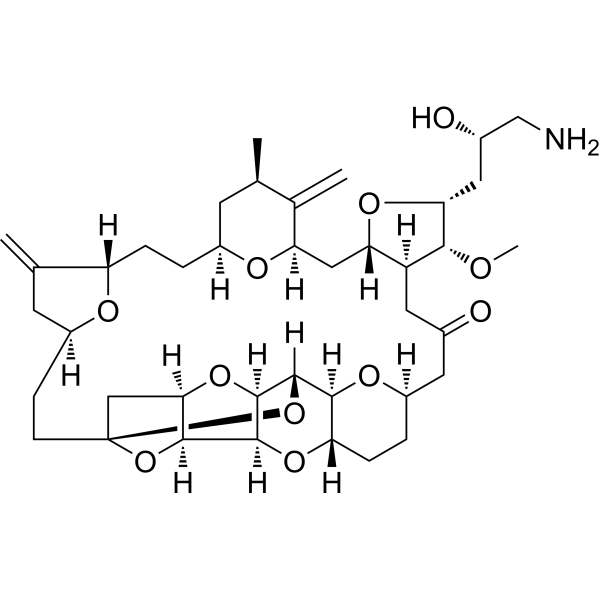
Eribulin
Maximum Cited Publications
8 Publications Verification
B1939; E7389; ER-086526
|
Microtubule/Tubulin
Apoptosis
ADC Payload
|
Cancer
|
|
Eribulin (E7389) is a microtubule targeting agent that is used for the research of metastatic breast cancer. Eribulin inhibits the proliferation of cancer cells by binding microtubule proteins and microtubules.
|
-
-
- HY-128870
-
|
|
Drug-Linker Conjugates for ADC
|
Cancer
|
|
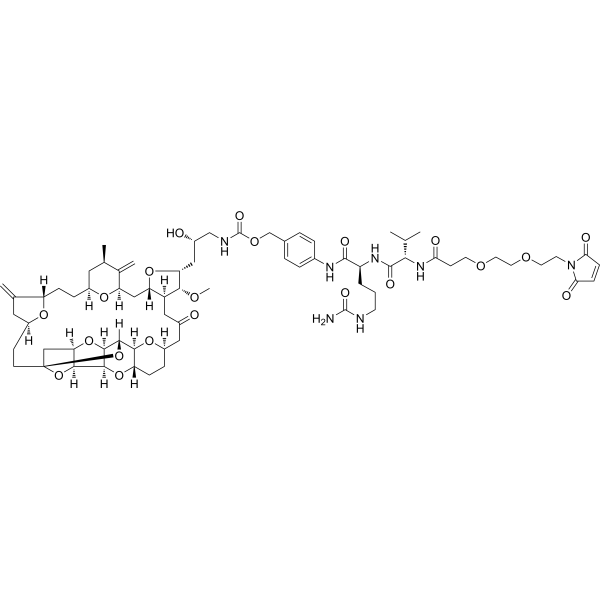
Mal-PEG2-VCP-Eribulin consists the ADCs linker (Mal-PEG2-VCP) and Eribulin (HY-13442). Eribulin is a mechanistically unique microtubule inhibitor and Eribulin inhibits the proliferation of cancer cells by binding microtubule proteins and microtubules. Mal-PEG2-VCP-Eribulin is an Eribulin-based agent for antibody conjugates .
|
-
-
- HY-128902
-
|
|
Drug-Linker Conjugates for ADC
|
Cancer
|
|
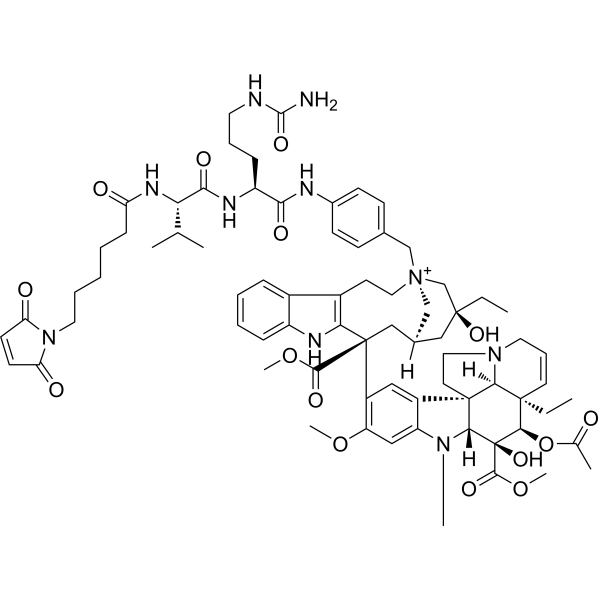
MC-Val-Cit-PAB-vinblastine is a agent-linker conjugate for ADC with potent antitumor activity by using vinblastine (an microtubule protein inhibitor), linked via the ADC linker MC-Val-Cit-PAB.
|
-
-
- HY-16062
-
|
|
Kinesin
|
Cancer
|
|
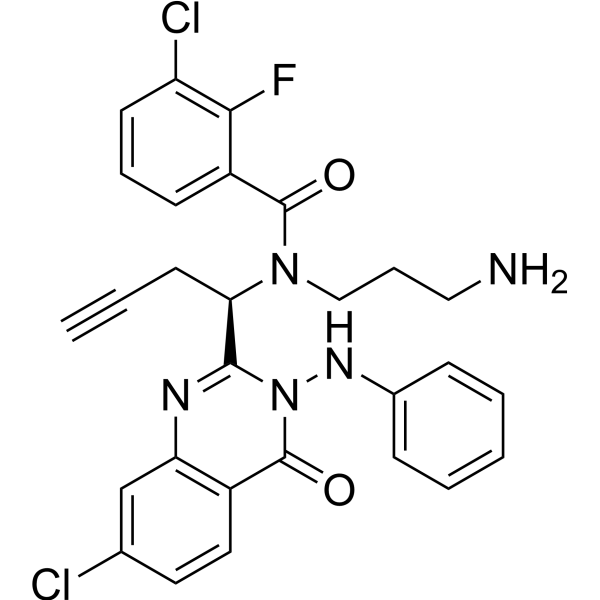
ARQ 621 is an allosteric, potent and selective inhibitor of Eg5, a microtubule-based ATPase motor protein involved in cell division. Anti-tumor activity . ARQ 621 is a kinesin inhibitor . ARQ 621 is a click chemistry reagent, it contains an Alkyne group and can undergo copper-catalyzed azide-alkyne cycloaddition (CuAAc) with molecules containing Azide groups.
|
-
-
- HY-P99682
-
|
hLIV22
|
ADC Antibody
|
Cancer
|
|
Ladiratuzumab (hLIV22) is a humanized monoclonal antibody against zinc transporter LIV-1/ZIP6. Ladiratuzumab is conjugated to MMAE (HY-15162) via a cleavable dipeptide linker to synthesize an antibody-drug conjugate (ADC) Ladiratuzumab vedotin (HY-P99683). Ladiratuzumab vedotin selectively targets LIV-1 protein overexpressed on the surface of tumor cells, enters cells through antibody-mediated receptor endocytosis, releases MMAE to inhibit microtubule polymerization, and kills adjacent tumor cells with a bystander effect. Ladiratuzumab can be used in the study of solid tumors such as metastatic triple-negative breast cancer (mTNBC) .
|
-

-
- HY-15857
-
CW-069
1 Publications Verification
|
Kinesin
|
Cancer
|
|
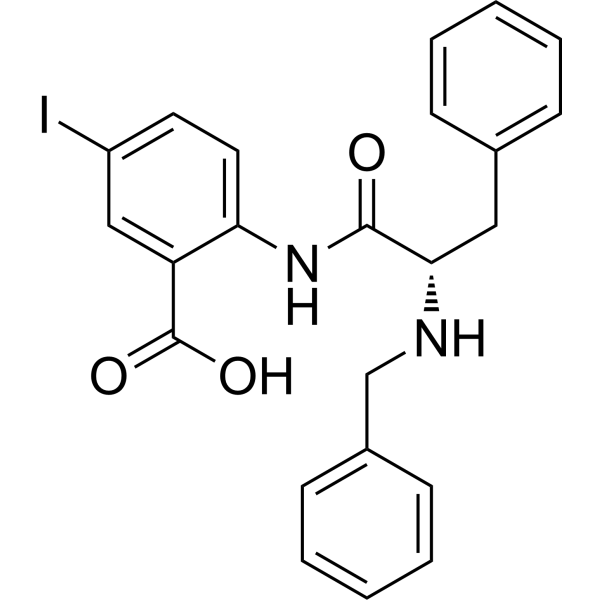
CW-069 is an allosteric inhibitor of microtubule motor protein HSET with an IC50 of 75 μM.
|
-
-
- HY-111548
-
|
|
Microtubule/Tubulin
|
Others
|
|
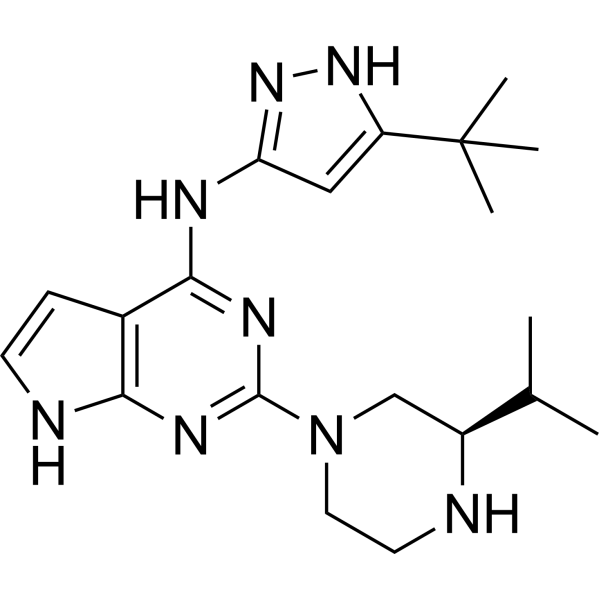
Spastazoline is a selective spastin (a microtubule-severing AAA protein) inhibitor, with an IC50 of 99 nM for Human spastin. Spastazoline can be used for cell division- and intracellular vesicle transport-related research .
|
-
-
- HY-P990995
-
|
E2814
|
Tau Protein
|
Neurological Disease
|
|
Etalanetug (E2814) is a humanized high-affinity IgG1 antibody that targets tau protein and can cross the blood-brain barrier. Etalanetug inhibits the spread of pathological tau protein through high-affinity binding to the microtubule-binding region (MTBR). Etalanetug can be used in research related to Alzheimer's disease .
|
-

-
- HY-144425
-
|
|
NEKs
|
Inflammation/Immunology
|
|
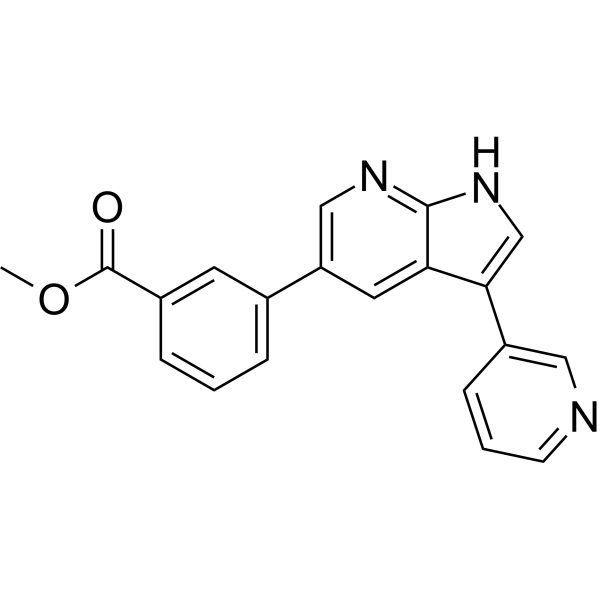
BSc5367 is a potent Nek1 inhibitor with an IC50 of 11.5 nM. NIMA-related protein kinase Nek1 is crucially involved in cell cycle regulation, DNA repair and microtubule regulation and dysfunctions of Nek1 play key roles in amyotrophic lateral sclerosis (ALS), polycystic kidney disease (PKD) and several types of radiotherapy resistant cancer .
|
-
-
- HY-105066
-
|
|
Microtubule/Tubulin
Amyloid-β
|
Neurological Disease
|
|
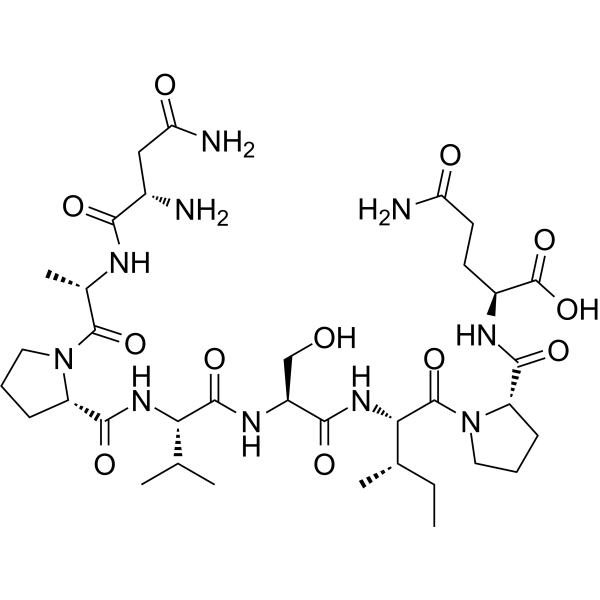
Davunetide is an eight amino acid snippet derived from activity-dependent neuroprotective protein (ADNP), a neurotrophic factor that exists in the mammalian CNS. Davunetide possesses neuroprotective, neurotrophic and cognitive protective roperties. Davunetide, a microtubule-stabilizing peptide, interacts with and stabilises neuron-specific βIII-tubulin in vitro. Davunetide penetrates the blood-brain barrier and is non-toxic. Davunetide inhibits Aβ aggregation and Aβ-induced neurotoxicity .
|
-
-
- HY-N3225
-
|
|
NAMPT
Sirtuin
Microtubule/Tubulin
Apoptosis
Autophagy
PDGFR
NF-κB
AMPK
|
Cardiovascular Disease
Neurological Disease
Metabolic Disease
Inflammation/Immunology
Cancer
|
|
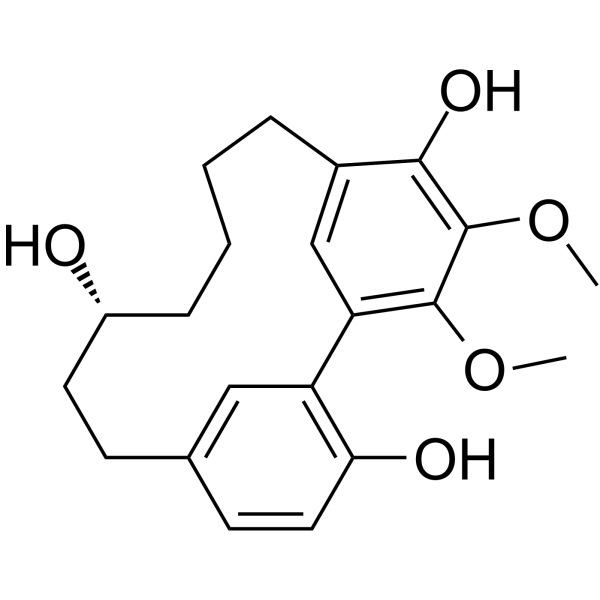
Myricanol is a diarylheptanoid and a Nampt activator. Myricanol exerts anti-inflammatory effects and alleviates glucocorticoid-induced muscle atrophy by increasing Sirtuin 1 (SIRT1) and PRDX5 activities while regulating inflammatory factors. Myricanol exhibits growth inhibition and induces apoptosis in human lung adenocarcinoma A549 cells. Myricanol promotes autophagy-mediated clearance of microtubule-associated protein tau to exert neuroprotective effects. Myricanol protects cardiovascular function by inhibiting PDGFRβ and NF-κB signaling pathways. Myricanol activates mitochondrial transcription factor A (TFAM) expression to exert anti-renal fibrosis effects. Myricanol improves insulin resistance through AMPK activation .
|
-
-
- HY-N3028
-
|
|
Microtubule/Tubulin
|
Cancer
|
|
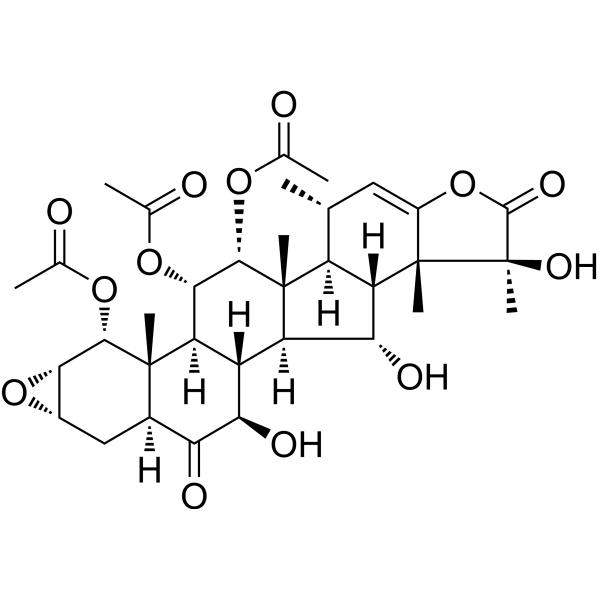
Taccalonolide B is microtubule stabilizer isolated from Tacca plantaginea, with antitumor activity. Taccalonolide B is effective in vitro against cell lines that overexpress P-glycoprotein (Pgp) and multidrug-resistance protein (MRP7). Taccalonolide B inhibits growth of SK-OV-3 cells with an IC50 of 208 nM .
|
-
-
- HY-112140
-
|
|
Anaplastic lymphoma kinase (ALK)
|
Cancer
|
|
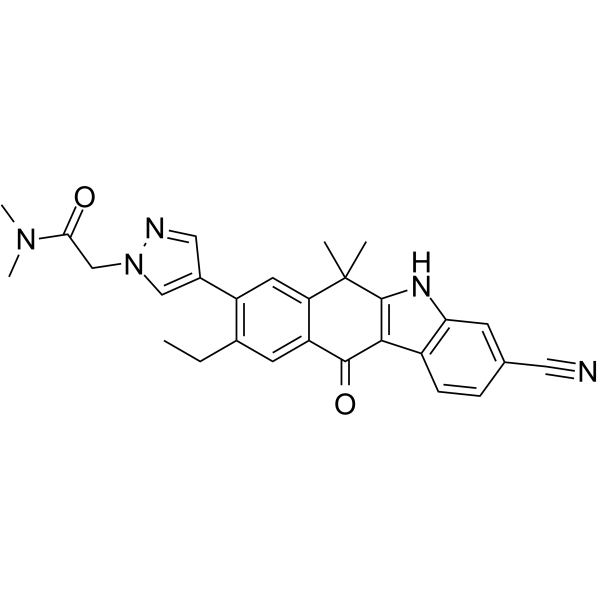
JH-VIII-157-02 is a structural analogue of alectinib, acts as an ALK inhibitor, and shows an IC50 of 2 nM for echinoderm microtubule-associated protein-like 4-ALK (EML4-ALK) G1202R in cells.
|
-
-
- HY-148542
-
|
SD-142
|
Endogenous Metabolite
|
Cardiovascular Disease
Cancer
|
|
EpoY (SD-142) acts as an irreversible inhibitor of the brain's primary tubulin tyrosine carboxypeptidase (TCP), a complex formed by vasohibin-1 (VASH1) and the small vasohibin binding protein (SVBP). By inhibiting TCP with an IC50 value of approximately 500 nM, EpoY effectively decreases levels of detyrosinated alpha-tubulin, which is crucial for microtubule dynamics and neuronal differentiation. This inhibition leads to significant differentiation defects and has been linked to underlying issues associated with cancer and cardiomyopathies.
|
-

-
- HY-177549
-
|
|
Drug Derivative
ADC Payload
Microtubule/Tubulin
Apoptosis
|
Cancer
|
|
Fmoc-PEG6-VCP-Eribulin is the derivative of Eribulin (HY-13442). Eribulin (E7389) is a microtubule targeting agent that is used for the research of metastatic breast cancer. Eribulin inhibits the proliferation of cancer cells by binding microtubule proteins and microtubules .
|
-

-
- HY-111752
-
|
|
Anaplastic lymphoma kinase (ALK)
|
Cancer
|
|
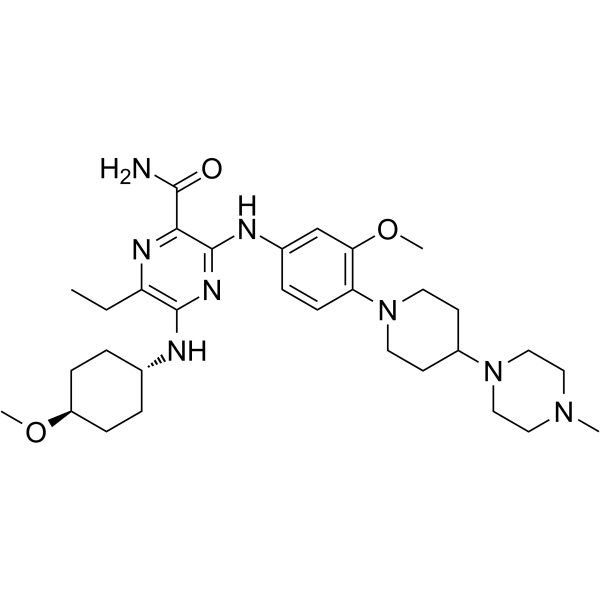
EML4-ALK kinase inhibitor 1 is a potent orally active inhibitor of echinoderm microtubule-associated protein-like 4-anaplastic lymphoma kinase (EML4-ALK), with an IC50 of 1 nM .
|
-
-
- HY-134274A
-
|
8-Bromoguanosine-5'-triphosphate tetrasodium
|
Bacterial
|
Metabolic Disease
|
|
8-Br-GTP (tetrasodium) (8-Bromoguanosine-5'-triphosphate (tetrasodium)) is a derivative of the energy substrate – GTP, for protein synthesis and gluconeogenesis. 8-Br-GTP (tetrasodium) inhibits the E. coli GTPase FtsZ with a Ki of 31.8 μM. 8-Br-GTP (tetrasodium) promotes the assembly of porcine brain microtubules .
|
-

-
- HY-178441
-
|
|
Pyruvate Kinase
Reactive Oxygen Species (ROS)
Apoptosis
Microtubule/Tubulin
|
Metabolic Disease
Cancer
|
|
PKM2-IN-11 is a PKM2 inhibitor (IC50 = 0.363 μM). PKM2-IN-11 has dual mechanisms involving pyruvate kinase M2 (PKM2) inhibition and microtubule stabilization. PKM2-IN-11 can decrease PKM2 protein levels in MCF-7 cells. PKM2-IN-11 can slightly reduce reactive oxygen species (ROS) levels and significantly increase early apoptotic cells. PKM2-IN-11 induces G2/M phase arrest. PKM2-IN-11 can be used for the study of breast cancer .
|
-

-
- HY-147317
-
|
|
Microtubule/Tubulin
|
Cancer
|
|
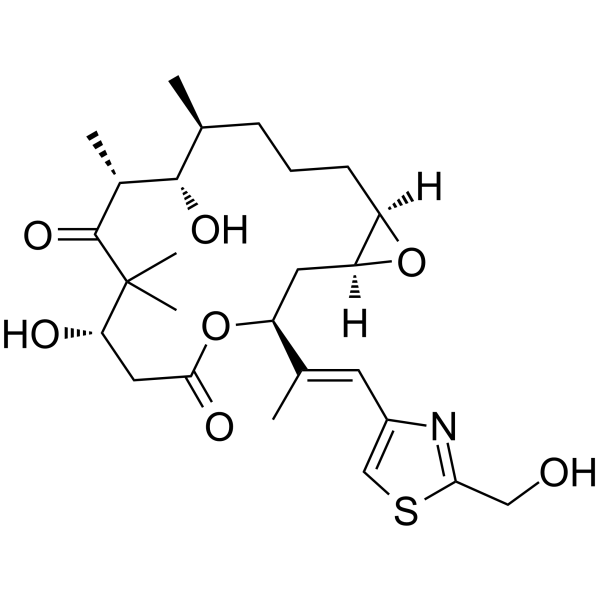
Epothilone E is a related compound of epothilone, which inhibits microtubule protein function and blocks cell division, and has anti-tumor activity .
|
-
-
- HY-159891
-
|
|
Microtubule/Tubulin
Apoptosis
Caspase
|
Cancer
|
|
Microtubule destabilizing agent-2 (Compound 21) is an orally active and selective antitumor compound targeting microtubule protein. Microtubule destabilizing agent-2 destabilizes microtubule proteins and inhibits microtubule polymers. Microtubule destabilizing agent-2 arrests the G0/G1 phase in human tumor cells. Microtubule destabilizing agent-2 induces Apoptosis by activating the cascade pathway of caspases. Microtubule destabilizing agent-2 has anti-inflammatory activity, as inhibiting TNF-α and IL-6 in vitro. Microtubule destabilizing agent-2 reduces tumors growth in xenograft mice .
|
-

-
- HY-119587
-
|
|
Microtubule/Tubulin
|
Cancer
|
|
Alestramustine is an antineoplastic cytostatic agent that disrupts microtubule function by binding to microtubule-associated proteins and β-tubulin through its active metabolites, effectively inhibiting cell division.
|
-

-
- HY-110090
-
|
|
Microtubule/Tubulin
Kinesin
Apoptosis
|
Cancer
|
|
UA62784 is a microtubule polymerization inhibitor that interacts with tubulin dimers. UA62784 is a novel specific inhibitor of centromere protein E (CENP-E) kinesin. UA62784 can be used for the study of pancreatic cancer .
|
-

-
- HY-121085
-
|
|
Microtubule/Tubulin
|
Cancer
|
|
CID-663143 targets microtubule-associated proteins, not tubulin itself, to inhibit the polymerization process within cells. CID-663143 inhibits cancer cell growth (IC50: <100 nM for HT-1080, BJeLR, MCF10A cells) .
|
-

-
- HY-163105
-
|
|
Microtubule/Tubulin
|
Cancer
|
|
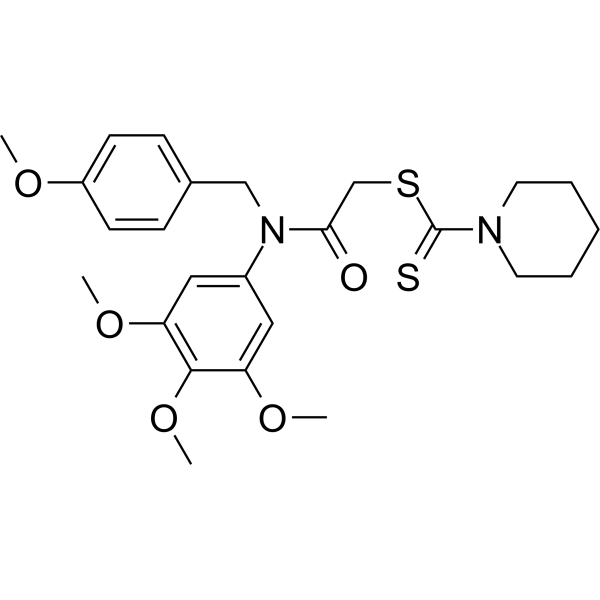
Tubulin/NEDDylation-IN-1 (compound C11) is a dual inhibitor of tubulin (Microtubule/Tubulin)-NEDDylation (IC50 for tubulin=2.40 μM), which has strong anti-proliferative activity. Neddylation is a protein post-translational modification that covalently tags the ubiquitin-like protein NEDD8 to target proteins. Tubulin/NEDDylation-IN-1 forms hydrogen bonds with residues of tubulin and E1 NEDD8 activating enzyme (NAE) through methoxy and dithiocarbamate groups and inhibits NEDDylation and microtubulin in an ATP-dependent manner. tube polymerization .
|
-
-
- HY-149021
-
|
|
Microtubule/Tubulin
Apoptosis
|
Cancer
|
|
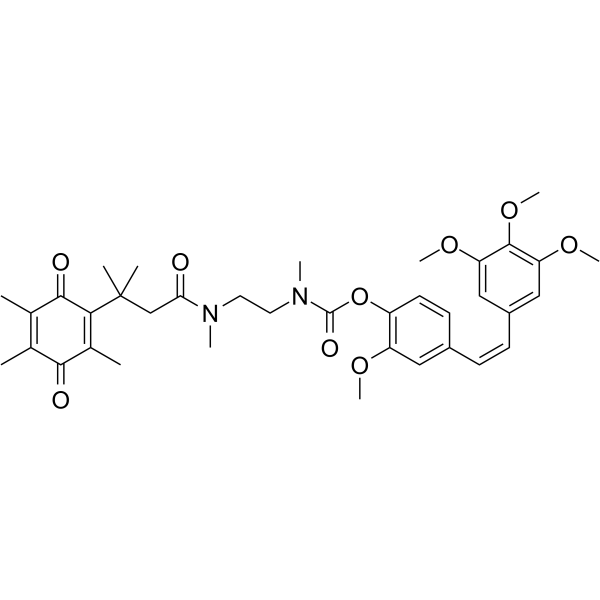
Tubulin polymerization-IN-28 (compound-4) is a microtubule protein polymerization inhibitor with highly selective anticancer activity. Tubulin polymerization-IN-28 can be activated by NQO1 and effectively release combretastatin A-4 to kill tumor cells. Tubulin polymerization-IN-28 can induce cell apoptosis and be used in anti-cancer research .
|
-
-
- HY-N14734
-
|
|
Apoptosis
Fungal
Microtubule/Tubulin
Mitosis
|
Cancer
|
|
Disorazol A1 is an tubulin inhibitor with antifungal activity. Disorazol A1 functions by inhibiting tubulin polymerization, interfering with microtubule formation, blocking mitosis, thus arresting the cell cycle at the G2/M phase and inducing apoptosis. Disorazol A1 also exhibits an inhibitory effect against L929 mouse fibroblasts with an IC50 value of 3 pM. Disorazol A1 causes the accumulation of p53 protein in the cell nucleus. Disorazol A1 is promising for research of cancers .
|
-

-
- HY-176171
-
|
|
Microtubule/Tubulin
Hippo (MST)
YAP
Apoptosis
|
Cancer
|
|
Tubulin polymerization-IN-79 (Compound C20) is a tubulin polymerization inhibitor. Tubulin polymerization-IN-79 shows potent antiproliferative activity against esophageal cancer cells (e.g., KYSE450, IC50=0.36 μM; EC-109, IC50=0.63 μM). Tubulin polymerization-IN-79 occupies the colchicine binding site to disrupt microtubule network integrity, activating the Hippo signaling pathway, downregulating the oncogenic protein YAP expression, and inducing G2/M phase arrest and apoptosis in esophageal cancer cells. Tubulin polymerization-IN-79 is promising for research of esophageal cancers .
|
-

-
- HY-181019
-
|
|
Microtubule/Tubulin
Apoptosis
Bcl-2 Family
Caspase
|
Neurological Disease
Cancer
|
|
iMPZ-8 is a β-tubulin polymerization inhibitor that inhibits β-tubulin protein expression, disrupts microtubule structure, impairs microtubule organization. iMPZ-8 inhibits proliferation and reduces cellular migration and colonization in cancer cells. iMPZ-8 induces G2/M phase arrestand induces apoptosis via the BAX-Caspase-3 intrinsic apoptotic signaling pathway. iMPZ-8 can be used for the research of cancer, suah as breast cancer, neuroblastoma and colon cancer .
|
-

-
- HY-165369
-
|
|
Aurora Kinase
|
Cancer
|
|
IBPR002 is an inhibitor of Aurora kinase A and Aurora kinase B, with IC50 values of 41 nM and 17 nM, respectively. IBPR002 disrupts the nucleation and bundling of kinetochore microtubules, impairs the bipolarity of mitotic spindles, and promotes the binding of non-phosphorylated hepatoma up-regulated protein (HURP) to microtubules derived from the mother centrosome. IBPR002 reduces tumorigenesis levels in a colorectal cancer xenograft model using athymic nude mice. IBPR002 is applicable for research related to colorectal cancer .
|
-

-
- HY-P990995A
-
|
7G6 Antibody; 7G6-IgG2a
|
Tau Protein
|
Neurological Disease
|
|
Etalanetug (Mouse IgG2a) (7G6 Antibody) is a mouse monoclonal antibody targeting the HVPGG motif in the microtubule-binding domain of tau protein. Etalanetug (Mouse IgG2a) reduces the levels of insoluble tau protein in multiple brain regions and inhibits the seeding and spread of pathological tau protein. Etalanetug (Mouse IgG2a) is applicable to research related to Alzheimer's disease .
|
-

-
- HY-186208
-
|
|
Aurora Kinase
|
Cancer
|
|
TACC3-IN-3 is a TACC3 inhibitor. TACC3 is a scaffold protein that is highly expressed in various tumors and regulates microtubule/centrosome stability via phosphorylation by Aurora A. TACC3-IN-3 inhibits the proliferation of triple-negative breast cancer cells. TACC3-IN-3 is applicable to triple-negative breast cancer research .\n
|
-

-
- HY-186210
-
|
|
Aurora Kinase
|
Cancer
|
TACC3-IN-5 (Compound 35) is a TACC3 inhibitor. TACC3 is a scaffold protein that is highly expressed in various tumors and regulates microtubule/centrosome stability via phosphorylation by Aurora A. TACC3-IN-5 inhibits the proliferation of triple-negative breast cancer cells. TACC3-IN-5 is applicable for triple-negative breast cancer research .
|
-

-
- HY-186209
-
|
|
Aurora Kinase
|
Cancer
|
|
TACC3-IN-4 is a TACC3 inhibitor. TACC3 is a scaffold protein that is highly expressed in various tumors and regulates microtubule/centrosome stability via phosphorylation by Aurora A. TACC3-IN-4 inhibits the proliferation of triple-negative breast cancer cells. TACC3-IN-4 can be used for triple-negative breast cancer research .
|
-

-
- HY-W721611
-
|
|
Herbicide
|
Others
|
|
Terbucarb is a phenylcarbamate herbicide. Terbucarb disrupts the mitotic microtubule organizing centers in plant cells, leading to the formation of multipolar spindles and branched phragmoplasts, thereby inhibiting plant growth. An "anaphase star" pattern induced by Terbucarb is observed in onion root tips. Terbucarb is cytotoxic to isolated rat hepatocytes, inducing cell death accompanied by depletion of intracellular ATP, protein thiols and glutathione .
|
-

-
- HY-P992002
-
|
|
ADC Antibody
|
Cancer
|
|
AMT-151 Antibody is a monoclonal antibody inhibitor targeting folate receptor α. AMT-151 Antibody can be used to synthesize the antibody-drug conjugate (ADC) AMT-151. AMT-151 Antibody can be used to research related to cancer .
|
-

-
- HY-179466
-
|
|
Microtubule/Tubulin
Apoptosis
Caspase
|
Cancer
|
|
BKT300 is a potent and selective protein regulator of cytokinesis 1 (PRC1) inhibitor. BKT300 inhibits PRC1 dephosphorylation at T481, disrupts actin and microtubule formation, induces G2/M cell cycle arrest, triggers mitotic catastrophe, and promotes apoptosis, thereby inhibiting proliferation and migration of acute myeloid leukemia (AML) cells while sparing normal cells. BKT300 inhibits tumor growth in mouse xenograft AML models. BKT300 can be used for the research of AML .
|
-

-
- HY-183584
-
|
|
GSK-3
Src
DYRK
Tau Protein
Microtubule/Tubulin
|
Neurological Disease
|
|
ARN25699 is a kinase inhibitor with an IC50 of 5.5 nM against GSK-3β, 2.2 nM against FYN-α, and 242.3 nM against DYRK1A, and it exhibits oral bioavailability. ARN25699 reduces hyperphosphorylation of tau protein and promotes microtubule bundle formation. ARN25699 has a broader kinome inhibitory profile and targets kinases associated with the pathogenic mechanisms linked to Alzheimer's disease. ARN25699 can be used in the research of Alzheimer's disease and related tauopathies .
|
-

-
- HY-105066R
-
|
|
Reference Standards
Microtubule/Tubulin
Amyloid-β
|
Neurological Disease
|
|
Davunetide (Standard) is the analytical standard of Davunetide (HY-105066). This product is intended for research and analytical applications. Davunetide is an eight amino acid snippet derived from activity-dependent neuroprotective protein (ADNP), a neurotrophic factor that exists in the mammalian CNS. Davunetide possesses neuroprotective, neurotrophic and cognitive protective roperties. Davunetide, a microtubule-stabilizing peptide, interacts with and stabilises neuron-specific βIII-tubulin in vitro. Davunetide penetrates the blood-brain barrier and is non-toxic. Davunetide inhibits Aβ aggregation and Aβ-induced neurotoxicity .
|
-

-
- HY-183831
-
|
|
MDM-2/p53
PARP
Caspase
Apoptosis
|
Cancer
|
|
GPS167 is a CLK kinase inhibitor that potently and selectively inhibits recombinant human CLK1, CLK2 and CLK4. By inhibiting CLK-mediated phosphorylation of SRSF10, GPS167 upregulates the protein-binding ability of CLK1 and CLK4 with SRSF10, downregulates oncogenic BCLAF1-L and upregulates tumor-suppressive BCLAF1-S, regulates alternative splicing of genes such as MDM2 and MDM4, stabilizes p53 protein and induces DNA damage, ultimately triggering tumor cell apoptosis. GPS167 can block the epithelial-mesenchymal transition process of tumors, activate intracellular double-stranded RNA-mediated antiviral immune responses, and produce synergistic cytotoxicity when combined with microtubule-targeting drugs. GPS167 can be used in research related to various cancers including colorectal cancer .
|
-

| Cat. No. |
상품명 |
Target |
Research Area |
-
- HY-105066
-
|
|
Microtubule/Tubulin
Amyloid-β
|
Neurological Disease
|
|
Davunetide is an eight amino acid snippet derived from activity-dependent neuroprotective protein (ADNP), a neurotrophic factor that exists in the mammalian CNS. Davunetide possesses neuroprotective, neurotrophic and cognitive protective roperties. Davunetide, a microtubule-stabilizing peptide, interacts with and stabilises neuron-specific βIII-tubulin in vitro. Davunetide penetrates the blood-brain barrier and is non-toxic. Davunetide inhibits Aβ aggregation and Aβ-induced neurotoxicity .
|
-
- HY-105066R
-
|
|
Reference Standards
Microtubule/Tubulin
Amyloid-β
|
Neurological Disease
|
|
Davunetide (Standard) is the analytical standard of Davunetide (HY-105066). This product is intended for research and analytical applications. Davunetide is an eight amino acid snippet derived from activity-dependent neuroprotective protein (ADNP), a neurotrophic factor that exists in the mammalian CNS. Davunetide possesses neuroprotective, neurotrophic and cognitive protective roperties. Davunetide, a microtubule-stabilizing peptide, interacts with and stabilises neuron-specific βIII-tubulin in vitro. Davunetide penetrates the blood-brain barrier and is non-toxic. Davunetide inhibits Aβ aggregation and Aβ-induced neurotoxicity .
|
| Cat. No. |
상품명 |
Target |
Research Area |
Image |
-
- HY-P99682
-
|
hLIV22
|
ADC Antibody
|
Cancer
|
|
Ladiratuzumab (hLIV22) is a humanized monoclonal antibody against zinc transporter LIV-1/ZIP6. Ladiratuzumab is conjugated to MMAE (HY-15162) via a cleavable dipeptide linker to synthesize an antibody-drug conjugate (ADC) Ladiratuzumab vedotin (HY-P99683). Ladiratuzumab vedotin selectively targets LIV-1 protein overexpressed on the surface of tumor cells, enters cells through antibody-mediated receptor endocytosis, releases MMAE to inhibit microtubule polymerization, and kills adjacent tumor cells with a bystander effect. Ladiratuzumab can be used in the study of solid tumors such as metastatic triple-negative breast cancer (mTNBC) .
|
-

(5)
-
- HY-P990995
-
|
E2814
|
Tau Protein
|
Neurological Disease
|
|
Etalanetug (E2814) is a humanized high-affinity IgG1 antibody that targets tau protein and can cross the blood-brain barrier. Etalanetug inhibits the spread of pathological tau protein through high-affinity binding to the microtubule-binding region (MTBR). Etalanetug can be used in research related to Alzheimer's disease .
|
-
(5)
-
- HY-P990995A
-
|
7G6 Antibody; 7G6-IgG2a
|
Tau Protein
|
Neurological Disease
|
|
Etalanetug (Mouse IgG2a) (7G6 Antibody) is a mouse monoclonal antibody targeting the HVPGG motif in the microtubule-binding domain of tau protein. Etalanetug (Mouse IgG2a) reduces the levels of insoluble tau protein in multiple brain regions and inhibits the seeding and spread of pathological tau protein. Etalanetug (Mouse IgG2a) is applicable to research related to Alzheimer's disease .
|
-
(5)
-
- HY-P992002
-
|
|
ADC Antibody
|
Cancer
|
|
AMT-151 Antibody is a monoclonal antibody inhibitor targeting folate receptor α. AMT-151 Antibody can be used to synthesize the antibody-drug conjugate (ADC) AMT-151. AMT-151 Antibody can be used to research related to cancer .
|
-
(5)
| Cat. No. |
상품명 |
Category |
Target |
Chemical Structure |
-
- HY-N3225
-
|
|
Myrica ceriferaL.
Phenols
Polyphenols
Plants
Source Classification
Myricaceae
|
NAMPT
Sirtuin
Microtubule/Tubulin
Apoptosis
Autophagy
PDGFR
NF-κB
AMPK
|
|
Myricanol is a diarylheptanoid and a Nampt activator. Myricanol exerts anti-inflammatory effects and alleviates glucocorticoid-induced muscle atrophy by increasing Sirtuin 1 (SIRT1) and PRDX5 activities while regulating inflammatory factors. Myricanol exhibits growth inhibition and induces apoptosis in human lung adenocarcinoma A549 cells. Myricanol promotes autophagy-mediated clearance of microtubule-associated protein tau to exert neuroprotective effects. Myricanol protects cardiovascular function by inhibiting PDGFRβ and NF-κB signaling pathways. Myricanol activates mitochondrial transcription factor A (TFAM) expression to exert anti-renal fibrosis effects. Myricanol improves insulin resistance through AMPK activation .
|
-
-
- HY-N3028
-
-
-
- HY-N14734
-
|
|
Natural Products
Microorganisms
Source Classification
|
Apoptosis
Fungal
Microtubule/Tubulin
Mitosis
|
|
Disorazol A1 is an tubulin inhibitor with antifungal activity. Disorazol A1 functions by inhibiting tubulin polymerization, interfering with microtubule formation, blocking mitosis, thus arresting the cell cycle at the G2/M phase and inducing apoptosis. Disorazol A1 also exhibits an inhibitory effect against L929 mouse fibroblasts with an IC50 value of 3 pM. Disorazol A1 causes the accumulation of p53 protein in the cell nucleus. Disorazol A1 is promising for research of cancers .
|
-
| Cat. No. |
상품명 |
|
Classification |
-
- HY-16062
-
|
|
|
Alkynes
|
|
ARQ 621 is an allosteric, potent and selective inhibitor of Eg5, a microtubule-based ATPase motor protein involved in cell division. Anti-tumor activity . ARQ 621 is a kinesin inhibitor . ARQ 621 is a click chemistry reagent, it contains an Alkyne group and can undergo copper-catalyzed azide-alkyne cycloaddition (CuAAc) with molecules containing Azide groups.
|
Your information is safe with us. * Required Fields.
Inquiry Information
- 상품명:
- Cat. No.:
- 수량:
- MCE Japan Authorized Agent:








