Search Result
Results for "
non-human primates
" in MedChemExpress (MCE) Product Catalog:
1
Isotope-Labeled Compounds
| Cat. No. |
Product Name |
Target |
Research Areas |
Chemical Structure |
-
- HY-P99575
-
|
AMG-757
|
Notch
|
Inflammation/Immunology
Cancer
|
|
Tarlatamab (AMG-757) is a bispecific T-cell engager (BiTE) antibody targeting delta-like ligand 3 (DLL3). DLL3 is a target that is selectively expressed in small-cell lung cancer (SCLC) tumors, but with minimal normal tissue expression. Tarlatamab has the KDs of 0.64 nM and 0.50 nM for human and nonhuman primate (NHP) DLL3, respectively. Tarlatamab has the KDs of 14.9 nM and 12 nM for human and NHP CD3, respectively. Tarlatamab is a first-in-class HLE BiTE immuno-oncology therapy targeting DLL3 and has the potential for SCLC research .
|
-

-
- HY-P99037
-
|
M281
|
Fc Receptor (FcR)
|
Inflammation/Immunology
|
|
Nipocalimab (M281) is a fully humanized, recombinant, and non-glycosylated IgG1 monoclonal antibody. Nipocalimab can bind to the IgG-binding site of FcRn with high affinity and inhibit the transplacental transfer of IgG. Nipocalimab can be used in the research of fetal and neonatal hemolytic disease, myasthenia gravis, and various IgG-mediated autoimmune diseases .
|
-

-
- HY-P1717
-
AMY-101
Maximum Cited Publications
7 Publications Verification
Cp40
|
Complement System
SARS-CoV
|
Inflammation/Immunology
|
|
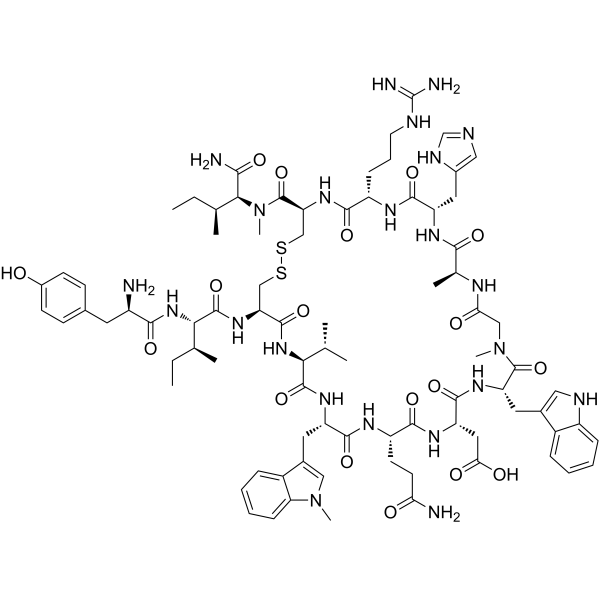
AMY-101 (Cp40), a peptidic inhibitor of the central complement component C3 (KD = 0.5 nM), inhibits naturally occurring periodontitis in non-human primates (NHPs). AMY-101 (Cp40) exhibits a favorable anti-inflammatory activity in models with COVID-19 severe pneumonia with systemic hyper inflammation .
|
-
-
- HY-153810
-
|
JNJ-1802
|
Virus Protease
Flavivirus
Dengue Virus
|
Infection
|
|
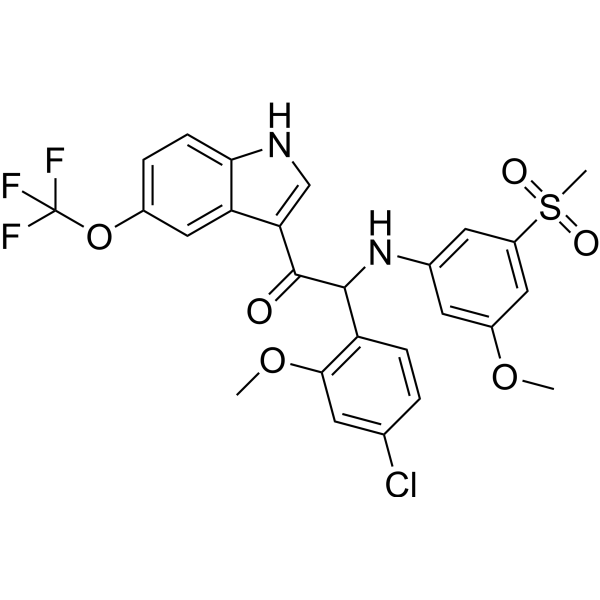
Mosnodenvir (JNJ-1802) is an orally active pan serotype dengue virus (DENV) inhibitor, with EC50 values ranging from 0.057 to 11 nM for four dengue virus (DENV) serotypes. Mosnodenvir blocks viral replication by inhibiting the formation of complexes between two viral proteins, nonstructural protein 3 (NS3) and NS4B, thereby preventing the formation of new viral RNA. Mosnodenvir exhibits picomolar to nanomolar antiviral activity in vitro and has antiviral efficacy in mice and non-human primates .
|
-
-
- HY-171821
-
|
SGN-PDL1V
|
Antibody-Drug Conjugates (ADCs)
PD-1/PD-L1
|
Cancer
|
|
PF-08046054 (SGN-PDL1V) is a PD-L1-directed Antibody-drug conjugate (ADC), which is comprised of an anti-PD-L1 antibody conjugated to VcMMAE (HY-15575). PF-08046054 is direct cytotoxicity to PD-L1-expressing tumor cells via the intracellular delivery of MMAE. PF-08046054 can be used for the study of solid tumors
|
-

-
- HY-P1717B
-
|
Cp40 acetate
|
Complement System
SARS-CoV
|
Inflammation/Immunology
|
|
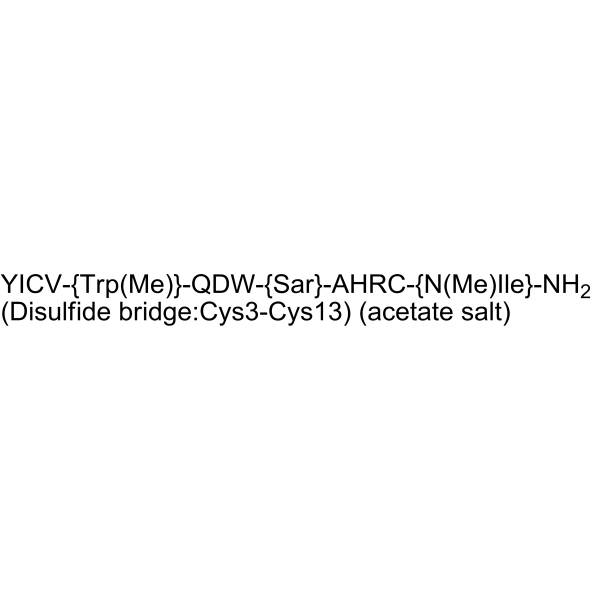
AMY-101 acetate (Cp40 acetate), a peptidic inhibitor of the central complement component C3 (KD = 0.5 nM), inhibits naturally occurring periodontitis in non-human primates (NHPs). AMY-101 acetate (Cp40 acetate) exhibits a favorable anti-inflammatory activity in models with COVID-19 severe pneumonia with systemic hyper inflammation .
|
-
-
- HY-P1717A
-
AMY-101 TFA
Maximum Cited Publications
7 Publications Verification
Cp40 TFA
|
Complement System
SARS-CoV
|
Inflammation/Immunology
|
|
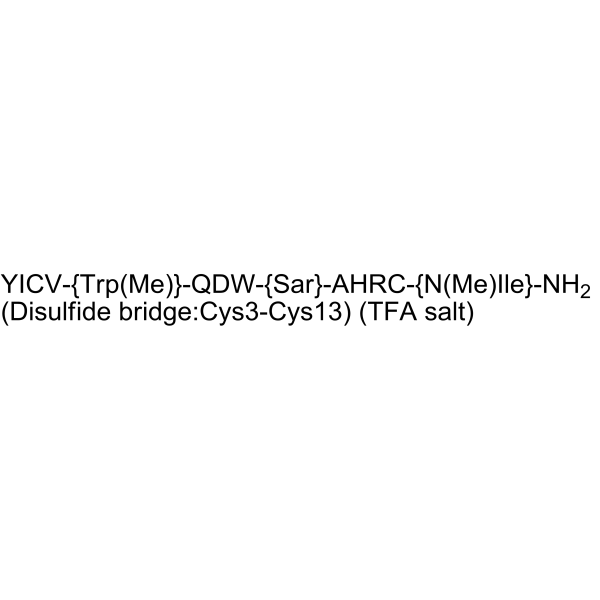
AMY-101 TFA (Cp40 TFA), a peptidic inhibitor of the central complement component C3 (KD = 0.5 nM), inhibits naturally occurring periodontitis in non-human primates (NHPs). AMY-101 (Cp40) exhibits a favorable anti-inflammatory activity in models with COVID-19 severe pneumonia with systemic hyper inflammation .
|
-
-
- HY-135714
-
|
EKZ-001
|
HDAC
Microtubule/Tubulin
|
Neurological Disease
Cancer
|
Bavarostat (EKZ-001) is a blood-brain barrier-permeable, potent HDAC6 inhibitor and PET radiotracer, with an IC50 as low as 17 nM against human HDAC6. Bavarostat can be labeled with 18F and used as a probe to map HDAC6 distribution and measure target occupancy in the brains of non-human primates. Bavarostat also selectively modulates tubulin acetylation, but not histone acetylation. Bavarostat is applicable for research on Alzheimer's disease, other neurodegenerative disorders, and cancers .
|
-

-
- HY-P99302
-
|
BMS-931699
Antibody
|
CD28
|
Inflammation/Immunology
|
|
Lulizumab (Humanized Anti-CD28 Recombinant Antibody) is an anti-CD28 domain antibody antagonist. Lulizumab inhibits T-cell activation by selectively targeting the CD28 signal. In a sensitized non-human primate kidney transplantation model, when combined with Carfilzomib (HY-10455), Lulizumab can regulate immune cells and prolong the survival time of the graft .
|
-

-
- HY-152148
-
|
|
MAGL
|
Neurological Disease
|
|
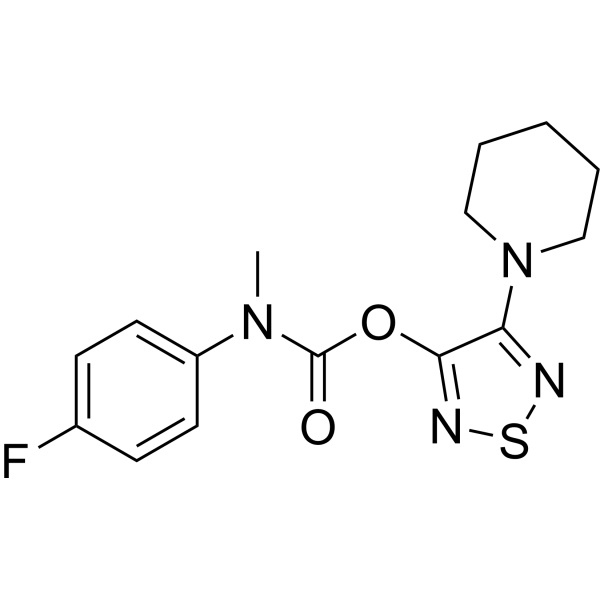
JZP-MA-11 is a brain-penetrant positron emission tomography (PET) ligand targeting the brain endocannabinoid α/β-hydrolase domain 6 (ABHD6) enzyme. JZP-MA-11 selectively inhibits ABHD6 with an IC50 value of 126 nM. [18F]JZP-MA-11 has the potential for preclinical evaluation targeting the brain ABHD6 in mice and nonhuman primate (NHP) .
|
-
-
- HY-P991400
-
|
|
TNF Receptor
Apoptosis
Interleukin Related
NF-κB
JNK
p38 MAPK
|
Inflammation/Immunology
|
|
GSK1995057 is a human monoclonal antibody (mAb) targeting TNFRSF1A. GSK1995057 selectively binds to TNFR1, blocks the binding of TNF-α and LT-α, and does not interfere with TNFR2 signaling. GSK1995057 inhibits the activation of NF-κB, JNK and MAPK pathways, alleviates apoptosis (apoptosis) and inflammatory responses (inhibiting IL-1β, IL-6, IL-10, TNF-α), and prevents viability loss of human nucleus pulposus cells. GSK1995057 inhibits the expression of cytokines and neutrophil adhesion molecules in human pulmonary microvascular endothelial cell monolayers, and reduces inflammatory responses and lung injury symptoms in non-human primates. GSK1995057 forms complexes with HAVH autoantibodies, thereby activating TNFR1 and triggering the release of cytokines and IL-8 in human cells. GSK1995057 can be used in research related to intervertebral disc degeneration and acute lung injury .
|
-

-
- HY-P991372
-
|
RN927C antibody
|
TROP2
|
Cancer
|
|
Anti-TROP2 Antibody (RN927C antibody) is a human monoclonal antibody targeting Trop-2. Anti-TROP2 Antibody exerts in vitro inhibitory effects on a variety of tumor cell lines. Anti-TROP2 Antibody exhibits anti-tumor activity in mouse pancreatic PDX, ovarian PDX, lung PDX and triple-negative breast cancer (TNB) PDX models. Anti-TROP2 Antibody can be used for research on pancreatic cancer, ovarian cancer, lung cancer and triple-negative breast cancer .
|
-

-
- HY-175748
-
-

-
- HY-101422
-
|
|
Potassium Channel
|
Inflammation/Immunology
|
|
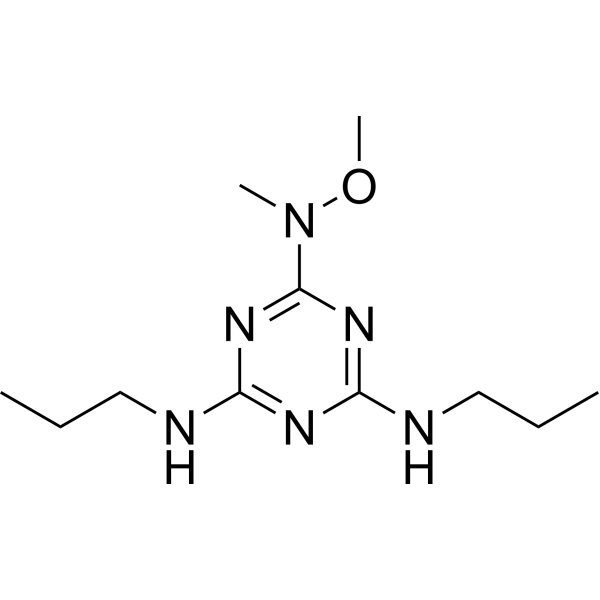
GAL-021 is a potent BKCa-channel blocker. GAL-021 inhibits KCa1.1 in GH3 cells. GAL-021 is a novel breathing control modulator that is based on selective modification of the almitrine pharmacophore. GAL-021 increases minute ventilation in rats and non-human primates .
|
-
-
- HY-157802
-
|
|
Sodium Channel
|
Neurological Disease
|
|
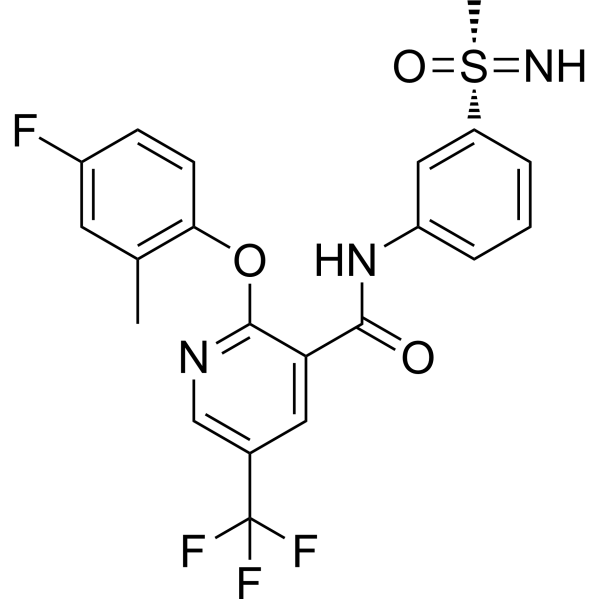
LTGO-33 is a potent and selective voltage-gated sodium channel NaV1.8 inhibitor. LTGO-33 inhibits NaV1.8 in the nM potency range and exhibits over 600-fold selectivity against human NaV1.1-NaV1.7 and NaV1.9. LTGO-33 exhibits state-independent inhibition with similar potencies on channels in the closed and inactivated conformations. LTGO-33 inhibits native TTX-R NaV1.8 currents in non-human primate and human DRG neurons, where it reduces action potential firing. LTGO-33 can be used for pain disorders research .
|
-
-
- HY-113266
-
|
|
Endogenous Metabolite
|
Metabolic Disease
|
|
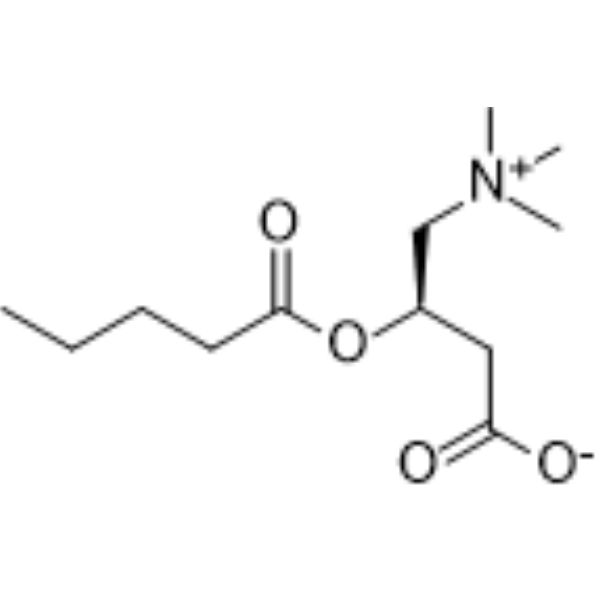
Valerylcarnitine is an endogenous metabolite, belonging to the short-chain acylcarnitines. Valerylcarnitine acts as a metabolomic biomarker for ionizing radiation exposure in nonhuman primates. Valerylcarnitine can be used for the research of type 1 diabetes .
|
-
-
- HY-P990730
-
|
ARB202
|
CD3
Cadherin
|
Cancer
|
|
Cabotamig is a humanized bispecific T-cell engager antibody targeting CDH17/CD3. Cabotamig is generated from anti-CDH17 monoclonal ARB102 by linking a CD3-binding scFv in the format of IgG4-scFv. Cabotamig can be used for the research of cancer, such as gastric cancer and colon cancers .
|
-

-
- HY-123669
-
|
|
P2Y Receptor
Drug Metabolite
|
Cardiovascular Disease
|
|
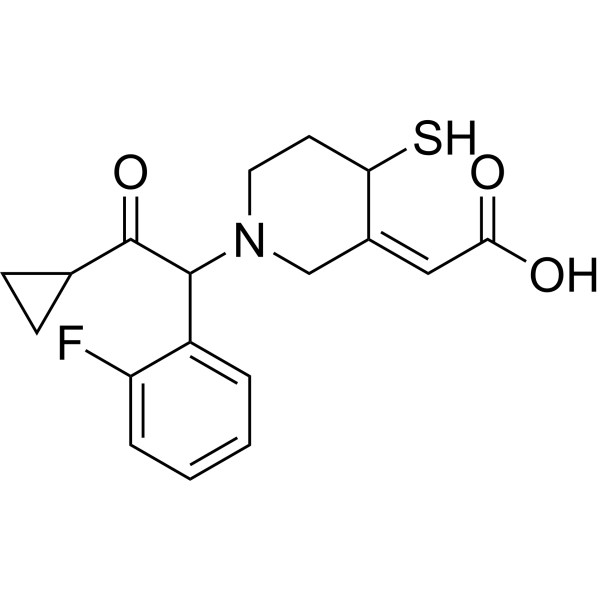
R-138727, the major active metabolite of Prasugrel (HY-15284), is a highly potent and selective irreversible antagonist of the P2Y12 receptor, with an IC50 of 2.5 μM. R-138727 covalently binds to the P2Y12 receptor on the platelet surface, blocking adenosine diphosphate-mediated platelet activation and aggregation. R-138727 can be used to study stroke, cerebral infarction and neurological deficits.
|
-
-
- HY-118944
-
|
|
Adrenergic Receptor
|
Endocrinology
|
|
L-748328 is a potent and selective human β3-adrenergic receptor antagonist. L-748328 has a Ki of 3.7 nM against human cloned β3-AR expressed in Chinese hamster ovary (CHO) cells. In addition, L-748328 inhibits the lipolytic response induced by the β3-AR agonist L-742791 in isolated non-human primate adipocytes .
|
-

-
- HY-158821A
-
|
|
TGF-beta/Smad
|
Neurological Disease
|
|
ISTH0036 sodium is a phosphorothioate LNA-modified antisense oligonucleotide gapmer that selectively targets and downregulates TGF-β2 mRNA. ISTH0036 sodium suppresses TGF-β2 expression, reduces choroidal neovascularization and vascular leakage, inhibits fibrosis, blocks epithelial-to-mesenchymal transition, and inhibits angiogenesis while promoting bleb survival. ISTH0036 sodium exhibits long-lasting, dose-dependent ocular tissue distribution and target engagement in rabbit and non-human primate eyes. ISTH0036 sodium can be used for the study of various ocular disorders, such as glaucoma and neovascular retinal diseases .
|
-

-
- HY-120464
-
|
SAM-760
|
5-HT Receptor
|
Neurological Disease
|
|
PF-05212377 (SAM-760) is an inhibitor for serotonin receptor 5-HT6. PF-05212377 is a substrate for P-gp/non-BCRP human transporter. PF-05212377 exhibits blood brain barrier permeability in non-human primates. PF-05212377 can be used for Alzheimer’s Disease research .
|
-

-
- HY-158821
-
|
|
TGF-beta/Smad
|
Neurological Disease
|
|
ISTH0036 is a phosphorothioate LNA-modified antisense oligonucleotide gapmer that selectively targets and downregulates TGF-β2 mRNA. ISTH0036 suppresses TGF-β2 expression, reduces choroidal neovascularization and vascular leakage, inhibits fibrosis, blocks epithelial-to-mesenchymal transition, and inhibits angiogenesis while promoting bleb survival. ISTH0036 exhibits long-lasting, dose-dependent ocular tissue distribution and target engagement in rabbit and non-human primate eyes. ISTH0036 can be used for the study of various ocular disorders, such as glaucoma and neovascular retinal diseases .
|
-

-
- HY-P991467
-
|
|
Interleukin Related
|
Inflammation/Immunology
|
|
RG-7258 is a human monoclonal antibody (mAb) targeting CRLF2. RG-7258 blocks dendritic cell activation and mast cell cytokine release. RG-7258 reduces Th2 inflammation in a non-human primate model of allergic lung inflammation. RG-7258 can be used in asthma research .
|
-

-
- HY-148698
-
|
|
VD/VDR
|
Others
|
|
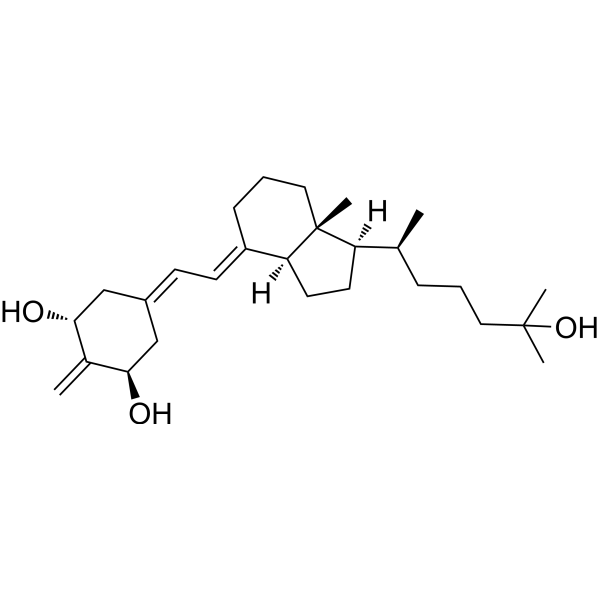
2MD is an orally active vitamin D analog. 2MD stimulates periosteal bone formation and decreases trabecular bone resorption. Thus 2MD restores trabecular and cortical bone mass and strength. 2MD also regulates intraocular pressure (IOP)-relative genes and reduces IOP in non-human primates .
|
-
-
- HY-101422A
-
|
|
Potassium Channel
|
Inflammation/Immunology
|
|
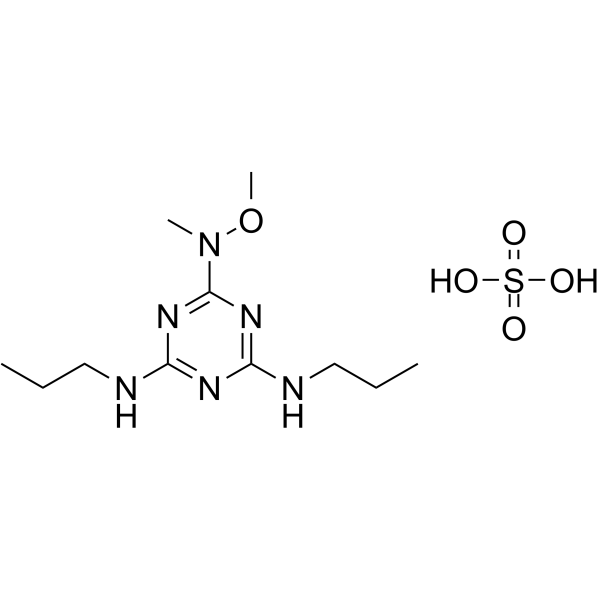
GAL-021 sulfate is a potent BKCa-channel blocker. GAL-021 sulfate inhibits KCa1.1 in GH3 cells. GAL-021 sulfate is a novel breathing control modulator that is based on selective modification of the almitrine pharmacophore. GAL-021 sulfate increases minute ventilation in rats and non-human primates .
|
-
-
- HY-135493
-
|
|
5-HT Receptor
|
Neurological Disease
|
|
RS-56812 is a partial agonist of the 5-HT3 receptor. RS-56812 significantly enhances the propulsive peristalsis of the colon. RS-56812 indirectly enhances cholinergic neurotransmission and improves the working memory performance of non-human primates. RS-56812 is used in research on diarrhea/colon peristalsis and cognitive disorders (such as Alzheimer's disease) .
|
-

-
- HY-163075
-
|
|
Sigma Receptor
|
Others
|
|
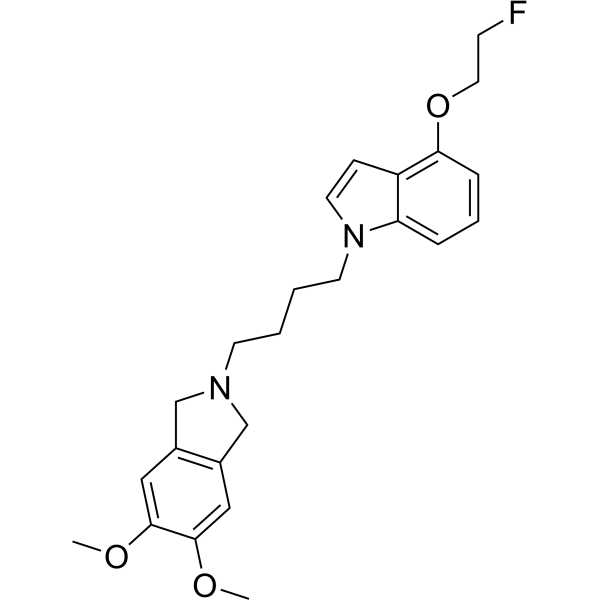
SYB4 (compound 5) is a PET tracer which suitable for imaging the Sigma-2 Receptor in the brain of nonhuman primates .
|
-
-
- HY-117527
-
-

-
- HY-103491
-
|
|
iGluR
|
Neurological Disease
|
|
PF-06462894 is an alkyne-lacking metabotropic glutamate receptor 5 (mGluR5) negative allosteric modulator profiled in both rat and nonhuman primates .
|
-

-
- HY-117637
-
|
|
Oxytocin Receptor
|
Neurological Disease
|
|
ALS-I-41 is a novel, potent and selective oxytocin receptor antagonist with the potential to modulate biological activities related to social behavior and mental disorders. ALS-I-41 is being evaluated for behavioral pharmacology experiments in non-human primates and can be administered via intranasal or intramuscular injection. The central nervous system penetration and metabolic rate of ALS-I-41 were studied by mass spectrometry analysis in cerebrospinal fluid and plasma of macaque monkeys .
|
-

-
- HY-113266R
-
|
|
Reference Standards
Endogenous Metabolite
|
Metabolic Disease
|
|
Valerylcarnitine (Standard) is the analytical standard of Valerylcarnitine. Valerylcarnitine is an endogenous metabolite, belonging to the short-chain acylcarnitines. Valerylcarnitine acts as a metabolomic biomarker for ionizing radiation exposure in nonhuman primates. Valerylcarnitine can be used for the research of type 1 diabetes .
|
-

-
- HY-113266S
-
|
C5:0 L-carnitine-d9
|
Isotope-Labeled Compounds
Endogenous Metabolite
|
Metabolic Disease
|
|
Valerylcarnitine-d9 (C5:0 L-carnitine-d9) is the deuterium labeled Valerylcarnitine (HY-113266). Valerylcarnitine is an endogenous metabolite, belonging to the short-chain acylcarnitines. Valerylcarnitine acts as a metabolomic biomarker for ionizing radiation exposure in nonhuman primates. Valerylcarnitine can be used for the research of type 1 diabetes .
|
-

-
- HY-P99911
-
|
MEDI-6383
|
Orexin Receptor (OX Receptor)
|
Inflammation/Immunology
Cancer
|
|
Efizonerimod alfa (MEDI-6383) is a recombinant human OX40L IgG4P Fc fusion protein that assembles into a hexameric structure and exerts potent agonist activity upon binding to OX40. The activity of Efizonerimod alfa is enhanced by Fcγ receptor-mediated aggregation. Efizonerimod alfa binds to OX40 on the surface of activated T cells, induces NF-κB promoter activity in OX40-expressing T cells, and triggers the production of Th1-type cytokines, T cell proliferation, and resistance to regulatory T cell (Treg)-mediated suppression. Efizonerimod alfa enhances the cytolytic activity of tumor-reactive T cells and slows tumor growth in immunodeficient mice. Efizonerimod alfa induces the proliferation of CD4, CD8, and B cells in the peripheral blood of healthy non-human primates. Efizonerimod alfa can be used in the research of advanced solid malignancies and melanoma .
|
-

-
- HY-182317
-
|
|
Drug Isomer
Dengue Virus
|
Infection
|
|
(+)-Mosnodenvir is an isomer of Mosnodenvir (HY-153810). Mosnodenvir (JNJ-1802) is an orally active pan serotype dengue virus (DENV) inhibitor, with EC50 values ranging from 0.057 to 11 nM for four dengue virus (DENV) serotypes. Mosnodenvir blocks viral replication by inhibiting the formation of complexes between two viral proteins, nonstructural protein 3 (NS3) and NS4B, thereby preventing the formation of new viral RNA. Mosnodenvir exhibits picomolar to nanomolar antiviral activity in vitro and has antiviral efficacy in mice and non-human primates .
|
-

-
- HY-181351
-
-

-
- HY-101422R
-
|
|
Potassium Channel
Reference Standards
|
Inflammation/Immunology
|
|
GAL-021 (Standard) is the analytical standard of GAL-021 (HY-101422). This product is intended for research and analytical applications. GAL-021 is a potent BKCa-channel blocker. GAL-021 inhibits KCa1.1 in GH3 cells. GAL-021 is a novel breathing control modulator that is based on selective modification of the almitrine pharmacophore. GAL-021 increases minute ventilation in rats and non-human primates .
|
-

-
- HY-P991921
-
|
|
TNF Receptor
Fc Receptor (FcR)
|
Cardiovascular Disease
Endocrinology
|
|
TNX-1500 is a crystallizable fragment-modified anti-CD154 antibody. TNX-1500 contains the hu5c8 fragment antigen-binding (Fab) domain from Ruplizumab (HY-P99315) and an IgG4 Fc region engineered to reduce FcγRIIa binding. TNX-1500 has significantly weaker binding affinity to FcγRI, FcγRIIaH, FcγRIIbF, FcγRIIIaF, and FcγRIIIaV compared to hu5c8 (Kd values: 8.7 nM, 7100 nM, 4900 nM, 8000 nM, 6000 nM respectively). TNX-1500 prolongs nonhuman primate renal allograft survival, prolongs nonhuman primate cardiac allograft survival. TNX-1500 can be used for the research of allograft rejection [1] [2].
|
-

-
- HY-182944
-
|
|
GABA Receptor
|
Neurological Disease
|
|
GATT-44 is a blood-brain barrier-permeable, selective GABA transporter 1 (GAT-1) ligand with an IC50 of 126 nM. GATT-44 shows selectivity for GAT-2, GAT-3 and BGT-1 subtypes, and undergoes copper-mediated 18F-radiofluorination. The radiolabeled GATT-44 ([ 18F]GATT-44) exhibits brain uptake, metabolic stability and high GAT-1 binding specificity in non-human primates. GATT-44 is applicable for research on neurodegenerative and neuropsychiatric diseases .
|
-

-
- HY-106021
-
|
ILX651 free base
|
Microtubule/Tubulin
Prolyl Endopeptidase (PREP)
|
Cancer
|
|
Tasidotin (ILX651 free base) is a tubulin inhibitor and competitive Prolyl Endopeptidase (PREP) inhibitor, with an IC50 of 10 μM against bovine tubulin. Tasidotin exhibits high cerebrospinal fluid penetration in non-human primates. Tasidotin antagonizes microtubule assembly and induces an extended assembly lag phase, thereby inhibiting mitosis and cell proliferation, and exerts cytotoxic and oncolytic effects on cancer cells. Tasidotin is metabolized into polypeptides and proline inside cells, and its in vivo metabolism is mediated by prolyl endopeptidase. Tasidotin can be applied in research related to Burkitt's lymphoma, breast cancer, leukemia, melanoma, central nervous system malignancies and various solid tumors .
|
-

-
- HY-158821B
-
|
|
TGF-beta/Smad
|
Neurological Disease
|
|
ISTH0036 sodium scrambled negative control is the sequence scrambled negative control of ISTH0036 sodium (HY-158821A). ISTH0036 sodium is a phosphorothioate LNA-modified antisense oligonucleotide gapmer that selectively targets and downregulates TGF-β2 mRNA. ISTH0036 sodium suppresses TGF-β2 expression, reduces choroidal neovascularization and vascular leakage, inhibits fibrosis, blocks epithelial-to-mesenchymal transition, and inhibits angiogenesis while promoting bleb survival. ISTH0036 sodium exhibits long-lasting, dose-dependent ocular tissue distribution and target engagement in rabbit and non-human primate eyes. ISTH0036 sodium can be used for the study of various ocular disorders, such as glaucoma and neovascular retinal diseases.
|
-

-
- HY-158821D
-
|
|
Fluorescent Dye
TGF-beta/Smad
|
Neurological Disease
|
|
Cy3 labled ISTH0036 sodium is a Cy3 labled ISTH0036 sodium (HY-158821A). ISTH0036 sodium is a phosphorothioate LNA-modified antisense oligonucleotide gapmer that selectively targets and downregulates TGF-β2 mRNA. ISTH0036 sodium suppresses TGF-β2 expression, reduces choroidal neovascularization and vascular leakage, inhibits fibrosis, blocks epithelial-to-mesenchymal transition, and inhibits angiogenesis while promoting bleb survival. ISTH0036 sodium exhibits long-lasting, dose-dependent ocular tissue distribution and target engagement in rabbit and non-human primate eyes. ISTH0036 sodium can be used for the study of various ocular disorders, such as glaucoma and neovascular retinal diseases.
|
-

-
- HY-158821C
-
|
|
Fluorescent Dye
TGF-beta/Smad
|
Neurological Disease
|
|
FAM labled ISTH0036 sodiumis a FAM labled ISTH0036 sodium (HY-158821A). ISTH0036 sodium is a phosphorothioate LNA-modified antisense oligonucleotide gapmer that selectively targets and downregulates TGF-β2 mRNA. ISTH0036 sodium suppresses TGF-β2 expression, reduces choroidal neovascularization and vascular leakage, inhibits fibrosis, blocks epithelial-to-mesenchymal transition, and inhibits angiogenesis while promoting bleb survival. ISTH0036 sodium exhibits long-lasting, dose-dependent ocular tissue distribution and target engagement in rabbit and non-human primate eyes. ISTH0036 sodium can be used for the study of various ocular disorders, such as glaucoma and neovascular retinal diseases.
|
-

-
- HY-P992369
-
|
|
VISTA
|
Cancer
|
|
HMBD-002 is an Fc-independent, non-depleting IgG4 subclass antibody that targets VISTA and VSIG3. It is widely used in research related to various solid tumors, including colon cancer, triple-negative breast cancer, and non-small cell lung cancer. HMBD-002 blocks the interactions of VISTA with VSIG3 and LRIG1, relieves immunosuppression without depleting VISTA-positive cells, activates the cytotoxic program of CD8 + T cells, and drives the type I interferon signaling pathway. HMBD-002 reprograms tumor-associated macrophages to the M1 phenotype, reduces tumor infiltration of inhibitory myeloid cells, thereby significantly inhibiting tumor growth and improving survival. HMBD-002 is well tolerated in rodent and non-human primate animal models .
|
-

-
- HY-121621
-
|
|
Endogenous Metabolite
|
Inflammation/Immunology
|
|
RO5101576 is a potent LTB4 receptor antagonist with activity to inhibit LTB4-induced calcium mobilization and chemotaxis of human neutrophils. RO5101576 significantly attenuated LTB4-induced pulmonary eosinophilia in guinea pigs. RO5101576 inhibited allergen- and ozone-induced pulmonary neutrophilia in nonhuman primates with efficacy comparable to that of budesonide. RO5101576 had no effect on LPS-induced neutrophilia in guinea pigs and cigarette smoke-induced neutrophilia in mice and rats. RO5101576 performed well in toxicology studies and was well tolerated .
|
-

-
- HY-P992352
-
|
|
|
|
|
ES005 is an anti-tumor compound and LAG3 inhibitor. ES005 blocks the interactions of LAG3 with MHC-II, LSECtin and FGL1, thereby effectively reversing the LAG3-mediated inhibition of T cell activation and NFAT reporter gene expression. ES005 exhibits significant tumor growth inhibitory effects in syngeneic mouse breast tumor models using humanized LAG3 knock-in mice. ES005 can be used for breast tumor-related research .
|
-

-
- HY-P992463
-
|
|
Ser/Thr Protease
|
Endocrinology
|
|
SHR-2010 is a fully humanized monoclonal antibody targeting MASP-2. SHR-2010 selectively inhibits lectin pathway activation without affecting classical or alternative complement pathways. SHR-2010 can be used for the research of IgA nephropathy .
|
-

-
- HY-122557
-
|
|
|
Neurological Disease
|
|
AZD3676 is an orally active and blood-brain barrier-permeable ligand for 5-HT1A and 5-HT1B receptors, with nanomolar binding affinity for human and monkey receptors (human 5-HT1A: 0.16 nM, monkey 5-HT1A: 0.13 nM, human 5-HT1B: 2.3 nM, monkey 5-HT1B: 2.4 nM). AZD3676 is applicable to research related to cognitive impairment in Alzheimer's disease .
|
-

-
- HY-P992026
-
|
|
ADC Antibody
|
Cancer
|
|
ADV-101 Antibody is a monoclonal antibody inhibitor targeting IL-1RAP. ADV-101 Antibody can be used to synthesize the antibody-drug conjugate (ADC) ADV-101. ADV-101 Antibody can be used to research related to cancer .
|
-

| Cat. No. |
Product Name |
Type |
-
- HY-171821
-
|
SGN-PDL1V
|
Fluorescent Dyes
|
|
PF-08046054 (SGN-PDL1V) is a PD-L1-directed Antibody-drug conjugate (ADC), which is comprised of an anti-PD-L1 antibody conjugated to VcMMAE (HY-15575). PF-08046054 is direct cytotoxicity to PD-L1-expressing tumor cells via the intracellular delivery of MMAE. PF-08046054 can be used for the study of solid tumors
|
| Cat. No. |
Product Name |
Target |
Research Area |
-
- HY-P1717
-
AMY-101
Maximum Cited Publications
7 Publications Verification
Cp40
|
Complement System
SARS-CoV
|
Inflammation/Immunology
|
|
AMY-101 (Cp40), a peptidic inhibitor of the central complement component C3 (KD = 0.5 nM), inhibits naturally occurring periodontitis in non-human primates (NHPs). AMY-101 (Cp40) exhibits a favorable anti-inflammatory activity in models with COVID-19 severe pneumonia with systemic hyper inflammation .
|
-
- HY-P1717B
-
|
Cp40 acetate
|
Complement System
SARS-CoV
|
Inflammation/Immunology
|
|
AMY-101 acetate (Cp40 acetate), a peptidic inhibitor of the central complement component C3 (KD = 0.5 nM), inhibits naturally occurring periodontitis in non-human primates (NHPs). AMY-101 acetate (Cp40 acetate) exhibits a favorable anti-inflammatory activity in models with COVID-19 severe pneumonia with systemic hyper inflammation .
|
-
- HY-P1717A
-
AMY-101 TFA
Maximum Cited Publications
7 Publications Verification
Cp40 TFA
|
Complement System
SARS-CoV
|
Inflammation/Immunology
|
|
AMY-101 TFA (Cp40 TFA), a peptidic inhibitor of the central complement component C3 (KD = 0.5 nM), inhibits naturally occurring periodontitis in non-human primates (NHPs). AMY-101 (Cp40) exhibits a favorable anti-inflammatory activity in models with COVID-19 severe pneumonia with systemic hyper inflammation .
|
| Cat. No. |
Product Name |
Target |
Research Area |
Image |
-
- HY-P99575
-
|
AMG-757
|
Notch
|
Inflammation/Immunology
Cancer
|
|
Tarlatamab (AMG-757) is a bispecific T-cell engager (BiTE) antibody targeting delta-like ligand 3 (DLL3). DLL3 is a target that is selectively expressed in small-cell lung cancer (SCLC) tumors, but with minimal normal tissue expression. Tarlatamab has the KDs of 0.64 nM and 0.50 nM for human and nonhuman primate (NHP) DLL3, respectively. Tarlatamab has the KDs of 14.9 nM and 12 nM for human and NHP CD3, respectively. Tarlatamab is a first-in-class HLE BiTE immuno-oncology therapy targeting DLL3 and has the potential for SCLC research .
|
-

(5)
-
- HY-P99037
-
|
M281
|
Fc Receptor (FcR)
|
Inflammation/Immunology
|
|
Nipocalimab (M281) is a fully humanized, recombinant, and non-glycosylated IgG1 monoclonal antibody. Nipocalimab can bind to the IgG-binding site of FcRn with high affinity and inhibit the transplacental transfer of IgG. Nipocalimab can be used in the research of fetal and neonatal hemolytic disease, myasthenia gravis, and various IgG-mediated autoimmune diseases .
|
-
(5)
-
- HY-P99302
-
|
BMS-931699
Antibody
|
CD28
|
Inflammation/Immunology
|
|
Lulizumab (Humanized Anti-CD28 Recombinant Antibody) is an anti-CD28 domain antibody antagonist. Lulizumab inhibits T-cell activation by selectively targeting the CD28 signal. In a sensitized non-human primate kidney transplantation model, when combined with Carfilzomib (HY-10455), Lulizumab can regulate immune cells and prolong the survival time of the graft .
|
-
(5)
-
- HY-P991400
-
|
|
TNF Receptor
Apoptosis
Interleukin Related
NF-κB
JNK
p38 MAPK
|
Inflammation/Immunology
|
|
GSK1995057 is a human monoclonal antibody (mAb) targeting TNFRSF1A. GSK1995057 selectively binds to TNFR1, blocks the binding of TNF-α and LT-α, and does not interfere with TNFR2 signaling. GSK1995057 inhibits the activation of NF-κB, JNK and MAPK pathways, alleviates apoptosis (apoptosis) and inflammatory responses (inhibiting IL-1β, IL-6, IL-10, TNF-α), and prevents viability loss of human nucleus pulposus cells. GSK1995057 inhibits the expression of cytokines and neutrophil adhesion molecules in human pulmonary microvascular endothelial cell monolayers, and reduces inflammatory responses and lung injury symptoms in non-human primates. GSK1995057 forms complexes with HAVH autoantibodies, thereby activating TNFR1 and triggering the release of cytokines and IL-8 in human cells. GSK1995057 can be used in research related to intervertebral disc degeneration and acute lung injury .
|
-
(5)
-
- HY-P991372
-
|
RN927C antibody
|
TROP2
|
Cancer
|
|
Anti-TROP2 Antibody (RN927C antibody) is a human monoclonal antibody targeting Trop-2. Anti-TROP2 Antibody exerts in vitro inhibitory effects on a variety of tumor cell lines. Anti-TROP2 Antibody exhibits anti-tumor activity in mouse pancreatic PDX, ovarian PDX, lung PDX and triple-negative breast cancer (TNB) PDX models. Anti-TROP2 Antibody can be used for research on pancreatic cancer, ovarian cancer, lung cancer and triple-negative breast cancer .
|
-
(5)
-
- HY-P990730
-
|
ARB202
|
CD3
Cadherin
|
Cancer
|
|
Cabotamig is a humanized bispecific T-cell engager antibody targeting CDH17/CD3. Cabotamig is generated from anti-CDH17 monoclonal ARB102 by linking a CD3-binding scFv in the format of IgG4-scFv. Cabotamig can be used for the research of cancer, such as gastric cancer and colon cancers .
|
-
(5)
-
- HY-P991467
-
|
|
Interleukin Related
|
Inflammation/Immunology
|
|
RG-7258 is a human monoclonal antibody (mAb) targeting CRLF2. RG-7258 blocks dendritic cell activation and mast cell cytokine release. RG-7258 reduces Th2 inflammation in a non-human primate model of allergic lung inflammation. RG-7258 can be used in asthma research .
|
-
(5)
-
- HY-P99911
-
|
MEDI-6383
|
Orexin Receptor (OX Receptor)
|
Inflammation/Immunology
Cancer
|
|
Efizonerimod alfa (MEDI-6383) is a recombinant human OX40L IgG4P Fc fusion protein that assembles into a hexameric structure and exerts potent agonist activity upon binding to OX40. The activity of Efizonerimod alfa is enhanced by Fcγ receptor-mediated aggregation. Efizonerimod alfa binds to OX40 on the surface of activated T cells, induces NF-κB promoter activity in OX40-expressing T cells, and triggers the production of Th1-type cytokines, T cell proliferation, and resistance to regulatory T cell (Treg)-mediated suppression. Efizonerimod alfa enhances the cytolytic activity of tumor-reactive T cells and slows tumor growth in immunodeficient mice. Efizonerimod alfa induces the proliferation of CD4, CD8, and B cells in the peripheral blood of healthy non-human primates. Efizonerimod alfa can be used in the research of advanced solid malignancies and melanoma .
|
-
(5)
-
- HY-P991921
-
|
|
TNF Receptor
Fc Receptor (FcR)
|
Cardiovascular Disease
Endocrinology
|
|
TNX-1500 is a crystallizable fragment-modified anti-CD154 antibody. TNX-1500 contains the hu5c8 fragment antigen-binding (Fab) domain from Ruplizumab (HY-P99315) and an IgG4 Fc region engineered to reduce FcγRIIa binding. TNX-1500 has significantly weaker binding affinity to FcγRI, FcγRIIaH, FcγRIIbF, FcγRIIIaF, and FcγRIIIaV compared to hu5c8 (Kd values: 8.7 nM, 7100 nM, 4900 nM, 8000 nM, 6000 nM respectively). TNX-1500 prolongs nonhuman primate renal allograft survival, prolongs nonhuman primate cardiac allograft survival. TNX-1500 can be used for the research of allograft rejection [1] [2].
|
-
(5)
-
- HY-P992369
-
|
|
VISTA
|
Cancer
|
|
HMBD-002 is an Fc-independent, non-depleting IgG4 subclass antibody that targets VISTA and VSIG3. It is widely used in research related to various solid tumors, including colon cancer, triple-negative breast cancer, and non-small cell lung cancer. HMBD-002 blocks the interactions of VISTA with VSIG3 and LRIG1, relieves immunosuppression without depleting VISTA-positive cells, activates the cytotoxic program of CD8 + T cells, and drives the type I interferon signaling pathway. HMBD-002 reprograms tumor-associated macrophages to the M1 phenotype, reduces tumor infiltration of inhibitory myeloid cells, thereby significantly inhibiting tumor growth and improving survival. HMBD-002 is well tolerated in rodent and non-human primate animal models .
|
-
(5)
-
- HY-P992352
-
|
|
|
|
|
ES005 is an anti-tumor compound and LAG3 inhibitor. ES005 blocks the interactions of LAG3 with MHC-II, LSECtin and FGL1, thereby effectively reversing the LAG3-mediated inhibition of T cell activation and NFAT reporter gene expression. ES005 exhibits significant tumor growth inhibitory effects in syngeneic mouse breast tumor models using humanized LAG3 knock-in mice. ES005 can be used for breast tumor-related research .
|
-
(5)
-
- HY-P992463
-
|
|
Ser/Thr Protease
|
Endocrinology
|
|
SHR-2010 is a fully humanized monoclonal antibody targeting MASP-2. SHR-2010 selectively inhibits lectin pathway activation without affecting classical or alternative complement pathways. SHR-2010 can be used for the research of IgA nephropathy .
|
-
(5)
-
- HY-P992026
-
|
|
ADC Antibody
|
Cancer
|
|
ADV-101 Antibody is a monoclonal antibody inhibitor targeting IL-1RAP. ADV-101 Antibody can be used to synthesize the antibody-drug conjugate (ADC) ADV-101. ADV-101 Antibody can be used to research related to cancer .
|
-
(5)
| Cat. No. |
Product Name |
Category |
Target |
Chemical Structure |
| Cat. No. |
Product Name |
Chemical Structure |
-
- HY-113266S
-
|
|
|
Valerylcarnitine-d9 (C5:0 L-carnitine-d9) is the deuterium labeled Valerylcarnitine (HY-113266). Valerylcarnitine is an endogenous metabolite, belonging to the short-chain acylcarnitines. Valerylcarnitine acts as a metabolomic biomarker for ionizing radiation exposure in nonhuman primates. Valerylcarnitine can be used for the research of type 1 diabetes .
|
-
| Cat. No. |
Product Name |
|
Classification |
-
- HY-158821A
-
|
|
|
Antisense Oligonucleotides
|
|
ISTH0036 sodium is a phosphorothioate LNA-modified antisense oligonucleotide gapmer that selectively targets and downregulates TGF-β2 mRNA. ISTH0036 sodium suppresses TGF-β2 expression, reduces choroidal neovascularization and vascular leakage, inhibits fibrosis, blocks epithelial-to-mesenchymal transition, and inhibits angiogenesis while promoting bleb survival. ISTH0036 sodium exhibits long-lasting, dose-dependent ocular tissue distribution and target engagement in rabbit and non-human primate eyes. ISTH0036 sodium can be used for the study of various ocular disorders, such as glaucoma and neovascular retinal diseases .
|
-
- HY-158821
-
|
|
|
Antisense Oligonucleotides
|
|
ISTH0036 is a phosphorothioate LNA-modified antisense oligonucleotide gapmer that selectively targets and downregulates TGF-β2 mRNA. ISTH0036 suppresses TGF-β2 expression, reduces choroidal neovascularization and vascular leakage, inhibits fibrosis, blocks epithelial-to-mesenchymal transition, and inhibits angiogenesis while promoting bleb survival. ISTH0036 exhibits long-lasting, dose-dependent ocular tissue distribution and target engagement in rabbit and non-human primate eyes. ISTH0036 can be used for the study of various ocular disorders, such as glaucoma and neovascular retinal diseases .
|
-
- HY-158821B
-
|
|
|
Antisense Oligonucleotides
|
|
ISTH0036 sodium scrambled negative control is the sequence scrambled negative control of ISTH0036 sodium (HY-158821A). ISTH0036 sodium is a phosphorothioate LNA-modified antisense oligonucleotide gapmer that selectively targets and downregulates TGF-β2 mRNA. ISTH0036 sodium suppresses TGF-β2 expression, reduces choroidal neovascularization and vascular leakage, inhibits fibrosis, blocks epithelial-to-mesenchymal transition, and inhibits angiogenesis while promoting bleb survival. ISTH0036 sodium exhibits long-lasting, dose-dependent ocular tissue distribution and target engagement in rabbit and non-human primate eyes. ISTH0036 sodium can be used for the study of various ocular disorders, such as glaucoma and neovascular retinal diseases.
|
-
- HY-158821D
-
|
|
|
Antisense Oligonucleotides
|
|
Cy3 labled ISTH0036 sodium is a Cy3 labled ISTH0036 sodium (HY-158821A). ISTH0036 sodium is a phosphorothioate LNA-modified antisense oligonucleotide gapmer that selectively targets and downregulates TGF-β2 mRNA. ISTH0036 sodium suppresses TGF-β2 expression, reduces choroidal neovascularization and vascular leakage, inhibits fibrosis, blocks epithelial-to-mesenchymal transition, and inhibits angiogenesis while promoting bleb survival. ISTH0036 sodium exhibits long-lasting, dose-dependent ocular tissue distribution and target engagement in rabbit and non-human primate eyes. ISTH0036 sodium can be used for the study of various ocular disorders, such as glaucoma and neovascular retinal diseases.
|
-
- HY-158821C
-
|
|
|
Antisense Oligonucleotides
|
|
FAM labled ISTH0036 sodiumis a FAM labled ISTH0036 sodium (HY-158821A). ISTH0036 sodium is a phosphorothioate LNA-modified antisense oligonucleotide gapmer that selectively targets and downregulates TGF-β2 mRNA. ISTH0036 sodium suppresses TGF-β2 expression, reduces choroidal neovascularization and vascular leakage, inhibits fibrosis, blocks epithelial-to-mesenchymal transition, and inhibits angiogenesis while promoting bleb survival. ISTH0036 sodium exhibits long-lasting, dose-dependent ocular tissue distribution and target engagement in rabbit and non-human primate eyes. ISTH0036 sodium can be used for the study of various ocular disorders, such as glaucoma and neovascular retinal diseases.
|
Your information is safe with us. * Required Fields.
Inquiry Information
- Product Name:
- Cat. No.:
- Quantity:
- MCE Japan Authorized Agent:








