
From 11:00 pm to 12:00 pm EST ( 8:00 pm to 9:00 pm PST ) on January 6th, the website will be under maintenance. We are sorry for the inconvenience. Please arrange your schedule properly.
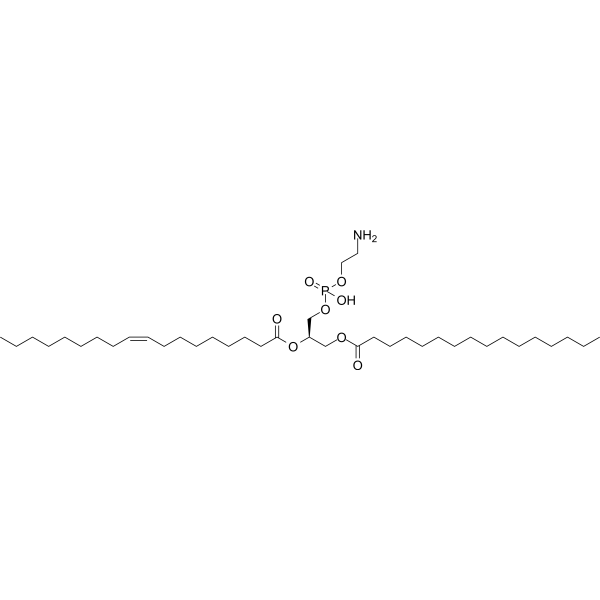
1-Palmitoyl-2-oleoyl-sn-glycero-3-PE (1,2-POPE; 16:0-18:1 PE) is a phosphatidylethanolamine (PE) lipid. 1-Palmitoyl-2-oleoyl-sn-glycero-3-PE can induce lipid bilayer to form a hexagonal phase (HII) structure in an acidic environment and promote membrane fusion. 1-Palmitoyl-2-oleoyl-sn-glycero-3-PE can enhance the endosomal escape ability of lipid nanoparticles (LNPs) and improve the cellular delivery efficiency of nucleic acid drugs such as mRNA. 1-Palmitoyl-2-oleoyl-sn-glycero-3-PE can be used for LNP carrier targeting of gene therapy and mRNA vaccines .
Soy PE (LPI) is the most abundant phospholipid in prokaryotes and the second most abundant found in the membrane of mammalian, plant, and yeast cells, comprising approximately 25% of total mammalian phospholipids. In the brain, phosphatidylethanolamine comprises almost half of the total phospholipids. It is synthesized mainly through the cytidine diphosphate-ethanolamine and phosphatidylserine decarboxylation pathways, which occur in the endoplasmic reticulum (ER) and mitochondrial membranes, respectively. It is a precursor in the synthesis of phosphatidylcholine and arachidonoyl ethanolamide and is a source of ethanolamine used in various cellular functions. In E.coli, phosphatidylethanolamine deficiency prevents proper assembly of lactose permease, suggesting a role as a lipid chaperone. It is a cofactor in the propagation of prions in vitro and can convert recombinant mammalian proteins into infectious molecules even in the absence of RNA. This product contains phosphatidylethanolamine molecular species with variable fatty acyl chain lengths at the sn-1 and sn-2 positions .
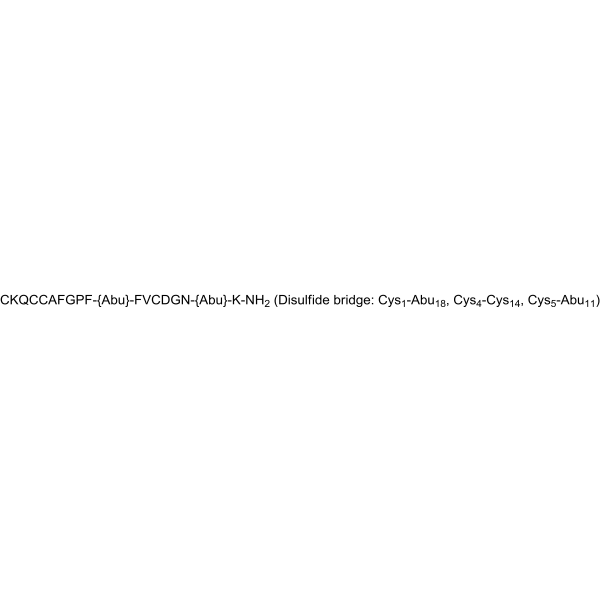
Duramycin (Moli1901) is a lantibiotic derived from Streptomyces cinnamoneuma. Duramycin also is a antimicrobial peptide. Duramycin can be used for the research of cystic fibrosis (CF) .
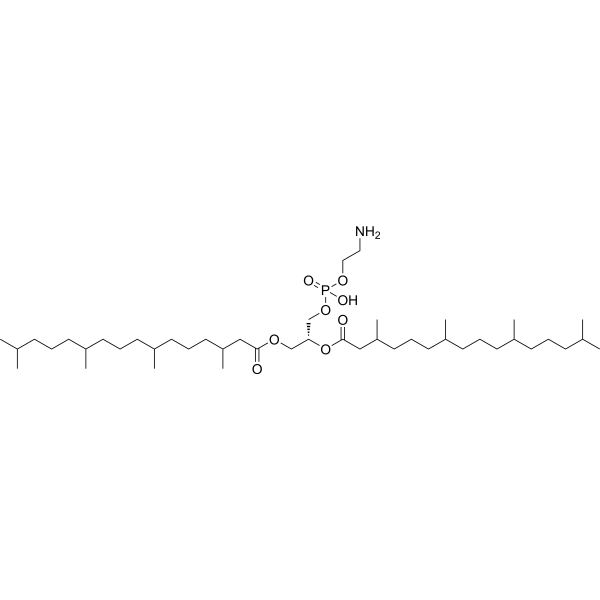
DPyPE is a neutral phosphatidylethanolamine lipid composed of a polyisoprene alkyl chain with two pyridine-containing phosphine ligands. DPyPE is mainly used in liposome formulations and to enhance the efficiency of gene delivery in vitro and in vivo. For example, DPyPE can be mixed with cationic lipids such as VC1052 (HY-156616) (in a 1:1 ratio) to form the vaccine adjuvant Vaxfectin (HY-142998). DPyPE assists VC1052 in binding to negatively charged pDNA to form a uniform liposome complex by regulating the fluidity and stability of the liposome membrane .
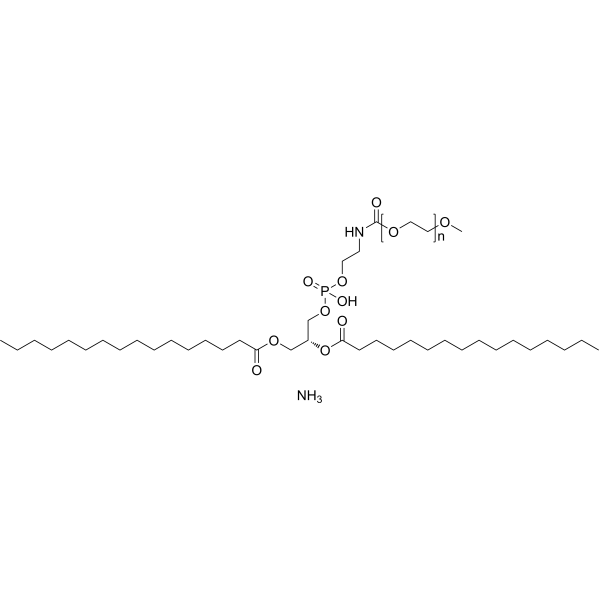
DPPE-PEG2000 ammonium (16:0 PEG5000 PE) is a polymer-lipid conjugate and LipoParticle stabilizer with a PEG chain of 5,000 g/mol molecular weight attached to its polar head, and it can be internalized by biological membranes. DPPE-PEG2000 ammonium enables LipoParticle to maintain colloidal stability after 20-fold dilution in PBS or cell culture medium, and prevents aggregate formation during lyophilization and rehydration. DPPE-PEG2000 ammonium helps enhance the non-cytotoxic property of LipoParticle formulations against human osteoblasts. DPPE-PEG2000 ammonium serves as a PEG lipid functional end group for synthesizing liposomes (LPs), is used in the design of conjugated polymer nanoparticles, and applies to research related to bone and joint infections .
9 (Z),11 (E)-Conjugated linoleic acid methyl ester (9Z,11E-CLA; Methyl 9 (Z),11 (E)-octadecadienoate; (9Z,11E)-SFE 19:2) is an isomer of Linoleic acid (HY-N0729), and is a conjugated linoleic acid mainly found in meat and dairy products. Conjugated linoleic acid is a bioactive fatty acid that improves body composition, enhances immune system function, and exhibits anti-cancer and anti-atherosclerotic effects .
E. coli Extract Polar is a polar lipid extract of Escherichia coli containing phosphatidylethanolamine, phosphatidylglycerol, and cardiolipin for reconstitution of membrane proteins.
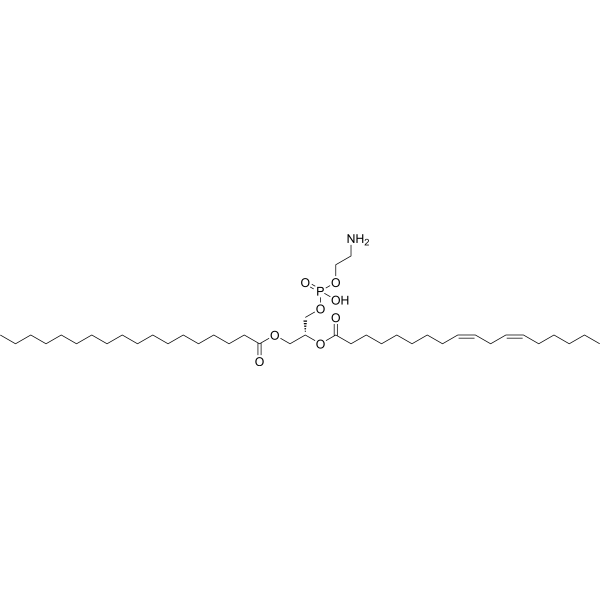
1-Palmitoyl-2-linoleoyl-sn-glycero-3-PE (1-Palmitoyl-2-linoleoyl PE) is a lipid, which promotes nucleic acid such as sRNA to absorb and enter the target cell .
Ochnaflavone is an inhibitor of IIA-type secretory phospholipase A2 (sPLA2-IIA) with an IC50 of 3.45 µM. Ochnaflavone exhibits significant anti-inflammatory and liver-protective effects, capable of inhibiting the degradation of phosphatidylethanolamine (PE) and lipid peroxidation induced by carbon tetrachloride (CCl4) in rat liver, with an IC50 of 7.16 µM for lipid peroxidation. Ochnaflavone can be used in research on liver damage and inflammatory diseases .
Lysophosphatidylethanolamine (LPE) is a naturally-occurring lysophospholipid that can be generated via deacylation of phosphatidylethanolamine by phospholipase A2 (PLA2). It increases the phosphorylation of ERK1/2 in PC12 cells, an effect that can be blocked by the MEK inhibitors U-0126 (HY-12031A) and PD 98059 (HY-12028) and the EGFR inhibitor AG-1478 (HY-13524).1 LPE also increases neurite outgrowth and expression of neurofilament M in PC12 cells. LPE inhibits the activity of phospholipase D (PLD) partially purified from cabbage.3 This product contains lysophosphatidylethanolamine molecular species with variable fatty acyl chain lengths at the sn-1 position and a hydroxy group at the sn-2 position.
a15:0-i15:0 PE is a diacyl phosphatidylethanolamine with two branched chains. a15:0-i15:0 PE is a non-canonical TLR2-TLR1 heterodimer agonist and has immunogenic activity. a15:0-i15:0 PE activates T cells and DC signaling and shows anti-inflammatory activity. a15:0-i15:0 PE induces TNFα and IL-6 production. a15:0-i15:0 PE is a the major component (approximately 50%) of A. muciniphila’s lipid membrane .
18:0-18:2 PE is an important component of phosphatidylethanolamine (PE), involved in phospholipid metabolism and associated with diseases such as ovarian cancer. 18:0-18:2 PE in the hot processing process, its unsaturated fatty acids will degrade to form a variety of odor active compounds. 18:0-18:2 PE is mainly used in the field of food science to improve the flavor of aquatic products, as well as medical research on diseases related to phospholipid metabolism .
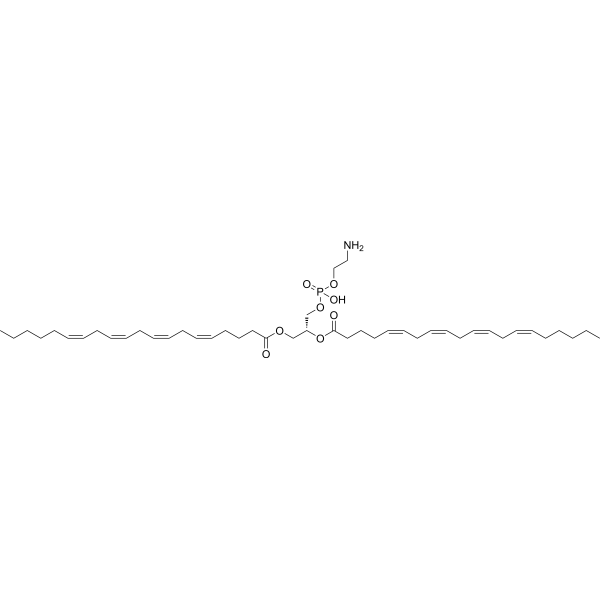
1,2-Diarachidonoyl-sn-glycero-3-phosphoethanolamine (DAPE) is a phospholipid phosphatidylethanolamine. Unlike other phospholipid phosphatidylethanolamines, 1,2-Diarachidonoyl-sn-glycero-3-phosphoethanolamine has no significant effect on protein phosphatase PP2A activity and does not inhibit insulin-stimulated GLUT4 translocation .
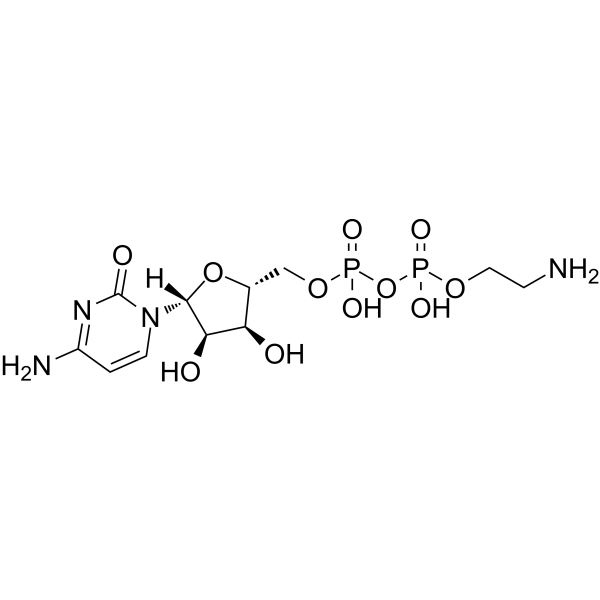
Cytidine 5′-diphosphoethanolamine is an intermediate compound in the synthesis of phosphatidylethanolamine. Cytidine 5′-diphosphoethanolamine is a stimulant of Ach synthesis .
1,2-Dilauroyl-sn-glycero-3-phosphoethanolamine (DLPE) is a derivative of phosphatidylethanolamine with lauric acid (12:0) acyl chains. 1,2-Dilauroyl-sn-glycero-3-phosphoethanolamine can be used to synthesize liposomes .
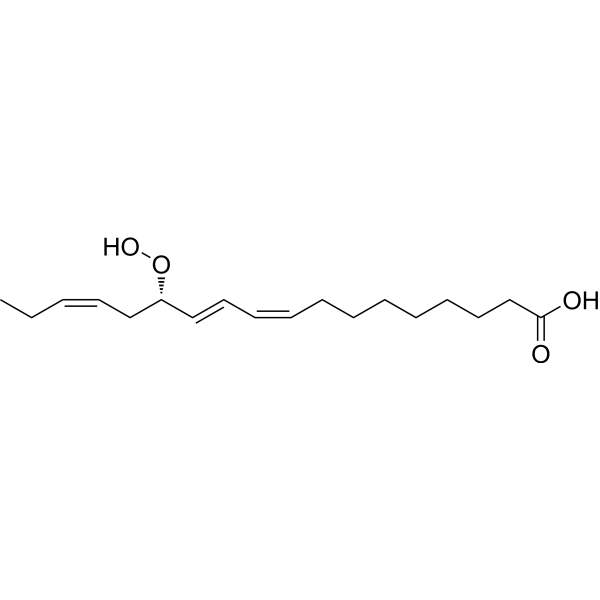
13-HPOT is a linolenic acid hydroperoxide and an antibacterial agent. 13-HPOT interacts with lipid representatives of bacterial inner membranes. 13-HPOT exerts dose-dependent in vitro antibacterial activity against Pectobacterium carotovorum, Pseudomonas syringae pv. syringae DC3000, and Xanthomonas translucens pv. translucens .
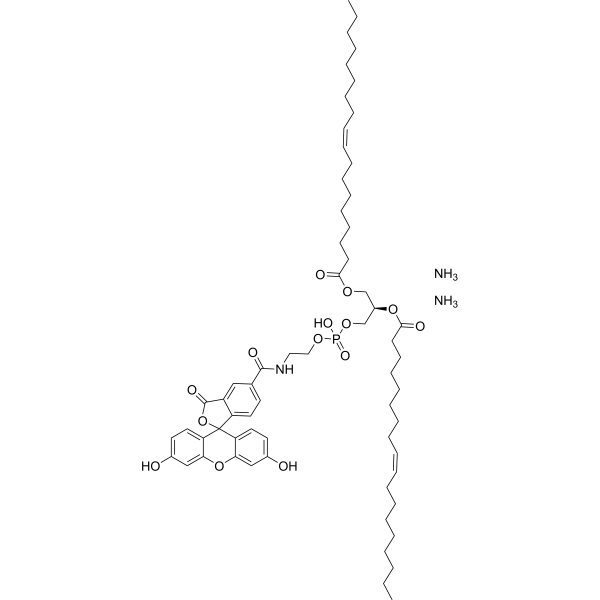
18:1 PE CF (1,2-dioleoyl-sn-glycero-3-phosphoethanolamine-N-(carboxyfluorescein) (ammonium)) is a pH-sensitive fluorescent indicator. 18:1 PE CF exhibits changes in fluorescence intensity in response to pH variations and reflects the electrostatic states of cationic liposomes and lipoplexes. 18:1 PE CF supports real-time visualization of pH distribution and membrane deformation in giant unilamellar vesicles and is suitable for steady-state fluorescence testing in large unilamellar vesicle membranes. 18:1 PE CF is capable of monitoring the surface electrical potential of cationic liposomes and lipoplexes and can effectively label lipid bilayers and nanomicelles. 18:1 PE CF can be used for the research of the investigation of lung cancer (Ex = 495 nm; Em = 520 nm) .
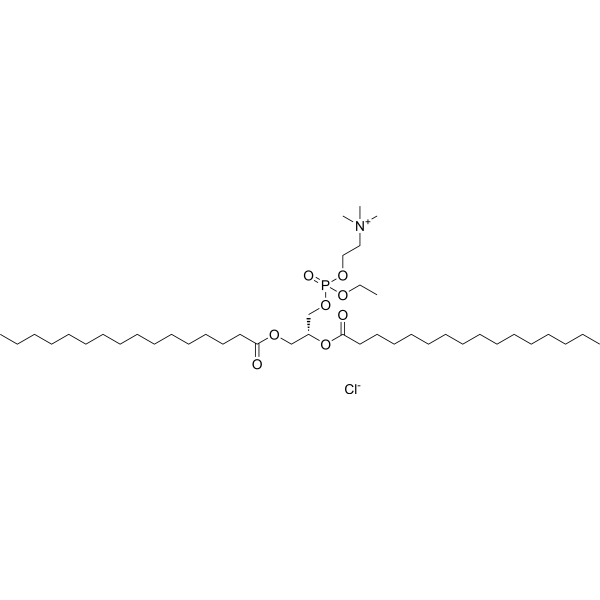
16:0 EPC chloride, a P-O-ethyl derivative, is a saturated cationic lipid. 16:0 EPC chloride can serve as a DNA and RNA transfecting agent. 16:0 EPC chloride can be used as a co-adjuvant for preparing vaccines and promote drug delivery .
1,2-Dipalmitoleoyl-sn-glycero-3-phosphoethanolamine (16:1 PE) is a phosphatidylethanolamine that can enhance PP2A and PTP1B activities in malignant pleural mesothelioma cells. 1,2-Dipalmitoleoyl-sn-glycero-3-phosphoethanolamine induces apoptosis of NCI-H28 malignant pleural mesothelioma cells .
DMABA NHS ester can chemically react with the primary amine groups of the major phospholipid component of the cell membrane, Phosphatidylethanolamine (PE). Through precursor ion scanning, all PE subclasses labeled with DMABA can be detected. DMABA NHS ester can be used in combination with isotope-labeled compounds such as DMABA-d6 NHS ester, DMABA-d10 NHS ester, and DMABA-d4 NHS ester to observe changes in the distribution of PE lipids and the formation of novel PE lipid products .
Phosphoethanolamine (calcium) (Monoaminoethyl phosphate (calcium); NSC 254167 (calcium); O-Phosphoethanolamine (calcium)) is a precursor to phosphatidylethanolamine and can be used in the synthesis of phosphatidylcholine. Phosphoethanolamine (calcium) is used in the study of phospholipid metabolism and cell membrane structure .
Glycerophosphorylethanolamine (GroPEtn) sodium is an active phosphodiester metabolite of Phosphatidylethanolamine. Glycerophosphorylethanolamine sodium promotes the aggregation of amyloid β-protein (Aβ (1-40)) in vitro. Glycerophosphorylethanolamine sodium can be used in the field of neurodegenerative diseases, such as Alzheimer’s disease research .
14:1 EPC trifluoromethanesulfonate is ethyl-phosphatidylcholine (EPC) with monounsaturated 14:1 chains. 14:1 EPC trifluoromethanesulfonate shows transfection activity. 14:1 EPC trifluoromethanesulfonate can be used for drug delivery .
1-Palmitoyl-2-[3-(diphenylhexatriene)propanoyl]-sn-phosphatidylcholine is a fluorescent probe with a polar phosphatidylethanolamine head group for the determination of surface lipid oxidation in lipoproteins and plasma .
06:0 PE (PE(6:0/6:0)) is a water-soluble phospholipid characterized by its short acyl chains, exhibiting notable antitumor activity and the ability to inhibit tumor progression in vivo, alongside antiproliferative and proapoptotic effects, while serving as a precursor for phosphatidylcholine and phosphatidylethanolamine.
2-Linoleoyl-1-palmitoyl-sn-glycero-3-phosphoethanolamine is a biochemical reagent that can be used as a biological material or organic compound for life science related research.
18:1 DBCO PE ammonium is a functionalized lipid that combines the biocompatible properties of phosphatidylethanolamine (PE) with the reactive dibenzocyclooctyne (DBCO) group. 18:1 DBCO PE ammonium is a click chemistry reagent, it contains a DBCO group that can undergo strain-promoted alkyne-azide cycloaddition (SPAAC) with molecules containing Azide groups .
16:0 DBCO PE ammonium is a functionalized lipid that combines the biocompatible properties of phosphatidylethanolamine (PE) with the reactive dibenzocyclooctyne (DBCO) group. 16:0 DBCO PE ammonium is a click chemistry reagent, it contains a DBCO group that can undergo strain-promoted alkyne-azide cycloaddition (SPAAC) with molecules containing Azide groups .
1-Stearoyl-2-15(S)-HETE-sn-glycero-3-PE (15(S)-HETE-SAPE) is a phospholipid containing stearic acid (HY-B2219) at the sn-1 position and 15(S)-HETE (HY-113336) at the sn-2 position. 1-Stearoyl-2-15(S)-HETE-sn-glycero-3-PE is formed by direct oxidation of 1-stearoyl-2-arachidonoyl-sn-glycero-3-PE (SAPE) by 15-LOX in human peripheral mononuclear cells activated with the calcium ionophore A23187 (HY-N6687).
1,2-Dierucoyl-sn-glycero-3-PE (1,2-Dierucoyl-sn-3-phosphatidylethanolamine) is a phospholipid that contains erucic acid. 1,2-Dierucoyl-sn-glycero-3-PE can be used in the generation of lipid nanoparticles (LNPs) to deliver mRNA in vivo. 1,2-Dierucoyl-sn-glycero-3-PE can also be used to synthesize numerous PEG-conjugates for liposomes incorporation .
Rhodamine-DHPE is a fluorescently labeled phosphatidylethanolamine lipid that labels phospholipid bilayers. Rhodamine-DHPE serves as a fluorescence quenching substrate and membrane stain. The fluorescence lifetime of Rhodamine-DHPE decreases significantly in the presence of Cu 2+-PS complexes. Rhodamine-DHPE effectively stains the membranes of human red blood cells and mouse fibroblasts, and supports lifetime-resolved imaging via pump-probe fluorescence microscopy .
Phospholipase A2, Naja mossambica mossambica (EC 3.1.1.4) hydrolyzes the β-ester bond of zwitterionic glycerophospholipids. Preferred substrates are phosphatidylcholine, phosphatidylethanolamine, and their plasmalogen analogues.
1-Palmitoyl-3-oleoyl-sn-glycero-2-PE is a form of phosphatidylethanolamine (PE) which is formed primarily in the reaction of CDP-ethanolamine and diacylglycerol.
Phospholipase A2, Honey bee venom (Apis mellifera) (EC 3.1.1.4) hydrolyzes the β-ester bond of zwitterionic glycerophospholipids. Preferred substrates are phosphatidylcholine, phosphatidylethanolamine, and their plasmalogen analogues.
1-Dodecanoyl-sn-glycerophosphoethanolamine, a derivative of phosphatidylethanolamine, interacts with Cinnamycin (HY-P1695) to induce conformational changes. 1-Dodecanoyl-sn-glycerophosphoethanolamine is applicable to studies related to antibiotic synthesis .
PE (P-16:0/18:2(9Z,12Z)) (PlsEtn 16:0/18:2) is a phosphatidylethanolamine that can be used as a metabolic biomarker for evaluating uterine muscle layer infiltration and Alzheimer's disease .
Phospholipase A2, Porcine (EC 3.1.1.4) hydrolyzes the β-ester bond of zwitterionic glycerophospholipids. Preferred substrates are phosphatidylcholine, phosphatidylethanolamine, and their plasmalogen analogues. Phosphatidylinositol and phosphatidylserine are also hydrolyzed. Phospholipase A2specifically recognizes the sn-2 acyl bond of phospholipids and catalytically hydrolyzes the bond releasing arachidonic acid and lysophospholipids.
Phospholipase A2, Streptomyces violaceoruber (EC 3.1.1.4) hydrolyzes the β-ester bond of zwitterionic glycerophospholipids. Preferred substrates are phosphatidylcholine, phosphatidylethanolamine, and their plasmalogen analogues. Phosphatidylinositol and phosphatidylserine are also hydrolyzed. Phospholipase A2specifically recognizes the sn-2 acyl bond of phospholipids and catalytically hydrolyzes the bond releasing arachidonic acid and lysophospholipids.
06:0 PE-d22 (PE(6:0/6:0)-d22) is the deuterium labeled 06:0 PE (HY-W040293). 06:0 PE (PE(6:0/6:0)) is a water-soluble phospholipid characterized by its short acyl chains, exhibiting notable antitumor activity and the ability to inhibit tumor progression in vivo, alongside antiproliferative and proapoptotic effects, while serving as a precursor for phosphatidylcholine and phosphatidylethanolamine.
1-Stearoyl-2-15(S)-HETE-sn-glycero-3-PE-d11 (15(S)-HETE-SAPE-d11) is deuterium labeled 1-Stearoyl-2-15(S)-HETE-sn-glycero-3-PE. 1-Stearoyl-2-15(S)-HETE-sn-glycero-3-PE is a phospholipid that contains stearic acid (HY-B2219) at the sn-1 position and 15(S)-HETE at the sn-2 position. It is formed in human peripheral monocytes activated by the calcium ionophore A23187 (HY-N6687) by direct oxidation of 1-stearoyl-2-arachidonoyl-sn-glycero-3-PE (SAPE) by 15-LO. Phosphoethanolamine (PE) HETEs (PE-HETEs), including 1-stearoyl-2-15(S)-HETE-sn-glycero-3-PE, are the main source of esterified HETE in ionophore-activated monocytes .
1-Palmitoyl-2-oleoyl-sn-glycero-3-PE-d62 (1,2-POPE-d62) is the deuterium labeled 1-Palmitoyl-2-oleoyl-sn-glycero-3-PE. 1-Palmitoyl-2-oleoyl-sn-glycero-3-PE (1,2-POPE; 16:0-18:1 PE) is a phosphatidylethanolamine (PE) lipid. 1-Palmitoyl-2-oleoyl-sn-glycero-3-PE can induce lipid bilayer to form a hexagonal phase (HII) structure in an acidic environment and promote membrane fusion. 1-Palmitoyl-2-oleoyl-sn-glycero-3-PE can enhance the endosomal escape ability of lipid nanoparticles (LNPs) and improve the cellular delivery efficiency of nucleic acid drugs such as mRNA. 1-Palmitoyl-2-oleoyl-sn-glycero-3-PE can be used for LNP carrier targeting of gene therapy and mRNA vaccines .
18:1 PE CF (1,2-dioleoyl-sn-glycero-3-phosphoethanolamine-N-(carboxyfluorescein) (ammonium)) is a pH-sensitive fluorescent indicator. 18:1 PE CF exhibits changes in fluorescence intensity in response to pH variations and reflects the electrostatic states of cationic liposomes and lipoplexes. 18:1 PE CF supports real-time visualization of pH distribution and membrane deformation in giant unilamellar vesicles and is suitable for steady-state fluorescence testing in large unilamellar vesicle membranes. 18:1 PE CF is capable of monitoring the surface electrical potential of cationic liposomes and lipoplexes and can effectively label lipid bilayers and nanomicelles. 18:1 PE CF can be used for the research of the investigation of lung cancer (Ex = 495 nm; Em = 520 nm) .
1-Palmitoyl-2-[3-(diphenylhexatriene)propanoyl]-sn-phosphatidylcholine is a fluorescent probe with a polar phosphatidylethanolamine head group for the determination of surface lipid oxidation in lipoproteins and plasma .
Rhodamine-DHPE is a fluorescently labeled phosphatidylethanolamine lipid that labels phospholipid bilayers. Rhodamine-DHPE serves as a fluorescence quenching substrate and membrane stain. The fluorescence lifetime of Rhodamine-DHPE decreases significantly in the presence of Cu 2+-PS complexes. Rhodamine-DHPE effectively stains the membranes of human red blood cells and mouse fibroblasts, and supports lifetime-resolved imaging via pump-probe fluorescence microscopy .
1-Palmitoyl-2-oleoyl-sn-glycero-3-PE (1,2-POPE; 16:0-18:1 PE) is a phosphatidylethanolamine (PE) lipid. 1-Palmitoyl-2-oleoyl-sn-glycero-3-PE can induce lipid bilayer to form a hexagonal phase (HII) structure in an acidic environment and promote membrane fusion. 1-Palmitoyl-2-oleoyl-sn-glycero-3-PE can enhance the endosomal escape ability of lipid nanoparticles (LNPs) and improve the cellular delivery efficiency of nucleic acid drugs such as mRNA. 1-Palmitoyl-2-oleoyl-sn-glycero-3-PE can be used for LNP carrier targeting of gene therapy and mRNA vaccines .
DPPE-PEG2000 ammonium (16:0 PEG5000 PE) is a polymer-lipid conjugate and LipoParticle stabilizer with a PEG chain of 5,000 g/mol molecular weight attached to its polar head, and it can be internalized by biological membranes. DPPE-PEG2000 ammonium enables LipoParticle to maintain colloidal stability after 20-fold dilution in PBS or cell culture medium, and prevents aggregate formation during lyophilization and rehydration. DPPE-PEG2000 ammonium helps enhance the non-cytotoxic property of LipoParticle formulations against human osteoblasts. DPPE-PEG2000 ammonium serves as a PEG lipid functional end group for synthesizing liposomes (LPs), is used in the design of conjugated polymer nanoparticles, and applies to research related to bone and joint infections .
E. coli Extract Polar is a polar lipid extract of Escherichia coli containing phosphatidylethanolamine, phosphatidylglycerol, and cardiolipin for reconstitution of membrane proteins.
18:0-18:2 PE is an important component of phosphatidylethanolamine (PE), involved in phospholipid metabolism and associated with diseases such as ovarian cancer. 18:0-18:2 PE in the hot processing process, its unsaturated fatty acids will degrade to form a variety of odor active compounds. 18:0-18:2 PE is mainly used in the field of food science to improve the flavor of aquatic products, as well as medical research on diseases related to phospholipid metabolism .
16:0 EPC chloride, a P-O-ethyl derivative, is a saturated cationic lipid. 16:0 EPC chloride can serve as a DNA and RNA transfecting agent. 16:0 EPC chloride can be used as a co-adjuvant for preparing vaccines and promote drug delivery .
1,2-Dipalmitoleoyl-sn-glycero-3-phosphoethanolamine (16:1 PE) is a phosphatidylethanolamine that can enhance PP2A and PTP1B activities in malignant pleural mesothelioma cells. 1,2-Dipalmitoleoyl-sn-glycero-3-phosphoethanolamine induces apoptosis of NCI-H28 malignant pleural mesothelioma cells .
14:1 EPC trifluoromethanesulfonate is ethyl-phosphatidylcholine (EPC) with monounsaturated 14:1 chains. 14:1 EPC trifluoromethanesulfonate shows transfection activity. 14:1 EPC trifluoromethanesulfonate can be used for drug delivery .
2-Linoleoyl-1-palmitoyl-sn-glycero-3-phosphoethanolamine is a biochemical reagent that can be used as a biological material or organic compound for life science related research.
Duramycin (Moli1901) is a lantibiotic derived from Streptomyces cinnamoneuma. Duramycin also is a antimicrobial peptide. Duramycin can be used for the research of cystic fibrosis (CF) .
Ochnaflavone is an inhibitor of IIA-type secretory phospholipase A2 (sPLA2-IIA) with an IC50 of 3.45 µM. Ochnaflavone exhibits significant anti-inflammatory and liver-protective effects, capable of inhibiting the degradation of phosphatidylethanolamine (PE) and lipid peroxidation induced by carbon tetrachloride (CCl4) in rat liver, with an IC50 of 7.16 µM for lipid peroxidation. Ochnaflavone can be used in research on liver damage and inflammatory diseases .
18:1 DBCO PE ammonium is a functionalized lipid that combines the biocompatible properties of phosphatidylethanolamine (PE) with the reactive dibenzocyclooctyne (DBCO) group. 18:1 DBCO PE ammonium is a click chemistry reagent, it contains a DBCO group that can undergo strain-promoted alkyne-azide cycloaddition (SPAAC) with molecules containing Azide groups .
The RKIP/PEBP1 protein has diverse binding capabilities and can interact with ATP, opioids, and phosphatidylethanolamine. It acts as a serine protease inhibitor, effectively inhibiting thrombin, neuroproteases, and chymotrypsin. RKIP/PEBP1 Protein, Human is the recombinant human-derived RKIP/PEBP1 protein, expressed by E. coli , with tag free.
The MCR-1 protein may catalyze the addition of a phosphoethanolamine moiety to lipid A, which is associated with polymyxin resistance. This modification observed in E. coli expressing MCR-1 increased the minimum inhibitory concentration (MIC) of colistin and polymyxin B. MCR-1 Protein, E.coli (Cell-Free, His-SUMO) is the recombinant E. coli-derived MCR-1 protein, expressed by E. coli Cell-free , with labeled tag.
The MCR-1 protein may catalyze the addition of a phosphoethanolamine moiety to lipid A, which is associated with polymyxin resistance. This modification observed in E. coli expressing MCR-1 increased the minimum inhibitory concentration (MIC) of colistin and polymyxin B. MCR-1 protein, E.coli (364a.a, His-SUMO) is the recombinant E. coli-derived MCR-1 protein, expressed by E. coli , with N-His, N-SUMO labeled tag.
06:0 PE-d22 (PE(6:0/6:0)-d22) is the deuterium labeled 06:0 PE (HY-W040293). 06:0 PE (PE(6:0/6:0)) is a water-soluble phospholipid characterized by its short acyl chains, exhibiting notable antitumor activity and the ability to inhibit tumor progression in vivo, alongside antiproliferative and proapoptotic effects, while serving as a precursor for phosphatidylcholine and phosphatidylethanolamine.
1-Stearoyl-2-15(S)-HETE-sn-glycero-3-PE-d11 (15(S)-HETE-SAPE-d11) is deuterium labeled 1-Stearoyl-2-15(S)-HETE-sn-glycero-3-PE. 1-Stearoyl-2-15(S)-HETE-sn-glycero-3-PE is a phospholipid that contains stearic acid (HY-B2219) at the sn-1 position and 15(S)-HETE at the sn-2 position. It is formed in human peripheral monocytes activated by the calcium ionophore A23187 (HY-N6687) by direct oxidation of 1-stearoyl-2-arachidonoyl-sn-glycero-3-PE (SAPE) by 15-LO. Phosphoethanolamine (PE) HETEs (PE-HETEs), including 1-stearoyl-2-15(S)-HETE-sn-glycero-3-PE, are the main source of esterified HETE in ionophore-activated monocytes .
1-Palmitoyl-2-oleoyl-sn-glycero-3-PE-d62 (1,2-POPE-d62) is the deuterium labeled 1-Palmitoyl-2-oleoyl-sn-glycero-3-PE. 1-Palmitoyl-2-oleoyl-sn-glycero-3-PE (1,2-POPE; 16:0-18:1 PE) is a phosphatidylethanolamine (PE) lipid. 1-Palmitoyl-2-oleoyl-sn-glycero-3-PE can induce lipid bilayer to form a hexagonal phase (HII) structure in an acidic environment and promote membrane fusion. 1-Palmitoyl-2-oleoyl-sn-glycero-3-PE can enhance the endosomal escape ability of lipid nanoparticles (LNPs) and improve the cellular delivery efficiency of nucleic acid drugs such as mRNA. 1-Palmitoyl-2-oleoyl-sn-glycero-3-PE can be used for LNP carrier targeting of gene therapy and mRNA vaccines .
1-Palmitoyl-2-oleoyl-sn-glycero-3-PE (1,2-POPE; 16:0-18:1 PE) is a phosphatidylethanolamine (PE) lipid. 1-Palmitoyl-2-oleoyl-sn-glycero-3-PE can induce lipid bilayer to form a hexagonal phase (HII) structure in an acidic environment and promote membrane fusion. 1-Palmitoyl-2-oleoyl-sn-glycero-3-PE can enhance the endosomal escape ability of lipid nanoparticles (LNPs) and improve the cellular delivery efficiency of nucleic acid drugs such as mRNA. 1-Palmitoyl-2-oleoyl-sn-glycero-3-PE can be used for LNP carrier targeting of gene therapy and mRNA vaccines .
DPyPE is a neutral phosphatidylethanolamine lipid composed of a polyisoprene alkyl chain with two pyridine-containing phosphine ligands. DPyPE is mainly used in liposome formulations and to enhance the efficiency of gene delivery in vitro and in vivo. For example, DPyPE can be mixed with cationic lipids such as VC1052 (HY-156616) (in a 1:1 ratio) to form the vaccine adjuvant Vaxfectin (HY-142998). DPyPE assists VC1052 in binding to negatively charged pDNA to form a uniform liposome complex by regulating the fluidity and stability of the liposome membrane .
DPPE-PEG2000 ammonium (16:0 PEG5000 PE) is a polymer-lipid conjugate and LipoParticle stabilizer with a PEG chain of 5,000 g/mol molecular weight attached to its polar head, and it can be internalized by biological membranes. DPPE-PEG2000 ammonium enables LipoParticle to maintain colloidal stability after 20-fold dilution in PBS or cell culture medium, and prevents aggregate formation during lyophilization and rehydration. DPPE-PEG2000 ammonium helps enhance the non-cytotoxic property of LipoParticle formulations against human osteoblasts. DPPE-PEG2000 ammonium serves as a PEG lipid functional end group for synthesizing liposomes (LPs), is used in the design of conjugated polymer nanoparticles, and applies to research related to bone and joint infections .
1-Palmitoyl-2-linoleoyl-sn-glycero-3-PE (1-Palmitoyl-2-linoleoyl PE) is a lipid, which promotes nucleic acid such as sRNA to absorb and enter the target cell .
a15:0-i15:0 PE is a diacyl phosphatidylethanolamine with two branched chains. a15:0-i15:0 PE is a non-canonical TLR2-TLR1 heterodimer agonist and has immunogenic activity. a15:0-i15:0 PE activates T cells and DC signaling and shows anti-inflammatory activity. a15:0-i15:0 PE induces TNFα and IL-6 production. a15:0-i15:0 PE is a the major component (approximately 50%) of A. muciniphila’s lipid membrane .
18:0-18:2 PE is an important component of phosphatidylethanolamine (PE), involved in phospholipid metabolism and associated with diseases such as ovarian cancer. 18:0-18:2 PE in the hot processing process, its unsaturated fatty acids will degrade to form a variety of odor active compounds. 18:0-18:2 PE is mainly used in the field of food science to improve the flavor of aquatic products, as well as medical research on diseases related to phospholipid metabolism .
1,2-Diarachidonoyl-sn-glycero-3-phosphoethanolamine (DAPE) is a phospholipid phosphatidylethanolamine. Unlike other phospholipid phosphatidylethanolamines, 1,2-Diarachidonoyl-sn-glycero-3-phosphoethanolamine has no significant effect on protein phosphatase PP2A activity and does not inhibit insulin-stimulated GLUT4 translocation .
1,2-Dilauroyl-sn-glycero-3-phosphoethanolamine (DLPE) is a derivative of phosphatidylethanolamine with lauric acid (12:0) acyl chains. 1,2-Dilauroyl-sn-glycero-3-phosphoethanolamine can be used to synthesize liposomes .
16:0 EPC chloride, a P-O-ethyl derivative, is a saturated cationic lipid. 16:0 EPC chloride can serve as a DNA and RNA transfecting agent. 16:0 EPC chloride can be used as a co-adjuvant for preparing vaccines and promote drug delivery .
1,2-Dipalmitoleoyl-sn-glycero-3-phosphoethanolamine (16:1 PE) is a phosphatidylethanolamine that can enhance PP2A and PTP1B activities in malignant pleural mesothelioma cells. 1,2-Dipalmitoleoyl-sn-glycero-3-phosphoethanolamine induces apoptosis of NCI-H28 malignant pleural mesothelioma cells .
14:1 EPC trifluoromethanesulfonate is ethyl-phosphatidylcholine (EPC) with monounsaturated 14:1 chains. 14:1 EPC trifluoromethanesulfonate shows transfection activity. 14:1 EPC trifluoromethanesulfonate can be used for drug delivery .
1,2-Dierucoyl-sn-glycero-3-PE (1,2-Dierucoyl-sn-3-phosphatidylethanolamine) is a phospholipid that contains erucic acid. 1,2-Dierucoyl-sn-glycero-3-PE can be used in the generation of lipid nanoparticles (LNPs) to deliver mRNA in vivo. 1,2-Dierucoyl-sn-glycero-3-PE can also be used to synthesize numerous PEG-conjugates for liposomes incorporation .
Western blot analysis of extracts from THP-1(lane 2(20μg), Jurkat (lane 3(20μg) and NIH3T3(lane 4(20μg) using FOXO1A (HY-P80132) Rabbit mAb. Proteins were transferred
to a PVDF membrane and blocked with 5% non-fat milk in TBST for 2 hour at room temperature. The primary antibody (1/1000) and Loading control antibody (Beta Actin, HY-P80438, 1/10000) was
used in 5% non-fat milk in TBST at 4°C overnight. Goat Anti-Mouse/Rabbit IgG-HRP Secondary Antibody (1/10000) was used for 1 hour at room temperature.
Western blot analysis of extracts from THP-1(lane 2(20μg), Jurkat (lane 3(20μg) and NIH3T3(lane 4(20μg) using FOXO1A (HY-P80132) Rabbit mAb. Proteins were transferred
to a PVDF membrane and blocked with 5% non-fat milk in TBST for 2 hour at room temperature. The primary antibody (1/1000) and Loading control antibody (Beta Actin, HY-P80438, 1/10000) was
used in 5% non-fat milk in TBST at 4°C overnight. Goat Anti-Mouse/Rabbit IgG-HRP Secondary Antibody (1/10000) was used for 1 hour at room temperature.
Western blot analysis of extracts from THP-1(lane 2(20μg), Jurkat (lane 3(20μg) and NIH3T3(lane 4(20μg) using FOXO1A (HY-P80132) Rabbit mAb. Proteins were transferred
to a PVDF membrane and blocked with 5% non-fat milk in TBST for 2 hour at room temperature. The primary antibody (1/1000) and Loading control antibody (Beta Actin, HY-P80438, 1/10000) was
used in 5% non-fat milk in TBST at 4°C overnight. Goat Anti-Mouse/Rabbit IgG-HRP Secondary Antibody (1/10000) was used for 1 hour at room temperature.
Western blot analysis of extracts from THP-1(lane 2(20μg), Jurkat (lane 3(20μg) and NIH3T3(lane 4(20μg) using FOXO1A (HY-P80132) Rabbit mAb. Proteins were transferred
to a PVDF membrane and blocked with 5% non-fat milk in TBST for 2 hour at room temperature. The primary antibody (1/1000) and Loading control antibody (Beta Actin, HY-P80438, 1/10000) was
MedchemExpress Validation 03
Western blot analysis of extracts from THP-1(lane 2(20μg), Jurkat (lane 3(20μg) and NIH3T3(lane 4(20μg) using FOXO1A (HY-P80132) Rabbit mAb. Proteins were transferred
MedchemExpress Validation 04
Western blot analysis of extracts from THP-1(lane 2(20μg), Jurkat (lane 3(20μg) and NIH3T3(lane 4(20μg) using FOXO1A (HY-P80132) Rabbit mAb. Proteins were transferred
to a PVDF membrane and blocked with 5% non-fat milk in TBST for 2 hour at room temperature. The primary antibody (1/1000) and Loading control antibody (Beta Actin, HY-P80438, 1/10000) was
used in 5% non-fat milk in TBST at 4°C overnight. Goat Anti-Mouse/Rabbit IgG-HRP Secondary Antibody (1/10000) was used for 1 hour at room temperature.
MedchemExpress Validation
Western blot analysis of extracts from THP-1(lane 2(20μg), Jurkat (lane 3(20μg) and NIH3T3(lane 4(20μg) using FOXO1A (HY-P80132) Rabbit mAb. Proteins were transferred
to a PVDF membrane and blocked with 5% non-fat milk in TBST for 2 hour at room temperature. The primary antibody (1/1000) and Loading control antibody (Beta Actin, HY-P80438, 1/10000) was
used in 5% non-fat milk in TBST at 4°C overnight. Goat Anti-Mouse/Rabbit IgG-HRP Secondary Antibody (1/10000) was used for 1 hour at room temperature.
Western blot analysis of extracts from THP-1(lane 2(20μg), Jurkat (lane 3(20μg) and NIH3T3(lane 4(20μg) using FOXO1A (HY-P80132) Rabbit mAb. Proteins were transferred
to a PVDF membrane and blocked with 5% non-fat milk in TBST for 2 hour at room temperature. The primary antibody (1/1000) and Loading control antibody (Beta Actin, HY-P80438, 1/10000) was
used in 5% non-fat milk in TBST at 4°C overnight. Goat Anti-Mouse/Rabbit IgG-HRP Secondary Antibody (1/10000) was used for 1 hour at room temperature.
MedchemExpress Validation
Western blot analysis of extracts from THP-1(lane 2(20μg), Jurkat (lane 3(20μg) and NIH3T3(lane 4(20μg) using FOXO1A (HY-P80132) Rabbit mAb. Proteins were transferred
to a PVDF membrane and blocked with 5% non-fat milk in TBST for 2 hour at room temperature. The primary antibody (1/1000) and Loading control antibody (Beta Actin, HY-P80438, 1/10000) was
used in 5% non-fat milk in TBST at 4°C overnight. Goat Anti-Mouse/Rabbit IgG-HRP Secondary Antibody (1/10000) was used for 1 hour at room temperature.
MedchemExpress Validation
Western blot analysis of extracts from THP-1(lane 2(20μg), Jurkat (lane 3(20μg) and NIH3T3(lane 4(20μg) using FOXO1A (HY-P80132) Rabbit mAb. Proteins were transferred
to a PVDF membrane and blocked with 5% non-fat milk in TBST for 2 hour at room temperature. The primary antibody (1/1000) and Loading control antibody (Beta Actin, HY-P80438, 1/10000) was
used in 5% non-fat milk in TBST at 4°C overnight. Goat Anti-Mouse/Rabbit IgG-HRP Secondary Antibody (1/10000) was used for 1 hour at room temperature.
MedchemExpress Validation
Western blot analysis of extracts from THP-1(lane 2(20μg), Jurkat (lane 3(20μg) and NIH3T3(lane 4(20μg) using FOXO1A (HY-P80132) Rabbit mAb. Proteins were transferred
to a PVDF membrane and blocked with 5% non-fat milk in TBST for 2 hour at room temperature. The primary antibody (1/1000) and Loading control antibody (Beta Actin, HY-P80438, 1/10000) was
used in 5% non-fat milk in TBST at 4°C overnight. Goat Anti-Mouse/Rabbit IgG-HRP Secondary Antibody (1/10000) was used for 1 hour at room temperature.
MedchemExpress Validation
Western blot analysis of extracts from THP-1(lane 2(20μg), Jurkat (lane 3(20μg) and NIH3T3(lane 4(20μg) using FOXO1A (HY-P80132) Rabbit mAb. Proteins were transferred
to a PVDF membrane and blocked with 5% non-fat milk in TBST for 2 hour at room temperature. The primary antibody (1/1000) and Loading control antibody (Beta Actin, HY-P80438, 1/10000) was
used in 5% non-fat milk in TBST at 4°C overnight. Goat Anti-Mouse/Rabbit IgG-HRP Secondary Antibody (1/10000) was used for 1 hour at room temperature.
MedchemExpress Validation
Western blot analysis of extracts from THP-1(lane 2(20μg), Jurkat (lane 3(20μg) and NIH3T3(lane 4(20μg) using FOXO1A (HY-P80132) Rabbit mAb. Proteins were transferred
to a PVDF membrane and blocked with 5% non-fat milk in TBST for 2 hour at room temperature. The primary antibody (1/1000) and Loading control antibody (Beta Actin, HY-P80438, 1/10000) was
used in 5% non-fat milk in TBST at 4°C overnight. Goat Anti-Mouse/Rabbit IgG-HRP Secondary Antibody (1/10000) was used for 1 hour at room temperature.
MedchemExpress Validation
Western blot analysis of extracts from THP-1(lane 2(20μg), Jurkat (lane 3(20μg) and NIH3T3(lane 4(20μg) using FOXO1A (HY-P80132) Rabbit mAb. Proteins were transferred
to a PVDF membrane and blocked with 5% non-fat milk in TBST for 2 hour at room temperature. The primary antibody (1/1000) and Loading control antibody (Beta Actin, HY-P80438, 1/10000) was
used in 5% non-fat milk in TBST at 4°C overnight. Goat Anti-Mouse/Rabbit IgG-HRP Secondary Antibody (1/10000) was used for 1 hour at room temperature.
MedChemExpress values your privacy and your trust is important to us. We use cookies to enhance your website experience. Some cookies are necessary to run the website.
Privacy and Cookie Policy

