Search Result
Results for "
psychiatric diseases
" in MedChemExpress (MCE) Product Catalog:
1
Biochemical Assay Reagents
6
Isotope-Labeled Compounds
| Cat. No. |
Product Name |
Target |
Research Areas |
Chemical Structure |
-
- HY-B0527A
-
|
|
Serotonin Transporter
5-HT Receptor
mAChR
Histamine Receptor
Adrenergic Receptor
Trk Receptor
Sodium Channel
Potassium Channel
Dopamine Transporter
Apoptosis
|
Neurological Disease
Inflammation/Immunology
Endocrinology
|
|
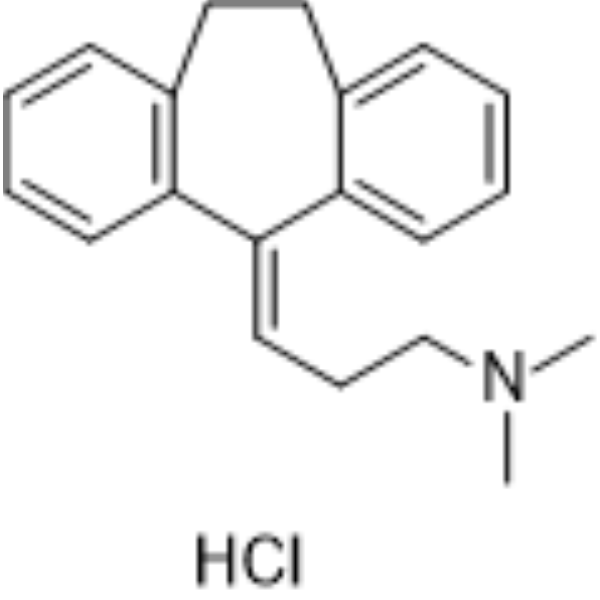
Amitriptyline hydrochloride is an orally active tricyclic antidepressant (TCA). Amitriptyline hydrochloride mainly exerts its antidepressant effect by blocking SERT (Ki = 3.45 nM) and NET (Ki = 13.3 nM), thereby increasing the concentrations of 5-hydroxytryptamine (5-HT) and norepinephrine (NE) in the synaptic cleft. Amitriptyline hydrochloride is also an agonist at α2A and TrkA/TrkB receptors, thereby exerting analgesic and neurotrophic activities (inhibiting cell apoptosis). Amitriptyline hydrochloride can reduce inflammation, angiogenesis and fibrosis. Amitriptyline hydrochloride binds to DAT (with Ki = 2.58 μM). Amitriptyline hydrochloride has high affinity for a series of receptors and can antagonize muscarinic cholinergic receptors (M1/M2/M3/M4/M5 receptors) (Ki = 11-24 nM), H1 receptors (Ki = 0.5-1.1 nM), adrenergic α1 receptors (Ki = 4.4 nM), etc., resulting in a series of side effects. Amitriptyline hydrochloride can block sodium channels and hERG potassium channel (IC50 = 4.78 μM) and it has cardiotoxicity .
|
-
-
- HY-B0527
-
Amitriptyline
Maximum Cited Publications
8 Publications Verification
|
Serotonin Transporter
Trk Receptor
Sodium Channel
5-HT Receptor
Histamine Receptor
Adrenergic Receptor
mAChR
Potassium Channel
Dopamine Transporter
Apoptosis
|
Neurological Disease
Inflammation/Immunology
Endocrinology
|
|
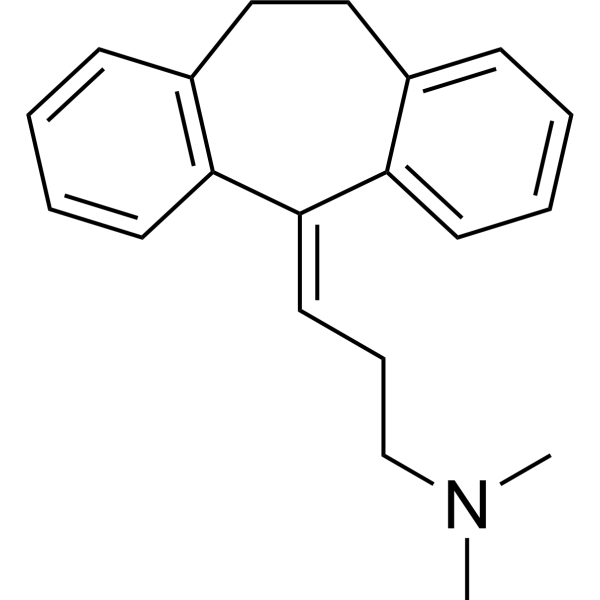
Amitriptyline is an orally active tricyclic antidepressant (TCA). Amitriptyline mainly exerts its antidepressant effect by blocking SERT (Ki = 3.45 nM) and NET (Ki = 13.3 nM), thereby increasing the concentrations of 5-hydroxytryptamine (5-HT) and norepinephrine (NE) in the synaptic cleft. Amitriptyline is also an agonist at α2A and TrkA/TrkB receptors, thereby exerting analgesic and neurotrophic activities (inhibiting cell apoptosis). Amitriptyline can reduce inflammation, angiogenesis and fibrosis. Amitriptyline binds to DAT (with Ki = 2.58 μM). Amitriptyline has high affinity for a series of receptors and can antagonize muscarinic cholinergic receptors (M1/M2/M3/M4/M5 receptors) (Ki = 11-24 nM), H1 receptors (Ki = 0.5-1.1 nM), adrenergic α1 receptors (Ki = 4.4 nM), etc., resulting in a series of side effects. Amitriptyline can block sodium channels and hERG potassium channel (IC50 = 4.78 μM) and it has cardiotoxicity .
|
-
-
- HY-B0504S
-
|
NSC13123-d3
|
Isotope-Labeled Compounds
Endogenous Metabolite
iGluR
GABA Receptor
|
Metabolic Disease
Cancer
|
|
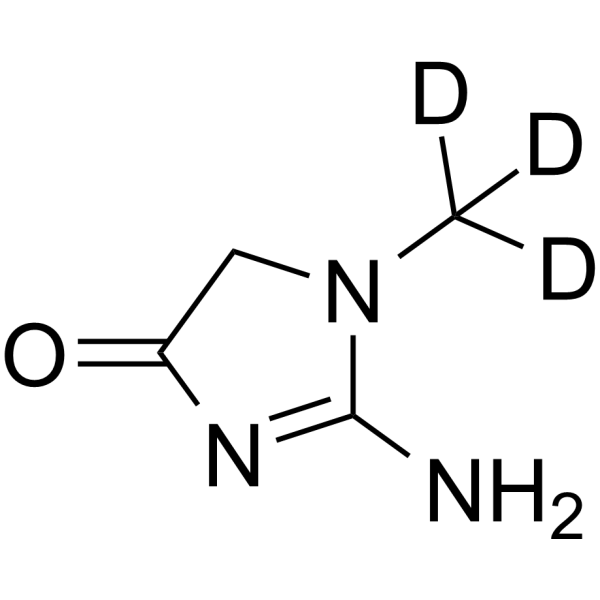
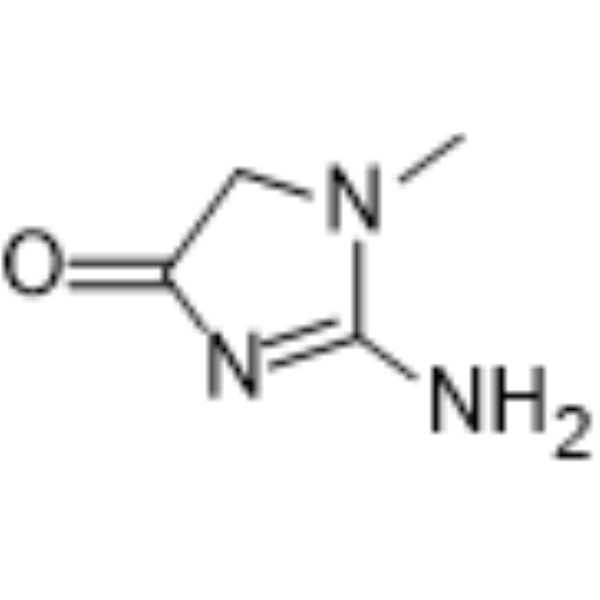
Creatinine-d3 is a deuterium labeled Creatinine. Creatinine (NSC13123) is an orally active, blood-brain barrier-permeable modulator of GABAA and NMDA receptors, with activities of antioxidation and metabolic regulation. Creatinine is generated via non-enzymatic conversion of creatine and phosphocreatine in muscle. Creatinine serum levels correlate with muscle mass, glomerular filtration rate, and extrarenal clearance, serving as an evaluation biomarker for renal function, muscle mass, and clinical outcomes, and used for perioperative renal risk assessment. In addition, Creatinine can induce specific Cryptococcus species to produce creatinine deiminase and act as their nitrogen source, while it can be secreted via renal tubules. Creatinine is widely used in research related to various diseases such as neurodegenerative diseases, psychiatric disorders, acute kidney injury, chronic kidney disease, and renal failure .
|
-
-
- HY-13204A
-
|
KL 373
|
mAChR
|
Neurological Disease
|
|
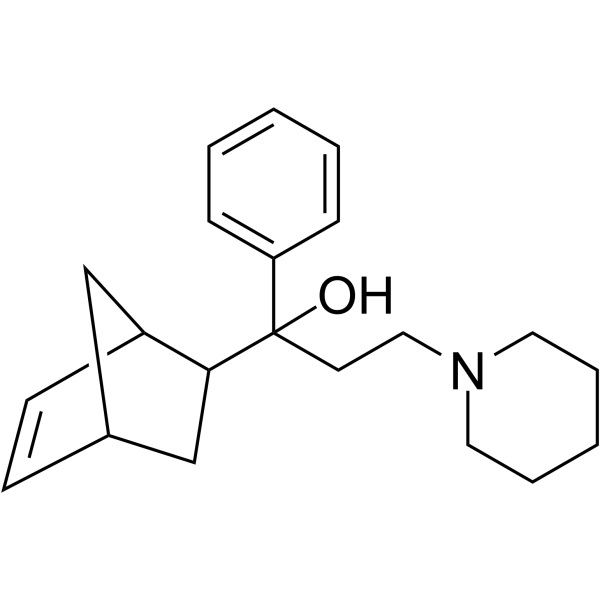
Biperiden (KL 373) is a non-selective muscarinic receptor antagonist that competitively binds to M1 muscarinic receptors, thereby inhibiting acetylcholine and enhancing dopamine signaling in the central nervous system. Biperiden has the potential for the research of Parkinson's disease and other related psychiatric disorders .
|
-
-
- HY-B0504
-
|
NSC13123
|
Endogenous Metabolite
GABA Receptor
iGluR
|
Infection
Neurological Disease
Metabolic Disease
Cancer
|
|
Creatinine (NSC13123) is an orally active, blood-brain barrier-permeable modulator of GABAA and NMDA receptors, with activities of antioxidation and metabolic regulation. Creatinine is generated via non-enzymatic conversion of creatine and phosphocreatine in muscle. Creatinine serum levels correlate with muscle mass, glomerular filtration rate, and extrarenal clearance, serving as an evaluation biomarker for renal function, muscle mass, and clinical outcomes, and used for perioperative renal risk assessment. In addition, Creatinine can induce specific Cryptococcus species to produce creatinine deiminase and act as their nitrogen source, while it can be secreted via renal tubules. Creatinine is widely used in research related to various diseases such as neurodegenerative diseases, psychiatric disorders, acute kidney injury, chronic kidney disease, and renal failure .
|
-
-
- HY-B1487
-
|
Tricyclamol hydrochloride; (±)-Procyclidine hydrochloride
|
iGluR
mAChR
|
Neurological Disease
|
|
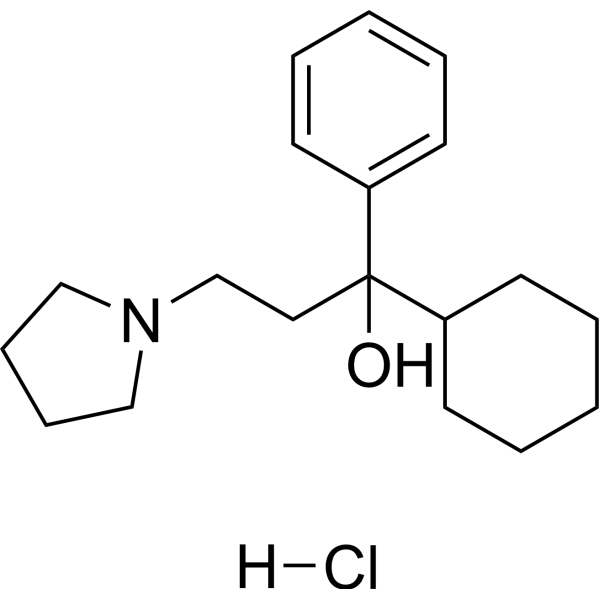
Procyclidine (Tricyclamol, (±)-Procyclidine) hydrochloride , an anticholinergic agent, is a muscarinic receptor antagonist that also has the properties of an N-methyl-D-aspartate (NMDA) antagonist. Procyclidine hydrochloride can be used in studies of Parkinson's disease and related psychiatric disorders such as Soman-induced epilepsy .
|
-
-
- HY-13204
-
|
KL 373 hydrochloride
|
mAChR
|
Neurological Disease
|
|
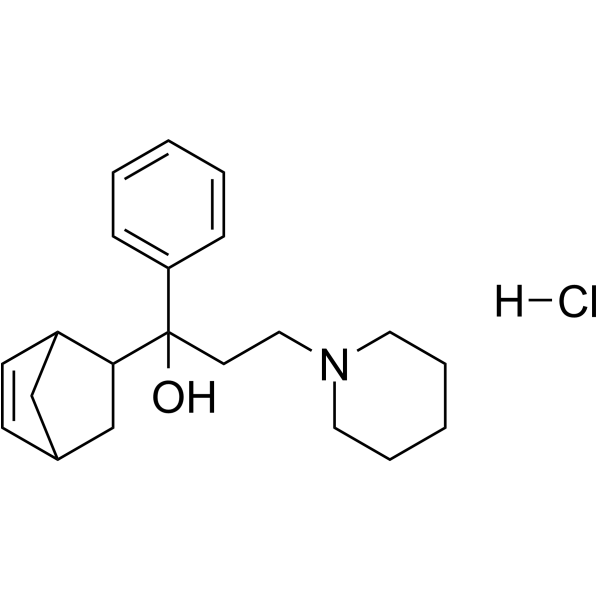
Biperiden (KL 373) hydrochloride is a non-selective muscarinic receptor antagonist that competitively binds to M1 muscarinic receptors, thereby inhibiting acetylcholine and enhancing dopamine signaling in the central nervous system. Biperiden hydrochloride has the potential for the research of Parkinson's disease and other related psychiatric disorders .
|
-
-
- HY-B0504S2
-
|
NSC13123-d5
|
Isotope-Labeled Compounds
Endogenous Metabolite
iGluR
GABA Receptor
|
Metabolic Disease
|
|
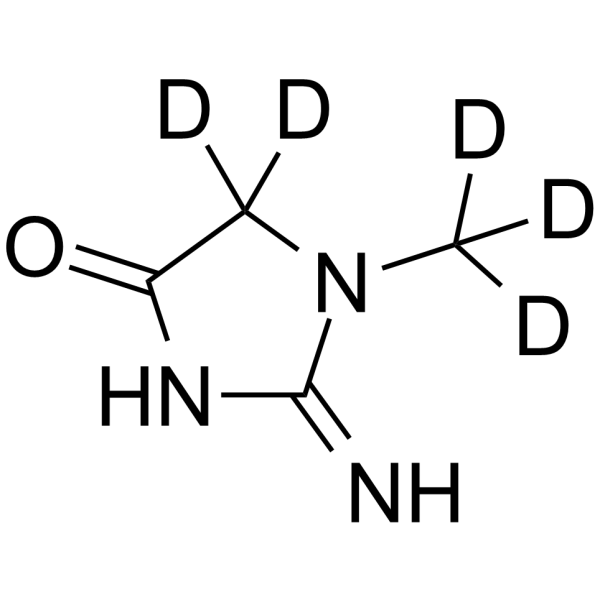
Creatinine-d5 is the deuterium labeled Creatinine. Creatinine (NSC13123) is an orally active, blood-brain barrier-permeable modulator of GABAA and NMDA receptors, with activities of antioxidation and metabolic regulation. Creatinine is generated via non-enzymatic conversion of creatine and phosphocreatine in muscle. Creatinine serum levels correlate with muscle mass, glomerular filtration rate, and extrarenal clearance, serving as an evaluation biomarker for renal function, muscle mass, and clinical outcomes, and used for perioperative renal risk assessment. In addition, Creatinine can induce specific Cryptococcus species to produce creatinine deiminase and act as their nitrogen source, while it can be secreted via renal tubules. Creatinine is widely used in research related to various diseases such as neurodegenerative diseases, psychiatric disorders, acute kidney injury, chronic kidney disease, and renal failure .
|
-
-
- HY-B0504R
-
|
NSC13123 (Standard)
|
Reference Standards
Endogenous Metabolite
iGluR
GABA Receptor
|
Metabolic Disease
Cancer
|
|
Creatinine (Standard) is the analytical standard of Creatinine. This product is intended for research and analytical applications. Creatinine (NSC13123) is an orally active, blood-brain barrier-permeable modulator of GABAA and NMDA receptors, with activities of antioxidation and metabolic regulation. Creatinine is generated via non-enzymatic conversion of creatine and phosphocreatine in muscle. Creatinine serum levels correlate with muscle mass, glomerular filtration rate, and extrarenal clearance, serving as an evaluation biomarker for renal function, muscle mass, and clinical outcomes, and used for perioperative renal risk assessment. In addition, Creatinine can induce specific Cryptococcus species to produce creatinine deiminase and act as their nitrogen source, while it can be secreted via renal tubules. Creatinine is widely used in research related to various diseases such as neurodegenerative diseases, psychiatric disorders, acute kidney injury, chronic kidney disease, and renal failure .
|
-

-
- HY-90002
-
|
|
Sigma Receptor
|
Neurological Disease
|
|
4-Phenylpiperidine is a σ receptor ligand with a Ki value of 1980 nM for guinea pig σ receptors. 4-Phenylpiperidine binds to σ receptors. 4-Phenylpiperidine is used in psychiatric disease research .
|
-

-
- HY-B0504S1
-
|
NSC13123-13C
|
Isotope-Labeled Compounds
Endogenous Metabolite
iGluR
GABA Receptor
|
Metabolic Disease
|
|
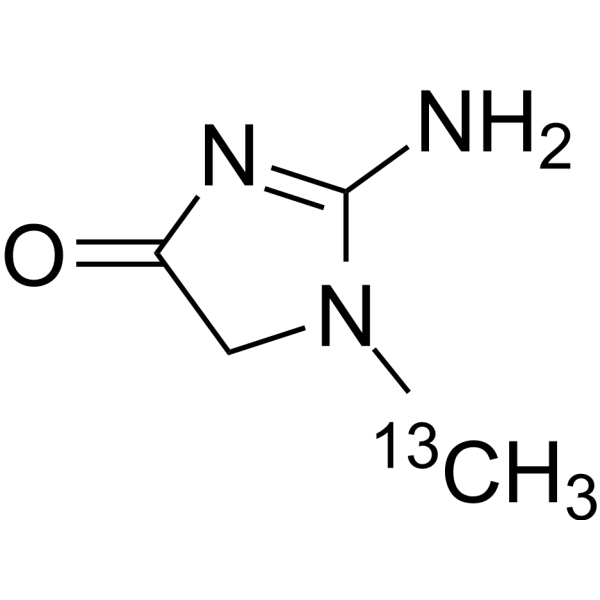
Creatinine- 13C is the 13C-labeled Creatinine. Creatinine (NSC13123) is an orally active, blood-brain barrier-permeable modulator of GABAA and NMDA receptors, with activities of antioxidation and metabolic regulation. Creatinine is generated via non-enzymatic conversion of creatine and phosphocreatine in muscle. Creatinine serum levels correlate with muscle mass, glomerular filtration rate, and extrarenal clearance, serving as an evaluation biomarker for renal function, muscle mass, and clinical outcomes, and used for perioperative renal risk assessment. In addition, Creatinine can induce specific Cryptococcus species to produce creatinine deiminase and act as their nitrogen source, while it can be secreted via renal tubules. Creatinine is widely used in research related to various diseases such as neurodegenerative diseases, psychiatric disorders, acute kidney injury, chronic kidney disease, and renal failure .
|
-
-
- HY-156601A
-
|
(S)-LP352
|
5-HT Receptor
|
Neurological Disease
|
|
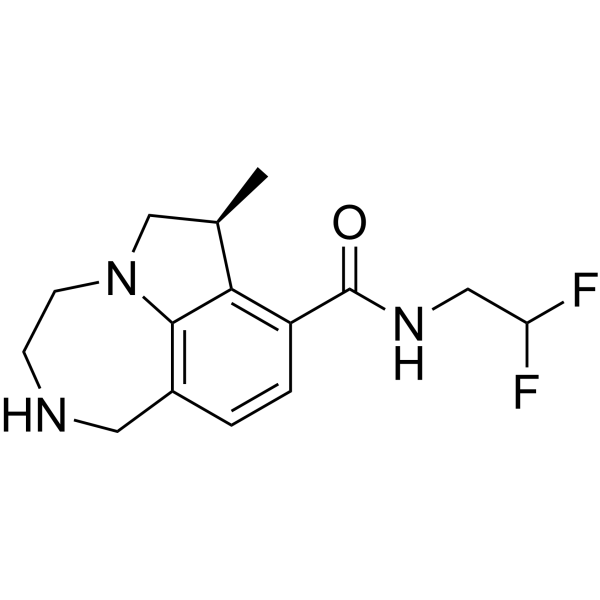
(S)-Bexicaserin ((S)-LP352) is a 5-HT2C agonist with the potential to be used in the study of obesity and psychiatric-related diseases .
|
-
-
- HY-103137
-
|
|
5-HT Receptor
|
Cardiovascular Disease
Neurological Disease
|
|
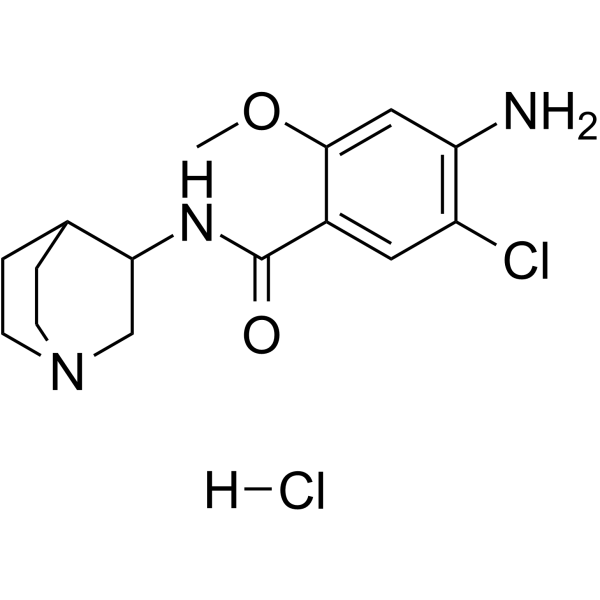
Zacopride hydrochloride is an orally active 5-HT3 receptor (Ki of 0.38 nM) antagonist and 5-HT4 receptor (Ki of 373 nM) agonist. Zacopride hydrochloride exhibits multiple activities, such as regulating gastrointestinal motility, affecting cardiac function, and exerting anxiolytic and antiemetic effects. Zacopride hydrochloride is currently mainly used in the research of gastrointestinal diseases, cardiovascular diseases, and psychiatric diseases such as anxiety .
|
-
-
- HY-122742
-
|
|
iGluR
|
Neurological Disease
|
|
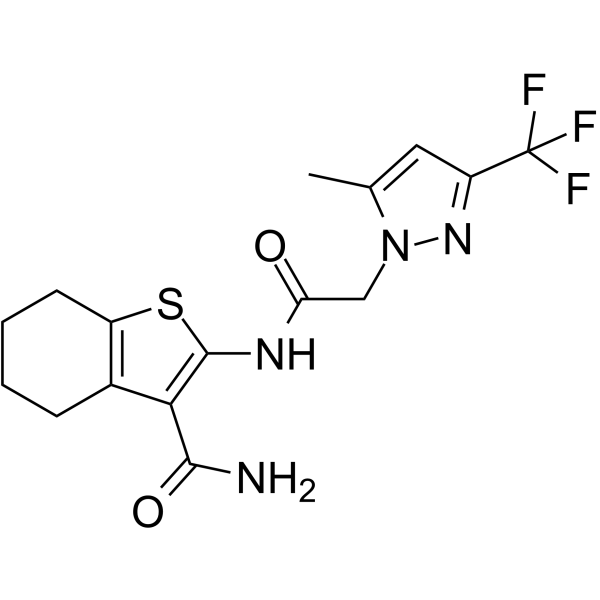
HBT1 is an effective AMPA receptor AMPA-R potentiator. HBT1 specifically binds to the ligand-binding domain (LBD) of AMPAR and enhances receptor activity only when AMPA is present., HBT1 has almost no agonistic effect (i.e., reaching the optimal concentration, and then the efficacy decreases as the concentration continues to increase) compared with traditional AMPA-R potentiator, avoiding the bell-shaped reaction of brain-derived neurotrophic factor (BDNF) production in primary neurons. HBT1 can be applicable to a wider range of neurological and psychiatric diseases (such as depression, Alzheimer's disease, etc.) .
|
-
-
- HY-13456
-
|
|
iGluR
|
Neurological Disease
|
|
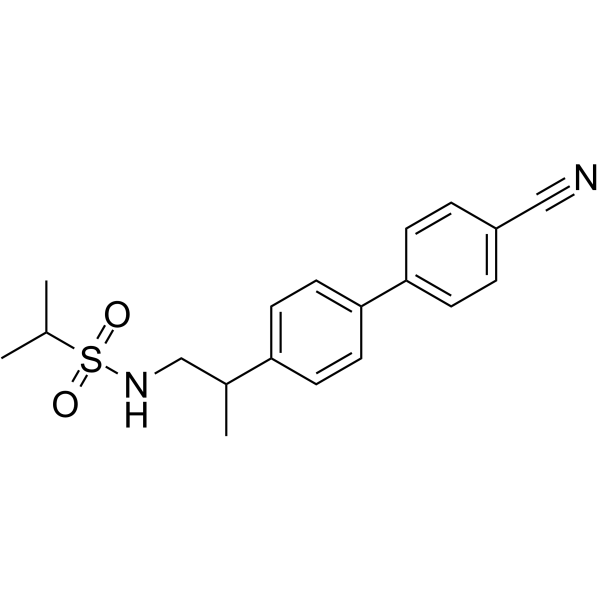
LY-404187 is a potent, selective and centrally active positive allosteric modulator of AMPA receptors, with the EC50s of 5.65, 0.15, 1.44, 1.66 and 0.21 µM for GluR1i, GluR2i, GluR2o, GluR3i and GluR4i, respectively. LY-404187 has therapeutic potential in a number of psychiatric disorders and neurodegenerative diseases .
|
-
-
- HY-148325
-
|
|
nAChR
|
Neurological Disease
|
|
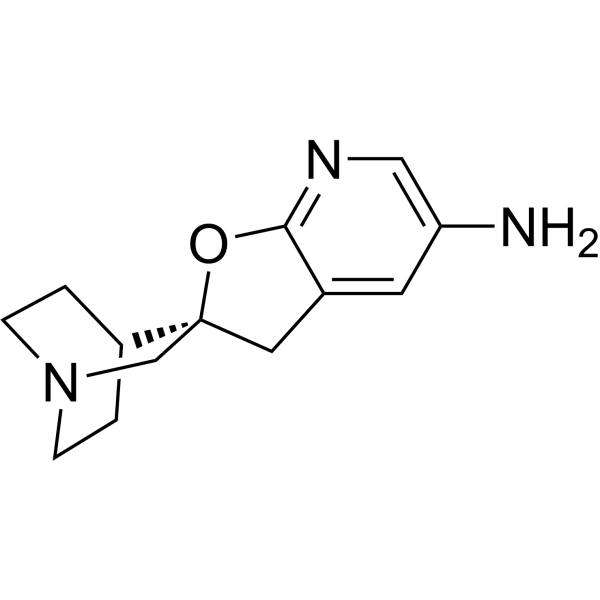
α7 Nicotinic receptor agonist-1 (Preparation 5) is an α7 nAChR agonist. α7 Nicotinic receptor agonist-1 can be used in studies of psychiatric disorders (such as schizophrenia, manic or hypomanic depression and anxiety disorders) and intellectual disorders (such as alzheimer's disease, learning deficits, cognitive deficits, attention deficits, memory loss, lewy body dementia and attention deficit hyperactivity disorder) .
|
-
-
- HY-134661
-
|
|
GPR6
|
Neurological Disease
|
|
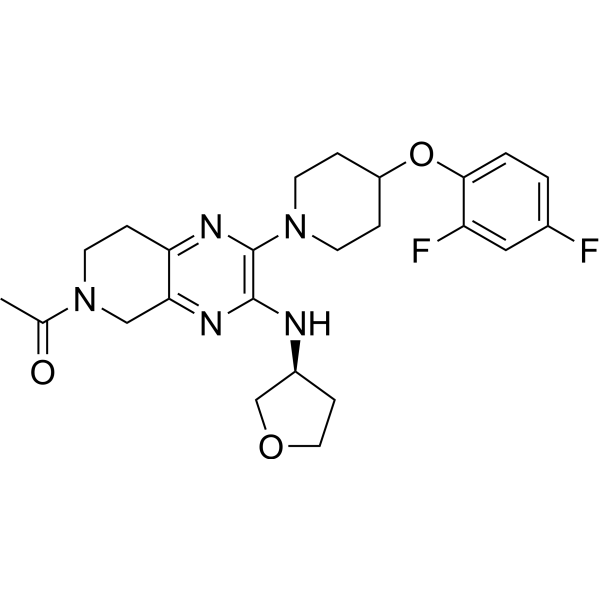
(S)-CVN424 is a potent G-Protein-Coupled Receptor 6 (GPR6) modulator. (S)-CVN424 has the potential for a variety of neurological and psychiatric disorders research, including Parkinson's disease .
|
-
-
- HY-B0504S5
-
|
NSC13123-15N
|
Isotope-Labeled Compounds
Endogenous Metabolite
iGluR
GABA Receptor
|
Metabolic Disease
Cancer
|
|
Creatinine- 15N (NSC13123- 15N) is the 15N-labeled Creatinine (HY-B0504). Creatinine (NSC13123) is an orally active, blood-brain barrier-permeable modulator of GABAA and NMDA receptors, with activities of antioxidation and metabolic regulation. Creatinine is generated via non-enzymatic conversion of creatine and phosphocreatine in muscle. Creatinine serum levels correlate with muscle mass, glomerular filtration rate, and extrarenal clearance, serving as an evaluation biomarker for renal function, muscle mass, and clinical outcomes, and used for perioperative renal risk assessment. In addition, Creatinine can induce specific Cryptococcus species to produce creatinine deiminase and act as their nitrogen source, while it can be secreted via renal tubules. Creatinine is widely used in research related to various diseases such as neurodegenerative diseases, psychiatric disorders, acute kidney injury, chronic kidney disease, and renal failure .
|
-

-
- HY-101490
-
|
|
Phosphodiesterase (PDE)
|
Neurological Disease
|
|
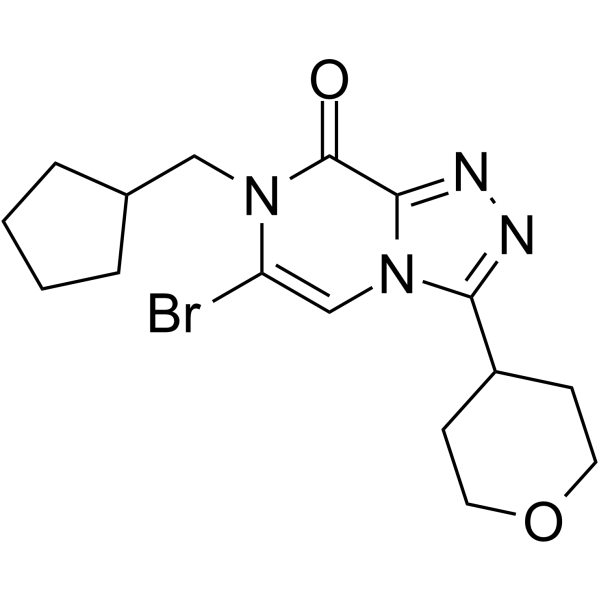
PDE1-IN-2 is a PDE1 inhibitor extracted from patent WO2016/55618 A1, example 31. PDE1-IN-2 has IC50 values of 6 nM, 140 nM and 164 nM for PDE1C, PDE1B and PDE1A, respectvely. PDE1-IN-2 is developed for the research of neurodegenerative disorders and psychiatric disorders .
|
-
-
- HY-103424
-
|
|
Dopamine Receptor
|
Neurological Disease
|
|
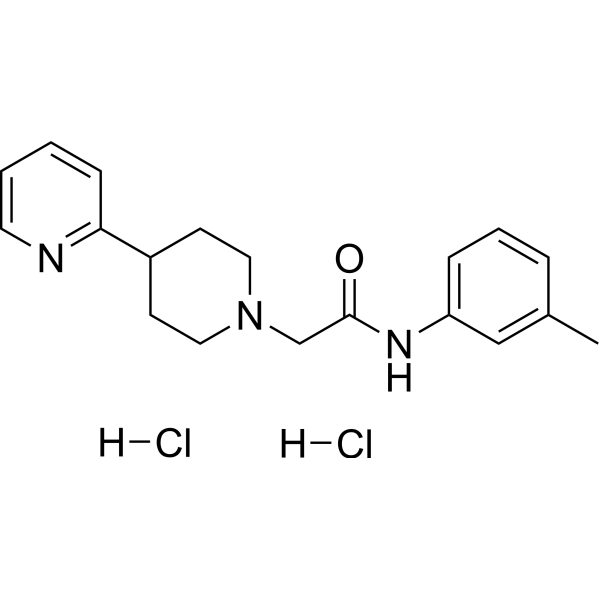
A-412997 dihydrochloride is a selective dopamine D4 receptor agonist. A-412997 dihydrochloride improves cognitive performance in rats and can be used in the research of psychiatric diseases .
|
-
-
- HY-14827
-
|
Lu 31-130
|
Dopamine Receptor
5-HT Receptor
|
Neurological Disease
|
|
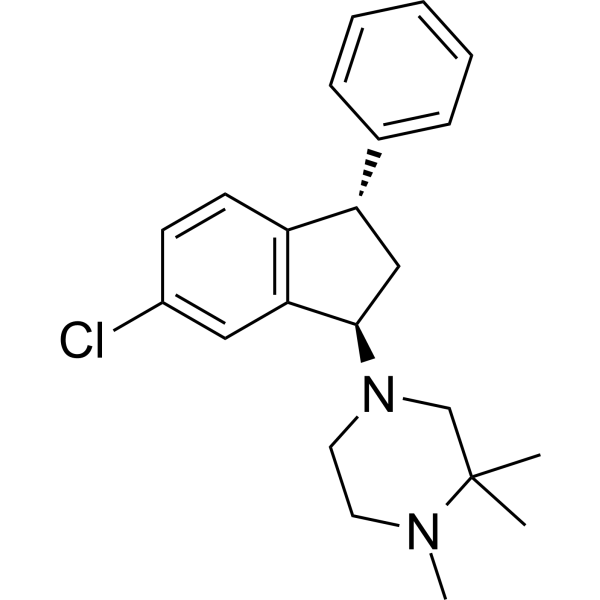
Zicronapine is an antipsychotic agent with a strong pro-cognitive effect in animal models and the potential to treat a number of neurological and psychiatric diseases. Zicronapine has potent antagonistic effects at dopamine D1/D2, and serotonin 5-HT2A receptors .
|
-
-
- HY-B1487R
-
|
Tricyclamol hydrochloride (Standard); (±)-Procyclidine hydrochloride (Standard)
|
Reference Standards
iGluR
mAChR
|
Neurological Disease
|
|
Procyclidine (hydrochloride) (Standard) is the analytical standard of Procyclidine (hydrochloride). This product is intended for research and analytical applications. Procyclidine (Tricyclamol, (±)-Procyclidine) hydrochloride , an anticholinergic agent, is a muscarinic receptor antagonist that also has the properties of an N-methyl-D-aspartate (NMDA) antagonist. Procyclidine hydrochloride can be used in studies of Parkinson's disease and related psychiatric disorders such as Soman-induced epilepsy .
|
-

-
- HY-14827A
-
|
Lu 31-130 fumarate
|
Dopamine Receptor
5-HT Receptor
|
Neurological Disease
|
|
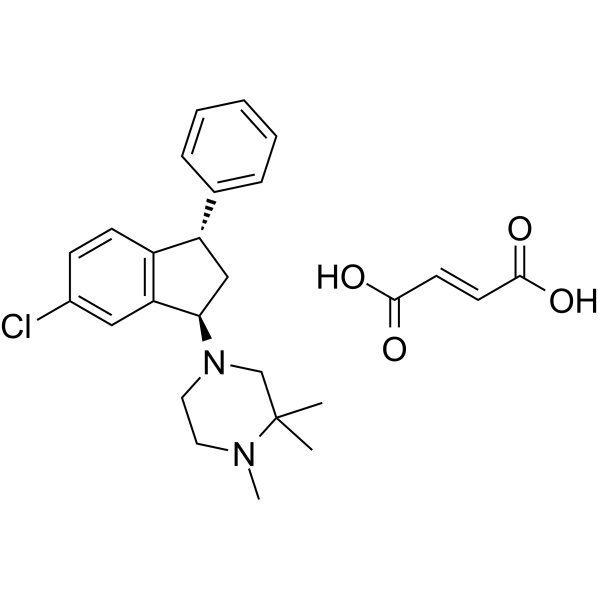
Zicronapine (Lu 31-130) fumarate is an antipsychotic agent with a strong pro-cognitive effect in animal models and the potential to treat a number of neurological and psychiatric diseases. Zicronapine (Lu 31-130) fumarate has potent antagonistic effects at dopamine D1/D2, and serotonin 5-HT2A receptors .
|
-
-
- HY-177282
-
-

-
- HY-B1487A
-
|
Tricyclamol; (±)-Procyclidine
|
mAChR
iGluR
|
Neurological Disease
|
|
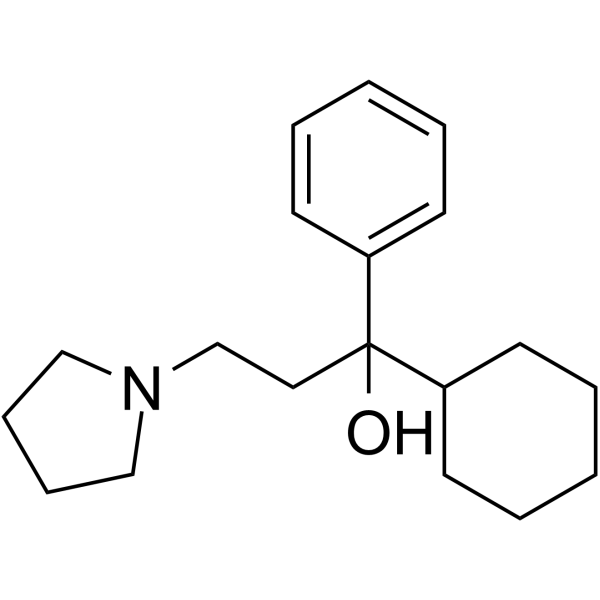
Procyclidine (Tricyclamol; (±)-Procyclidine), an anticholinergic agent, is a muscarinic receptor antagonist that also has the properties of an N-methyl-D-aspartate (NMDA) antagonist. Procyclidine can be used in studies of Parkinson's disease and related psychiatric disorders such as Soman-induced epilepsy .
|
-
-
- HY-W012735
-
|
(+)-β-Homoproline; (+)-Hexahydronicotinic acid; (+)-3-Carboxypiperidine
|
GABA Receptor
|
Neurological Disease
|
|
(+)-Nipecotic acid ((+)-β-Homoproline) is a GABA transport inhibitor with potential antidepressant and anxiolytic activities. (+)-Nipecotic acid can increase the concentration of GABA in the synaptic cleft, thereby enhancing inhibitory neurotransmission. The research on (+)-Nipecotic acid provides a possible direction for the development of new inhibitory compounds for psychiatric diseases .
|
-

-
- HY-109150
-
|
IRL790
|
Dopamine Receptor
|
Neurological Disease
|
|
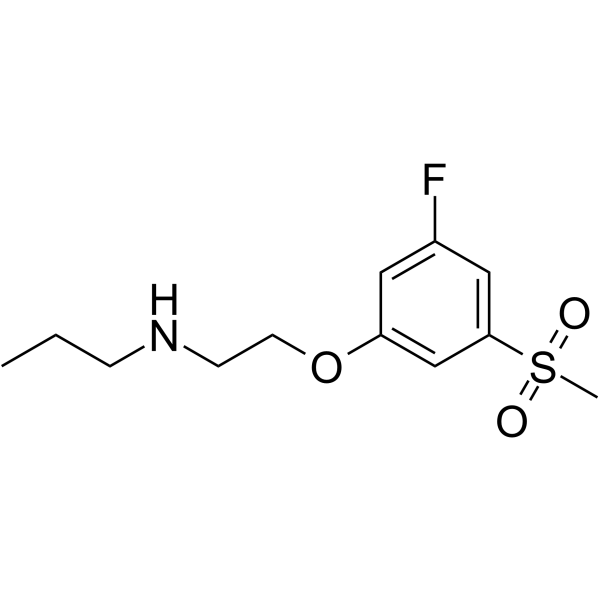
Mesdopetam (IRL790) is a dopamine D3 receptor antagonist (Ki=90 nM; IC50=9.8 μM for human recombinant D3 receptor) with psychomotor stabilizing properties. Mesdopetam is used for the research of motor and psychiatric complications in Parkinson disease .
|
-
-
- HY-179240
-
|
|
Dopamine Receptor
|
Neurological Disease
|
|
UNC9815 is a D1 dopamine receptor (D1R) orthosteric allosteric modulator (PAM). UNC9815 can dose-dependently enhance the functional efficacy of dopamine in β-inhibitory protein recruitment experiments and cAMP accumulation experiments. When used in combination with other PAMs, UNC9815 exhibits a significant synergistic enhancement effect. UNC9815 can be used to study neurological and psychiatric diseases such as Parkinson's disease and schizophrenia .
|
-

-
- HY-13204R
-
|
KL 373 hydrochloride (Standard)
|
Reference Standards
mAChR
|
Neurological Disease
|
|
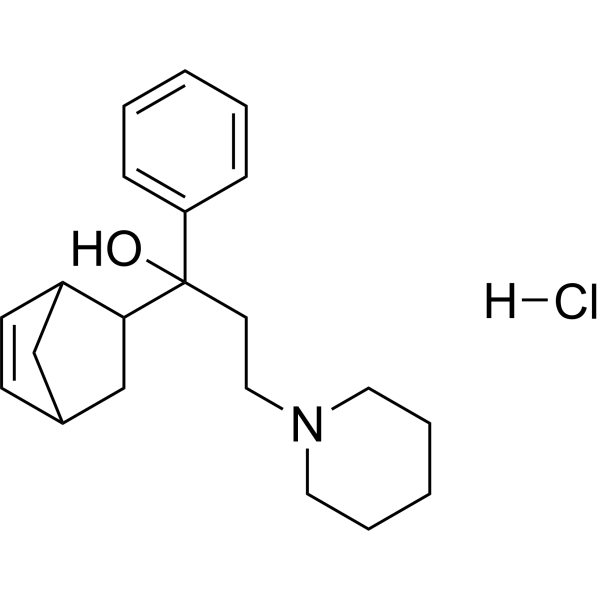
Biperiden (hydrochloride) (Standard) is the analytical standard of Biperiden (hydrochloride). This product is intended for research and analytical applications. Biperiden (KL 373) hydrochloride is a non-selective muscarinic receptor antagonist that competitively binds to M1 muscarinic receptors, thereby inhibiting acetylcholine and enhancing dopamine signaling in the central nervous system. Biperiden hydrochloride has the potential for the research of Parkinson's disease and other related psychiatric disorders .
|
-
-
- HY-13204B
-
|
KL 373 lactate
|
mAChR
|
Neurological Disease
|
|
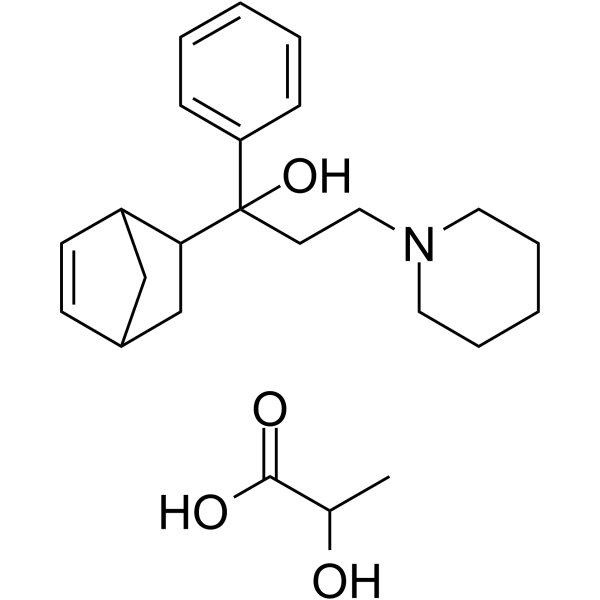
Biperiden (KL 373) lactate is an orally active non-selective muscarinic receptor antagonist that competitively binds to M1 muscarinic receptors. Biperiden (KL 373) lactate inhibits acetylcholine and enhances dopamine signaling in the central nervous system. Biperiden (KL 373) lactate has the potential for the research of Parkinson's disease and other related psychiatric disorders .
|
-
-
- HY-149859
-
|
|
HDAC
|
Neurological Disease
|
|
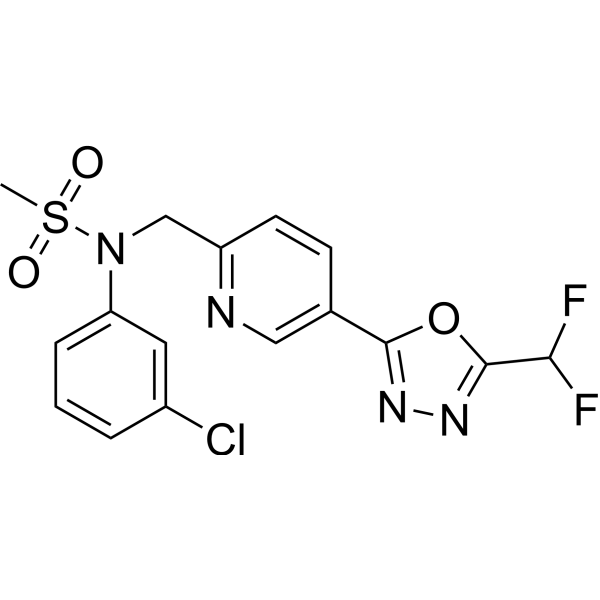
HDAC-IN-58 is a HDAC inhibitor. HDAC-IN-58 has HDAC6-specific inhibition activity with an IC50 value of 2.06 nM. HDAC-IN-58 can be used for the research of chronic diseases, including neurodegenerative and psychiatric conditions .
|
-
-
- HY-118538
-
-

-
- HY-U00077
-
-
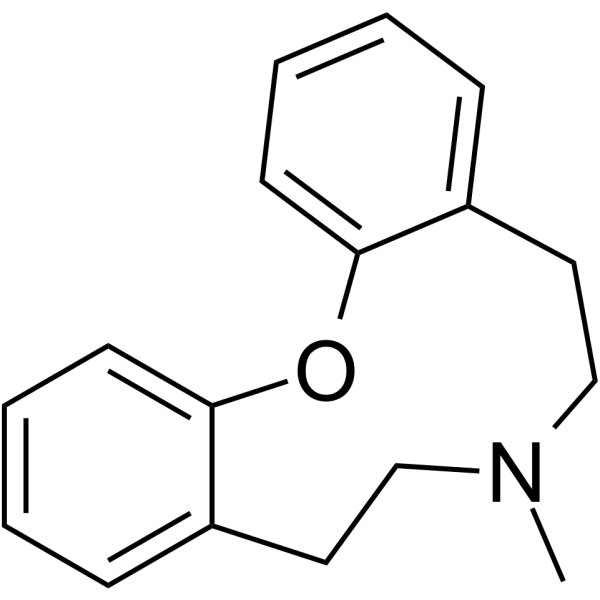
-
- HY-10814
-
|
|
nAChR
|
Neurological Disease
|
|
CP-810123 is a brain-permeable agonist of α7 nAChR for the research of cognitive impairment associated with psychiatric or neurological disorders such as schizophrenia and Alzheimer's disease .
|
-

-
- HY-161433
-
|
|
Monoamine Transporter
|
Neurological Disease
|
|
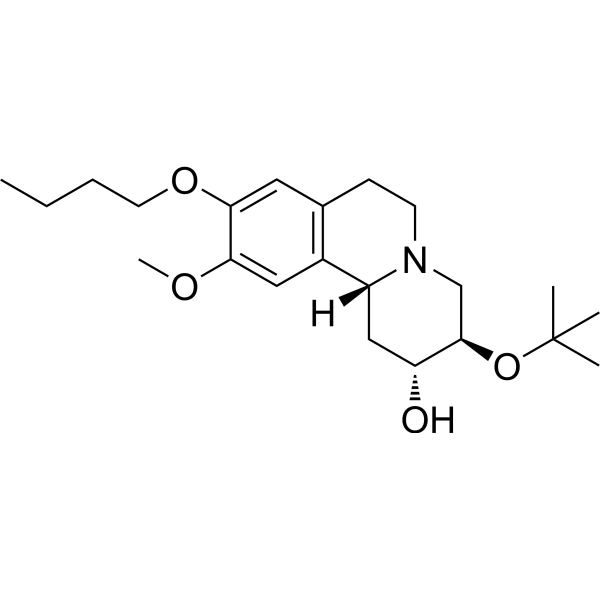
VMAT2-IN-3 (compound 10) is a potent vesicular monoamine transporter-2 (VMAT2) inhibitor with a Ki of 0.71 nM. VMAT2-IN-3 has the potential for neurological or psychiatric disease research .
|
-
-
- HY-103217
-
-

-
- HY-113969
-
|
|
Endogenous Metabolite
|
Neurological Disease
|
|
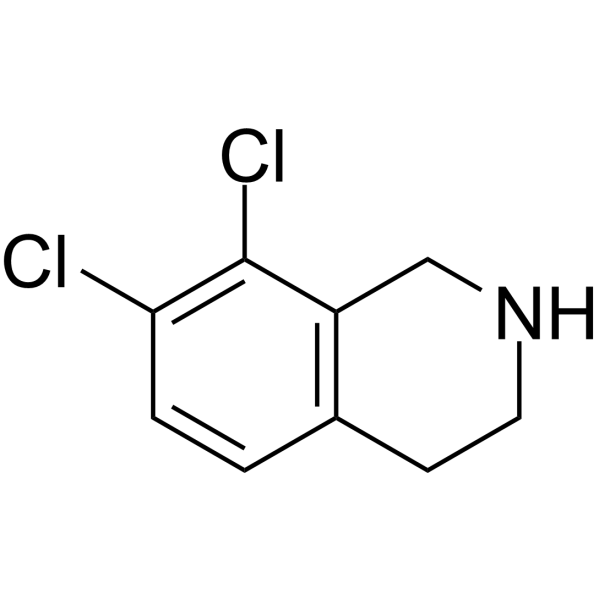
7,8-Dichloro-1,2,3,4-tetrahydroisoquinoline (compound 11), a tetrahydroisoquinoline (THIQ) derivative, is a selective phenylethanolamine N-methyltransferase (PNMT) inhibitor with a Ki value of 0.3 μM. 7,8-Dichloro-1,2,3,4-tetrahydroisoquinoline can be used in research on psychiatric disorders related to Alzheimer's disease and Parkinson's disease .
|
-
-
- HY-109150A
-
|
IRL790 hemitartrate
|
Dopamine Receptor
|
Neurological Disease
|
|
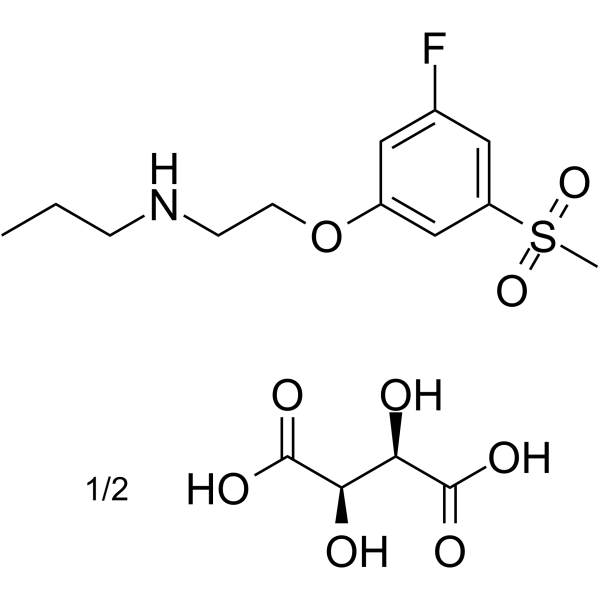
Mesdopetam (IRL790) hemitartrate is a dopamine D3 receptor antagonist (Ki=90 nM; IC50=9.8 μM for human recombinant D3 receptor) with psychomotor stabilizing properties. Mesdopetam hemitartrate is used for the research of motor and psychiatric complications in Parkinson disease .
|
-
-
- HY-118317
-
|
|
5-HT Receptor
|
Cardiovascular Disease
Neurological Disease
|
|
Zacopride is an orally active 5-HT3 receptor (Ki of 0.38 nM) antagonist and 5-HT4 receptor (Ki of 373 nM) agonist. Zacopride exhibits multiple activities, such as regulating gastrointestinal motility, affecting cardiac function, and exerting anxiolytic and antiemetic effects. Zacopride is currently mainly used in the research of gastrointestinal diseases, cardiovascular diseases, and psychiatric diseases such as anxiety .
|
-

-
- HY-B1487S1
-
|
Tricyclamol-d5; (±)-Procyclidine-d5
|
Isotope-Labeled Compounds
iGluR
mAChR
|
Neurological Disease
|
|
Procyclidine-d5 (Tricyclamol-d5) is deuterium labeled Procyclidine (hydrochloride). Procyclidine (Tricyclamol, (±)-Procyclidine) hydrochloride , an anticholinergic agent, is a muscarinic receptor antagonist that also has the properties of an N-methyl-D-aspartate (NMDA) antagonist. Procyclidine hydrochloride can be used in studies of Parkinson's disease and related psychiatric disorders such as Soman-induced epilepsy .
|
-

-
- HY-13204AR
-
|
KL 373 (Standard)
|
Reference Standards
mAChR
|
Neurological Disease
|
|
Biperiden (Standard) is the analytical standard of Biperiden. This product is intended for research and analytical applications. Biperiden (KL 373) is a non-selective muscarinic receptor antagonist that competitively binds to M1 muscarinic receptors, thereby inhibiting acetylcholine and enhancing dopamine signaling in the central nervous system. Biperiden has the potential for the research of Parkinson's disease and other related psychiatric disorders .
|
-

-
- HY-13204AS
-
|
KL 373-d5
|
Isotope-Labeled Compounds
mAChR
|
Neurological Disease
|
|
Biperiden-d5 (KL 373-d5) is deuterium labeled Biperiden. Biperiden (KL 373) is a non-selective muscarinic receptor antagonist that competitively binds to M1 muscarinic receptors, thereby inhibiting acetylcholine and enhancing dopamine signaling in the central nervous system. Biperiden has the potential for the research of Parkinson's disease and other related psychiatric disorders .
|
-

-
- HY-183948
-
|
|
iGluR
|
Neurological Disease
|
|
CNS0042 is an allosteric modulator of NMDA receptor. CNS0042 can be used for the research of NMDA receptor-mediated neurological or psychiatric disease .
|
-

-
- HY-182440
-
|
|
5-HT Receptor
|
Neurological Disease
|
|
AZD3783 is an orally active, blood-brain barrier-penetrant 5-HT1B receptor antagonist. AZD3783 reverses agonist-induced hypothermia, inhibits separation-induced vocalizations in guinea pig pups, and acts as a moderately permeable glycoprotein substrate with moderate clearance. AZD3783 inhibits hERG channel activity. AZD3783 is applicable for research on depression, anxiety disorders, and other psychiatric diseases associated with serotonergic neurotransmission .
|
-

-
- HY-182481
-
|
|
Monoamine Oxidase
|
Neurological Disease
|
|
MD-230254 is a reversible, competitive and selective inhibitor inhibitor of MAO-B with an IC50 value of 1.8 nM. MD-230254 can be used for the study of MAO-B-related neurodegenerative diseases including Parkinson’s disease and Alzheimer’s disease .
|
-

| Cat. No. |
Product Name |
Type |
-
- HY-90002
-
|
|
Biochemical Assay Reagents
|
|
4-Phenylpiperidine is a σ receptor ligand with a Ki value of 1980 nM for guinea pig σ receptors. 4-Phenylpiperidine binds to σ receptors. 4-Phenylpiperidine is used in psychiatric disease research .
|
| Cat. No. |
Product Name |
Category |
Target |
Chemical Structure |
-
- HY-B0504
-
|
NSC13123
|
Infection
Structural Classification
Natural Products
Classification of Application Fields
Disease markers
Endocrine diseases
Metabolic Disease
Nervous System Disorder
Endogenous metabolite
Disease Research Fields
Source Classification
|
Endogenous Metabolite
GABA Receptor
iGluR
|
|
Creatinine (NSC13123) is an orally active, blood-brain barrier-permeable modulator of GABAA and NMDA receptors, with activities of antioxidation and metabolic regulation. Creatinine is generated via non-enzymatic conversion of creatine and phosphocreatine in muscle. Creatinine serum levels correlate with muscle mass, glomerular filtration rate, and extrarenal clearance, serving as an evaluation biomarker for renal function, muscle mass, and clinical outcomes, and used for perioperative renal risk assessment. In addition, Creatinine can induce specific Cryptococcus species to produce creatinine deiminase and act as their nitrogen source, while it can be secreted via renal tubules. Creatinine is widely used in research related to various diseases such as neurodegenerative diseases, psychiatric disorders, acute kidney injury, chronic kidney disease, and renal failure .
|
-
-
- HY-B0504R
-
|
NSC13123 (Standard)
|
Infection
Structural Classification
Natural Products
Microorganisms
Disease markers
Endocrine diseases
Nervous System Disorder
Endogenous metabolite
Source Classification
|
Reference Standards
Endogenous Metabolite
iGluR
GABA Receptor
|
|
Creatinine (Standard) is the analytical standard of Creatinine. This product is intended for research and analytical applications. Creatinine (NSC13123) is an orally active, blood-brain barrier-permeable modulator of GABAA and NMDA receptors, with activities of antioxidation and metabolic regulation. Creatinine is generated via non-enzymatic conversion of creatine and phosphocreatine in muscle. Creatinine serum levels correlate with muscle mass, glomerular filtration rate, and extrarenal clearance, serving as an evaluation biomarker for renal function, muscle mass, and clinical outcomes, and used for perioperative renal risk assessment. In addition, Creatinine can induce specific Cryptococcus species to produce creatinine deiminase and act as their nitrogen source, while it can be secreted via renal tubules. Creatinine is widely used in research related to various diseases such as neurodegenerative diseases, psychiatric disorders, acute kidney injury, chronic kidney disease, and renal failure .
|
-
-
- HY-113969
-
|
|
Alkaloids
Neurological Disease
Classification of Application Fields
Endogenous metabolite
Isoquinoline Alkaloids
Disease Research Fields
Source Classification
|
Endogenous Metabolite
|
|
7,8-Dichloro-1,2,3,4-tetrahydroisoquinoline (compound 11), a tetrahydroisoquinoline (THIQ) derivative, is a selective phenylethanolamine N-methyltransferase (PNMT) inhibitor with a Ki value of 0.3 μM. 7,8-Dichloro-1,2,3,4-tetrahydroisoquinoline can be used in research on psychiatric disorders related to Alzheimer's disease and Parkinson's disease .
|
-
| Cat. No. |
Product Name |
Chemical Structure |
-
- HY-B0504S
-
5 Publications Verification
|
|
Creatinine-d3 is a deuterium labeled Creatinine. Creatinine (NSC13123) is an orally active, blood-brain barrier-permeable modulator of GABAA and NMDA receptors, with activities of antioxidation and metabolic regulation. Creatinine is generated via non-enzymatic conversion of creatine and phosphocreatine in muscle. Creatinine serum levels correlate with muscle mass, glomerular filtration rate, and extrarenal clearance, serving as an evaluation biomarker for renal function, muscle mass, and clinical outcomes, and used for perioperative renal risk assessment. In addition, Creatinine can induce specific Cryptococcus species to produce creatinine deiminase and act as their nitrogen source, while it can be secreted via renal tubules. Creatinine is widely used in research related to various diseases such as neurodegenerative diseases, psychiatric disorders, acute kidney injury, chronic kidney disease, and renal failure .
|
-
-
- HY-B0504S2
-
|
|
|
Creatinine-d5 is the deuterium labeled Creatinine. Creatinine (NSC13123) is an orally active, blood-brain barrier-permeable modulator of GABAA and NMDA receptors, with activities of antioxidation and metabolic regulation. Creatinine is generated via non-enzymatic conversion of creatine and phosphocreatine in muscle. Creatinine serum levels correlate with muscle mass, glomerular filtration rate, and extrarenal clearance, serving as an evaluation biomarker for renal function, muscle mass, and clinical outcomes, and used for perioperative renal risk assessment. In addition, Creatinine can induce specific Cryptococcus species to produce creatinine deiminase and act as their nitrogen source, while it can be secreted via renal tubules. Creatinine is widely used in research related to various diseases such as neurodegenerative diseases, psychiatric disorders, acute kidney injury, chronic kidney disease, and renal failure .
|
-
-
- HY-B0504S1
-
|
|
|
Creatinine- 13C is the 13C-labeled Creatinine. Creatinine (NSC13123) is an orally active, blood-brain barrier-permeable modulator of GABAA and NMDA receptors, with activities of antioxidation and metabolic regulation. Creatinine is generated via non-enzymatic conversion of creatine and phosphocreatine in muscle. Creatinine serum levels correlate with muscle mass, glomerular filtration rate, and extrarenal clearance, serving as an evaluation biomarker for renal function, muscle mass, and clinical outcomes, and used for perioperative renal risk assessment. In addition, Creatinine can induce specific Cryptococcus species to produce creatinine deiminase and act as their nitrogen source, while it can be secreted via renal tubules. Creatinine is widely used in research related to various diseases such as neurodegenerative diseases, psychiatric disorders, acute kidney injury, chronic kidney disease, and renal failure .
|
-
-
- HY-B0504S5
-
|
|
|
Creatinine- 15N (NSC13123- 15N) is the 15N-labeled Creatinine (HY-B0504). Creatinine (NSC13123) is an orally active, blood-brain barrier-permeable modulator of GABAA and NMDA receptors, with activities of antioxidation and metabolic regulation. Creatinine is generated via non-enzymatic conversion of creatine and phosphocreatine in muscle. Creatinine serum levels correlate with muscle mass, glomerular filtration rate, and extrarenal clearance, serving as an evaluation biomarker for renal function, muscle mass, and clinical outcomes, and used for perioperative renal risk assessment. In addition, Creatinine can induce specific Cryptococcus species to produce creatinine deiminase and act as their nitrogen source, while it can be secreted via renal tubules. Creatinine is widely used in research related to various diseases such as neurodegenerative diseases, psychiatric disorders, acute kidney injury, chronic kidney disease, and renal failure .
|
-
-
- HY-B1487S1
-
|
|
|
Procyclidine-d5 (Tricyclamol-d5) is deuterium labeled Procyclidine (hydrochloride). Procyclidine (Tricyclamol, (±)-Procyclidine) hydrochloride , an anticholinergic agent, is a muscarinic receptor antagonist that also has the properties of an N-methyl-D-aspartate (NMDA) antagonist. Procyclidine hydrochloride can be used in studies of Parkinson's disease and related psychiatric disorders such as Soman-induced epilepsy .
|
-
-
- HY-13204AS
-
|
|
|
Biperiden-d5 (KL 373-d5) is deuterium labeled Biperiden. Biperiden (KL 373) is a non-selective muscarinic receptor antagonist that competitively binds to M1 muscarinic receptors, thereby inhibiting acetylcholine and enhancing dopamine signaling in the central nervous system. Biperiden has the potential for the research of Parkinson's disease and other related psychiatric disorders .
|
-
Your information is safe with us. * Required Fields.
Inquiry Information
- Product Name:
- Cat. No.:
- Quantity:
- MCE Japan Authorized Agent:








