

1. Search Result
Search Result
Results for "

purine metabolism

" in MedChemExpress (MCE) Product Catalog:

39

Inhibitors & Agonists

1

Screening Libraries

2

Biochemical Assay Reagents

2

Peptides

11

Natural
Products

5

Isotope-Labeled Compounds

3

Oligonucleotides

Targets Recommended:
Cat. No. Product Name Target Research Areas Chemical Structure
  • HY-N5134
    5'-Guanylic acid
    2 Publications Verification

    5'-GMP; 5'-guanosine monophosphate

    Endogenous Metabolite iGluR Neurological Disease Metabolic Disease
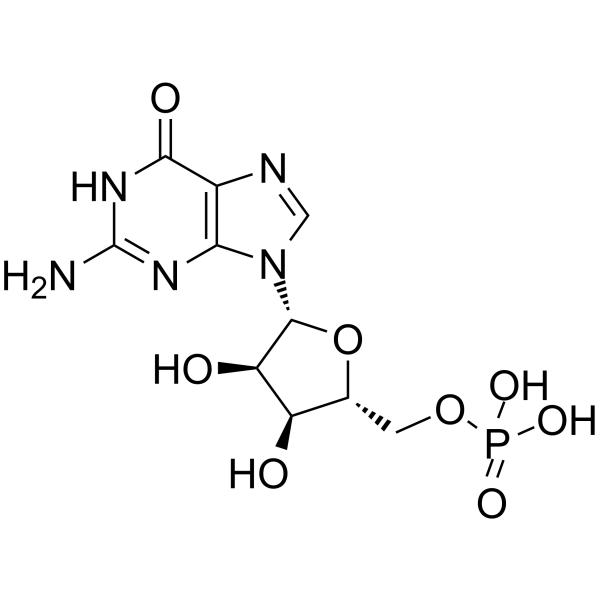
    5'-Guanylic acid is a purine nucleotide that participates in physiological processes such as energy metabolism, signal transduction, and gene expression regulation. 5'-Guanylic acid regulates the expression of genes related to fatty acid metabolism. 5'-Guanylic acid is the weak agonist for ionotropic glutamate receptors (iGluR), reduces the activity of the glutamatergic system and exhibits neuroprotective effect. 5'-Guanylic acid also causes neuronal cell death at high concentrations .
    5'-Guanylic acid
  • HY-W008990
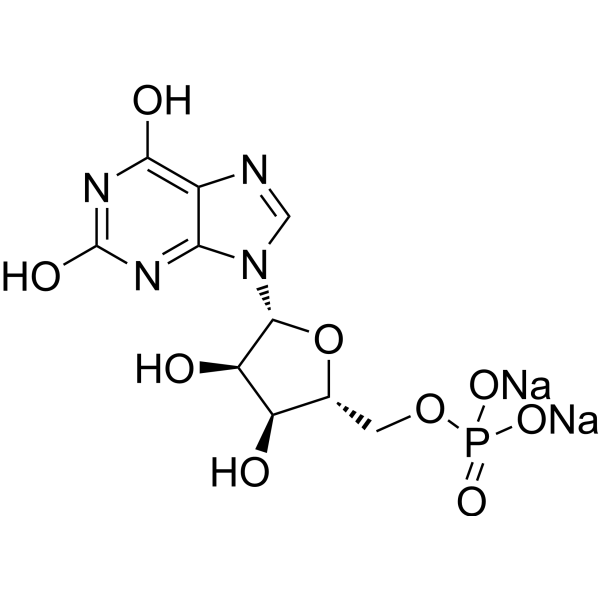
    Xanthosine 5'-monophosphate sodium salt
    1 Publications Verification

    5'-Xanthylic acid sodium salt

    DNA/RNA Synthesis Metabolic Disease
    Xanthosine 5'-monophosphate sodium salt (5'-Xanthylic acid sodium salt) is an intermediate in purine metabolism. Xanthosine 5'-monophosphate sodium salt can be used for genetic code, nucleic acid structure, and DNA, RNA and protein synthesis research .
    Xanthosine 5'-monophosphate sodium salt
  • HY-P2048
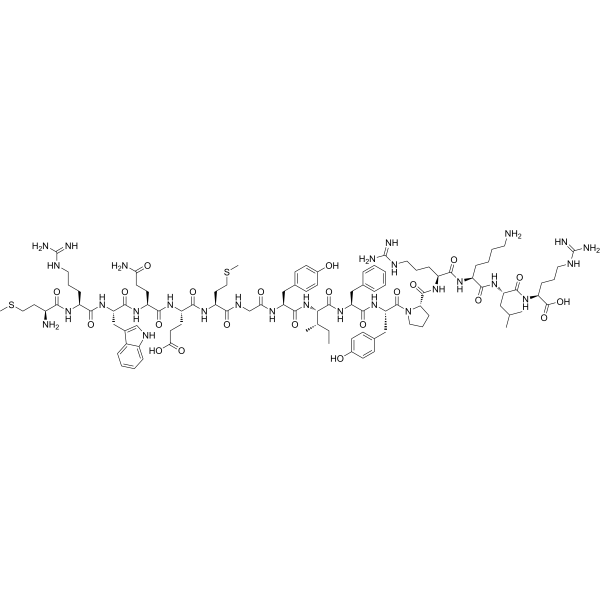
    MOTS-c (human)
    1 Publications Verification

    Apoptosis GLUT AMPK Neurological Disease Metabolic Disease Inflammation/Immunology Endocrinology
    MOTS-c (human) is a blood-brain barrier-penetrating, mitochondrial-derived peptide that modulates the AMPK/PGC-1α pathway to enhance insulin sensitivity. MOTS-c (human) inhibits the folate cycle and de novo purine synthesis, increases AICAR levels to activate AMPK, and then regulates the Nrf2/Keap1 antioxidant pathway and inhibits the NF-κB inflammatory pathway, while promoting mitochondrial biogenesis and energy metabolism. MOTS-c (human) has the effects of improving glucose and lipid metabolism, anti-oxidative stress, anti-inflammatory and neuroprotection, and can be used in the study of type 2 diabetes, traumatic brain injury, inflammatory diseases and aging-related metabolic disorders .
    MOTS-c (human)
  • HY-W010970
    5'-Guanylic acid disodium salt
    2 Publications Verification

    5'-GMP disodium salt; 5'-guanosine monophosphate disodium salt

    Endogenous Metabolite iGluR Neurological Disease Metabolic Disease
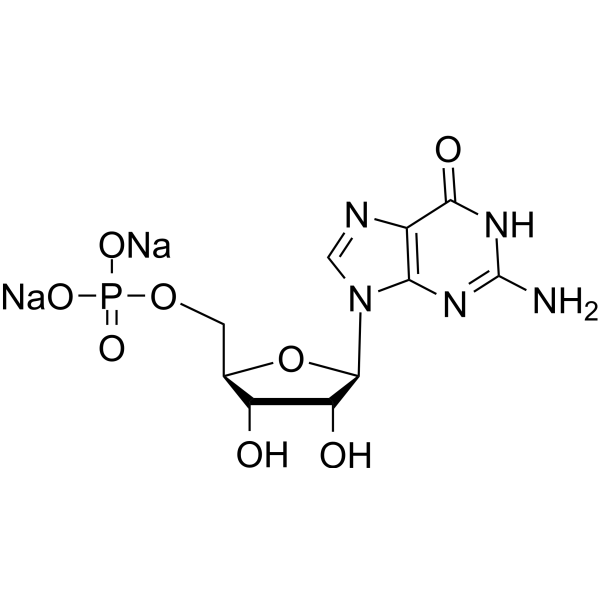
    5'-Guanylic acid disodium salt is the disodium salt form of 5'-Guanylic acid (HY-N5134). 5'-Guanylic acid disodium salt is a purine nucleotide that participates in physiological processes such as energy metabolism, signal transduction, and gene expression regulation. 5'-Guanylic acid disodium salt regulates the expression of genes related to fatty acid metabolism. 5'-Guanylic acid disodium salt is the weak agonist for ionotropic glutamate receptors (iGluR), reduces the activity of the glutamatergic system and exhibits neuroprotective effect. 5'-Guanylic acid disodium salt also causes neuronal cell death at high concentrations .
    5'-Guanylic acid disodium salt
  • HY-P3016A

    EC 2.6.1.1, porcine heart; GOT, porcine heart; AST, porcine heart

    Aminotransferases (Transaminases) Cardiovascular Disease
    Aspartate aminotransferase (EC 2.6.1.1), porcine heart is a metabolic regulator with the highest activity in the heart, liver and skeletal muscle. Aspartate aminotransferase, porcine heart comprises two isozymes: the cytoplasmic form (AST1) and the mitochondrial form (AST2). By catalyzing reversible transamination reactions between oxaloacetate, L-glutamate and other substances, it is deeply involved in key physiological processes such as amino acid metabolism, the tricarboxylic acid cycle and neurotransmitter synthesis. Aspartate aminotransferase, porcine heart also provides substrate support for the synthesis of urea and purines/pyrimidines. Aspartate aminotransferase, porcine heart is a serum marker reflecting cardiac and hepatic injury, and its abnormal levels are also closely associated with myocardial infarction, cardiovascular diseases and various cancers .
    Aspartate aminotransferase, porcine heart
  • HY-W011012

    Adenosine Receptor Metabolic Disease
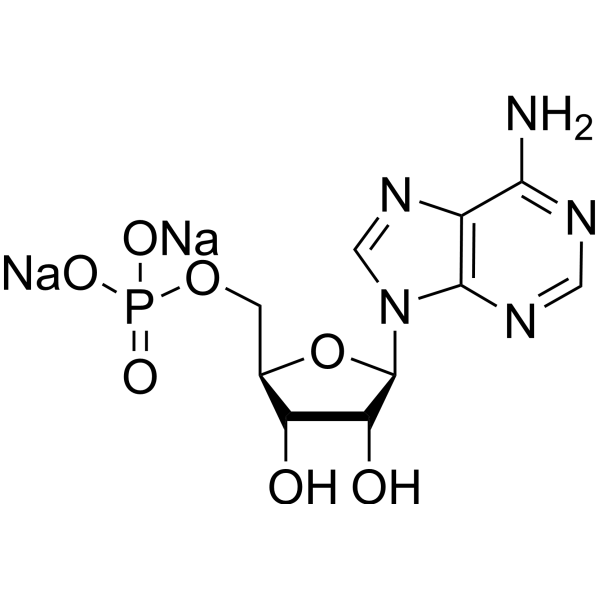
    Adenosine 5'-monophosphate disodium is an orally active purine nucleotide, and participates in ATP metabolism. Adenosine 5'-monophosphate disodium is also a ligand for adenosine 2B receptor. Adenosine 5'-monophosphate disodium can activate AMPK in skeletal muscle, and ameliorates insulin resistance and impaired glucose metabolism. Adenosine 5'-monophosphate disodium can be used for research of diabetes .
    Adenosine 5'-monophosphate disodium
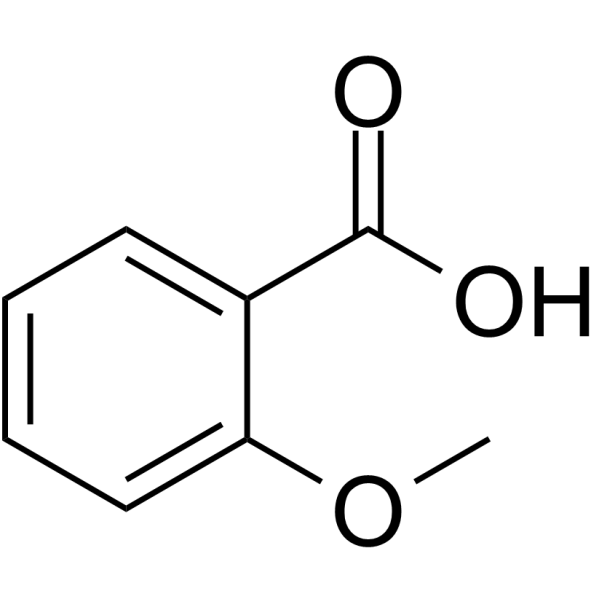
  • HY-N1393

    NSC 3778; O-Methylsalicylic acid; Salicylic acid methyl ether

    Carbonic Anhydrase Phospholipase Cardiovascular Disease
    2-Methoxybenzoic acid (NSC 3778; O-Methylsalicylic acid; Salicylic acid methyl ether) is a natural compound with potential salicylate-like effect. 2-Methoxybenzoic acid inhibits carbonic anhydrase activity, elevates intraplatelet cyclic guanosine monophosphate level, and suppresses cytosolic phospholipase A2 phosphorylation. 2-Methoxybenzoic acid suppresses platelet reactivity, including decreased spreading, retraction, and aggregation in platelets. 2-Methoxybenzoic acid ameliorates arterial thrombosis in a dose-dependent manner without affecting normal hemostasis in mice. 2-Methoxybenzoic acid can be used for the research of arterial thrombosis .
    2-Methoxybenzoic acid
  • HY-B1514
    Allantoic acid
    1 Publications Verification

    Endogenous Metabolite Others
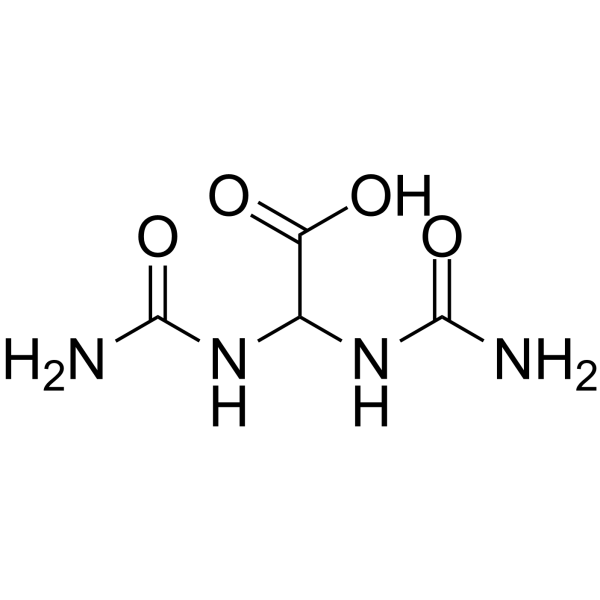
    Allantoic acid is a degradative product of uric acid and associated with purine metabolism .
    Allantoic acid
  • HY-N5134R

    5'-GMP (Standard); 5'-guanosine monophosphate (Standard)

    Reference Standards Endogenous Metabolite
    5'-Guanylic acid is a purine nucleotide that participates in physiological processes such as energy metabolism, signal transduction, and gene expression regulation. 5'-Guanylic acid regulates the expression of genes related to fatty acid metabolism. 5'-Guanylic acid is the weak agonist for ionotropic glutamate receptors (iGluR), reduces the activity of the glutamatergic system and exhibits neuroprotective effect. 5'-Guanylic acid also causes neuronal cell death at high concentrations .
    5'-Guanylic acid (Standard)
  • HY-P2048A
    MOTS-c(human) acetate
    1 Publications Verification

    AMPK GLUT Neurological Disease Metabolic Disease Inflammation/Immunology Endocrinology
    MOTS-c (human) acetate is a blood-brain barrier-penetrating, mitochondrial-derived peptide that modulates the AMPK/PGC-1α pathway to enhance insulin sensitivity. MOTS-c (human) acetate inhibits the folate cycle and de novo purine synthesis, increases AICAR levels to activate AMPK, and then regulates the Nrf2/Keap1 antioxidant pathway and inhibits the NF-κB inflammatory pathway, while promoting mitochondrial biogenesis and energy metabolism. MOTS-c (human) acetate has the effects of improving glucose and lipid metabolism, anti-oxidative stress, anti-inflammatory and neuroprotection, and can be used in the study of type 2 diabetes, traumatic brain injury, inflammatory diseases and aging-related metabolic disorders .
    MOTS-c(human) acetate
  • HY-P3016

    EC 2.6.1.1; GOT; AST

    Aminotransferases (Transaminases) Cardiovascular Disease
    Aspartate aminotransferase (EC 2.6.1.1), Genetically engineered bacteria is a metabolic regulator with the highest activity in the heart, liver and skeletal muscle. Aspartate aminotransferase, Genetically engineered bacteria comprises two isozymes: the cytoplasmic form (AST1) and the mitochondrial form (AST2). By catalyzing reversible transamination reactions between oxaloacetate, L-glutamate and other substances, it is deeply involved in key physiological processes such as amino acid metabolism, the tricarboxylic acid cycle and neurotransmitter synthesis. Aspartate aminotransferase, Genetically engineered bacteria also provides substrate support for the synthesis of urea and purines/pyrimidines. Aspartate aminotransferase, Genetically engineered bacteria is a serum marker reflecting cardiac and hepatic injury, and its abnormal levels are also closely associated with myocardial infarction, cardiovascular diseases and various cancers .
    Aspartate aminotransferase, Genetically engineered bacteria
  • HY-P2724

    PNP

    Endogenous Metabolite Metabolic Disease
    Purine nucleoside phosphorylase, Microorganism (PNP) is a key enzyme in purine metabolism, which is involved in the purine rescue pathway. The deficiency of Purine nucleoside phosphorylase resulted in impaired T cell function. In the presence of inorganic orthophosphate as the second substrate, Purine nucleoside phosphorylase catalyzes the breaking of the glycosidic bond between ribose and deoxyribonucleoside to generate purine base and ribose (deoxyribose) -1-phosphate .
    Purine nucleoside phosphorylase, Microorganism
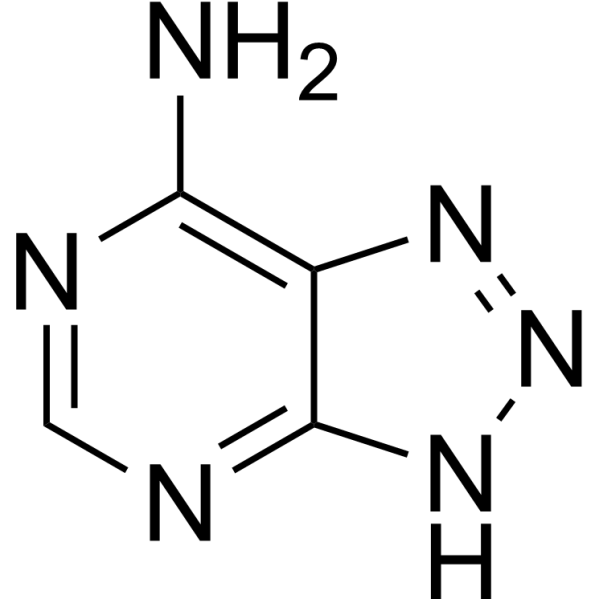
  • HY-W008550

    Xanthine Oxidase Metabolic Disease Cancer
    8-Azaadenine is an inhibitor of Xanthine Oxidase with an IC50 of 0.54 μM and a Ki of 0.66 μM. 8-Azaadenine can be produced via the metabolism of 8-Azaadenosine (HY-115686) and incorporated into polynucleotide chains together with 8-Azaguanine (HY-B1468) to affect purine metabolism. 8-Azaadenine can be used in the study of cancer .
    8-Azaadenine
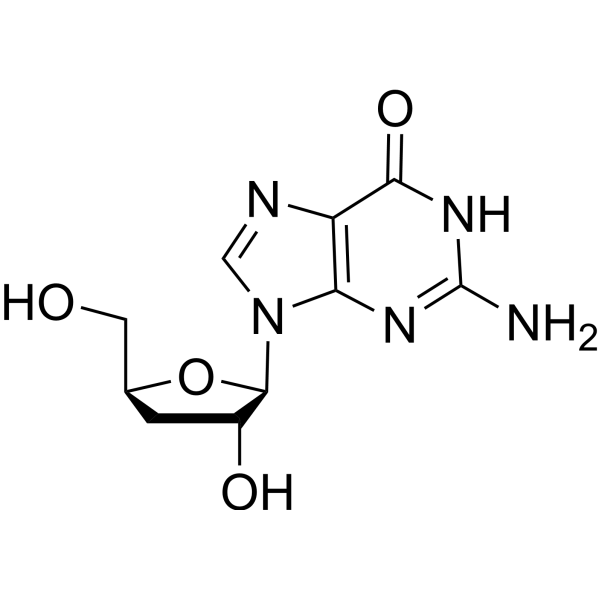
  • HY-W013330

    Guanosine, 3'-deoxy-

    Nucleoside Antimetabolite/Analog Drug Derivative Metabolic Disease
    3′-Deoxyguanosine (Guanosine, 3'-deoxy-) is a derivative of Guanosine (HY-N0097). 3′-Deoxyguanosine interacts with human purine nucleoside phosphorylase via hydrogen bonding with residues such as Glu201 and Asn243. 3′-Deoxyguanosine exhibits moderate displacement activity for [ 3H]-guanosine in rat meninges. 3′-Deoxyguanosine is useful for studying the mechanism of guanosine receptors and purine metabolism .
    3′-Deoxyguanosine
  • HY-W014993

    Drug Metabolite Endogenous Metabolite Others
    1,3-Dimethyluric acid is a product of theophylline metabolism in man. 1,3-Dimethyluric acid is one of the purine components in urinary calculi.
    1,3-Dimethyluric acid
  • HY-N11189

    Endogenous Metabolite Metabolic Disease
    α-D-Ribose-5-phosphate is an important intermediate metabolite in the pentose phosphate pathway and in the purine metabolism pathway .
    α-D-Ribose-5-phosphate
  • HY-128425A
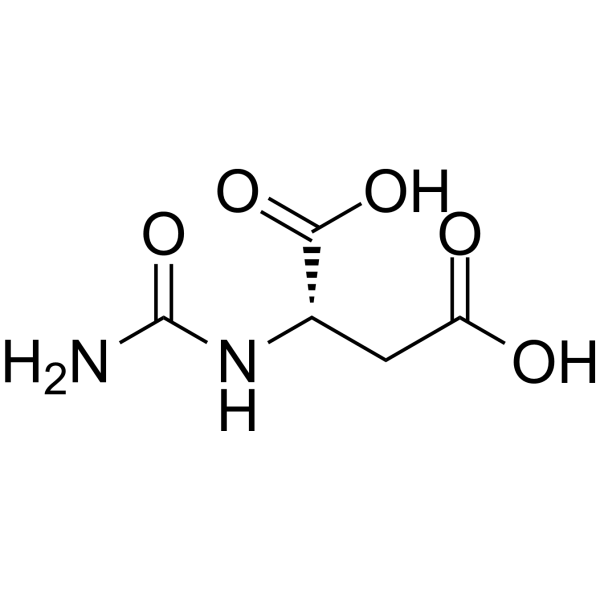
    N-Carbamoyl-L-aspartic acid
    1 Publications Verification

    L-Ureidosuccinic acid

    Fungal Infection
    N-Carbamoyl-L-aspartic acid (L-Ureidosuccinic acid) is an important pyrimidine metabolic precursor and intermediate metabolite. N-Carbamoyl-L-aspartic acid reverses the growth inhibition of Ura + strains induced by 2-thiouracil (with growth rate increasing linearly with its concentration), but fails to support the growth of uracil-requiring Ura - strains. N-Carbamoyl-L-aspartic acid inhibits the cell growth of *Saccharomyces cerevisiae* by suppressing the purine biosynthetic pathway at a pre-step of 5-aminoimidazole nucleotide synthesis. The growth inhibitory effect of N-Carbamoyl-L-aspartic acid on yeast can be alleviated by purines, and the sensitivity of strains is closely related to the activity level of dihydroorotase .
    N-Carbamoyl-L-aspartic acid
  • HY-B1514R

    Reference Standards Endogenous Metabolite Others
    Anagrelide (hydrochloride) (Standard) is the analytical standard of Anagrelide (hydrochloride). This product is intended for research and analytical applications. Anagrelide hydrochloride (BL4162A) is a potent inhibitor of phosphodiesterase type III (PDE3) (IC50=36 nM). Anagrelide hydrochloride, an imidazoquinazoline derivative, acts as an inhibitor of platelet aggregation. Anagrelide hydrochloride inhibits bone marrow megakaryocytopoiesis. Anagrelide hydrochloride decreases gastrointestinal stromal tumor (GIST) cell proliferation and promotes their apoptosis in vitro. Anagrelide hydrochloride is a platelet-lowering agent and plays in the antithrombopoietic action .
    Allantoic acid (Standard)
  • HY-W770183

    Isotope-Labeled Compounds Others
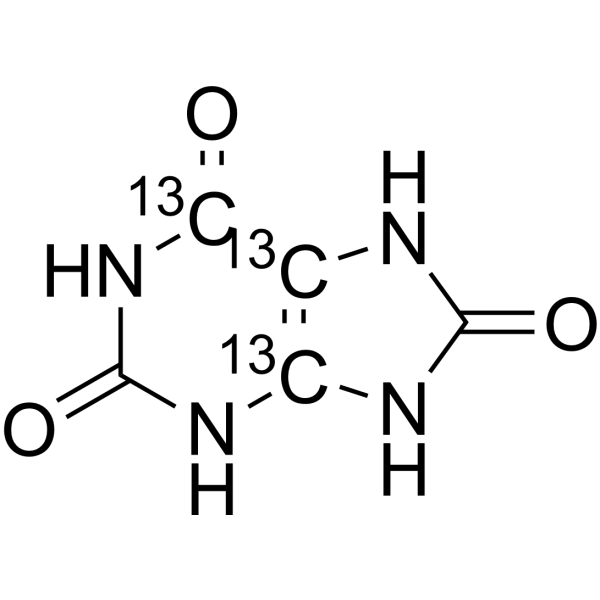
    Uric acid- 13C3 is 13C-labeled Uric acid (HY-B2130). Uric acid is the end product of purine metabolism in the human body. Uric acid can scavenge reactive oxygen species (ROS), such as singlet oxygen and peroxynitrite, and inhibit lipid peroxidation.
    Uric acid-13C3
  • HY-W749117

    Endogenous Metabolite Metabolic Disease
    Inosine 5’-diphosphate sodium is a purine ribonucleoside 5’-diphosphate with inosine as the nucleobase, which can participate in intracellular energy metabolism and signal transduction processes .
    Inosine 5′-diphosphate sodium
  • HY-W011012S

    Isotope-Labeled Compounds Others
    Adenosine 5'-monophosphate- 13C (disodium) is a 13C-labeled Adenosine 5'-monophosphate (HY-W011012). Adenosine 5'-monophosphate disodium is an orally active purine nucleotide, and participates in ATP metabolism. Adenosine 5'-monophosphate disodium is also a ligand for adenosine 2B receptor. Adenosine 5'-monophosphate disodium can activate AMPK in skeletal muscle, and ameliorates insulin resistance and impaired glucose metabolism. Adenosine 5'-monophosphate disodium can be used for research of diabetes .
    Adenosine 5'-monophosphate-13C disodium
  • HY-P2724A

    PNP, Bacillus sp.

    Endogenous Metabolite Metabolic Disease
    Purine nucleoside phosphorylase, Bacillus sp. is a key enzyme in purine metabolism, involved in the purine salvage pathway. A deficiency in Purine nucleoside phosphorylase, Bacillus sp. can lead to impaired T-cell function. In the presence of inorganic phosphate as a second substrate, Purine nucleoside phosphorylase, Bacillus sp. catalyzes the cleavage of the glycosidic bond of ribonucleosides and deoxyribonucleosides, producing purine bases and ribose (or deoxyribose)-1-phosphate. Purine nucleoside phosphorylase, Bacillus sp. can be used for the determination of inorganic phosphate .
    Purine nucleoside phosphorylase, Bacillus sp.
  • HY-P3016B

    EC 2.6.1.1, Human liver; GOT, Human liver; AST, Human liver

    Aminotransferases (Transaminases) Cardiovascular Disease
    Aspartate aminotransferase (EC 2.6.1.1), Human liver is a metabolic regulator with the highest activity in the heart, liver and skeletal muscle. Aspartate aminotransferase, Human liver comprises two isozymes: the cytoplasmic form (AST1) and the mitochondrial form (AST2). By catalyzing reversible transamination reactions between oxaloacetate, L-glutamate and other substances, it is deeply involved in key physiological processes such as amino acid metabolism, the tricarboxylic acid cycle and neurotransmitter synthesis. Aspartate aminotransferase, Human liver also provides substrate support for the synthesis of urea and purines/pyrimidines. Aspartate aminotransferase, Human liver is a serum marker reflecting cardiac and hepatic injury, and its abnormal levels are also closely associated with myocardial infarction, cardiovascular diseases and various cancers .
    Aspartate aminotransferase, Human liver
  • HY-134529

    Ribose 1-phosphate

    Endogenous Metabolite Others
    D-Ribofuranose 1-dihydrogenphosphate (Ribose 1-phosphate) dicyclohexanamine is a pentose phosphate and serves as a key intermediate metabolite in the salvage synthesis pathway of purine and pyrimidine nucleotides. In nucleotide salvage synthesis, D-Ribofuranose 1-dihydrogenphosphate dicyclohexanamine directly "transfers" the ribosyl group from purine nucleosides to pyrimidine bases, acting as a hub molecule linking nucleoside/base metabolism with pentose phosphate metabolism .
    D-Ribofuranose1-dihydrogenphosphate
  • HY-W158234

    Parasite Infection
    N-Methylbenzo[d]oxazol-2-amine (compound 1) is an anthelmintic activity and lower cytotoxicity against T. spiralis adult worm. N-Methylbenzo[d]oxazol-2-amine up-regulates the metabolism of purine, pyrimidine and down-regulates sphingolipid metabolism .
    N-Methylbenzo[d]oxazol-2-amine
  • HY-W040055A

    L-erythro-Neopterin

    mAChR Neurological Disease Metabolic Disease
    L-(-)-Neopterin (L-erythro-Neopterin) is a cholinergic receptor that acts as a competitive antagonist, countering the inhibitory effects of pteridine diuretics on the growth of Crithidia fasciculata. L-(-)-Neopterin can be used in research related to the nervous system and purine metabolism .
    L-(-)-Neopterin
  • HY-W014993R

    Drug Metabolite Reference Standards Endogenous Metabolite Others
    1,3-Dimethyluric acid (Standard) is the analytical standard of 1,3-Dimethyluric acid. This product is intended for research and analytical applications. 1,3-Dimethyluric acid is a product of theophylline metabolism in man. 1,3-Dimethyluric acid is one of the purine components in urinary calculi.
    1,3-Dimethyluric acid (Standard)
  • HY-W014993S1

    Endogenous Metabolite Drug Metabolite Isotope-Labeled Compounds Others
    1,3-Dimethyluric acid-d3 is deuterated labeled 1,3-Dimethyluric acid (HY-W014993). 1,3-Dimethyluric acid is a product of theophylline metabolism in man. 1,3-Dimethyluric acid is one of the purine components in urinary calculi.
    1,3-Dimethyluric acid-d3
  • HY-W014993S

    Endogenous Metabolite Others
    1,3-Dimethyluric acid- 13C4, 15N3 is the 13C-labeled and 15N-labeled 1,3-Dimethyluric acid. 1,3-Dimethyluric acid is a product of theophylline metabolism in man. 1,3-Dimethyluric acid is one of the purine components in urinary calculi.
    1,3-Dimethyluric acid-13C4,15N3
  • HY-W011012R

    Reference Standards Adenosine Receptor Metabolic Disease
    Adenosine 5'-monophosphate (disodium) (Standard) is the analytical standard of Adenosine 5'-monophosphate (disodium). This product is intended for research and analytical applications. Adenosine 5'-monophosphate disodium is an orally active purine nucleotide, and participates in ATP metabolism. Adenosine 5'-monophosphate disodium is also a ligand for adenosine 2B receptor. Adenosine 5'-monophosphate disodium can activate AMPK in skeletal muscle, and ameliorates insulin resistance and impaired glucose metabolism. Adenosine 5'-monophosphate disodium can be used for research of diabetes .
    Adenosine 5'-monophosphate disodium (Standard)
  • HY-W011012S1

    Isotope-Labeled Compounds Others
    Adenosine 5'-monophosphate-d2 disodium is the deuterium labeled Adenosine 5'-monophosphate (HY-W011012). Adenosine 5'-monophosphate disodium is an orally active purine nucleotide, and participates in ATP metabolism. Adenosine 5'-monophosphate disodium is also a ligand for adenosine 2B receptor. Adenosine 5'-monophosphate disodium can activate AMPK in skeletal muscle, and ameliorates insulin resistance and impaired glucose metabolism. Adenosine 5'-monophosphate disodium can be used for research of diabetes .
    Adenosine 5'-monophosphate-d2 disodium
  • HY-135359R

    Drug Metabolite Reference Standards Neurological Disease
    Adenosine 5'-monophosphate (disodium) (Standard) is the analytical standard of Adenosine 5'-monophosphate (disodium). This product is intended for research and analytical applications. Adenosine 5'-monophosphate disodium is an orally active purine nucleotide, and participates in ATP metabolism. Adenosine 5'-monophosphate disodium is also a ligand for adenosine 2B receptor. Adenosine 5'-monophosphate disodium can activate AMPK in skeletal muscle, and ameliorates insulin resistance and impaired glucose metabolism. Adenosine 5'-monophosphate disodium can be used for research of diabetes .
    RP 48497 (Standard)
  • HY-P3241A

    Endogenous Metabolite Metabolic Disease
    Nucleoside Phosphorylase, bacterial (EC 2.4.2.1), is a pentosesyltransferase. Nucleoside Phosphorylase participates in three metabolic pathways: purine metabolism, pyrimidine metabolism, and nicotinic acid and nicotinamide metabolism. Its two substrates are purine nucleosides and phosphates, and its two products are purines and α-D-ribose-1-phosphate.
    Nucleoside Phosphorylase, bacterial
  • HY-W990361

    Nucleoside Antimetabolite/Analog Metabolic Disease
    (S)-Ureidoglycolic acid is a substrate of enzyme ureidoglycolate dehydrogenase in a purine metabolism pathway and belongs to the class of n-carbomoyl-α-amino acids .
    (S)-Ureidoglycolic acid
  • HY-E70946

    Endogenous Metabolite Metabolic Disease
    Adenosine-5'-triphosphate Sulfurylase, Saccharomyces cerevisiae (EC 2.7.7.4) belongs to the transferase family. Its two substrates are ATP and sulfate, and its two products are diphosphate and adenosine sulfate. Adenosine-5'-triphosphate Sulfurylase, Saccharomyces cerevisiae participates in three metabolic pathways: purine metabolism, selenoamino acid metabolism, and sulfur metabolism.
    Adenosine-5'-triphosphate Sulfurylase, Saccharomyces cerevisiae
  • HY-W720429

    Drug Metabolite Metabolic Disease
    2,5-Diamino-6-hydroxy-4-(5-phosphoribosylamino)pyrimidine is a metabolite in the biosynthesis pathway (purine metabolism process) of Riboflavin (HY-B0456) .
    2,5-Diamino-6-hydroxy-4-(5-phosphoribosylamino)pyrimidine
  • HY-P2865A

    Guanylate Cyclase Metabolic Disease
    Guanylate Kinase, Porcine (EC 2.7.4.8), is an enzyme that transfers phosphorus-containing groups (phosphotransferases) using phosphate groups as acceptors. Guanylate Kinase is involved in purine metabolism. Its two substrates are ATP and GMP, and its two products are ADP and GDP.
    Guanylate Kinase, Porcine
  • HY-E70923

    Biochemical Assay Reagents Metabolic Disease
    Xanthine dehydrogenase, Microorganism (EC 1.17.1.4) belongs to the molybdenum-containing hydroxylase family and participates in the oxidative metabolism of purines. Xanthine dehydrogenase, Microorganism (EC 1.17.1.4) is a homodimer and can be converted into xanthine oxidase through reversible thiol oxidation or irreversible proteolytic modification.
    Xanthine dehydrogenase, Microorganism
  • HY-P3016C

    EC 2.6.1.1, Human (HEK293); GOT, Human (HEK293); AST, Human (HEK293)

    Aminotransferases (Transaminases) Cardiovascular Disease
    Aspartate aminotransferase (EC 2.6.1.1), Human (HEK293) is a metabolic regulator with the highest activity in the heart, liver and skeletal muscle. Aspartate aminotransferase, Human (HEK293) comprises two isozymes: the cytoplasmic form (AST1) and the mitochondrial form (AST2). By catalyzing reversible transamination reactions between oxaloacetate, L-glutamate and other substances, it is deeply involved in key physiological processes such as amino acid metabolism, the tricarboxylic acid cycle and neurotransmitter synthesis. Aspartate aminotransferase, Human (HEK293) also provides substrate support for the synthesis of urea and purines/pyrimidines. Aspartate aminotransferase, Human (HEK293) is a serum marker reflecting cardiac and hepatic injury, and its abnormal levels are also closely associated with myocardial infarction, cardiovascular diseases and various cancers .
    Aspartate aminotransferase, Human (HEK293)

Inquiry Online

Your information is safe with us. * Required Fields.

Salutation


Country or Region *

Applicant Name *


Organization Name *

Department *


Email Address *


Product Name *

Cat. No.


Requested quantity *

Phone Number *


Remarks

Inquiry Online

Inquiry Information

Product Name:
Cat. No.:
Quantity:
MCE Japan Authorized Agent:

