

Search Result
Results for "
short-term
" in MedChemExpress (MCE) Product Catalog:
2
Biochemical Assay Reagents
7
Isotope-Labeled Compounds
| Cat. No. |
Nombre del producto |
Target |
Áreas de investigación |
Chemical Structure |
-
- HY-D1005A22
-
|
PEG-PPG-PEG, 14600 (Average)
|
Environmental Pollutants
Biochemical Assay Reagents
|
Others
|
|
Poloxamer 338 F108 is block polymer of polyoxyethylene and polyoxypropylene with average molecular mass of 14600. Poloxamer 338 F108 reduces the aggregation of red blood cells, inhibits proliferation of human lymphocyte cell IIBR1. Poloxamer 338 F108 exhibits short-term and subchronic toxicity in rats .
|
-
-
- HY-14369
-
-
-
- HY-N7091
-
|
|
Environmental Pollutants
Herbicide
|
Metabolic Disease
Cancer
|
|
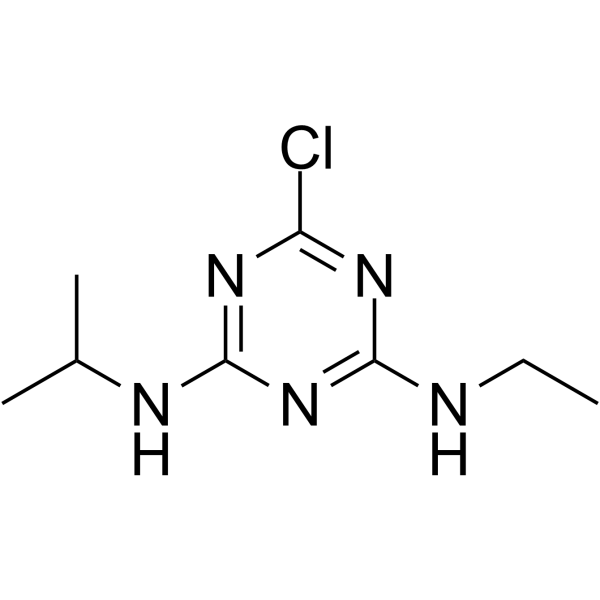
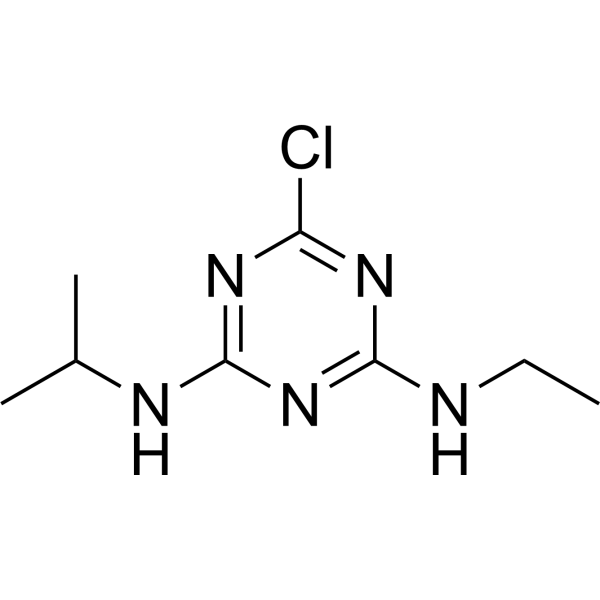
Atrazine, a triazine herbicide, is principally used for control of certain annual broadleaf and grass weeds. Atrazine inhibits photophosphorylation but typically does not result in lethality or permanent cell damage in the short term .
|
-
-
- HY-14789
-
-
-
- HY-D1005A10
-
|
PEG-PPG-PEG, 2900 (Average)
|
Environmental Pollutants
Biochemical Assay Reagents
Bacterial
P-glycoprotein
|
Infection
Inflammation/Immunology
|
|
Poloxamer 184 L64 is a block copolymer of polyethylene oxide and polypropylene oxide with an average molecular weight of 2900. Poloxamer has the ability to inhibit P-gp. Poloxamer 184 exhibits short-term skin toxicity, characterized by mild erythema and intradermal inflammatory reactions. Poloxamer 184 has antimicrobial activity, inhibiting 60% of Mycobacterium avium at a concentration of 1 mg/mL. Poloxamer 184 forms a thermoreversible hydrogel and is used as a food additive and as a drug delivery carrier in cosmetics and tissue engineering .
|
-
-
- HY-B0321
-
|
Ro 1-7683
|
mAChR
|
Neurological Disease
|
|
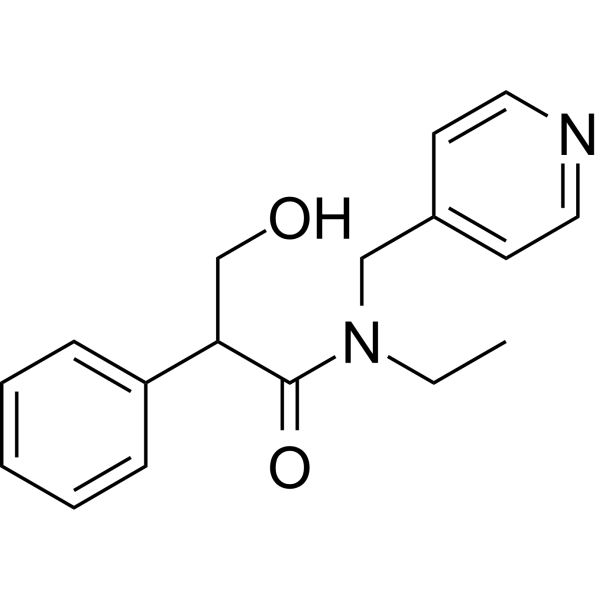
Tropicamide (Ro 1-7683) is a selective M4 muscarinic acetylcholine receptor antagonist. When used as an eye drop, Tropicamide causes short-term mydriasis (pupil dilation) and cycloplegia. Tropicamide can be used in the research of neurological diseases, such as epilepsy .
|
-
-
- HY-14263
-
|
Propericiazine; RP 8909
|
Dopamine Receptor
|
Neurological Disease
|
|
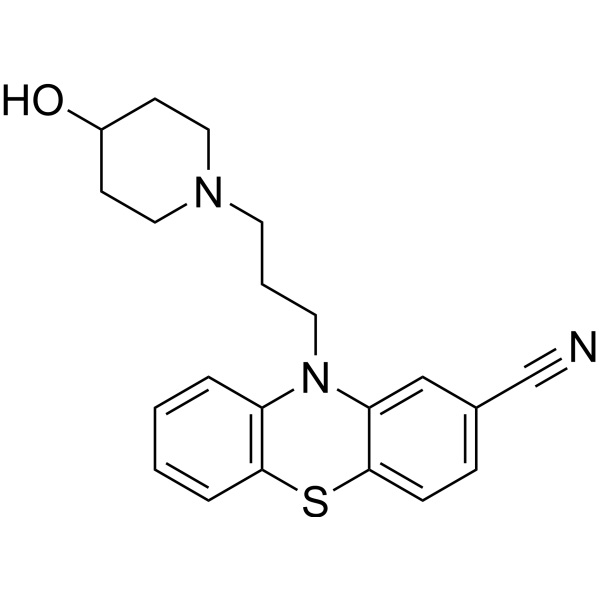
Pericyazine (Propericiazine) is a first-generation antipsychotic agent that is used as an adjunct to the short-term management of severe anxiety states and psychosis . Pericyazine is a selective D2-dopamine receptor antagonist . Pericyazine has adrenolytic, anticholinergic, and extrapyramidal effects .
|
-
-
- HY-113075
-
-
-
- HY-17428
-
|
|
Histamine Receptor
|
Neurological Disease
Inflammation/Immunology
|
|
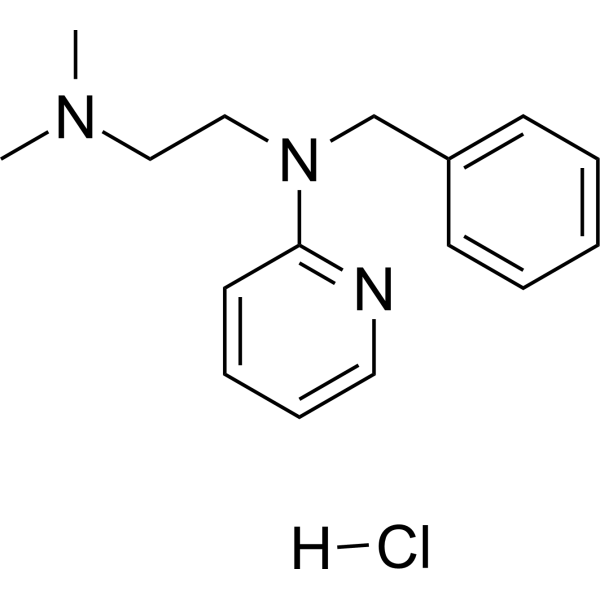
Tripelennamine hydrochloride is a histamine H1-receptor antagonist. Tripelennamine hydrochloride effectively reverses histamine-induced bronchoconstriction, increased transpulmonary pressure, elevated pulmonary vascular resistance and reduced dynamic compliance. Tripelennamine hydrochloride does not significantly affect arterial hypoxemia, hemoglobin desaturation and hypercapnia in horses undergoing short-term high-intensity exercise. Tripelennamine hydrochloride exhibits local and central analgesic activity. Tripelennamine hydrochloride can be used in studies related to emphysema, urticaria and acute laminitis .
|
-
-
- HY-N7091S2
-
|
|
Isotope-Labeled Compounds
|
Metabolic Disease
|
|
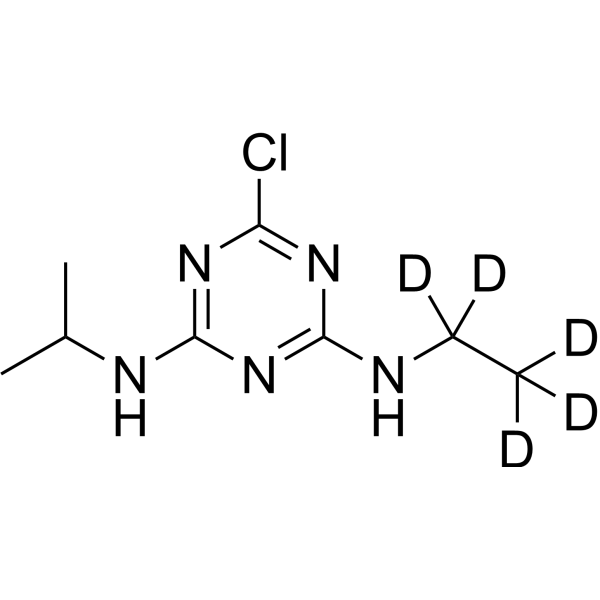
Atrazine-d5 is deuterium labeled Atrazine. Atrazine is principally used for control of certain annual broadleaf and grass weeds. Atrazine inhibits photophosphorylation but typically does not result in lethality or permanent cell damage in the short term .
|
-
-
- HY-134611
-
|
β-hydroxyethoxyacetic acid; HEAA
|
Drug Metabolite
|
Others
|
|
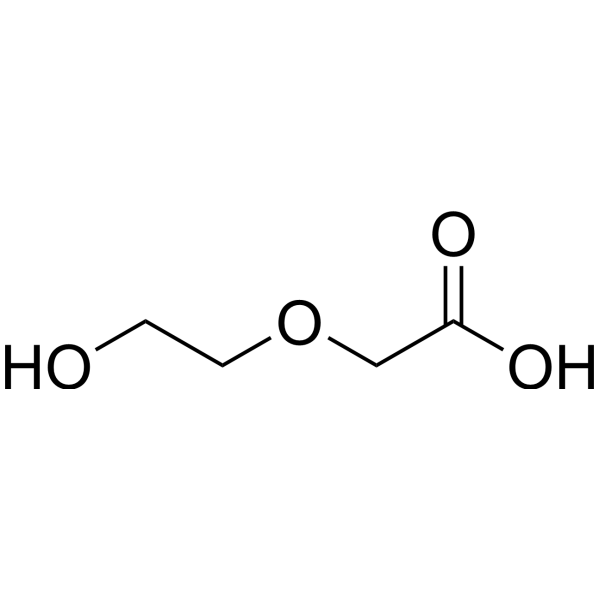
(2-Hydroxyethoxy)acetic acid (β-hydroxyethoxyacetic acid) is the main urinary metabolite of 1,4-Dioxane. (2-Hydroxyethoxy)acetic acid is a reliable and sensitive shortterm biomarker in urine .
|
-
-
- HY-N7099
-
-
-
- HY-N7091R
-
|
|
Herbicide
Reference Standards
|
Metabolic Disease
|
|
Atrazine (Standard) is the analytical standard of Atrazine. This product is intended for research and analytical applications. Atrazine is principally used for control of certain annual broadleaf and grass weeds. Atrazine inhibits photophosphorylation but typically does not result in lethality or permanent cell damage in the short term .
|
-
-
- HY-A0259
-
|
|
COX
|
Inflammation/Immunology
|
|
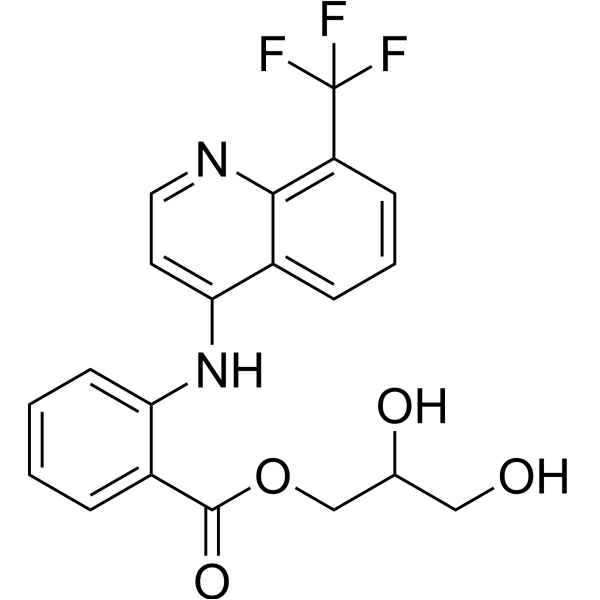
Floctafenine, a nonsteroidal anti-inflammatory agent (NSAID), acts as an effective analgesic agent . Floctafenine is an inhibitor of COX-1 and COX-2 activities in vitro,showing a slightly higher potency towards COX-I. Floctafenine is used for the research of short term pain research .
|
-
-
- HY-112828
-
|
|
DAGL
|
Neurological Disease
Metabolic Disease
Inflammation/Immunology
|
|
LEI105 is a potent, highly selective and reversible dual diacylglycerol lipase (DAGL)-α/DAGL-β inhibitor. LEI105 reduces 2-arachidonoylglycerol levels in Neuro2A cells. LEI105 also reduces cannabinoid CB1-receptor-mediated short-term synaptic plasticity in a mouse hippocampal slice model. LEI105 is promising for research of diseases, such as obesity, related metabolic disorders and neuroinflammation .
|
-
-
- HY-13976A
-
|
|
Drug Derivative
|
Neurological Disease
|
|
PRL-8-53 is an orally active, blood-brain barrier-permeable benzoate derivative with potent spasmolytic activity and central nervous system regulatory activity. PRL-8-53 acts on dopamine, serotonin and cholinergic-related targets, enhances dopamine activity, partially inhibits serotonin function and elicits cholinergic responses, thereby maintaining neurotransmitter balance in the central nervous system. PRL-8-53 improves learning ability, short-term memory and long-term memory in animals. PRL-8-53 can be used in central nervous system-related research .
|
-
-
- HY-120253
-
|
BY-108330
|
Environmental Pollutants
Insecticide
SOD
Glutathione Peroxidase
Carboxylesterase (CES)
|
Infection
Metabolic Disease
|
|
Spirotetramat (BY-108330) is an orally active Insecticide and lipid biosynthesis inhibitor. Spirotetramat regulates the activities of superoxide dismutase (SOD) and glutathione peroxidase (GSH-Px), with short-term exposure increasing their activities and long-term exposure altering their activities. Spirotetramat induces the activity and mRNA expression of carboxylesterase (CarE). Spirotetramat induces oxidative stress and lipid peroxidation in tadpoles. Spirotetramat is toxic to amphibian tadpoles and exhibits sublethal/non-lethal toxicity to amphibians. Spirotetramat causes death in immature psyllids, aphids, scale insects, mealybugs, whiteflies and thrips, and shows a high lethal rate against Cacopsylla pyri nymphs. Spirotetramat reduces the fecundity of Aphis gossypii. Spirotetramat induces tolerance in the offspring of exposed Aphis gossypii, and acts on Myzus persicae, Bemisia tabaci and Tetranychus urticae .
|
-
-
- HY-119602
-
-
-
- HY-165632
-
|
CEE
|
Toll-like Receptor (TLR)
|
Metabolic Disease
|
|
Creatine ethyl ester (CEE) is a readily available form of creatine used in supplements. Creatine ethyl ester (CEE) upregulates TLRs (TLR2, 3, 4 and TLR7) over the short-term .
|
-
-
- HY-B0718
-
|
DA-759
|
Potassium Channel
|
Neurological Disease
|
|
Methoxyflurane disrupts neuronal transmission by interfering with the release and re-uptake of neurotransmitters at post-synaptic terminals, or altering ionic conductance following receptor activation . Methoxyflurane is an analgesic agent that provides rapid short-term analgesia. Methoxyflurane may shows a effective non-opioid treatment option for trauma pain .
|
-
-
- HY-145577A
-
|
|
Monoamine Transporter
|
Neurological Disease
|
|
Lafadofensine D-(-)-Mandelic acid is the monoamines reuptake inhibitor. Lafadofensine D-(-)-Mandelic acid has sufficient effects after short-term administration .
|
-
-
- HY-145577
-
|
|
Monoamine Oxidase
|
Neurological Disease
|
|
Lafadofensine is the monoamines reuptake inhibitor. Lafadofensine has th sufficient effects after short-term administration (extracted from patent WO2006121218A1, compound 1) .
|
-
-
- HY-113075S
-
-
-
- HY-103276
-
-
-
- HY-N9911
-
|
|
Others
|
Metabolic Disease
|
|
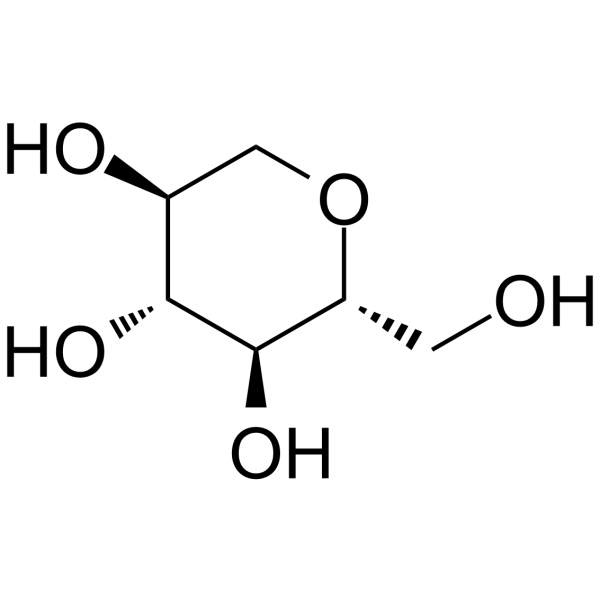
1,5-Anhydro-D-mannitol is the analogue of 1,5-Anhydrosorbitol (HY-113075), and can be used as an experimental control. 1,5-Anhydrosorbitol is a short-term marker for glycemic control.
|
-
-
- HY-N7099R
-
|
Q-lure (Standard)
|
Insecticide
Reference Standards
|
Others
|
|
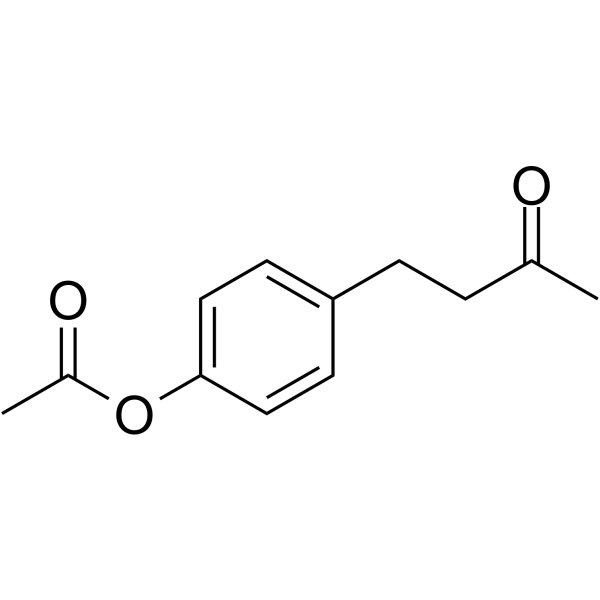
Cue-lure (Standard) is the analytical standard of Cue-lure (HY-N7099). This product is intended for research and analytical applications. Cue-lure (Q-lure) is a melon fly attractant. Cue-lure provides a short-term mating advantage to male Bactrocera cucurbitae .
|
-
-
- HY-W768181
-
-
-
- HY-14789R
-
|
NBI-56418 (Standard)
|
GnRH Receptor
Nuclear Factor of activated T Cells (NFAT)
Reference Standards
|
Endocrinology
Cancer
|
|
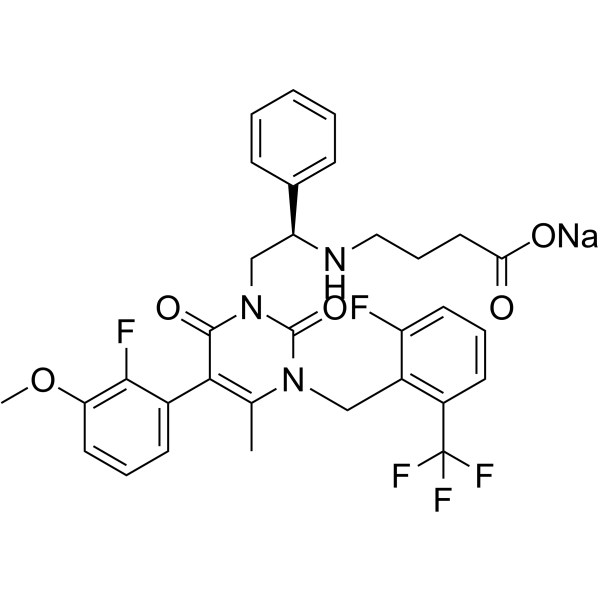
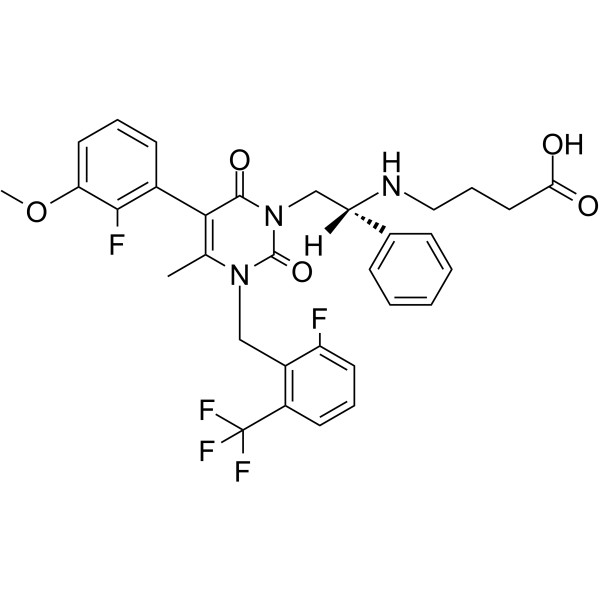
(R)-Elagolix (Standard) is the analytical standard of (R)-Elagolix. This product is intended for research and analytical applications. Elagolix is a highly effective, selective, oral-active, short-term, non-peptide gonadotropin-releasing hormone receptor (GnRH receptor) antagonist (KD = 54 pM) and NFAT inhibitor, which can be used to study pain related to endometriosis. .
|
-
-
- HY-14263R
-
|
Propericiazine (Standard); RP 8909 (Standard)
|
Dopamine Receptor
Reference Standards
|
Neurological Disease
|
|
Pericyazine (Standard) is the analytical standard of Pericyazine. This product is intended for research and analytical applications. Pericyazine (Propericiazine) is a first-generation antipsychotic agent that is used as an adjunct to the short-term management of severe anxiety states and psychosis . Pericyazine is a selective D2-dopamine receptor antagonist . Pericyazine has adrenolytic, anticholinergic, and extrapyramidal effects .
|
-
-
- HY-W751574
-
-
-
- HY-155992
-
|
|
Sigma Receptor
|
Neurological Disease
|
|
WLB-89462 (Compound 20c) is a selective σ2 receptor ligand (Ki: 13 nM). WLB-89462 has neuroprotective activity. WLB-89462 improves short-term memory impairment induced by Aβ peptide in rats. WLB-89462 has good ADMET profile (good solubility, no CYP inhibition, good metabolic stability, high permeability, brain penetration, and high oral exposure in rodents) .
|
-
-
- HY-115893A
-
|
|
CDK
|
Cancer
|
|
P18IN005 hydrochloride is a novel inhibitor of p18, exhibiting potent activity in negatively regulating haematopoietic stem cell (HSC) self-renewal. P18IN005 hydrochloride has been shown to be more effective than p27 in inhibiting HSC self-renewal in mouse models. P18IN005 hydrochloride promotes the expansion of functional HSCs in short-term cultures. P18IN005 hydrochloride serves as a valuable tool for dissecting the signaling pathways involved in stem cell self-renewal.
|
-
-
- HY-17428A
-
|
|
Histamine Receptor
|
Neurological Disease
Inflammation/Immunology
|
|
Tripelennamine is a histamine H1-receptor antagonist. Tripelennamine effectively reverses histamine-induced bronchoconstriction, increased transpulmonary pressure, elevated pulmonary vascular resistance and reduced dynamic compliance. Tripelennamine does not significantly affect arterial hypoxemia, hemoglobin desaturation and hypercapnia in horses undergoing short-term high-intensity exercise. Tripelennamine exhibits local and central analgesic activity. Tripelennamine can be used in studies related to emphysema, urticaria and acute laminitis .
|
-
-
- HY-17428B
-
|
|
Histamine Receptor
|
Neurological Disease
Inflammation/Immunology
|
|
Tripelennamine citrate is a histamine H1-receptor antagonist. Tripelennamine citrate effectively reverses histamine-induced bronchoconstriction, increased transpulmonary pressure, elevated pulmonary vascular resistance and reduced dynamic compliance. Tripelennamine citrate does not significantly affect arterial hypoxemia, hemoglobin desaturation and hypercapnia in horses undergoing short-term high-intensity exercise. Tripelennamine citrate exhibits local and central analgesic activity. Tripelennamine citrate can be used in studies related to emphysema, urticaria and acute laminitis .
|
-
-
- HY-17428R
-
|
|
Reference Standards
Histamine Receptor
|
Neurological Disease
Inflammation/Immunology
|
|
Tripelennamine hydrochloride (Standard) is the analytical standard of Tripelennamine hydrochloride (HY-17428). This product is intended for research and analytical applications. Tripelennamine hydrochloride is a histamine H1-receptor antagonist. Tripelennamine hydrochloride effectively reverses histamine-induced bronchoconstriction, increased transpulmonary pressure, elevated pulmonary vascular resistance and reduced dynamic compliance. Tripelennamine hydrochloride does not significantly affect arterial hypoxemia, hemoglobin desaturation and hypercapnia in horses undergoing short-term high-intensity exercise. Tripelennamine hydrochloride exhibits local and central analgesic activity. Tripelennamine hydrochloride can be used in studies related to emphysema, urticaria and acute laminitis .
|
-
-
- HY-129103
-
|
|
Dopamine Receptor
|
Neurological Disease
|
|
A-412997 is a selective Dopamine D4 agonist with Ki values of 12 and 7.9 nM for the rat and human receptors. A-412997 improves short term memory and cognitive properties in rodent models .
|
-
-
- HY-N7091S
-
|
|
Isotope-Labeled Compounds
|
Metabolic Disease
|
|
Atrazine- 15N is the 15N-labeled Atrazine. Atrazine is principally used for control of certain annual broadleaf and grass weeds. Atrazine inhibits photophosphorylation but typically does not result in lethality or permanent cell damage in the short term .
|
-
-
- HY-N7091S1
-
|
|
Isotope-Labeled Compounds
|
Metabolic Disease
|
|
Atrazine- 13C3, 15N3 is the 13C-labeled and 15N-labeled Atrazine. Atrazine is principally used for control of certain annual broadleaf and grass weeds. Atrazine inhibits photophosphorylation but typically does not result in lethality or permanent cell damage in the short term .
|
-
-
- HY-113075R
-
|
1,5-Anhydro-D-glucitol (Standard)
|
Endogenous Metabolite
Reference Standards
|
Metabolic Disease
|
|
1,5-Anhydrosorbitol (Standard) is the analytical standard of 1,5-Anhydrosorbitol. This product is intended for research and analytical applications. 1,5-Anhydrosorbitol is a short-term marker for glycemic control.
|
-
-
- HY-116488
-
|
|
nAChR
|
Neurological Disease
|
|
IND8 is a α7 nAChR activator and cognitive enhancer. IND8 mediates cognitive enhancement by activating α7 nAChR . IND8 improves spatial working memory, episodic short-term memory and spatial long-term memory in amnesic mice induced by Scopolamine (HY-N0296). IND8 improves memory function in mice with delayed natural memory decline. IND8 can be used in research related to Alzheimer's disease .
|
-
-
- HY-115633S
-
-
-
- HY-181865
-
|
|
Cholinesterase (ChE)
Drug Intermediate
|
Neurological Disease
|
|
BuChE-IN-22 is a pseudo-irreversible butyrylcholinesterase (BuChE) inhibitor, with IC50 values of 4 nM and 157 nM against hBuChE and hAChE, respectively. It also acts as a prodrug of 7-hydroxysertraline. BuChE-IN-22 releases 7-hydroxysertraline during BuChE inhibition. BuChE-IN-22 completely reverses Aβ25-35-induced short-term and long-term memory impairments in a mouse model of Alzheimer's disease. BuChE-IN-22 can be used in research related to Alzheimer's disease .
|
-
-
- HY-181009
-
|
|
HDAC
Apoptosis
Autophagy
|
Cancer
|
|
HDAC-IN-98 is a HDAC1, HDAC2, HDAC3 inhibitor (one of the most selective class I HDAC inhibitors) with human IC50 values of 41.2 nM, 52.5 nM, and 74.3 nM respectively. HDAC-IN-98 induces H3K9 acetylation, p21 upregulation, G2/M arrest, cell apoptosis, has strong antiproliferative effects in colorectal cancer cells, low toxicity in healthy colon epithelium, modulates short-term in vitro effects via autophagy, and shows strong antitumor efficacy in vivo in the chorioallantoic membrane model (CAM) assay. HDAC-IN-98 can be used for the research of colorectal cancer .
|
-
-
- HY-P0267A
-
|
|
Melanocortin Receptor
|
Neurological Disease
Metabolic Disease
Endocrinology
|
|
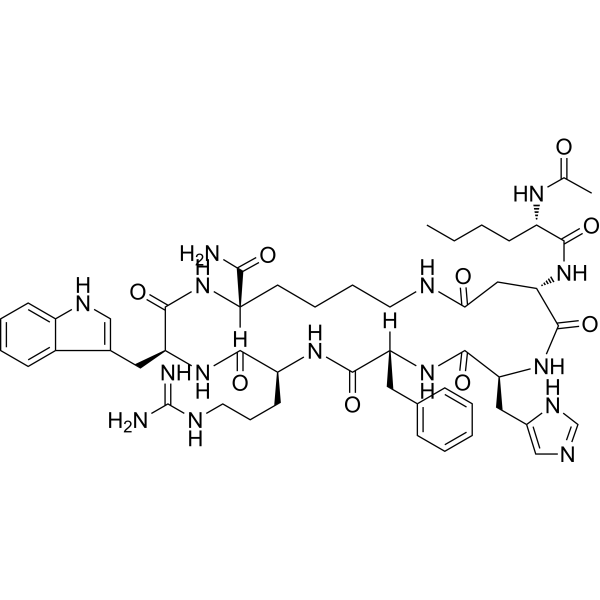
Melanotan (MT)-II acetate is a melanocortin receptor agonist that crosses the blood-brain barrier. Melanotan (MT)-II acetate activates melanocortin receptor 3 and melanocortin receptor 4, and stimulates the release of central endogenous oxytocin. Melanotan (MT)-II acetate reverses recognition memory impairment, increased anxiety levels and reduced exploratory tendency in zebrafish exposed to short-term high-fat diet. Melanotan (MT)-II acetate improves impaired social behavior indicators in mouse models of autism spectrum disorder. Melanotan (MT)-II acetate induces weight loss, reduces food intake and exerts anorectic effects. Melanotan (MT)-II acetate increases intracavernous pressure and erectile activity in brown rats. Melanotan (MT)-II acetate can be used in studies related to memory impairment, anxiety, reduced exploratory behavior, autism spectrum disorder, obesity and erectile dysfunction .
|
-
-
- HY-181472
-
|
|
Aryl Hydrocarbon Receptor
Interleukin Related
|
Inflammation/Immunology
|
|
10 (11)-Cl-BBQ is a high-affinity aryl hydrocarbon receptor (AhR) agonist. 10 (11)-Cl-BBQ is a mixture of 10-Cl-BBQ and 11-Cl-BBQ, among which 11-Cl-BBQ exhibits higher AhR activation potency than 10-Cl-BBQ. Low-dose/short-term AhR activation by 10 (11)-Cl-BBQ promotes IL-17 production, while high-dose/sustained activation induces regulatory T cells and suppresses immune responses. 10 (11)-Cl-BBQ can be used in immunomodulation research .
|
-
| Cat. No. |
Nombre del producto |
Type |
-
- HY-D1005A22
-
|
PEG-PPG-PEG, 14600 (Average)
|
Biochemical Assay Reagents
|
|
Poloxamer 338 F108 is block polymer of polyoxyethylene and polyoxypropylene with average molecular mass of 14600. Poloxamer 338 F108 reduces the aggregation of red blood cells, inhibits proliferation of human lymphocyte cell IIBR1. Poloxamer 338 F108 exhibits short-term and subchronic toxicity in rats .
|
-
- HY-D1005A10
-
|
PEG-PPG-PEG, 2900 (Average)
|
Biochemical Assay Reagents
|
|
Poloxamer 184 L64 is a block copolymer of polyethylene oxide and polypropylene oxide with an average molecular weight of 2900. Poloxamer has the ability to inhibit P-gp. Poloxamer 184 exhibits short-term skin toxicity, characterized by mild erythema and intradermal inflammatory reactions. Poloxamer 184 has antimicrobial activity, inhibiting 60% of Mycobacterium avium at a concentration of 1 mg/mL. Poloxamer 184 forms a thermoreversible hydrogel and is used as a food additive and as a drug delivery carrier in cosmetics and tissue engineering .
|
| Cat. No. |
Nombre del producto |
Target |
Research Area |
-
- HY-103276
-
-
- HY-P0267A
-
|
|
Melanocortin Receptor
|
Neurological Disease
Metabolic Disease
Endocrinology
|
|
Melanotan (MT)-II acetate is a melanocortin receptor agonist that crosses the blood-brain barrier. Melanotan (MT)-II acetate activates melanocortin receptor 3 and melanocortin receptor 4, and stimulates the release of central endogenous oxytocin. Melanotan (MT)-II acetate reverses recognition memory impairment, increased anxiety levels and reduced exploratory tendency in zebrafish exposed to short-term high-fat diet. Melanotan (MT)-II acetate improves impaired social behavior indicators in mouse models of autism spectrum disorder. Melanotan (MT)-II acetate induces weight loss, reduces food intake and exerts anorectic effects. Melanotan (MT)-II acetate increases intracavernous pressure and erectile activity in brown rats. Melanotan (MT)-II acetate can be used in studies related to memory impairment, anxiety, reduced exploratory behavior, autism spectrum disorder, obesity and erectile dysfunction .
|
| Cat. No. |
Nombre del producto |
-
- HY-K6010
-
1 Publications Verification
|
|
MCE Tissue Storage Solution is designed for the short-term storage or transportation of primary tissue samples. It effectively prevents cell apoptosis, necrosis, and other detrimental processes during storage or transport, thereby preserving the functionality and vitality of stem cells.
|
| Cat. No. |
Nombre del producto |
Category |
Target |
Chemical Structure |
| Cat. No. |
Nombre del producto |
Chemical Structure |
-
- HY-N7091S2
-
|
|
|
Atrazine-d5 is deuterium labeled Atrazine. Atrazine is principally used for control of certain annual broadleaf and grass weeds. Atrazine inhibits photophosphorylation but typically does not result in lethality or permanent cell damage in the short term .
|
-
-
- HY-113075S
-
|
|
|
1,5-Anhydrosorbitol- 13C is the 13C labeled 1,5-Anhydrosorbitol. 1,5-Anhydrosorbitol is a short-term marker for glycemic cont .
|
-
-
- HY-W768181
-
|
|
|
1,5-Anhydrosorbitol- 13C6 (1,5-Anhydro-D-glucitol- 13C6) is the 13C-labeled 1,5-Anhydrosorbitol (HY-113075). 1,5-Anhydrosorbitol is a short-term marker for glycemic control.
|
-
-
- HY-W751574
-
|
|
|
Elagolix-d6 (sodium) (NBI-56418-d6 (sodium)) is deuterium labeled Elagolix sodium. Elagolix sodium is a highly effective, selective, oral-active, short-term, non-peptide gonadotropin-releasing hormone receptor (GnRH receptor) antagonist (KD = 54 pM) and NFAT inhibitor, which can be used to study pain related to endometriosis. .
|
-
-
- HY-N7091S
-
|
|
|
Atrazine- 15N is the 15N-labeled Atrazine. Atrazine is principally used for control of certain annual broadleaf and grass weeds. Atrazine inhibits photophosphorylation but typically does not result in lethality or permanent cell damage in the short term .
|
-
-
- HY-N7091S1
-
|
|
|
Atrazine- 13C3, 15N3 is the 13C-labeled and 15N-labeled Atrazine. Atrazine is principally used for control of certain annual broadleaf and grass weeds. Atrazine inhibits photophosphorylation but typically does not result in lethality or permanent cell damage in the short term .
|
-
-
- HY-115633S
-
|
|
|
Elagolix-d9 is the deuterium labeled Elagolix. Elagolix sodium is a highly effective, selective, oral-active, short-term, non-peptide gonadotropin-releasing hormone receptor (GnRH receptor) antagonist (KD = 54 pM) and NFAT inhibitor, which can be used to study pain related to endometriosis. .
|
-
Your information is safe with us. * Required Fields.
Inquiry Information
- Nombre del producto:
- Cat. No.:
- Cantidad:
- MCE Japan Authorized Agent:

