1. Search Result
Search Result
Pathways Recommended: Metabolic Enzyme/Protease
Results for "

tyrosinase enzyme

" in MedChemExpress (MCE) Product Catalog:

19

Inhibitors & Agonists

1

Biochemical Assay Reagents

1

Peptides

10

Natural
Products

Cat. No. Product Name Target Research Areas Chemical Structure
  • HY-125860

    Polyphenol oxidase

    Tyrosinase Neurological Disease Endocrinology Cancer
    Tyrosinase (EC 1.14.18.1) (Polyphenol oxidase) is a rate-limiting enzyme that controls the production of melanin. Tyrosinase is mainly found in melanosomes synthesized by skin melanocytes. Tyrosinase can be used in research on Parkinson's disease, melanoma and pigmentation .
    Tyrosinase, Mushroom
  • HY-P10533

    Tyrosinase Others
    Cysteine peptide is a tyrosinase inhibitor with skin-whitening, antioxidant and multi-regulatory activities. Cysteine peptide inhibits enzyme activity and blocks melanin transport, effectively reducing UV-B-induced skin erythema and pigmentation. Cysteine peptide synergistically maintains skin health by quenching ROS, resisting oxidative stress and promoting pheomelanin production. Cysteine peptide safely prevents daily ultraviolet damage and supports moderate sun exposure for vitamin D synthesis. Cysteine peptide also acts as a plant signaling factor to regulate vegetative growth, development and stress resistance responses .
    Cysteine peptide
  • HY-N2278
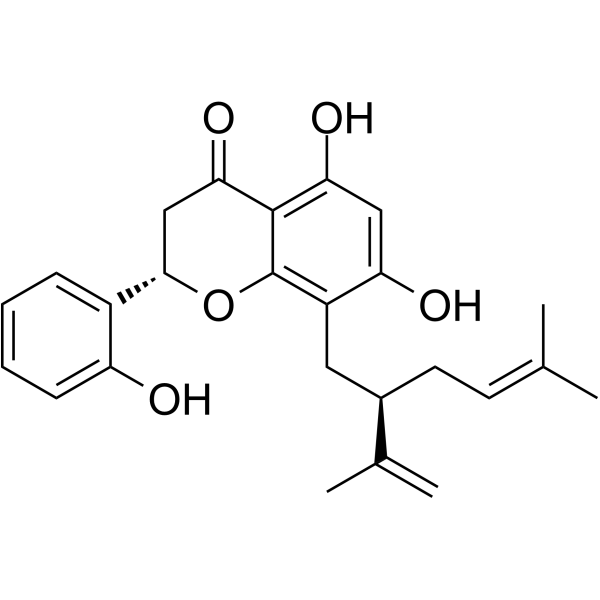
    Kushenol A
    4 Publications Verification

    Leachianone E

    Tyrosinase Glycosidase Cancer
    Kushenol A (Leachianone E) is isolated from the root of Sophora flavescent. Kushenol A is a non-competitive tyrosinase inhibitor to block the conversion of L-tyrosine to L-DOPA, shows IC50 and Kivalues of 1.1 μM and 0.4 μM, respectively . Kushenol A is a flavonoid antioxidant, has inhibitory effects on alpha-glucosidase (IC50: 45 μM; Ki: 6.8 μM) and β-amylase . Kushenol A is confirmed as potential inhibitors of enzymes targeted by cosmetics for skin whitening and aging .
    Kushenol A
  • HY-N2472

    Castanogenin

    Bacterial Xanthine Oxidase Infection
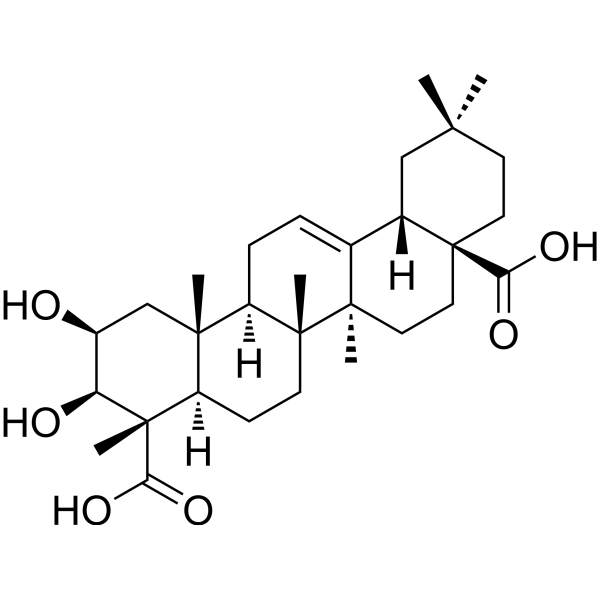
    Medicagenic acid (Castanogenin) is isolated from the roots of Herniaria glabra, exhibits potent fungistatic effects against several plant pathogens and human dermatophytes . Medicagenic acid (Castanogenin) has low enzyme inhibitory activities, the target enzymes are xanthine oxidase, collagenase, elastase, tyrosinase, ChE .
    Medicagenic acid
  • HY-N3103

    Ethyl (E)-p-hydroxycinnamate; Ethyl trans-4-hydroxycinnamate

    Tyrosinase Inflammation/Immunology
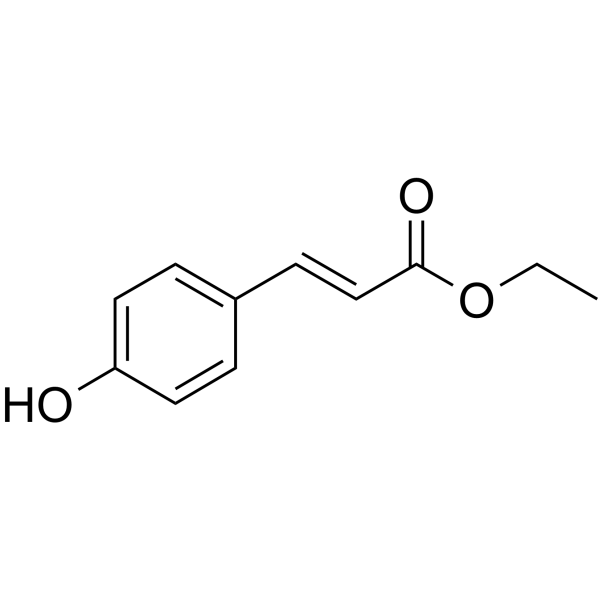
    p-Coumaric Acid Ethyl Ester (Ethyl (E)-p-hydroxycinnamate; Ethyl trans-4-hydroxycinnamate) is a non-competitive, reversible inhibitor of tyrosinase (IC50=4.89 μg/mL, Ki=1.83 μg/mL), which can quench the intrinsic fluorescence of the enzyme. p-Coumaric Acid Ethyl Ester changes the binding affinity of L-tyrosine by inducing conformational changes in the catalytic domain of tyrosinase, and does not bind to the copper ion of the enzyme. p-Coumaric Acid Ethyl Ester is used in the development of medicines, cosmetics and fruit preservation products using pollen .
    p-Coumaric Acid Ethyl Ester
  • HY-W041193

    MMP Lipoxygenase Tyrosinase Infection Inflammation/Immunology Cancer
    3-Hydroxy-2-pyrone (Compound 12d) is a metalloenzyme inhibitor. 3-Hydroxy-2-pyrone shows an inhibition rate of approximately 50% for matrix metalloproteinases (MMP) and the inhibition rate for non-heme iron enzyme 5-lipoxygenase (5-LOX) was over 70% at 1 mM. 3-Hydroxy-2-pyrone also has certain inhibitory activity against copper-dependent enzyme tyrosinase. 3-Hydroxy-2-pyrone can be used for the research of cancer, infection and inflammation .
    3-Hydroxy-2-pyrone
  • HY-N10423

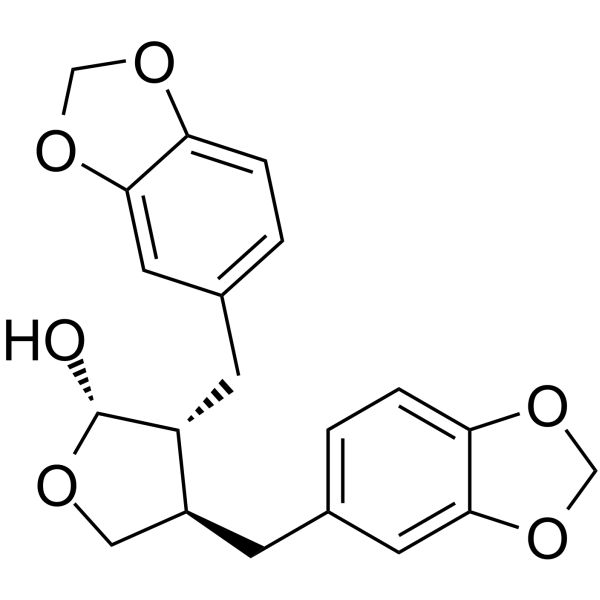
    (-)-Cubebin

    Cholinesterase (ChE) Bacterial Fungal Parasite p38 MAPK Infection Neurological Disease Metabolic Disease Inflammation/Immunology Cancer
    Cubebin ((-)-Cubebin), a dibenzyl butyrolactone lignan, is an orally active AChE inhibitor. Cubebin binds to active sites of NF-κB, TNF-α, and TGF-β1 via hydrogen and hydrophobic interactions, obstructing critical residues to inhibit pro-inflammatory or renal fibrosis-related activity. Cubebin enhances p38 MAPK phosphorylation to increase tyrosinase gene expression, stimulating melanogenesis via elevated tyrosinase activity, expression, and mRNA levels. Cubebin reduces oxidative stress via enhanced endogenous antioxidant enzyme activity and inhibited lipid peroxidation, regulates lipid metabolism, improves glycemic control, and exerts renoprotective effects via reduced renal dysfunction markers and improved renal architecture. Cubebin shows antimicrobial activity. Cubebin exerts larvicidal activity against Angiostrongylus cantonensis larvae, with no cytotoxicity toward monkey or human cell lines or Caenorhabditis elegans. Cubebin can be used for the research of diabetic nephropathy, melanoma, colon adenocarcinoma, neuroangiostrongyliasis, Alzheimer’s disease (AD) and depression .
    Cubebin
  • HY-W015616

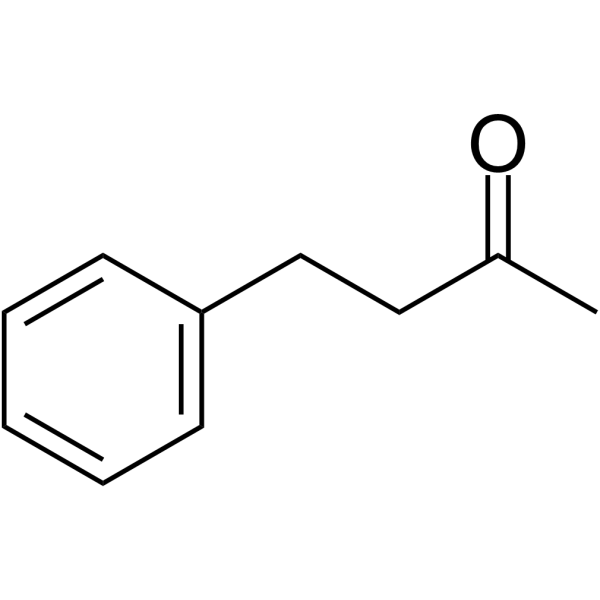
    4-Penylbutan-2-one

    Environmental Pollutants Tyrosinase Infection Metabolic Disease
    Benzylacetone (4-Penylbutan-2-one) is an aromatic compound. Benzylacetone is a mushroom tyrosinase inhibitor with an IC50 of 2.8 mM, a Ki of 1.25 mM for monophenolase and an IC50 of 0.6 mM, a Ki of 0.39 mM for diphenolase. Benzylacetone inhibits free mushroom tyrosinase and enzyme-substrate complex. Benzylacetone acts as an appetite enhancer via olfactory stimulation, reduces spontaneous locomotor activity, induces weight gain. Benzylacetone exhibits repellent, fumigant, and contact toxicity against Tribolium castaneum adults .
    Benzylacetone
  • HY-NP192

    Reactive Oxygen Species (ROS) Bacterial COX NO Synthase Toll-like Receptor (TLR) p38 MAPK NF-κB Interleukin Related Cholinesterase (ChE) Bcl-2 Family Tyrosinase PI3K Akt Infection Neurological Disease Metabolic Disease Inflammation/Immunology Cancer
    Sericin is an orally active globular protein produced by silkworm cocoons. Sericin inhibits the expression of COX2, iNOS, TLR4, MAPK and NF-κB; reduces the levels of IL-18, IL-1 and CCL2; antagonizes the activity of AChE; and downregulates the expression of Bcl-2. Sericin enhances the PI3K/AKT-mediated insulin signaling pathway. Sericin inhibits the activity of tyrosinase (Tyrosinase), scavenges ROS, chelates metal ions, and increases the levels of antioxidant enzymes. Sericin induces apoptosis and arrests the cell cycle. Sericin exhibits antibacterial, moisturizing, cardioprotective and anticoagulant properties. Sericin can be used in research related to type 2 diabetes, hyperlipidemia, obesity, Alzheimer's disease, colon cancer, peripheral nerve injury and ischemic myocardial infarction .
    Sericin
  • HY-116750

    Tyrosinase Others
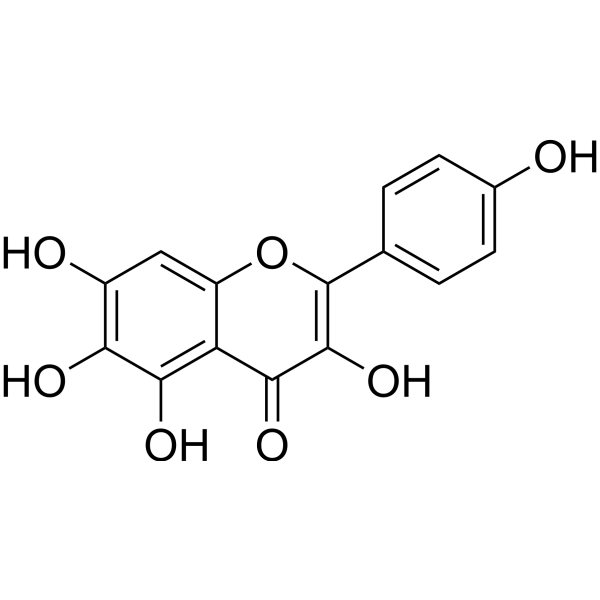
    6-Hydroxykaempferol, a flavonoid, is a competitive tyrosinase inhibitor with an IC50 value of 124 μM. 6-Hydroxykaempferol has a Ki value of 148 μM relative to L-DOPA as a substrate and effectively inhibits the activity of the enzyme by binding to the active site of the enzyme .
    6-Hydroxykaempferol
  • HY-N2472R

    Castanogenin (Standard)

    Xanthine Oxidase Reference Standards Bacterial Infection
    Medicagenic acid (Standard) is the analytical standard of Medicagenic acid. This product is intended for research and analytical applications. Medicagenic acid (Castanogenin) is isolated from the roots of Herniaria glabra, exhibits potent fungistatic effects against several plant pathogens and human dermatophytes . Medicagenic acid (Castanogenin) has low enzyme inhibitory activities, the target enzymes are xanthine oxidase, collagenase, elastase, tyrosinase, ChE .
    Medicagenic acid (Standard)
  • HY-W050154R

    Reference Standards Parasite Tyrosinase NF-κB CDK Infection Inflammation/Immunology Cancer
    Kojic acid (Standard) is the analytical standard of Kojic acid. This product is intended for research and analytical applications. Kojic acid is a substance produced by Aspergillus oryzae, with various biological activities including antitumor, insecticidal, antibacterial, antioxidant, and radioprotective effects. Kojic acid exhibits tyrosinase inhibition activity by capturing copper ions that bind to the active site of tyrosinase, preventing its activation. Tyrosinase is a key enzyme in the biosynthesis of melanin, so kojic acid can block melanin production. Additionally, kojic acid shows potential inhibition of NF-κB activity in human keratinocytes, which may also be related to the anti-melanogenic effect induced by kojic acid. Kojic acid is effective when administered orally and can also be absorbed transdermally. Nano-carrier systems prepared with kojic acid demonstrate effective delivery of anticancer drugs. Kojic acid holds promise for research in cancer, infectious diseases, and skin whitening among other fields .
    Kojic acid (Standard)
  • HY-158235

    Tyrosinase Others
    Tyrosinase-IN-27 (compound 6f) is a tyrosinase (TYR) inhibitor (IC50: 0.88 μM) that statically quenches TYR. Tyrosinase-IN-27 increases the hydrophobicity of the enzyme microenvironment by binding to TYR, reducing the content of α-helices in the enzyme and changing its secondary structure. Tyrosinase-IN-27 can be used in the food industry to effectively inhibit the browning of lotus root slices. .
    Tyrosinase-IN-27
  • HY-162524

    Tyrosinase Others
    Tyrosinase-IN-28 (Compound 4l) is an inhibitor for tyrosinase with IC50 of 72.55 μM, by affecting both substrate binding and enzyme catalysis .
    Tyrosinase-IN-28
  • HY-161950

    Tyrosinase Metabolic Disease
    Tyrosinase-IN-33 (compound 5) a Pyridine-based compound, is a potent inhibitor of mushroom tyrosinase diphenolase activity. Tyrosinase-IN-33 significantly decreases the enzyme activity, with an IC50 of 9.0 μM .
    Tyrosinase-IN-33
  • HY-148321

    Casein Kinase Neurological Disease
    WAY-353591 (compound 959) is a Casein kinase 1d inhibitor. WAY-353591 inhibits the tyrosinase enzyme activity with an IC50 value of 131μM. WAY-353591 that can be used in the research of neurodegenerative diseases [1] [2] .
    WAY-353591
  • HY-181029

    Tyrosinase Neurological Disease Inflammation/Immunology
    Tyrosinase-IN-49 (Compound 12) is a potent and mixed-type chalcone-based tyrosinase inhibitor with an IC50 of 0.19 μM. Tyrosinase-IN-49 has potent antioxidant potential with significant DPPH and ABTS radical scavenging capacity. Tyrosinase-IN-49 can chelate the binuclear copper ions in the active center of tyrosinase and reduce Cu 2+ to Cu +, thereby reducing the catalytic activity of the enzyme. Tyrosinase-IN-49 has low cytotoxicity for HEK293 cells and zebrafish embryo. Tyrosinase-IN-49 shows antibrowning effects to improve food quality and can be used for research of food preservation .
    Tyrosinase-IN-49
  • HY-181028

    Tyrosinase Neurological Disease Inflammation/Immunology
    Tyrosinase-IN-48 (Compound 3) is a potent and competitive chalcone-based tyrosinase inhibitor with an IC50 of 0.49 μM. Tyrosinase-IN-48 has potent antioxidant potential with significant DPPH and ABTS radical scavenging capacity. Tyrosinase-IN-48 can chelate the binuclear copper ions in the active center of tyrosinase and reduce Cu 2+ to Cu +, thereby reducing the catalytic activity of the enzyme. Tyrosinase-IN-48 has low cytotoxicity for HEK293 cells and zebrafish embryo. Tyrosinase-IN-48 shows antibrowning effects to improve food quality and can be used for research of food preservation .
    Tyrosinase-IN-48
  • HY-W015616R

    4-Penylbutan-2-one (Standard)

    Tyrosinase Reference Standards Infection Metabolic Disease
    Benzylacetone (4-Penylbutan-2-one) (Standard) is the analytical standard of Benzylacetone (HY-W015616). This product is intended for research and analytical applications. Benzylacetone is an aromatic compound. Benzylacetone is a mushroom tyrosinase inhibitor with an IC50 of 2.8 mM, a Ki of 1.25 mM for monophenolase and an IC50 of 0.6 mM, a Ki of 0.39 mM for diphenolase. Benzylacetone inhibits free mushroom tyrosinase and enzyme-substrate complex. Benzylacetone acts as an appetite enhancer via olfactory stimulation, reduces spontaneous locomotor activity, induces weight gain. Benzylacetone exhibits repellent, fumigant, and contact toxicity against Tribolium castaneum adults .
    Benzylacetone (Standard)

Inquiry Online

Your information is safe with us. * Required Fields.

Salutation


Country or Region *

Applicant Name *


Organization Name *

Department *


Email Address *


Product Name *

Cat. No.


Requested quantity *

Phone Number *


Remarks

Inquiry Online

Inquiry Information

Product Name:
Cat. No.:
Quantity:
MCE Japan Authorized Agent:

