Search Result
Results for "
ubiquinones
" in MedChemExpress (MCE) Product Catalog:
3
Biochemical Assay Reagents
3
Isotope-Labeled Compounds
| Cat. No. |
Product Name |
Target |
Research Areas |
Chemical Structure |
-
- HY-119976
-
|
|
Environmental Pollutants
Apoptosis
Fungal
Mitochondrial Metabolism
Succinate Dehydrogenase
|
Infection
|
|
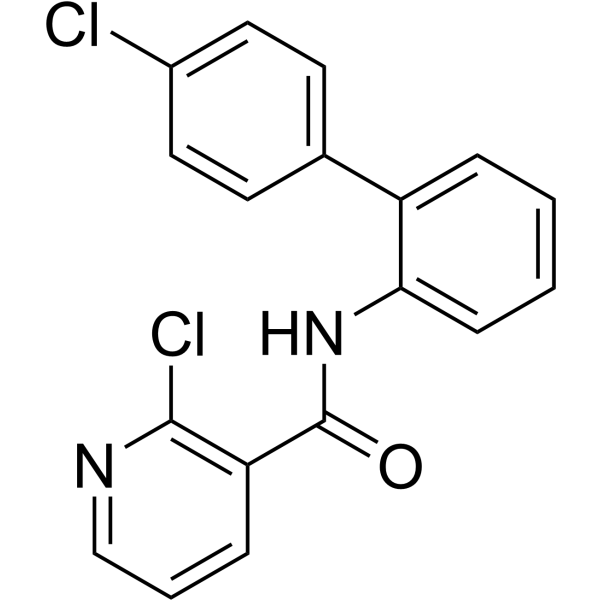
Boscalid is a succinate dehydrogenase (SDHI) inhibitor with antifungal activity. Boscalid binds to the ubiquinone-binding site of fungal mitochondrial complex II, blocks ATP production and aerobic respiration, exhibits good control efficacy against a variety of plant fungal diseases including gray mold, sclerotinia rot and powdery mildew, and is widely used for disease control in agriculture. Boscalid induces apoptosis, altered lipid metabolism, mitochondrial dysfunction, respiratory impairment, oxidative stress, ROS accumulation and neurodevelopmental disorders in zebrafish. Boscalid reduces foraging ability, shortens median death time and causes chronic toxicity in exposed honeybees. Boscalid also possesses genotoxicity, cytotoxicity, elevated mitochondrial superoxide levels and early-stage apoptosis .
|
-
-
- HY-113449
-
-
-
- HY-101415
-
|
Ubiquinone Q9; CoQ9; Ubiquinone 9
|
Apoptosis
Endogenous Metabolite
|
Cardiovascular Disease
|
|
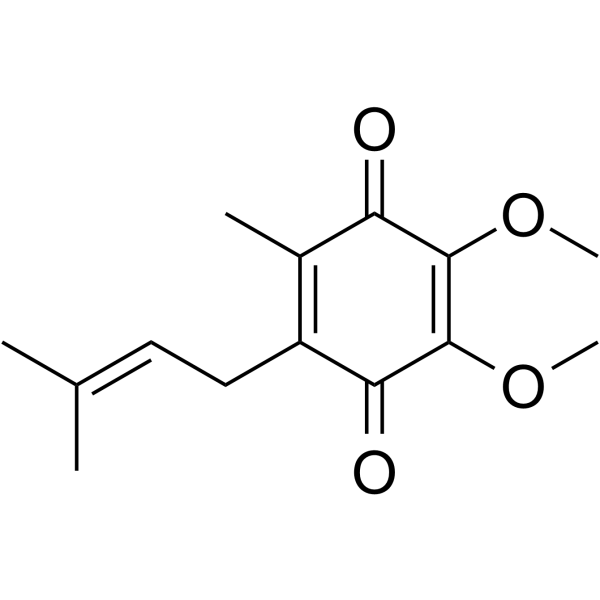
Coenzyme Q9 (Ubiquinone Q9), the major form of ubiquinone in rodents, is an amphipathic molecular component of the electron transport chain that functions as an endogenous antioxidant. Coenzyme Q9 attenuates the diabetes-induced decreases in antioxidant defense mechanisms. Coenzyme Q9 improves left ventricular performance and reduces myocardial infarct size and cardiomyocyte apoptosis .
|
-
-
- HY-113037C
-
|
Farnesyl diphosphate ammonium
|
TRP Channel
Endogenous Metabolite
Calcium Channel
|
Neurological Disease
Inflammation/Immunology
Cancer
|
|
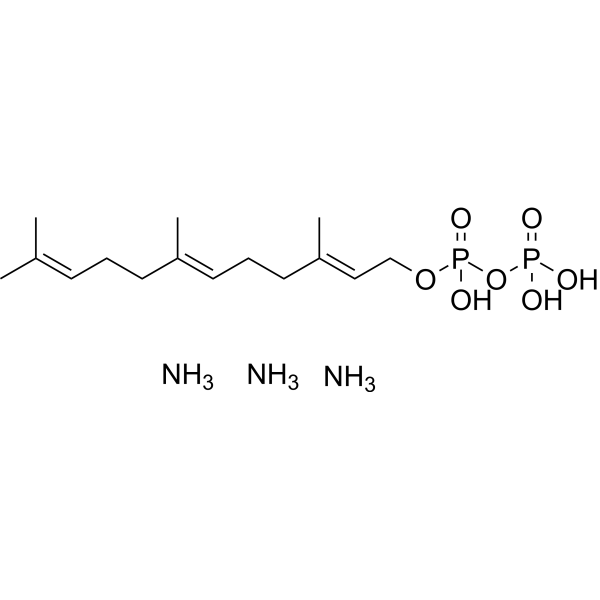
Farnesyl pyrophosphate (Farnesyl diphosphate) ammonium is a metabolic intermediate in the mevalonate (MVA) pathway. It is a TRP channel (TRPM2) agonist that triggers Ca2+ influx and cell death. Farnesyl pyrophosphate ammonium is a key branch substrate for cholesterol synthesis, ubiquinone synthesis, protein farnesylation, and geranylgeranyl pyrophosphate (GGPP) synthesis. Farnesyl pyrophosphate ammonium is used in research on cerebral ischemia, neurodegenerative diseases, pancreatic cancer, inflammation, and autoimmune diseases .
|
-
-
- HY-W016412
-
-
-
- HY-114936
-
|
AR-054
|
Bacterial
ADC Payload
Antibiotic
Mitochondrial Metabolism
|
Infection
Neurological Disease
Cancer
|
|
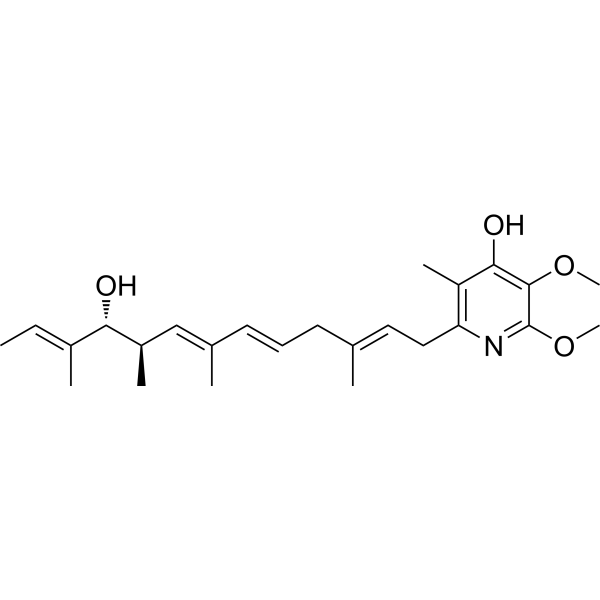
Piericidin A (AR-054) is a natural mitochondrial NADH-ubiquinone oxidoreductase (complex I) inhibitor. Piericidin A is a potent neurotoxin and inhibits mitochondrial respiration by disrupting the electron transport system through its action on NADH-ubiquinone reductase. Piericidin A is also a potential quorum-sensing inhibitor that suppresses the expression of the virulence genes of Erwinia carotovora subsp. atroseptica (Eca). Piericidin A is an ADC cytotoxin and has anti-bacterial, anticancer, insecticidal activity .
|
-
-
- HY-B2004
-
|
|
Environmental Pollutants
Fungal
Mitochondrial Metabolism
|
Infection
|
|
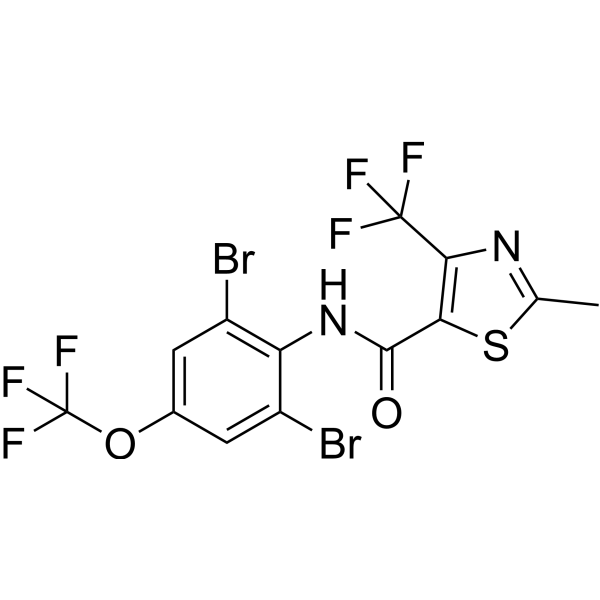
Thifluzamide is a fungicide that inhibits fungal respiration by blocking the ubiquinone-binding site in mitochondrial complex II. Thifluzamide exhibits significant activity against Basidiomycota pathogens (such as Rhizoctonia cerealis, Ustilago and Puccinia genera) and is commonly used in studies on wheat sharp eyespot. Thifluzamide displays a dual mechanism in regulating lipid metabolism: it reduces fatty acid synthase activity to inhibit endogenous fatty acid synthesis, and increases carnitine palmitoyltransferase-I activity to accelerate fatty acid β-oxidation, thereby reducing total cholesterol and triglyceride levels in the liver. Thifluzamide also induces hepatotoxicity in zebrafish models and carries a risk of developmental toxicity. Thifluzamide inhibition of Rhizoctonia cerealis may result in low to moderate levels of drug resistance, leading to the generation of stable drug-resistant mutants .
|
-
-
- HY-121134
-
|
|
Reactive Oxygen Species (ROS)
|
Neurological Disease
Cancer
|
|
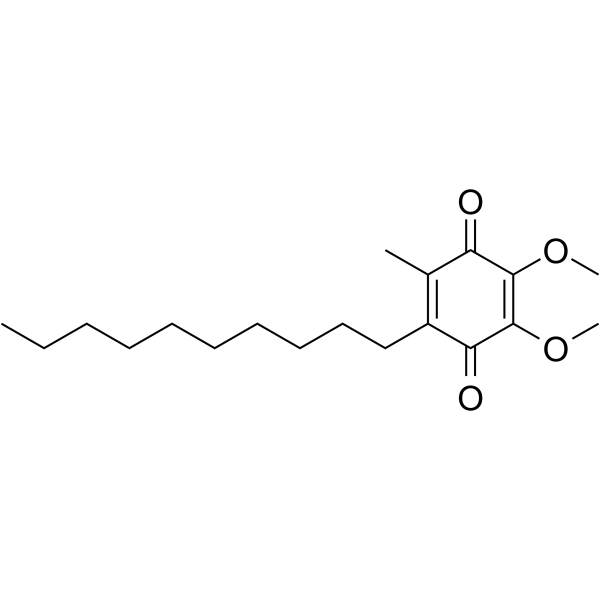
Decylubiquinone is an analog of ubiquinone (coenzyme Q10). Decylubiquinone blocks reactive oxygen species (ROS) production in response to glutathione depletion and inhibits activation of the mitochondrial permeability transition .
|
-
-
- HY-113037
-
|
(E/Z)-Farnesyl diphosphate
|
TRP Channel
Endogenous Metabolite
|
Neurological Disease
|
|
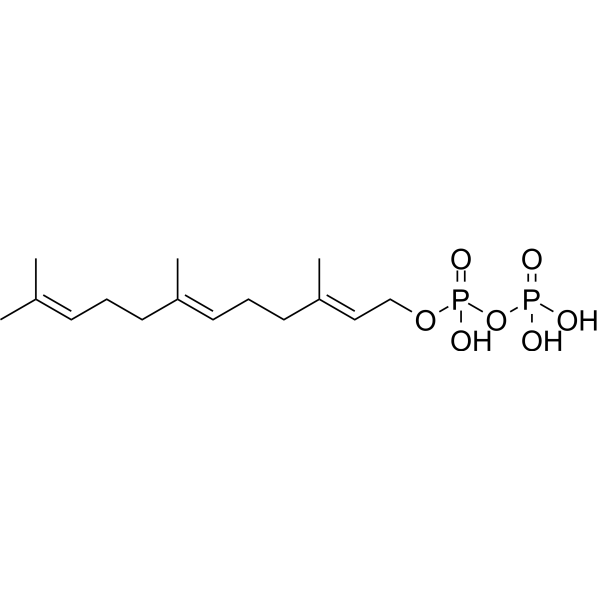
(E/Z)-Farnesyl pyrophosphate ((E/Z)-Farnesyl diphosphate), a 15-carbon isoprenoid, is a metabolic intermediate of the mevalonate (MVA) pathway. (E/Z)-Farnesyl pyrophosphate is a TRPM2 (TRP Channel) agonist, activates TRPM2 opening for ion influx. (E/Z)-Farnesyl pyrophosphate is a key branch substrate for cholesterol synthesis, ubiquinones synthesis, protein farnesylation decoration, and geranyl-geranyl pyrophosphate (GGPP) synthesis .
|
-
-
- HY-19893
-
|
(+)-Antroquinonol
|
Keap1-Nrf2
|
Inflammation/Immunology
Cancer
|
|
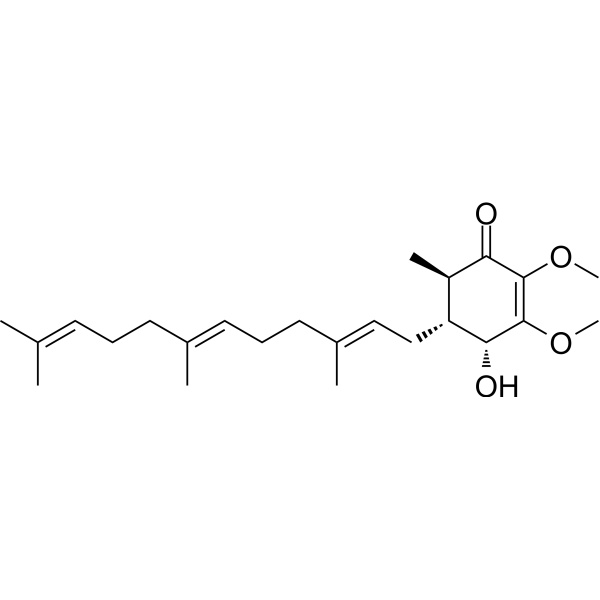
Antroquinonol ((+)-Antroquinonol), a ubiquinone derivative from the mushroom Antrodia camphorata, has hepatoprotective, anti-inflammatory, and anti-cancer effects . Antroquinonol can be used for the research of colon cancer . Antroquinonol reduces oxidative stress by enhancing the Nrf2 signaling pathway and inhibits inflammation and sclerosis in focal segmental glomerulosclerosis mice .
|
-
-
- HY-129605
-
-
-
- HY-133033
-
|
|
Mitochondrial Metabolism
|
Metabolic Disease
|
|
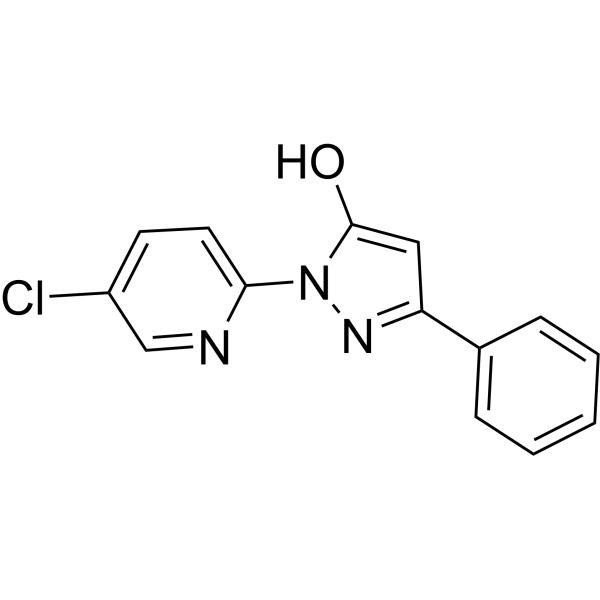
COQ7-IN-1, a highly potent inhibitor of human coenzyme Q (COQ7), interferes with ubiquinone (UQ) synthesis. COQ7-IN-1 does not disturb physiological cell growth of human normal culture cells. COQ7-IN-1 can be used for the research of the balance between UQ supplementation pathways: de novo UQ synthesis and extracellular UQ uptake .
|
-
-
- HY-113037CS
-
|
Farnesyl diphosphate-d2 triammonium
|
Isotope-Labeled Compounds
TRP Channel
Endogenous Metabolite
Calcium Channel
|
Neurological Disease
Inflammation/Immunology
Cancer
|
|
Farnesyl pyrophosphate-d2 (Farnesyl diphosphate-d2) triammonium is a deuterium labeled Farnesyl pyrophosphate triammonium (HY-113037C). Farnesyl pyrophosphate ammonium is a metabolic intermediate in the mevalonate (MVA) pathway. It is a TRP channel (TRPM2) agonist that triggers Ca2+ influx and cell death. Farnesyl pyrophosphate ammonium is a key branch substrate for cholesterol synthesis, ubiquinone synthesis, protein farnesylation, and geranylgeranyl pyrophosphate (GGPP) synthesis. Farnesyl pyrophosphate ammonium is used in research on cerebral ischemia, neurodegenerative diseases, pancreatic cancer, inflammation, and autoimmune diseases.
|
-

-
- HY-101415R
-
|
Ubiquinone Q9 (Standard); CoQ9 (Standard); Ubiquinone 9 (Standard)
|
Reference Standards
Apoptosis
Endogenous Metabolite
|
Cardiovascular Disease
|
|
Coenzyme Q9 (Standard) is the analytical standard of Coenzyme Q9. This product is intended for research and analytical applications. Coenzyme Q9 (Ubiquinone Q9), the major form of ubiquinone in rodents, is an amphipathic molecular component of the electron transport chain that functions as an endogenous antioxidant. Coenzyme Q9 attenuates the diabetes-induced decreases in antioxidant defense mechanisms. Coenzyme Q9 improves left ventricular performance and reduces myocardial infarct size and cardiomyocyte apoptosis .
|
-

-
- HY-N9610
-
|
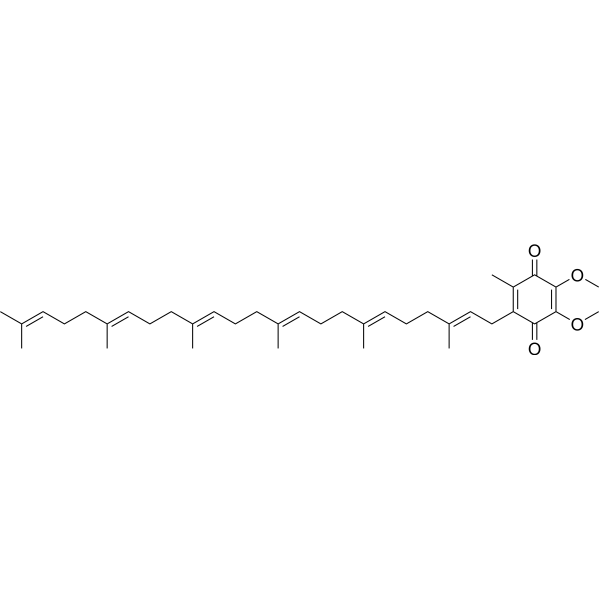
Ubiquinone 30
|
Endogenous Metabolite
|
Inflammation/Immunology
|
|
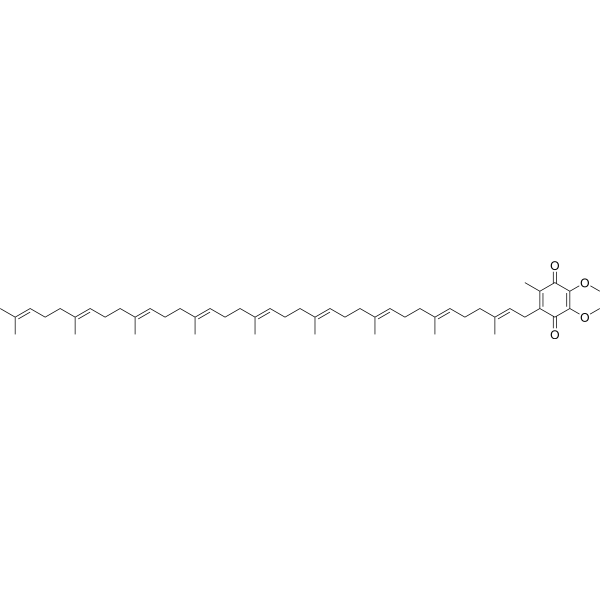
Coenzyme Q6 (Ubiquinone 30) is an isoprenylated benzoquinone lipid. Coenzyme Q6 exhibits functions in respiratory electron transport and as a lipid antioxidant. Coenzyme Q6 also has antioxidant effects, which can prevent the production of free radicals and oxidative damage .
|
-
-
- HY-113037B
-
|
Farnesyl diphosphate
|
TRP Channel
Endogenous Metabolite
Calcium Channel
|
Neurological Disease
Inflammation/Immunology
Cancer
|
|
Farnesyl pyrophosphate is a metabolic intermediate in the mevalonate (MVA) pathway. It is a TRP channel (TRPM2) agonist that triggers Ca2+ influx and cell death. Farnesyl pyrophosphate is a key branch substrate for cholesterol synthesis, ubiquinone synthesis, protein farnesylation, and geranylgeranyl pyrophosphate (GGPP) synthesis. Farnesyl pyrophosphate is used in research on cerebral ischemia, neurodegenerative diseases, pancreatic cancer, inflammation, and autoimmune diseases.
|
-

-
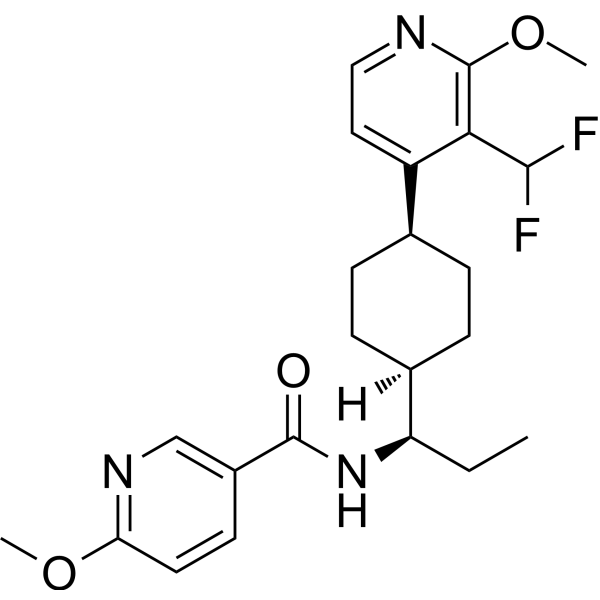
- HY-139205
-
-
-
- HY-157744
-
|
|
Mitochondrial Metabolism
|
Cancer
|
|
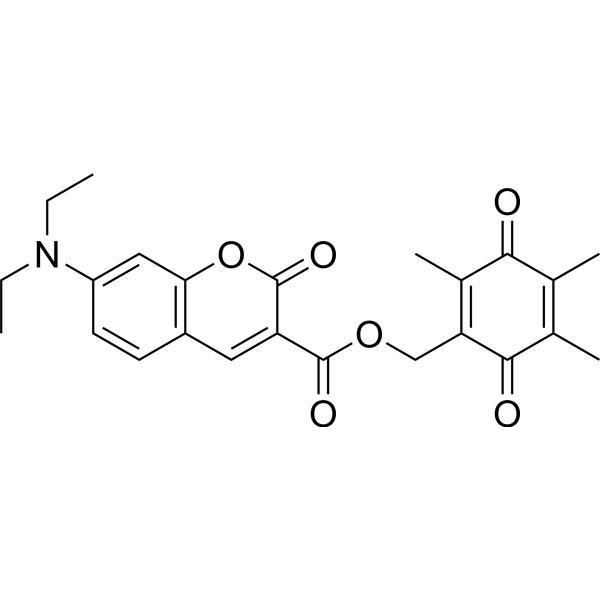
Coumarin–quinone conjugate is a fluorescent substrate for NADH:ubiquinone oxidoreductases which consists of a coumarin fluorophore and a ubiquinone analog. Coumarin–quinone conjugate can be used to measure the kinetic parameters of AIFM2/FSP1 for researches such as ferroptosis .
|
-
-
- HY-113037AS
-
|
Farnesyl diphosphate-d6
|
Isotope-Labeled Compounds
TRP Channel
Endogenous Metabolite
Calcium Channel
|
Neurological Disease
Inflammation/Immunology
Cancer
|
|
Farnesyl pyrophosphate-d6 (Farnesyl diphosphate-d6) is a deuterium labeled Farnesyl pyrophosphate (HY-113037B). Farnesyl pyrophosphate is a metabolic intermediate in the mevalonate (MVA) pathway. It is a TRP channel (TRPM2) agonist that triggers Ca2+ influx and cell death. Farnesyl pyrophosphate is a key branch substrate for cholesterol synthesis, ubiquinone synthesis, protein farnesylation, and geranylgeranyl pyrophosphate (GGPP) synthesis. Farnesyl pyrophosphate is used in research on cerebral ischemia, neurodegenerative diseases, pancreatic cancer, inflammation, and autoimmune diseases.
|
-

-
- HY-N9680
-
|
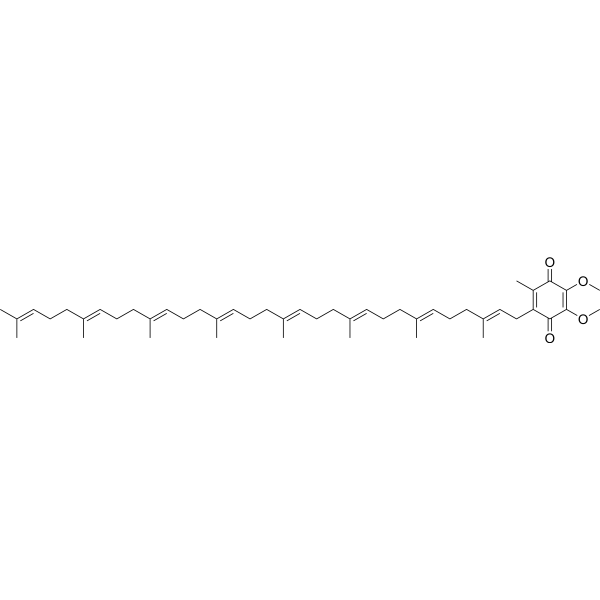
Ubiquinone 8
|
Endogenous Metabolite
Bacterial
|
Infection
Inflammation/Immunology
|
|
Coenzyme Q8 (Ubiquinone 8) is an isoprenoid quinone that mediates electron transfer within the aerobic respiratory chain and reduces oxidative stress. Coenzyme Q8 maintains bacterial respiratory function and enhances host resistance to bacterial infection. Coenzyme Q8 stimulates macrophage phagocytosis and increases antibody-producing cells. Coenzyme Q8 can be used in infectious disease research .
|
-
-
- HY-159118
-
|
|
Bacterial
|
Infection
|
|
PC-Qz1 is a mitochondrial NADH-ubiquinone oxidoreductase (complex I) inhibitor with an IC50 of 470 nM. PC-Qz1 has antibacterial activity .
|
-

-
- HY-178033
-
|
|
Parasite
Mitochondrial Metabolism
Reactive Oxygen Species (ROS)
|
Infection
|
|
Antileishmanial agent-35 (Compound 6) is an antileishmanial agent with an IC50 of 0.29μM for promastigotes of Leishmania amazonensis. Antileishmanial agent-35 significantly decreases the mitochondrial membrane potential and ATP levels, and further increases the production of ROS by a blockage in the electron transport chain, where ubiquinone intervenes. Antileishmanial agent-35 can be used for cutaneous leishmaniases research .
|
-

-
- HY-124408
-
|
|
Fungal
|
Infection
|
|
Mepronil, a compound belonging to the carboxyamine group of fungicides, has a particularly strong bactericidal effect on basidiomycete fungi. Mepronil acts as a single point inhibitor of the succinate ubiquinone reductase or succinate dehydrogenase complex. Mepronil can be used in the study of cross resistance and biological infection .
|
-

-
- HY-135618
-
|
|
Dihydroorotate Dehydrogenase
DNA/RNA Synthesis
|
Infection
|
|
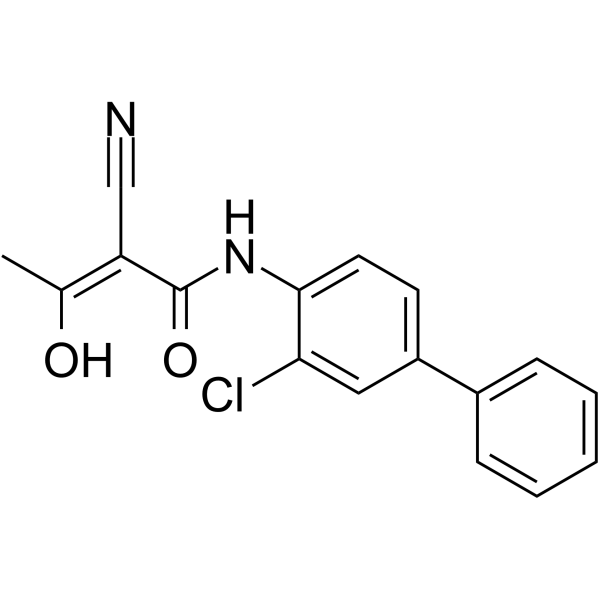
DHODH-IN-3 (compound 3) is a potent inhibitor of Human Dihydroorotate Dehydrogenases (HsDHODH) with an IC50 value of 261 nM. DHODH-IN-3 binds to the the ubiquinone binding cavities in DHODH with a Ki app of 32 nM. DHODH-IN-3 has the potential for malaria treatment .
|
-
-
- HY-146036
-
|
|
Endogenous Metabolite
|
Metabolic Disease
|
|
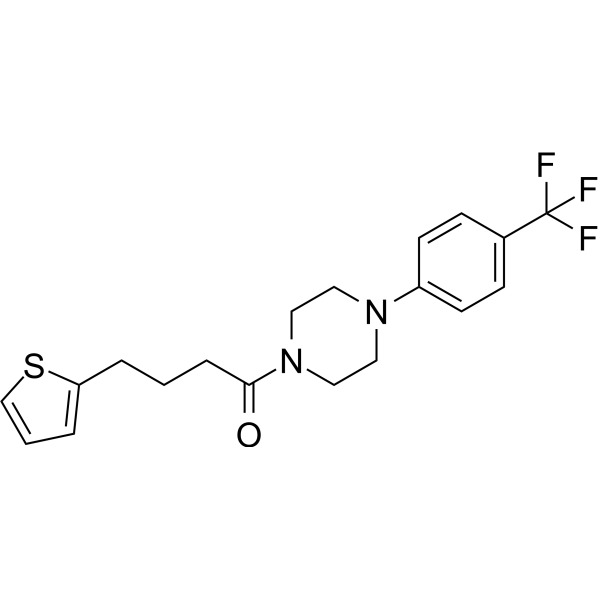
NADH-IN-1 has NADH:ubiquinone oxidoreductase inhibitory activity with an IC50 value of 27 μM. NADH-IN-1 can effectively stimulate glucose uptake in vitro. NADH-IN-1 is readily metabolised by the liver. NADH-IN-1 can be used for researching diabetes .
|
-
-
- HY-124408R
-
|
|
Reference Standards
Fungal
|
Infection
|
|
Mepronil (Standard) is the analytical standard of Mepronil. This product is intended for research and analytical applications. Mepronil, a compound belonging to the carboxyamine group of fungicides, has a particularly strong bactericidal effect on basidiomycete fungi. Mepronil acts as a single point inhibitor of the succinate ubiquinone reductase or succinate dehydrogenase complex. Mepronil can be used in the study of cross resistance and biological infection .
|
-

-
- HY-138429
-
-
-
- HY-119976S
-
|
|
Isotope-Labeled Compounds
Apoptosis
Fungal
Mitochondrial Metabolism
Succinate Dehydrogenase
|
Others
|
|
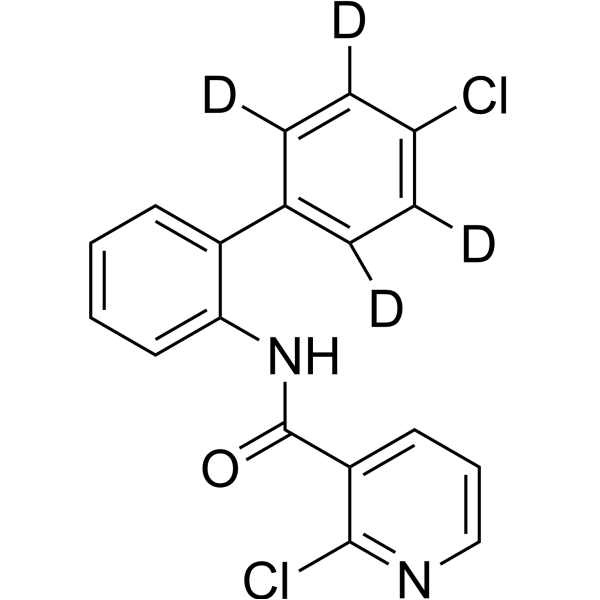
Boscalid-d4 is the deuterium labeled Boscalid. Boscalid is a succinate dehydrogenase (SDHI) inhibitor with antifungal activity. Boscalid binds to the ubiquinone-binding site of fungal mitochondrial complex II, blocks ATP production and aerobic respiration, exhibits good control efficacy against a variety of plant fungal diseases including gray mold, sclerotinia rot and powdery mildew, and is widely used for disease control in agriculture. Boscalid induces apoptosis, altered lipid metabolism, mitochondrial dysfunction, respiratory impairment, oxidative stress, ROS accumulation and neurodevelopmental disorders in zebrafish. Boscalid reduces foraging ability, shortens median death time and causes chronic toxicity in exposed honeybees. Boscalid also possesses genotoxicity, cytotoxicity, elevated mitochondrial superoxide levels and early-stage apoptosis .
|
-
-
- HY-119976R
-
|
|
Reference Standards
Apoptosis
Fungal
Mitochondrial Metabolism
Succinate Dehydrogenase
|
Infection
|
|
Boscalid (Standard) is the analytical standard of Boscalid. This product is intended for research and analytical applications. Boscalid is a succinate dehydrogenase (SDHI) inhibitor with antifungal activity. Boscalid binds to the ubiquinone-binding site of fungal mitochondrial complex II, blocks ATP production and aerobic respiration, exhibits good control efficacy against a variety of plant fungal diseases including gray mold, sclerotinia rot and powdery mildew, and is widely used for disease control in agriculture. Boscalid induces apoptosis, altered lipid metabolism, mitochondrial dysfunction, respiratory impairment, oxidative stress, ROS accumulation and neurodevelopmental disorders in zebrafish. Boscalid reduces foraging ability, shortens median death time and causes chronic toxicity in exposed honeybees. Boscalid also possesses genotoxicity, cytotoxicity, elevated mitochondrial superoxide levels and early-stage apoptosis .
|
-

-
- HY-B2004R
-
|
|
Reference Standards
Fungal
Mitochondrial Metabolism
|
Infection
|
|
Thifluzamide (Standard) is the analytical standard of Thifluzamide. This product is intended for research and analytical applications. Thifluzamide is a fungicide that inhibits fungal respiration by blocking the ubiquinone-binding site in mitochondrial complex II. Thifluzamide exhibits significant activity against Basidiomycota pathogens (such as Rhizoctonia cerealis, Ustilago and Puccinia genera) and is commonly used in studies on wheat sharp eyespot. Thifluzamide displays a dual mechanism in regulating lipid metabolism: it reduces fatty acid synthase activity to inhibit endogenous fatty acid synthesis, and increases carnitine palmitoyltransferase-I activity to accelerate fatty acid β-oxidation, thereby reducing total cholesterol and triglyceride levels in the liver. Thifluzamide also induces hepatotoxicity in zebrafish models and carries a risk of developmental toxicity. Thifluzamide inhibition of Rhizoctonia cerealis may result in low to moderate levels of drug resistance, leading to the generation of stable drug-resistant mutants .
|
-

-
- HY-N11884
-
|
|
Endogenous Metabolite
|
Inflammation/Immunology
|
|
Ubiquinone Q3 is an isoprenoid-chain ubiquinone homologue found in Saccharomyces cerevisiae, Escherichia coli, and Rhodospirillum rubrum. Ubiquinone Q3 has antioxidant activity and traps lipid peroxyl radicals .
|
-

-
- HY-W725177
-
|
|
Fungal
Mitochondrial Metabolism
|
Infection
|
|
Inpyrfluxam is a succinate dehydrogenase (SDH) inhibitor. Inpyrfluxam targets the ubiquinone binding pocket of mitochondrial SDH complex subunits ViSDHB, ViSDHC, ViSDHD, interfering with cellular respiration. Inpyrfluxam inhibits conidial germination and mycelial growth of Venturia inaequalis in vitro. Inpyrfluxam can be used for the research of apple scab .
|
-

-
- HY-165191
-
|
|
Fungal
|
Infection
|
|
LY214352 is an antifungal agent that targets dihydroorotate dehydrogenase (DHO-DH). LY214352 exhibits antifungal activity against Aspergillus nidulans and agriculturally important ascomycete fungi. LY214352 can be used in studies related to grape gray mold, apple scab, and fungal infections caused by ascomycetes .
|
-

| Cat. No. |
Product Name |
Type |
-
- HY-119976
-
|
|
Biochemical Assay Reagents
|
|
Boscalid is a succinate dehydrogenase (SDHI) inhibitor with antifungal activity. Boscalid binds to the ubiquinone-binding site of fungal mitochondrial complex II, blocks ATP production and aerobic respiration, exhibits good control efficacy against a variety of plant fungal diseases including gray mold, sclerotinia rot and powdery mildew, and is widely used for disease control in agriculture. Boscalid induces apoptosis, altered lipid metabolism, mitochondrial dysfunction, respiratory impairment, oxidative stress, ROS accumulation and neurodevelopmental disorders in zebrafish. Boscalid reduces foraging ability, shortens median death time and causes chronic toxicity in exposed honeybees. Boscalid also possesses genotoxicity, cytotoxicity, elevated mitochondrial superoxide levels and early-stage apoptosis .
|
-
- HY-W016412
-
|
CoQ0
|
Biochemical Assay Reagents
|
|
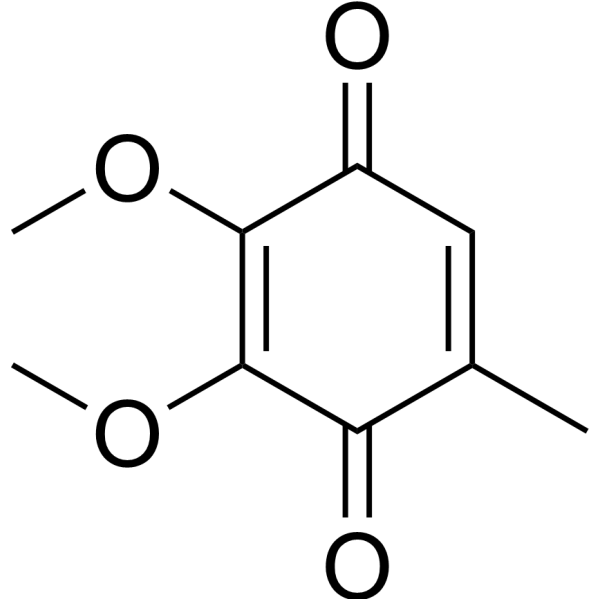
Coenzyme Q0 (CoQ0) is a potent, oral active ubiquinone compound can be derived from Antrodia cinnamomea. Coenzyme Q0 induces apoptosis and autophagy, suppresses of HER-2/AKT/mTOR signaling to potentiate the apoptosis and autophagy mechanisms. Coenzyme Q0 regulates NFκB/AP-1 activation and enhances Nrf2 stabilization in attenuation of inflammation and redox imbalance. Coenzyme Q0 has anti-angiogenic activity through downregulation of MMP-9/NF-κB and upregulation of HO-1 signaling .
|
-
- HY-119976R
-
|
|
Biochemical Assay Reagents
|
|
Boscalid (Standard) is the analytical standard of Boscalid. This product is intended for research and analytical applications. Boscalid is a succinate dehydrogenase (SDHI) inhibitor with antifungal activity. Boscalid binds to the ubiquinone-binding site of fungal mitochondrial complex II, blocks ATP production and aerobic respiration, exhibits good control efficacy against a variety of plant fungal diseases including gray mold, sclerotinia rot and powdery mildew, and is widely used for disease control in agriculture. Boscalid induces apoptosis, altered lipid metabolism, mitochondrial dysfunction, respiratory impairment, oxidative stress, ROS accumulation and neurodevelopmental disorders in zebrafish. Boscalid reduces foraging ability, shortens median death time and causes chronic toxicity in exposed honeybees. Boscalid also possesses genotoxicity, cytotoxicity, elevated mitochondrial superoxide levels and early-stage apoptosis .
|
| Cat. No. |
Product Name |
Category |
Target |
Chemical Structure |
| Cat. No. |
Product Name |
Chemical Structure |
-
- HY-113037CS
-
|
|
|
Farnesyl pyrophosphate-d2 (Farnesyl diphosphate-d2) triammonium is a deuterium labeled Farnesyl pyrophosphate triammonium (HY-113037C). Farnesyl pyrophosphate ammonium is a metabolic intermediate in the mevalonate (MVA) pathway. It is a TRP channel (TRPM2) agonist that triggers Ca2+ influx and cell death. Farnesyl pyrophosphate ammonium is a key branch substrate for cholesterol synthesis, ubiquinone synthesis, protein farnesylation, and geranylgeranyl pyrophosphate (GGPP) synthesis. Farnesyl pyrophosphate ammonium is used in research on cerebral ischemia, neurodegenerative diseases, pancreatic cancer, inflammation, and autoimmune diseases.
|
-
-
- HY-113037AS
-
|
|
|
Farnesyl pyrophosphate-d6 (Farnesyl diphosphate-d6) is a deuterium labeled Farnesyl pyrophosphate (HY-113037B). Farnesyl pyrophosphate is a metabolic intermediate in the mevalonate (MVA) pathway. It is a TRP channel (TRPM2) agonist that triggers Ca2+ influx and cell death. Farnesyl pyrophosphate is a key branch substrate for cholesterol synthesis, ubiquinone synthesis, protein farnesylation, and geranylgeranyl pyrophosphate (GGPP) synthesis. Farnesyl pyrophosphate is used in research on cerebral ischemia, neurodegenerative diseases, pancreatic cancer, inflammation, and autoimmune diseases.
|
-
-
- HY-119976S
-
|
|
|
Boscalid-d4 is the deuterium labeled Boscalid. Boscalid is a succinate dehydrogenase (SDHI) inhibitor with antifungal activity. Boscalid binds to the ubiquinone-binding site of fungal mitochondrial complex II, blocks ATP production and aerobic respiration, exhibits good control efficacy against a variety of plant fungal diseases including gray mold, sclerotinia rot and powdery mildew, and is widely used for disease control in agriculture. Boscalid induces apoptosis, altered lipid metabolism, mitochondrial dysfunction, respiratory impairment, oxidative stress, ROS accumulation and neurodevelopmental disorders in zebrafish. Boscalid reduces foraging ability, shortens median death time and causes chronic toxicity in exposed honeybees. Boscalid also possesses genotoxicity, cytotoxicity, elevated mitochondrial superoxide levels and early-stage apoptosis .
|
-
Your information is safe with us. * Required Fields.
Inquiry Information
- Product Name:
- Cat. No.:
- Quantity:
- MCE Japan Authorized Agent:








