Search Result
Results for "
unfolded+protein+response
" in MedChemExpress (MCE) Product Catalog:
1
Biochemical Assay Reagents
| Cat. No. |
Product Name |
Target |
Research Areas |
Chemical Structure |
-
- HY-139214
-
IXA4
Maximum Cited Publications
9 Publications Verification
|
IRE1
|
Neurological Disease
|
|
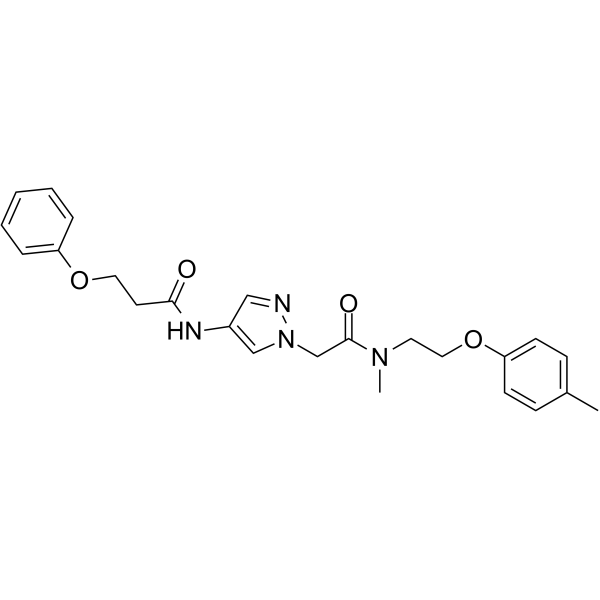
IXA4 is a highly selective, non-toxic IRE1/XBP1s activator. IXA4 activates IRE1/XBP1s signaling without globally activating the unfolded protein response (UPR) or other stress-responsive signaling pathways (e.g., the heat shock response or oxidative stress response). IXA4 reduces secretion of APP through IRE1 activation .
|
-
-
- HY-N1437
-
|
|
Apoptosis
Ferroptosis
mTOR
DNA/RNA Synthesis
Keap1-Nrf2
Ribosomal S6 Kinase (RSK)
NF-κB
ATP Citrate Lyase
AMPK
|
Cardiovascular Disease
Metabolic Disease
Cancer
|
|
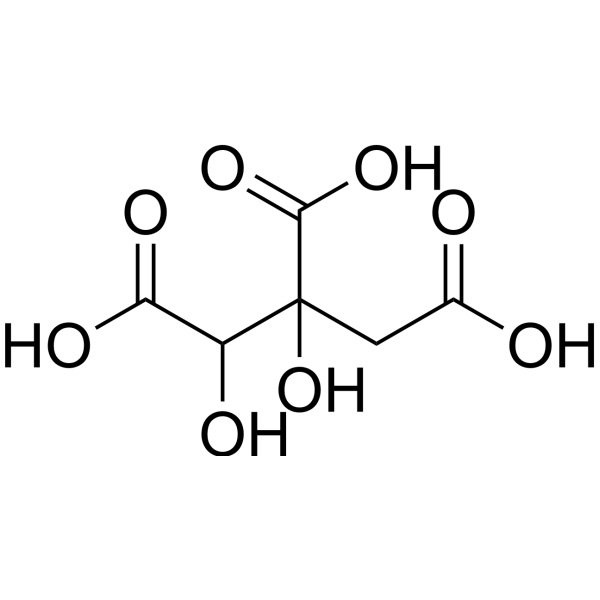
Hydroxycitric acid is an orally active, multi-target, multi-bioactive organic acid. activates Nrf2 and its downstream molecule GPX4, increases glutathione levels, and thereby inhibits ferroptosis. Hydroxycitric acid activates the Nrf2/Keap1 and ACLY/NF-κB signaling pathways, upregulates the activities of antioxidant enzymes such as superoxide dismutase, reduces MDA content, thereby alleviating oxidative stress and renal tubular epithelial cell apoptosis, and improves pulmonary vascular and right ventricular remodeling. Hydroxycitric acid activates both the AMPK and mTORC1/S6K pathways, triggers the unfolded protein response, arrests the cancer cell cycle, and induces DNA fragmentation .
|
-
-
- HY-124293
-
AA147
4 Publications Verification
|
ATF6
Reactive Oxygen Species (ROS)
|
Neurological Disease
Metabolic Disease
|
|
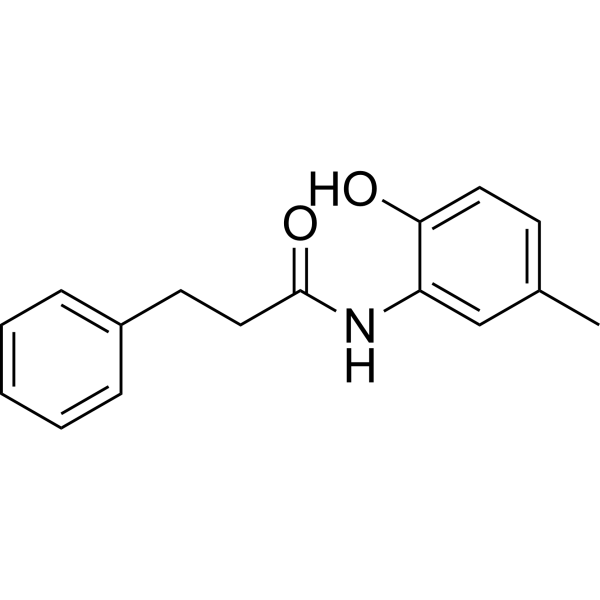
AA147 is a endoplasmic reticulum (ER) proteostasis regulator. AA147 promotes protection against oxidative damage in neuronal cells and prevents endothelial barrier dysfunction by activating ATF6 arm (selectively) of the unfolded protein response (UPR) and the NRF2 oxidative stress response. AA147 can rebalances XBP1s expression in vivo, and also induces survival motor neuron (SMN) expression and spinal motorneuron (MN) protection .
|
-
-
- HY-18705
-
|
|
Apoptosis
Reactive Oxygen Species (ROS)
Caspase
Bcl-2 Family
Mitochondrial Metabolism
|
Endocrinology
|
|
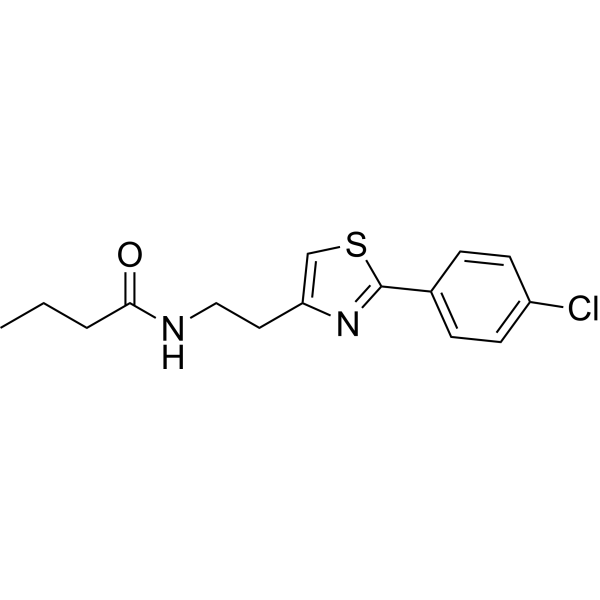
Azoramide is a potent, orally active small-molecule modulator of the unfolded protein response (UPR). Azoramide improves ER protein folding and elevates ER chaperone capacity, which together protects cells against ER stress. Azoramide alleviates PLA2G6 mutant-induced ER stress through modulating unfolded protein response, and enhances the CERB signaling to rescue mitochondrial function, thereby preventing apoptosis of DA neurons. Azoramide has antidiabetic activity .
|
-
-
- HY-109076
-
|
EBC-46
|
PKC
Caspase
|
Cancer
|
|
Tigilanol tiglate (EBC-46) is a protein kinase C (PKC)/C1 domain activator. Tigilanol tiglate is associated with mitochondrial/endoplasmic reticulum (ER) dysfunction, leading to activation of the unfolded protein response (UPRmt/ER) and subsequent induction of ATP depletion, organelles expansion, Caspase activation, gasdermin E cleavage, and terminal necrosis. Tigilanol tiglate, as a small anti-tumor molecule with immunomodulatory effects, can be used in the study of head and neck squamous cell carcinoma and soft tissue sarcoma .
|
-

-
- HY-132247
-
|
|
Estrogen Receptor/ERR
|
Cancer
|
|
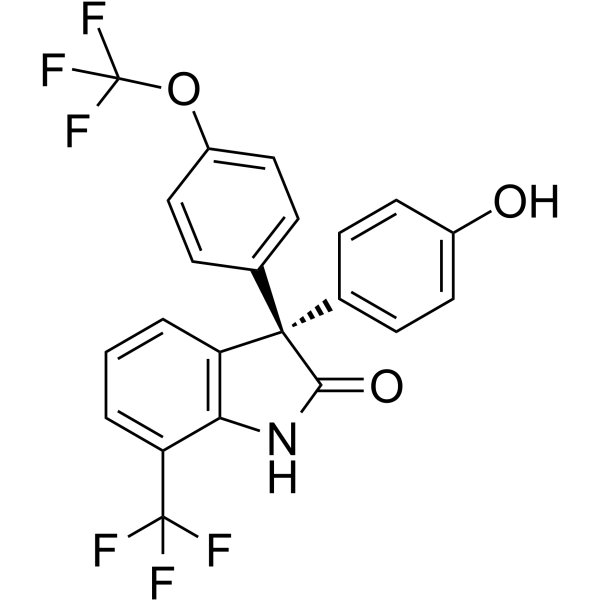
ErSO is a selective anticipatory unfolded protein response (a-UPR) activator. ErSO acts through ERα to elicit strong and sustained cytotoxic activation of the a-UPR. ErSO can be used for the research of cancer .
|
-
-
- HY-144070
-
|
|
Estrogen Receptor/ERR
|
Cancer
|
|
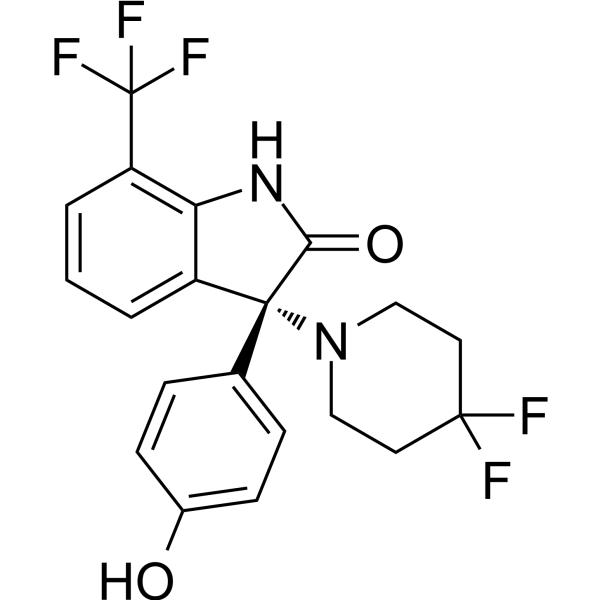
ErSO-DFP is an anticipatory unfolded protein response (a-UPR) activator. ErSO-DFP has enhanced selectivity for estrogen receptor alpha-positive (ERα+) cancer cells with a wider selectivity window than ErSO (HY-132247). ErSO-DFP displays antitumor activity against MCF-7 in mice. ErSO-DFP can cross the blood brain barrier .
|
-
-
- HY-153468
-
|
TEQ103; Sera2
|
Sodium Channel
TRP Channel
|
Cancer
|
|
ErSO-TFPy (TEQ103) is an ERα+ tumor cell inhibitor with low nanomolar cytotoxic activity against ERα+ breast cancer cells. ErSO-TFPy activates the sodium channel TRPM4, causes an imbalance of intracellular calcium and sodium ions. ErSO-TFPy dysregulates calcium homeostasis in ERα+ tumor cells, triggers the anticipatory unfolded protein response, and induces rapid immune cell-independent necrotic cell death. ErSO-TFPy can be used for the research of estrogen receptor alpha positive breast cancer .
|
-

-
- HY-W338584
-
|
|
Keap1-Nrf2
Ferroptosis
Apoptosis
mTOR
NF-κB
ATP Citrate Lyase
AMPK
Ribosomal S6 Kinase (RSK)
DNA/RNA Synthesis
|
Cardiovascular Disease
Metabolic Disease
Endocrinology
Cancer
|
|
Tripotassium hydroxycitrate is an orally active, multi-target, multi-bioactive organic acid. Tripotassium hydroxycitrate activates Nrf2 and its downstream molecule GPX4, increases glutathione levels, and thereby inhibits ferroptosis. Tripotassium hydroxycitrate activates the Nrf2/Keap1 and ACLY/NF-κB signaling pathways, upregulates the activities of antioxidant enzymes such as superoxide dismutase, reduces MDA content, thereby alleviating oxidative stress and renal tubular epithelial cell apoptosis, and improves pulmonary vascular and right ventricular remodeling. Tripotassium hydroxycitrate activates both the AMPK and mTORC1/S6K pathways, triggers the unfolded protein response, arrests the cancer cell cycle, and induces DNA fragmentation .
|
-

-
- HY-171616
-
|
|
HSP
β-catenin
|
Cancer
|
|
DCEM1 binds to heat shock protein 60 (HSP60) and inhibits the interaction of HSP60 with ClpP, thereby blocking the mitochondrial unfolded protein response. DCEM1 inhibits β-catenin expression and ATP production in PC-3 and TKO cells. DCEM1 can be used in prostate cancer research .
|
-

-
- HY-107371
-
|
NSC95682
|
IRE1
|
Inflammation/Immunology
Cancer
|
|
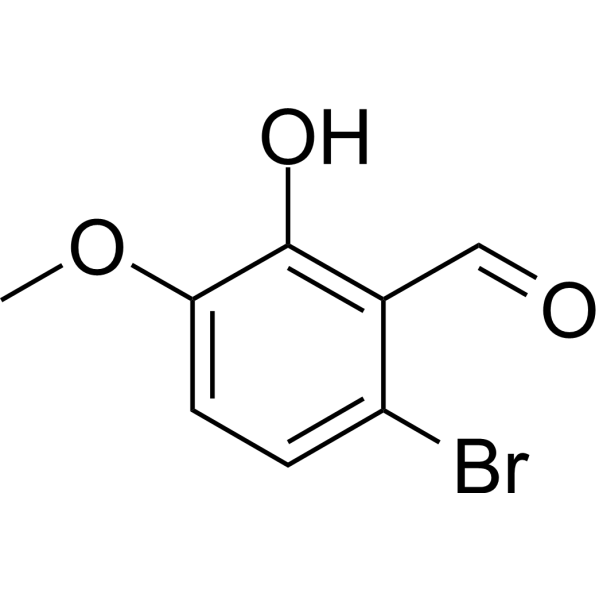
6-Bromo-2-hydroxy-3-methoxybenzaldehyde (NSC95682) (Compound 3-5) is a selective and potent IRE-1α inhibitor with an IC50 value of 0.08 μM. 6-Bromo-2-hydroxy-3-methoxybenzaldehyde can be used for research on diseases associated with the unfolded protein response (UPR), such as cancer and autoimmune diseases .
|
-
-
- HY-N0805A
-
|
|
Epoxide Hydrolase
CaMK
Autophagy
Apoptosis
|
Metabolic Disease
Inflammation/Immunology
Cancer
|
|
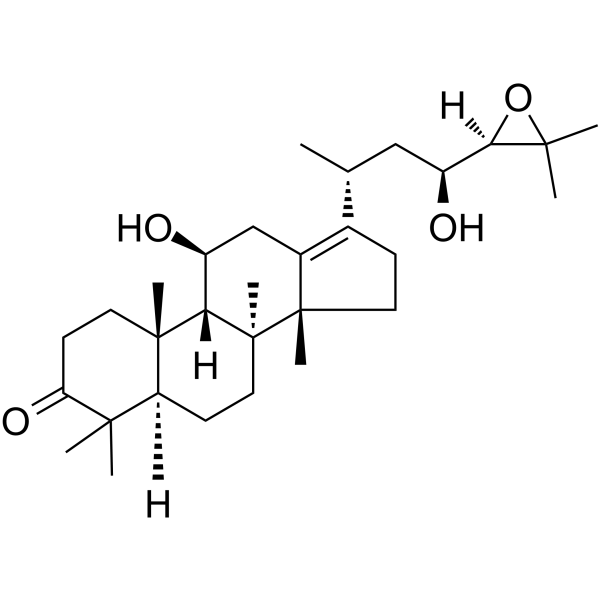
Alisol B is a triterpene with diverse biological activities. Alisol B binds human soluble epoxide hydrolase (sEH) with a Ki of 5.97 μM and reduces sEH activity. Alisol B inhibits RANKL-induced JNK phosphorylation, NFATc1 and c-Fos expression, osteoclast formation, mature osteoclast pit-forming and actin ring activity, and SERCA pump activity. Alisol B induces calcium mobilization, CaMKK-AMPK-mTOR pathway activation, autophagic flux, autophagosome formation, G1 phase cell cycle arrest, endoplasmic reticulum stress, unfolded protein responses, and cancer cell apoptosis. Alisol B can be used for the research of hypercalcemia, osteoporosis, rheumatoid arthritis, periodontitis, acute kidney injury, and breast cancer .
|
-
-
- HY-101991
-
|
|
PERK
Eukaryotic Initiation Factor (eIF)
Apoptosis
|
Cancer
|
|
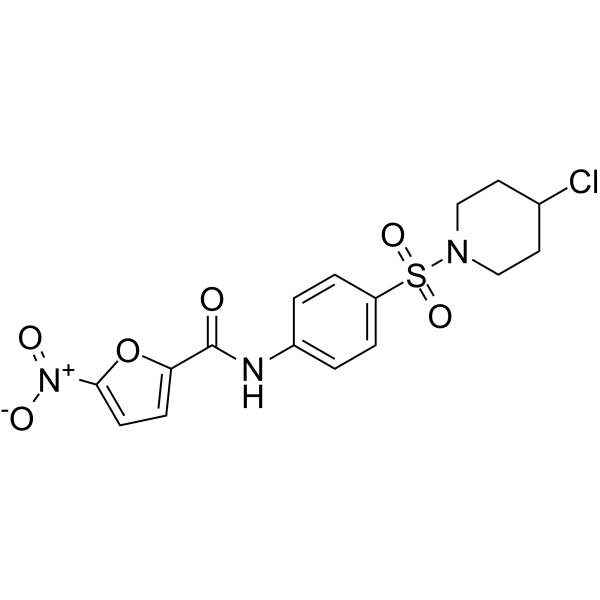
ML291 is a UPR (unfolded protein response)-inducing sulfonamidebenzamide. ML291 overwhelms the adaptive capacity of the UPR and induces apoptosis in a variety of solid cancer models. ML291 can activate the PERK/eIF2a/CHOP (apoptotic) arm of the UPR and reduce leukemic cell burden .
|
-
-
- HY-114410
-
|
|
Mitochondrial Metabolism
|
Cancer
|
|
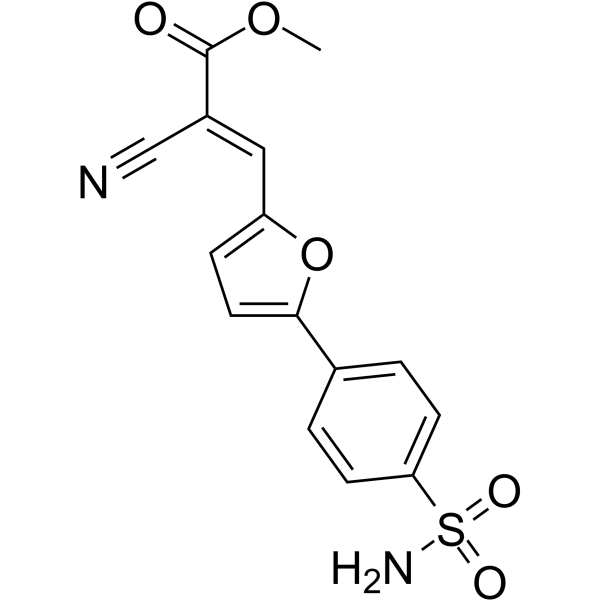
CCI-006 is a selective inhibitor and chemosensitizer of MLL-rearranged leukemia cells, by inhibits mitochondrial respiration resulting in insurmountable mitochondrial depolarization and a pro-apoptotic unfolded protein response (UPR) in a subset of MLL-r leukemia cells .
|
-
-
- HY-121337
-
|
R-40244
|
Environmental Pollutants
Apoptosis
Bcl-2 Family
|
Others
|
|
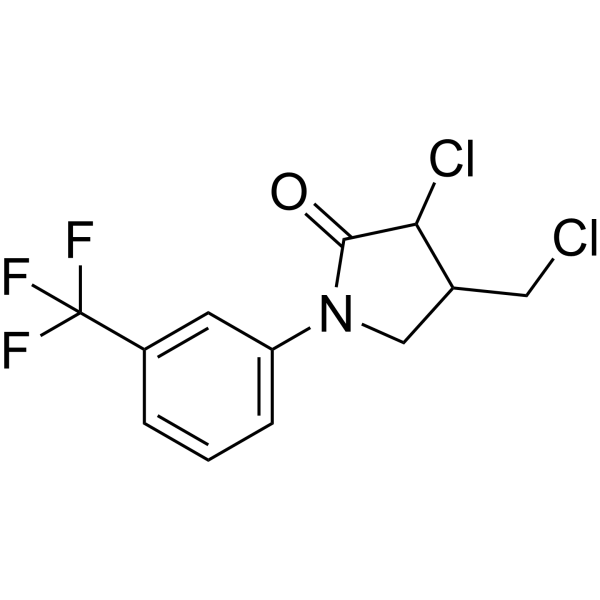
Flurochloridone (R-40244) is a selective preemergence and persistent herbicide. Flurochloridone induces endoplasmic reticulum (ER) stress and activated unfolded protein response (UPR) signaling pathways. Flurochloridone impairs cell viability and induces cytotoxicity and apoptosis mediated by ER stress via activating eIF2α-ATF4/ATF6-CHOP-Bim/Bax signaling pathways in TM4 cells .
|
-
-
- HY-150280
-
|
|
Apoptosis
Ferroptosis
DNA/RNA Synthesis
IRE1
CDK
Caspase
Drug Derivative
|
Cancer
|
|
Ironomycin is a derivative of Salinomycin (HY-15597). Ironomycin exhibits selective inhibitory activity against mantle cell lymphoma (MCL) cells. Ironomycin blocks the cell cycle and induces apoptosis and ferroptosis. Ironomycin induces double-strand DNA breaks and activates the unfolded protein response (UPR), particularly the IRE1α signaling pathway accumulation. The combination of Ironomycin with Ibrutinib (HY-10997) shows a synergistic effect. Ironomycin can be used for the study of MCL.
|
-

-
- HY-147039
-
|
NKP-1339 free base; IT-139 free base; KP-1339 free base
|
HSP
Autophagy
|
Cancer
|
|
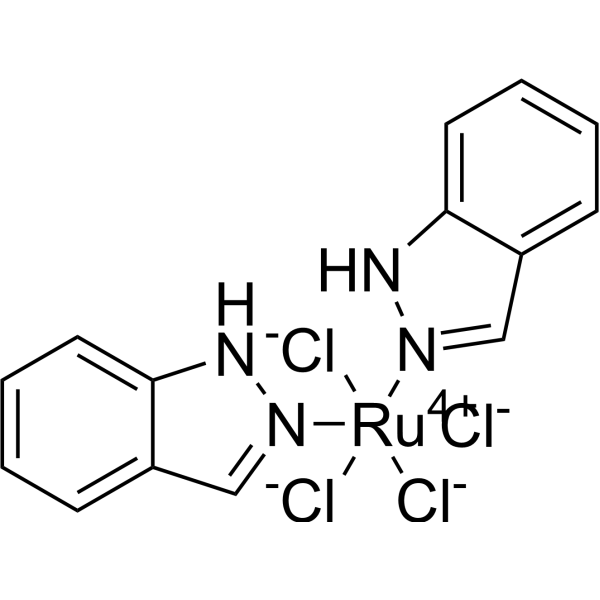
BOLD-100 (NKP-1339; IT-139) free base is a ruthenium-based anticancer agent. BOLD-100 free base also is an inhibitor of stress-induced GRP78 upregulation, disrupting endoplasmic reticulum (ER) homeostasis and inducing ER stress and unfolded protein response (UPR). BOLD-100 free base interferes with the complex interplay between ER-stress response, lysosome dynamics, and autophagy execution .
|
-
-
- HY-170667
-
|
|
Autophagy
HSP
|
Cancer
|
|
Autophagy activator-1 (Compound B2) is an autophagy activator Autophagy. Activator-1 ultimately leads to the activation of autophagy by downregulating key members of the HSP70 family and activating the unfolded protein response .
|
-

-
- HY-P10757
-
-

-
- HY-E70728
-
|
|
Eukaryotic Initiation Factor (eIF)
|
Inflammation/Immunology
|
|
Heme-regulated inhibitory (HRI) is an eIF2α kinase, which induces a cytosolic unfolded protein response to prevent aggregation of innate immune signalosomes. HRI Recombinant Human Active Protein Kinase is a recombinant HRI protein that can be used to study HRI-related functions .
|
-

-
- HY-133859
-
|
|
Mitochondrial Metabolism
|
Metabolic Disease
|
|
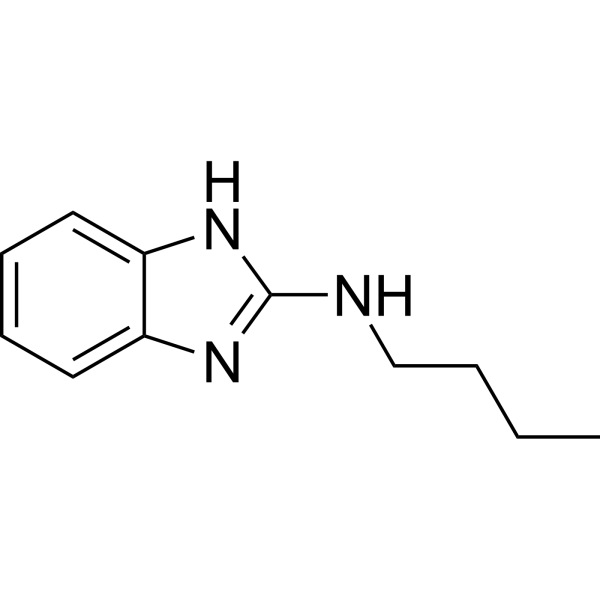
M084 is a benzimidazole derivative. M084 inhibits the mitochondrial respiration, activate mitochondrial unfolded protein response and AMPK, recruites SIR-2.1 and SKN-1, and finally through the transcription factor DAF-16, delays the aging process of C. elegans .
|
-
-
- HY-139903
-
|
|
Fungal
Calcineurin
p38 MAPK
|
Infection
|
|
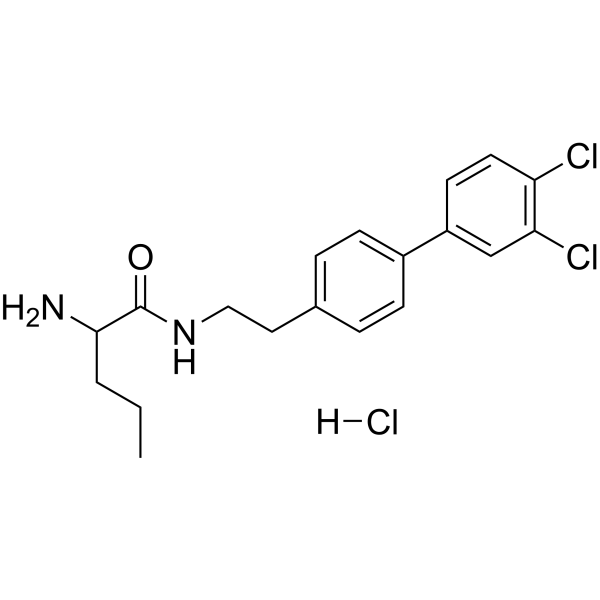
Antifungal agent 18 is an antifungal agent. Antifungal agent 18 shows a broad-spectrum antifungal activity against major human fungal pathogens. Antifungal agent 18 compromises fungal cell wall integrity by targeting the unfolded protein response (UPR), calcineurin, and MAPK pathways. Antifungal agent 18 shows antifungal activity in virto and vivo. Antifungal agent 18 can be used for the research of invasive fungal pathogens and cutaneous dermatophytes .
|
-
-
- HY-132247A
-
|
|
Estrogen Receptor/ERR
|
Cancer
|
|
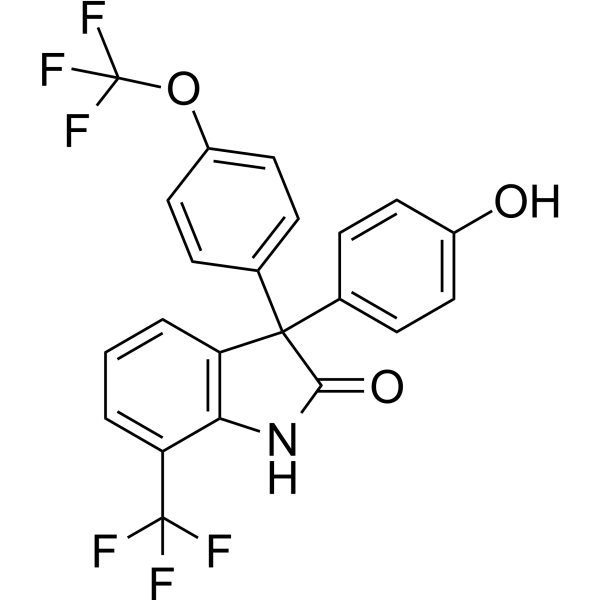
(±)-ErSO is the racemate of ErSO. ErSO is a selective anticipatory unfolded protein response (a-UPR) activator .
|
-
-
- HY-28325
-
|
|
Reactive Oxygen Species (ROS)
p38 MAPK
|
Cancer
|
|
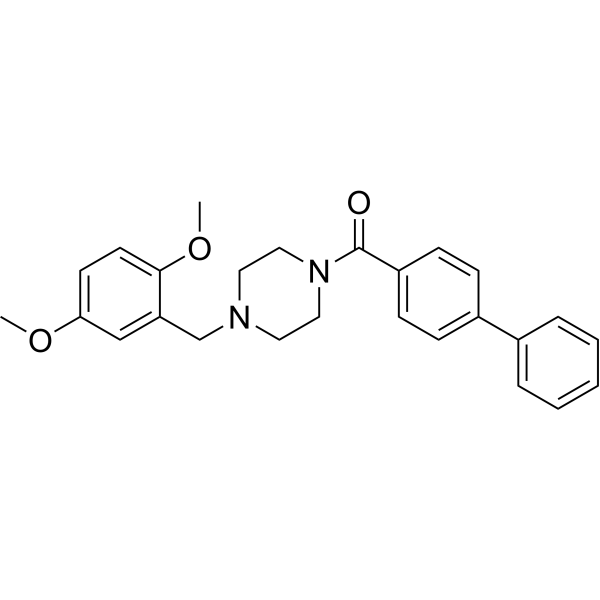
AMC-04 is an unfolded protein response (UPR) activator, which activates UPR pathway through ROS and p38 MAPK signaling and induces apoptotic cell death. AMC-04 can be used for cancer research .
|
-
-
- HY-169581
-
|
|
Reactive Oxygen Species (ROS)
Mitosis
|
Cancer
|
|
DIM-C-pPhtBu is an orally active endoplasmic reticulum stress activator. DIM-C-pPhtBu induces mitochondrial and lysosome dysfunction, excessive mitosis, ROS production, and unfolded protein response-mediated cell death in neck cancer cells. DIM-C-pPhtBu has antitumor activity .
|
-

-
- HY-153474
-
|
|
IRE1
|
Others
|
|
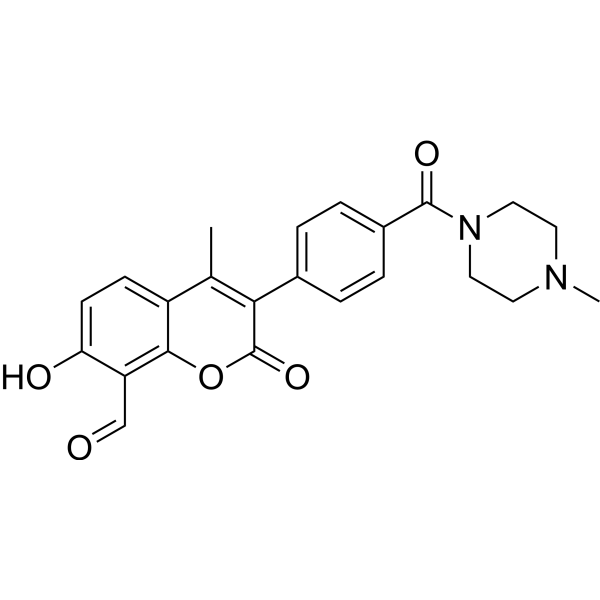
IRE1α kinase-IN-8, a benzoheterocyclecarboxaldehyde derivative, is a potent IRE-1α inhibitor. IRE1α kinase-IN-8 can be used for research in diseases associated with the unfolded protein response or with regulated IRE1-dependent decay (RIDD) .
|
-
-
- HY-153475
-
|
|
IRE1
|
Cancer
|
|
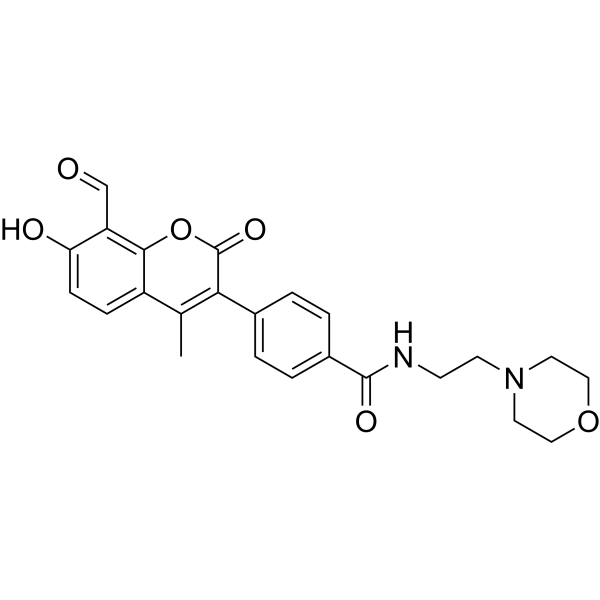
IRE1α kinase-IN-9 (compound 2) is a potent IRE-1α inhibitor,exhibits an average IC50 value of <0.1 μM. IRE1α kinase-IN-9 can be used for research in diseases associated with the unfolded protein response or with regulated IRE1-dependent decay (RIDD) .
|
-
-
- HY-N12887
-
|
|
Mitochondrial Metabolism
|
Others
Cancer
|
|
Mycothiazole is an inhibitor for mitochondrial electron transport chain (ETC) complex I. Mycothiazole exhibits cytotoxicity in cancer cells Huh7 (IC50 is 55.8 μM), U87 and MCF7. Mycothiazole induces apoptosis in Huh7. Mycothiazole utilizes the unfolded protein response (UPR) and heat shock response (HSR) pathway involved transcription factors ATFS-1 and HSF1, to extend the lifespan of C. elegans .
|
-

-
- HY-167701
-
|
|
Ligands for Target Protein for PROTAC
Apoptosis
Estrogen Receptor/ERR
|
Cancer
|
|
OBHSA is a selective estrogen receptor (ERα) degrader. OBHSA blocks the cell cycle by degrading cyclin D1, thereby overcoming Tamoxifen (HY-13757A) resistance. OBHSA also triggers excessive activation of the unfolded protein response (UPR) by inducing an increase in intracellular reactive oxygen species, ultimately leading to cell apoptosis. In addition, OBHSA can also be used as an ERα ligand to synthesize PROTAC degraders .
|
-

-
- HY-121337R
-
|
R-40244 (Standard)
|
Reference Standards
Apoptosis
Bcl-2 Family
|
Others
|
|
Flurochloridone (Standard) is the analytical standard of Flurochloridone. This product is intended for research and analytical applications. Flurochloridone (R-40244) is a selective preemergence and persistent herbicide. Flurochloridone induces endoplasmic reticulum (ER) stress and activated unfolded protein response (UPR) signaling pathways. Flurochloridone impairs cell viability and induces cytotoxicity and apoptosis mediated by ER stress via activating eIF2α-ATF4/ATF6-CHOP-Bim/Bax signaling pathways in TM4 cells .
|
-

-
- HY-N0805AR
-
|
|
Reference Standards
Epoxide Hydrolase
CaMK
Autophagy
Apoptosis
|
Metabolic Disease
Inflammation/Immunology
Cancer
|
|
Alisol B (Standard) is the analytical standard of Alisol B (HY-N0805A). This product is intended for research and analytical applications. Alisol B is a triterpene with diverse biological activities. Alisol B binds human soluble epoxide hydrolase (sEH) with a Ki of 5.97 μM and reduces sEH activity. Alisol B inhibits RANKL-induced JNK phosphorylation, NFATc1 and c-Fos expression, osteoclast formation, mature osteoclast pit-forming and actin ring activity, and SERCA pump activity. Alisol B induces calcium mobilization, CaMKK-AMPK-mTOR pathway activation, autophagic flux, autophagosome formation, G1 phase cell cycle arrest, endoplasmic reticulum stress, unfolded protein responses, and cancer cell apoptosis. Alisol B can be used for the research of hypercalcemia, osteoporosis, rheumatoid arthritis, periodontitis, acute kidney injury, and breast cancer.
|
-

-
- HY-101991R
-
|
|
Reference Standards
PERK
Eukaryotic Initiation Factor (eIF)
Apoptosis
|
Cancer
|
|
ML291 (Standard) is the analytical standard of ML291 (HY-101991). This product is intended for research and analytical applications. ML291 is a UPR (unfolded protein response)-inducing sulfonamidebenzamide. ML291 overwhelms the adaptive capacity of the UPR and induces apoptosis in a variety of solid cancer models. ML291 can activate the PERK/eIF2a/CHOP (apoptotic) arm of the UPR and reduce leukemic cell burden .
|
-

-
- HY-W009929
-
|
4-(Hexyloxy)phenol
|
Apoptosis
Caspase
PARP
|
Cancer
|
|
AC-45594 (4-(Hexyloxy)phenol) is a UPR activator. AC-45594 induces endoplasmic reticulum stress, activates the unfolded protein response (UPR), and drives the transition from adaptive stress signaling to terminal stress signaling, ultimately leading to cell Apoptosis. AC-45594 activates Caspase-3, induces PARP cleavage, and increases the protein level of DR5. AC-45594 selectively inhibits the growth of Ewing sarcoma cells .
|
-

-
- HY-120825
-
|
|
Apoptosis
DNA/RNA Synthesis
Reactive Oxygen Species (ROS)
Keap1-Nrf2
|
Cancer
|
|
QD 232 is a quinazolinedione-based ROS inducer and an apoptosis inducer with cytotoxicity and redox regulatory activity. QD 232 promotes ROS accumulation, activates the NRF2-mediated oxidative stress response and unfolded protein response pathways, and upregulates downstream antioxidant and stress response genes. QD 232 inhibits mtDNA transcription driven by HSP2 and LSP promoters, and impairs mitochondrial oxidative phosphorylation function. QD 232 induces apoptosis of pancreatic ductal adenocarcinoma cells and exerts cytotoxicity against gemcitabine (HY-17026)-resistant pancreatic ductal adenocarcinoma cells. QD 232 delays tumor growth in a mouse pancreatic cancer xenograft model .
|
-

-
- HY-107371R
-
|
NSC95682 (Standard)
|
Reference Standards
IRE1
|
Inflammation/Immunology
Cancer
|
|
6-Bromo-2-hydroxy-3-methoxybenzaldehyde (Standard) (NSC95682 (Standard)) is the analytical standard of 6-Bromo-2-hydroxy-3-methoxybenzaldehyde (HY-107371). This product is intended for research and analytical applications. 6-Bromo-2-hydroxy-3-methoxybenzaldehyde (NSC95682) (Compound 3-5) is a selective and potent IRE-1α inhibitor with an IC50 value of 0.08 μM. 6-Bromo-2-hydroxy-3-methoxybenzaldehyde can be used for research on diseases associated with the unfolded protein response (UPR), such as cancer and autoimmune diseases .
|
-

-
- HY-182360
-
|
|
PERK
Eukaryotic Initiation Factor (eIF)
Bcl-2 Family
Apoptosis
Reactive Oxygen Species (ROS)
STING
DNA/RNA Synthesis
PD-1/PD-L1
|
Cancer
|
|
Cytisine-Platinum(IV) Prodrug-1 is a Pt(IV) prodrug incorporating the natural compound Cytisine (HY-N0175) with antiproliferative activity against tumor cells. Cytisine-Platinum(IV) Prodrug-1 promotes calcium transfer across the IP3R1-GRP75-VDAC1 axis to drive mitochondrial calcium overload. Cytisine-Platinum(IV) Prodrug-1 initiates unfolded protein response via PERK, eIF2α, ATF4, and CHOP to modulate Bcl-2 and Bax, triggering apoptosis. Cytisine-Platinum(IV) Prodrug-1 induces mitochondrial dysfunction, ROS production, reduced ATP synthesis, DNA damage, and S-phase cell cycle arrest. Cytisine-Platinum(IV) Prodrug-1 activates the cGAS-STING pathway, reduces PD-L1 expression, drives immunogenic cell death. Cytisine-Platinum(IV) Prodrug-1 exhibits high physiological stability, efficient cellular accumulation, and enhanced platinum-DNA binding, and inhibits tumor growth in mouse models with reduced systemic toxicity. Cytisine-Platinum(IV) Prodrug-1 can be used for the research of lung cancer .
|
-

-
-
HY-L054
-
|
|
356 compounds
|
|
Endoplasmic reticulum (ER) contributes to the production and folding of approximately one third of cellular proteins, and is thus inextricably linked to the maintenance of cellular homeostasis and the fine balance between health and disease. However, some adverse factors negatively impact ER functions and protein synthesis, resulting in the activation of Endoplasmic reticulum stress (ER stress, ERS) and unfolded protein response (UPR) signaling pathways. The UPR is triggered when ER protein folding capacity is overwhelmed by cellular demand and the UPR initially aims to restore ER homeostasis and normal cellular functions. However, if this fails, then the UPR triggers cell death. Chronic ER stress and defects in UPR signaling are emerging as key contributors to a growing list of human diseases, including diabetes, neurodegeneration and cancer.
MCE Endoplasmic Reticulum Stress Compound Library contains 356 ER stress-related compounds that mainly target PERK, IRE1, ATF6, etc. MCE ER stress library is a useful tool for researching ER stress and related diseases.
|
| Cat. No. |
Product Name |
Type |
-
- HY-W338584
-
|
|
Biochemical Assay Reagents
|
|
Tripotassium hydroxycitrate is an orally active, multi-target, multi-bioactive organic acid. Tripotassium hydroxycitrate activates Nrf2 and its downstream molecule GPX4, increases glutathione levels, and thereby inhibits ferroptosis. Tripotassium hydroxycitrate activates the Nrf2/Keap1 and ACLY/NF-κB signaling pathways, upregulates the activities of antioxidant enzymes such as superoxide dismutase, reduces MDA content, thereby alleviating oxidative stress and renal tubular epithelial cell apoptosis, and improves pulmonary vascular and right ventricular remodeling. Tripotassium hydroxycitrate activates both the AMPK and mTORC1/S6K pathways, triggers the unfolded protein response, arrests the cancer cell cycle, and induces DNA fragmentation .
|
| Cat. No. |
Product Name |
Target |
Research Area |
| Cat. No. |
Product Name |
Category |
Target |
Chemical Structure |
-
- HY-N1437
-
|
|
Structural Classification
Ketones, Aldehydes, Acids
Guttiferae
Plants
Garcinia gummi-gutta (L.) Roxb.
Source Classification
|
Apoptosis
Ferroptosis
mTOR
DNA/RNA Synthesis
Keap1-Nrf2
Ribosomal S6 Kinase (RSK)
NF-κB
ATP Citrate Lyase
AMPK
|
|
Hydroxycitric acid is an orally active, multi-target, multi-bioactive organic acid. activates Nrf2 and its downstream molecule GPX4, increases glutathione levels, and thereby inhibits ferroptosis. Hydroxycitric acid activates the Nrf2/Keap1 and ACLY/NF-κB signaling pathways, upregulates the activities of antioxidant enzymes such as superoxide dismutase, reduces MDA content, thereby alleviating oxidative stress and renal tubular epithelial cell apoptosis, and improves pulmonary vascular and right ventricular remodeling. Hydroxycitric acid activates both the AMPK and mTORC1/S6K pathways, triggers the unfolded protein response, arrests the cancer cell cycle, and induces DNA fragmentation .
|
-
-
- HY-N0805A
-
|
|
Triterpenes
Structural Classification
Alisma plantago-aquatica Linn.
Classification of Application Fields
Terpenoids
Metabolic Disease
Alismataceae
Plants
Disease Research Fields
Source Classification
|
Epoxide Hydrolase
CaMK
Autophagy
Apoptosis
|
|
Alisol B is a triterpene with diverse biological activities. Alisol B binds human soluble epoxide hydrolase (sEH) with a Ki of 5.97 μM and reduces sEH activity. Alisol B inhibits RANKL-induced JNK phosphorylation, NFATc1 and c-Fos expression, osteoclast formation, mature osteoclast pit-forming and actin ring activity, and SERCA pump activity. Alisol B induces calcium mobilization, CaMKK-AMPK-mTOR pathway activation, autophagic flux, autophagosome formation, G1 phase cell cycle arrest, endoplasmic reticulum stress, unfolded protein responses, and cancer cell apoptosis. Alisol B can be used for the research of hypercalcemia, osteoporosis, rheumatoid arthritis, periodontitis, acute kidney injury, and breast cancer .
|
-
-
- HY-N12887
-
|
|
Natural Products
Marine natural products
Sponge
Source Classification
|
Mitochondrial Metabolism
|
|
Mycothiazole is an inhibitor for mitochondrial electron transport chain (ETC) complex I. Mycothiazole exhibits cytotoxicity in cancer cells Huh7 (IC50 is 55.8 μM), U87 and MCF7. Mycothiazole induces apoptosis in Huh7. Mycothiazole utilizes the unfolded protein response (UPR) and heat shock response (HSR) pathway involved transcription factors ATFS-1 and HSF1, to extend the lifespan of C. elegans .
|
-
-
- HY-N0805AR
-
|
|
Triterpenes
Structural Classification
Alisma plantago-aquatica Linn.
Terpenoids
Alismataceae
Plants
Source Classification
|
Reference Standards
Epoxide Hydrolase
CaMK
Autophagy
Apoptosis
|
|
Alisol B (Standard) is the analytical standard of Alisol B (HY-N0805A). This product is intended for research and analytical applications. Alisol B is a triterpene with diverse biological activities. Alisol B binds human soluble epoxide hydrolase (sEH) with a Ki of 5.97 μM and reduces sEH activity. Alisol B inhibits RANKL-induced JNK phosphorylation, NFATc1 and c-Fos expression, osteoclast formation, mature osteoclast pit-forming and actin ring activity, and SERCA pump activity. Alisol B induces calcium mobilization, CaMKK-AMPK-mTOR pathway activation, autophagic flux, autophagosome formation, G1 phase cell cycle arrest, endoplasmic reticulum stress, unfolded protein responses, and cancer cell apoptosis. Alisol B can be used for the research of hypercalcemia, osteoporosis, rheumatoid arthritis, periodontitis, acute kidney injury, and breast cancer.
|
-
Your information is safe with us. * Required Fields.
Inquiry Information
- Product Name:
- Cat. No.:
- Quantity:
- MCE Japan Authorized Agent:








