1. Search Result
Search Result
Results for "

vascular endothelium

" in MedChemExpress (MCE) Product Catalog:

28

Inhibitors & Agonists

7

Peptides

2

Inhibitory Antibodies

3

Natural
Products

2

Isotope-Labeled Compounds

3

Oligonucleotides

Targets Recommended:
Cat. No. Product Name Target Research Areas Chemical Structure
  • HY-P0206
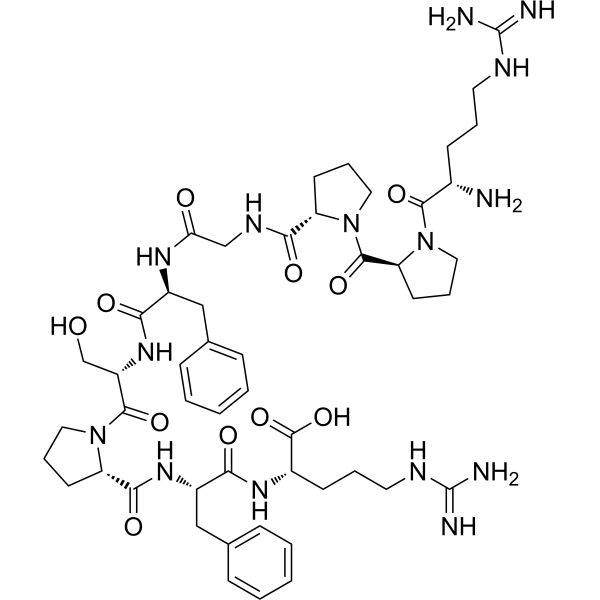
    Bradykinin
    15+ Cited Publications

    Bradykinin Receptor Endogenous Metabolite Ser/Thr Protease Cardiovascular Disease Endocrinology
    Bradykinin is an effective endothelium-dependent vasodilator that can lower blood pressure. Bradykinin can induce contraction of bronchial and intestinal non-vascular smooth muscle, increase vascular permeability, and participate in the mechanism of pain .
    Bradykinin
  • HY-15701
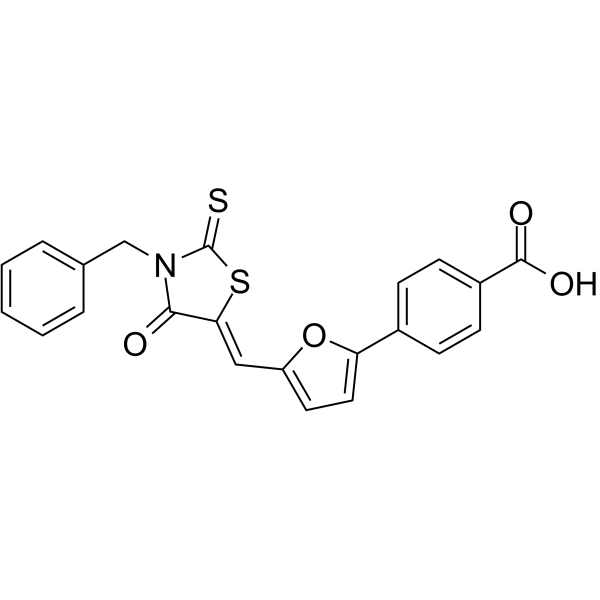
    Leukadherin-1
    5+ Cited Publications

    Integrin Complement System Inflammation/Immunology
    Leukadherin-1, a specific agonist of the leukocyte surface integrin CD11b/CD18, increases CD11b/CD18-dependent cell adhesion to fibrinogen with an EC50 of 4 μM. Leukadherin-1 enhances leukocyte adhesion to ligands (such as ICAM-1) and vascular endothelium and thus reduces leukocyte transendothelial migration and influx to the injury sites. Leukadherin-1 suppresses innate inflammatory signaling .
    Leukadherin-1
  • HY-W005255

    Endogenous Metabolite Cardiovascular Disease
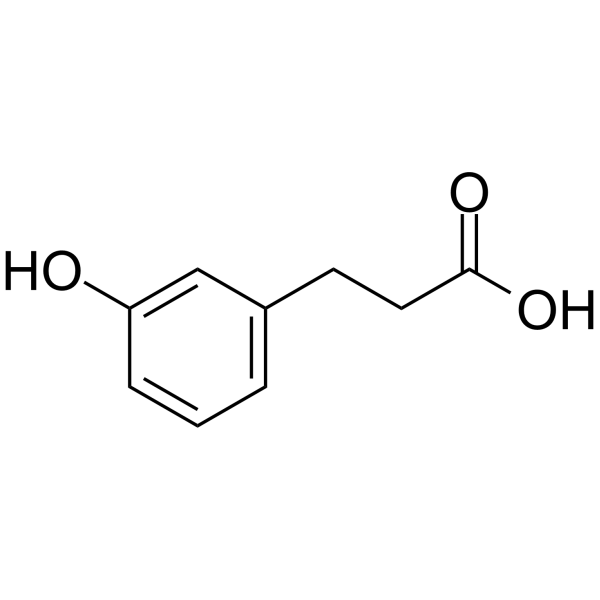
    3-(3-Hydroxyphenyl)propionic acid (3HPPA) is an endothelium-dependent nitric oxide (NO) release promoter and endothelial nitric oxide synthase (eNOS) activator. 3-(3-Hydroxyphenyl)propionic acid activates eNOS to mediate vascular smooth muscle relaxation and enhances endothelial cell NO synthesis, inducing vasodilation and reducing peripheral vascular resistance. 3-(3-Hydroxyphenyl)propionic acid can dose-dependently reduce systolic and diastolic blood pressure in spontaneously hypertensive rats (SHR) without affecting cardiac contractility or heart rate. 3-(3-Hydroxyphenyl)propionic acid has antihypertensive and vascular protective effects and can be used in the prevention and treatment of cardiovascular diseases .
    3-(3-Hydroxyphenyl)propionic acid
  • HY-P99336

    BI-RR 0001; Anti-Human IL6 Recombinant Antibody

    Integrin Neurological Disease Inflammation/Immunology
    Enlimomab (BI-RR 0001), a murine IgG2a monoclonal antibody to the human ICAM-1, inhibits leukocyte adhesion to the vascular endothelium, thereby decreasing leukocyte extravasation and inflammatory tissue injury. Enlimomab has anti-inflammatory effects, and can be used for stroke research .
    Enlimomab
  • HY-105028

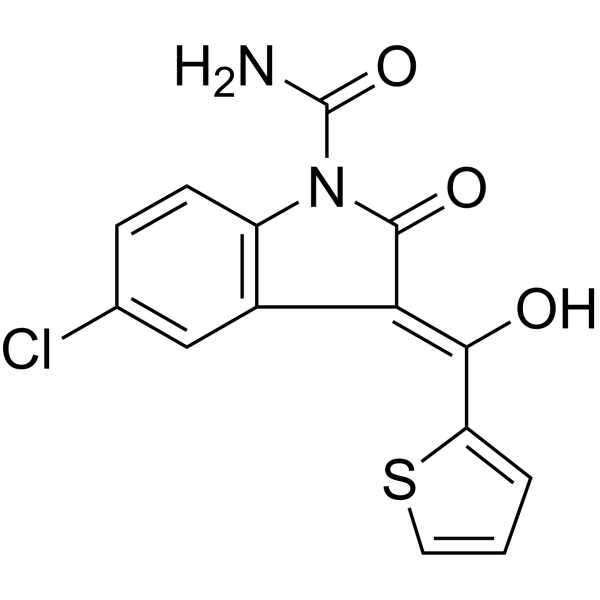
    CP-66248

    COX Lipoxygenase Potassium Channel MMP Inflammation/Immunology
    Tenidap (CP-66248) is an orally active dual inhibitor of 5-LOX and COX with anti-inflammatory and immunomodulatory properties. Tenidap downregulates the expression of IL-1 receptors in chondrocytes, reduces the release of pro-inflammatory cytokines such as IL-1, IL-6 and TNF-α, and inhibits MMP production and cartilage degradation. Tenidap also blocks bone resorption and leukocyte adhesion to vascular endothelium, interferes with ion and pH changes associated with mouse sperm capacitation, and selectively enhances the activity of hKir2.3 channels (EC50=1.3 μM). Tenidap is applicable to research related to rheumatoid arthritis .
    Tenidap
  • HY-P1636

    Thrombin YAP Calcium Channel Metabolic Disease
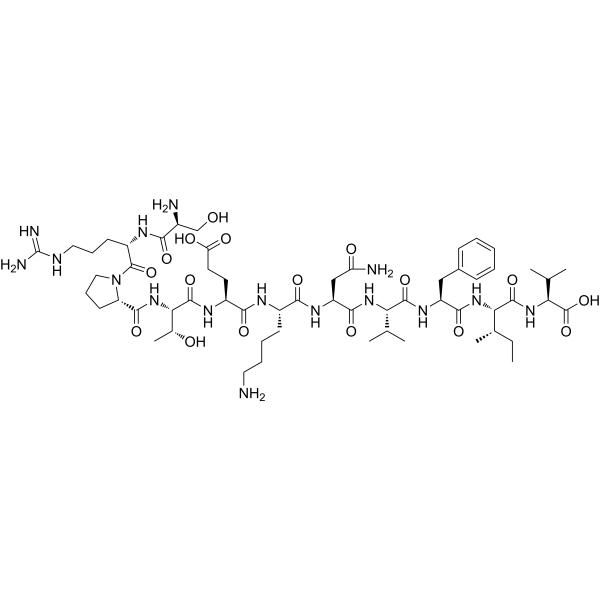
    Hirudin (54-65) is a thrombin antagonist and YAP suppressor with anticoagulatory properties.Hirudin (54-65) blocks thrombin's anion binding site, acts on soluble and thrombus-bound thrombin.Hirudin (54-65) suppresses thrombin-induced profibrotic YAP activity, reduces YAP expression, nuclear translocation, and downstream effector signaling in vascular endothelial cells.Hirudin (54-65) ameliorates obstructive cholestasis, attenuates liver fibrosis symptoms, fibrosis-associated angiogenesis, and endothelial-to-mesenchymal transition.Hirudin (54-65) reduces liver inflammation and tissue hypoxia.Hirudin (54-65) promotes extracellular calcium influx through L-type calcium channels in canine coronary artery smooth muscle, mediates contraction.Hirudin (54-65) induces endothelium-independent contraction of canine coronary arterial segments; this response is not affected by indomethacin pretreatment.Hirudin (54-65) can be used for the research of liver obstructive cholestasis, liver fibrosis .
    Hirudin (54-65)
  • HY-P0206A
    Bradykinin acetate
    15+ Cited Publications

    Bradykinin Receptor Endogenous Metabolite Ser/Thr Protease Cardiovascular Disease Endocrinology
    Bradykinin acetate is an effective endothelium-dependent vasodilator that can lower blood pressure. Bradykinin acetate can induce contraction of bronchial and intestinal non-vascular smooth muscle, increase vascular permeability, and participate in the mechanism of pain .
    Bradykinin acetate
  • HY-153482

    Small Interfering RNA (siRNA) Cancer
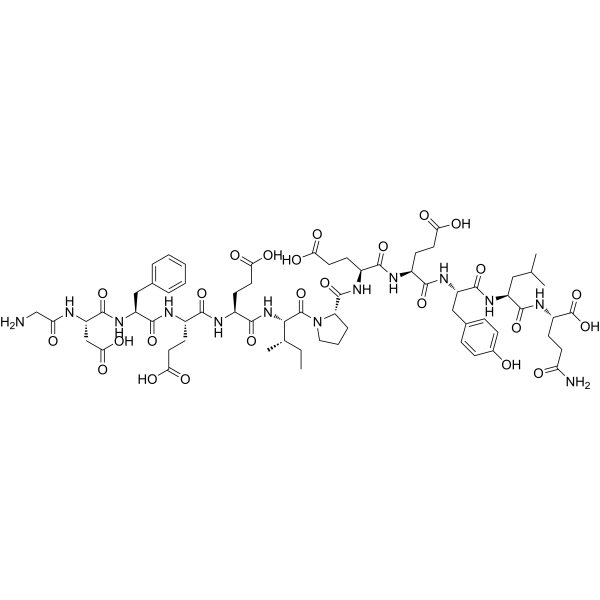
    ATU027 is a siRNA, which silences expression of protein kinase N3 (PKN3) in the vascular endothelium. ATU027 has previously been shown to inhibit local tumor invasion as well as lymph node and pulmonary metastasis in mouse cancer models.
    ATU027
  • HY-153482A

    Small Interfering RNA (siRNA) Cancer
    ATU027 sodium is a siRNA, which silences expression of protein kinase N3 (PKN3) in the vascular endothelium. ATU027 sodium has previously been shown to inhibit local tumor invasion as well as lymph node and pulmonary metastasis in mouse cancer models.
    ATU027 sodium
  • HY-W854385A
    Sialyl Lewis A sodium
    1 Publications Verification

    SLeA sodium

    Biochemical Assay Reagents Cancer
    Sialyl Lewis A (SLeA) sodium is a tumor-associated carbohydrate antigen, also known as carbohydrate antigen 19-9 (CA19-9), that binds to E-selectin (ELAM-1) and selectins to mediate cell-endothelium adhesion. Sialyl Lewis A sodium promotes cancer cell-vascular endothelium adhesion, and its surface presence correlates with increased tumorigenicity and invasiveness in cancer cells. Sialyl Lewis A sodium shows elevated expression in human adenocarcinomas of the colon, pancreas, and stomach, with expression levels linked to tumor progression and poor prognosis in colorectal and gastric carcinomas. Sialyl Lewis A sodium can be used for the research of cancers, such as colon, pancreas, stomach, and squamous lung cancer .
    Sialyl Lewis A sodium
  • HY-W854385

    SLeA

    Biochemical Assay Reagents E-Selectin Cancer
    Sialyl Lewis A (SLeA) is a tumor-associated carbohydrate antigen, also known as carbohydrate antigen 19-9 (CA19-9), that binds to E-selectin (ELAM-1) and selectins to mediate cell-endothelium adhesion. Sialyl Lewis A promotes cancer cell-vascular endothelium adhesion, and its surface presence correlates with increased tumorigenicity and invasiveness in cancer cells. Sialyl Lewis A shows elevated expression in human adenocarcinomas of the colon, pancreas, and stomach, with expression levels linked to tumor progression and poor prognosis in colorectal and gastric carcinomas. Sialyl Lewis A can be used for the research of cancers, such as colon, pancreas, stomach, and squamous lung cancer .
    Sialyl Lewis A
  • HY-W507009

    Endogenous Metabolite Cardiovascular Disease
    L-Arginyl-L-alanine is a dipeptide, is a vascular smooth muscle-derived relaxing factor. L-Arginyl-L-alanine increases the smooth muscle levels of cyclic GMP and nitrite in endothelium-denuded arterial rings .
    L-Arginyl-L-alanine
  • HY-113443

    AP-1 Metabolic Disease
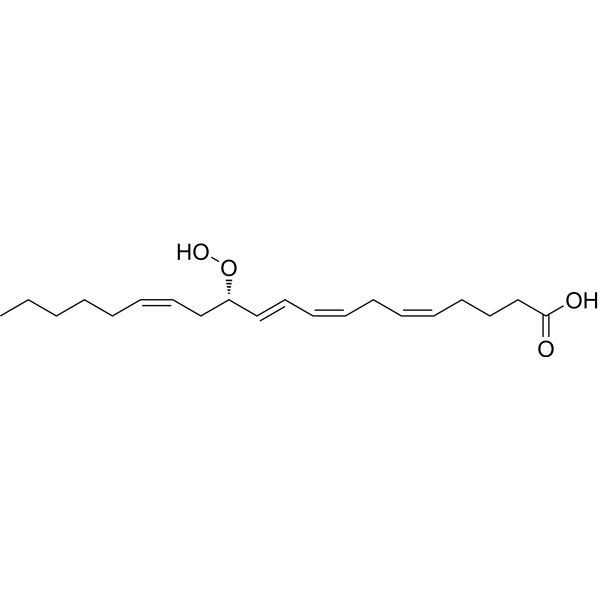
    12(S)-HPETE is a 12-hydroxyeicosatetraenoic acid. 12(S)-HPETE has the function of regulating vascular tone. 12(S)-HPETE induces the expression of c-Fos and c-Jun protein and increases activating protein 1 (AP-1) activity in vascular smooth muscle cells.12(S)-HPETE may play a physiological role in vasomotor regulation through endothelium itself and crosstalk between blood cells and endothelium. 12(S)-HPETE can be used in the study of cerebrovascular tension .
    12(S)-HPETE
  • HY-P5389

    Gap Junction Protein Others
    Connexin mimetic peptide 40GAP27 is a biological active peptide. (This peptide corresponds to the GAP27 domain of the second extracellular loop of dominant vascular connexin (Cx40), designated as 40Gap 27. It was used to investigate mechanisms through which oxidant stress impairs communication via gap junctions. When administered, 40Gap27attenuates endothelium-dependent subintimal smooth muscle hyperpolarization.)
    Connexin mimetic peptide 40GAP27
  • HY-137608

    UDP-β-S

    P2Y Receptor DNA/RNA Synthesis Cardiovascular Disease Inflammation/Immunology
    Uridine 5'-O-thiodiphosphate (UDP-β-S) is a P2Y6 receptor agonist with an EC50 of 25 nM. Uridine 5'-O-thiodiphosphate resists degradation by extracellular nucleotidases and stimulates the accumulation of inositol phosphates. Uridine 5'-O-thiodiphosphate stimulates contractile responses in endothelium-denuded rat mesenteric arteries. As a mitogen, Uridine 5'-O-thiodiphosphate stimulates DNA synthesis, [ 3H] thymidine incorporation, protein synthesis, [ 3H]leucine incorporation, and increases the number of vascular smooth muscle cells. Uridine 5'-O-thiodiphosphate can be used in the research of cardiovascular diseases such as atherosclerosis .
    Uridine 5'-O-thiodiphosphate
  • HY-137608A

    UDP-β-S trisodium

    P2Y Receptor DNA/RNA Synthesis Cardiovascular Disease Inflammation/Immunology
    Uridine 5'-O-thiodiphosphate trisodium (UDP-β-S trisodium) is a P2Y6 receptor agonist with an EC50 of 25 nM. Uridine 5'-O-thiodiphosphate trisodium resists degradation by extracellular nucleotidases and stimulates the accumulation of inositol phosphates. Uridine 5'-O-thiodiphosphate trisodium stimulates contractile responses in endothelium-denuded rat mesenteric arteries. As a mitogen, Uridine 5'-O-thiodiphosphate trisodium stimulates DNA synthesis, [ 3H] thymidine incorporation, protein synthesis, [ 3H]leucine incorporation, and increases the number of vascular smooth muscle cells. Uridine 5'-O-thiodiphosphate trisodium can be used in the research of cardiovascular diseases such as atherosclerosis .
    Uridine 5'-O-thiodiphosphate trisodium
  • HY-15701R

    Integrin Complement System Inflammation/Immunology
    Leukadherin-1 (Standard) is the analytical standard of Leukadherin-1. This product is intended for research and analytical applications. Leukadherin-1, a specific agonist of the leukocyte surface integrin CD11b/CD18, increases CD11b/CD18-dependent cell adhesion to fibrinogen with an EC50 of 4 μM. Leukadherin-1 enhances leukocyte adhesion to ligands (such as ICAM-1) and vascular endothelium and thus reduces leukocyte transendothelial migration and influx to the injury sites. Leukadherin-1 suppresses innate inflammatory signaling .
    Leukadherin-1 (Standard)
  • HY-P0206B

    Endogenous Metabolite Bradykinin Receptor Ser/Thr Protease Cardiovascular Disease Endocrinology
    Bradykinin triacetate is an effective endothelium-dependent vasodilator that can lower blood pressure. Bradykinin triacetate can induce contraction of bronchial and intestinal non-vascular smooth muscle, increase vascular permeability, and participate in the mechanism of pain .
    Bradykinin triacetate
  • HY-19078

    Prostaglandin Receptor Cardiovascular Disease
    SQ-30741 is a thromboxane A2 receptor antagonist. SQ-30741 reduces vasoconstriction in a feline pulmonary vascular bed model. SQ-30741 increases relaxation of aortic endothelium and vascular smooth muscle in adult rats in a spontaneously hypertensive rat model. SQ-30741 can be used in research on cardiovascular diseases such as hypertension .
    SQ-30741
  • HY-P0206S1

    Isotope-Labeled Compounds Bradykinin Receptor Endogenous Metabolite Ser/Thr Protease Cardiovascular Disease Endocrinology
    RPP-(Gly-1 13C2, 15N)-FSPFR TFA is 13C- and 15N-labeled Bradykinin (HY-P0206). Bradykinin is an effective endothelium-dependent vasodilator that can lower blood pressure. Bradykinin can induce contraction of bronchial and intestinal non-vascular smooth muscle, increase vascular permeability, and participate in the mechanism of pain .
    RPP-(Gly-13C2,15N)-FSPFR TFA
  • HY-15033

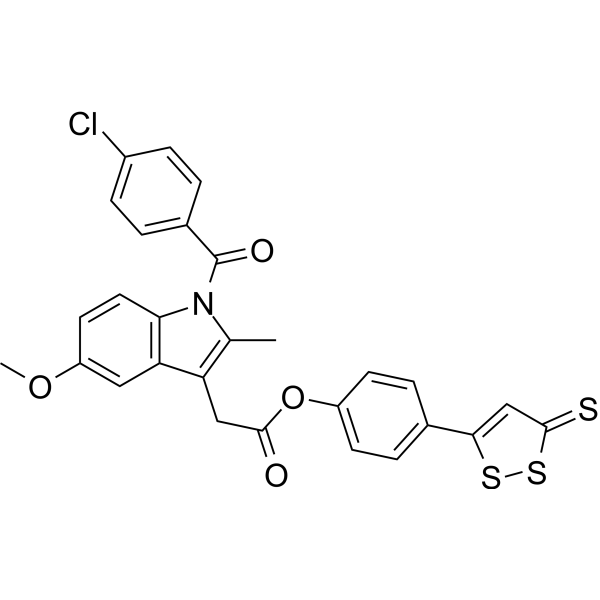
    Others Infection Inflammation/Immunology
    ATB-343 is a derivative of Indomethacin that releases H2S. H2S has cytoprotective and anti-inflammatory effects, inhibiting leukocyte adhesion to vascular endothelium and leukocyte migration to inflammatory sites. ATB-343 can be used to suppress respiratory infections .
    ATB-343
  • HY-160921

    SL65.0155 free base

    5-HT Receptor Neurological Disease
    Capeserod (SL65.0155 free base) is an agonist for serotonin receptor (5-HT receptor), with a Ki of 0.6 nM for 5-HT4 receptor. Capeserod enhances expression of phopshorilated cAMP-response element binding protein (p-CREB), vascular endothelium growth factor (VEGF), brain-derived neurotrophic factor (BDNF) and B cell lymphoma-2 (Bcl-2) proteins in hippocampus, and exhibits antidepressant-like efficacy in Wistar rats models .
    Capeserod
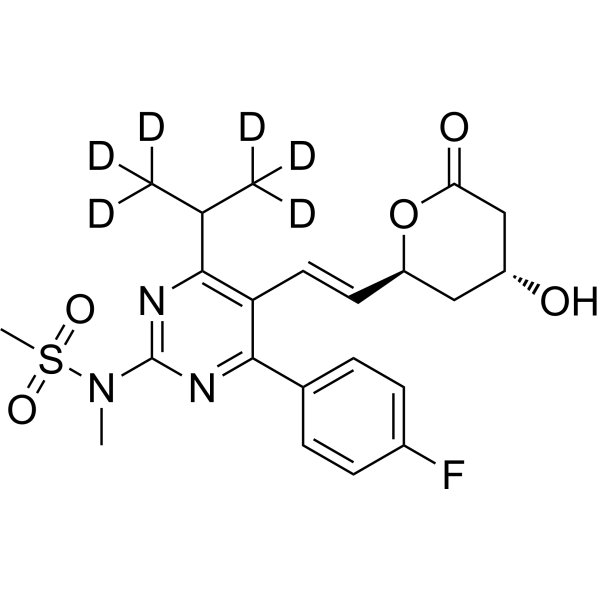
  • HY-138166S

    Isotope-Labeled Compounds Potassium Channel Drug Metabolite NO Synthase Cardiovascular Disease
    Rosuvastatin lactone-d6 is the deuterium labeled Rosuvastatin lactone. Rosuvastatin lactone is a metabolite of Rosuvastatin (HY-17504A), a statin lipid-lowering agent and HMG-CoA inhibitor. Rosuvastatin lactone exhibits endothelium-independent and HMG-CoA reductase-independent vasorelaxant activity in rat aortic rings, and its vasorelaxant effect is jointly mediated by NO produced by inducible nitric oxide synthase (iNOS) located in vascular smooth muscle and activation of potassium channels. Rosuvastatin lactone itself has no lipid-lowering effect .
    Rosuvastatin lactone-d6
  • HY-138166R

    Reference Standards Potassium Channel Drug Metabolite NO Synthase Cardiovascular Disease
    Rosuvastatin lactone (Standard) is the analytical standard of Rosuvastatin lactone. This product is intended for research and analytical applications. Rosuvastatin lactone is a metabolite of Rosuvastatin (HY-17504A), a statin lipid-lowering agent and HMG-CoA inhibitor. Rosuvastatin lactone exhibits endothelium-independent and HMG-CoA reductase-independent vasorelaxant activity in rat aortic rings, and its vasorelaxant effect is jointly mediated by NO produced by inducible nitric oxide synthase (iNOS) located in vascular smooth muscle and activation of potassium channels. Rosuvastatin lactone itself has no lipid-lowering effect .
    Rosuvastatin lactone (Standard)
  • HY-W740191

    DHLNL

    Biochemical Assay Reagents Others
    Dihydroxylysinonorleucine is a reducible lysine-derived cross-link. Dihydroxylysinonorleucine can be used for the cross-linking of Collagen .
    Dihydroxylysinonorleucine
  • HY-174683

    mRNA Cancer
    Human FLT4 mRNA encodes the human Fms related receptor tyrosine kinase 4 (FLT4) protein, a tyrosine kinase receptor for vascular endothelial growth factors C and D. FLT4 is thought to be involved in lymphangiogenesis and maintenance of the lymphatic endothelium.
    Human FLT4 mRNA
  • HY-184303

    PI3K Akt NO Synthase Guanylate Cyclase Potassium Channel Cardiovascular Disease
    Antihypertensive agent 7 is a vasodilator. Antihypertensive agent 7 acts on vascular endothelial cells to activate the PI3K/AKT signaling axis, increase phosphorylated eNOS, release NO, activate the sGC/cGMP pathway in smooth muscle cells, and synergistically activate multiple K + channels in vascular smooth muscle (Kir/Kv/KCa/KATP, thereby inducing endothelium-dependent vasodilation. Antihypertensive agent 7 can be used in the research of hypertension .
    Antihypertensive agent 7
  • HY-P992212

    L-Selectin Inflammation/Immunology
    Anti-CD62L Antibody (DREG-200) is a human monoclonal antibody targeting CD62L/L-selectin. Anti-CD62L Antibody (DREG-200) binds to residues 45, 46 and 47 of L-selectin, and blocks L-selectin-mediated interactions, neutrophil rolling, adhesion, aggregation, secondary anchoring, as well as leukocyte rolling on ligands. Anti-CD62L Antibody (DREG-200) reduces myocardial necrosis, coronary endothelial dysfunction, and neutrophil migration driven by neutrophil microparticles. Anti-CD62L Antibody (DREG-200) exerts cardioprotective effects in feline models. Anti-CD62L Antibody (DREG-200) can be used in studies related to myocardial ischemia-reperfusion injury. The recommended isotype control is Mouse IgG1 kappa (HY-P99977) .
    Anti-CD62L Antibody (DREG-200)

Inquiry Online

Your information is safe with us. * Required Fields.

Salutation


Country or Region *

Applicant Name *


Organization Name *

Department *


Email Address *


Product Name *

Cat. No.


Requested quantity *

Phone Number *


Remarks

Inquiry Online

Inquiry Information

Product Name:
Cat. No.:
Quantity:
MCE Japan Authorized Agent: