1. Search Result
Search Result
Results for "

xenograft tumor tissue

" in MedChemExpress (MCE) Product Catalog:

24

Inhibitors & Agonists

4

Peptides

2

Natural
Products

Cat. No. Product Name Target Research Areas Chemical Structure
  • HY-164899

    2-aminopyridine-3-carboxylic acid imidazolide

    Transmembrane Glycoprotein Cancer
    2A3 (2-aminopyridine-3-carboxylic acid imidazolide) is a T cell activator that specifically binds to CEACAM6 and CEACAM5. 2A3 exhibits enzymatic activity that catalyzes the glucuronidation of specific substrates (e.g., 1-naphthol), and possesses significant cytotoxic activity. When integrated into CAR T cells or used alone, 2A3 acts by inducing cytokine release, degranulation, and direct cytotoxicity. 2A3 kills pancreatic and breast cancer cells with high target antigen expression in vitro, and significantly inhibits the growth of pancreatic cancer xenografts in vivo. 2A3 broadly targets malignant tumors with overexpressed CEACAM5, CEACAM6, or co-expressed both, and shows high expression mainly in tissues such as the liver and colon. 2A3 serves as an important research tool for the immunotherapy of pancreatic and breast cancer . 2A3 is a novel SHAPE reagent, which can be used for the analysis of RNA structure both in vitro and in vivo . 2A3 is an electrophilic chemical probe that acylates the 2'-OH in the RNA backbone. 2A3 can be used for RNA SHAPE-MaP experiments and is capable of analyzing the RNA secondary structures at single nucleotide resolution.
    2A3
  • HY-159579

    PROTACs Epigenetic Reader Domain Cancer
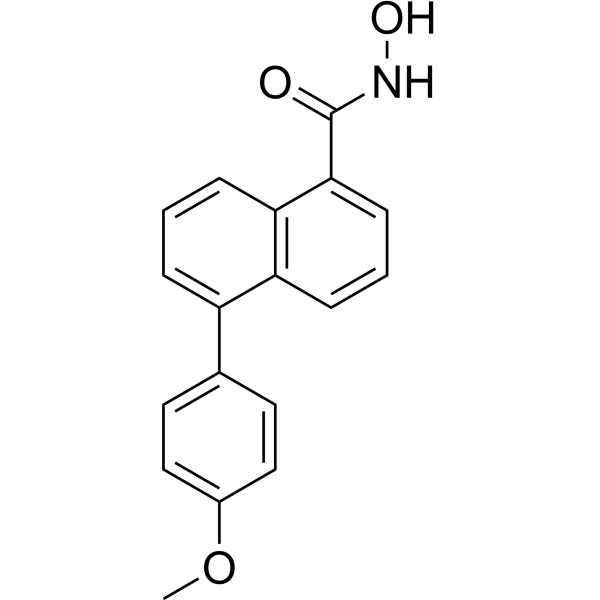
    CW-3308 is an orally active BRD9 PROTAC degrader with an DC50 of 92 nM. CW-3308 forms a ternary complex with BRD9 and cereblon to mediate BRD9 degradation. CW-3308 inhibits the viability of synovial sarcoma and rhabdoid tumor cells. CW-3308 reduces BRD9 protein levels in xenograft tumor tissues and suppresses tumor growth in xenograft models. CW-3308 can be used for the research of synovial sarcoma and rhabdoid tumors .
    CW-3308
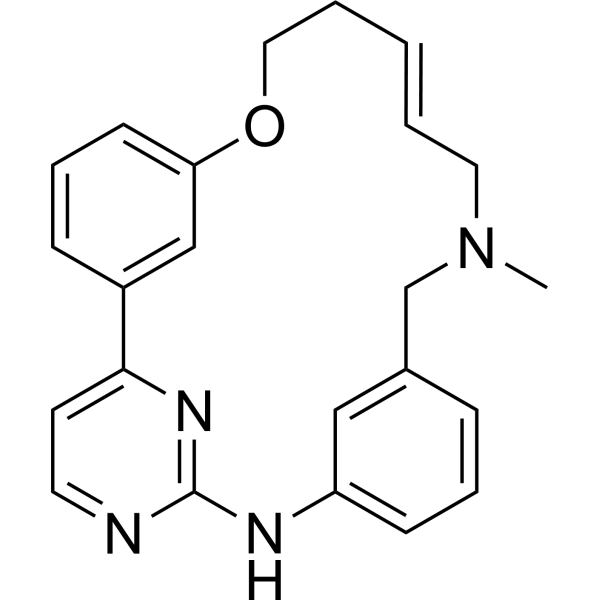
  • HY-15163
    Zotiraciclib
    2 Publications Verification

    TG02; SB1317

    JAK CDK FLT3 Cancer
    Zotiraciclib (TG02; SB1317) is an orally active JAK2/FLT3/CDK2 inhibitor with IC50 values of 13 nM, 73 nM and 56 nM , respectively. Zotiraciclib inhibits cancer cell proliferation, tumor growth and the activity of CYP2D6. Zotiraciclib exhibits high plasma protein binding rate, Caco-2 permeability and tissue distribution capacity, as well as metabolic stability in human and canine liver microsomes. Zotiraciclib achieves tumor growth inhibition in nude mouse models of colon cancer and lymphoma xenografts. Zotiraciclib can be used for research related to colon cancer, B-cell lymphoma, advanced leukemia, acute leukemia and multiple myeloma .

    Zotiraciclib
  • HY-125858
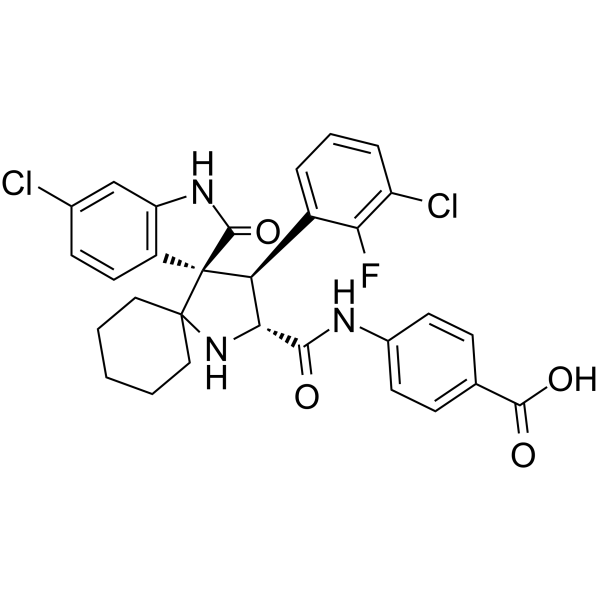
    MI-1061
    3 Publications Verification

    MDM-2/p53 E1/E2/E3 Enzyme Apoptosis Cancer
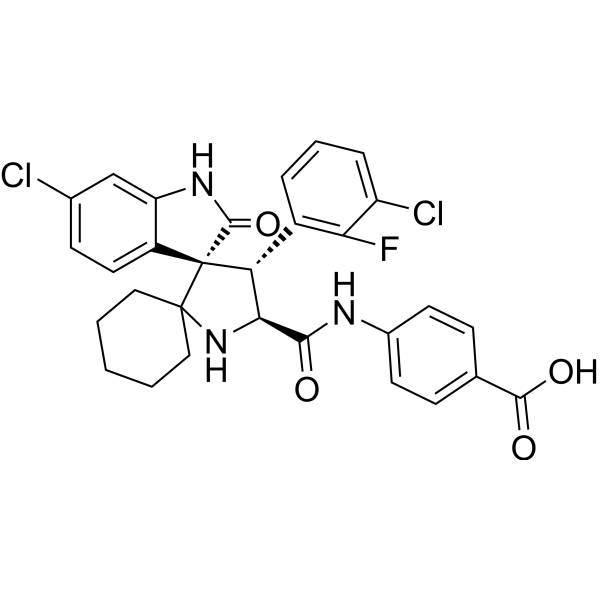
    MI-1061 is a potent, orally bioavailable, and chemically stable MDM2 (MDM2-p53 interaction) inhibitor (IC50=4.4 nM; Ki=0.16 nM). MI-1061 potently activates p53 and induces apoptosis in the SJSA-1 xenograft tumor tissue in mice. Anti-tumor activity .
    MI-1061
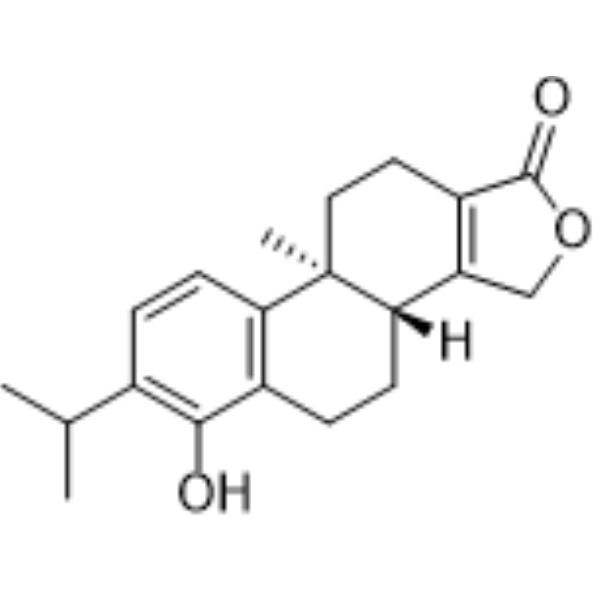
  • HY-N0475

    Hypolide; (+)-Triptophenolide

    Androgen Receptor Pyroptosis Caspase Bcl-2 Family Apoptosis Inflammation/Immunology Cancer
    Triptophenolide (Hypolide) is a colorless crystal isolated from the ethyl acetate extract of Tripterygium wilfordii. Triptophenolide is an orally active pan‑antagonist of the androgen receptor (AR) with an IC50 of 467 nM against human wild‑type AR. Triptophenolide reduces AR expression, inhibits AR nuclear translocation, downregulates prostate‑specific antigen mRNA levels, and suppresses the growth of AR‑positive prostate cancer cells. Triptophenolide shows anti-tumor effects against breast cancer by inhibiting cell proliferation and migration, inducing G1-phase arrest and apoptosis, repressing xenograft tumor growth. Triptophenolide inhibits pyroptosis, alleviates tissue inflammation, and ameliorates synovial injury. Triptophenolide can be used for the study of prostate cancer, rheumatoid arthritis and breast cancer .
    Triptophenolide
  • HY-170824

    PROTACs SWI/SNF Complex Epigenetic Reader Domain Cancer
    SMD-3236 is a SMARCA2 PROTAC degrader with a DC50 of 0.5 nM, a Dmax of 98%, and an IC50 of 42.2 nM against human SMARCA2. SMD-3236 induces proteasome- and ubiquitin-like modification-dependent degradation of SMARCA2 protein by binding to SMARCA2 and VHL-1. SMD-3236 inhibits the growth of SMARCA4-deficient cancer cells. SMD-3236 induces significant and persistent depletion of SMARCA2 in tumor tissues. SMD-3236 suppresses tumor growth in SMARCA4-deficient human cancer xenograft models. SMD-3236 can be used in research related to SMARCA4-deficient cancers such as melanoma, non-small cell lung cancer, and acute myeloid leukemia .
    SMD-3236
  • HY-P11339

    Integrin Cancer
    c-RGD-SH is a ligand for integrin αvβ3 (Integrin αvβ3). Conjugation of c-RGD-SH with core-crosslinked polymeric micelles (CCPM) enables the synthesis of a bimodal nanoprobe, which can be labeled with Cy7 and 111In for SPECT and NIRF imaging of tumors .
    c-RGD-SH
  • HY-170933

    SGK Cancer
    SGK1-IN-6 is a selective SGK1 inhibitor with an IC50 of 0.39 μM, showing selectivity over SGK2/3. SGK1-IN-6 inhibits cancer cell migration and invasion, improves SGK1 protein thermal stability. SGK1-IN-6 decreases SGK1 protein levels in tumor tissues, suppresses tumor growth in mouse xenograft models. SGK1-IN-6 can be used for the research of prostate cancer .
    SGK1-IN-6
  • HY-139062

    C6 Ceramide (d18:1/6:0) Urea; Cer(d18:1/6:0) Urea; D-erythro-Urea-C6-Ceramide

    Apoptosis Ceramidase Autophagy β-catenin Cancer
    C6 Urea Ceramide (Cer(d18:1/6:0) Urea) is an inhibitor of neutral ceramidase. C6 Urea Ceramide increases total ceramide levels in wild-type mouse embryonic fibroblasts (MEFs) and HT-29 colon cancer cells. C6 Urea Ceramide (5-10 μM) inhibits proliferation of HT-29 cells and induces apoptosis and autophagy, but is not toxic to non-cancerous cells. C6 Urea Ceramide decreases total and phosphorylated β-catenin levels in HT-29 and HCT116 cells, and induces colocalization of β-catenin with the 20S proteasome. C6 Urea Ceramide (1.25, 2.5, and 5 mg/kg) reduced tumor growth and increased C16, C18, C20, and C24 ceramide levels in tumor tissues in the HT-29 mouse xenograft model.
    C6 Urea Ceramide
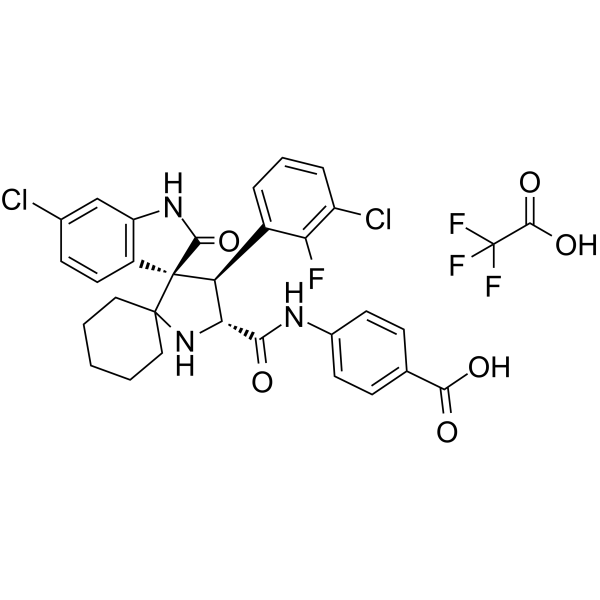
  • HY-125858A
    MI-1061 TFA
    3 Publications Verification

    MDM-2/p53 E1/E2/E3 Enzyme Apoptosis Cancer
    MI-1061 TFA is a potent, orally bioavailable, and chemically stable MDM2 (MDM2-p53 interaction) inhibitor (IC50=4.4 nM; Ki=0.16 nM). MI-1061 TFA potently activates p53 and induces apoptosis in the SJSA-1 xenograft tumor tissue in mice. Anti-tumor activity .
    MI-1061 TFA
  • HY-157847

    STAT Cancer
    Phospho-STAT3-IN-2 (compound 4D) is a STAT3 inhibitor that effectively inhibits STAT3 phosphorylation. phospho-STAT3-IN-2 can significantly reduce tumor volume in mouse xenograft tumor models without drug toxicity to other organs and tissues .
    phospho-STAT3-IN-2
  • HY-144273

    Indoleamine 2,3-Dioxygenase (IDO) Cancer
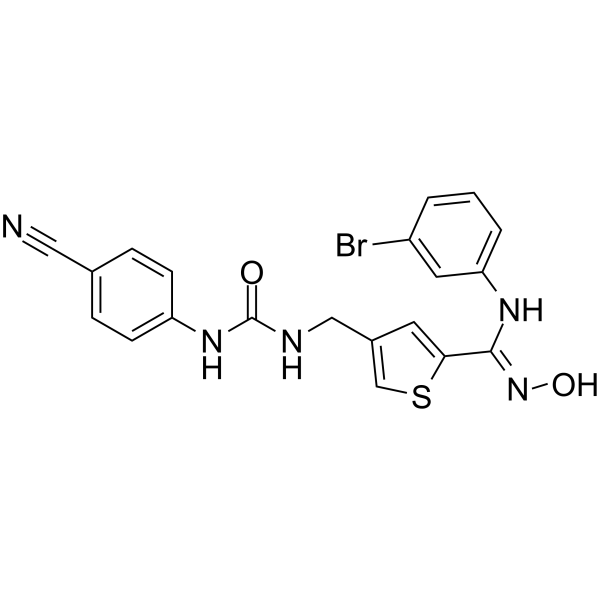
    IDO1-IN-13 (compound 27a) is a potent IDO1 inhibitor with an IC50 of 61.6 nM. IDO1-IN-13 has cellular IDO1 inhibition (HeLa EC50= 30 nM). IDO1-IN-13 decreases 51% of the kyn/trp ratio in SK-OV-3 xenograft tumor tissues .
    IDO1-IN-13
  • HY-125858B

    Drug-Linker Conjugates for ADC MDM-2/p53 Others
    (S,R,S)-MI-1061 is the isomer of MI-1061(HY-125858). (S,R,S)-MI-1061 can used to synthesize Antibody-Drug Conjugates (ADCs). MI-1061 is a potent, orally bioavailable, and chemically stable MDM2 (MDM2-p53 interaction) inhibitor (IC50=4.4 nM; Ki=0.16 nM). MI-1061 potently activates p53 and induces apoptosis in the SJSA-1 xenograft tumor tissue in mice. Anti-tumor activity .
    (S,R,S)-MI-1061
  • HY-117991

    VEGFR Cancer
    DW10075 is a highly selective and orally active VEGFR inhibitor targeting the VEGF/VEGFR pathway. DW10075 selectively inhibits VEGFR-1, VEGFR-2, and VEGFR-3, but has no effect on FGFR and PDGFR. DW10075 inhibits VEGF-induced HUVEC proliferation, migration, and tube formation. And DW10075 inhibits angiogenesis in both the rat aortic ring model and the chick chorionic membrane model. DW10075 also exhibits antiproliferative activity against human cancer cell lines, with IC50s of 2.2 μM and 22.2 μM against U87-MG human glioblastoma cells and A375 melanoma cells, respectively. In the nude mouse U87-MG xenograft tumor model, DW10075 (po) significantly inhibits tumor growth and reduces the expression of CD31 and Ki67 in tumor tissues.
    DW10075
  • HY-N0475R

    Hypolide (Standard); (+)-Triptophenolide (Standard)

    Reference Standards Androgen Receptor Pyroptosis Caspase Bcl-2 Family Apoptosis Inflammation/Immunology Cancer
    Triptophenolide (Standard) (Hypolide) is the analytical standard of Triptophenolide (HY-N0475). This product is intended for research and analytical applications. Triptophenolide is a colorless crystal isolated from the ethyl acetate extract of Tripterygium wilfordii. Triptophenolide is an orally active pan‑antagonist of the androgen receptor (AR) with an IC50 of 467 nM against human wild‑type AR. Triptophenolide reduces AR expression, inhibits AR nuclear translocation, downregulates prostate‑specific antigen mRNA levels, and suppresses the growth of AR‑positive prostate cancer cells. Triptophenolide shows anti-tumor effects against breast cancer by inhibiting cell proliferation and migration, inducing G1-phase arrest and apoptosis, repressing xenograft tumor growth. Triptophenolide inhibits pyroptosis, alleviates tissue inflammation, and ameliorates synovial injury. Triptophenolide can be used for the study of prostate cancer, rheumatoid arthritis and breast cancer .
    Triptophenolide (Standard)
  • HY-P11599

    FAP Cancer
    NOTA-SP2A-FAPT is a fibroblast activation protein (FAP) ligand. NOTA-SP2A-FAPT can be adiolabeled and exhibits rapid renal excretion with fast kidney tissue clearance, accumulates rapidly in and retains high levels in FAP-positive tumor xenografts to enable clear tumor visualization. NOTA-SP2A-FAPT can be used as a tracer of cancer .
    NOTA-SP2A-FAPT
  • HY-181427

    Androgen Receptor Cancer
    UT-143 is an orally active, selective irreversible covalent antagonist of androgen receptor (AR). UT-143 inhibits the proliferation of AR-positive prostate cancer cells, reduces the weight of androgen target tissues in rats, and suppresses the growth of AR-positive xenograft tumors. UT-143 can be used for the research of prostate cancer .
    UT-143
  • HY-P11760

    EGFR Cancer
    HER2-targeted peptide H10 is a HER2-targeting peptide with a Kd value of 30.4 nM. HER2-targeted peptide H10 specifically accumulates in HER2-positive tumor tissues of xenograft mice, when conjugated with nanoparticles. HER2-targeted peptide H10 can be used for studies related to HER2-positive breast cancer .
    HER2-targeted peptide H10
  • HY-183147A

    Amino acid Transporter Cancer
    LAT1-IN-2 hydrochloride is an orally active anticancer agent, as well as a LAT1 substrate and tubulin-binding agent. LAT1-IN-2 hydrochloride relies on LAT1 for cellular uptake, disrupts microtubule formation by binding to the colchicine site of tubulin, and induces actin depolymerization to transform cells into a spherical shape. LAT1-IN-2 hydrochloride effectively inhibits tumor growth in xenograft mice. Compared with Etoposide (HY-13629), LAT1-IN-2 hydrochloride shows higher distribution in tumor tissues, lower distribution in major organs, and better tolerability. LAT1-IN-2 hydrochloride has been applied in studies related to esophageal cancer .
    LAT1-IN-2 hydrochloride
  • HY-P11618

    Glycoprotein VI Cancer
    10P3Me is a Glypican-3 (GPC3)-targeting probe with a Ka of 93.8 nM for the human target. 10P3Me exhibits high binding affinity to GPC3, targets GPC3-positive cells, and serves as an agent for PET imaging. 10P3Me selectively accumulates in GPC3-positive tumor tissues, including subcutaneous xenograft models and orthotopic HepG2-LUC liver cancer models, to achieve precise localization of lesions .
    10P3Me
  • HY-16265A

    Ephrin Receptor PDGFR VEGFR Cancer
    JI-101 hydrochloride is an orally active angiogenesis inhibitor and anticancer agent with 55% oral bioavailability in Sprague Dawley rats, high permeability, and no P-gp substrate activity .JI-101 hydrochloride modulates angiogenesis signaling pathways in tumor vessel beds, downregulates EphB4, targets EphB4, VEGFR-2, and PDGFR-β, and inhibits multiple stages of tumor angiogenesis .JI-101 hydrochloride exerts activity against cancer cells and xenografts, exhibits mild to moderate inhibition of CYP3A4, and shows stability in pre-clinical and human liver microsomes .JI-101 hydrochloride undergoes rapid oral absorption in Sprague Dawley rats, has extensive tissue distribution with preferred lung uptake, and is excreted via bile with mono- and di-hydroxy metabolites, with feces as the primary elimination route .JI-101 hydrochloride can be used for the research of ovarian cancer and solid tumors .
    JI-101 hydrochloride
  • HY-13774

    P-glycoprotein BCRP Cancer
    WK-X-34 is a low-toxicity, highly effective multidrug resistance reversal agent. By potently inhibiting the transport functions of P-glycoprotein (P-gp, ABCB1) and breast cancer resistance protein (BCRP), WK-X-34 significantly increases the intracellular accumulation of anticancer drugs and radiotracers in drug-resistant cells. WK-X-34 exerts no significant effect on MRP transporters. WK-X-34 not only restores the chemosensitivity of multidrug-resistant ovarian cancer cells, but also significantly enhances the uptake of 99mTc-Sestamibi in P-gp-positive xenograft tumors, brain and intestinal tissues. WK-X-34 exhibits extremely low toxicity and favorable safety profiles both in vitro and in mice (at doses up to 50 mg/kg), and can be used for research on overcoming multidrug resistance in ovarian cancer .
    WK-X-34
  • HY-182361

    AMPK JAK Cadherin Cancer
    NUAK1-IN-3 is a potent and selective NUAK1 inhibitor with an IC50 of 0.49 nM. NUAK1-IN-3 also inhibits NUAK2 and JAK3 with IC50 values of 265 and 225 nM. NUAK1-IN-3 engages Glu139 of NUAK1, forms a salt bridge between its bicyclic ring nitrogen and Asp142, and uses a fluorine atom to enhance hydrophobic binding interactions. NUAK1-IN-3 attenuates MYPT1 phosphorylation, suppresses the NUAK1-MYPT1 signaling axis, and inhibits proliferation, migration, and invasion of triple-negative breast cancer cells. NUAK1-IN-3 reverses TGF-β1-induced epithelial-mesenchymal transition (EMT) marker alterations, downregulates Snail and N-cadherin, and upregulates E-cadherin in tumor tissues. NUAK1-IN-3 suppresses tumor growth in triple-negative breast cancer xenograft models. NUAK1-IN-3 can be used for the research of triple-negative breast cancer .
    NUAK1-IN-3
  • HY-180306

    Estrogen Receptor/ERR Radionuclide-Drug Conjugates (RDCs) Cancer
    Fluoroestradiol is an Estrogen receptor PET imaging tracer precursor. Fluoroestradiol, when radiolabeled with 18F, can be used as an Estrogen receptor PET imaging tracer. 18F-Fluoroestradiol exhibits the highest uptake selectivity and target-to-background ratio among
    several 18F-labeled estrogens. 18F-Fluoroestradiol has demonstrated Estrogen receptor expression in normal brain tissues and in meningiomas. 18F-Fluoroestradiol can quantify regional Estrogen receptor expression in breast cancer. 18F-Fluoroestradiol has potential applications in assessing and monitoring heterogeneity in ovarian cancer .
    Fluoroestradiol

Inquiry Online

Your information is safe with us. * Required Fields.

Salutation


Country or Region *

Applicant Name *


Organization Name *

Department *


Email Address *


Product Name *

Cat. No.


Requested quantity *

Phone Number *


Remarks

Inquiry Online

Inquiry Information

Product Name:
Cat. No.:
Quantity:
MCE Japan Authorized Agent: