Autophagy
Autophagy is a conserved cellular degradation and recycling process in the lysosome. In mammalian cells, there are three primary types of autophagy: microautophagy, macroautophagy, and chaperone-mediated autophagy (CMA). Microphagy captures cargoes by means of invaginations or protrusions of the lysosomal membrane directly, CMA uses chaperones to identify cargo proteins and then unfolds and transfers them into the lysosomal, while macroautophagy sequesters cargo by autophagosomes-de novo synthesized of double-membrane vesicles-and subsequently transport it to the lysosome.
Macroautophagy is the best studied and it occurs at a low level constitutively and can also be further induced under stress conditions, such as nutrient or energy starvation with a salient feature of autophagy protein degradation. Stress-induced macrophagy plays an important role in protein catabolism with another key protein degradation pathway, the ubiquitin–proteasome system (UPS).
As the study progressed, autophagy gains its importance under basal, nutrient-rich conditions, and is now recognized as a critical housekeeping pathway in catabolism of diverse cellular constituents, such as protein aggregates (aggrephagy), lipid droplets (lipophagy), iron complex (Ferritinophagy) and carbohydrate. Except for macromolecules, autophagy can also target several organelles and structures, such as mitochondria (mitophagy), peroxisome (pexophagy), endoplasmic reticulum (reticulophagy or ER-phagy), ribosome (ribophagy), spermatozoon-inherited organelles following fertilization (allophagy), secretory granules within pancreatic cells (zymophagy) and intracellular pathogens (xenophagy).
Autophagy and its dysfunction are associated with a variety of human pathologies, including ageing, cancer, neurodegenerative disease, heart disease and metabolic diseases, such as diabetes. Plenty of drugs and natural products are involved in autophagy modulation through multiple signaling pathways. Small molecules that can regulate autophagy seem to have great potential to intervene such diseases in animal models or clinical courses.
All Product Categories
-
Autophagy Inhibitors
(470)
View all products
-
Autophagy Agonists
(6)
View all products
-
Autophagy Activators
(119)
View all products
-
Autophagy Modulators
(59)
View all products
-
Autophagy Chemicals
(2)
View all products
-
Autophagy Inducers
(2163)
View all products
-
Autophagy Controls
(5)
View all products
-
Autophagy Ligand
(1)
View all products
-
Autophagy Related Products (3358)
Related Products (3358)

-
Antibodies (31)
-
Autophagy Signaling Pathway
-
Clarithromycin
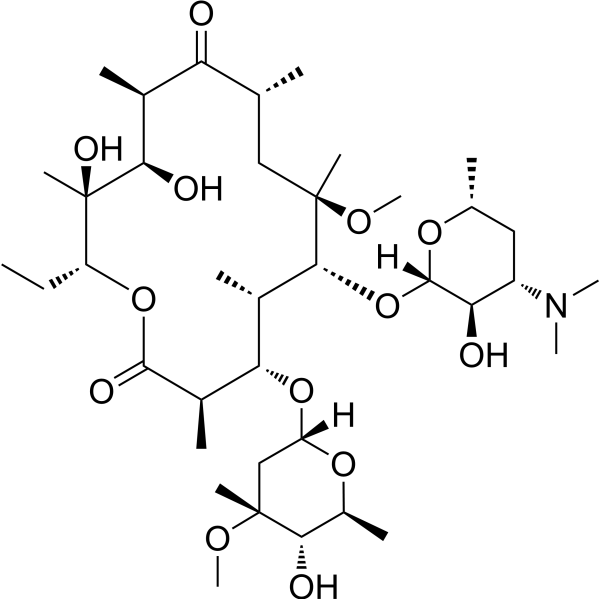 0 ImagesClarithromycin has a broad spectrum of antimicrobial activity. Clarithromycin inhibits the CYP3A4-catalyzed triazolam alpha-hydroxylation with the IC50 (Ki) value of 56 (43) μM. Clarithromycin significantly inhibits the HERG potassium current.Clarithromycin affects the autophagic flux by impairing the signaling pathway linking hERG1 and PI3K.
-
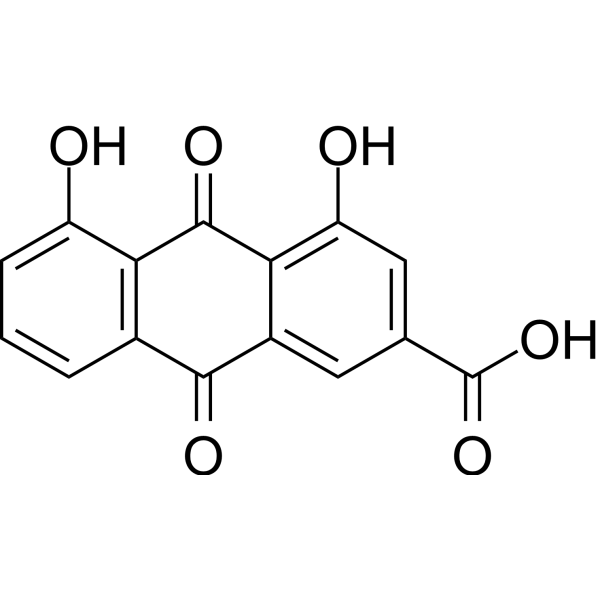
Vacuolin-1
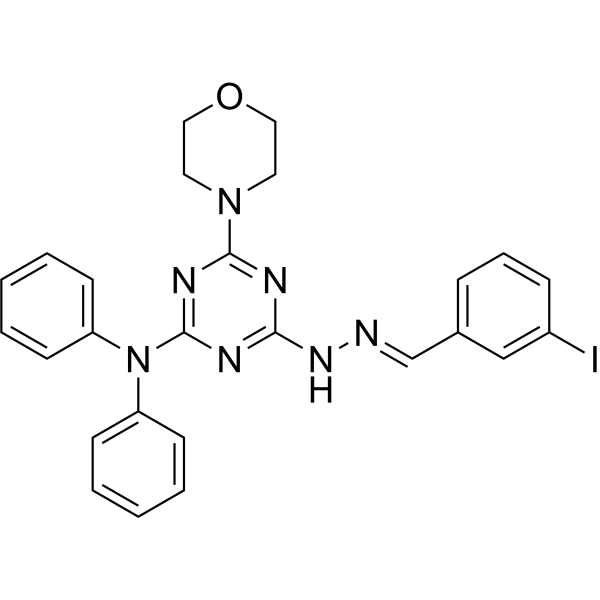 0 ImagesVacuolin-1 is a potent and cell-permeable lysosomal exocytosis inhibitor. Vacuolin-1 blocks the Ca2+-dependent exocytosis of lysosomes and prevents the release of lysosomal content without affecting the process of resealing. vacuolin‐1 is a potent and selective PIKfyve inhibitor and inhibits late‐stage autophagy by impairing lysosomal maturation. Vacuolin-1 can induce vacuole formation and increase the percentage of enucleated cells.
-
Clotrimazole
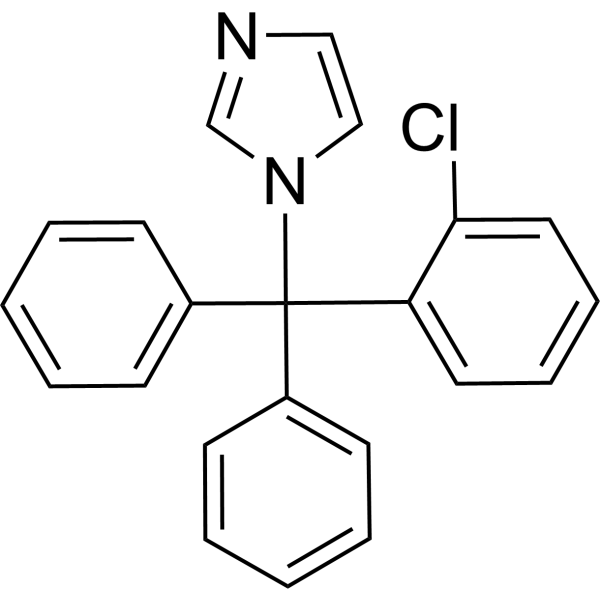 0 ImagesClotrimazole is an imidazole derivative, an antifungal compound and is a CYP (cytochrome P450) inhibitor. Clotrimazole has antibacterial activity.
-
Hydroxysafflor yellow A
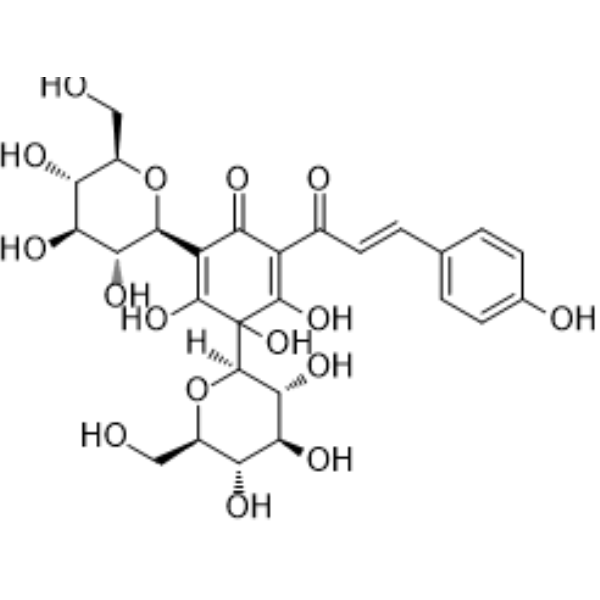 0 ImagesSynonyms: Safflomin A; HSYAHydroxysafflor yellow A (Safflomin A) is a natural product of flavonoids isolated from safflower. Hydroxysafflor yellow A can inhibit cell proliferation and promote apoptosis through the autophagy pathway. Hydroxysafflor yellow A has anti-inflammatory, antioxidant and antitumor effects. Hydroxysafflor yellow A can be used in the study of cardiovascular disease.
-
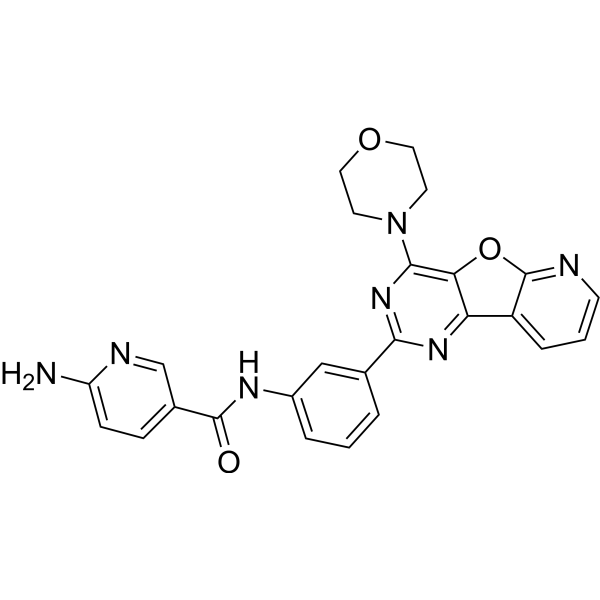
Degrasyn
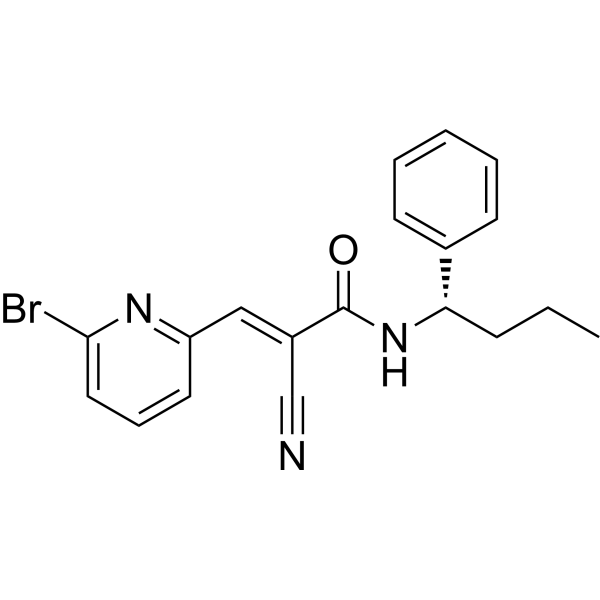 0 ImagesSynonyms: WP1130Degrasyn (WP1130) is a cell-permeable deubiquitinase (DUB) inhibitor, directly inhibiting DUB activity of USP9x, USP5, USP14, and UCH37. Degrasyn has been shown to downregulate the antiapoptotic proteins Bcr-Abl and JAK2.
-
DPN
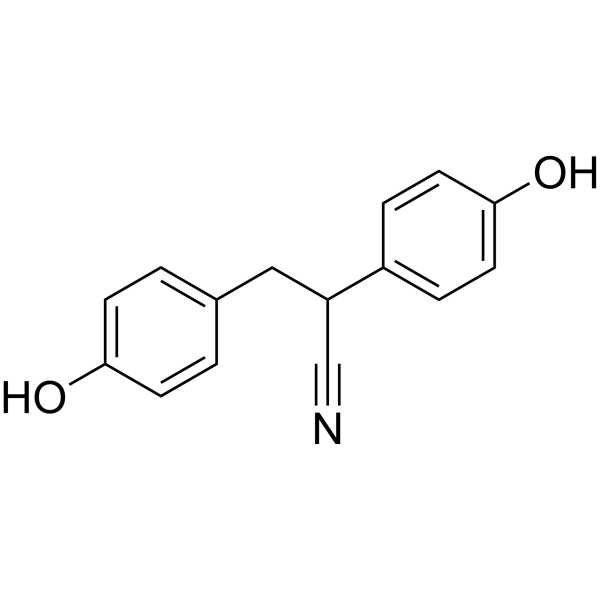 0 ImagesDPN (Diarylpropionitrile) is a non-steroidal estrogen receptor β (ERβ) selective ligand, with an EC50 of 0.85 nM. DPN has neuroprotective effects in a number of neurological diseases.
-
Liensinine
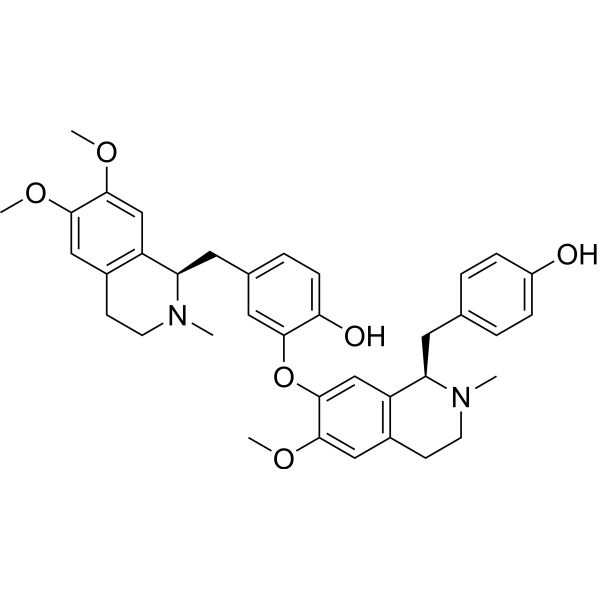 0 ImagesLiensinine is a bisbenzylisoquinoline alkaloid. By inhibiting the PI3K/AKT and JNK/p38-MAPK signaling pathways, Liensinine suppresses autophagy and apoptosis, clears Aβ, and exerts anti-inflammatory, antioxidant and neuroprotective effects. Liensinine activates AMPK and inhibits the expression of HIF-1α and VEGF, thereby suppressing angiogenesis. Liensinine exerts anti-tumor effects through ROS-mediated inhibition of the JAK2/STAT3 signaling pathway. Liensinine can be used for the research of diseases such as Alzheimer's disease, hepatocellular carcinoma, osteosarcoma, sepsis-induced organ injury and stroke.
-
AICAR phosphate
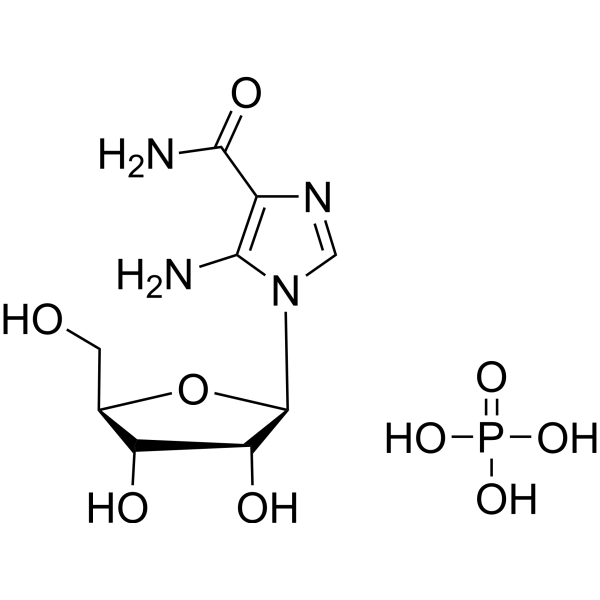 0 ImagesSynonyms: Acadesine phosphate; AICA Riboside phosphate
-
Madecassoside
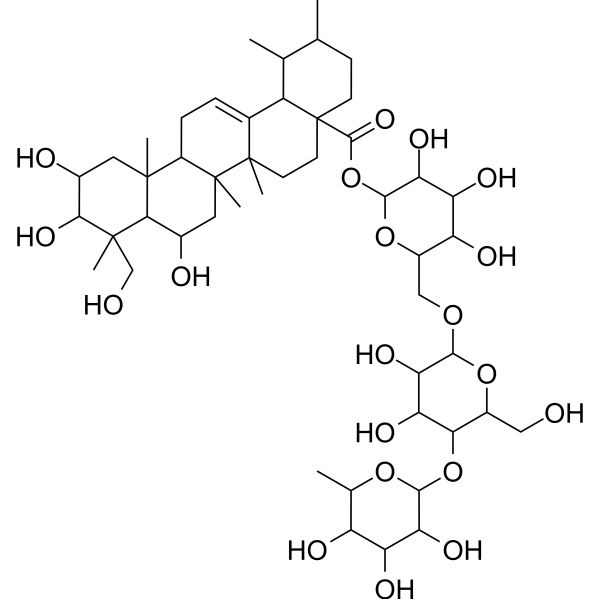 0 ImagesSynonyms: Asiaticoside AMadecassoside is a pentacyclic triterpene isolated from Centella asiatica and has anti-inflammatory properties. Antioxidant and anti-aging effects. Madecassoside is a pentacyclic triterpene isolated from Centella asiatica. Madecassoside is orally active and has inhibitory properties against inflammation, oxidation, apoptosis and autophagy. Madecassosid inhibits activities of p38 MAPK and NF-kB, exhibits an anti-apopototic property, activates Nrf2 expression to reduce the neurotoxicity. Madecassoside can be used in endocrine diseases, cardiovascular diseases, skin diseases and other diseases.
-
Pinocembrin
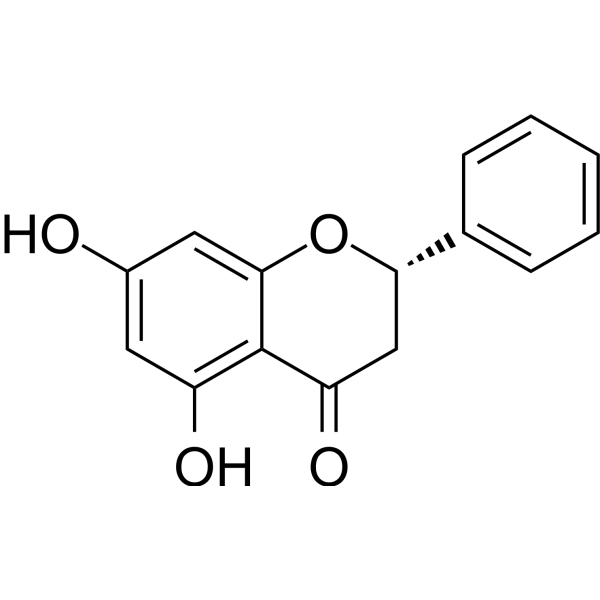 0 ImagesSynonyms: (+)-Pinocoembrin; Dihydrochrysin; Galangin flavanonePinocembrin ((+)-Pinocoembrin) is a flavonoid found in propolis, acts as a competitive inhibitor of histidine decarboxylase, and is an effective anti-allergic agent, with antioxidant, antimicrobial and anti-inflammatory properties.
-
HaloPROTAC-E
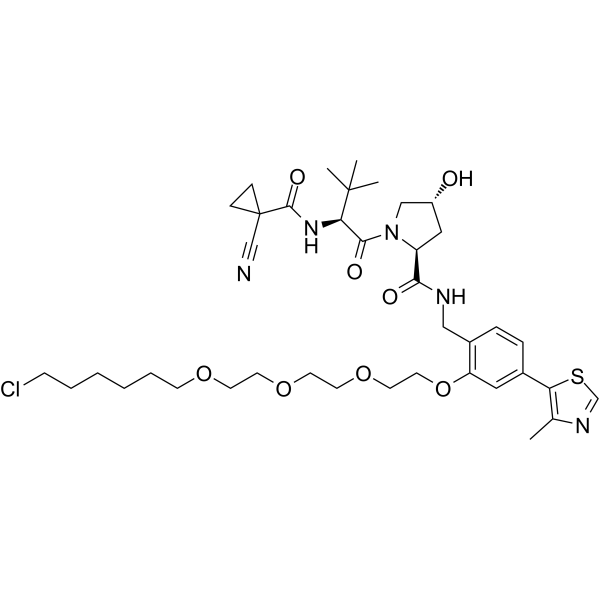 0 ImagesHaloPROTAC-E is a potent Halo PROTAC degrader that reversibly induces degradation of two Halo-tagged endoplasmic reticulum-localized proteins, SGK3 and VPS34, with a DC50 of 3-10 nM. HaloPROTAC-E significantly and selectively induces degradation of endogenous VPS34 complexes (VPS34, VPS15, Beclin1, and ATG14) labeled with Halo and inhibits autophagy.
-
Chloroquine (Standard)
 0 ImagesCat. No.: HY-17589ARCAS No.: 54-05-7Chloroquine (Standard) is the analytical standard of Chloroquine. This product is intended for research and analytical applications. Chloroquine is an antimalarial and anti-inflammatory agent widely used to treat malaria and rheumatoid arthritis. Chloroquine is an autophagy and toll-like receptors (TLRs) inhibitor. Chloroquine is highly effective in the control of SARS-CoV-2 (COVID-19) infection in vitro (EC50=1.13 μM).
-
3BDO
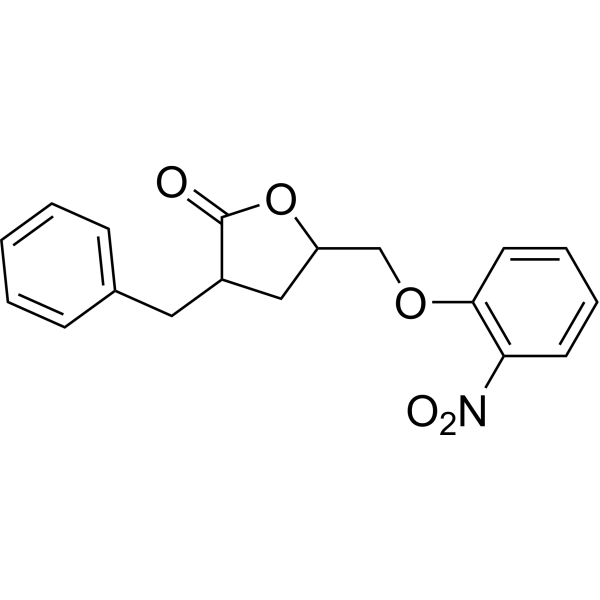 0 Images3BDO is a IFITM3 modulator and mTOR activator with antiviral and autophagy-inhibiting effects. 3BDO exhibits inhibitory activity against porcine coronaviruses. 3BDO increases the protein abundance of IFITM3, inhibits virus-cell membrane fusion, and blocks viral entry. 3BDO inhibits the entry of transmissible gastroenteritis virus, porcine epidemic diarrhea virus, and porcine respiratory coronavirus into host cells. 3BDO can be used for research on porcine coronavirus infection.