



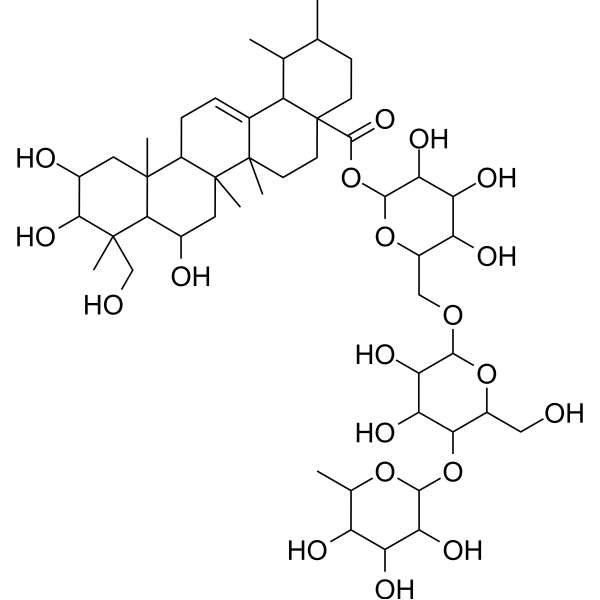
Madecassoside
Based on 3 publication(s) in Google Scholar
Madecassoside is a pentacyclic triterpene isolated from Centella asiatica and has anti-inflammatory properties. Antioxidant and anti-aging effects. Madecassoside is a pentacyclic triterpene isolated from Centella asiatica. Madecassoside is orally active and has inhibitory properties against inflammation, oxidation, apoptosis and autophagy. Madecassosid inhibits activities of p38 MAPK and NF-kB, exhibits an anti-apopototic property, activates Nrf2 expression to reduce the neurotoxicity. Madecassoside can be used in endocrine diseases, cardiovascular diseases, skin diseases and other diseases.
For research use only. We do not sell to patients.
- Purity : 99.15%
- CAS No.: 34540-22-2
- Formula: C48H78O20
- Molecular Weight:975.12
-
Storage:Powder -20°C, 3 years , 4°C, 2 years ; In solvent -80°C, 2 years , -20°C, 1 year

To place orders, for customer services and technical support, please contact: MedChemExpress USA
Tel: 609-228-6898 E-mail: [email protected] [email protected]


-
 Biological Activity
-
Chemical Information
-
Solvent & Solubility
- Protocols
- Purity & Documentation
- References
-
 Help & FAQs


-
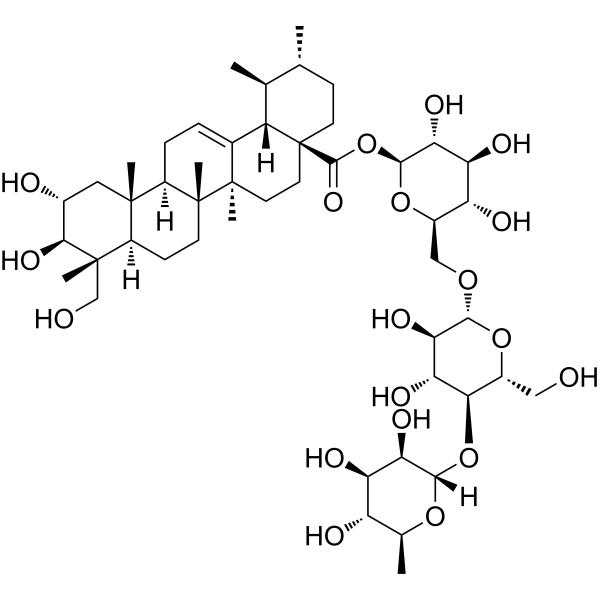
HY-N0439
AsiaticosideTriterpene Glycoside -
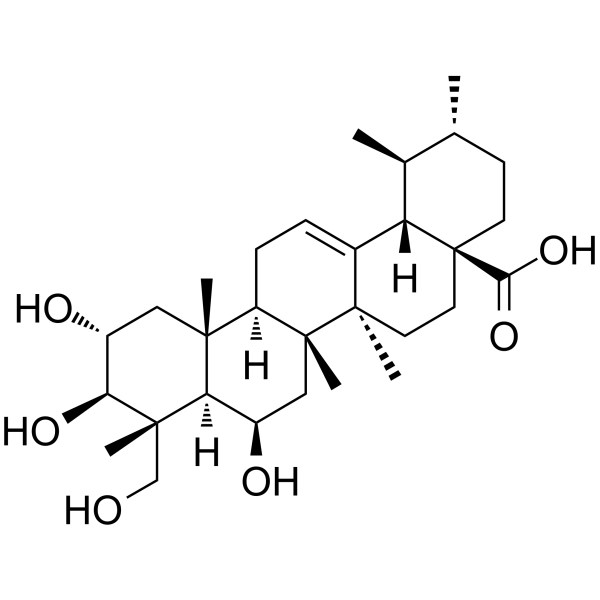
HY-N0569
Madecassic acidNO Synthase Inhibitor -
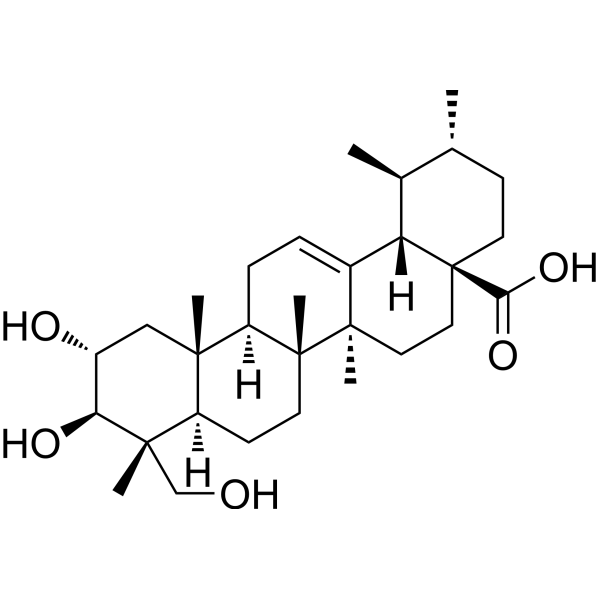
HY-N0194
Asiatic acidApoptosis Inducer -

HY-N0568R
Madecassoside (Standard)Endogenous Metabolite -
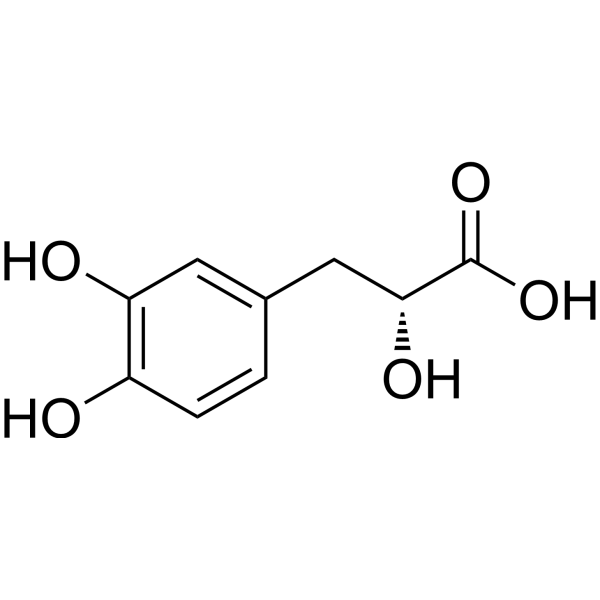
HY-N1913
DanshensuNrf2/HO-1 Activator -
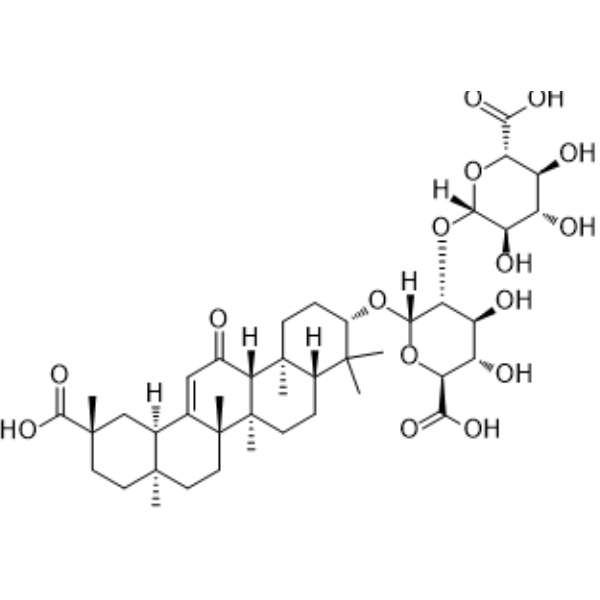
HY-N0184
Glycyrrhizic acidHMGB1 Antagonist -
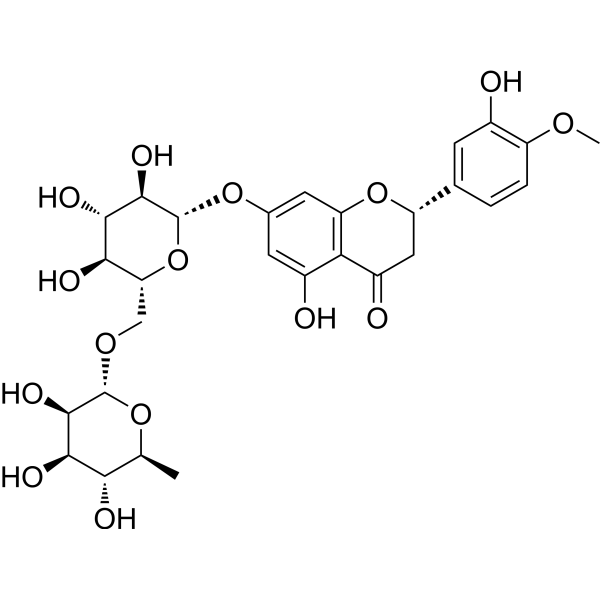
HY-15337
HesperidinAntioxidant -
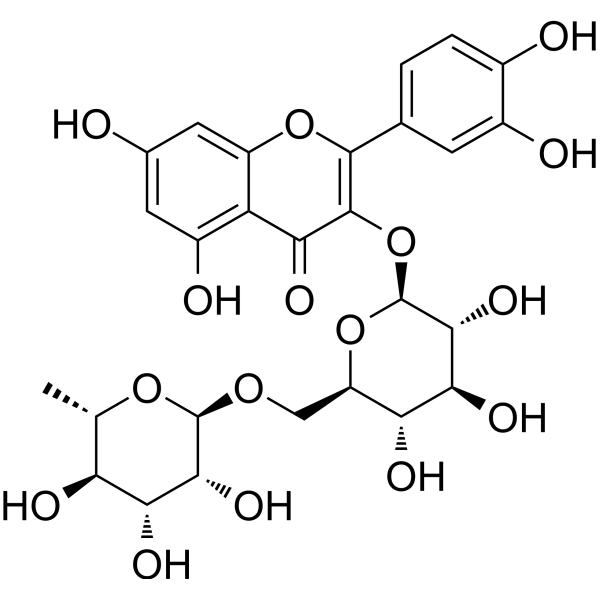
HY-N0148
RutinCBR1 Inhibitor -
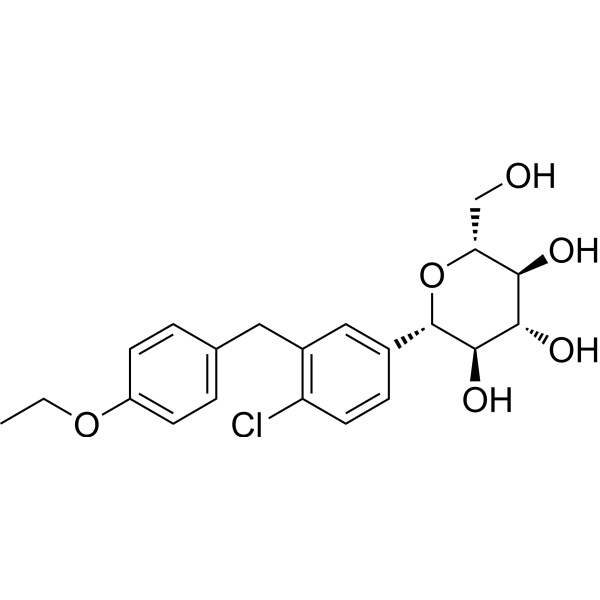
HY-10450
DapagliflozinSGLT2 Inhibitor -
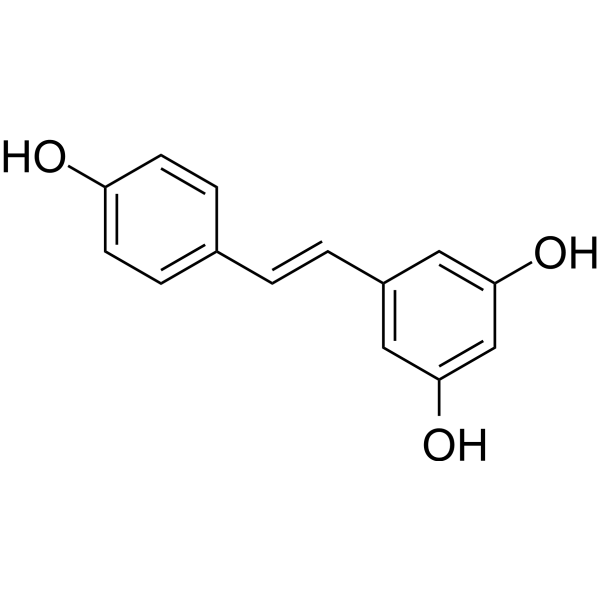
HY-16561
ResveratrolPolyphenolic Phytoalexin -
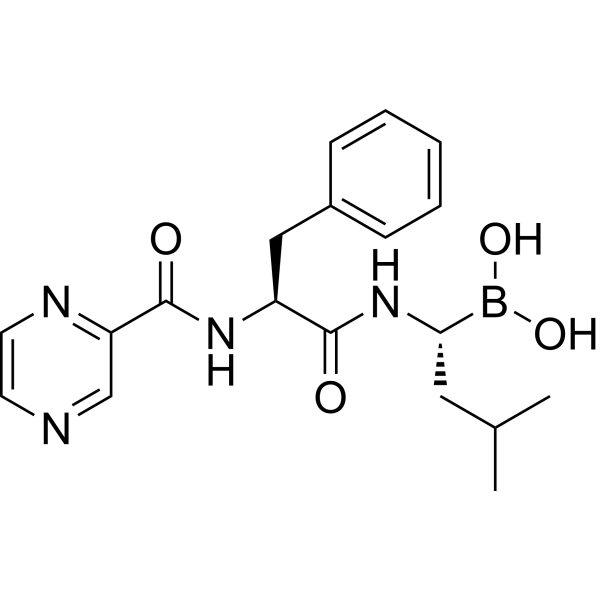
HY-10227
BortezomibProteasome Inhibitor -
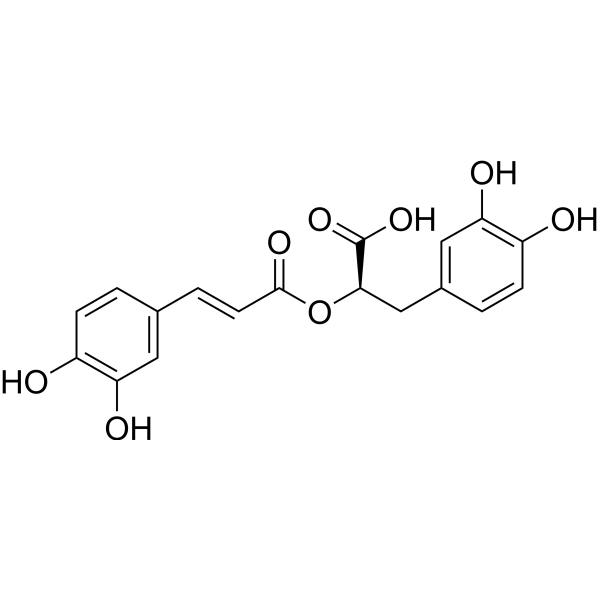
HY-N0529
Rosmarinic acidAnti-Inflammatory Agent
Publications Citing Use of MedChemExpress (MCE) Madecassoside
More Customer Validation & Images

-
Cell Proliferation/Viability Assay
-
WB
-
Bio/Physico-chemical Assay
-
Histological Imaging/Staining
-
WB
All Endogenous Metabolite Isoforms
MoreAll Caspase Isoforms
More

Biological Activity
Description
In Vitro
Madecassosid (30, 100 μmol/L, 12 h) increases cell viability of oxidative injuried human umbilical vein endothelial cells (HUVECs)[5].
Madecassosid (10-100 μmol/L, 12 h) inhibits phosphorylation of p38 MAPK and activaty of Caspase-3, and therefore exhibits an antiapoptotic activity[5].
Madecassosid (10-100 μg/L) exhibits anxioxidative activity against melanocyte dendtrites retraction, maintaining mitochondrial membrane potential and Ca2+ homeostasis[7].
Madecassosid (30 μM) improves Insulin secretion by increasing expressions of p-IRS1, Akt and p-Akt under glucotoxic conditions[8].
Madecassosid (10 μM, 24 h) prevents inflammation and autophagy of neuronal cells induced by Aβ25–35 through the class III PI3K/Beclin-1/Bcl-2 pathway[9].
MedChemExpress (MCE) has not independently confirmed the accuracy of these methods. They are for reference only. Further protocols information, click here.
-
Cell Line:HUVECs
-
Concentration:10, 30, 100 μmol/L
-
Incubation Time:12 h
-
Result:Increased cell viability to 68.9% and 78.3%, with concentration of 30 and 100 μmol/L, respectively.
-
Cell Line:HUVECs
-
Concentration:10, 30, 100 μmol/L
-
Incubation Time:12 h
-
Result:Inhibited phosphorylation in p38 MAPK.
In Vivo
Madecassosid (6, 12, 24 mg/kg, i.v) inhibits activity of NF-kB and so prevents the brain injury[6].
Madecassosid (120 mg/kg, i.g.) reduces LPS-induced neurotoxicity and enhances heme oxygenase proteins via upregulation of Nrf2 in LPS-stimulated neurotoxicity[10].
Madecassosid (10-40 mg/kg,p.o.) ameliorates oxidative damage and imflammation after bleomycin (BLM) instillation, inhibits TGF-β1 overexpression and collagen synthesis, improves collagen degradation[11].
MedChemExpress (MCE) has not independently confirmed the accuracy of these methods. They are for reference only.
-
Animal Model:Focal cerebral ischemia reperfusion injury in Sprague Dawley rats[6]
-
Dosage:6, 12, 24 mg/kg
-
Administration:Intravenous injection
-
Result:Reduced neurological deficit, infarct area, brain damage and neuronal apoptosis.
-
Animal Model:Lipopolysaccharide-induced neurotoxicity in Sprague-Dawley rats[10]
-
Dosage:30-120 mg/kg for 14 days
-
Administration:Intraperitoneal injection
-
Result:Reduced LPS-induced cognitive impairment and imflammatory cytokine, promoted Nrf2 pathway at concentration of 120 mg/kg.
Clinical Trial
| NCT Number | Sponsor | Condition | Start Date |
Phase

|
|---|---|---|---|---|
| NCT01329991 | Plexxikon| | 2011-05 | PHASE1 |


Chemical Information
-
CAS No. 34540-22-2
-
Appearance Solid
-
Molecular Weight 975.12
-
Formula C48H78O20
-
Color White to off-white
-
SMILES
O=C(C1(CCC(C)C2C)C2C3=CCC4C(C)(CC(O)C5C4(CC(O)C(O)C5(C)CO)C)C3(C)CC1)OC(C(C(O)C6O)O)OC6COC(C(C(O)C7OC(OC(C)C(O)C8O)C8O)O)OC7CO
-
Synonyms
Asiaticoside A
-
Structure Classification
-
Shipping
Room temperature in continental US; may vary elsewhere.
-
Storage
Powder -20°C 3 years 4°C 2 years In solvent -80°C 2 years -20°C 1 year


Publications (3)
-
Journal Impact Factor
-
Most Recent
-
Int J Pharm
3D-printed microneedles loaded with madecassoside for periodontal soft tissue regeneration. [Abstract]2025 May 15:676:125569. PMID: 40228613
Madecassoside purchased from MedChemExpress. Usage Cited in: Int J Pharm. 2025 May 15:676:125569. [Abstract]
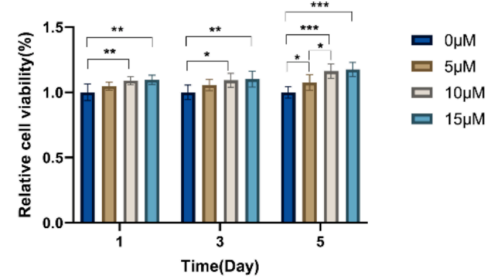
Madecassoside at 10 μM and 15 μM promoted cell proliferation (P < 0.05), and the difference between 10 μM and 15 μM was statistically significant at 3 and 5 d (P < 0.05). On day 5, the promotion effect on the cells was the most obvious (P < 0.001).
Madecassoside purchased from MedChemExpress. Usage Cited in: Int J Pharm. 2025 May 15:676:125569. [Abstract]
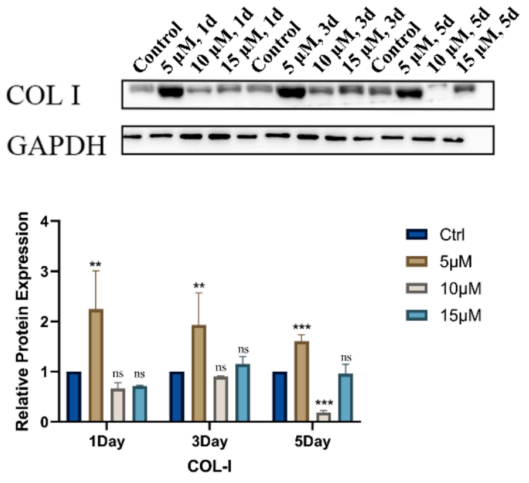
Relative protein expression of COL-I in HGFs after 1, 3, and 5 d of Madecassoside application at 5, 10, and 15 μM. The results showed that Madecassoside at 5 μM significantly increased the level of type I collagen in HGFs.
-
J Biochem Mol Toxicol
Madecassoside Improves Renal Injury via Activation of AMPK/Autophagy in Experimental Membranous Nephropathy. [Abstract]2025 Sep;39(9):e70509. PMID: 40952770
Madecassoside purchased from MedChemExpress. Usage Cited in: J Biochem Mol Toxicol. 2025 Sep;39(9):e70509. [Abstract]
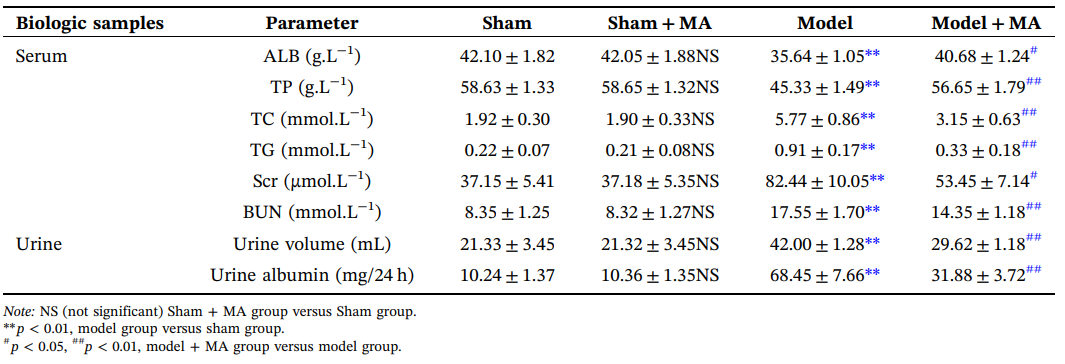
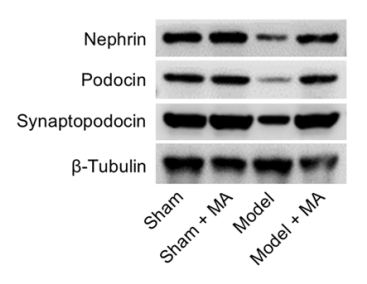
Effects of Madecassoside (MA, 30 mg/kg; i.p.; once daily for 4 weeks) on biochemical parameters of rats (after drug administration). These results indicate that MA relieves MN-induced renal dysfunctions in rats.
Madecassoside purchased from MedChemExpress. Usage Cited in: J Biochem Mol Toxicol. 2025 Sep;39(9):e70509. [Abstract]
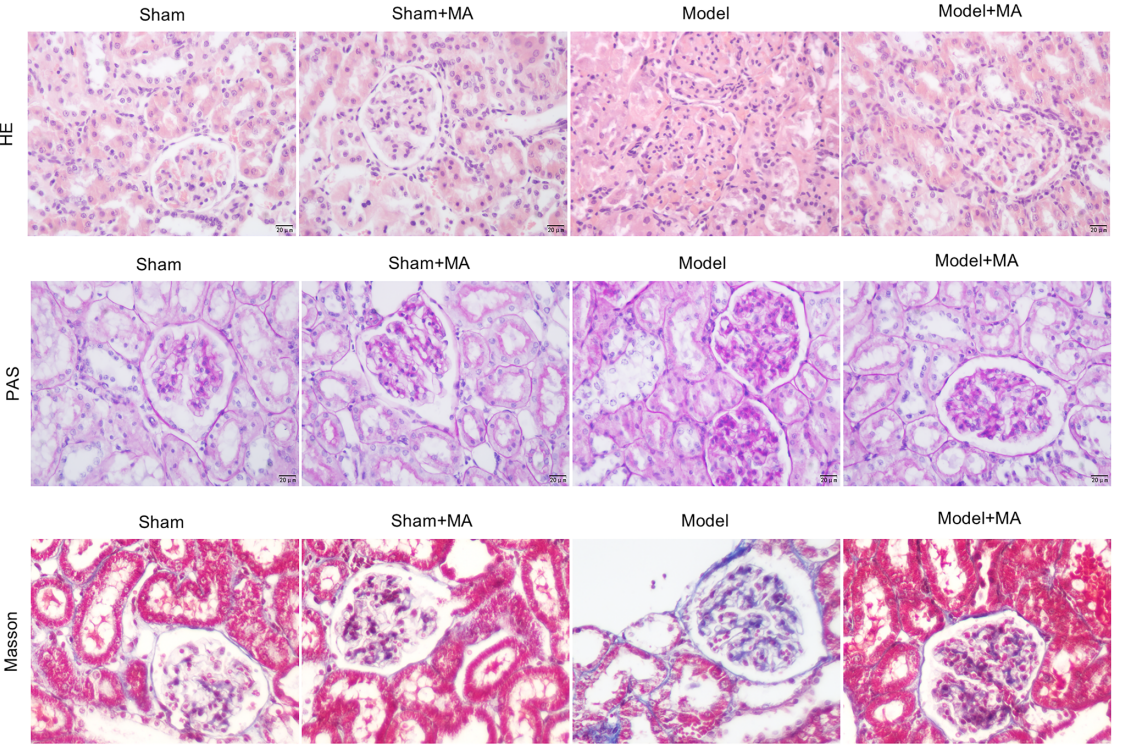
Renal tissues in sham, sham + Madecassoside (MA), model, and model + MA groups were investigated by staining with hematoxylin-eosin, PAS, and Masson and photographed by a light microscope. The results showed that Madecassoside (MA, 30 mg/kg; i.p.; once daily for 4 weeks) significantly improved the pathological condition of the mesangium and interstitium in rats with membranous nephropathy (MN), significantly reduced ECM deposition, and partially alleviated glomerular fibrosis lesions and interstitial dilation in rats.
Madecassoside purchased from MedChemExpress. Usage Cited in: J Biochem Mol Toxicol. 2025 Sep;39(9):e70509. [Abstract]
Madecassoside (MA, 30 mg/kg; i.p.; once daily for 4 weeks) obviously restored these protein levels in membranous nephropathy (MN) rats.
-
Narra J
Thymoquinone and madecassoside improve motor function in a rotenone-induced mouse model of early Parkinson's disease: Role of dopamine, alpha-synuclein and mBDNF. [Abstract]2025 Aug;5(2):e2439. PMID: 40951472


Solvent & Solubility
In Vitro:
DMSO : 100 mg/mL (102.55 mM; Need ultrasonic; Hygroscopic DMSO has a significant impact on the solubility of product, please use newly opened DMSO)
H2O : 33.33 mg/mL (34.18 mM; Need ultrasonic)
Please refer to the solubility information to select the appropriate solvent. Once prepared, please aliquot and store the solution to prevent product inactivation from repeated freeze-thaw cycles.
Storage method and period of stock solution: -80°C, 2 years; -20°C, 1 year. When stored at -80°C, please use it within 2 years. When stored at -20°C, please use it within 1 year.
* Note: If you choose water as the stock solution, please dilute it to the working solution, then filter and sterilize it with a 0.22 μm filter before use.
Please refer to the solubility information to select the appropriate solvent. Once prepared, please aliquot and store the solution to prevent product inactivation from repeated freeze-thaw cycles.
Storage method and period of stock solution: -80°C, 2 years; -20°C, 1 year. When stored at -80°C, please use it within 2 years. When stored at -20°C, please use it within 1 year.
* Note: If you choose water as the stock solution, please dilute it to the working solution, then filter and sterilize it with a 0.22 μm filter before use.
Concentration (start) × Volume (start) = Concentration (final) × Volume (final)
In Vivo:
Select the appropriate dissolution method based on your experimental animal and administration route.
- For the following dissolution methods, please ensure to first prepare a clear stock solution using an In Vitro approach and then sequentially add co-solvents:
- To ensure reliable experimental results, the clarified stock solution can be appropriately stored based on storage conditions. As for the working solution for In Vivo experiments, it is recommended to prepare freshly and use it on the same day.
- The percentages shown for the solvents indicate their volumetric ratio in the final prepared solution. If precipitation or phase separation occurs during preparation, heat and/or sonication can be used to aid dissolution.
Add each solvent one by one: 10% DMSO 40% PEG300 5% Tween-80 45% Saline
Solubility: ≥ 2.5 mg/mL (2.56 mM); Clear solution
This protocol yields a clear solution of ≥ 2.5 mg/mL (saturation unknown).
Taking 1 mL working solution as an example, add 100 μL DMSO stock solution (25.0 mg/mL) to 400 μL PEG300, and mix evenly; then add 50 μL Tween-80 and mix evenly; then add 450 μL Saline to adjust the volume to 1 mL.
Preparation of Saline: Dissolve 0.9 g sodium chloride in ddH₂O and dilute to 100 mL to obtain a clear Saline solution.
Add each solvent one by one: 10% DMSO 90% (20% SBE-β-CD in Saline)
Solubility: ≥ 2.5 mg/mL (2.56 mM); Clear solution
This protocol yields a clear solution of ≥ 2.5 mg/mL (saturation unknown).
Taking 1 mL working solution as an example, add 100 μL DMSO stock solution (25.0 mg/mL) to 900 μL 20% SBE-β-CD in Saline, and mix evenly.
Preparation of 20% SBE-β-CD in Saline (4°C, storage for one week): 2 g SBE-β-CD powder is dissolved in 10 mL Saline, completely dissolve until clear.
In Vivo Dissolution Calculator
Please enter the basic information of animal experiments:
-
-
-
-
Recommended: Prepare an additional quantity of animals to account for potential losses during experiments.
Working solution concentration: 0.22 mg/mL
This product has good water solubility, please refer to the measured solubility data in water/PBS/Saline for details.

Protocols
-
RNA extraction experimental
By lysing cells, releasing RNA, and removing impurities such as proteins and DNA, high-purity RNA products are finally obtained. The commonly used traditional method is the guanidine isothiocyanate/phenol/chloroform method (Trizol), which is suitable for a variety of animal materials including animal tissues, microorganisms, cultured cells, etc., and most plant materials.
-
Neurotoxicity Study
This protocol assesses in vitro neurotoxicity by combining neuronal viability, mitochondrial/metabolic activity, neurite outgrowth, and optional neuronal network function readouts. Calcein-AM or resazurin/PrestoBlue readouts estimate viable or metabolically active cells; βIII-tubulin immunofluorescence detects neuronal morphology and neurite networks; TMRE detects mitochondrial membrane potential; and MEA recordings detect functional changes in neuronal network activity.
-
Apoptosis
Apoptosis, also called programmed cell death, is generally characterized by distinct morphological characteristics.
-
TUNEL staining for apoptotic DNA fragmentation
TUNEL staining detects DNA strand breaks by using terminal deoxynucleotidyl transferase to add labeled nucleotides to exposed 3′-OH DNA termini, generating either microscopic staining in fixed cells or tissue sections, or fluorescence/cytometric signal in cell suspensions. TUNEL positivity reflects DNA fragmentation but should not be interpreted alone as definitive apoptosis, because TUNEL can also label necrotic, autolytic, mechanically damaged, or DNA-repair-associated DNA breaks.
-
Annexin V plus membrane-impermeant dye apoptosis staining
Annexin V-based apoptosis assays rely on the detection of phosphatidylserine (PS) externalization from the inner leaflet of the plasma membrane to the outer leaflet, an early biochemical hallmark of apoptosis. Fluorescently labeled Annexin V binds PS in a calcium-dependent manner, enabling identification of early apoptotic cells by flow cytometry or fluorescence microscopy. When combined with a membrane-impermeant DNA-binding dye (e. g. , propidium iodide), this approach allows discrimination between viable (Annexin V−/dye−), early apoptotic (Annexin V+/dye−), and late apoptotic or necrotic (Annexin V+/dye+) cell populations by assessing membrane integrity and PS exposure.
-
Autophagy
Autophagy is a process in which eukaryotic cells use lysosomes to degrade their own cytoplasmic proteins and damaged organelles under the regulation of autophagy related gene (Atg). Microtubule-associated proteins light chain 3 (LC3) is recognized as autophagy marker, which transfers from cytoplasmic LC3 (LC3-I) to membrane type (LC3-II). LC3-II/I ratio could be detected by Western Blot and fluorescence microscopy.
-
Apoptosis Solutions
Apoptosis is a regulated, generally non-lytic cell-death pathway that removes unwanted, damaged, infected, or abnormal cells through coordinated morphological changes, caspase activation, DNA fragmentation, and membrane remodeling. The intrinsic apoptosis pathway is controlled mainly by mitochondrial outer membrane permeabilization, BCL-2 family proteins, cytochrome c release, apoptosome formation, caspase-9 activation, and downstream executioner caspase-3/7 activation. The extrinsic apoptosis pathway is initiated by death receptors such as Fas, TNFR, and TRAIL receptors, which recruit adaptor proteins and activate caspase-8 before engaging executioner caspases or mitochondrial amplification through BID cleavage. Apoptosis is linked to many phenotypes, including cancer cell killing, tissue homeostasis, immune regulation, neurodegeneration, infection response, and treatment-induced cytotoxicity; unresolved questions include how apoptosis interacts with necroptosis, pyroptosis, ferroptos
-
Research Protocol for Inflammation-related Diseases
The NLRP3 inflammasome is a cytosolic innate immune signaling platform that integrates priming signals and danger-signal activation to promote caspase-1 activation, maturation of IL-1β and IL-18, and gasdermin D-mediated pyroptotic cell death. The core experimental logic is to determine whether inflammatory disease phenotypes are driven by increased NLRP3 expression, ASC-containing inflammasome assembly, caspase-1 cleavage, GSDMD cleavage, and extracellular release of IL-1β/IL-18 rather than by nonspecific cell injury alone. The pathway is strongly linked to inflammation-related disease phenotypes because monosodium urate crystals activate NALP3/NLRP3 inflammasome signaling in gout-like crystal inflammation, cholesterol crystals activate NLRP3 inflammasomes in atherogenesis models, and DSS-induced intestinal inflammation has been reported to involve NLRP3 inflammasome activity. However, experimental colitis studies also show context-dependent protective effects of NLRP3 inflammasome co
-
Lysosome and acidic-vesicle live-cell staining
Lysosome and acidic-vesicle live-cell staining detects acidic intracellular compartments by using membrane-permeant acidotropic probes that accumulate in low-pH vesicles, including lysosomes, late endosomes, autolysosomes, and acidic phagosomes. LysoTracker staining is commonly used as an intensity-based readout of acidic lysosomal compartment abundance or enlargement, while acridine orange produces green fluorescence in less concentrated compartments and red fluorescence after concentration-dependent accumulation in acidic vesicular organelles. Loss or reduction of acridine-orange red signal can be used as a readout of lysosomal membrane permeabilization or reduced acidic-vesicle integrity. This protocol is designed for live cultured cells and can be adapted for fluorescence microscopy, high-content imaging, plate-reader readout, or flow cytometry when the selected literature supports the readout. Because these dyes report acidotropic accumulation rather than lysosome identity alone,
-
Macroautophagy Solutions
Macroautophagy is a conserved lysosome-dependent degradation pathway in which cytoplasmic material is sequestered into double-membrane autophagosomes and delivered to lysosomes for degradation and recycling. The pathway supports cellular homeostasis during nutrient limitation, organelle stress, protein-aggregate accumulation, infection, differentiation, and tissue remodeling by coupling cargo sequestration, autophagosome maturation, lysosomal fusion, and degradation of cargo-derived macromolecules. The core molecular sequence includes initiation by nutrient- and stress-regulated autophagy machinery, autophagosome nucleation, LC3/ATG8-family conjugation to autophagosomal membranes, cargo selection through receptors such as SQSTM1/p62, autophagosome-lysosome fusion, and lysosomal degradation. LC3 was identified as a mammalian homolog of yeast Atg8 that localizes to autophagosomal membranes after processing, and p62/SQSTM1 was shown to connect ubiquitinated cargo with autophagic degradati


Purity & Documentation
-
Data Sheet (287 KB)
-
SDS (396 KB)
- English - EN (396 KB)
- Français - FR (396 KB)
- Deutsch - DE (396 KB)
- Norwegian - NO (396 KB)
- Español - ES (396 KB)
- Swedish - SV (396 KB)
- Italian - IT (396 KB)
- Korean - KR (396 KB)
- Portuguese - PT (396 KB)
-
Handling Instructions (2659 KB)
References
[1]. Zexin Li et al. Madecassoside suppresses proliferation and invasiveness of HGF-induced human hepatocellular carcinoma cells via PKC-cMET-ERK1/2-COX-2-PGE2 pathway. Int Immunopharmacol. 2016 Apr;33:24-32. [Content Brief]
[2]. Xia Y et al. Madecassoside ameliorates bleomycin-induced pulmonary fibrosis in mice through promoting the generation of hepatocyte growth factor via PPAR-γ in colon. Br J Pharmacol. 2016 Apr;173(7):1219-35 [Content Brief]
[3]. Su Z et al. Protective effects of madecassoside against Doxorubicin induced nephrotoxicity in vivo and in vitro. Sci Rep. 2015 Dec 14 [Content Brief]
[4]. Anukunwithaya, et al., Pharmacokinetics of a Standardized Extract of Centella asiatica ECa 233 in Rats. Planta Med. 2017 May;83(8):710-717. [Content Brief]
[5]. Bian D, et al., Madecassoside, a triterpenoid saponin isolated from Centella asiatica herbs, protects endothelial cells against oxidative stress. J Biochem Mol Toxicol. 2012 Oct;26(10):399-406. [Content Brief]
[6]. Luo Y, et al., Neuroprotective effects of madecassoside against focal cerebral ischemia reperfusion injury in rats. Brain Res. 2014 May 27;1565:37-47. [Content Brief]
[7]. Ling Y, et al., Protective effect of madecassoside on H2O2-induced oxidative stress and autophagy activation in human melanocytes. Oncotarget. 2017 May 7;8(31):51066-51075. [Content Brief]
[8]. Elhassen SAM, et al., Effect of madecassoside and catalpol in amelioration of insulin sensitivity in pancreatic (INS-1E) β-cell line. Nat Prod Res. 2021 Nov;35(22):4627-4631. [Content Brief]
[9]. Du B, et a;., Madecassoside prevents Aβ(25-35)-induced inflammatory responses and autophagy in neuronal cells through the class III PI3K/Beclin-1/Bcl-2 pathway. Int Immunopharmacol. 2014 May;20(1):221-8. [Content Brief]
[10]. Liu S, et al., Madecassoside ameliorates lipopolysaccharide-induced neurotoxicity in rats by activating the Nrf2-HO-1 pathway. Neurosci Lett. 2019 Sep 14;709:134386. [Content Brief]
[11]. Lu GX, et al., Madecassoside ameliorates bleomycin-induced pulmonary fibrosis in mice by downregulating collagen deposition. Phytother Res. 2014 Aug;28(8):1224-31. [Content Brief]


Complete Stock Solution Preparation Table
Please refer to the solubility information to select the appropriate solvent. Once prepared, please aliquot and store the solution to prevent product inactivation from repeated freeze-thaw cycles.
Storage method and period of stock solution: -80°C, 2 years; -20°C, 1 year. When stored at -80°C, please use it within 2 years. When stored at -20°C, please use it within 1 year.
| Optional Solvent | Concentration Solvent Mass | 1 mg | 5 mg | 10 mg | 25 mg |
|---|---|---|---|---|---|
| H2O / DMSO | 1 mM | 1.0255 mL | 5.1276 mL | 10.2551 mL | 25.6379 mL |
| 5 mM | 0.2051 mL | 1.0255 mL | 2.0510 mL | 5.1276 mL | |
| 10 mM | 0.1026 mL | 0.5128 mL | 1.0255 mL | 2.5638 mL | |
| 15 mM | 0.0684 mL | 0.3418 mL | 0.6837 mL | 1.7092 mL | |
| 20 mM | 0.0513 mL | 0.2564 mL | 0.5128 mL | 1.2819 mL | |
| 25 mM | 0.0410 mL | 0.2051 mL | 0.4102 mL | 1.0255 mL | |
| 30 mM | 0.0342 mL | 0.1709 mL | 0.3418 mL | 0.8546 mL | |
| DMSO | 40 mM | 0.0256 mL | 0.1282 mL | 0.2564 mL | 0.6409 mL |
| 50 mM | 0.0205 mL | 0.1026 mL | 0.2051 mL | 0.5128 mL | |
| 60 mM | 0.0171 mL | 0.0855 mL | 0.1709 mL | 0.4273 mL | |
| 80 mM | 0.0128 mL | 0.0641 mL | 0.1282 mL | 0.3205 mL | |
| 100 mM | 0.0103 mL | 0.0513 mL | 0.1026 mL | 0.2564 mL |
* Note: If you choose water as the stock solution, please dilute it to the working solution, then filter and sterilize it with a 0.22 μm filter before use.


Madecassoside Related Classifications
HY-N0568 Related Classifications
 Powered by Bioz