



Pinocembrin
Based on 15 publication(s) in Google Scholar
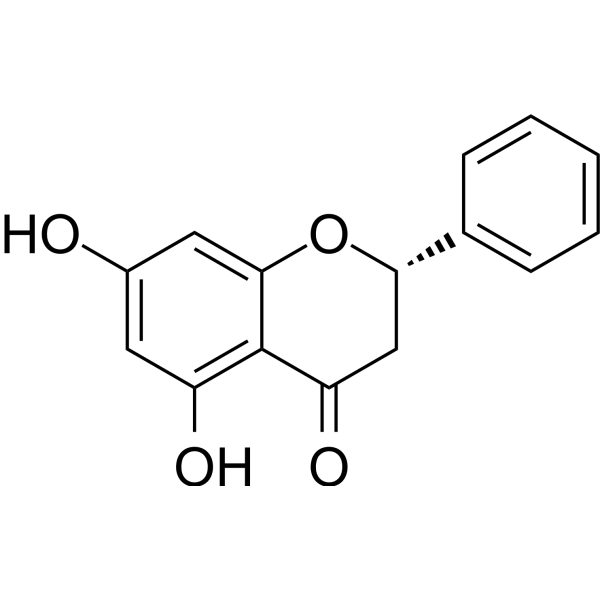
Pinocembrin ((+)-Pinocoembrin) is a flavonoid found in propolis, acts as a competitive inhibitor of histidine decarboxylase, and is an effective anti-allergic agent, with antioxidant, antimicrobial and anti-inflammatory properties.
For research use only. We do not sell to patients.
- Purity : 99.68%
- CAS No.: 480-39-7
- Formula: C15H12O4
- Molecular Weight:256.25
-
Storage:Powder -20°C, 3 years , 4°C, 2 years ; In solvent -80°C, 2 years , -20°C, 1 year

To place orders, for customer services and technical support, please contact: MedChemExpress USA
Tel: 609-228-6898 E-mail: [email protected] [email protected]


-
 Biological Activity
-
Chemical Information
-
Solvent & Solubility
- Protocols
- Purity & Documentation
- References
-
 Help & FAQs


-
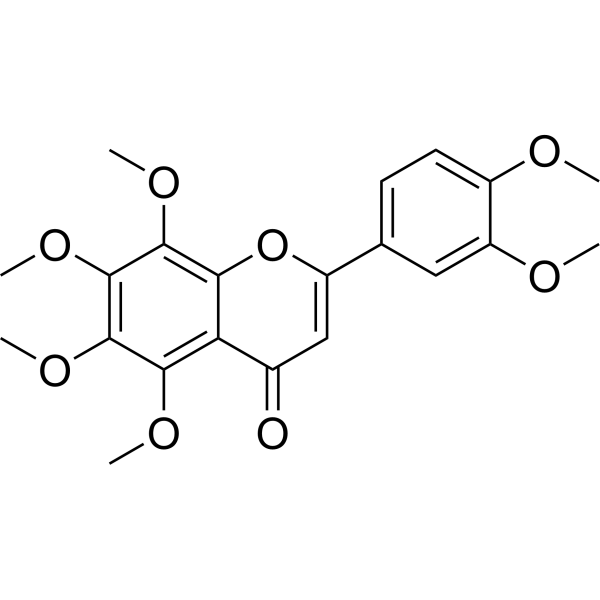
HY-N0155
NobiletinROR Agonist -
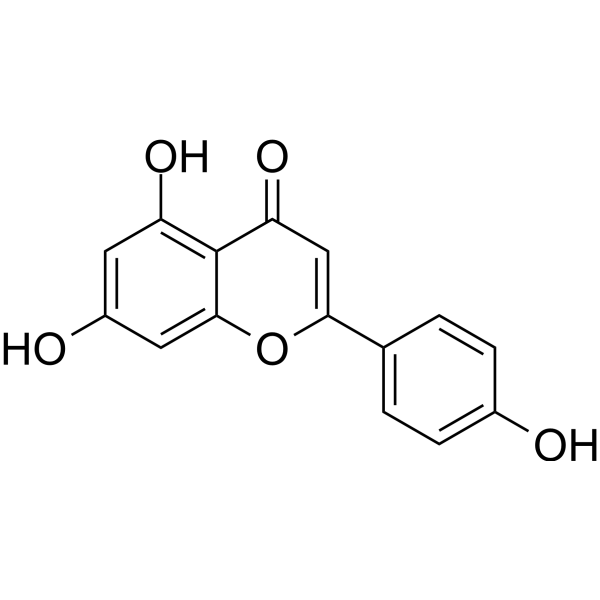
HY-N1201
ApigeninCytochrome P450 Inhibitor -
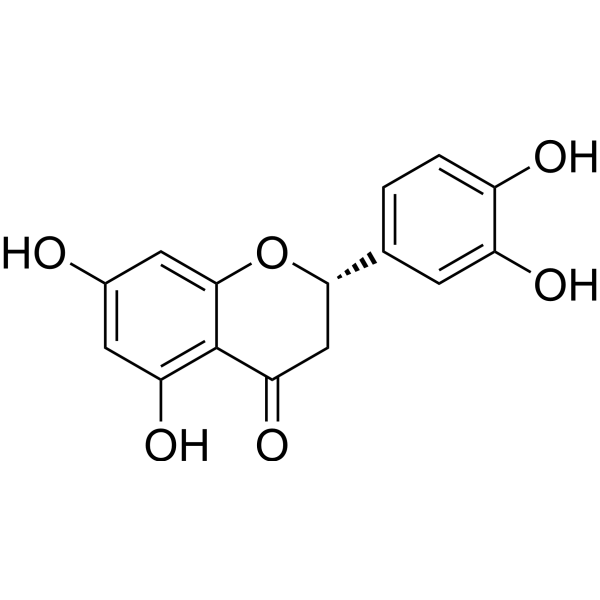
HY-N0637
EriodictyolEndogenous Metabolite -
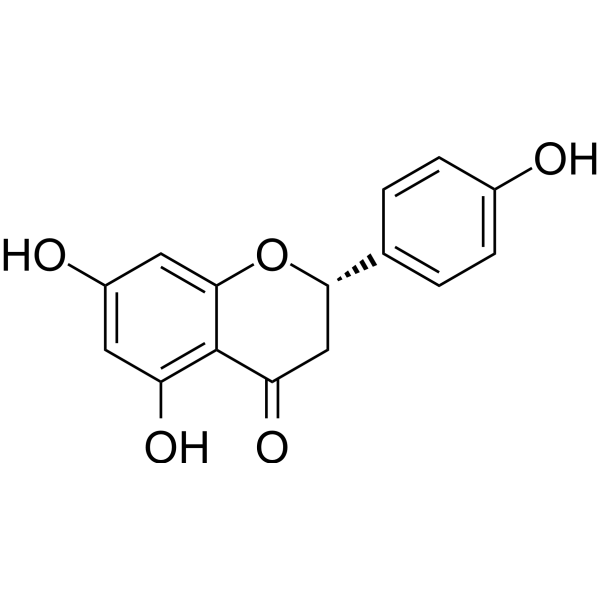
HY-N0100
NaringeninFlavonoid -
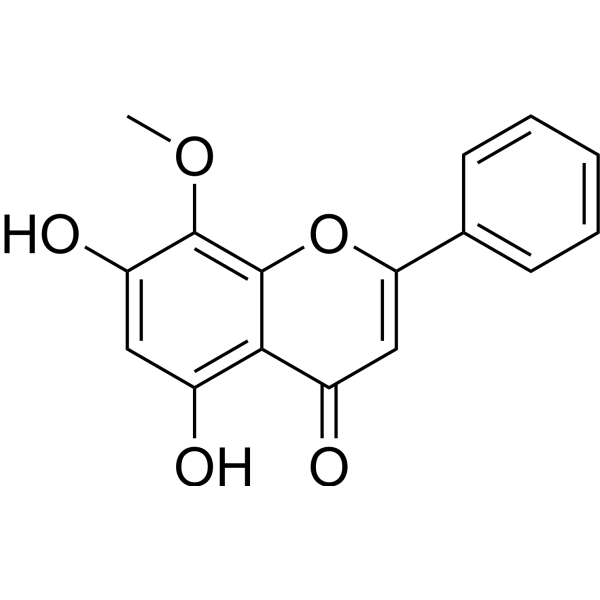
HY-N0400
WogoninCDK Inhibitor -
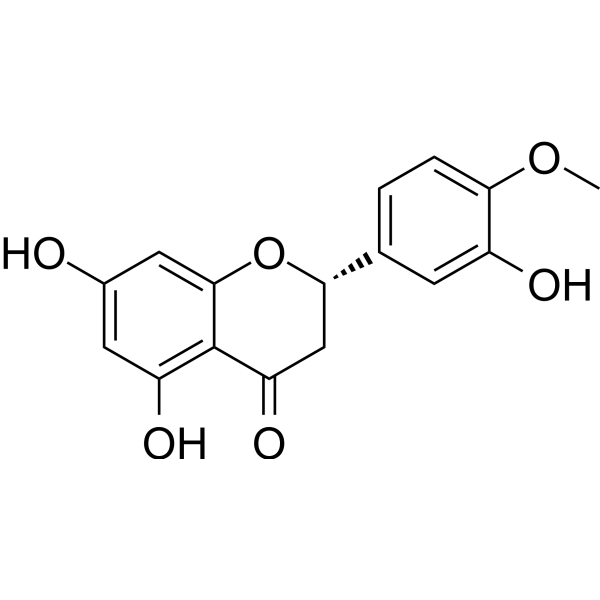
HY-N0168
HesperetinUGT Inhibitor -
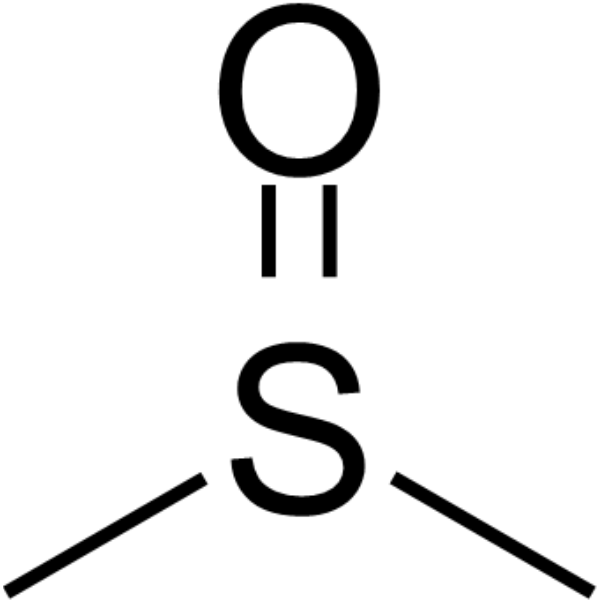
HY-Y0320
Dimethyl sulfoxide, meets analytical specification of Ch.P.Aprotic Solvent -
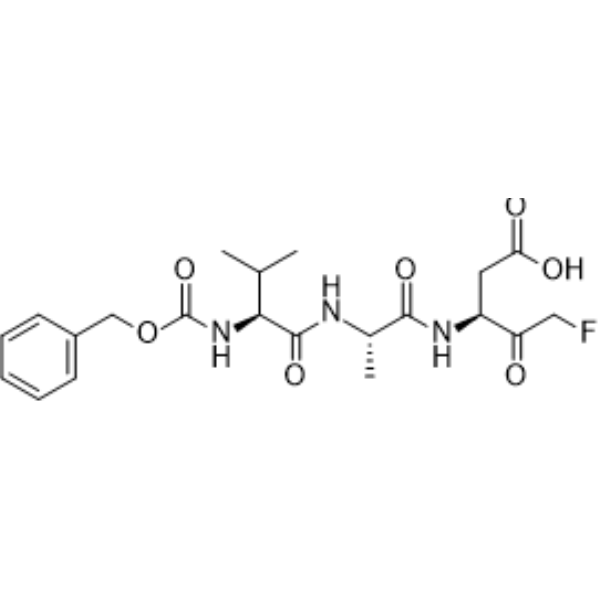
HY-16658B
Z-VAD-FMKPan-Caspase Inhibitor -

HY-N0575R
Pinocembrin (Standard)Histidine Decarboxylase Inhibitor -
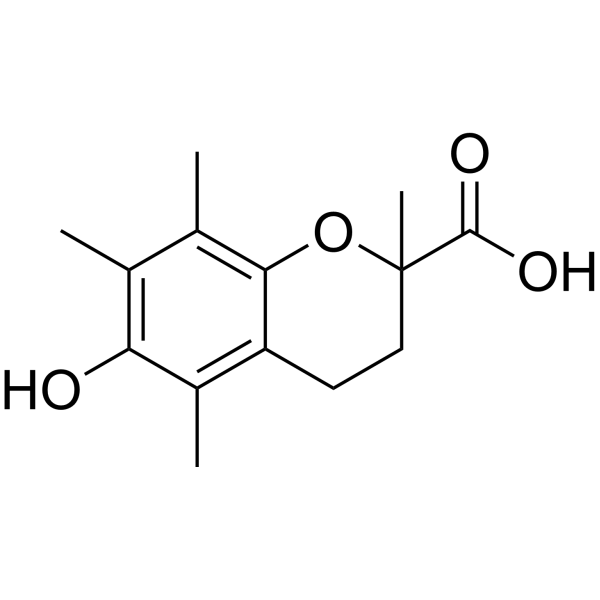
HY-101445
TroloxAntioxidant -
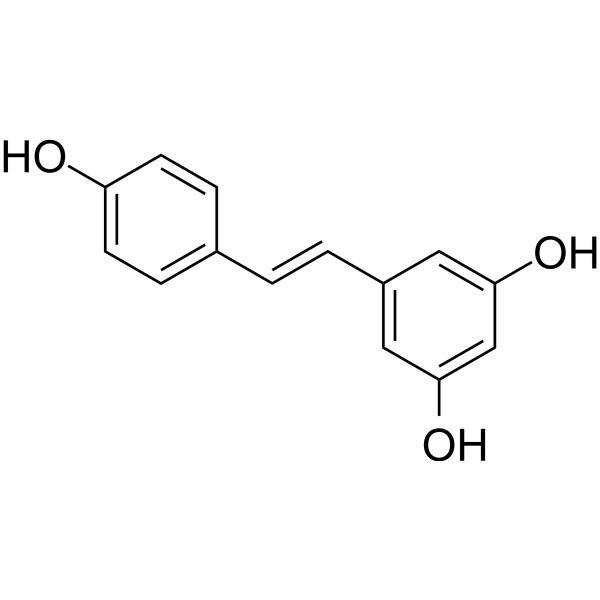
HY-16561
ResveratrolPolyphenolic Phytoalexin -
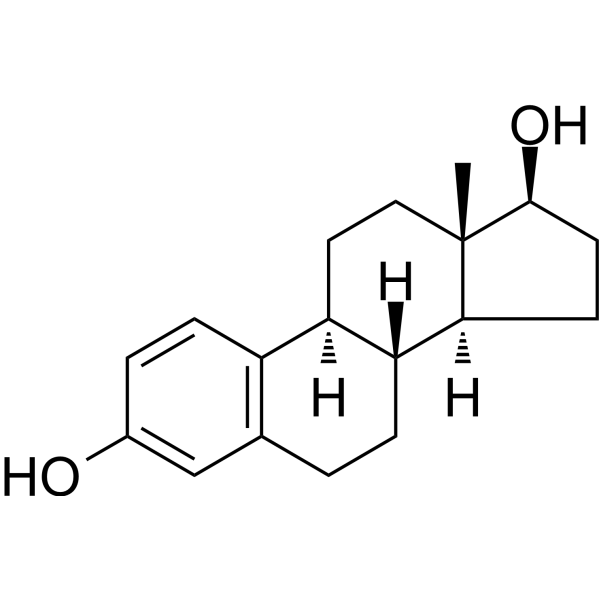
HY-B0141
EstradiolHuman Endogenous Metabolite
Publications Citing Use of MedChemExpress (MCE) Pinocembrin
More- Redox Biol. 2026 Jun 27:95:104280. [Abstract]
- Food Chem. 2025 Dec 30:497:146992. [Abstract]
- Food Chem. 2025 Oct 15:489:144992. [Abstract]
- ACS Appl Mater Interfaces. 2026 Jan 21;18(2):3527-3538. [Abstract]
- Ind Crops Prod. 2026 May 8;246:123392.
- Ind Crops Prod. 2025 Dec 11;239:122458.
- Foods. 2023 Dec 1;12(23):4337. [Abstract]
- Int J Mol Sci. 2026 Jun 22;27(12):5622. [Abstract]
- Int J Mol Sci. 2026 Feb 5;27(3):1576. [Abstract]
- Microorganisms. 2024 Apr 30;12(5):914. [Abstract]
- Microorganisms. 2023 May 29;11(6):1429. [Abstract]
- Mol Biol Rep. 2026 Mar 21;53(1):528. [Abstract]
- Vet Microbiol. 2026 May:316:110992. [Abstract]
- DNA Cell Biol. 2021 Oct;40(10):1325-1337. [Abstract]
- J Neurophysiol. 2022 Feb 1;127(2):397-404. [Abstract]
 Customer Validation & Images

-
In Vivo Efficacy Study
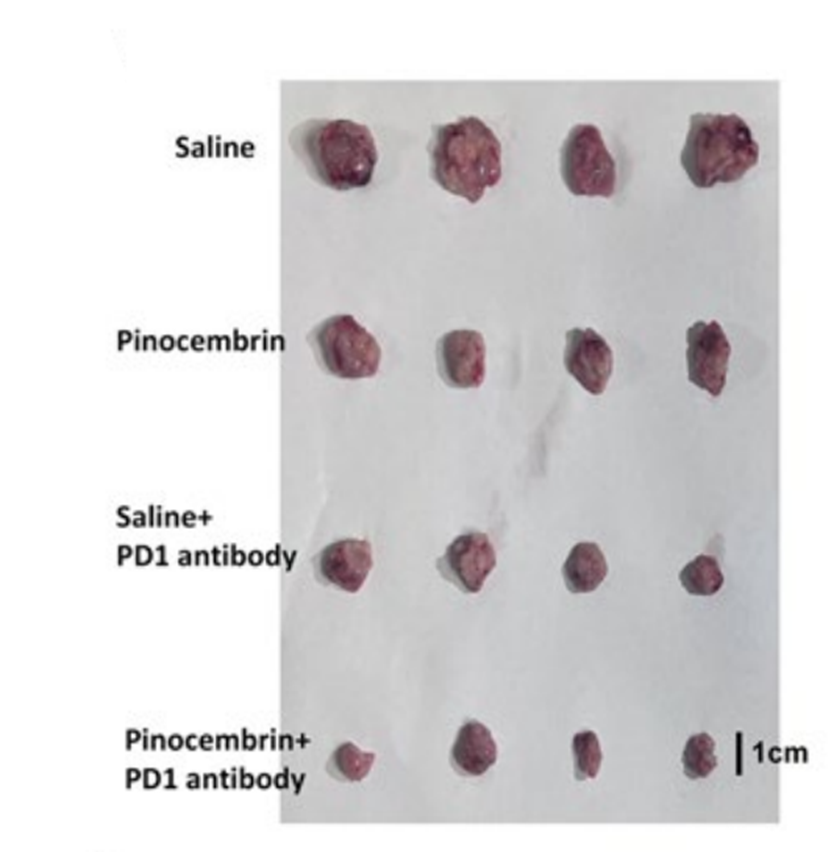
-
Flow Cytometry
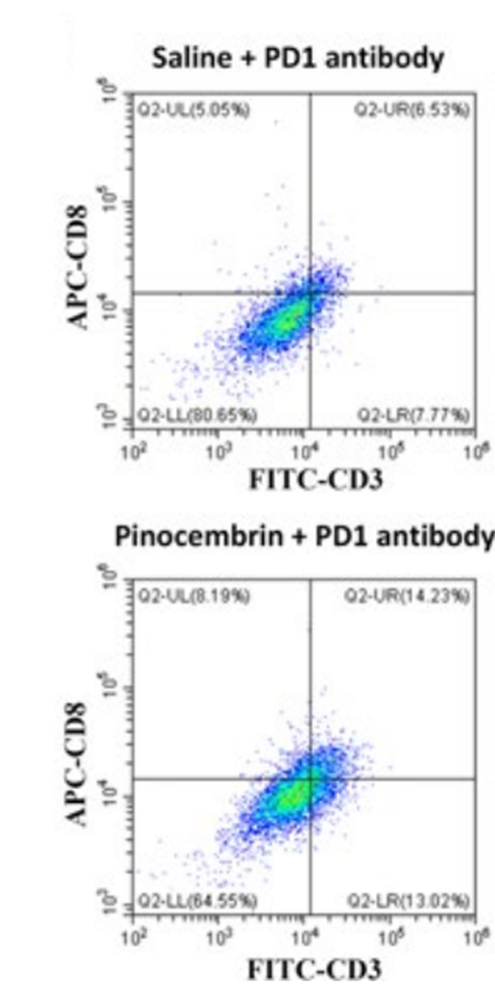
-
IHC
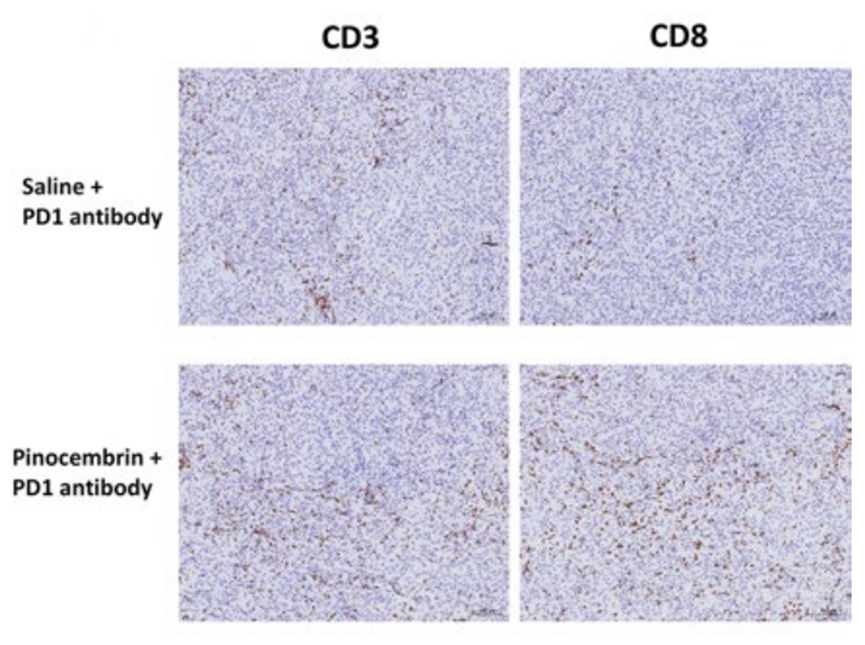
-
Bio/Physico-chemical Assay
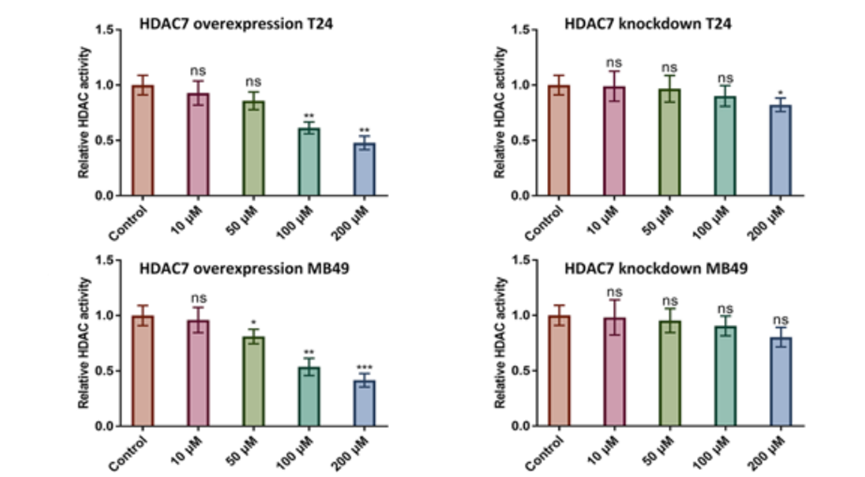


Biological Activity
Description
Cellular Effect
|
Cell Line

|
Type | Value | Description | References |
|---|---|---|---|---|
| A549 | EC50 |
229 μM
Compound: 9
|
Antiproliferative activity against human A549 cells after 72 hrs by MTT assay
Antiproliferative activity against human A549 cells after 72 hrs by MTT assay
|
[PMID: 12027739] |
| A549 | IC50 |
>100 μM
Compound: 7
|
Cytotoxicity against human A549 cells after 72 hrs by MTT assay
Cytotoxicity against human A549 cells after 72 hrs by MTT assay
|
[PMID: 19689125] |
| B16-BL6 | EC50 |
68 μM
Compound: 9
|
Antiproliferative activity against mouse B16-BL6 cells after 72 hrs by MTT assay
Antiproliferative activity against mouse B16-BL6 cells after 72 hrs by MTT assay
|
[PMID: 12027739] |
| B16-BL6 | IC50 |
>100 μM
Compound: 7
|
Cytotoxicity against mouse B16-BL6 cells after 72 hrs by MTT assay
Cytotoxicity against mouse B16-BL6 cells after 72 hrs by MTT assay
|
[PMID: 19689125] |
| B16-F10 | IC50 |
30.1 μM
Compound: 4
|
Cytotoxicity against mouse B16-F10 cells assessed as reduction in cell viability incubated for 72 hrs by XTT assay
Cytotoxicity against mouse B16-F10 cells assessed as reduction in cell viability incubated for 72 hrs by XTT assay
|
[PMID: 27720556] |
| HeLa | EC50 |
108 μM
Compound: 9
|
Antiproliferative activity against human HeLa cells after 72 hrs by MTT assay
Antiproliferative activity against human HeLa cells after 72 hrs by MTT assay
|
[PMID: 12027739] |
| HeLa | IC50 |
≥10 μM
Compound: pinocembrin
|
Cytotoxicity against human HeLa cells by MTT assay
Cytotoxicity against human HeLa cells by MTT assay
|
[PMID: 19278239] |
| HeLa | IC50 |
>100 μM
Compound: 7
|
Cytotoxicity against human HeLa cells after 72 hrs by MTT assay
Cytotoxicity against human HeLa cells after 72 hrs by MTT assay
|
[PMID: 19689125] |
| HeLa | IC50 |
6.1 μg/mL
Compound: 8
|
Antiallergic activity in Ca(2+)-stimulated differentiated human HeLa cells assessed as inhibition of cys-leukotriene release after 6 days by ELISA
Antiallergic activity in Ca(2+)-stimulated differentiated human HeLa cells assessed as inhibition of cys-leukotriene release after 6 days by ELISA
|
[PMID: 19942440] |
| HL-60 | ED50 |
2.87 μM
Compound: 10
|
Inhibition of chymotrypsin-like activity of purified human 20S proteasome in HL60 cells using N-succinyl-Leu-Leu-Val-Tyr-AMC as substrate pre-incubated for 10 mins by fluorimetric assay
Inhibition of chymotrypsin-like activity of purified human 20S proteasome in HL60 cells using N-succinyl-Leu-Leu-Val-Tyr-AMC as substrate pre-incubated for 10 mins by fluorimetric assay
|
[PMID: 21973101] |
| HT-1080 | EC50 |
92.4 μM
Compound: 9
|
Antiproliferative activity against human HT1080 cells after 72 hrs by MTT assay
Antiproliferative activity against human HT1080 cells after 72 hrs by MTT assay
|
[PMID: 12027739] |
| HT-1080 | IC50 |
72.8 μM
Compound: 7
|
Cytotoxicity against human HT1080 cells after 72 hrs by MTT assay
Cytotoxicity against human HT1080 cells after 72 hrs by MTT assay
|
[PMID: 19689125] |
| HT-29 | ED50 |
>20 μM
Compound: 10
|
Cytotoxicity against human HT-29 cells after 3 days by sulforhodamine B assay
Cytotoxicity against human HT-29 cells after 3 days by sulforhodamine B assay
|
[PMID: 21973101] |
| HT-29 | ED50 |
>20 μM
Compound: 10
|
Induction of apoptosis in human HT-29 cells assessed reduction of mitochondrial membrane potential after 2 hrs by using JC1 staining by fluorescence cell-based assay
Induction of apoptosis in human HT-29 cells assessed reduction of mitochondrial membrane potential after 2 hrs by using JC1 staining by fluorescence cell-based assay
|
[PMID: 21973101] |
| JEG-3 | CC50 |
250.7 μM
Compound: 52
|
Cytotoxicity against human JEG3 cells by alamarBlue assay
Cytotoxicity against human JEG3 cells by alamarBlue assay
|
[PMID: 31549836] |
| KB | IC50 |
99.16 μM
Compound: 5a
|
Cytotoxicity against human KB cells after 3 days by Resazurin Microplate Assay
Cytotoxicity against human KB cells after 3 days by Resazurin Microplate Assay
|
[PMID: 20362442] |
| NCI-H187 | IC50 |
95.53 μM
Compound: 5a
|
Cytotoxicity against human NCI-H187 cells after 5 days by Resazurin Microplate Assay
Cytotoxicity against human NCI-H187 cells after 5 days by Resazurin Microplate Assay
|
[PMID: 20362442] |
| RAW264.7 | IC50 |
18.1 μM
Compound: 26
|
Antiinflammatory activity in mouse RAW264.7 cells assessed as inhibition of LPS-induced nitric oxide production after 24 hrs by Griess assay
Antiinflammatory activity in mouse RAW264.7 cells assessed as inhibition of LPS-induced nitric oxide production after 24 hrs by Griess assay
|
[PMID: 23743282] |
In Vitro
Pinocembrin (5, 10, 25, 50, 100 or 200 μM, 24 hours) significantly reduces cell viability of RBL-2H3 cells[1].
Pinocembrin (25 or 50 μM) suppresses iNOS, PGE-2 and COX-2 levels, increases p38-Mapk and IкB-α, and inhibits phosphorylation of IкB-α[1].
MedChemExpress (MCE) has not independently confirmed the accuracy of these methods. They are for reference only. Further protocols information, click here.
-
Cell Line:RBL-2H3 cells
-
Concentration:5, 10, 25, 50, 100 or 200 µM
-
Incubation Time:24 hours
-
Result:Decreased cell viability by ∼50% at ≥ 100 µM. Showed 75% cell viability at lower concentrations.
Clinical Trial
| NCT Number | Sponsor | Condition | Start Date |
Phase
|
|---|---|---|---|---|
| NCT01329991 | Plexxikon| | 2011-05 | PHASE1 |


Chemical Information
-
CAS No. 480-39-7
-
Appearance Solid
-
Molecular Weight 256.25
-
Formula C15H12O4
-
Color White to yellow
-
SMILES
O=C1C[C@@H](C2=CC=CC=C2)OC3=CC(O)=CC(O)=C13
-
Synonyms
(+)-Pinocoembrin; Dihydrochrysin; Galangin flavanone
-
Structure Classification
-
Initial Source
honeybee propolis
-
Shipping
Room temperature in continental US; may vary elsewhere.
-
Storage
Powder -20°C 3 years 4°C 2 years In solvent -80°C 2 years -20°C 1 year


Publications (15)
-
Journal Impact Factor
-
Most Recent
-
Redox Biol
Histidine metabolic reprogramming drives oxidative stress induced mtDNA release to promote necroptosis and airway inflammation in severe asthma. [Abstract]2026 Jun 27:95:104280. PMID: 42372708 -
Food Chem
Effects of sun drying combined with baking processes on the flavor quality of Chongqing Tuocha raw tea. [Abstract]2025 Dec 30:497:146992. PMID: 41285060 -
Food Chem
Flavonoid-mediated metabolic underpinning quality variation in red bud-sport pear mutants. [Abstract]2025 Oct 15:489:144992. PMID: 40466530 -
ACS Appl Mater Interfaces
Kidney Targeting Liposomes Loaded with the Antioxidant Pinocembrin for Treatment of Acute Kidney Injury. [Abstract]2026 Jan 21;18(2):3527-3538. PMID: 41510988 -
-
-
Foods
2023 Dec 1;12(23):4337. PMID: 38231851 -
Int J Mol Sci
Synergistic Induction of Caspase-8-Mediated Leukaemic Cell Death by Fisetin and Pinocembrin. [Abstract]2026 Jun 22;27(12):5622. PMID: 42353336 -
Int J Mol Sci
Dual Targeting of HIF-1α and DLL4 by Isoxanthohumol Potentiates Immune Checkpoint Blockade. [Abstract]2026 Feb 5;27(3):1576. PMID: 41683994 -
Microorganisms
Exploring Propolis as a Sustainable Bio-Preservative Agent to Control Foodborne Pathogens in Vacuum-Packed Cooked Ham. [Abstract]2024 Apr 30;12(5):914. PMID: 38792741 -
Microorganisms
Antimicrobial Activity of Spanish Propolis against Listeria monocytogenes and Other Listeria Strains. [Abstract]2023 May 29;11(6):1429. PMID: 37374931 -
Mol Biol Rep
A SASP-related four-gene signature associated with intervertebral disc degeneration: integrated bioinformatics analysis and validation of pinocembrin as a therapeutic candidate. [Abstract]2026 Mar 21;53(1):528. PMID: 41863700 -
Vet Microbiol
The Chinese medicine monomer Schisandrin C inhibits PRRSV infection by regulating the OGT-PI3K/AKT/mTOR signaling pathway. [Abstract]2026 May:316:110992. PMID: 41865607 -
DNA Cell Biol
Integrated Metabolomics and Transcriptomics Analyses Reveal Histidine Metabolism Plays an Important Role in Imiquimod-Induced Psoriasis-like Skin Inflammation. [Abstract]2021 Oct;40(10):1325-1337. PMID: 34582699 -
J Neurophysiol
Pinocembrin relieves hip fracture-induced pain by repressing spinal substance P signaling in aged rats. [Abstract]2022 Feb 1;127(2):397-404. PMID: 34986062


Solvent & Solubility
In Vitro:
DMSO : 83.33 mg/mL (325.19 mM; Need ultrasonic; Hygroscopic DMSO has a significant impact on the solubility of product, please use newly opened DMSO)
Please refer to the solubility information to select the appropriate solvent. Once prepared, please aliquot and store the solution to prevent product inactivation from repeated freeze-thaw cycles.
Storage method and period of stock solution: -80°C, 2 years; -20°C, 1 year. When stored at -80°C, please use it within 2 years. When stored at -20°C, please use it within 1 year.
Please refer to the solubility information to select the appropriate solvent. Once prepared, please aliquot and store the solution to prevent product inactivation from repeated freeze-thaw cycles.
Storage method and period of stock solution: -80°C, 2 years; -20°C, 1 year. When stored at -80°C, please use it within 2 years. When stored at -20°C, please use it within 1 year.
Concentration (start) × Volume (start) = Concentration (final) × Volume (final)
In Vivo:
Select the appropriate dissolution method based on your experimental animal and administration route.
- For the following dissolution methods, please ensure to first prepare a clear stock solution using an In Vitro approach and then sequentially add co-solvents:
- To ensure reliable experimental results, the clarified stock solution can be appropriately stored based on storage conditions. As for the working solution for In Vivo experiments, it is recommended to prepare freshly and use it on the same day.
- The percentages shown for the solvents indicate their volumetric ratio in the final prepared solution. If precipitation or phase separation occurs during preparation, heat and/or sonication can be used to aid dissolution.
Add each solvent one by one: 10% DMSO 40% PEG300 5% Tween-80 45% Saline
Solubility: ≥ 2.08 mg/mL (8.12 mM); Clear solution
This protocol yields a clear solution of ≥ 2.08 mg/mL (saturation unknown).
Taking 1 mL working solution as an example, add 100 μL DMSO stock solution (20.8 mg/mL) to 400 μL PEG300, and mix evenly; then add 50 μL Tween-80 and mix evenly; then add 450 μL Saline to adjust the volume to 1 mL.
Preparation of Saline: Dissolve 0.9 g sodium chloride in ddH₂O and dilute to 100 mL to obtain a clear Saline solution.
Add each solvent one by one: 10% DMSO 90% (20% SBE-β-CD in Saline)
Solubility: ≥ 2.08 mg/mL (8.12 mM); Clear solution
This protocol yields a clear solution of ≥ 2.08 mg/mL (saturation unknown).
Taking 1 mL working solution as an example, add 100 μL DMSO stock solution (20.8 mg/mL) to 900 μL 20% SBE-β-CD in Saline, and mix evenly.
Preparation of 20% SBE-β-CD in Saline (4°C, storage for one week): 2 g SBE-β-CD powder is dissolved in 10 mL Saline, completely dissolve until clear.
In Vivo Dissolution Calculator
Please enter the basic information of animal experiments:
-
-
-
-
Recommended: Prepare an additional quantity of animals to account for potential losses during experiments.
Please enter your animal formula composition:
-
%DMSO +
Recommended: Keep the proportion of DMSO in working solution below 2% if your animal is weak.
-
%+
-
+%Tween-80 + +
-
%Saline +
The co-solvents required include: DMSO, . All of co-solvents are available by MedChemExpress (MCE). , Tween 80. All of co-solvents are available by MedChemExpress (MCE).
Working solution concentration: 0.22 mg/mL
Method for preparing stock solution: mg drug dissolved in μL DMSO. Stock solution concentration: mg/mL.
1. Take μL DMSO stock solution;
2. Add μL .
μL , mix evenly;
3. Then add μL Tween 80, mix evenly;
4. Then add μL
Please ensure that the stock solution in the first step is dissolved to a clear state, and add co-solvents in sequence. You can use ultrasonic heating (ultrasonic cleaner, recommended frequency 20-40 kHz), vortexing, etc. to assist dissolution.

Protocols
-
Research Protocol for Infectious Diseases
Infectious-disease experiments test how pathogens interact with host barriers, innate immune receptors, inflammatory signaling, pathogen replication, and tissue injury; pattern-recognition receptors such as TLRs, RIG-I-like receptors, NOD-like receptors, and inflammasomes detect microbial molecules and activate NF-κB, interferon, and cytokine responses. The central hypothesis is that infection severity reflects the balance between pathogen burden and host response: protective inflammation restricts pathogen growth, whereas excessive or mislocalized inflammation contributes to tissue damage and disease phenotype. Unresolved questions include which host pathways are protective versus pathogenic, why some infection models fail to translate to human disease, and which combined readouts best predict clinically relevant infection outcomes.
-
Research Protocol for Inflammation-related Diseases
The NLRP3 inflammasome is a cytosolic innate immune signaling platform that integrates priming signals and danger-signal activation to promote caspase-1 activation, maturation of IL-1β and IL-18, and gasdermin D-mediated pyroptotic cell death. The core experimental logic is to determine whether inflammatory disease phenotypes are driven by increased NLRP3 expression, ASC-containing inflammasome assembly, caspase-1 cleavage, GSDMD cleavage, and extracellular release of IL-1β/IL-18 rather than by nonspecific cell injury alone. The pathway is strongly linked to inflammation-related disease phenotypes because monosodium urate crystals activate NALP3/NLRP3 inflammasome signaling in gout-like crystal inflammation, cholesterol crystals activate NLRP3 inflammasomes in atherogenesis models, and DSS-induced intestinal inflammation has been reported to involve NLRP3 inflammasome activity. However, experimental colitis studies also show context-dependent protective effects of NLRP3 inflammasome co


Purity & Documentation
-
Data Sheet (275 KB)
-
SDS (396 KB)
- English - EN (396 KB)
- Français - FR (396 KB)
- Deutsch - DE (396 KB)
- Norwegian - NO (396 KB)
- Español - ES (396 KB)
- Swedish - SV (396 KB)
- Italian - IT (396 KB)
- Korean - KR (396 KB)
- Portuguese - PT (396 KB)
-
Handling Instructions (2659 KB)
References


Complete Stock Solution Preparation Table
Please refer to the solubility information to select the appropriate solvent. Once prepared, please aliquot and store the solution to prevent product inactivation from repeated freeze-thaw cycles.
Storage method and period of stock solution: -80°C, 2 years; -20°C, 1 year. When stored at -80°C, please use it within 2 years. When stored at -20°C, please use it within 1 year.
| Optional Solvent | Concentration Solvent Mass | 1 mg | 5 mg | 10 mg | 25 mg |
|---|---|---|---|---|---|
| DMSO | 1 mM | 3.9024 mL | 19.5122 mL | 39.0244 mL | 97.5610 mL |
| 5 mM | 0.7805 mL | 3.9024 mL | 7.8049 mL | 19.5122 mL | |
| 10 mM | 0.3902 mL | 1.9512 mL | 3.9024 mL | 9.7561 mL | |
| 15 mM | 0.2602 mL | 1.3008 mL | 2.6016 mL | 6.5041 mL | |
| 20 mM | 0.1951 mL | 0.9756 mL | 1.9512 mL | 4.8780 mL | |
| 25 mM | 0.1561 mL | 0.7805 mL | 1.5610 mL | 3.9024 mL | |
| 30 mM | 0.1301 mL | 0.6504 mL | 1.3008 mL | 3.2520 mL | |
| 40 mM | 0.0976 mL | 0.4878 mL | 0.9756 mL | 2.4390 mL | |
| 50 mM | 0.0780 mL | 0.3902 mL | 0.7805 mL | 1.9512 mL | |
| 60 mM | 0.0650 mL | 0.3252 mL | 0.6504 mL | 1.6260 mL | |
| 80 mM | 0.0488 mL | 0.2439 mL | 0.4878 mL | 1.2195 mL | |
| 100 mM | 0.0390 mL | 0.1951 mL | 0.3902 mL | 0.9756 mL |


Pinocembrin Related Classifications
HY-N0575 Related Classifications
 Powered by Bioz