



Eriodictyol
Based on 17 publication(s) in Google Scholar
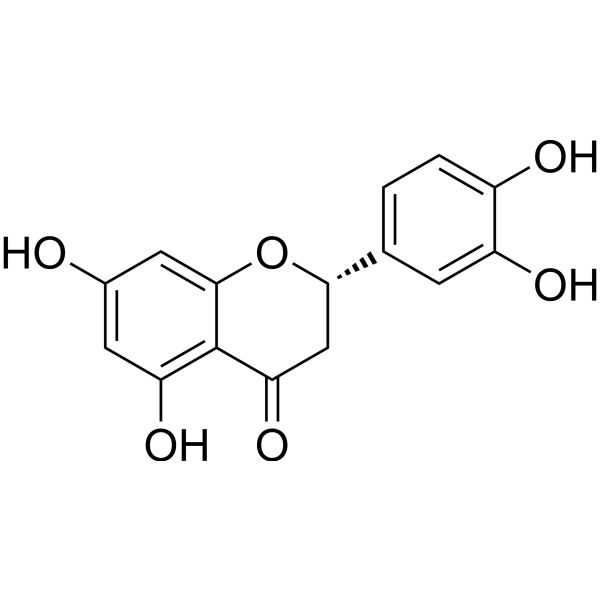
Eriodictyol ((±)-Huazhongilexone; Dihydroluteolin) is an orally active TRPV1 receptor antagonist (IC50=44-47 nM, rTRPV1) with antioxidant and anti-inflammatory activities. Eriodictyol effectively inhibits lipid peroxidation and the release of proinflammatory cytokines by specifically antagonizing the TRPV1 receptor and activating the Nrf2 signaling pathway. Eriodictyol reduces the levels of ICAM-1, VEGF, eNOS and TNF-α in the retina and maintains the integrity of the blood-retinal barrier. Eriodictyol alleviates oxidative stress-induced apoptosis and hyperalgesia, enhances the activity and cytotoxicity of immune cells (such as B lymphocytes, NK cells and macrophages), and increases the levels of antioxidant enzymes simultaneously. Eriodictyol can be used in the research of diabetic retinopathy, acute lung injury and various pain-related diseases.
For research use only. We do not sell to patients.
- Purity : 99.55%
- CAS No.: 552-58-9
- Formula: C15H12O6
- Molecular Weight:288.25
-
Storage:
4°C, protect from light
* In solvent : -80°C, 6 months; -20°C, 1 month (protect from light)

To place orders, for customer services and technical support, please contact: MedChemExpress USA
Tel: 609-228-6898 E-mail: [email protected] [email protected]


-
 Biological Activity
-
Chemical Information
-
Solvent & Solubility
- Protocols
- Purity & Documentation
- References
-
 Help & FAQs


-
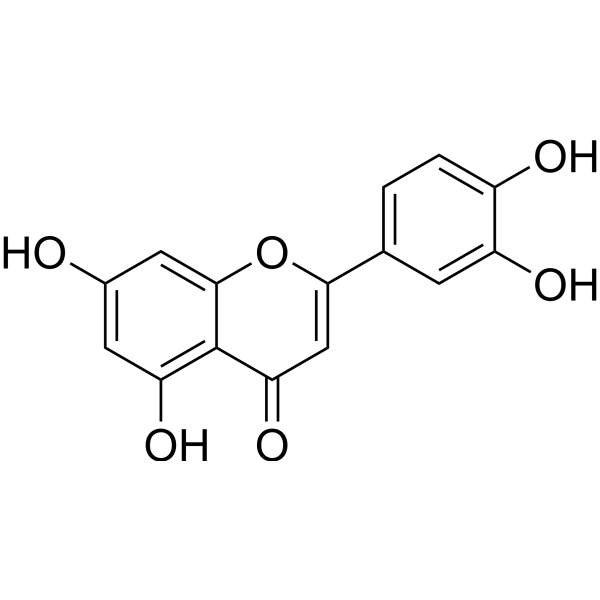
HY-N0162
LuteolinNrf2 Inhibitor -
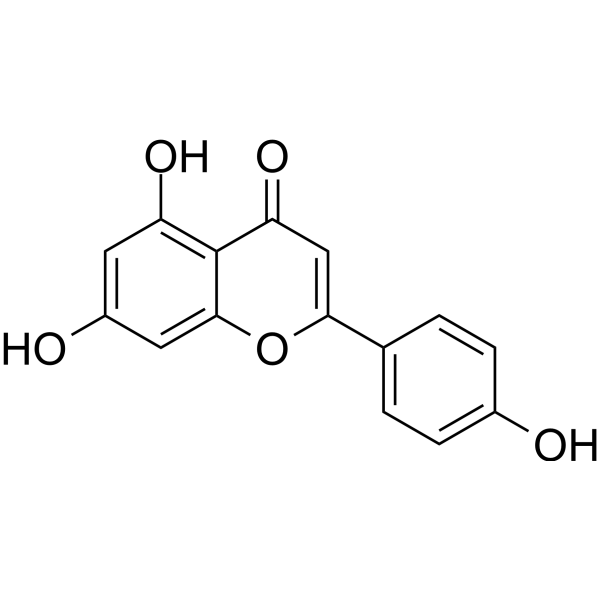
HY-N1201
ApigeninCytochrome P450 Inhibitor -
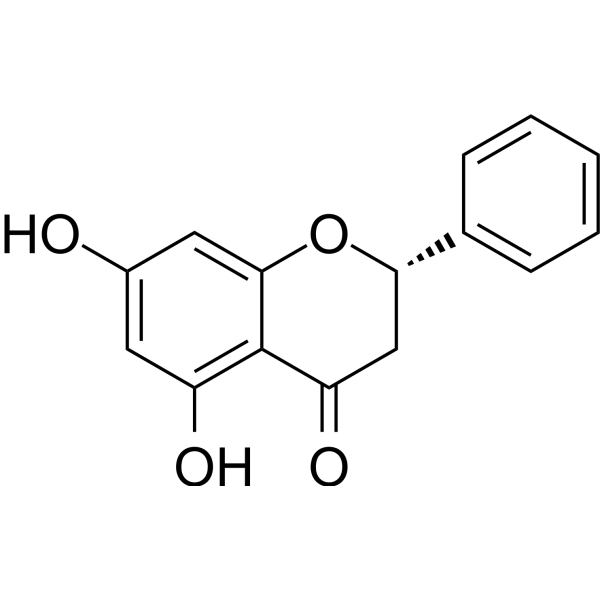
HY-N0575
PinocembrinHistidine Decarboxylase Inhibitor -
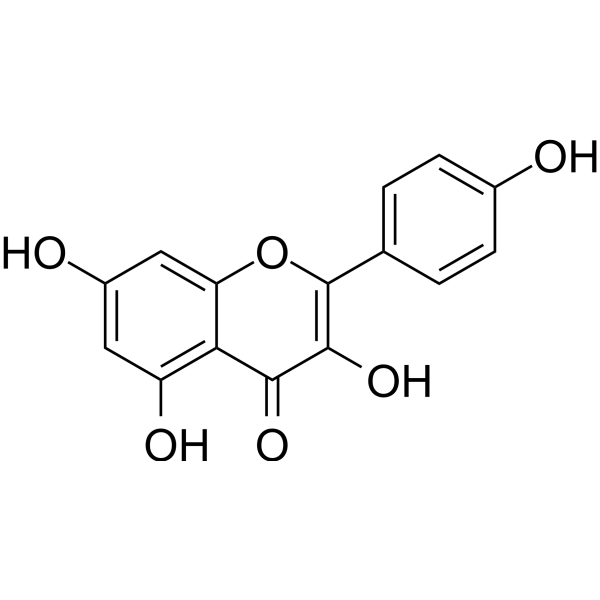
HY-14590
KaempferolEstrogen Receptor α Inhibitor -
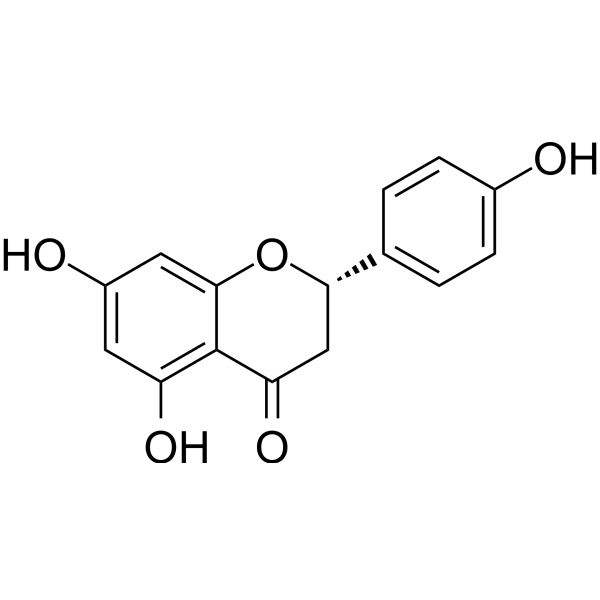
HY-N0100
NaringeninFlavonoid -
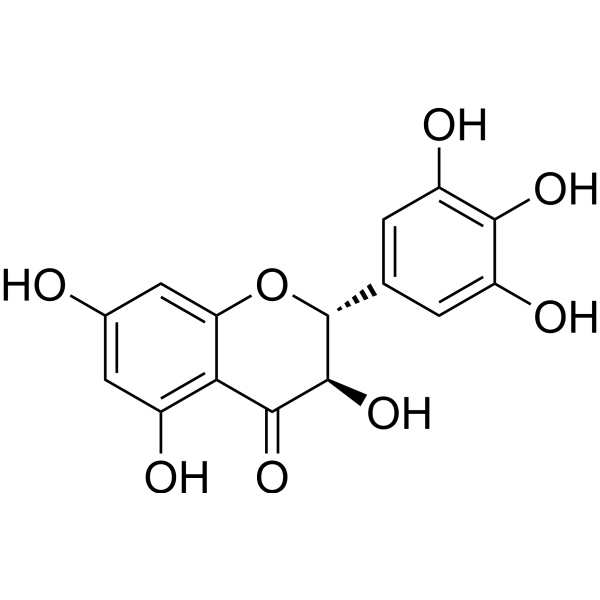
HY-N0112
DihydromyricetinAutophagy Inducer -
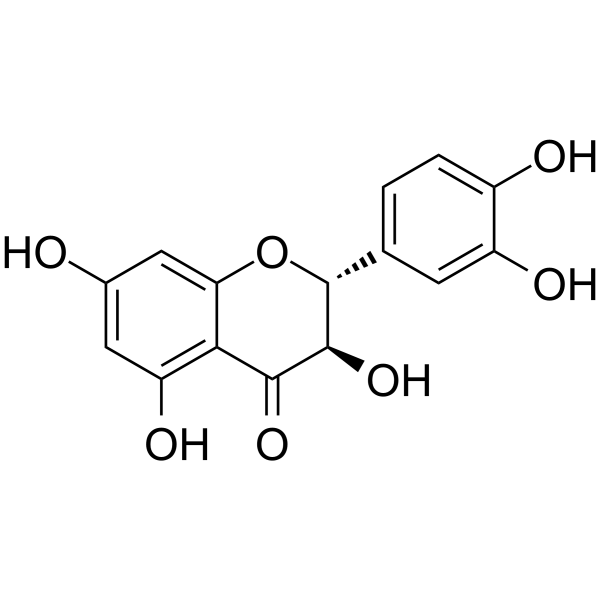
HY-N0136
TaxifolinAntifibrotic Agent -
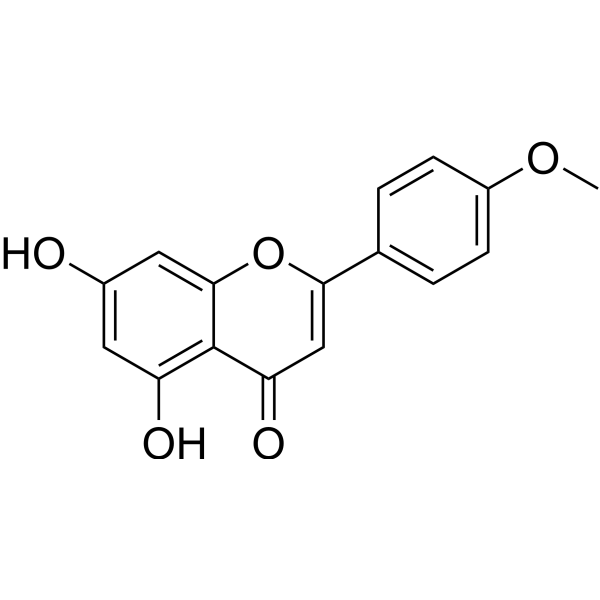
HY-N0451
AcacetinAutophagy Inducer -
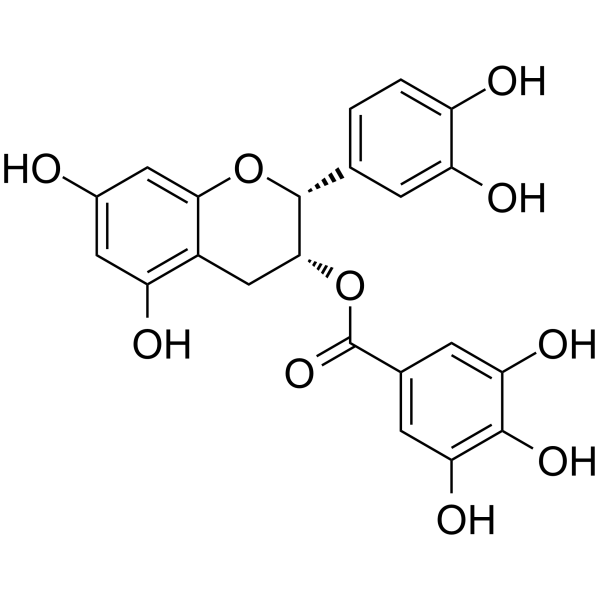
HY-N0002
(-)-Epicatechin gallateCOX-1 Inhibitor -
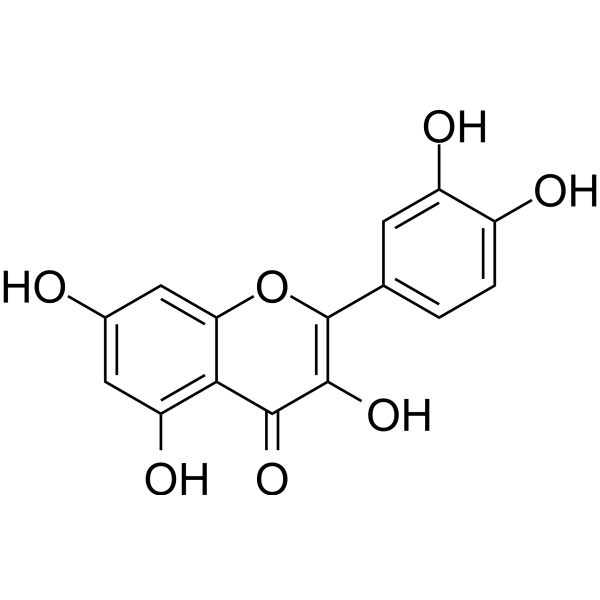
HY-18085
QuercetinFlavonoid Antioxidant -
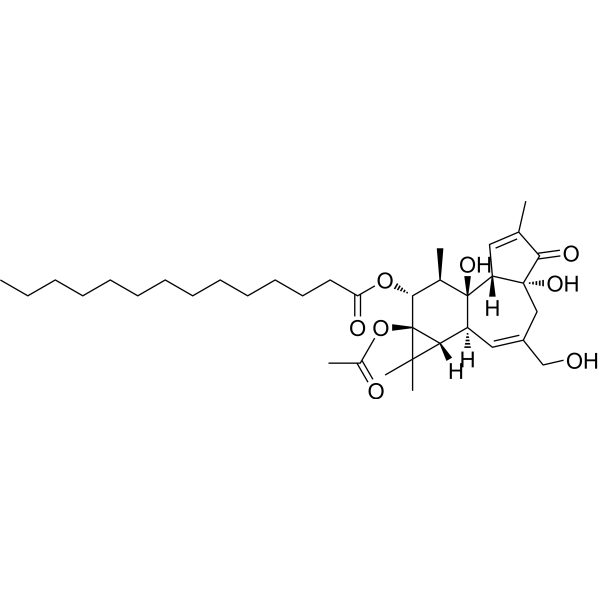
HY-18739
Phorbol 12-myristate 13-acetatePKC Activator -
HY-10583
Y-27632 dihydrochlorideROCK Inhibitor
Publications Citing Use of MedChemExpress (MCE) Eriodictyol
More- Imeta. 2026 Jun 14.
- J Nanobiotechnology. 2025 Feb 14;23(1):109. [Abstract]
- Food Chem. 2025 Dec 30:497:146992. [Abstract]
- Food Chem. 2025 Oct 15:489:144992. [Abstract]
- Food Chem. 2023 Mar 30;405(Pt A):134807. [Abstract]
- Arch Pharm Res. 2025 Apr 2. [Abstract]
- Phytother Res. 2026 Jun;40(6):3565-3579. [Abstract]
- Br J Pharmacol. 2026 Aug 26.
- Eur J Med Chem. 2020 Dec 15:208:112754. [Abstract]
- Ind Crops Prod. 2025 Dec 11;239:122458.
- Life Sci. 2025 Jun 15:371:123586. [Abstract]
- Microb Cell Fact. 2025 Jul 2;24(1):153. [Abstract]
- Int J Mol Sci. 2026 Feb 5;27(3):1576. [Abstract]
- Virol Sin. 2025 Dec 27:S1995-820X(25)00177-4. [Abstract]
- Biosci Rep. 2020 Oct 30;40(10):BSR20201349. [Abstract]
- Vet Microbiol. 2026 May:316:110992. [Abstract]
- Iran J Sci. 2025 Oct 17.
 Customer Validation & Images

-
Cell Proliferation/Viability Assay
-
In Vivo Efficacy Study
-
Cell Proliferation/Viability Assay
-
Cell Migration/Invasion Assay
-
Cell Migration/Invasion Assay


Biological Activity
Description
IC50 & Target
|
Human Endogenous Metabolite |
RNA Polymerase |
Cellular Effect
|
Cell Line

|
Type | Value | Description | References |
|---|---|---|---|---|
| B16-4A5 | IC50 |
32 μM
Compound: 10
|
Inhibition of theophylline-stimulated melanogenesis in mouse B16-4A5 cells after 72 hrs
Inhibition of theophylline-stimulated melanogenesis in mouse B16-4A5 cells after 72 hrs
|
[PMID: 20189399] |
| Col2 | EC50 |
>1 x 10³nM
Compound: eryodictiol
|
Cytotoxicity against human Col2 cells
Cytotoxicity against human Col2 cells
|
[PMID: 15043407] |
| H9c2 | EC50 |
25.5 μM
Compound: 13
|
Cytoprotective activity against doxorubicin-induced cytotoxicity in rat H9c2 cells assessed as cell viability after 24 hrs by MTT assay
Cytoprotective activity against doxorubicin-induced cytotoxicity in rat H9c2 cells assessed as cell viability after 24 hrs by MTT assay
|
[PMID: 20932762] |
| HUVEC | ED50 |
>1 x 10³nM
Compound: eryodictiol
|
Cytotoxicity against HUVEC
Cytotoxicity against HUVEC
|
[PMID: 15043407] |
| J774.A1 | IC50 |
32.8 μg/mL
Compound: 5
|
Cytotoxicity against mouse J774A1 cells after 72 hrs by cell-titer assay
Cytotoxicity against mouse J774A1 cells after 72 hrs by cell-titer assay
|
[PMID: 15679330] |
| Jurkat | IC50 |
14.6 μM
Compound: Eriodictyol
|
Inhibition of chymotrypsin-like activity of human 26S proteasome in human Jurkat cells assessed as decrease in AMC hydrolysis using Z-Gly-Gly-Leu-AMC as substrate after 24 hrs by fluorescence based method
Inhibition of chymotrypsin-like activity of human 26S proteasome in human Jurkat cells assessed as decrease in AMC hydrolysis using Z-Gly-Gly-Leu-AMC as substrate after 24 hrs by fluorescence based method
|
[PMID: 30776692] |
| Jurkat | IC50 |
16.2 μM
Compound: Eriodictyol
|
Inhibition of chymotrypsin-like activity of purified human 20S proteasome expressed in human Jurkat cells assessed as decrease in AMC hydrolysis using Suc-Leu-Leu-Val-Tyr-AMC as substrate incubated for 2 hrs by fluorescence based method
Inhibition of chymotrypsin-like activity of purified human 20S proteasome expressed in human Jurkat cells assessed as decrease in AMC hydrolysis using Suc-Leu-Leu-Val-Tyr-AMC as substrate incubated for 2 hrs by fluorescence based method
|
[PMID: 30776692] |
| KB | ED50 |
>1 x 10³nM
Compound: eryodictiol
|
Cytotoxicity against human KB cells
Cytotoxicity against human KB cells
|
[PMID: 15043407] |
| L929 | EC50 |
4 μM
Compound: eriodictyol
|
Inhibition of recombinant human TNF-alpha-induced cytotoxicity of mouse L929 cells assessed as survivality preincubated for 15 mins before TNFalpha addition measured after 24 hrs by crystal violet staining
Inhibition of recombinant human TNF-alpha-induced cytotoxicity of mouse L929 cells assessed as survivality preincubated for 15 mins before TNFalpha addition measured after 24 hrs by crystal violet staining
|
[PMID: 9287415] |
| L929 | EC50 |
6 μM
Compound: eriodictyol
|
Inhibition of recombinant human TNF-alpha-induced cytotoxicity of mouse L929 cells assessed as survivality preincubated for 15 mins before TNFalpha addition measured after 24 hrs by [methyl-3H]thymidine incorporation assay
Inhibition of recombinant human TNF-alpha-induced cytotoxicity of mouse L929 cells assessed as survivality preincubated for 15 mins before TNFalpha addition measured after 24 hrs by [methyl-3H]thymidine incorporation assay
|
[PMID: 9287415] |
| LNCaP | ED50 |
>1 x 10³nM
Compound: eryodictiol
|
Cytotoxicity against human LNCAP cells
Cytotoxicity against human LNCAP cells
|
[PMID: 15043407] |
| Lu1 | ED50 |
>1 x 10³nM
Compound: eryodictiol
|
Cytotoxicity against human Lu1 cells
Cytotoxicity against human Lu1 cells
|
[PMID: 15043407] |
| Peritoneal macrophage | IC50 |
>100 μM
Compound: kp25
|
Inhibition of LPS-stimulated nitric oxide production in ddy mouse peritoneal macrophages measured after 20 hrs by Greiss method
Inhibition of LPS-stimulated nitric oxide production in ddy mouse peritoneal macrophages measured after 20 hrs by Greiss method
|
[PMID: 27955927] |
| TERT-RPE1 | ED50 |
>1 x 10³nM
Compound: eryodictiol
|
Cytotoxicity against human telomerase reverse transcriptase expressing human RPE1 cells
Cytotoxicity against human telomerase reverse transcriptase expressing human RPE1 cells
|
[PMID: 15043407] |
| THP-1 | IC50 |
>10 μM
Compound: 24
|
Cytotoxicity against human THP1 cells assessed as cell viability after 24 hrs by WST assay
Cytotoxicity against human THP1 cells assessed as cell viability after 24 hrs by WST assay
|
[PMID: 25735399] |
| U-937 | IC50 |
>100 μM
Compound: 30, eriodictyol
|
Antiproliferative activity against human U937 cells after 24 hrs by WST-8 assay
Antiproliferative activity against human U937 cells after 24 hrs by WST-8 assay
|
[PMID: 17158054] |
| U-937 | IC50 |
>100 μM
Compound: 30, eriodictyol
|
Antiproliferative activity against human U937 cells after 48 hrs by WST-8 assay
Antiproliferative activity against human U937 cells after 48 hrs by WST-8 assay
|
[PMID: 17158054] |
| U-937 | IC50 |
>100 μM
Compound: 30, eriodictyol
|
Antiproliferative activity against human U937 cells after 72 hrs by WST-8 assay
Antiproliferative activity against human U937 cells after 72 hrs by WST-8 assay
|
[PMID: 17158054] |
| Vero | IC50 |
36.5 μg/mL
Compound: 5
|
Cytotoxicity against african green monkey Vero cells after 72 hrs by cell-titer assay
Cytotoxicity against african green monkey Vero cells after 72 hrs by cell-titer assay
|
[PMID: 15679330] |
In Vitro
Eriodictyol inhibits LPS-induced inflammatory cytokine protein production and mRNA expression in C57BL/6 mouse bone marrow-derived macrophages[2].
Eriodictyol (3-300 nM) acts as a functional TRPV1 antagonist in rat spinal cord synaptosomes, inhibiting capsaicin-induced calcium influx with an IC50 of 44 nM, and does not alter baseline calcium levels on its own[3].
Eriodictyol (1-300 μM; 30 min) has cell-free antioxidant activity, scavenging ABTS radicals with an IC50 of 1.7 μM[3].
Eriodictyol (2.5-20 μM; 48 h) dose-dependently inhibits LPS-induced NO production in murine peritoneal macrophages, reducing NO to 31.8 μM at 20 μM over 48 h[4].
Eriodictyol (2.5-20 μM; 48 h) dose-dependently inhibits lysosomal enzyme activity in murine peritoneal macrophages, with significant suppression at 2.5, 5, 10, and 20 μM over 48 h[4].
Eriodictyol (6.25-50 μM; 1 h) exhibits dose-dependent cellular antioxidant activity in murine splenocytes and macrophages, with EC50 values of 13 μM and 14 μM, respectively, in the CAA assay[4].
Eriodictyol (5-20 μM; 24 h) dose-dependently suppresses the production of proinflammatory cytokines TNF-α and IL-8 in high glucose-stimulated rat RGC-5 retinal ganglial cells[5].
Eriodictyol (5-20 μM; 24 h) dose-dependently represses apoptosis in high glucose-stimulated rat RGC-5 retinal ganglial cells by modulating the expression of pro- and anti-apoptotic proteins[5].
Eriodictyol (5-20 μM; 24 h) enhances activation of the Nrf2/HO-1 pathway in high glucose-stimulated rat RGC-5 retinal ganglial cells, which is required for its protective effects against oxidative stress, inflammation, and apoptosis[5].
MedChemExpress (MCE) has not independently confirmed the accuracy of these methods. They are for reference only.
In Vivo
Eriodictyol (30 mg/kg; p.o.; single dose; 2 days prior to LPS exposure) significantly attenuates LPS-induced acute lung injury in female C57BL/6 mice via anti-inflammatory and antioxidative mechanisms, including improved survival, reduced inflammatory cytokine production, and activation of the Nrf2-Trx1 pathway[2].
Eriodictyol (0.45-13.5 mg/kg; p.o.; single dose; 1 hour before capsaicin injection; 1-30 nmol/site; i.t.; single dose; 15 minutes before capsaicin injection) induces antinociception in intraplantar capsaicin-induced nociception in mice, with a maximal oral inhibition of 49 ± 10% (ID50=2.3 mg/kg) and maximal intrathecal inhibition of 64 ± 4% (ID50=2.2 nmol/site)[3].
Eriodictyol (4.5 mg/kg; p.o.; single dose; 1 hour before intrathecal capsaicin injection) inhibits intrathecal capsaicin-induced nociception in mice by 71 ± 5%[3].
Eriodictyol (4.5 mg/kg; p.o.; single dose; 1 hour before nociception testing) fully reverses thermal hyperalgesia and reduces mechanical allodynia by 64 ± 7% in CFA-induced inflammatory pain in mice[3].
Eriodictyol (4.5 mg/kg; p.o.; single dose; 1 hour before intraplantar capsaicin injection) prevents intraplantar capsaicin-induced spinal oxidative stress in mice by preserving non-protein thiol levels and blocking 3-nitrotyrosine formation[3].
Eriodictyol (combined with hesperidin and eriocitrin) enhances systemic antioxidant capacity and reduces markers of inflammation and oxidative stress in high-fat diet-fed C57BL/6J mice[5].
MedChemExpress (MCE) has not independently confirmed the accuracy of these methods. They are for reference only.
- Detection of Apoptosis
- TUNEL staining for apoptotic DNA fragmentation
- Cell Cytotoxicity Assay
- Mammalian live/dead viability and cytotoxicity staining
- Annexin V plus membrane-impermeant dye apoptosis staining
- ROS/oxidative-stress fluorescent staining
- Apoptosis Solutions
- Research Protocol for Inflammation-related Diseases
- Ferroptosis Solutions
- Inhalation Toxicity Study
- Cell Viability Determination by MTT Colorimetric Assay


Chemical Information
-
CAS No. 552-58-9
-
Appearance Solid
-
Molecular Weight 288.25
-
Formula C15H12O6
-
Color White to light yellow
-
SMILES
O=C1C[C@@H](C2=CC=C(O)C(O)=C2)OC3=CC(O)=CC(O)=C13
-
Synonyms
Huazhongilexone
-
Structure Classification
-
Shipping
Room temperature in continental US; may vary elsewhere.
-
Storage
4°C, protect from light
* In solvent : -80°C, 6 months; -20°C, 1 month (protect from light)


Publications (17)
-
Journal Impact Factor
-
Most Recent
-
-
J Nanobiotechnology
Eriodictyol-cisplatin coated nanomedicine synergistically promote osteosarcoma cells ferroptosis and chemosensitivity. [Abstract]2025 Feb 14;23(1):109. PMID: 39953537
Eriodictyol purchased from MedChemExpress. Usage Cited in: J Nanobiotechnology. 2025 Feb 14;23(1):109. [Abstract]
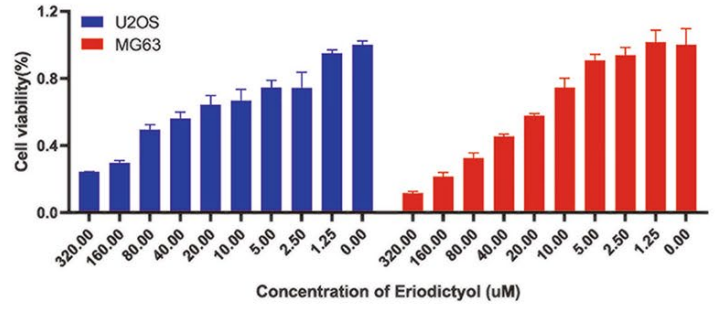
The investigation of 48 h IC50 of Eriodictyol against U2OS and MG63 cells. The results showed that the IC50s of U2OS and MG63 cells against Eriodictyol were 27.39 μM and 26.11 μM, respectively.
Eriodictyol purchased from MedChemExpress. Usage Cited in: J Nanobiotechnology. 2025 Feb 14;23(1):109. [Abstract]
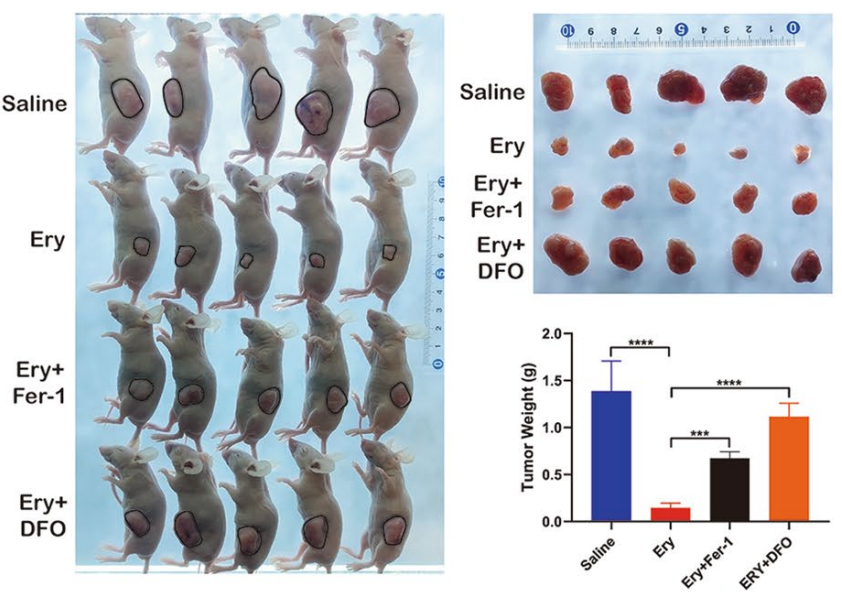
Eriodictyol (5 mg/kg) could suppress OS growth in vivo and ferroptosis inhibitors could reverse the tumor-suppressing effects of Eriodictyol.
-
Food Chem
Effects of sun drying combined with baking processes on the flavor quality of Chongqing Tuocha raw tea. [Abstract]2025 Dec 30:497:146992. PMID: 41285060 -
Food Chem
Flavonoid-mediated metabolic underpinning quality variation in red bud-sport pear mutants. [Abstract]2025 Oct 15:489:144992. PMID: 40466530 -
Food Chem
Discovery of novel ascorbic acid derivatives and other metabolites in fruit of Rosa roxburghii Tratt through untargeted metabolomics and feature-based molecular networking. [Abstract]2023 Mar 30;405(Pt A):134807. PMID: 36370576 -
Arch Pharm Res
The inhibition of endothelial DLL4-NOTCH1 signaling by 2'-hydroxyflavanone enhances anti-PD-1 therapy in melanoma. [Abstract]2025 Apr 2. PMID: 40172769 -
Phytother Res
Eriodictyol Regulates Macrophage Polarization to Treat Rheumatoid Arthritis by Inhibiting Jumonji Domain-Containing Protein D3-Mediated Demethylation of Trimethylation of Lysine 27 on Histone H3: An Integrative Single Cell Sequencing and Experimental Validation Study. [Abstract]2026 Jun;40(6):3565-3579. PMID: 41940585 -
-
Eur J Med Chem
Unraveling the anti-influenza effect of flavonoids: Experimental validation of luteolin and its congeners as potent influenza endonuclease inhibitors. [Abstract]2020 Dec 15:208:112754. PMID: 32883638 -
Eriodictyol purchased from MedChemExpress. Usage Cited in: Ind Crops Prod. 2025 Dec 11;239:122458.
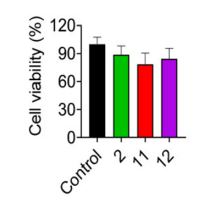
EA.hy926 cells were treated with indicated natural compounds, including steppogenin (2), naringenin (11) (10 μM; 20 h), and Eriodictyol (12) (10 μM; 20 h), and cell viability was examined using the MTT assay.
Eriodictyol purchased from MedChemExpress. Usage Cited in: Ind Crops Prod. 2025 Dec 11;239:122458.
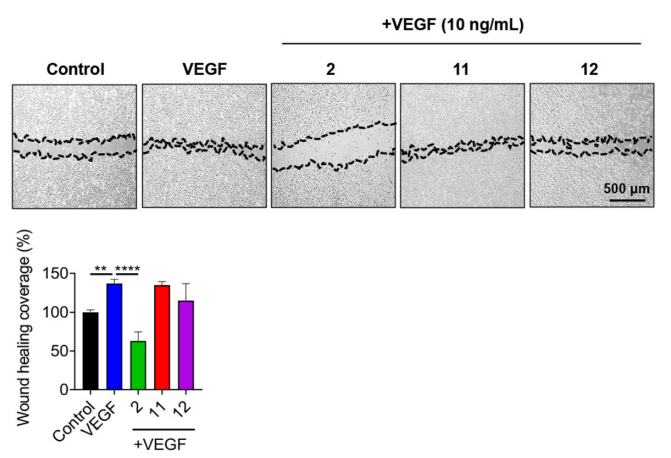
EA.hy926 cells were scraped with a pipette tip and treated with the indicated inhibitory natural compounds, including steppogenin (2) (10 μM), naringenin (11) (10 μM), and Eriodictyol (12) (10 μM), with or without VEGF (10 ng/mL) for 24 h. Scale bar: 500 μm.
Eriodictyol purchased from MedChemExpress. Usage Cited in: Ind Crops Prod. 2025 Dec 11;239:122458.
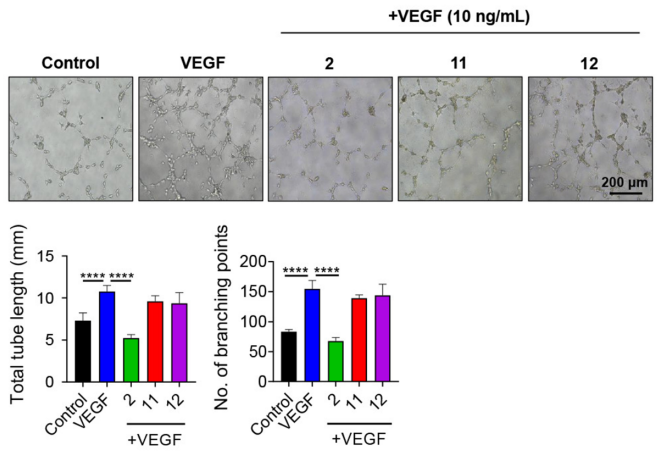
The tube formation of EA.hy926 cells was examined after 8 h of incubation with the indicated natural compounds, including steppogenin (2) (10 μM), naringenin (11) (10 μM), and Eriodictyol (12) (10 μM), with or without VEGF (10 ng/mL). Scale bar: 200 μm.
-
Life Sci
GDF15 promotes trophoblast invasion and pregnancy success via the BMPR1A/BMPR2/p-SMAD1 pathway: Implications for recurrent miscarriage. [Abstract]2025 Jun 15:371:123586. PMID: 40157640 -
Microb Cell Fact
2025 Jul 2;24(1):153. PMID: 40605049 -
Int J Mol Sci
Dual Targeting of HIF-1α and DLL4 by Isoxanthohumol Potentiates Immune Checkpoint Blockade. [Abstract]2026 Feb 5;27(3):1576. PMID: 41683994 -
Virol Sin
Development of the reverse genetics system for viral hemorrhagic septicemia virus genotype IVa and its application in antiviral compound screening. [Abstract]2025 Dec 27:S1995-820X(25)00177-4. PMID: 41461367 -
Biosci Rep
Experimental evidence and network pharmacology-based analysis reveal the molecular mechanism of Tongxinluo capsule administered in coronary heart diseases. [Abstract]2020 Oct 30;40(10):BSR20201349. PMID: 32990315 -
Vet Microbiol
The Chinese medicine monomer Schisandrin C inhibits PRRSV infection by regulating the OGT-PI3K/AKT/mTOR signaling pathway. [Abstract]2026 May:316:110992. PMID: 41865607 -


Solvent & Solubility
In Vitro:
DMSO : 125 mg/mL (433.65 mM; Need ultrasonic; Hygroscopic DMSO has a significant impact on the solubility of product, please use newly opened DMSO)
H2O : < 0.1 mg/mL (insoluble)
Please refer to the solubility information to select the appropriate solvent. Once prepared, please aliquot and store the solution to prevent product inactivation from repeated freeze-thaw cycles.
Storage method and period of stock solution: -80°C, 6 months; -20°C, 1 month (protect from light). When stored at -80°C, please use it within 6 months. When stored at -20°C, please use it within 1 month.
Please refer to the solubility information to select the appropriate solvent. Once prepared, please aliquot and store the solution to prevent product inactivation from repeated freeze-thaw cycles.
Storage method and period of stock solution: -80°C, 6 months; -20°C, 1 month (protect from light). When stored at -80°C, please use it within 6 months. When stored at -20°C, please use it within 1 month.
Concentration (start) × Volume (start) = Concentration (final) × Volume (final)
In Vivo:
Select the appropriate dissolution method based on your experimental animal and administration route.
- For the following dissolution methods, please ensure to first prepare a clear stock solution using an In Vitro approach and then sequentially add co-solvents:
- To ensure reliable experimental results, the clarified stock solution can be appropriately stored based on storage conditions. As for the working solution for In Vivo experiments, it is recommended to prepare freshly and use it on the same day.
- The percentages shown for the solvents indicate their volumetric ratio in the final prepared solution. If precipitation or phase separation occurs during preparation, heat and/or sonication can be used to aid dissolution.
Add each solvent one by one: 10% DMSO 40% PEG300 5% Tween-80 45% Saline
Solubility: ≥ 2.58 mg/mL (8.95 mM); Clear solution
This protocol yields a clear solution of ≥ 2.58 mg/mL (saturation unknown).
Taking 1 mL working solution as an example, add 100 μL DMSO stock solution (25.8 mg/mL) to 400 μL PEG300, and mix evenly; then add 50 μL Tween-80 and mix evenly; then add 450 μL Saline to adjust the volume to 1 mL.
Preparation of Saline: Dissolve 0.9 g sodium chloride in ddH₂O and dilute to 100 mL to obtain a clear Saline solution.
Add each solvent one by one: 10% DMSO 90% (20% SBE-β-CD in Saline)
Solubility: ≥ 2.58 mg/mL (8.95 mM); Clear solution
This protocol yields a clear solution of ≥ 2.58 mg/mL (saturation unknown).
Taking 1 mL working solution as an example, add 100 μL DMSO stock solution (25.8 mg/mL) to 900 μL 20% SBE-β-CD in Saline, and mix evenly.
Preparation of 20% SBE-β-CD in Saline (4°C, storage for one week): 2 g SBE-β-CD powder is dissolved in 10 mL Saline, completely dissolve until clear.
In Vivo Dissolution Calculator
Please enter the basic information of animal experiments:
-
-
-
-
Recommended: Prepare an additional quantity of animals to account for potential losses during experiments.
Please enter your animal formula composition:
-
%DMSO +
Recommended: Keep the proportion of DMSO in working solution below 2% if your animal is weak.
-
%+
-
+%Tween-80 + +
-
%Saline +
The co-solvents required include: DMSO, . All of co-solvents are available by MedChemExpress (MCE). , Tween 80. All of co-solvents are available by MedChemExpress (MCE).
Working solution concentration: 0.22 mg/mL
Method for preparing stock solution: mg drug dissolved in μL DMSO. Stock solution concentration: mg/mL. * In solvent : -80°C, 6 months; -20°C, 1 month (protect from light)
1. Take μL DMSO stock solution;
2. Add μL .
μL , mix evenly;
3. Then add μL Tween 80, mix evenly;
4. Then add μL
Please ensure that the stock solution in the first step is dissolved to a clear state, and add co-solvents in sequence. You can use ultrasonic heating (ultrasonic cleaner, recommended frequency 20-40 kHz), vortexing, etc. to assist dissolution.


Purity & Documentation
-
Data Sheet (283 KB)
-
SDS (394 KB)
- English - EN (394 KB)
- Français - FR (394 KB)
- Deutsch - DE (394 KB)
- Norwegian - NO (394 KB)
- Español - ES (394 KB)
- Swedish - SV (394 KB)
- Italian - IT (394 KB)
- Korean - KR (394 KB)
- Portuguese - PT (394 KB)
-
Handling Instructions (2659 KB)
References
[1]. Bucolo C, et al. Eriodictyol prevents early retinal and plasma abnormalities in streptozotocin-induced diabetic rats. Biochem Pharmacol. 2012;84(1):88-92. [Content Brief]
[2]. Zhu GF, et al. Eriodictyol, a plant flavonoid, attenuates LPS-induced acute lung injury through its antioxidative and anti-inflammatory activity. Exp Ther Med. 2015;10(6):2259-2266. [Content Brief]
[3]. Rossato MF, et al. Eriodictyol: a flavonoid antagonist of the TRPV1 receptor with antioxidant activity. Biochem Pharmacol. 2011;81(4):544-551. [Content Brief]
[4]. Mokdad-Bzeouich I, et al. Investigation of immunomodulatory and anti-inflammatory effects of eriodictyol through its cellular anti-oxidant activity. Cell Stress Chaperones. 2016;21(5):773-781. [Content Brief]
[5]. Lv P, et al. Eriodictyol inhibits high glucose-induced oxidative stress and inflammation in retinal ganglial cells. J Cell Biochem. 2019;120(4):5644-5651. [Content Brief]


Complete Stock Solution Preparation Table
Please refer to the solubility information to select the appropriate solvent. Once prepared, please aliquot and store the solution to prevent product inactivation from repeated freeze-thaw cycles.
Storage method and period of stock solution: -80°C, 6 months; -20°C, 1 month (protect from light). When stored at -80°C, please use it within 6 months. When stored at -20°C, please use it within 1 month.
| Optional Solvent | Concentration Solvent Mass | 1 mg | 5 mg | 10 mg | 25 mg |
|---|---|---|---|---|---|
| DMSO | 1 mM | 3.4692 mL | 17.3461 mL | 34.6921 mL | 86.7303 mL |
| 5 mM | 0.6938 mL | 3.4692 mL | 6.9384 mL | 17.3461 mL | |
| 10 mM | 0.3469 mL | 1.7346 mL | 3.4692 mL | 8.6730 mL | |
| 15 mM | 0.2313 mL | 1.1564 mL | 2.3128 mL | 5.7820 mL | |
| 20 mM | 0.1735 mL | 0.8673 mL | 1.7346 mL | 4.3365 mL | |
| 25 mM | 0.1388 mL | 0.6938 mL | 1.3877 mL | 3.4692 mL | |
| 30 mM | 0.1156 mL | 0.5782 mL | 1.1564 mL | 2.8910 mL | |
| 40 mM | 0.0867 mL | 0.4337 mL | 0.8673 mL | 2.1683 mL | |
| 50 mM | 0.0694 mL | 0.3469 mL | 0.6938 mL | 1.7346 mL | |
| 60 mM | 0.0578 mL | 0.2891 mL | 0.5782 mL | 1.4455 mL | |
| 80 mM | 0.0434 mL | 0.2168 mL | 0.4337 mL | 1.0841 mL | |
| 100 mM | 0.0347 mL | 0.1735 mL | 0.3469 mL | 0.8673 mL |


Eriodictyol Related Classifications
HY-N0637 Related Classifications
 Powered by Bioz