Cathepsin
Cathepsins are protease enzymes, categorized into multiple families. Cathepsins can be serine protease, cysteine protease, or aspartyl protease. There are about 15 classes of cathepsins in humans (Cathepsin A, B, C, D, E, F, G, H, K, L, O, S, V, W, and Z). Cathepsins are active in the low pH milieu of lysosomes and are versatile in their functions. Like other enzymes, they are vital for the normal physiological functions such as digestion, blood coagulation, bone resorption, ion channel activity, innate immunity, complement activation, apoptosis, vesicular trafficking, autophagy, angiogenesis, proliferation, and metastasis, among scores of others.
Numerous pathologies have been attributed to the dysregulated cathepsins, some of which include arthritis, periodontitis, pancreatitis, macular degeneration, muscular dystrophy, atherosclerosis, obesity, stroke, Alzheimer's disease, schizophrenia, tuberculosis, and Ebola.
Cathepsin Isoform Specific Products
All Product Categories
-
Cathepsin Inhibitors
(213)
View all products
-
Cathepsin Antagonist
(1)
View all products
-
Cathepsin Activators
(7)
View all products
-
Cathepsin Inducers
(3)
View all products
-
Cathepsin Degrader
(1)
View all products
-
Cathepsin Control
(1)
View all products
-
Cathepsin Substrates
(21)
View all products
-
Cathepsin Ligand
(1)
View all products
-
Cathepsin Proteins
(35)
View all products
-
Cathepsin B Proteins
(5)
View all products
-
Cathepsin C Proteins
(4)
View all products
-
Cathepsin D Proteins
(5)
View all products
-
Cathepsin E Proteins
(3)
View all products
-
Cathepsin K Proteins
(1)
View all products
-
Cathepsin L1 Proteins
(4)
View all products
-
Cathepsin S Proteins
(2)
View all products
-
Cathepsin Related Products (294)
Related Products (294)

-
Recombinant Proteins (35)
-
Antibodies (6)
-
Cathepsin Isoform Comparison
-
Z-FF-FMK
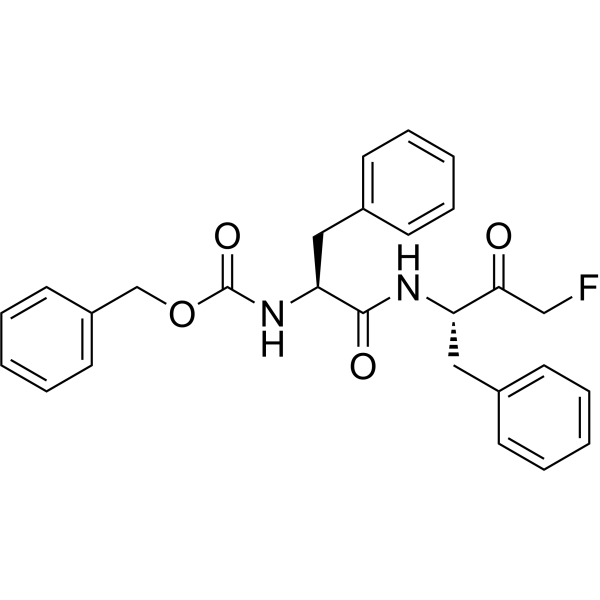 0 ImagesCat. No.: HY-141867CAS No.: 105608-85-3Synonyms: Z-Phe-Phe-FMKZ-FF-FMK (Z-Phe-Phe-FMK) is a cell-permeable, irreversible, and cysteine protease inhibitor targeting cathepsin-L. Z-FF-FMK inhibits angiotensin II-induced MEK activation in vascular walls, aortic medial remodeling, blood pressure elevation, and upregulation of cystatin C in aortic walls. Z-FF-FMK prevents β-amyloid-mediated caspase-3 activation, poly (ADP-ribose) polymerase cleavage, DNA fragmentation, and apoptosis of cortical neurons (apoptosis). Z-FF-FMK can be used in research related to hypertension and Alzheimer's disease.
-
Z-Phe-Arg-pNA
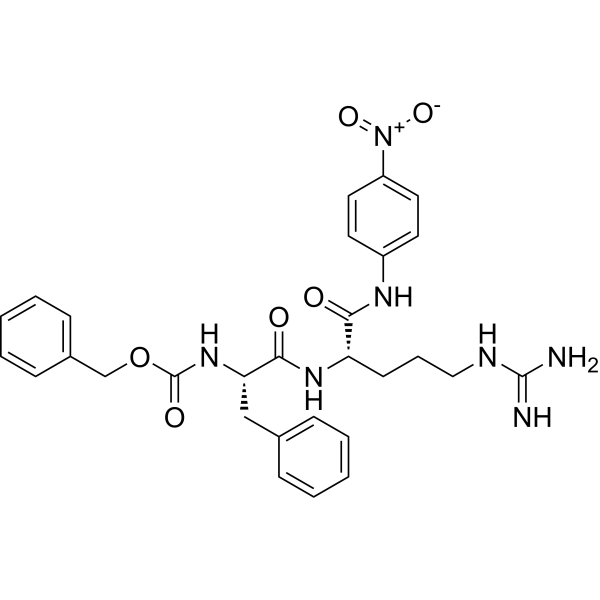 0 ImagesZ-Phe-Arg-pNA is a substrate of Cathepsin L.
-
MeOSuc-AAPV-CMK
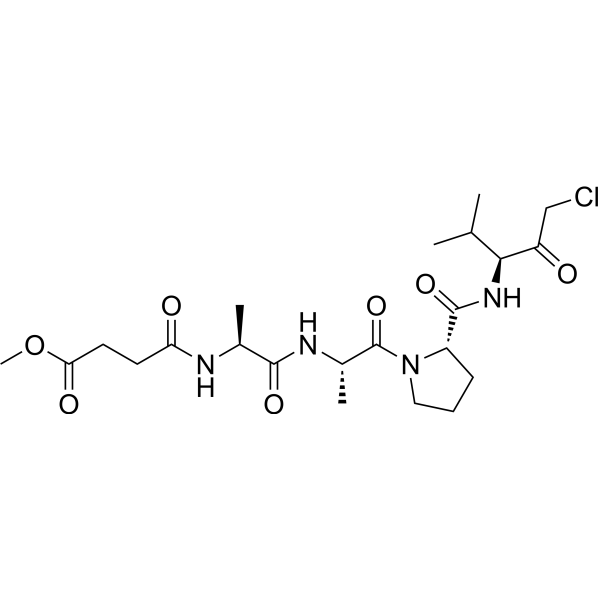 0 ImagesSynonyms: Elastase Inhibitor IIIMeOSuc-AAPV-CMK (Elastase Inhibitor III) is an elastase inhibitor that simultaneously inhibits Cathepsin G and Proteinase 3. MeOSuc-AAPV-CMK blocks the shedding of FcgRIIIb on the surface of human neutrophils. MeOSuc-AAPV-CMK reverses the elastase-mediated reduction in proinflammatory cytokine production by immune cells, partially restores IL-1β levels in immune cell co-culture systems, and prevents elastase-mediated adiponectin cleavage.
-
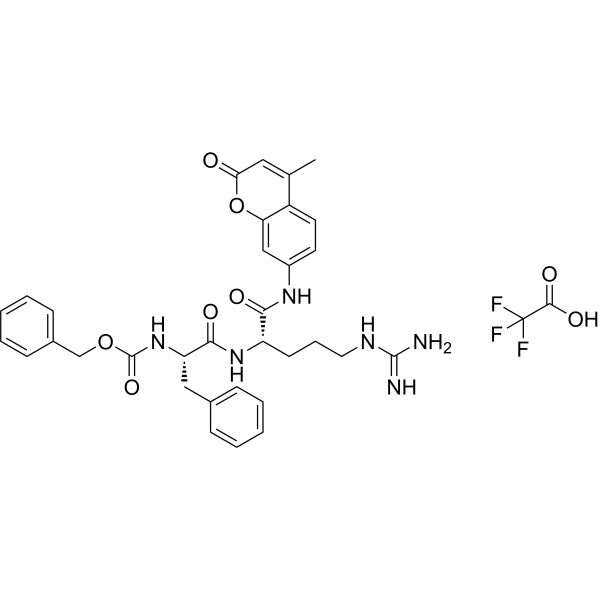
Z-Val-Val-Arg-AMC
 0 ImagesZ-Val-Val-Arg-AMC is a fluorescent peptide substrate that can be used to test the activity of cathepsins.
-
Cathepsin C-IN-5
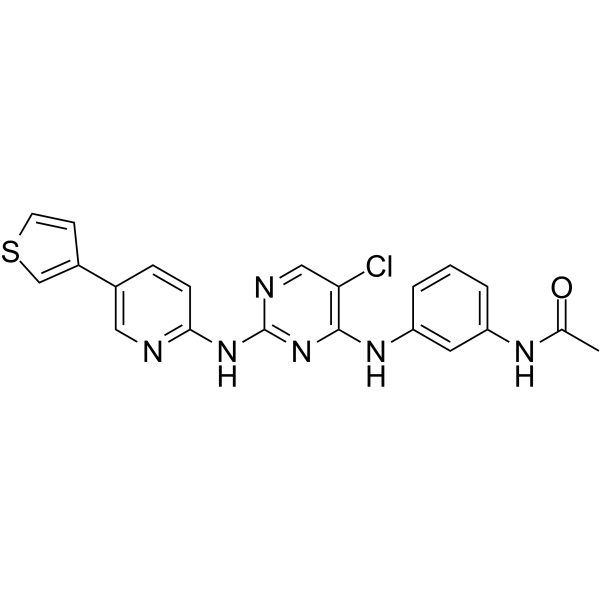 0 ImagesCat. No.: HY-146584CAS No.: 2825567-97-1Cathepsin C-IN-5 (compound SF38) is a potent, selective and orally active Cathepsin C inhibitor with IC50s of 59.9 nM, 4.26 µM, >5 µM, >5 µM, >5 µM for Cat C, Cat L, Cat S, Cat B, Cat K, respectively. Cathepsin C-IN-5 inhibits the Cat C activity in bone marrow and blood. Cathepsin C-IN-5 decreases the activation of NSPs (neutrophil serine proteases). Cathepsin C-IN-5 shows anti-inflammatory activity.
-
Olgotrelvir sodium
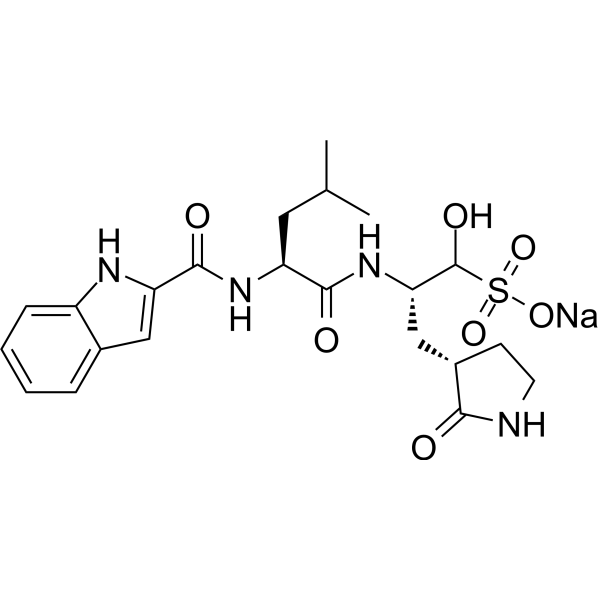 0 ImagesCat. No.: HY-156655ACAS No.: 2763596-72-9Synonyms: STI-1558 sodiumOlgotrelvir (STI-1558) sodium is an orally active dual inhibitor of coronavirus main protease (Mpro) and human cell cathepsin (Cathepsin L). Olgotrelvir sodium is readily converted to its active form, AC1115, in full blood and/or plasma. Olgotrelvir sodium can effectively inhibit both SARS-CoV-2 replication and entry into host cells.
-
Relacatib
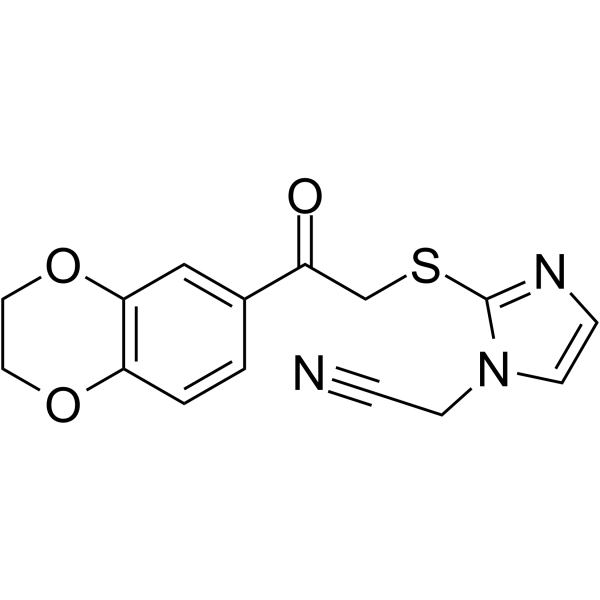
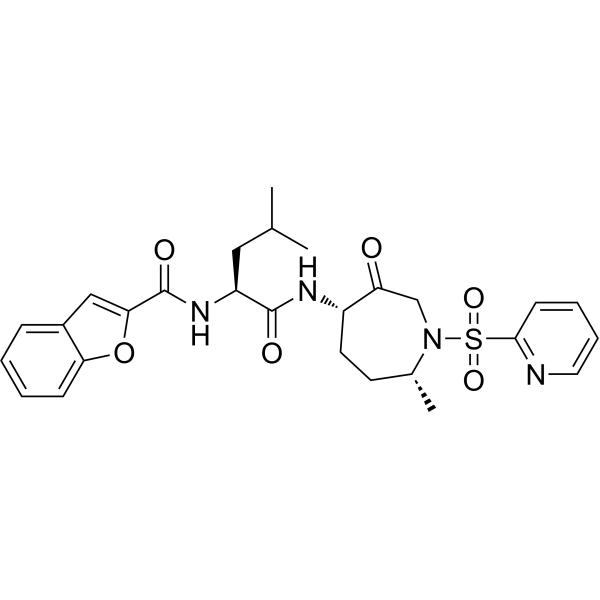 0 ImagesSynonyms: SB-462795Relacatib (SB-462795) is a novel, potent, and orally active inhibitor of human cathepsins K, L, and V with Ki values of 41 pM, 68 pM, and 53 pM, respectively. Relacatib inhibits endogenous cathepsin K in situ in human osteoclasts and human osteoclast-mediated bone resorption with IC50 values of 45 nM and 70 nM, respectively. Relacatib inhibits bone resorption in vitro in human tissue as well as in cynomolgus monkeys in vivo.
-
L-006235
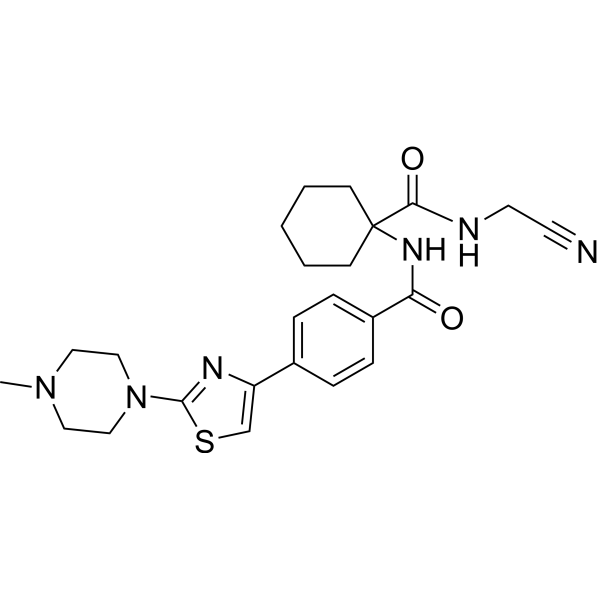 0 ImagesSynonyms: L-235L-006235 (L-235) is a potent, selective, reversible and orally active inhibitor of cathepsin K, with an IC50 of 5 nM in bone resorption assay. L-006235 shows selectivity for cathepsin K (Ki=0.2 nM) over cathepsin B, cathepsin L, and cathepsin S (Ki=1, 6, and 47 μM, respectively). L-006235 can reduce collagen degradation and prevent bone loss.
-
Z-Nle-Lys-Arg-AMC acetate
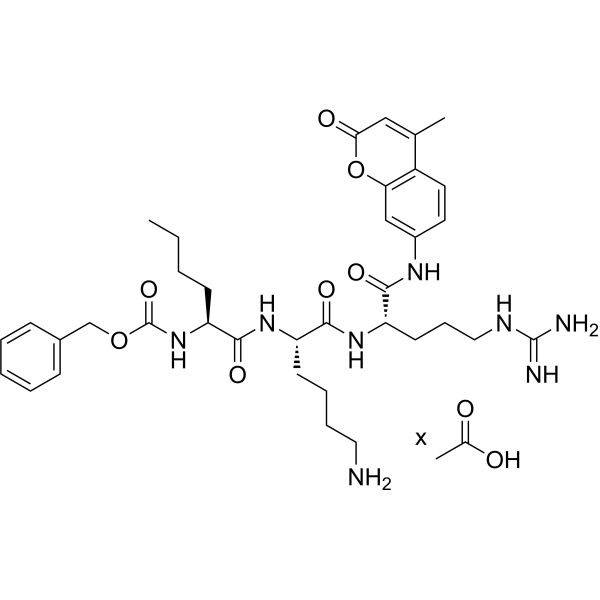 0 ImagesCat. No.: HY-155667APurity: 99.69%Z-Nle-Lys-Arg-AMC acetate is a fluorogenic peptide substrate that specifically monitors cathepsin B activity over a broad pH range.
-
Cysteine Protease inhibitor
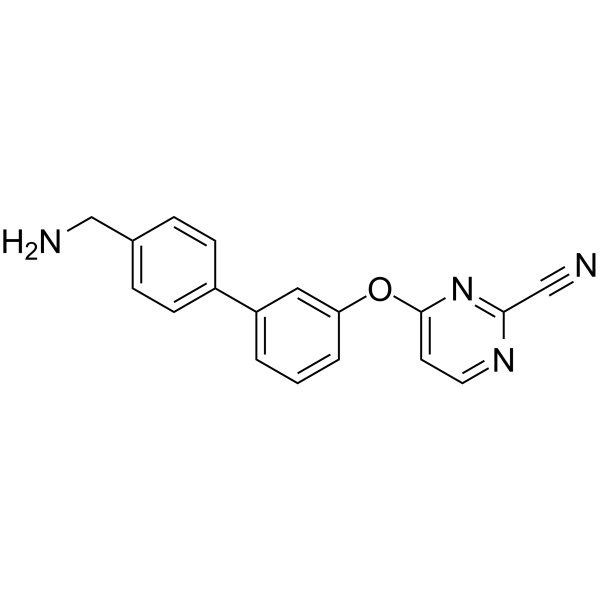 0 ImagesCat. No.: HY-17541CAS No.: 921625-62-9Cysteine Protease inhibitor is a cysteine protease inhibitor. Cysteine Protease inhibitor can be used in immunoblotting experiments of cells or tissues.
-
L-Arginine-7-amido-4-methylcoumarin hydrochloride
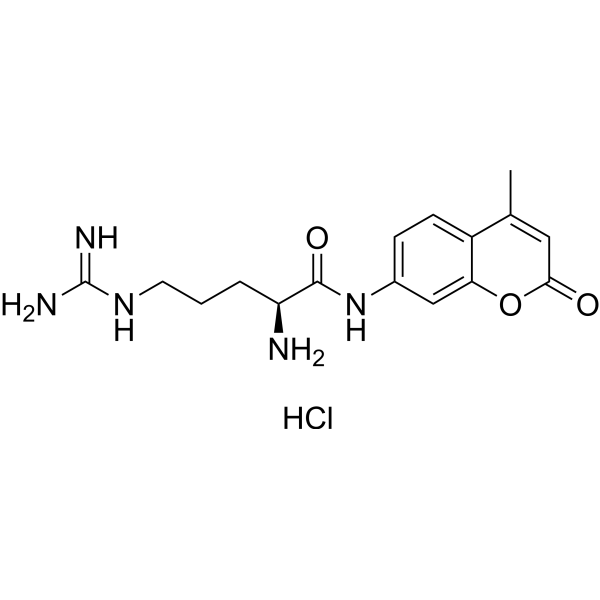 0 ImagesSynonyms: Arginine 4-methyl-7-coumarylamide hydrochlorideL-Arginine-7-amido-4-methylcoumarin (Arginine 4-methyl-7-coumarylamide) hydrochloride is a specific substrate of cathepsin H but not for cathepsins L and B.
-
L-Homocysteine (Standard)
 0 ImagesL-Homocysteine (Standard) is the analytical standard of L-Homocysteine. This product is intended for research and analytical applications. L-Homocysteine, an amino acid, is a homocysteine that has L configuration. Homocysteine is an essential intermediate in normal mammalian metabolism of methionine. L-Homocysteine induces upregulation of Cathepsin V that mediates vascular endothelial inflammation in hyperhomocysteinaemia[1][2].
-
Cathepsin D and E FRET Substrate acetate
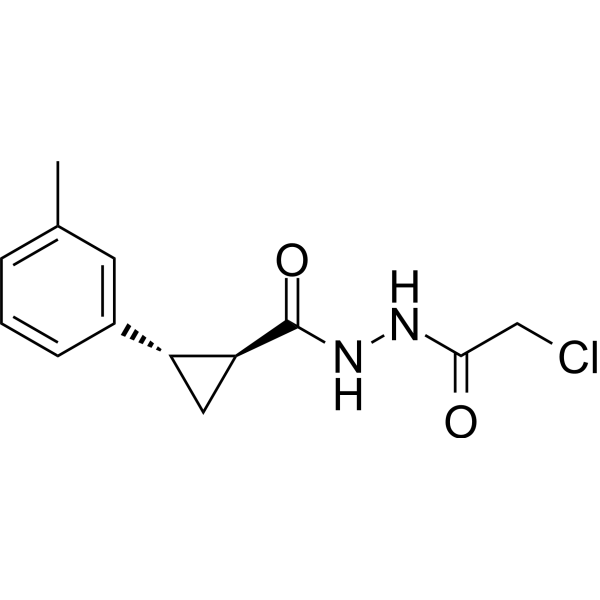
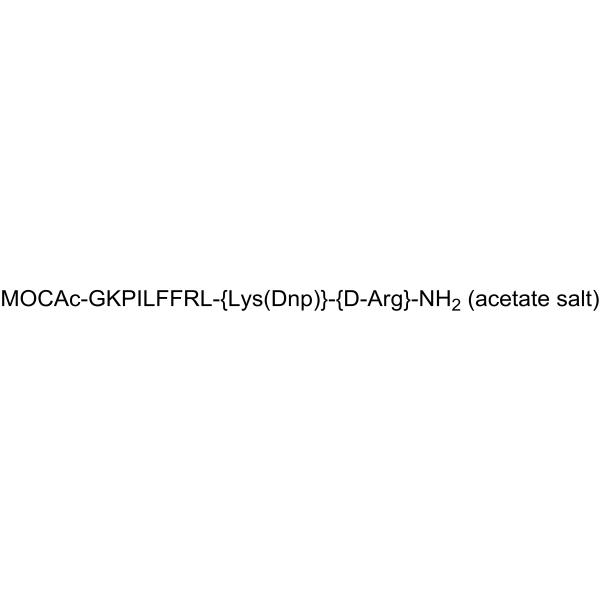 0 ImagesCat. No.: HY-P2498APurity: 99.75%Cathepsin D and E FRET Substrate acetate is a fluorogenic substrate for cathepsins D and E and not for B, H or L. The cleavage occurs at the Phe-Phe amide bond resul. Cathepsin D and E FRET Substrate is a valuable tool for routine assays and for mechanistic studies on cathepsins E and D.
-
RO5461111
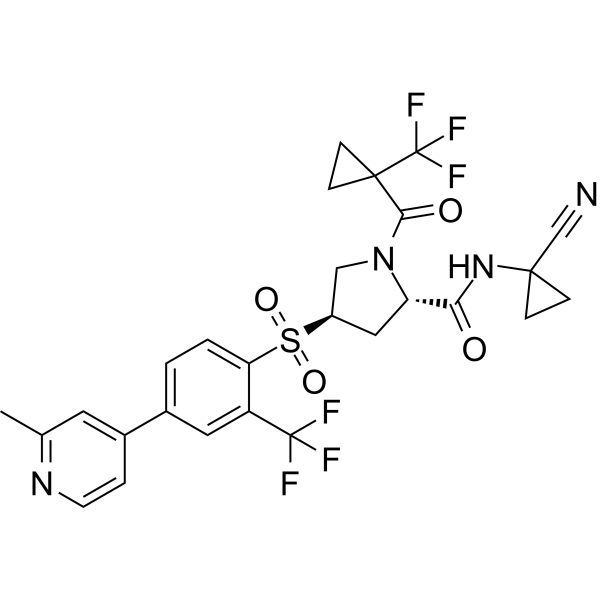 0 ImagesRO5461111 a highly specific and orally active antagonist of Cathepsin S with IC50s of 0.4 nM (human Cathepsin S) and 0.5 nM (murine Cathepsin S), respectively. RO5461111 can effectively inhibit the activation of antigen-specific T cells and B cells. RO5461111 can improve pulmonary inflammation and lupus nephritis.