



-
Cathepsin Related Products (182)
Related Products (182)

-
N-Ethylmaleimide
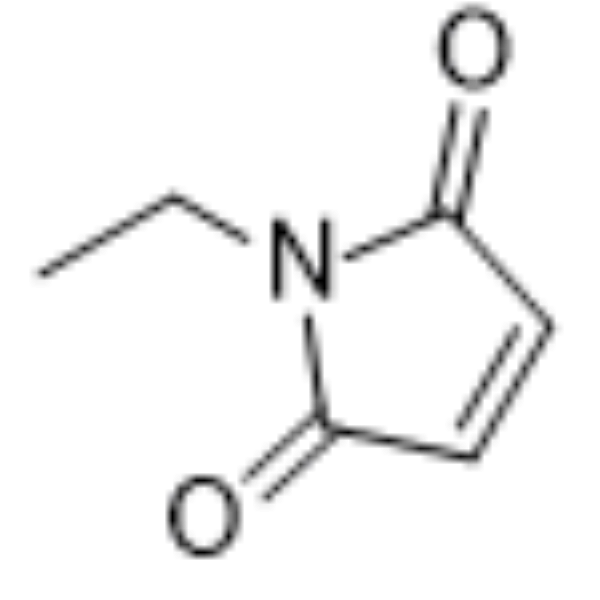 0 ImagesN-Ethylmaleimide (NEM) derives from maleic acid, it can alkylates free sulfhydryl. N-Ethylmaleimide is an irreversible cysteine protease inhibitor. N-ethylmaleimide specific inhibits phosphate transport in mitochondria. N-Ethylmaleimide inhibits prolyl endopeptidase with an IC50 value of 6.3 μM. N-Ethylmaleimide can be used to modify cysteine residues in proteins and peptides.
-
PMSF
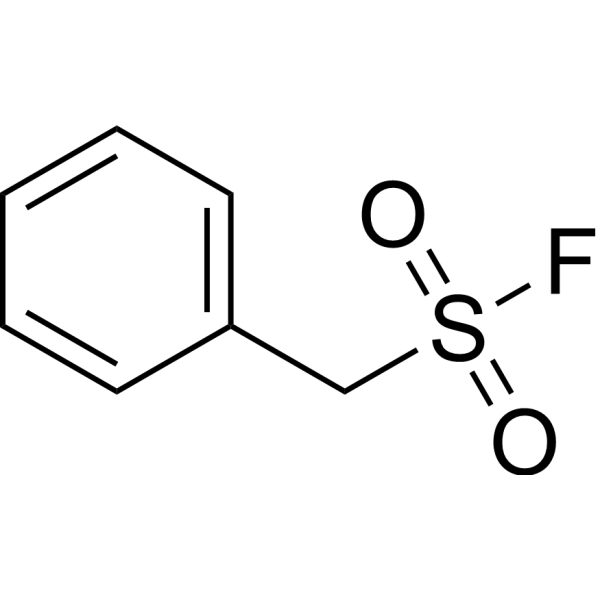 0 ImagesSynonyms: Phenylmethylsulfonyl fluoride; Benzylsulfonyl fluoridePMSF (Phenylmethylsulfonyl fluoride) is a nonspecific and irreversible serine proteases inhibitor. PMSF inhibits some thiol proteases, non-protease enzymes, and acetylcholinesterase. PMSF can be used to prepare protein extracts from tissue and cell lysates.
-
p-Aminophenylmercuric acetate
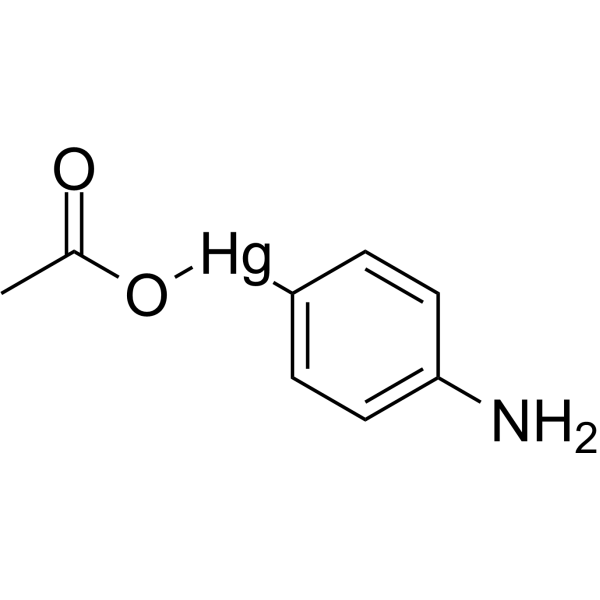 0 Imagesp-Aminophenylmercuric acetate is an organomercurial activator of matrix metalloproteinases (MMP). P-Aminophenylmercuric acetate participates in the activation and inhibition of MMP-8 by attacking protein sulfhydryl or inducing cysteine switching reaction. p-Aminophenylmercuric acetate promotes the shedding of betacellulin precursor (pro-BTC). p-Aminophenylmercuric acetate influences the binding of agonists and antagonists to the opiate receptor.
-
Papain
 0 ImagesPapain is a cysteine protease of the peptidase C1 family. Papain enhances red cell agglutination by anti-D and anti-A, and increases red cell sensitivity to K cell-mediated lysis in ADCC assays. Papain can induce pulmonary emphysema. Papain can be used for the researches of Rh haemolytic disease of the newborn and pulmonary emphysema.
-
Abz-Val-Ala-Asp-Nva-Arg-Asp-Arg-Gln-EDDnp
 0 ImagesAbz-Val-Ala-Asp-Nva-Arg-Asp-Arg-Gln-EDDnp is a fluorescent FRET substrate for proteinase 3 (PR3) with selectivity over neutrophil elastase and cathepsin G. Abz-Val-Ala-Asp-Nva-Arg-Asp-Arg-Gln-EDDnp is cleaved by active PR3 to generate a detectable fluorescent signal, which is used to quantify the enzymatic activity of PR3, the concentration of free or membrane-bound PR3, and the PR3 activity on activated human neutrophils. Abz-Val-Ala-Asp-Nva-Arg-Asp-Arg-Gln-EDDnp can be applied in studies related to lung ischemia-reperfusion injury, inflammatory diseases, and other relevant conditions.
-
Cathepsin S, human
 0 ImagesCat. No.: HY-E70226CAS No.: 71965-46-3Synonyms: CTSSHuman Cathepsin S (CTSS) is a cysteine protease with elastinolytic activity. Human Cathepsin S is inhibited by cysteine protease inhibitors such as E-64 (HY-15282) and cystatin C. Human Cathepsin S cleaves substrates including elastin, TGF-β1, Myelin basic protein (HY-P1821), PAR2, SIRT1, collagen 18A1, FKN, and MHC-II invariant chain fragments, thereby driving processes such as elastic matrix degradation, TGF-β1 signaling, demyelination, PAR2-mediated calcium mobilization, NF-κB activation, hepatic fibrosis, immune homeostasis regulation, and antigen presentation. Human Cathepsin S can be used in the research of cardiovascular diseases, chronic kidney diseases, autoimmune diseases, tumors, Alzheimer's disease, and obesity.
-
Lactacystin
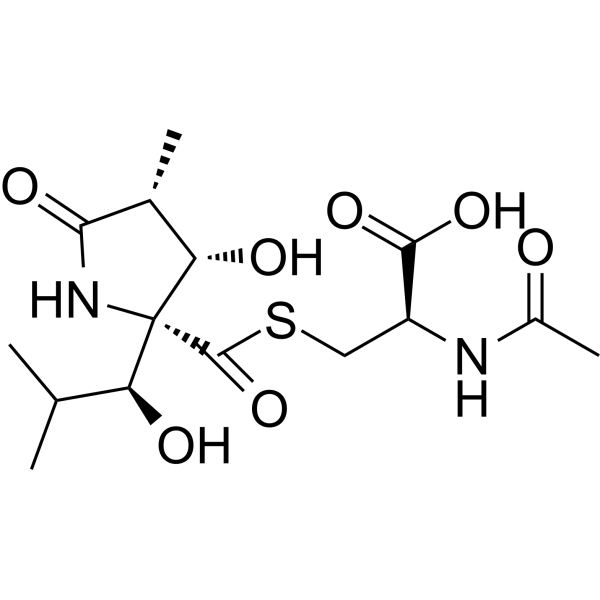 0 ImagesLactacystin is a potent, orally active, irreversible, cell-permeable, selective 20S proteasome inhibitor (IC50 = 4.8 μM). Lactacystin also inhibits the lysosomal enzyme cathepsin A. Lactacystin inhibits cell growth and induces apoptosisand cell cycle arrest, and has antiviral and antioxidative activity. Lactacystin induces neurite outgrowth and hypertension. Lactacystin has the potential for the research of cancer, Neurological Disease, hypertension and Malaria, and so on[2] [6] .
-
Gly-Phe-β-naphthylamide
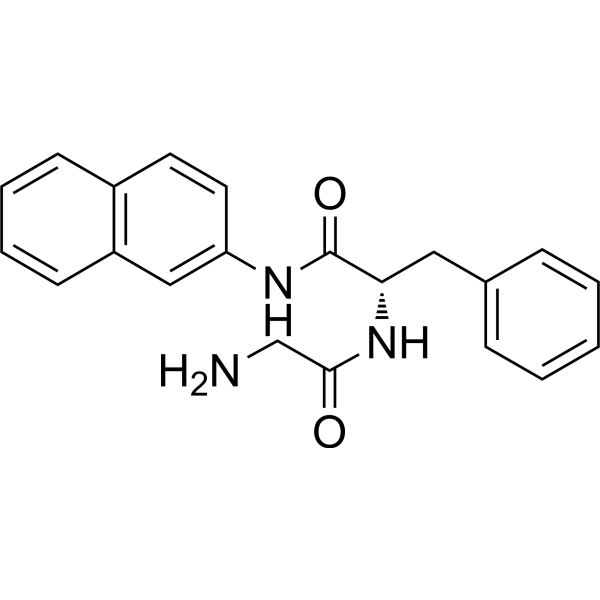 0 ImagesGly-Phe-β-naphthylamide is a substrate of Cathepsin C (HY-P2922) and belongs to the lysosomal agonist. Gly-Phe-β-naphthylamide can freely pass through the cell membrane and organelle membrane. Gly-Phe-β-naphthylamide will be specifically hydrolyzed by Cathepsin C, ultimately leading to a permeability lysis when it enters the acidic compartment. Gly-Phe-β-naphthylamide can be used to study lysosomal hydrolysis, lysosomal membrane permeability, and the function of cathepsin C.
-
Poly-L-Glutamic acid (MW 700000)
 0 ImagesPoly-L-Glutamic acid (MW 700000) is a synthetic polypeptide with biocompatibility, biodegradability and non-immunogenicity. Poly-L-Glutamic acid is an ideal tumor-targeting polymer carrier. Poly-L-Glutamic acid can be hydrolyzed by cathepsin B during metabolic decomposition.
-
N-Ethylmaleimide-d5
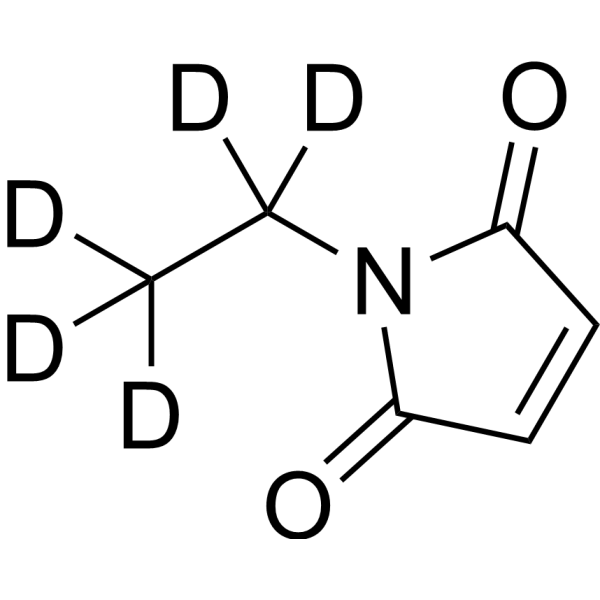 0 ImagesSynonyms: NEM-d5N-Ethylmaleimide-d5 is the deuterium labeled N-Ethylmaleimide. N-Ethylmaleimide (NEM), a reagent that alkylates free sulfhydryl groups, is a cysteine protease inhibitor. N-ethylmaleimide specific inhibits phosphate transport in mitochondria. N-Ethylmaleimide is also a deubiquitinating enzyme inhibitor.
-
Z-Gly-Pro-Arg-AMC hydrochloride
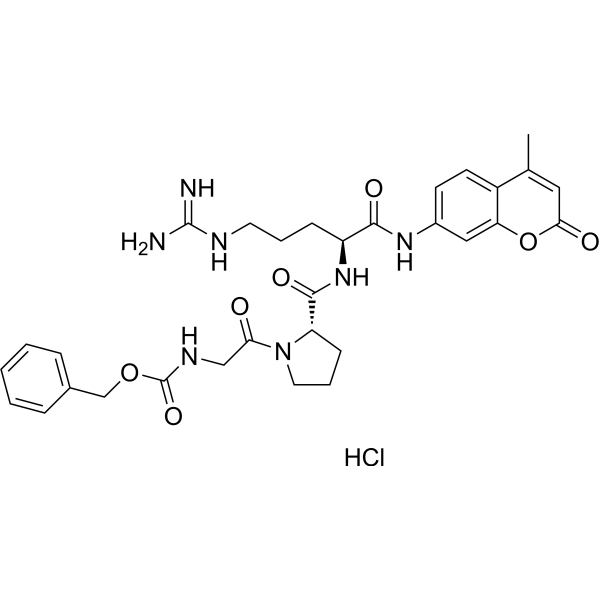 0 ImagesZ-Gly-Pro-Arg-AMC hydrochloride a fluorescent trypsin and cathepsin K substrate. Z-Gly-Pro-Arg-AMC hydrochloride can be used to determine trypsin and cathepsin K activity.
-
Cathepsin inhibitor 1
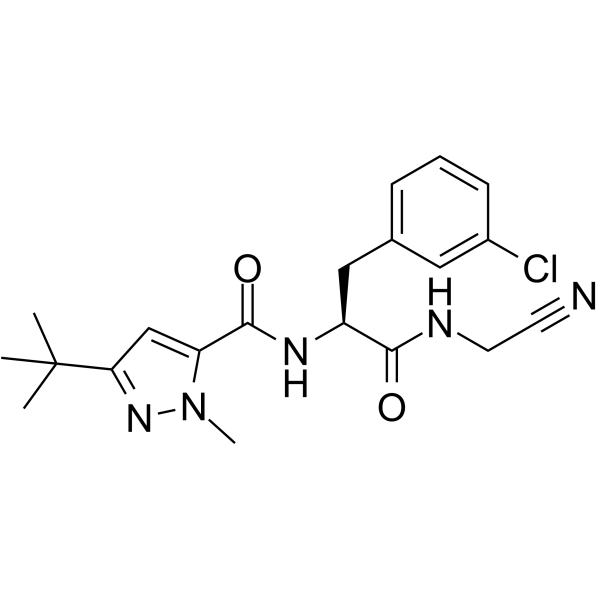 0 ImagesCathepsin inhibitor 1 (Compound 25) is a potent and selective inhibitor of Cathepsin, with pIC50s of 7.9, 6.7, 6.0, 5.5 and 5.2 for CatL, CatL2, CatS, CatK, and CatB, respectively. Cathepsin inhibitor 1 is promising for research of osteoarthritis.
-
Papain inhibitor
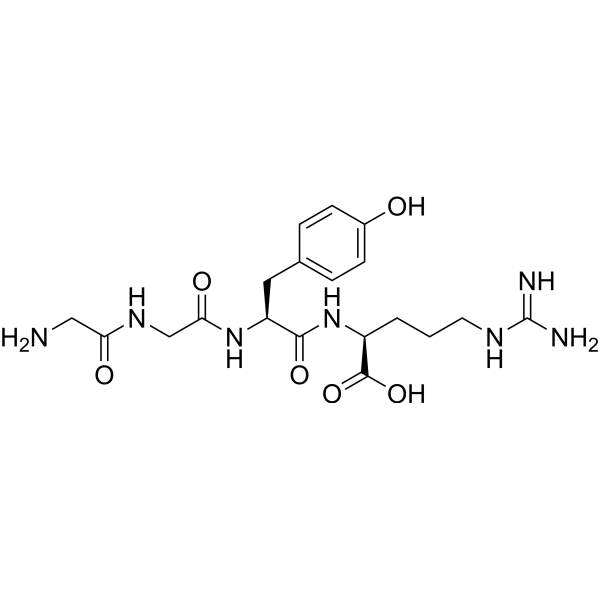 0 ImagesSynonyms: Glycylglycyl-L-tyrosyl-L-argininePapain inhibitor (Glycylglycyl-L-tyrosyl-L-arginine) is a competitive papain-targeting enzyme inhibitor with a Ki of 9 μM. Papain inhibitor binds directly to the substrate binding site of papain, inhibiting substrate hydrolysis by the enzyme. Papain inhibitor functions as a component of an electrochemical probe for the detection of papain.
-
ALLM
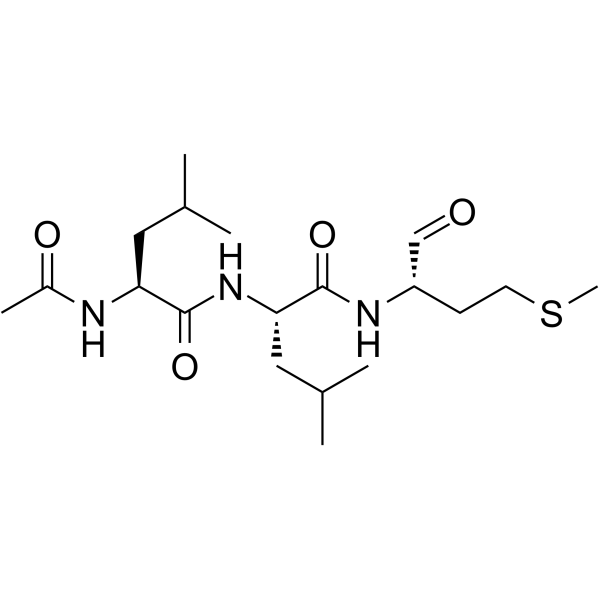 0 ImagesSynonyms: Calpain inhibitor IIALLM (Calpain inhibitor II) is a potent inhibitor of calpain and cathepsin proteases. ALLM inhibits neuronal cell death and improves chronic neurological function after spinal cord injury (SCI).
-
Z-LVG-CHN2
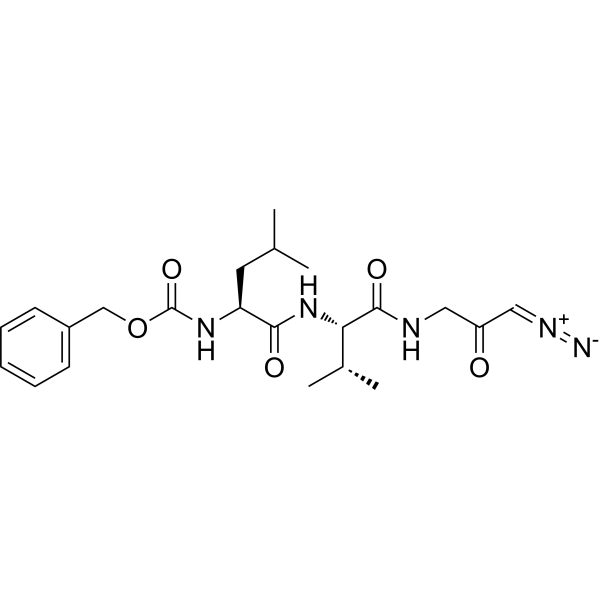 0 ImagesZ-LVG-CHN2 is a cell-permeable and irreversible inhibitor of cysteine proteinase. Z-LVG-CHN2 is a tripeptide derivative and mimics part of the human cysteine proteinase-binding center. Z-LVG-CHN2 displays an inhibition on HSV whereas no significant effect on poliovirus replication. Z-LVG-CHN2 effectively blocks SARS-COV-2 replication (EC50=190 nM) via inhibition of SARS-COV-2 3CL pro protease.
-
Mesaconic acid
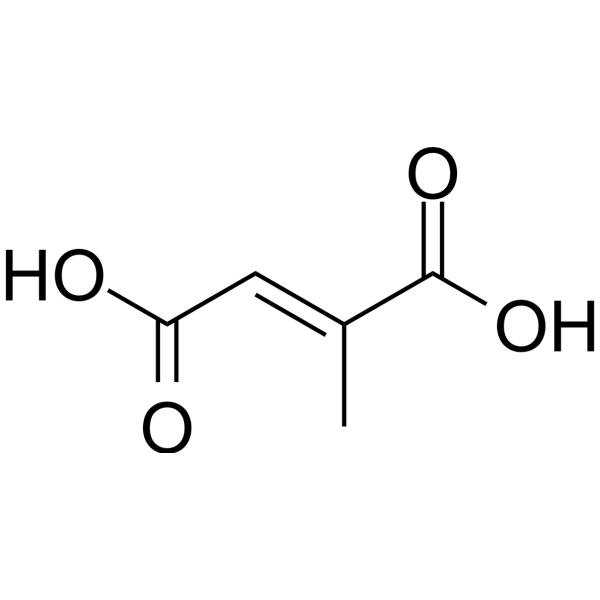 0 ImagesMesaconic acid (Citronic acid; Methylfumaric acid) is an orally active anti-inflammatory and antioxidant agent. Mesaconic acid reduces the level of NF-κB in colon tissues, downregulates the expression of Keap1 and Bax, upregulates the expression of Nrf2 and Bcl2, and decreases the expression of Caspase-1. Mesaconic acid reduces the levels of NLRP3, ASC and Casp-1 in colon, liver and kidney tissues. Mesaconic acid reduces pro-inflammatory cytokine levels, increases the level of the anti-inflammatory cytokine IL-10, elevates NAD+ levels, regulates oxidative stress markers and antioxidant enzyme levels, and upregulates intestinal barrier proteins in colon, liver and kidney tissues. Mesaconic acid increases the abundance of beneficial gut bacteria and reduces the abundance of harmful gut bacteria in rapidly aging mice, and exhibits anti-aging properties. Mesaconic acid acts as a flame retardant and serves as a competitive inhibitor of fumarate reduction. Mesaconic acid can be used in the research of aging-related inflammation.
-
KGP94
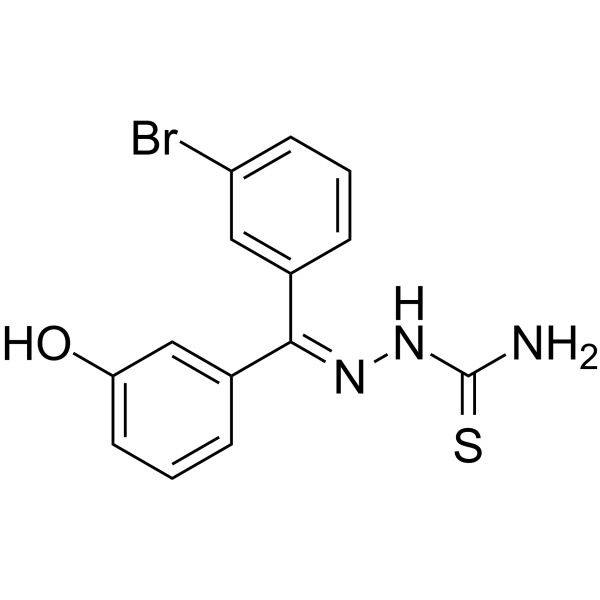 0 ImagesKGP94 is a selective inhibitor of cathepsin L with an IC50 of 189 nM. KGP94 inhibits migration and invasion of metastatic carcinoma and shows low cytotoxicity (GI50=26.9 µM) against various human cell lines.
-
Z-Phe-Arg-pNA
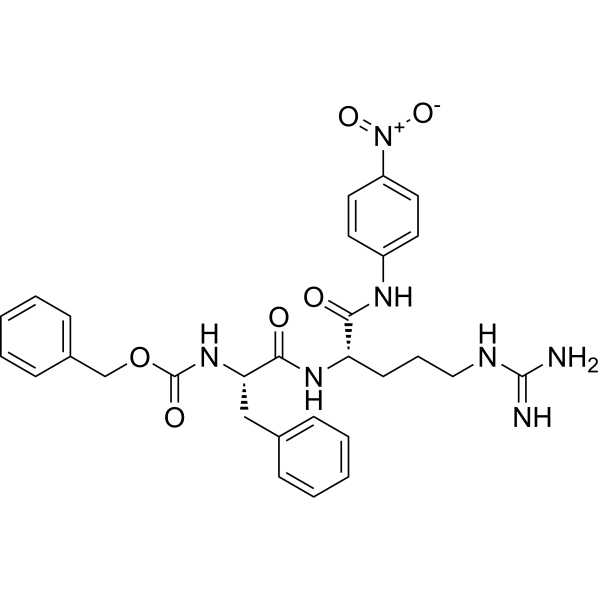 0 ImagesZ-Phe-Arg-pNA is a substrate of Cathepsin L.



