Cathepsin Inhibitor
-
N-Ethylmaleimide
 0 Images
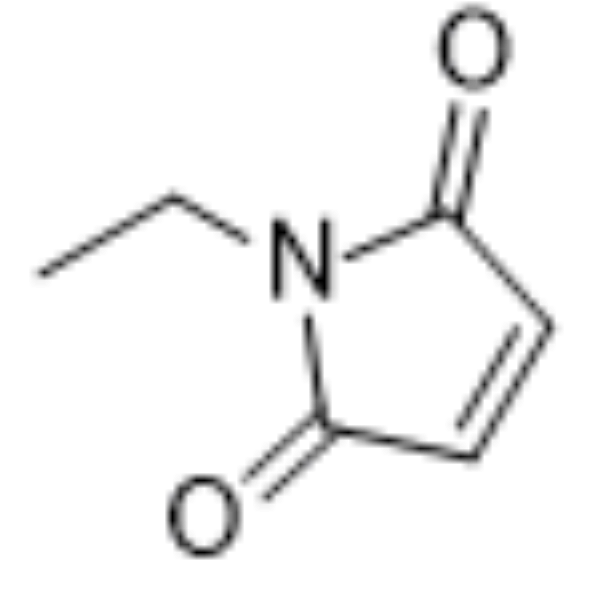
N-Ethylmaleimide (NEM) derives from maleic acid, it can alkylates free sulfhydryl. N-Ethylmaleimide is an irreversible cysteine protease inhibitor. N-ethylmaleimide specific inhibits phosphate transport in mitochondria. N-Ethylmaleimide inhibits prolyl endopeptidase with an IC50 value of 6.3 μM. N-Ethylmaleimide can be used to modify cysteine residues in proteins and peptides.
-
Leupeptin hemisulfate
 0 Images
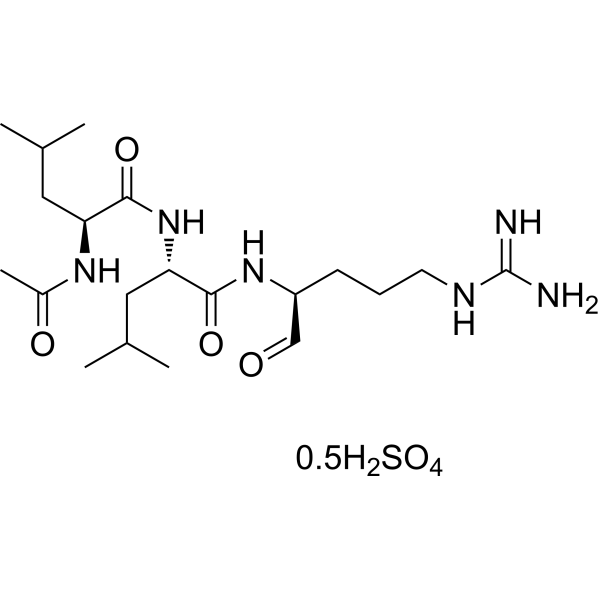
Leupeptin hemisulfate is a broad-spectrum protease inhibitor. By inhibiting the activation of the PTEN/PI3K/Akt/NF-κB/ERK1/2/p38 signaling pathway, Leupeptin hemisulfate significantly reduces LPS-induced NO and ROS production, mitochondrial membrane potential hyperpolarization, phagocytic activity, pro-inflammatory cytokine release, and M1 polarization in mouse peritoneal macrophages, and reverses autophagic flux impairment. It also decreases Concanavalin A (HY-P2149)-induced proliferation index of mouse splenic lymphocytes and the Th1/IL-10 and Th2/IL-10 cytokine ratios, thereby modulating innate and adaptive immune responses. Leupeptin hemisulfate inhibits blood coagulation and tumorigenesis in mouse skin. Leupeptin hemisulfate can be used in research on chronic inflammatory diseases and skin tumorigenesis.
-
PMSF
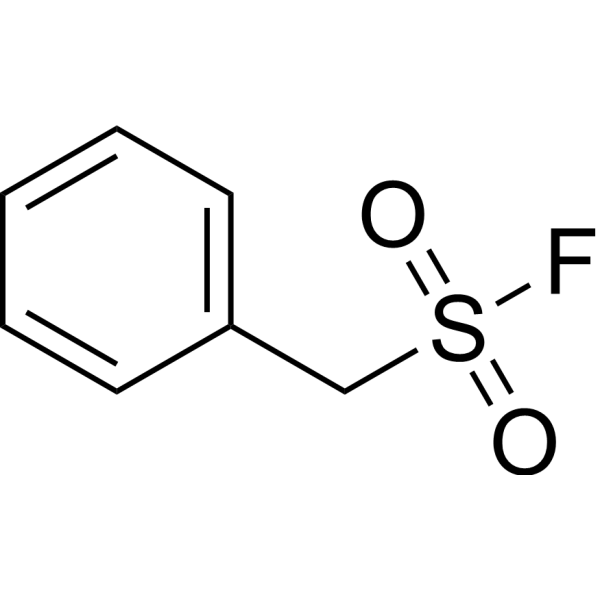 0 ImagesSynonyms: Phenylmethylsulfonyl fluoride; Benzylsulfonyl fluoride
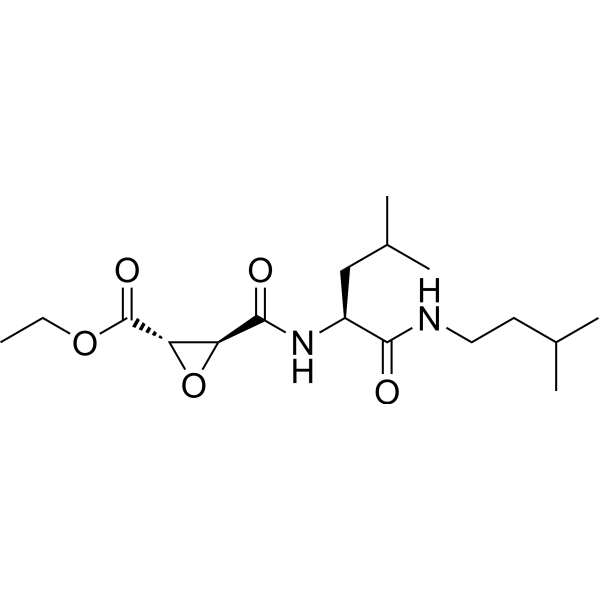
PMSF (Phenylmethylsulfonyl fluoride) is a nonspecific and irreversible serine proteases inhibitor. PMSF inhibits some thiol proteases, non-protease enzymes, and acetylcholinesterase. PMSF can be used to prepare protein extracts from tissue and cell lysates.
-
E-64
 0 ImagesSynonyms: Proteinase inhibitor E 64
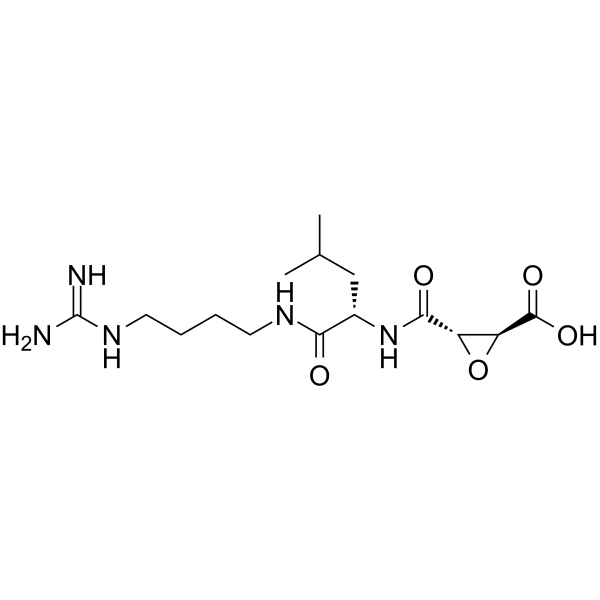
E-64 (Proteinase inhibitor E 64) is a potent irreversible inhibitor against general cysteine proteases with IC50 of 9 nM for papain.
-
CA-074 methyl ester
 0 ImagesSynonyms: CA-074Me
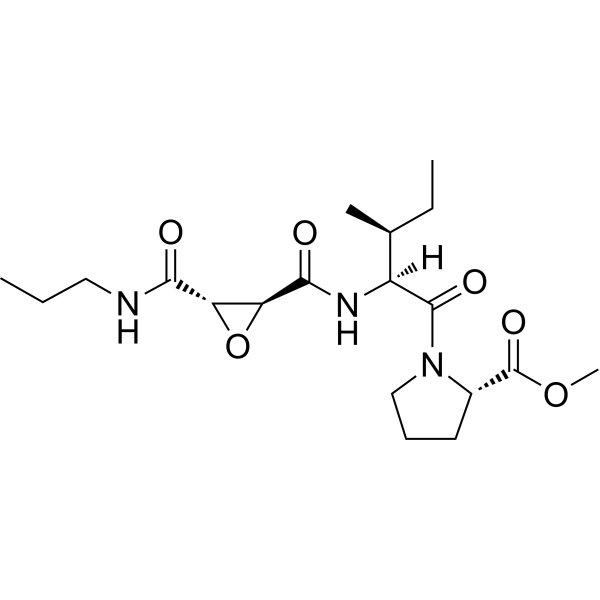
CA-074 methyl ester is a specific inhibitor of Cathepsin B, which has potent bioactivities such as neuroprotective, anti-cancer, and anti-inflamatory effects.
-
Calpeptin
 0 Images
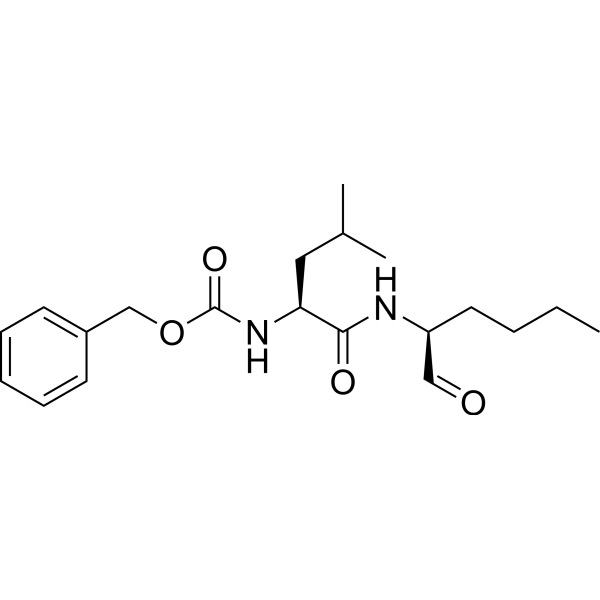
Calpeptin is a potent, cell penetrating calpain inhibitor, with an ID50 of 40 nM for Calpain I in human platelets. Calpeptin is also an inhibitor of cathepsin K.
-
CA-074
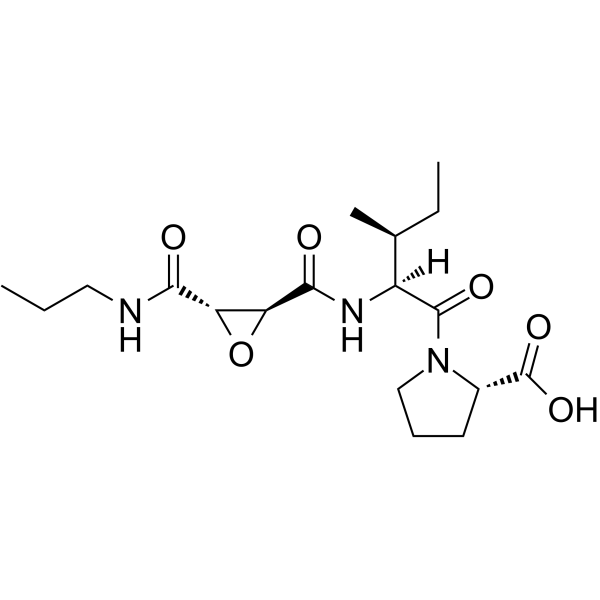 0 Images
CA-074 is a potent inhibitor of cathepsin B with a Ki of 2 to 5 nM.
-
LY 3000328
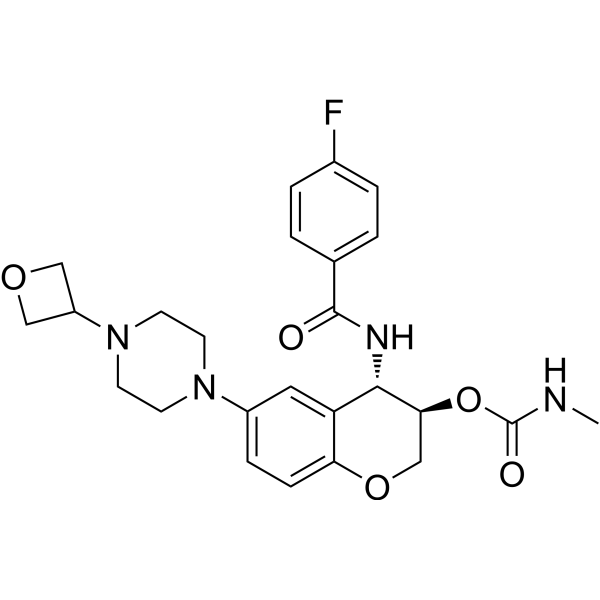 0 ImagesSynonyms: Z-FL-COCHO
LY 3000328 (Z-FL-COCHO) is a potent and selective Cathepsin S (Cat S) inhibitor with IC50s of 7.7 and 1.67 nM for hCat S and mCat S, respectively.
-
Lactacystin
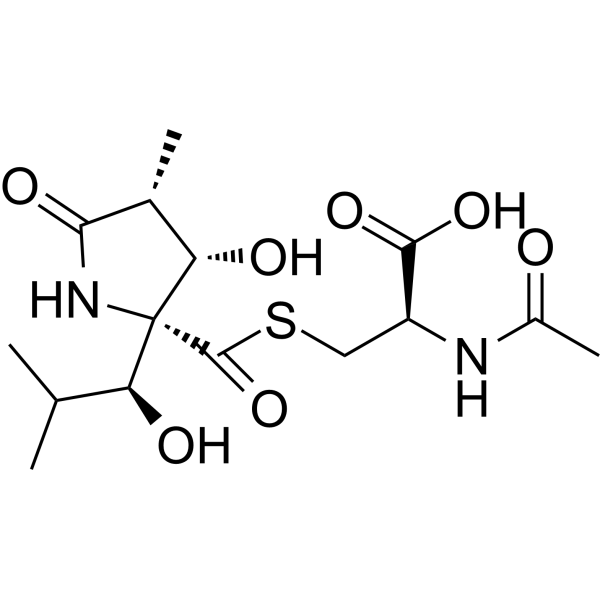 0 Images
Lactacystin is a potent, orally active, irreversible, cell-permeable, selective 20S proteasome inhibitor (IC50 = 4.8 μM). Lactacystin also inhibits the lysosomal enzyme cathepsin A. Lactacystin inhibits cell growth and induces apoptosisand cell cycle arrest, and has antiviral and antioxidative activity. Lactacystin induces neurite outgrowth and hypertension. Lactacystin has the potential for the research of cancer, Neurological Disease, hypertension and Malaria, and so on[2] [6] .
-
Z-FY-CHO
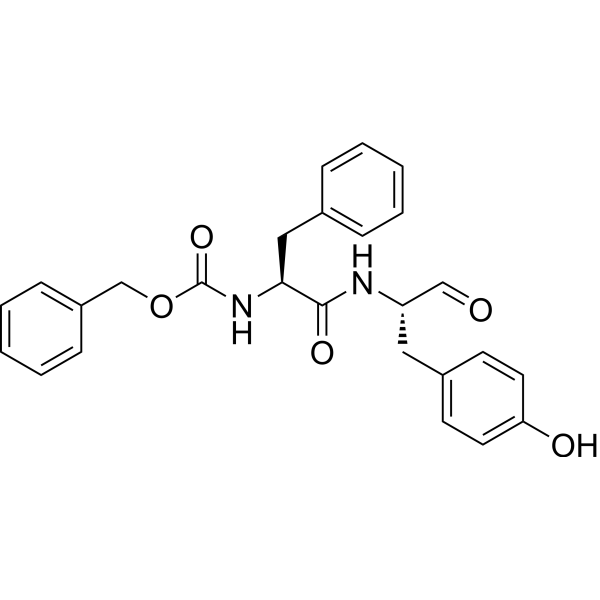 0 ImagesCat. No.: HY-128140CAS No.: 167498-29-5Synonyms: Z-Phe-Tyr-CHO
Z-FY-CHO (Z-Phe-Tyr-CHO) is a potent and specific cathepsin L (CTSL) inhibitor.
-
Odanacatib
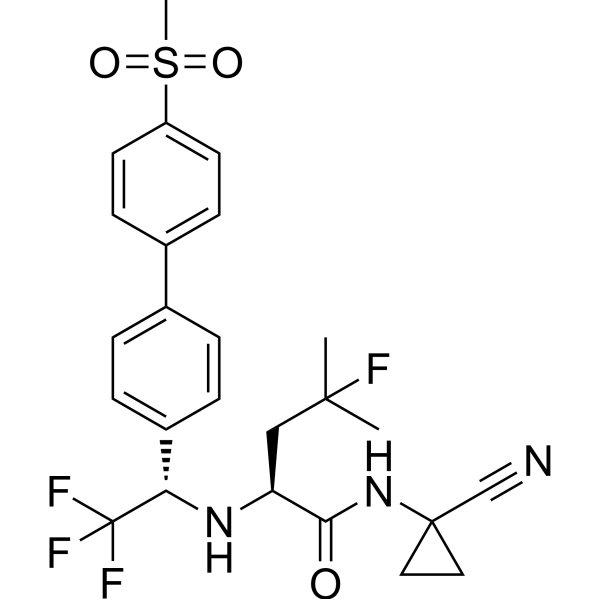 0 ImagesSynonyms: MK-0822
Odanacatib (MK-0822) is a potent and selective inhibitor of cathepsin K, with an IC50 of 0.2 nM for human cathepsin K.
-
K777
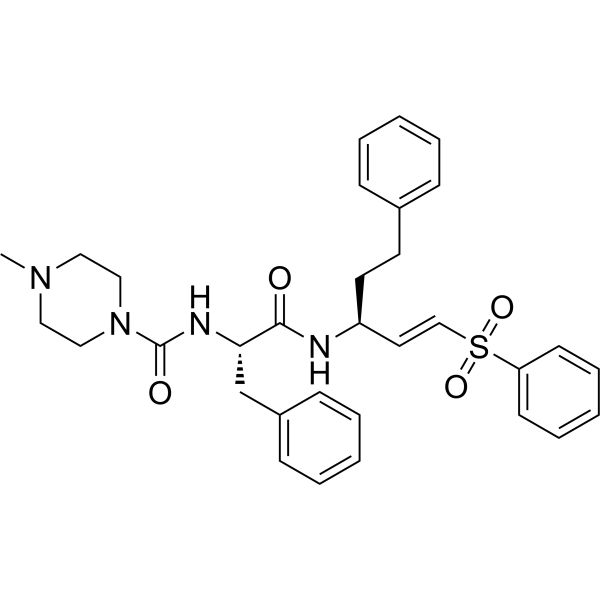 0 Images
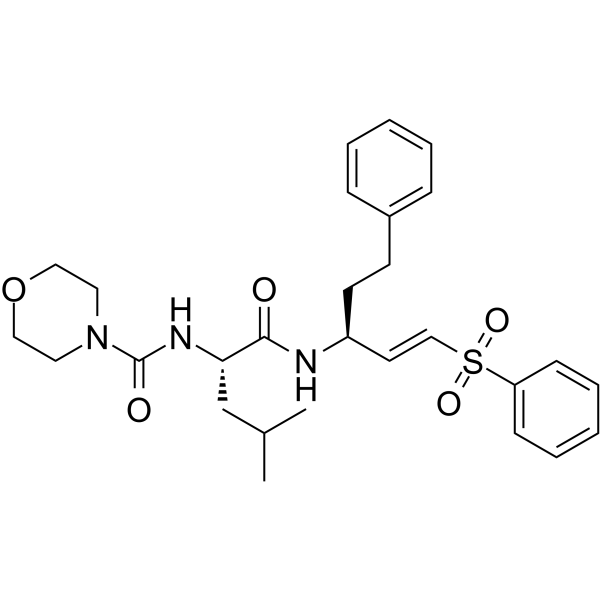
K777 is a potent, orally active and irreversible cysteine protease inhibitor. K777 is also a potent CYP3A4 inhibitor with an IC50 of 60 nM. K777 irreversibly inhibits Cruzain, the major cysteine protease of Trypansoma cruzi, and cathepsins B and L. K777 is a broad-spectrum antiviral by targeting cathepsin-mediated cell entry. K777 inhibits SARS-CoV and EBOV pseudovirus entry with IC50 values of 0.68 nM and 0.87 nM, respectively.
-
N-Ethylmaleimide-d5
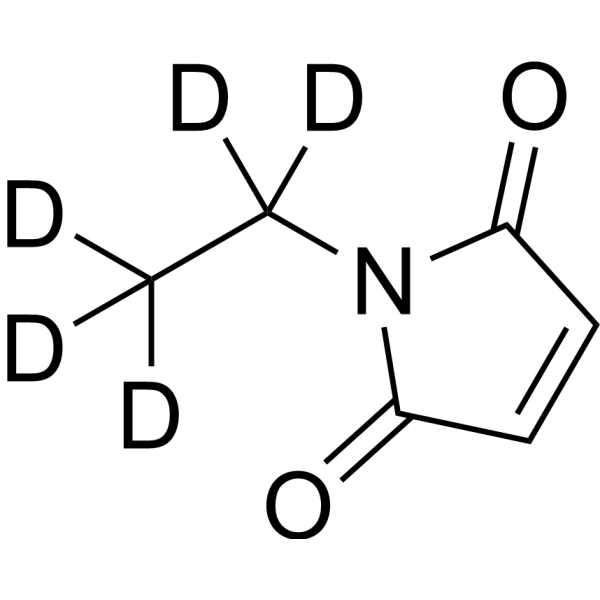 0 ImagesSynonyms: NEM-d5
N-Ethylmaleimide-d5 is the deuterium labeled N-Ethylmaleimide. N-Ethylmaleimide (NEM), a reagent that alkylates free sulfhydryl groups, is a cysteine protease inhibitor. N-ethylmaleimide specific inhibits phosphate transport in mitochondria. N-Ethylmaleimide is also a deubiquitinating enzyme inhibitor.
-
SID 26681509
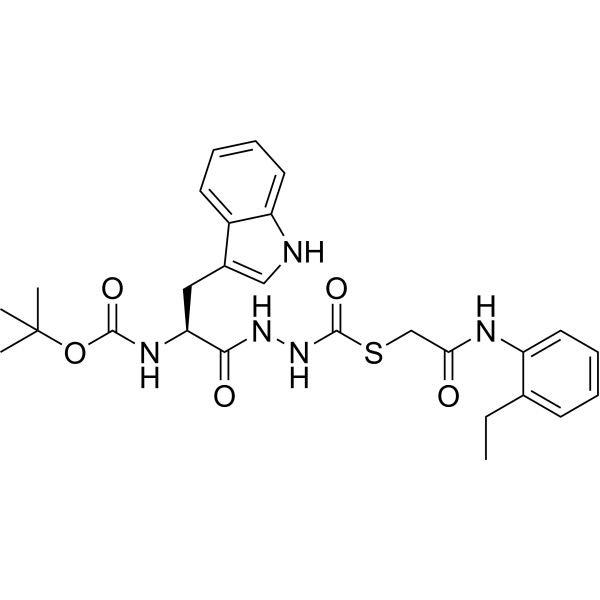 0 Images
SID 26681509 is a potent, reversible, competitive, and selective inhibitor of human cathepsin L with an IC50 of 56 nM. SID 26681509 inhibits in vitro propagation of malaria parasite Plasmodium falciparum and inhibits Leishmania major with IC50s of 15.4 μM and 12.5 μM, respectively. SID 26681509 shows no inhibitory activity against cathepsin G.
-
Z-Gly-Pro-Arg-AMC hydrochloride
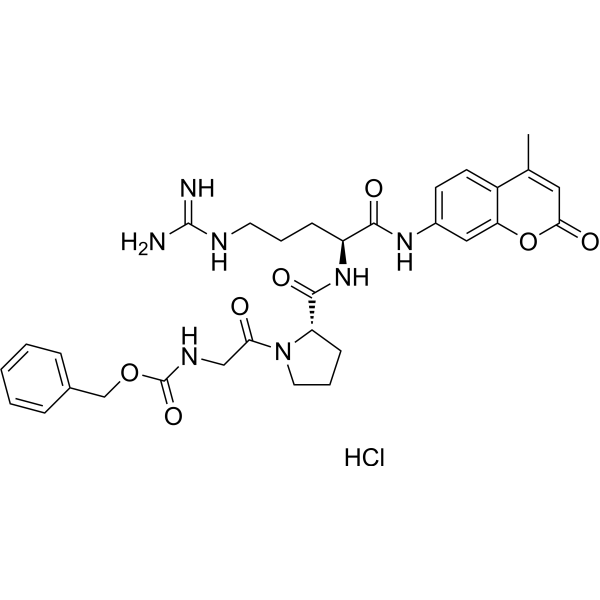 0 Images
Z-Gly-Pro-Arg-AMC hydrochloride a fluorescent trypsin and cathepsin K substrate. Z-Gly-Pro-Arg-AMC hydrochloride can be used to determine trypsin and cathepsin K activity.
-
Cathepsin inhibitor 1
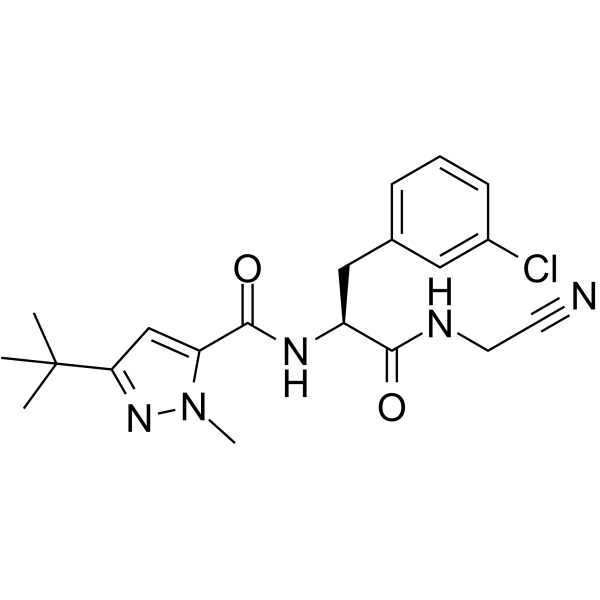 0 Images
Cathepsin inhibitor 1 (Compound 25) is a potent and selective inhibitor of Cathepsin, with pIC50s of 7.9, 6.7, 6.0, 5.5 and 5.2 for CatL, CatL2, CatS, CatK, and CatB, respectively. Cathepsin inhibitor 1 is promising for research of osteoarthritis.
-
Balicatib
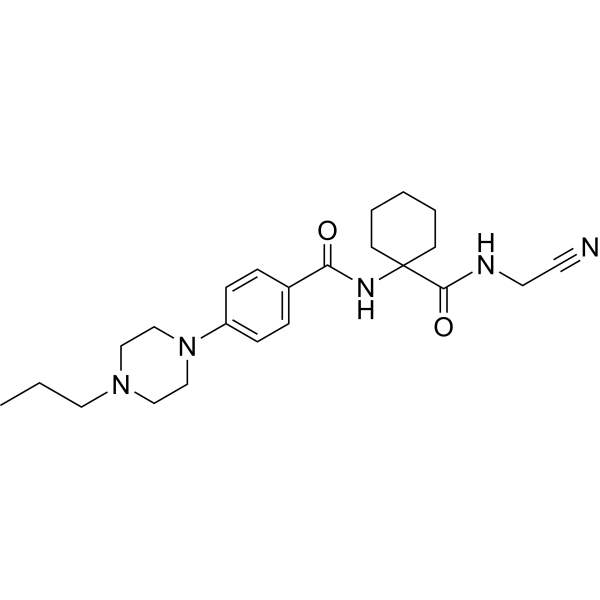 0 ImagesSynonyms: AAE581
Balicatib (AAE581) is a potent, orally active and selective cathepsin K inhibitor with IC50 values of 22, 61, 48, 2900 nM for cathepsin K, cathepsin B, cathepsin L, cathepsin S, respectively. Balicatib inhibits bone turnover, decreases bone formation rates. Balicatib has the potential for the research of osteoporosis.