



LY 3000328
Based on 16 publication(s) in Google Scholar
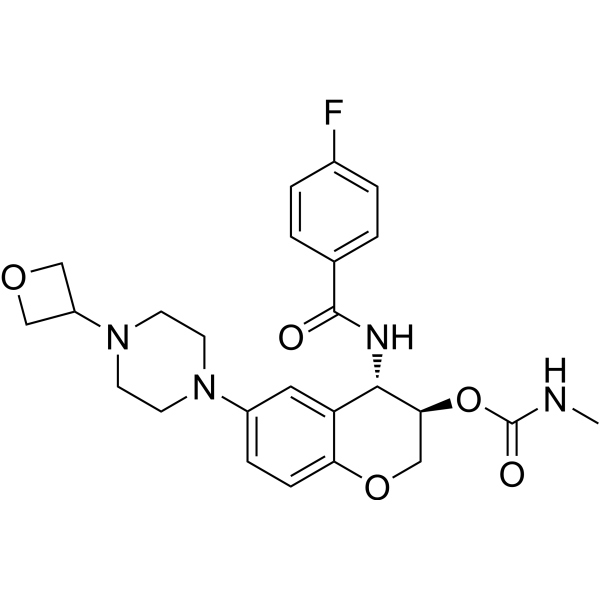
LY 3000328 (Z-FL-COCHO) is a potent and selective Cathepsin S (Cat S) inhibitor with IC50s of 7.7 and 1.67 nM for hCat S and mCat S, respectively.
For research use only. We do not sell to patients.
- Purity : 99.50%
- CAS No.: 1373215-15-6
- Formula: C25H29FN4O5
- Molecular Weight:484.52
-
Storage:Powder -20°C, 3 years , 4°C, 2 years ; In solvent -80°C, 2 years , -20°C, 1 year

To place orders, for customer services and technical support, please contact: MedChemExpress USA
Tel: 609-228-6898 E-mail: [email protected] [email protected]


-
 Biological Activity
-
Chemical Information
-
Solvent & Solubility
- Purity & Documentation
- References
-
 Help & FAQs


-
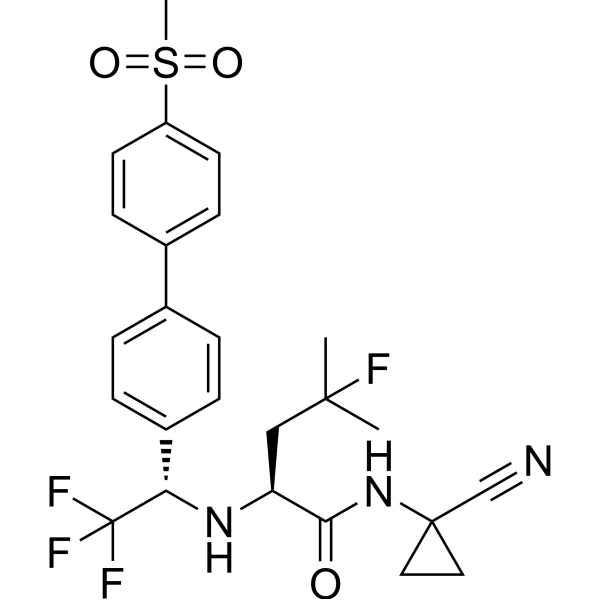
HY-10042
OdanacatibCathepsin K Inhibitor -
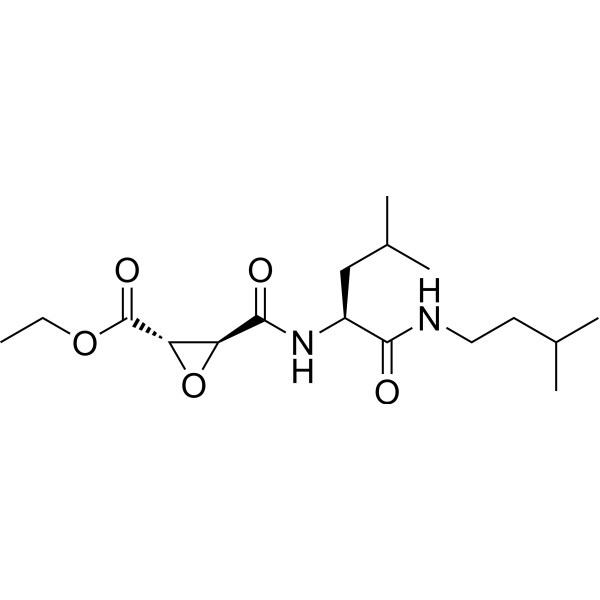
HY-100229
AloxistatinCysteine Protease Inhibitor -
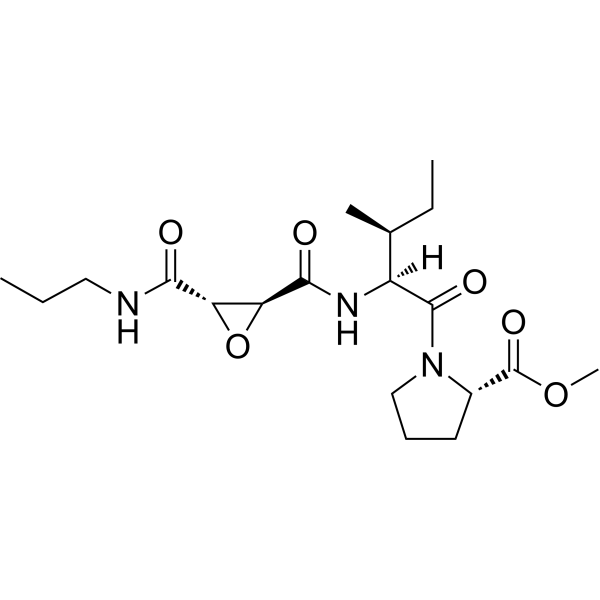
HY-100350
CA-074 methyl esterCathepsin B Inhibitor -
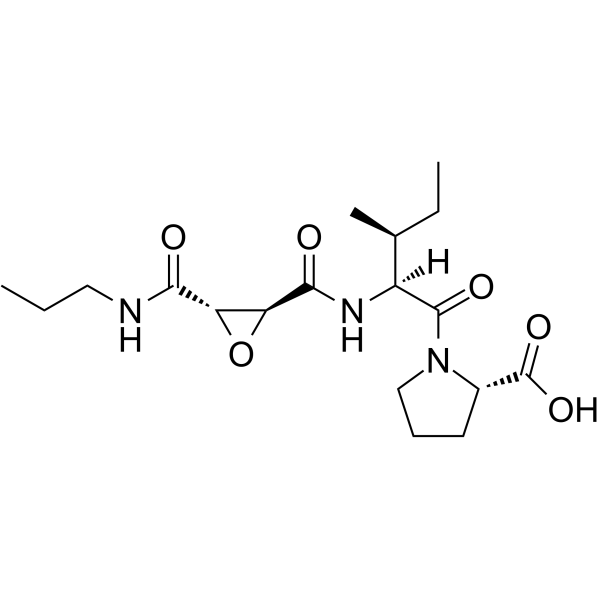
HY-103350
CA-074Cathepsin B Inhibitor -
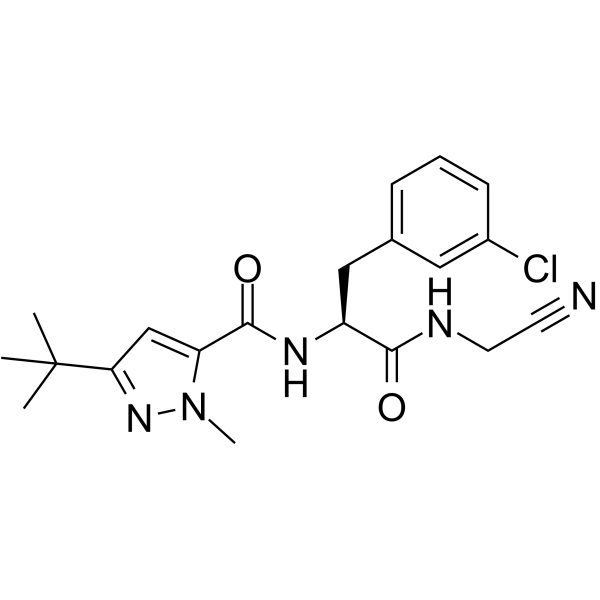
HY-100231
Cathepsin inhibitor 1Cathepsin Inhibitor -
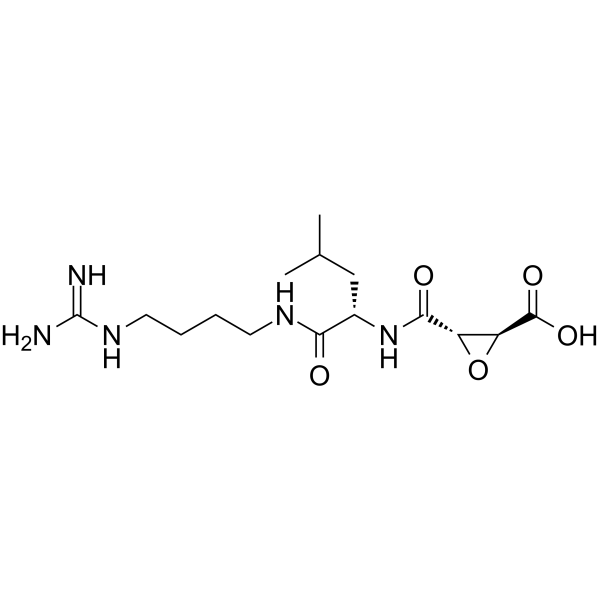
HY-15282
E-64Cysteine Peptidase Inhibitor -
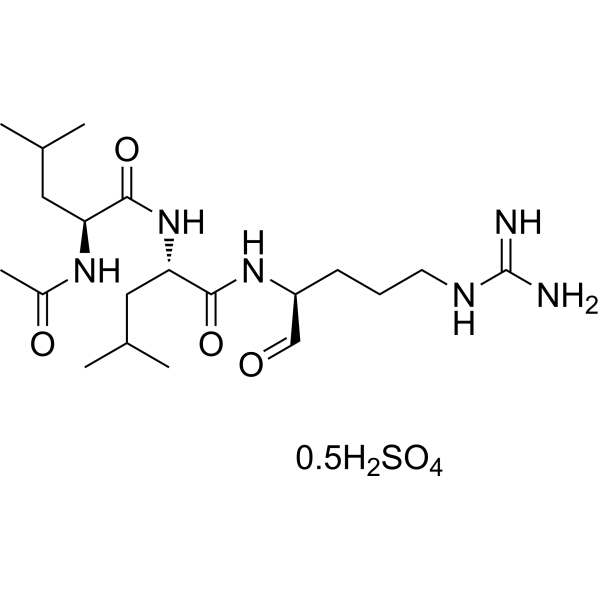
HY-18234A
Leupeptin hemisulfateProtease Inhibitor -
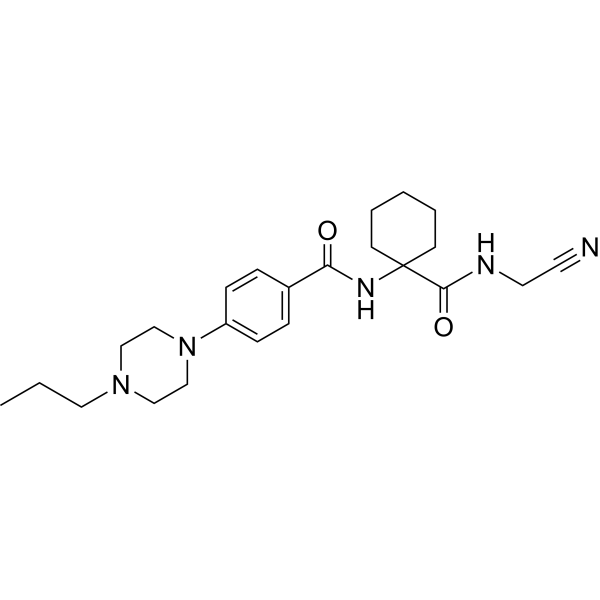
HY-15100
BalicatibCathepsin K Inhibitor -
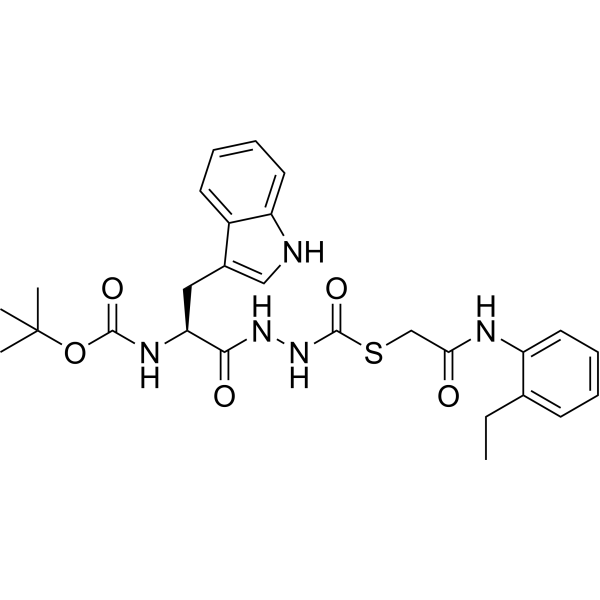
HY-103353
SID 26681509Cathepsin L Inhibitor -
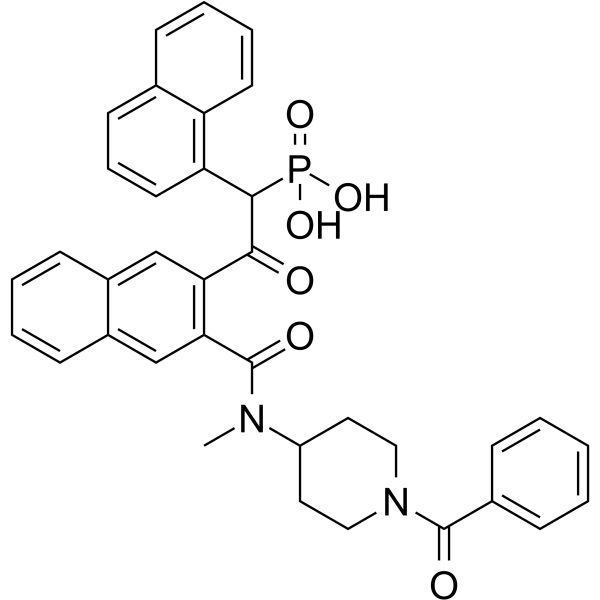
HY-103351
Cathepsin G Inhibitor ICathepsin G Inhibitor -
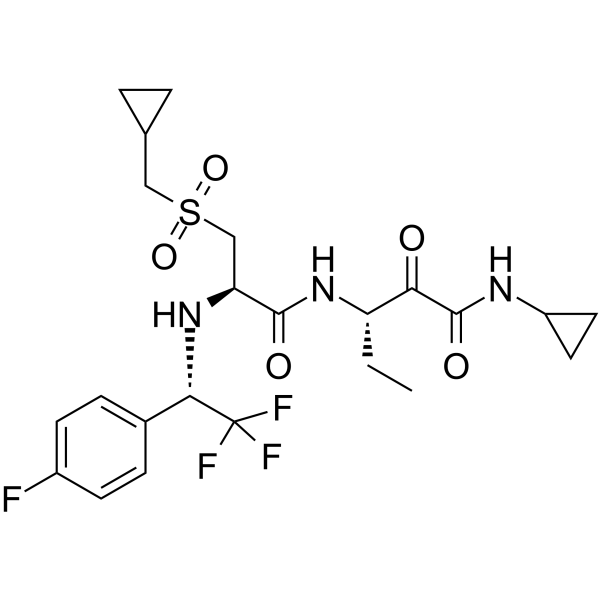
HY-15958
VBY-825Cathepsin Inhibitor -
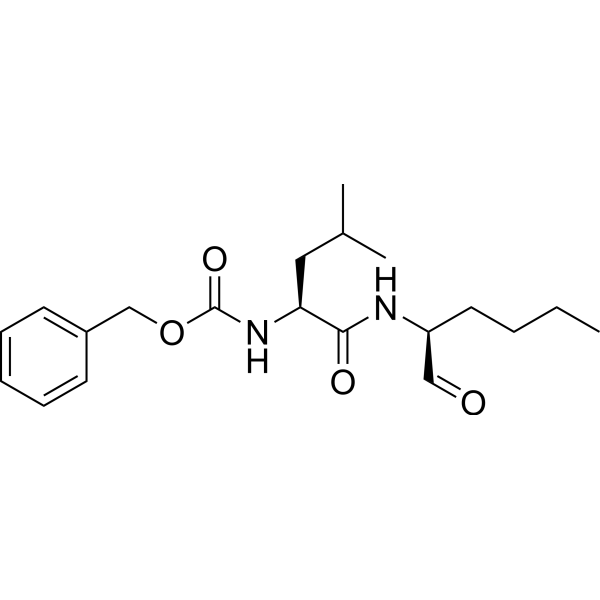
HY-100223
CalpeptinCalpain Inhibitor
Publications Citing Use of MedChemExpress (MCE) LY 3000328
More- Cancer Cell. 2020 May 11;37(5):674-689.e12. [Abstract]
- Cell Res. 2025 Apr 21. [Abstract]
- Adv Mater. 2025 Jul;37(30):e2420393. [Abstract]
- Nat Commun. 2025 Sep 29;16(1):8551. [Abstract]
- Redox Biol. 2025 Oct:86:103815. [Abstract]
- Adv Sci (Weinh). 2025 Sep;12(34):e04851. [Abstract]
- Acta Biomater. 2025 May 1:197:184-201. [Abstract]
- Cell Chem Biol. 2021 Jun 17;28(6):855-865.e9. [Abstract]
- Aging Cell. 2025 Feb;24(2):e14393. [Abstract]
- Br J Pharmacol. 2026 Apr 23. [Abstract]
- Sci Rep. 2022 Jul 16;12(1):12197. [Abstract]
- Microbiol Spectr. 2025 Nov 19:e0112825. [Abstract]
- J Virol. 2023 Sep 28;97(9):e0060123. [Abstract]
- Ren Fail. 2026 Dec;48(1):2693433.
- Cornell University. 2026.
- Research Square Preprint. 2021 Dec.
 Customer Validation & Images

-
WB
-
Flow Cytometry
-
IF
-
WB
-
In Vivo Efficacy Study
All Cathepsin Isoforms
More

Biological Activity
Description
IC50 & Target
|
cathepsin S |
In Vitro
LY 3000328 maintains excellent in vitro potency and selectivity. LY 3000328 shows low in vitro CYP450 inhibition (<15% at 10 μM for CYP3A4, CYP2D6, and CYP2C9); low in vitro metabolism in mouse, rat, dog, and human liver microsomes (<20% after 30 min incubation at 4 μM); and good permeability (MDCK A-B>4%). At a 100 μM concentration of LY 3000328 there is only 6% displacement of [3H]-astemizole in an assay with HEK293 membrane preparation, indicating low potential of hERG blockade[1]. LY 3000328 is a potent and specific inhibitor of cathepsin S (CatS). Inhibition of CatS activity in plasma would be 50% of maximal when LY 3000328 plasma concentration is approximately 60 ng/mL[2].
MedChemExpress (MCE) has not independently confirmed the accuracy of these methods. They are for reference only.
In Vivo
MedChemExpress (MCE) has not independently confirmed the accuracy of these methods. They are for reference only.
Clinical Trial
| NCT Number | Sponsor | Condition | Start Date |
Phase

|
|---|---|---|---|---|
| NCT01329991 | 2011-05 | PHASE1 |


Chemical Information
-
CAS No. 1373215-15-6
-
Appearance Solid
-
Molecular Weight 484.52
-
Formula C25H29FN4O5
-
Color White to off-white
-
SMILES
O=C(C1=CC=C(F)C=C1)N[C@@H]2[C@@H](OC(NC)=O)COC3=CC=C(N4CCN(C5COC5)CC4)C=C32
-
Synonyms
Z-FL-COCHO
-
Shipping
Room temperature in continental US; may vary elsewhere.
-
Storage
Powder -20°C 3 years 4°C 2 years In solvent -80°C 2 years -20°C 1 year


Publications (16)
-
Journal Impact Factor
-
Most Recent
-
Cancer Cell
2020 May 11;37(5):674-689.e12. PMID: 32330455 -
Cell Res
2025 Apr 21. PMID: 40259053
LY 3000328 purchased from MedChemExpress. Usage Cited in: Cell Res. 2025 Apr 21. [Abstract]
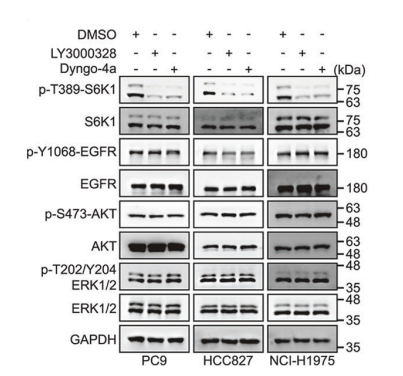
LY3000328 or Dyngo-4a impairs the activation of mTORC1 in cells harboring mutant EGFR. PC9, HCC827, or NCI-H1975 cells were treated with DMSO, 50 μM LY3000328 for 24 h, or 50 μM Dyngo-4a for 2 h, and analyzed by western blotting.
-
Adv Mater
Differential Optical Imaging of Antigen Presentation Machinery Using Molecular Optical Reporters. [Abstract]2025 Jul;37(30):e2420393. PMID: 40370186 -
Nat Commun
Brain-cervical lymph node crosstalk contributes to brain injury induced by subarachnoid hemorrhage in mice. [Abstract]2025 Sep 29;16(1):8551. PMID: 41022690
LY 3000328 purchased from MedChemExpress. Usage Cited in: Nat Commun. 2025 Sep 29;16(1):8551. [Abstract]
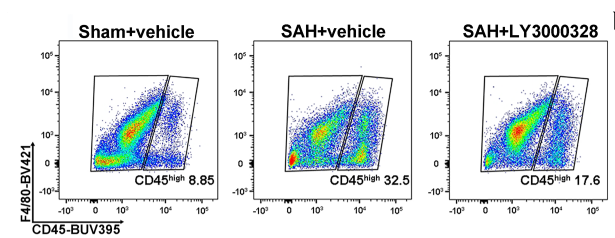
LY3000328 (80 mg/kg, once daily for 3 consecutive days). Flow cytometry analysis showed the cell populations of leukocytes, macrophages, and microglia in brain tissue 24 hours after autologous blood injection-induced subarachnoid hemorrhage (SAH).
-
Redox Biol
Cathepsin S regulates ferroptosis sensitivity in hepatocellular carcinoma through the KEAP1-NRF2 signaling pathway. [Abstract]2025 Oct:86:103815. PMID: 40784043 -
Adv Sci (Weinh)
Lysosomal Cathepsin S Escape Facilitates Near Infrared Light-Triggered Pyroptosis Via an Antibody-Indocyanine Green Conjugate. [Abstract]2025 Sep;12(34):e04851. PMID: 40539828 -
Acta Biomater
Construction of anti-calcification small-diameter vascular grafts using decellularized extracellular matrix/poly (L-lactide-co-ε-caprolactone) and baicalin-cathepsin S inhibitor. [Abstract]2025 May 1:197:184-201. PMID: 40120837 -
Cell Chem Biol
Development of potent and selective inhibitors targeting the papain-like protease of SARS-CoV-2. [Abstract]2021 Jun 17;28(6):855-865.e9. PMID: 33979649 -
Aging Cell
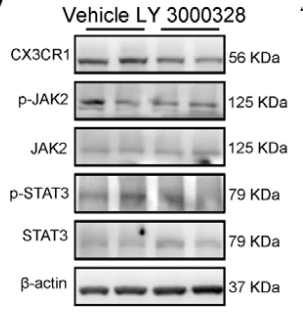
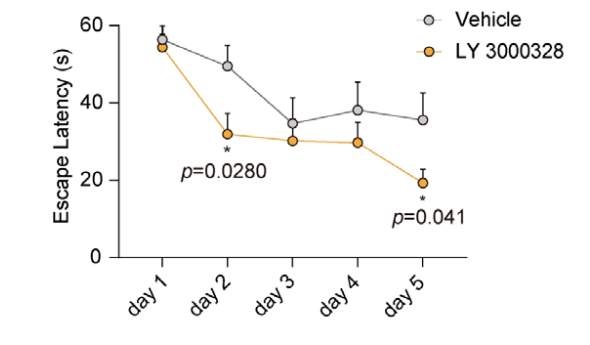
Neuronal cathepsin S increases neuroinflammation and causes cognitive decline via CX3CL1-CX3CR1 axis and JAK2-STAT3 pathway in aging and Alzheimer's disease. [Abstract]2025 Feb;24(2):e14393. PMID: 39453382
LY 3000328 purchased from MedChemExpress. Usage Cited in: Aging Cell. 2025 Feb;24(2):e14393. [Abstract]
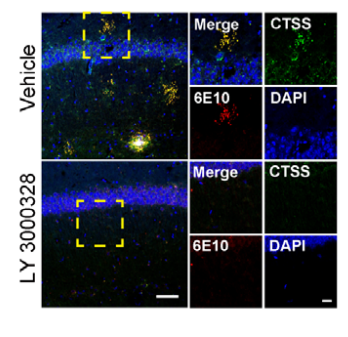
LY3000328 (0.2 mg/kg). Immunostaining of 6E10 (red), CTSS (green), and DAPI (blue) in the hippocampus of two groups of mice.
LY 3000328 purchased from MedChemExpress. Usage Cited in: Aging Cell. 2025 Feb;24(2):e14393. [Abstract]
LY3000328 (0.2 mg/kg). Immunoblot analysis of the CX3CR1 and JAK2-STAT3 pathways in two groups.
LY 3000328 purchased from MedChemExpress. Usage Cited in: Aging Cell. 2025 Feb;24(2):e14393. [Abstract]
LY3000328 (0.2 mg/kg). Average escape latency during five consecutive days of training.
-
Br J Pharmacol
Therapeutic targeting of GSK-3β activation by the tyrosine kinase RYK in pancreatic ductal adenocarcinoma with BJ-2412, a novel sunitinib analogue. [Abstract]2026 Apr 23. PMID: 42025311 -
Sci Rep
Hepatitis C virus NS3/4A inhibitors and other drug-like compounds as covalent binders of SARS-CoV-2 main protease. [Abstract]2022 Jul 16;12(1):12197. PMID: 35842458 -
Microbiol Spectr
Cathepsin S contributes to influenza-induced lung injury by driving inflammation, promoting apoptosis, and disrupting epithelial barrier integrity. [Abstract]2025 Nov 19:e0112825. PMID: 41258714 -
J Virol
2023 Sep 28;97(9):e0060123. PMID: 37676001 -
-
-


Solvent & Solubility
In Vitro:
DMSO : ≥ 50 mg/mL (103.19 mM; Hygroscopic DMSO has a significant impact on the solubility of product, please use newly opened DMSO)
* "≥" means soluble, but saturation unknown.
Please refer to the solubility information to select the appropriate solvent. Once prepared, please aliquot and store the solution to prevent product inactivation from repeated freeze-thaw cycles.
Storage method and period of stock solution: -80°C, 2 years; -20°C, 1 year. When stored at -80°C, please use it within 2 years. When stored at -20°C, please use it within 1 year.
Please refer to the solubility information to select the appropriate solvent. Once prepared, please aliquot and store the solution to prevent product inactivation from repeated freeze-thaw cycles.
Storage method and period of stock solution: -80°C, 2 years; -20°C, 1 year. When stored at -80°C, please use it within 2 years. When stored at -20°C, please use it within 1 year.
Concentration (start) × Volume (start) = Concentration (final) × Volume (final)
In Vivo:
Select the appropriate dissolution method based on your experimental animal and administration route.
- For the following dissolution methods, please ensure to first prepare a clear stock solution using an In Vitro approach and then sequentially add co-solvents:
- To ensure reliable experimental results, the clarified stock solution can be appropriately stored based on storage conditions. As for the working solution for In Vivo experiments, it is recommended to prepare freshly and use it on the same day.
- The percentages shown for the solvents indicate their volumetric ratio in the final prepared solution. If precipitation or phase separation occurs during preparation, heat and/or sonication can be used to aid dissolution.
Add each solvent one by one: 10% DMSO 40% PEG300 5% Tween-80 45% Saline
Solubility: ≥ 2.5 mg/mL (5.16 mM); Clear solution
This protocol yields a clear solution of ≥ 2.5 mg/mL (saturation unknown).
Taking 1 mL working solution as an example, add 100 μL DMSO stock solution (25.0 mg/mL) to 400 μL PEG300, and mix evenly; then add 50 μL Tween-80 and mix evenly; then add 450 μL Saline to adjust the volume to 1 mL.
Preparation of Saline: Dissolve 0.9 g sodium chloride in ddH₂O and dilute to 100 mL to obtain a clear Saline solution.
Add each solvent one by one: 10% DMSO 90% (20% SBE-β-CD in Saline)
Solubility: ≥ 2.5 mg/mL (5.16 mM); Clear solution
This protocol yields a clear solution of ≥ 2.5 mg/mL (saturation unknown).
Taking 1 mL working solution as an example, add 100 μL DMSO stock solution (25.0 mg/mL) to 900 μL 20% SBE-β-CD in Saline, and mix evenly.
Preparation of 20% SBE-β-CD in Saline (4°C, storage for one week): 2 g SBE-β-CD powder is dissolved in 10 mL Saline, completely dissolve until clear.
In Vivo Dissolution Calculator
Please enter the basic information of animal experiments:
-
-
-
-
Recommended: Prepare an additional quantity of animals to account for potential losses during experiments.
Please enter your animal formula composition:
-
%DMSO +
Recommended: Keep the proportion of DMSO in working solution below 2% if your animal is weak.
-
%+
-
+%Tween-80 + +
-
%Saline +
The co-solvents required include: DMSO, . All of co-solvents are available by MedChemExpress (MCE). , Tween 80. All of co-solvents are available by MedChemExpress (MCE).
Working solution concentration: 0.22 mg/mL
Method for preparing stock solution: mg drug dissolved in μL DMSO. Stock solution concentration: mg/mL.
1. Take μL DMSO stock solution;
2. Add μL .
μL , mix evenly;
3. Then add μL Tween 80, mix evenly;
4. Then add μL
Please ensure that the stock solution in the first step is dissolved to a clear state, and add co-solvents in sequence. You can use ultrasonic heating (ultrasonic cleaner, recommended frequency 20-40 kHz), vortexing, etc. to assist dissolution.


Purity & Documentation
-
Data Sheet (276 KB)
-
SDS (393 KB)
- English - EN (393 KB)
- Français - FR (393 KB)
- Deutsch - DE (393 KB)
- Norwegian - NO (393 KB)
- Español - ES (393 KB)
- Swedish - SV (393 KB)
- Italian - IT (393 KB)
- Korean - KR (393 KB)
- Portuguese - PT (393 KB)
-
Handling Instructions (2659 KB)
References
[1]. Jadhav PK, et al. Discovery of Cathepsin S Inhibitor LY3000328 for the Treatment of Abdominal Aortic Aneurysm. ACS Med Chem Lett. 2014 Aug 27;5(10):1138-42. [Content Brief]
[2]. Payne CD, et al. Pharmacokinetics and pharmacodynamics of the cathepsin S inhibitor, LY3000328, in healthy subjects. Br J Clin Pharmacol. 2014 Dec;78(6):1334-42. [Content Brief]


Complete Stock Solution Preparation Table
Please refer to the solubility information to select the appropriate solvent. Once prepared, please aliquot and store the solution to prevent product inactivation from repeated freeze-thaw cycles.
Storage method and period of stock solution: -80°C, 2 years; -20°C, 1 year. When stored at -80°C, please use it within 2 years. When stored at -20°C, please use it within 1 year.
| Optional Solvent | Concentration Solvent Mass | 1 mg | 5 mg | 10 mg | 25 mg |
|---|---|---|---|---|---|
| DMSO | 1 mM | 2.0639 mL | 10.3195 mL | 20.6390 mL | 51.5975 mL |
| 5 mM | 0.4128 mL | 2.0639 mL | 4.1278 mL | 10.3195 mL | |
| 10 mM | 0.2064 mL | 1.0319 mL | 2.0639 mL | 5.1597 mL | |
| 15 mM | 0.1376 mL | 0.6880 mL | 1.3759 mL | 3.4398 mL | |
| 20 mM | 0.1032 mL | 0.5160 mL | 1.0319 mL | 2.5799 mL | |
| 25 mM | 0.0826 mL | 0.4128 mL | 0.8256 mL | 2.0639 mL | |
| 30 mM | 0.0688 mL | 0.3440 mL | 0.6880 mL | 1.7199 mL | |
| 40 mM | 0.0516 mL | 0.2580 mL | 0.5160 mL | 1.2899 mL | |
| 50 mM | 0.0413 mL | 0.2064 mL | 0.4128 mL | 1.0319 mL | |
| 60 mM | 0.0344 mL | 0.1720 mL | 0.3440 mL | 0.8600 mL | |
| 80 mM | 0.0258 mL | 0.1290 mL | 0.2580 mL | 0.6450 mL | |
| 100 mM | 0.0206 mL | 0.1032 mL | 0.2064 mL | 0.5160 mL |


LY 3000328 Related Classifications
HY-15533 Related Classifications
 Powered by Bioz