HDAC1
HDAC1 is a class I histone deacetylase that supports transcriptional repression through histone deacetylase activity[1]. Mechanistically, HDAC1/2 form core catalytic components of corepressor complexes that modulate gene expression, linking chromatin regulation to proliferation and stem-cell self-renewal[2]. In human tumor cells, HDAC1 knockdown causes G1 or G2/M arrest, growth inhibition, loss of mitotic cells, and increased apoptosis[3]. In embryonic stem cells, HDAC1, but not HDAC2, is required for optimal corepressor-complex activity and cell-fate determination during differentiation[4]. Compared with HDAC2, HDAC1 shows nonredundant disease relevance in glioma stem cells, where its loss is not compensated by HDAC2 and affects the glioma stem-cell phenotype in a p53-dependent manner[5]. For experimental applications, selective HDAC1/2 inhibition suppresses colorectal cancer cells through apoptosis induction and cell-cycle regulation, supporting inhibitor use in pathway-focused cancer models[6].
References:
- [1]. Hassig CA, et al. A role for histone deacetylase activity in HDAC1-mediated transcriptional repression. Proc Natl Acad Sci U S A. 1998 Mar 31;95(7):3519-24. [Content Brief]
- [2]. Jamaladdin S, et al. Histone deacetylase (HDAC) 1 and 2 are essential for accurate cell division and the pluripotency of embryonic stem cells. Proc Natl Acad Sci U S A. 2014 Jul 8;111(27):9840-5. [Content Brief]
- [3]. Senese S, et al. Role for histone deacetylase 1 in human tumor cell proliferation. Mol Cell Biol. 2007 Jul;27(13):4784-95. [Content Brief]
- [4]. Dovey OM, et al. Histone deacetylase 1 (HDAC1), but not HDAC2, controls embryonic stem cell differentiation. Proc Natl Acad Sci U S A. 2010 May 4;107(18):8242-7. [Content Brief]
- [5]. Lo Cascio C, et al. Nonredundant, isoform-specific roles of HDAC1 in glioma stem cells. JCI Insight. 2021 Sep 8;6(17):e149232. [Content Brief]
- [6]. Lee HY, et al. A novel HDAC1/2 inhibitor suppresses colorectal cancer through apoptosis induction and cell cycle regulation. Chem Biol Interact. 2022 Jan 25;352:109778. [Content Brief]
-
HDAC1 Related Products (316)
Related Products (316)

-
Antibodies (1)
-
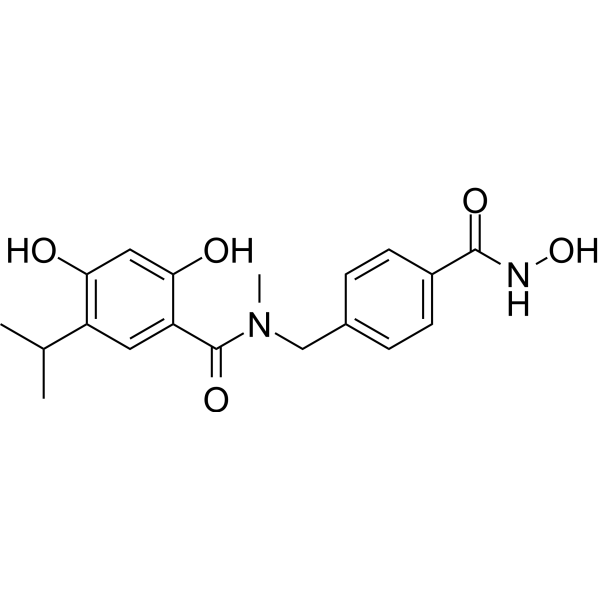
VEGFR2/HDAC-IN-1
 0 ImagesCat. No.: HY-181793VEGFR2/HDAC-IN-1 is a dual selective enzymatic inhibitor of VEGFR2 kinase and HDAC6 with oral activity. VEGFR2/HDAC-IN-1 has an IC50 of 19.19 nM for VEGFR2 and 0.165 μM for HDAC6. VEGFR2/HDAC-IN-1 increases α-tubulin acetylation, exerts antiproliferative effects, inhibits tumor growth, and exhibits antiangiogenic activity. VEGFR2/HDAC-IN-1 can be used for the research of colorectal carcinoma and hepatocellular carcinoma.
-
HDAC-IN-39
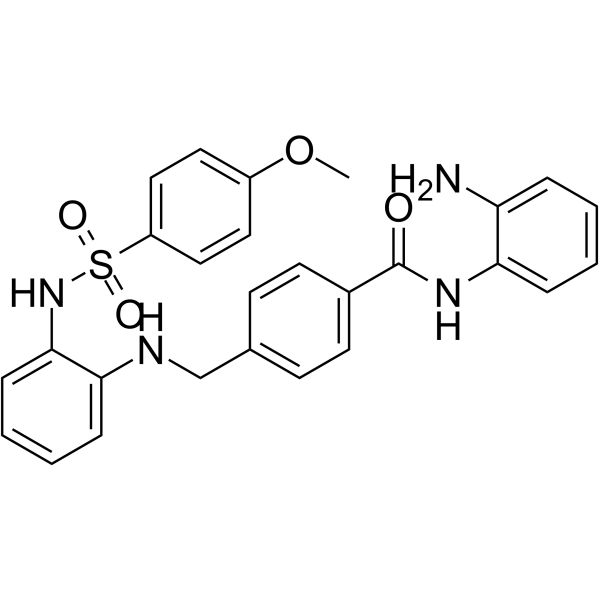 0 ImagesCat. No.: HY-146392CAS No.: 2414046-33-4HDAC-IN-39 (compound 16c) is a potent HDAC inhibitor, with IC50 values of 1.07 μM (HDAC1), 1.47 μM (HDAC2), and 2.27 μM (HDAC3), respectively. HDAC-IN-39 also significantly inhibits microtubule polymerization. HDAC-IN-39 induces cell cycle arrest at the G2/M phase. HDAC-IN-39 displays promising anticancer activity against resistant cancer cells.
-
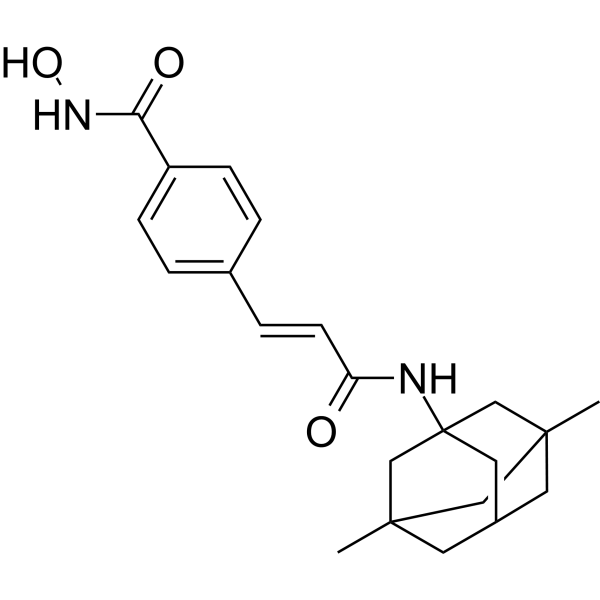
DS-103
 0 ImagesCat. No.: HY-173064DS-103 is an inhibitor for HDAC that inhibits HDAC1, HDAC2, HDAC3, HDAC6 and HDAC8 with IC50s of 0.029, 0.123, 0.022, 0.367 and 9.26 μM, respectively. DS-103 inhibits Plasmodium falciparum 3D7 with IC50 of 5.08 μM. DS-103 exhibits cytotoxicity in cells A2780 and Cal27 with IC50 of 1.48 μM and 1.47 μM, reverses Cisplatin (HY-17394) resistance in A2780 and Cal27 with IC50 of 4.62 μM and 2.23 μM. DS-103 exhibits synergistic effect with Cisplatin (HY-17394), enhances Cisplatin-induced apoptosis.

-
TNI-97
 0 ImagesCat. No.: HY-175030CAS No.: 2790425-52-2TNI-97 is a selective and orally active HDAC6 inhibitor, with an IC50 of 0.2 nM. TNI-97 potently inhibited TNBC cell MDA-MB-453 growth and clonogenicity. TNI-97 induces PANoptosis including apoptosis, necroptosis and pyroptosis in MDA-MB-453 cells. TNI-97 shows antitumor activity in the mice carrying the MDA-MB-453 xenograft or carrying murine-derived TNBC cell allografts. TNI-97 can be used for the study of triple-negative breast cancer.
-
HDAC3-IN-5
 0 ImagesCat. No.: HY-162769CAS No.: 3095232-95-1HDAC3-IN-5 (9c) is a HDAC3 selective inhibitor, with IC50 values of 4.2 nM, 1629 nM and 298.2 nM for HDAC3, HDAC2, HDAC1, respectively. HDAC3-IN-5 (9c) can effectively induce apoptosisin MV4-11 cells in vitro and reduce the expression of anti-apoptotic proteins, the development of HDAC3 selective inhibitors may serve as a potential lead compound to reverse Venetoclax resistance.
-
Syk/HDAC6-IN-1
 0 ImagesCat. No.: HY-184415Syk/HDAC6-IN-1 is a dual SYK/HDAC6 selective inhibitor with IC50 values of 0.19 nM (SYK) and 0.66 nM (HDAC6). Syk/HDAC6-IN-1 downregulates p-SYK to block downstream AKT/FOXO1 signaling, elevates acetylated histone H3 and α-tubulin via HDAC suppression, represses SREBF1 -mediated lipid biosynthetic pathways, triggers G0/G1 cell cycle arrest and robust mitochondrial-dependent caspase-3-mediated apoptosis in leukemia cells. Syk/HDAC6-IN-1 can be used for the research of FLT3-mutant acute myeloid leukemia.
-
PF1070A
 0 ImagesCat. No.: HY-P3303CAS No.: 146556-41-4PF1070A is a Pf HDAC1 inhibitor with an IC50 of 0.0011 μM. By inhibiting histone deacetylase (HDAC) activity, PF1070A induces histone H4 hyperacetylation and chromatin remodeling, arrests cell cycle progression prior to nuclear division, and exhibits antimalarial activity against multidrug-resistant Plasmodium falciparum strains with high selectivity. PF1070A is suitable for use in malaria research.
-
ZSNI-21
 0 ImagesCat. No.: HY-172394ZSNI-21 is a ADAM17/HDAC2 inhibitor with ADAM17 IC50 0.939 μM and HDAC2 IC50 0.844 μM. ZSNI-21 regulates the expression of apoptosis-related proteins (Bax, Bcl-2) and Cyclin D1, and induces apoptosis.. ZSNI-21 can be used for the research of hepatocellular carcinoma, breast cancer, and non-small cell lung cancer.
-
PHD2/HDACs-IN-1
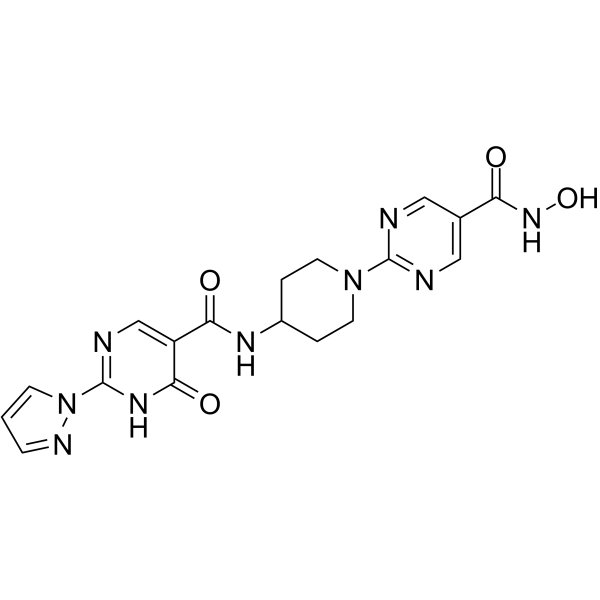 0 ImagesCat. No.: HY-144332CAS No.: 2339867-53-5
-
Valproic acid sodium (2:1)
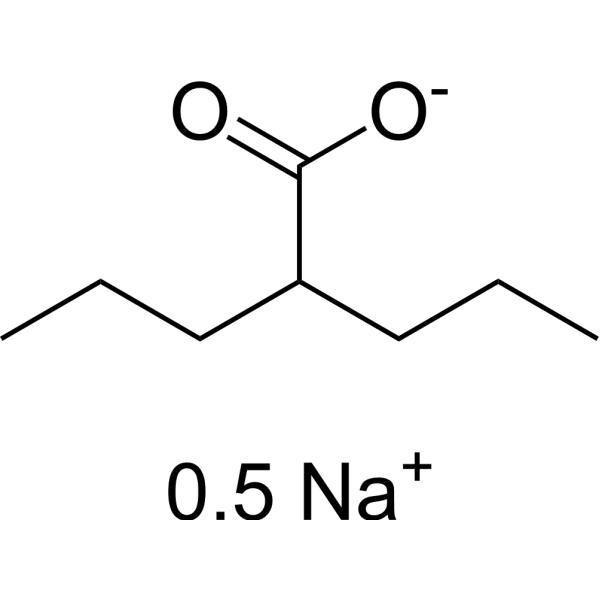 0 ImagesCat. No.: HY-10585BCAS No.: 76584-70-8Synonyms: Sodium Valproate (2:1); VPA sodium (2:1); 2-Propylpentanoic acid sodium (2:1)Valproic acid (VPA) sodium (2:1) is an orally active HDAC inhibitor, with IC50 in the range of 0.5 and 2 mM, also inhibits HDAC1 (IC50, 400 μM), and induces proteasomal degradation of HDAC2. Valproic acid sodium (2:1) activates Notch1 signaling and inhibits proliferation in small cell lung cancer (SCLC) cells. Valproic acid sodium (2:1) is used in the treatment of epilepsy, bipolar disorder, metabolic disease, HIV infection and prevention of migraine headaches.
-
HDAC8-IN-2
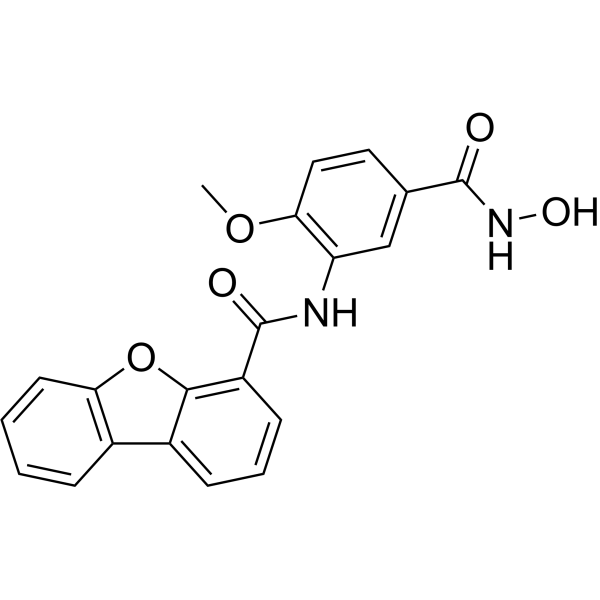 0 ImagesCat. No.: HY-144098CAS No.: 2824131-20-4HDAC8-IN-2 (compound 5o) is a potent HDAC8 inhibitor, with IC50 values of 0.27 and 0.32 μM for smHDAC8 (Schistosoma mansoni histone deacetylase 8) and hHDAC8, respectively. HDAC8-IN-2 shows significant killing of the schistosome larvae. HDAC8-IN-2 markedly impairs egg laying of adult worm pairs.
-
HDAC3-IN-4
 0 ImagesCat. No.: HY-159172CAS No.: 2988762-46-3
-
HDAC8-IN-3
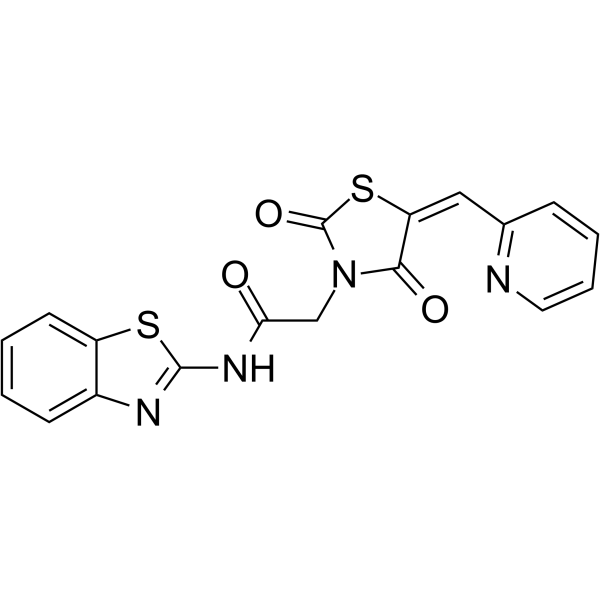 0 ImagesCat. No.: HY-147934CAS No.: 2432825-93-7
-
PI3K/HDAC-IN-2
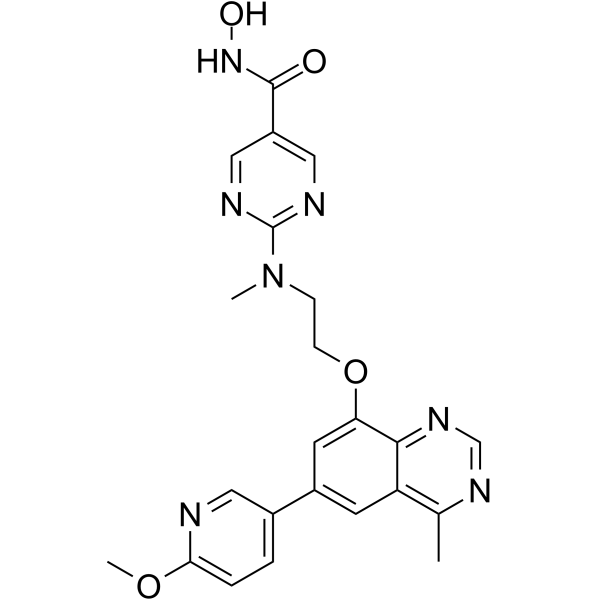 0 ImagesCat. No.: HY-146159CAS No.: 2361418-65-5PI3K/HDAC-IN-2 is a potent dual PI3K/HDAC inhibitor with IC50s of 226 nM, 279 nM, 467 nM, 29 nM for PI3Kα, PI3Kβ, PI3Kγ, PI3Kδ, respectively, and IC50s of 1.3 nM, 3.4 nM, 972 nM, 17 nM, 12 nM for HDAC1, HDAC2, HDC4, HDAC6, HDAC8, respectively. PI3K/HDAC-IN-2 exhibits PI3Kδ and class I and IIb HDAC selectivity. PI3K/HDAC-IN-2 has remarkable anticancer effects.
-
HDACs/EZH2-IN-1
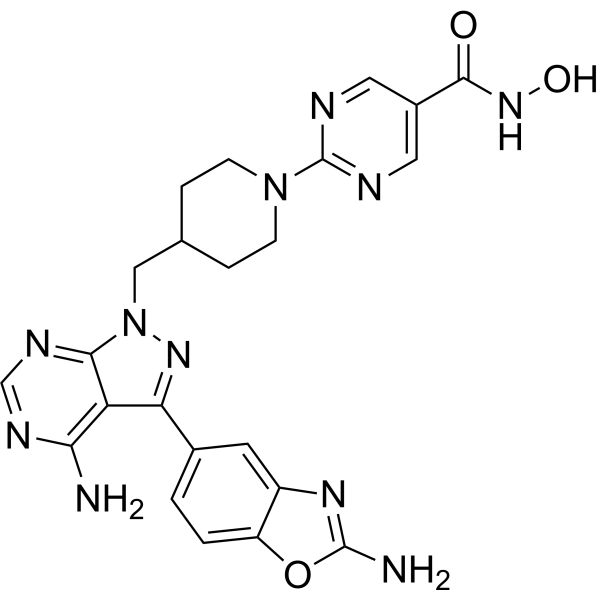
 0 ImagesCat. No.: HY-169400HDACs/EZH2-IN-1 (Compound 22a) is a HDACs/EZH2 inhibitor (EZH2 Y641N inhibition rate at 50 nM: 98%), with selective inhibition against HDAC1 and HDAC6 (IC50: 0.23 μM and 0.07 μM, respectively). HDACs/EZH2-IN-1 exerts a antiproliferative effect on diffuse large B-cell lymphoma cells harboring an EZH2 mutation and on various acute myeloid leukemia cells. HDACs/EZH2-IN-1 has the ability to induce cell differentiation and Apoptosis.
-
HDAC1-IN-3
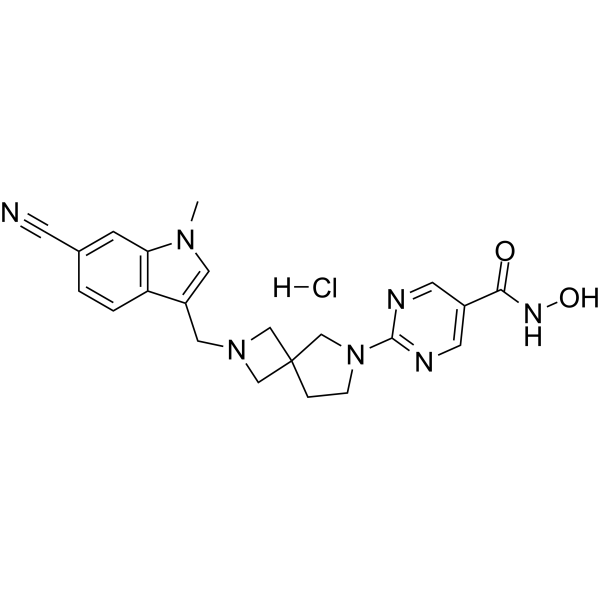 0 ImagesCat. No.: HY-144297CAS No.: 2482998-35-4