1. シグナル伝達
  2. NF-κB
  3. NF-κB

NF-κB

Nuclear factor-κB; Nuclear factor-kappaB

NF-κB (Nuclear factor kappa-light-chain-enhancer of activated B cells) is a protein complex that controls transcription of DNA. NF-κB is found in almost all animal cell types and is involved in cellular responses to stimuli such as stress, cytokines, free radicals, ultraviolet irradiation, oxidized LDL, and bacterial or viral antigens. NF-κB plays a key role in regulating the immune response to infection. Incorrect regulation of NF-κB has been linked to cancer, inflammatory, and autoimmune diseases, septic shock, viral infection, and improper immune development. NF-κB has also been implicated in processes of synaptic plasticity and memory. There are five proteins in the mammalian NF-κB family: NF-κB1, NF-κB2, RelA, RelB, c-Rel.

製品番号 製品名 製品効果 純度 構造式
  • HY-N7102
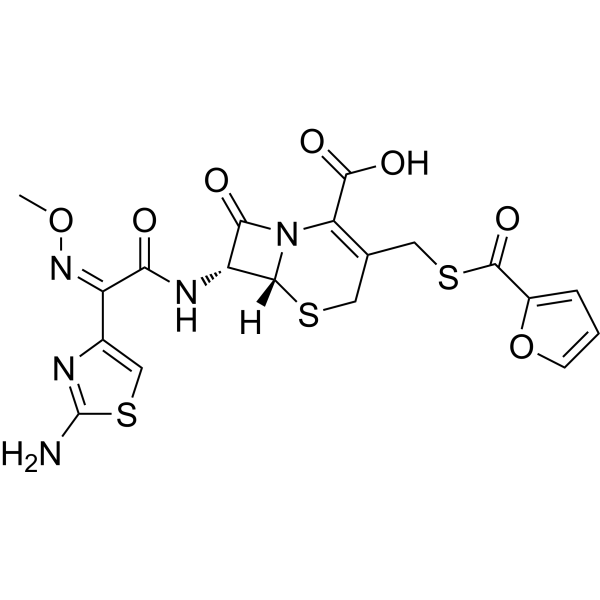
    Ceftiofur

    セフチオフル

    Inhibitor 99.81%
    Ceftiofur is a cell wall synthesis inhibitor that targets bacterial penicillin-binding proteins (PBPs) and has anti-inflammatory effects in endotoxemia. Ceftiofur exerts bactericidal effects by inhibiting the synthesis of bacterial cell wall peptidoglycan, leading to bacterial cell lysis. Ceftiofur also inhibits the activation of NF-κB and MAPKs, thereby reducing the secretion of pro-inflammatory cytokines such as TNF-α, IL-1β, and IL-6.
    Ceftiofur
  • HY-N0176R
    Dihydroartemisinin (Standard) Inhibitor
    Dihydroartemisinin (Standard) is the analytical standard of Dihydroartemisinin. This product is intended for research and analytical applications. Dihydroartemisinin is a potent anti-malaria agent.
    Dihydroartemisinin (Standard)
  • HY-D0162
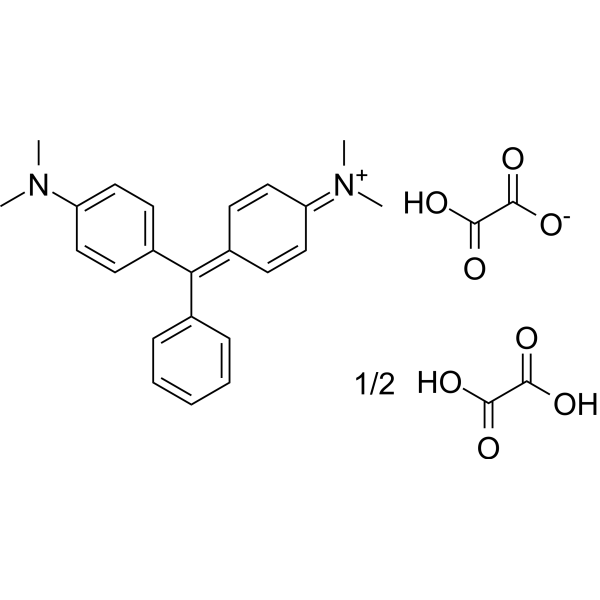
    Malachite green hemioxalate

    マラカイトグリーンシュウ酸塩

    Inhibitor 98.0%
    Malachite green hemioxalate (MCCK1) is a triphenylmethane dye which can be used to detect the release of phosphate in enzymatic reactions. Malachite green hemioxalate has antibacterial activity, which is attributed to inhibition of intracellular enzymes, insertion into DNA and/or interaction with cell membranes. Malachite green hemioxalate is also a potent and selective inhibitor of IKBKE, and inhibits its downstream targets such as IκBα, p65 and IRF3. Malachite green hemioxalate exhibits antitumor activity in vitro and in vivo.
    Malachite green hemioxalate
  • HY-N2376
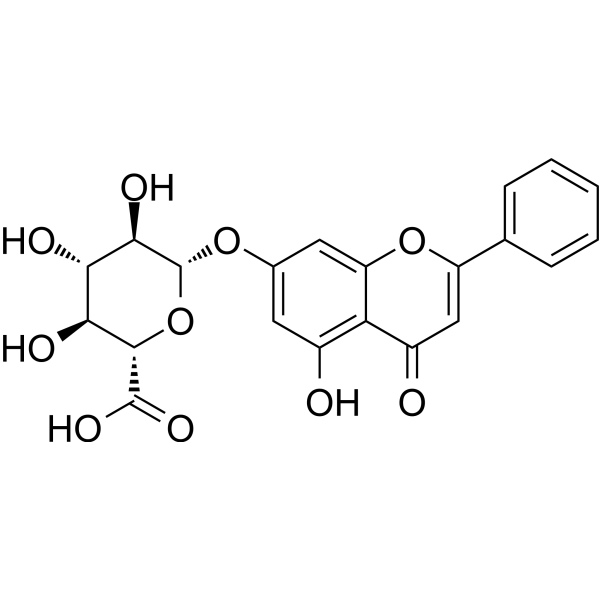
    Chrysin-7-O-glucuronide

    Chrysin-7-O-glucuronide

    Inhibitor 99.47%
    Chrysin-7-O-glucuronide is a flavonoid found in Scutellaria baicalensis. Chrysin-7-O-glucuronide inhibits α-glucosidase and α-amylase with IC50 values of 612.13 and 980.73 μg/mL. Chrysin-7-O-glucuronide suppresses NF-κB signaling activity. Chrysin-7-O-glucuronide scavenges free radicals, acts as a tight junction protector, and mitigates intestinal mucosal barrier injury. Chrysin-7-O-glucuronide can be used for the research of type 2 diabetes and severe acute pancreatitis-induced intestinal mucosal barrier injury.
    Chrysin-7-O-glucuronide
  • HY-118828
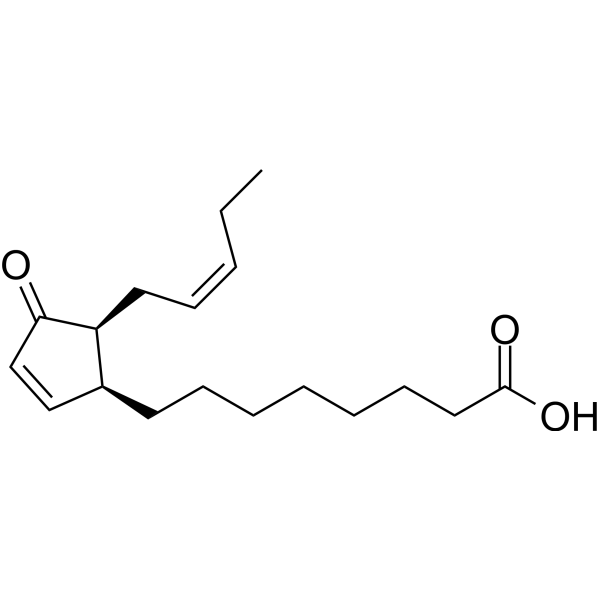
    12-Oxo phytodienoic acid 99.57%
    12-Oxo phytodienoic acid (12-OPDA) is a plant lipid-derived anti-inflammatory compound. 12-Oxo phytodienoic acid suppresses neuroinflammation by inhibiting Nf-κB and p38 MAPK signaling in Lipopolysaccharides (LPS) (HY-D1056)-activated cells. 12-Oxo phytodienoic acid can be used for neurodegenerative diseases research.
    12-Oxo phytodienoic acid
  • HY-176426
    Subquinocin Activator 99.83%
    Subquinocin is a tumor suppressor CYLD inhibitor that inhibits USP family deubiquitinases (DUBs) activity of CYLD with an IC50 of 30 μM. Subquinocin enhances the activation of NF-κB and IFN pathways by inhibiting CYLD. Subquinocin promotes RIG-I-mediated activation of IRF3/IRF7 in the interferon pathway. Subquinocin can be used for the research of cancer and neurodegenerative diseases.
    Subquinocin
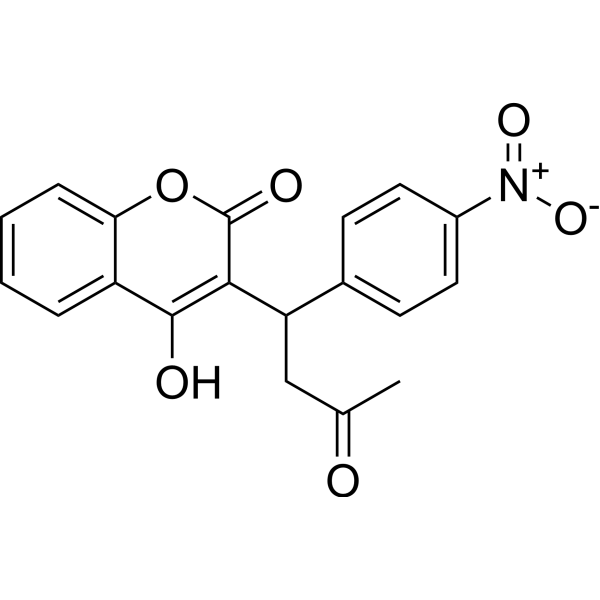
  • HY-B1014
    Acenocoumarol

    アセノクマロール

    Inhibitor 99.17%
    Acenocoumarol is an anticoagulant that functions as a Vitamin K antagonist. Acenocoumarol inhibits MAPK/ERK/JNK signaling pathway, reduces the nuclear translocation of NF-κB p65, activates Akt/GSK3β signaling pathway. Acenocoumarol induces apoptosis in cell A549, arrests cell cycle at S phase.
    Acenocoumarol
  • HY-171658
    R1-ICR-5 Activator 98.73%
    R1-ICR-5 is a highly selective RIPK1 PROTAC degrader. Mediated by VHL, R1-ICR-5 induces the degradation of RIPK1, which in turn dysregulates the TNFR1 and TLR3/4 signaling hubs, enhances the signaling outputs of NF-κB, MAPK and IFN, and simultaneously promotes RIPK3 activation and necroptosis (necroptosis). R1-ICR-5 can be used in the research of triple-negative breast cancer and skin inflammation.
    R1-ICR-5
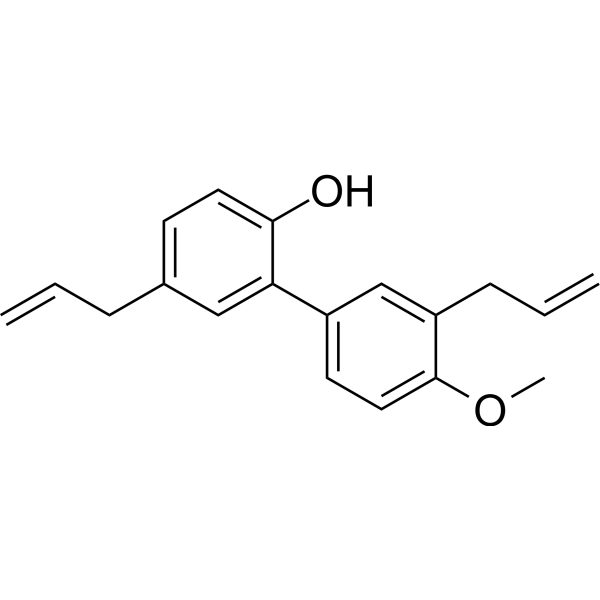
  • HY-U00450
    4-O-Methyl honokiol Inhibitor 98.76%
    4-O-Methyl honokiol is a natural neolignan isolated from Magnolia officinalis, acts as a PPARγ agonist, and inhibtis NF-κB activity, used for cancer and inflammation research.
    4-O-Methyl honokiol
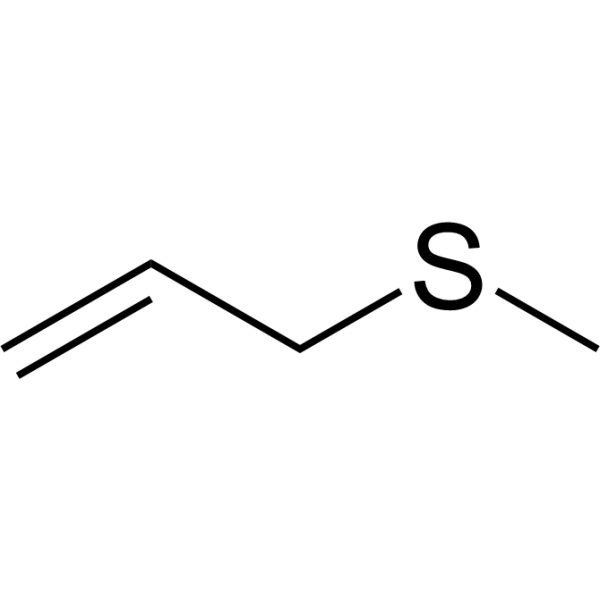
  • HY-128447
    Allyl methyl sulfide

    Allyl methyl sulfide

    Inhibitor 98.0%
    Allyl methyl sulfide is an orally active organic sulfide. Allyl methyl sulfide is one of the main active ingredients in garlic volatile metabolites. Allyl methyl sulfide can be extracted from garlic. Allyl methyl sulfide enhances SOD activity, inhibits NF-κB signaling pathway, and upregulates pancreatic GLUT2 expression. Allyl methyl sulfide has significant antioxidant, anti-inflammatory and hypoglycemic activities. Allyl methyl sulfide can be used in the research of diabetes and its complications.
    Allyl methyl sulfide
  • HY-163102
    IA-14069 Inhibitor 99.93%
    IA-14069 is an orally active tumor necrosis factor-α (TNF-α) inhibitor. IA-14069 binds directly to TNF-α and TNF-α-triggered signaling (p-IκBα and NF-κB p65) activities. Additionally, IA-14069 exerts a suppressive effect on Dextran sodium sulfate (HY-116282C) (DSS)-induced colitis. IA-14069 can be used for the research of Rheumatoid arthritis (RA) and inflammatory bowel disease (IBD).
    IA-14069
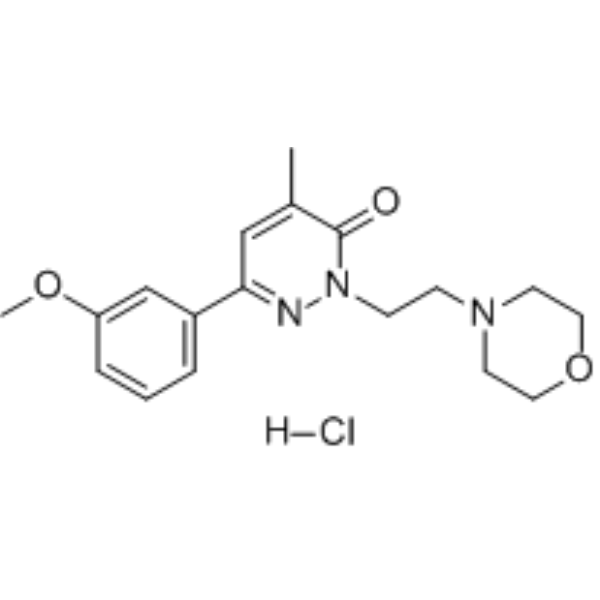
  • HY-112569
    MAT2A inhibitor 2 Inhibitor 99.10%
    MAT2A inhibitor 2 is an inhibitor of methionine adenosine transferase 2A (MAT2A) with oral activity. MAT2A inhibitor 2 can be used in osteoporosis study
    MAT2A inhibitor 2
  • HY-17630
    Edasalonexent Inhibitor 99.17%
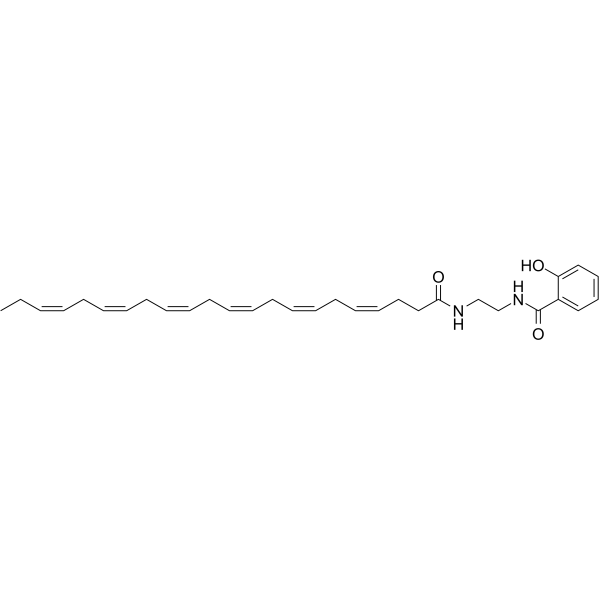
    Edasalonexent (CAT-1004) is an orally bioavailable NF-κB inhibitor.
    Edasalonexent
  • HY-14655S
    Sulfasalazine-d4 Inhibitor 99.28%
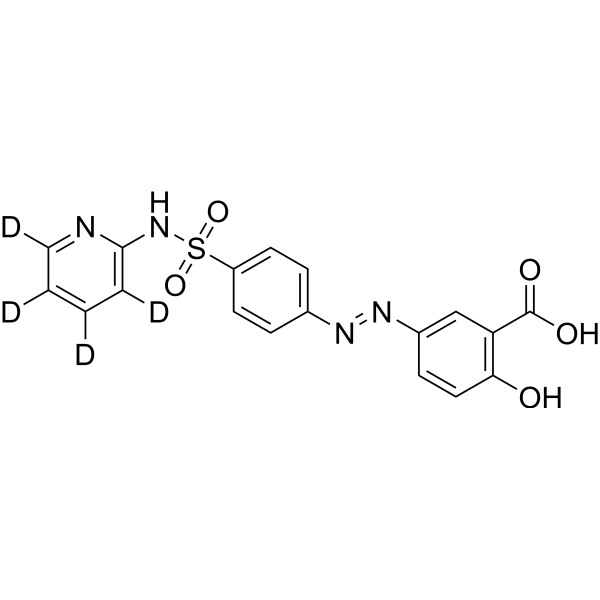
    Sulfasalazine-d4 is the deuterium labeled Sulfasalazine. Sulfasalazine (NSC 667219) is an anti-rheumatic agent for the research of rheumatoid arthritis and ulcerative colitis. Sulfasalazine can suppress NF-κB activity. Sulfasalazine is a type 1 ferroptosis inducer.
    Sulfasalazine-d<sub>4</sub>
  • HY-122830
    DD-03-171 Inhibitor 98.72%
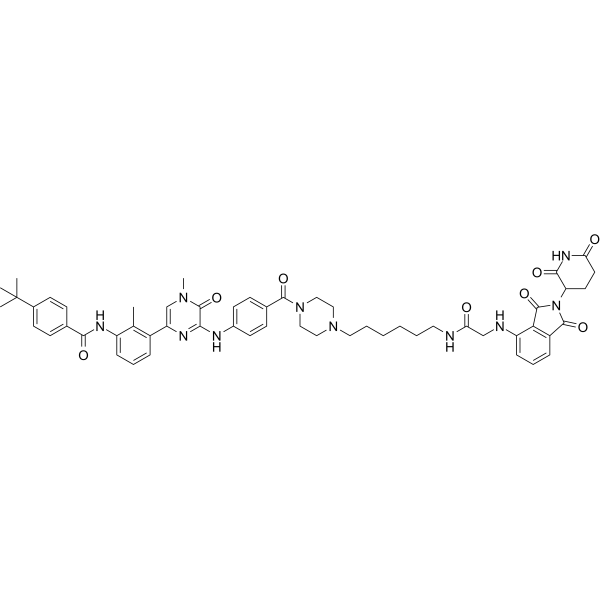
    DD-03-171 is a PROTAC BTK degrader. DD-03-171 inhibits mantle cell lymphoma (MCL) cell proliferation (IC50 = 5.1 nM) and prolongs the survival of mice bearing a lymphoma PDX model by degrading BTK, IKFZ1, and IKFZ3. DD-03-171 also inhibits platelet function and thrombosis. (Pink: BTK ligand 9 (HY-168292); Black: linker (HY-28875); Blue: Thalidomide-NH-CH2-COOH (HY-131717)).
    DD-03-171
  • HY-N1510
    Kaempferol 3-O-gentiobioside

    Kaempferol 3-O-gentiobioside

    Inhibitor 99.88%
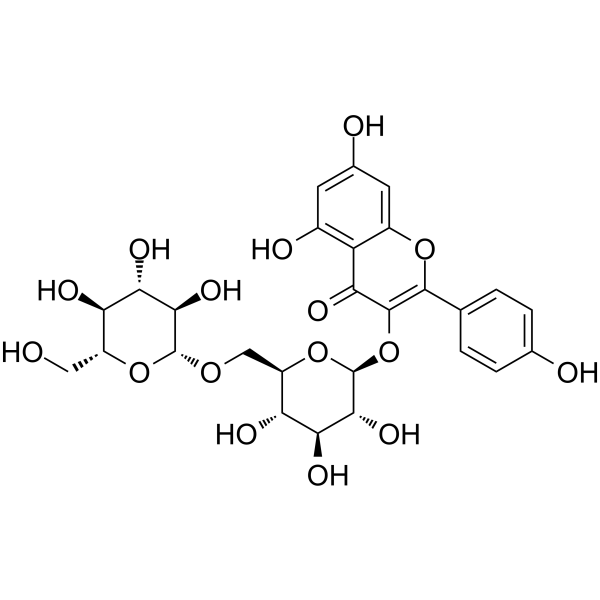
    Kaempferol 3-O-gentiobioside is an orally active flavonoid, with a Ka value of 57 µM against human NOTCH1 and an IC50 value of 50 μM against α-glucosidase. Kaempferol 3-O-gentiobioside inhibits the NOTCH signaling pathway. It downregulates the expression of TLR4 and NLRP3, and suppresses the activation and nuclear translocation of NF-κB. Kaempferol 3-O-gentiobioside inhibits the expression of MUC5AC, reduces nitrite and ROS levels, and attenuates excessive mucus secretion. It exhibits antibacterial activity, reducing the formation and growth of MRSA biofilms. Kaempferol 3-O-gentiobioside blocks the TGF-β/ALK5/Smad signaling pathway and inhibits epithelial-mesenchymal transition. It suppresses the proliferation, migration, invasion and metastatic growth of tumor cells. Kaempferol 3-O-gentiobioside alleviates airway inflammation and mucus hypersecretion in mice with allergic asthma. It reduces the volume of ovarian cancer xenografts in mice. Kaempferol 3-O-gentiobioside can be used in research related to allergic asthma, diabetes, MRSA infection, breast cancer, gastric cancer and ovarian cancer.
    Kaempferol 3-O-gentiobioside
  • HY-174864
    JP-163-16 Inhibitor 99.20%
    JP-163-16 is a RelA/p65 PROTAC degrader. JP-163-16 selectively reduces the expression of RelA/p65 in a proteasome-dependent manner in cells. JP-163-16 can induce cell apoptosis by inhibiting the NF-κB signaling pathway. JP-163-16 can be used for research on RelA/p65-dependent tumours, such as chronic lymphocytic leukaemia (CLL). (Pink: RelA/p65 Ligand (HY-174865); Blue: CRBN Ligand (HY-A0003); Black: Linker; CRBN Ligand+Linker (HY-160241)).
    JP-163-16
  • HY-154822
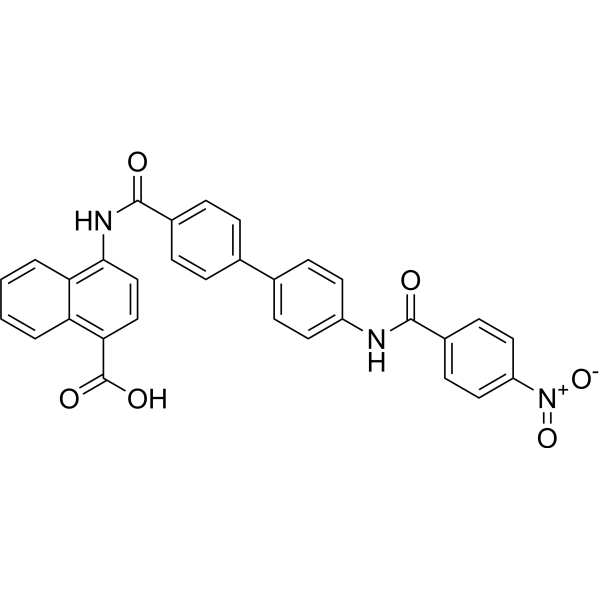
    DRI-C25441 Inhibitor 99.53%
    DRI-C25441 is a potent blocker of CD40 and CD40L interaction, with an IC50 of 0.36 μM. DRI-C25441 can inhibit the immune response induced by alloantigen. can inhibit CD40L induced activation of NF-κB signaling pathway. DRI-C25441 commonly is used in research on immune conditions .
    DRI-C25441
  • HY-116474
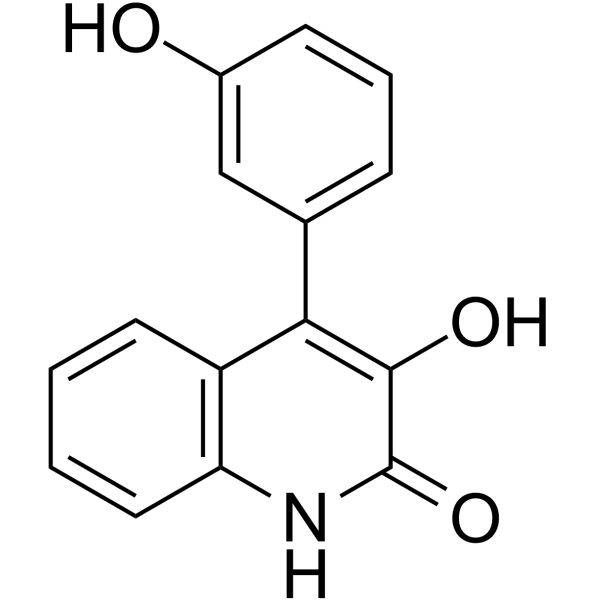
    Viridicatol Inhibitor 99.93%
    Viridicatol is a quinolone alkaloid with anti-inflammatory, antibacterial, antifungal, osteogenic and chondrogenic activities. Viridicatol reduces the phosphorylation levels of ERK, JNK, p38 and STAT6; inhibits MMP-2, MMP-9, NF-κB signaling pathway and PTP1B; downregulates genes related to mast cell activation; and binds to SHN3 to activate the Wnt/SHN3 signaling pathway. Viridicatol inhibits the expression of pro-inflammatory mediators and cytokines, and promotes osteogenic/chondrogenic differentiation. Viridicatol can be used in studies related to fibrosarcoma, allergy, bacterial infection, fungal infection and osteoporosis.
    Viridicatol
  • HY-N6009
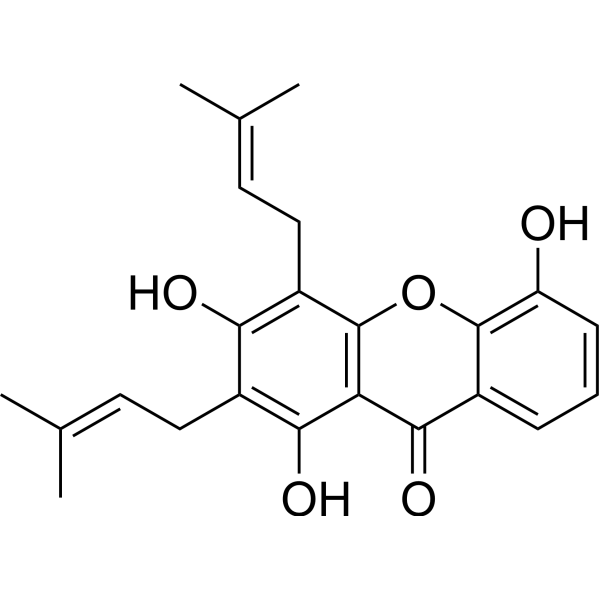
    8-Deoxygartanin Inhibitor 99.77%
    8-Deoxygartanin, a prenylated xanthones from G. mangostana, is a selective inhibitor of butyrylcholinesterase (BChE). 8-Deoxygartanin exhibits antiplasmodial activity with an IC50 of 11.8 μM for the W2 strain of Plasmodium falciparum. 8-Deoxygartanin inhibits NF-κB (p65) activation with an IC50 of 11.3 μM.
    8-Deoxygartanin
製品番号 製品名 / Synonyms Application Reactivity

NF-κB transcription factors are critical regulators of immunity, stress responses, apoptosis and differentiation. In mammals, there are five members of the transcription factor NF-κB family: RELA (p65), RELB and c-REL, and the precursor proteins NF-κB1 (p105) and NF-κB2 (p100), which are processed into p50 and p52, respectively. NF-κB transcription factors bind as dimers to κB sites in promoters and enhancers of a variety of genes and induce or repress transcription. NF-κB activation occurs via two major signaling pathways: the canonical and the non-canonical NF-κB signaling pathways[1]


The canonical NF-κB pathway is triggered by signals from a large variety of immune receptors, such as TNFR, TLR, and IL-1R, which activate TAK1. TAK1 then activates IκB kinase (IKK) complex, composed of catalytic (IKKα and IKKβ) and regulatory (NEMO) subunits, via phosphorylation of IKKβ. Upon stimulation, the IKK complex, largely through IKKβ, phosphorylates members of the inhibitor of κB (IκB) family, such as IκBα and the IκB-like molecule p105, which sequester NF-κB members in the cytoplasm. IκBα associates with dimers of p50 and members of the REL family (RELA or c-REL), whereas p105 associates with p50 or REL (RELA or c-REL). Upon phosphorylation by IKK, IκBα and p105 are degradated in the proteasome, resulting in the nuclear translocation of canonical NF-κB family members, which bind to specific DNA elements, in the form of various dimeric complexes, including RELA-p50, c-REL-p50, and p50-p50. Atypical, IKK-independent pathways of NF-κB induction also provide mechanisms to integrate parallel signaling pathways to increase NF-κB activity, such as hypoxia, UV and genotoxic stress.


The non-canonical NF-κB pathway is induced by certain TNF superfamily members, such as CD40L, BAFF and lymphotoxin-β (LT-β), which stimulates the recruitment of TRAF2, TRAF3, cIAP1/2 to the receptor complex. Activated cIAP mediates K48 ubiquitylation and proteasomal degradation of TRAF3, resulting in stabilization and accumulation of the NFκB-inducing kinase (NIK). NIK phosphorylates and activates IKKα, which in turn phosphorylates p100, triggering p100 processing, and leading to the generation of p52 and the nuclear translocation of p52 and RELB[2][3].


Reference:

[1]. Oeckinghaus A, et al. The NF-kappaB family of transcription factors and its regulation.Cold Spring Harb Perspect Biol. 2009 Oct;1(4):a000034. 
[2]. Taniguchi K, et al. NF-κB, inflammation, immunity and cancer: coming of age. Nat Rev Immunol. 2018 May;18(5):309-324.
[3]. Perkins ND,et al. Integrating cell-signalling pathways with NF-kappaB and IKK function. Nat Rev Mol Cell Biol. 2007 Jan;8(1):49-62.

Your Search Returned No Results.

Sorry. There is currently no product that acts on isoform together.

Please try each isoform separately.