1. Signaling Pathways
  2. NF-κB
  3. NF-κB

NF-κB

Nuclear factor-κB; Nuclear factor-kappaB

NF-κB (Nuclear factor kappa-light-chain-enhancer of activated B cells) is a protein complex that controls transcription of DNA. NF-κB is found in almost all animal cell types and is involved in cellular responses to stimuli such as stress, cytokines, free radicals, ultraviolet irradiation, oxidized LDL, and bacterial or viral antigens. NF-κB plays a key role in regulating the immune response to infection. Incorrect regulation of NF-κB has been linked to cancer, inflammatory, and autoimmune diseases, septic shock, viral infection, and improper immune development. NF-κB has also been implicated in processes of synaptic plasticity and memory. There are five proteins in the mammalian NF-κB family: NF-κB1, NF-κB2, RelA, RelB, c-Rel.

Cat. No. Product Name Effect Purity Chemical Structure
  • HY-N0708R
    Vanillic acid (Standard)
    Inhibitor
    Vanillic acid (Standard) is the analytical standard of Vanillic acid. This product is intended for research and analytical applications. Vanillic acid is a flavoring agent found in edible plants and fruits, also found in Angelica sinensis. Vanillic acid inhibits NF-κB activation. Anti-inflammatory, antibacterial, and chemopreventive effects.
    Vanillic acid (Standard)
  • HY-B1773AS3
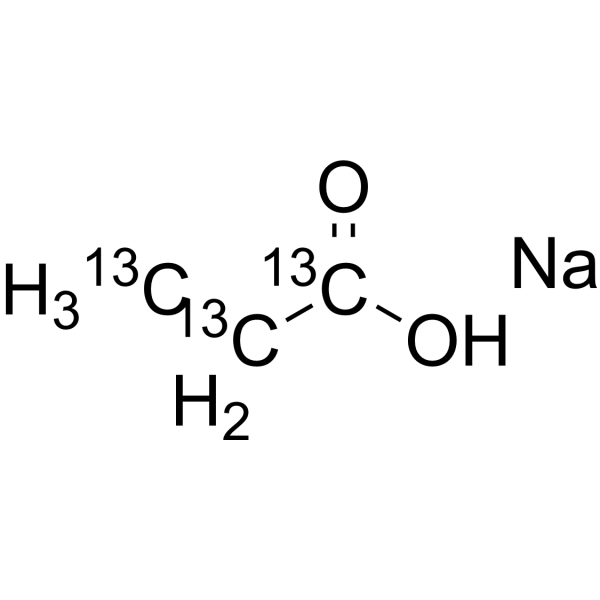
    Sodium propionate-13C3
    Inhibitor 99.45%
    Sodium propionate-13C-3 is the 13C-labeled Propionate sodium (HY-B1773A). Sodium propionate is an orally active short-chain fatty acid. Sodium propionate can be produced by intestinal bacteria from the metabolism of dietary fiber. Sodium propionate increases PPAR-γ, inhibits NF-κB activation, and reduces COX-2 expression and NO production. Sodium propionate also induces Apoptosis and Autophagy. Sodium propionate reduces HSV-1-induced keratitis. Sodium propionate has anticancer effects against glioblastoma. Sodium propionate exhibits neuroprotective, antioxidant, and anti-inflammatory activities. Sodium propionate can be used in the research of spinal cord injury and Alzheimer's disease.
    Sodium propionate-<sup>13</sup>C<sub>3</sub>
  • HY-B0185AS
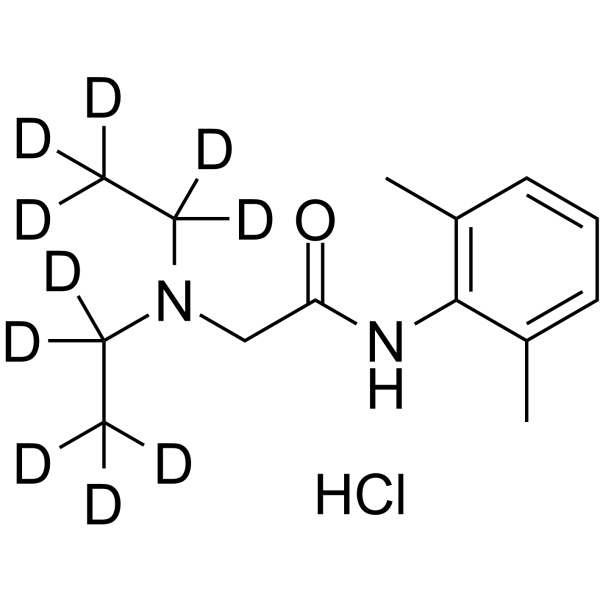
    Lidocaine-d10 hydrochloride
    Inhibitor 99.79%
    Lidocaine-d10 (hydrochloride) is the deuterium labeled Lidocaine hydrochloride. Lidocaine hydrochloride (Lignocaine hydrochloride) inhibits sodium channels involving complex voltage and using dependence. Lidocaine hydrochloride decreases growth, migration and invasion of gastric carcinoma cells via up-regulating miR-145 expression and further inactivation of MEK/ERK and NF-κB signaling pathways. Lidocaine hydrochloride, an amide derivative, has the potential for the research of the ventricular arrhythmia.
    Lidocaine-d<sub>10</sub> hydrochloride
  • HY-178164
    HBS-101
    Inhibitor 99.59%
    HBS-101 is a selectively, orally active, brain-penetrant, Midkine (MDK) inhibitor (KD = 38.4 nM). HBS-101 significantly reduces cell viability, clonogenic survival, and invasiveness and increases apoptosis. HBS-101 involves suppression of the Akt/mTOR, STAT3, and NF-κB pathways. HBS-101 can be used for the study of Triple-negative breast cancer (TNBC).
    HBS-101
  • HY-N1913A
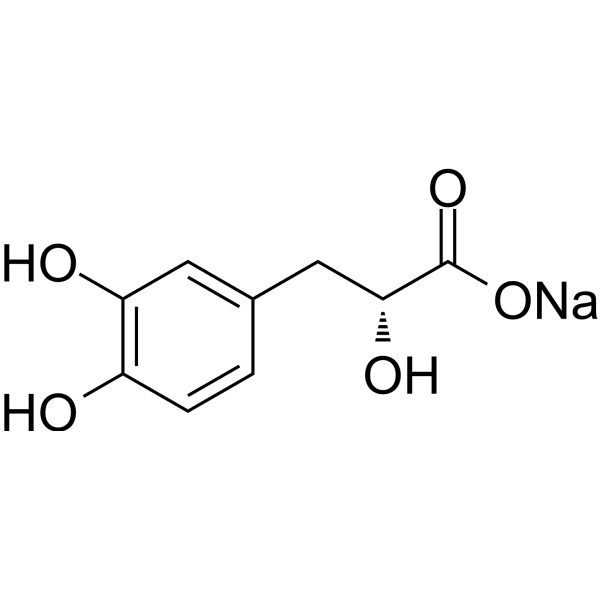
    Danshensu sodium
    Inhibitor 99.9%
    Danshensu (Dan shen suan A) sodium, an orally active phenolic compound, can induce Nrf2/HO-1 activation and inhibition of NF-κB pathway. Danshensu sodium reduces reactive oxygen species (ROS) production, upregulates antioxidant defense mechanism and inhibits intrinsic apoptotic pathway. Danshensu sodium displays a potent antiviral activity against SARS-CoV-2 with EC50 of 0.97 μM. Danshensu sodium has anti-oxidation, anti-apoptosis, anti-lung inflammatory and has the potential for COVID-19, cardiovascular and cerebrovascular diseases research.
    Danshensu sodium
  • HY-119931
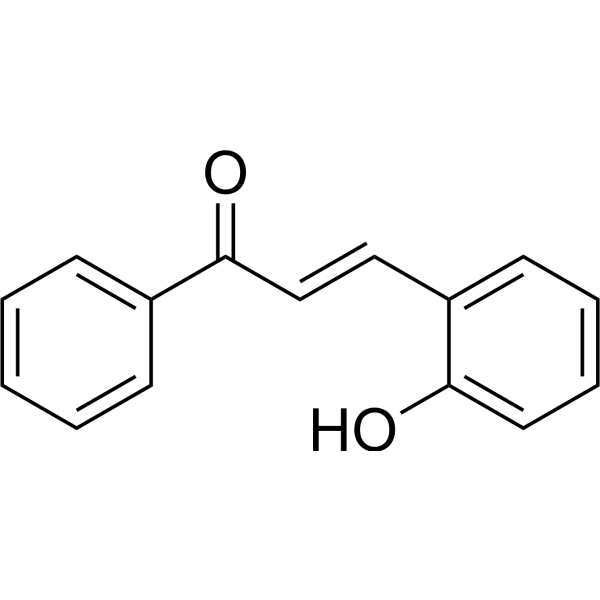
    2-Hydroxychalcone
    Inhibitor 98.54%
    2-hydroxychalcone, a natural flavonoid, is a potent antioxidant, inhibiting lipid peroxidation. 2-Hydroxychalcone induces apoptosis by Bcl-2 downregulation. 2-Hydroxychalcone inhibits the activation of NF-kB.
    2-Hydroxychalcone
  • HY-N1098
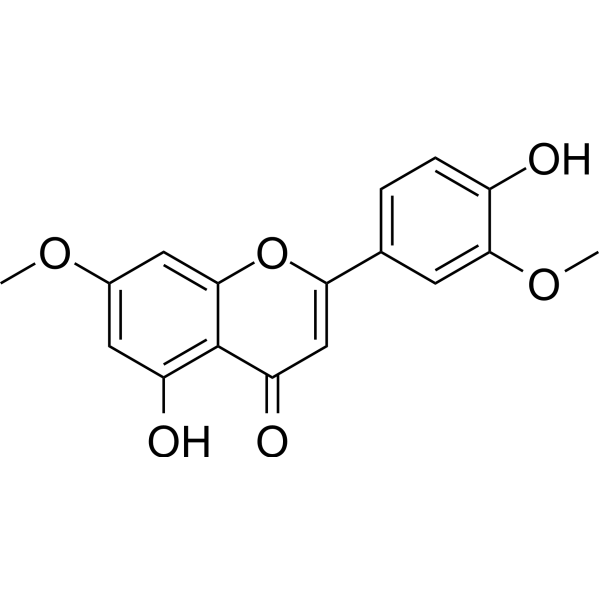
    Velutin
    Inhibitor 98.60%
    Velutin is a flavonoid. Velutin can be extracted from mistletoe. Velutin inhibits mushroom Tyrosinase activity with an IC50 of 910.1 μM. Velutin inhibits p38 phosphorylation, the NF-κB pathway and the MAPK pathway. Velutin prevents articular cartilage degeneration and subchondral bone loss. Velutin slows down the progression of intervertebral disc degeneration. Velutin exhibits inhibitory effects on melanogenesis, skin whitening, anti-inflammatory, anti-allergic, anti-oxidant and antibacterial activities. Velutin can be used in studies related to pigmented diseases, osteoarthritis and intervertebral disc degeneration.
    Velutin
  • HY-N4247
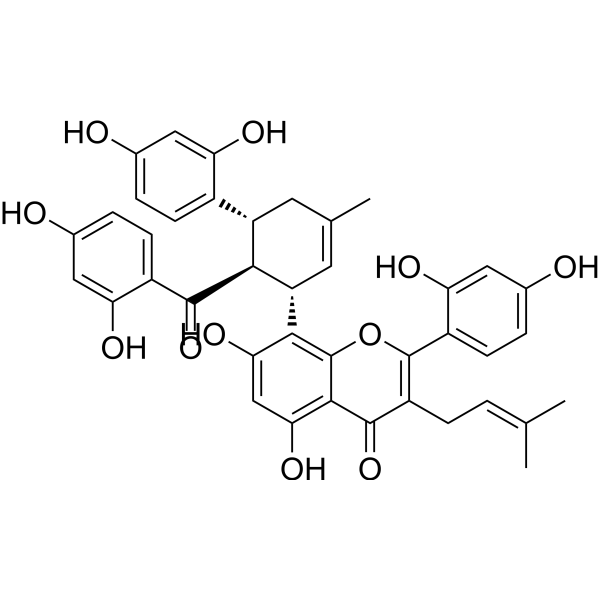
    Kuwanon G
    Inhibitor 99.45%
    Kuwanon G is a flavonoid compound and an antagonist of the bombesin receptor. Kuwanon G has multiple activities such as bactericidal, anti-tumor, anti-inflammatory, antioxidant, anti-atherosclerotic, and neuroprotective effects. Kuwanon G exhibits strong antibacterial activity against oral pathogens, especially cariogenic bacteria and periodontal pathogens. Kuwanon G can induce apoptosis and inhibit proliferation, migration, and invasion of tumor cells. Kuwanon G can be used in the research of diseases such as gastric cancer and atherosclerosis.
    Kuwanon G
  • HY-170669
    PROTAC XPO1 degrader-1
    Inhibitor 99.77%
    PROTAC XPO1 degrader-1 (Compound 2c) is an XPO1 degrader. PROTAC XPO1 degrader-1 exhibits anti-proliferative effects, can induce cell apoptosis, inhibit NF-κB activity, and cause cell cycle arrest in the G1 phase. PROTAC XPO1 degrader-1 can be used in research on hematological malignancies (Pink: Target Protein Ligand (HY-170672); Black: Linker (HY-W010525); Blue: E3 Ligase Ligand (HY-170671); E3 Ligase Ligand-Linker Conjugate (HY-170673)).
    PROTAC XPO1 degrader-1
  • HY-N3011
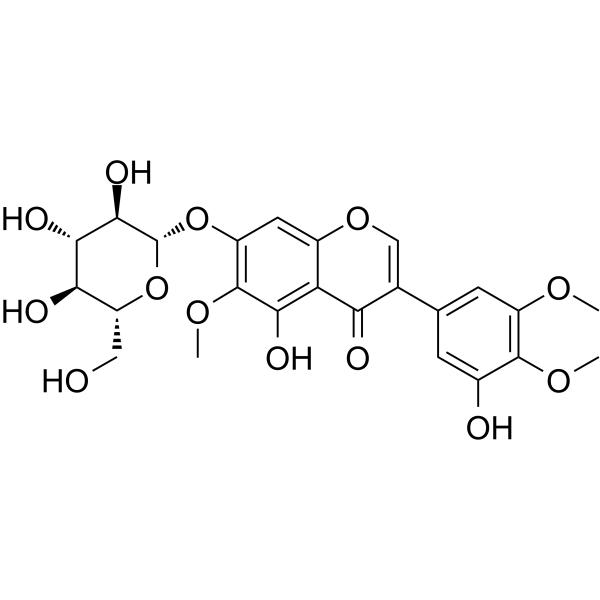
    Iridin
    Inhibitor 99.72%
    Iridin is an orally active natural isoflavone. Iridin inhibits the PI3K/AKT and PKM2 signaling pathways, and downregulates the JAK/STAT and NF-κB pathways. Iridin induces Fas-mediated extrinsic apoptosis, G2/M cell cycle arrest, and inhibits cell proliferation. Iridin reduces inflammation, inhibits ROS production, suppresses glycolysis, and also exhibits antioxidant and antidiabetic activities. Iridin can be used in research related to gastric cancer and acute lung injury.
    Iridin
  • HY-N0081
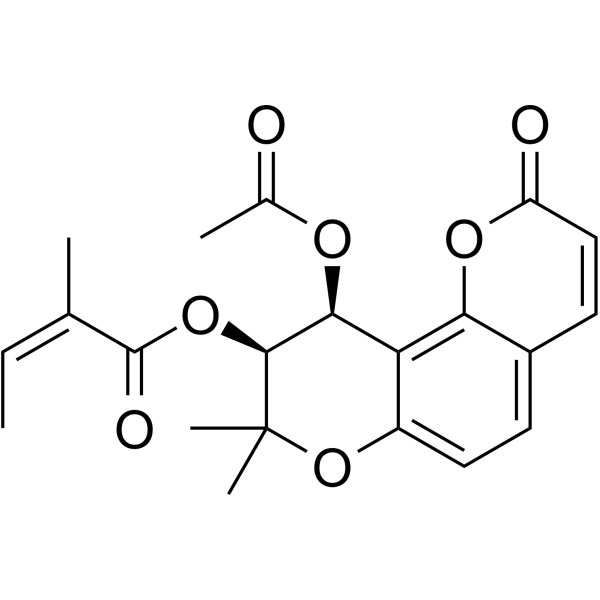
    (±)-Praeruptorin A
    Inhibitor 99.94%
    (±)-Praeruptorin A, a coumarin compound, is the main bioactive component in Peucedani Radix. As a calcium channel blocker, (±)-Praeruptorin A exhibits great antihypertensive effects. In addition, (±)-Praeruptorin A also has the effects of relaxing vascular smooth muscle, inhibiting airway inflammation and airway hyperresponsiveness. (±)-Praeruptorin A can be used for the research of allergic asthma, hypertension and other diseases.
    (±)-Praeruptorin A
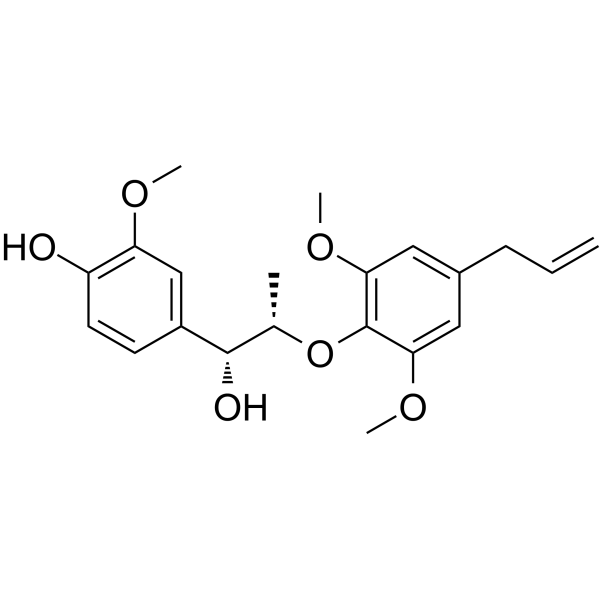
  • HY-N0608
    Myrislignan
    Inhibitor 99.53%
    Myrislignan, a lignan isolated from Myristica fragrans Houtt, possesses anti-inflammatory activities. Myrislignan attenuates LPS-induced inflammation reaction in murine macrophage cells through inhibition of NF-kB signalling pathway activation.
    Myrislignan
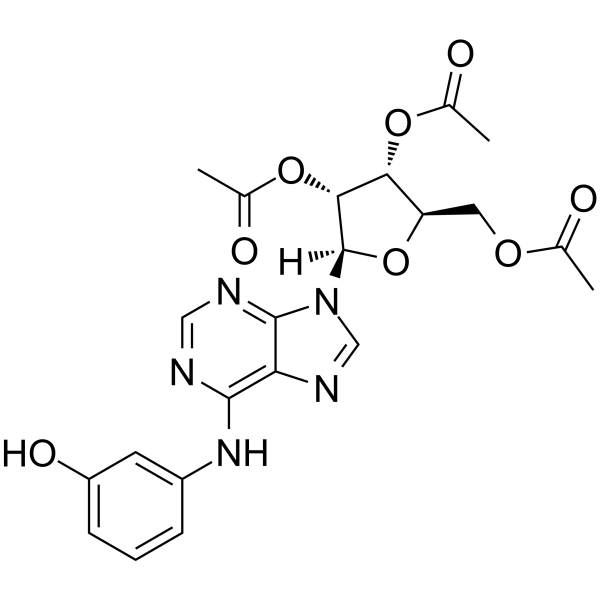
  • HY-141645
    IMM-H007
    Inhibitor
    IMM-H007 (WS070117) is an orally active and potent AMPK (AMP-activated protein kinase) activator and TGFβ1 (transforming growth factor β1) antagonist. IMM-H007 has protective effects in cardiovascular diseases via activation of AMPK. IMM-H007 negatively regulates endothelium inflammation through inactivating NF-κB and JNK/AP1 signaling. IMM-H007 inhibits ABCA1 degradation. IMM-H007 resolves hepatic steatosis in HFD-fed hamsters by the regulation of lipid metabolism. IMM-H007 can be used for the research of nonalcoholic fatty liver disease (NAFLD) and inflammatory atherosclerosis.
    IMM-H007
  • HY-P1752B
    Urocortin II, human acetate
    Activator 99.61%
    Urocortin II, human acetate is a selective endogenous peptide agonist of type-2 corticotropin-releasing factor (CRF2) receptor. Urocortin II, human acetate has an effect of promoting satiet and neuroprotective effect. Urocortin II, human acetate also has bactericidal, antiparasitic and pro-inflammation activity. Urocortin II, human acetate can activate NF-κB pathway and ERK1/2 MAP kinase. Urocortin II, human acetate can reduce pulmonary arterial hypertension and shows cardiac protection effect. Urocortin II, human acetate can be used for the researches of infection, inflammation, metabolic, neurological and cardiovascular disease.
    Urocortin II, human acetate
  • HY-W338584
    Hydroxycitric acid tripotassium
    Activator 98.0%
    Tripotassium hydroxycitrate is an orally active, multi-target, multi-bioactive organic acid. Tripotassium hydroxycitrate activates Nrf2 and its downstream molecule GPX4, increases glutathione levels, and thereby inhibits ferroptosis. Tripotassium hydroxycitrate activates the Nrf2/Keap1 and ACLY/NF-κB signaling pathways, upregulates the activities of antioxidant enzymes such as superoxide dismutase, reduces MDA content, thereby alleviating oxidative stress and renal tubular epithelial cell apoptosis, and improves pulmonary vascular and right ventricular remodeling. Tripotassium hydroxycitrate activates both the AMPK and mTORC1/S6K pathways, triggers the unfolded protein response, arrests the cancer cell cycle, and induces DNA fragmentation.
    Hydroxycitric acid tripotassium
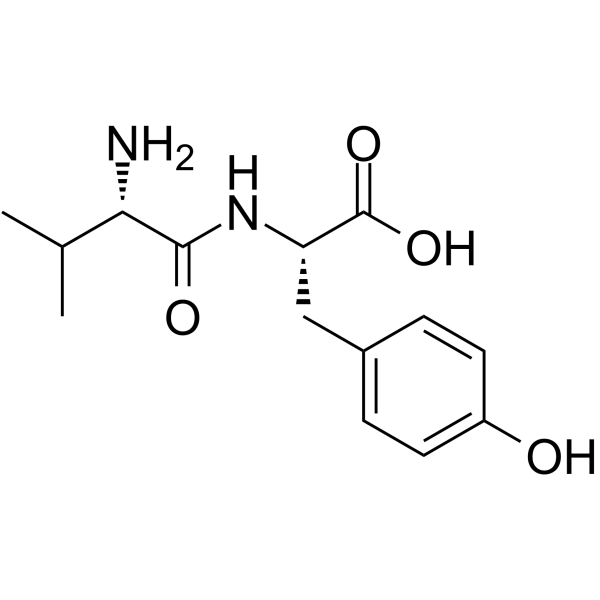
  • HY-W009338
    H-Val-Tyr-OH
    Inhibitor 99.11%
    H-Val-Tyr-OH (Val-Tyr) is a dipeptide formed by the connection of valine and tyrosine via a peptide bond. H-Val-Tyr-OH is a potential IKKα inhibitor and can be used in the research of cancer and inflammatory diseases.
    H-Val-Tyr-OH
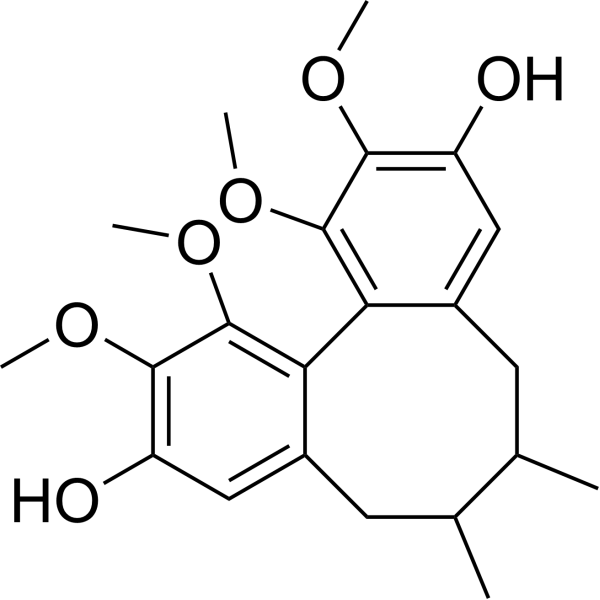
  • HY-N0385
    Gomisin J
    Inhibitor 99.97%
    Gomisin J is a Schisandra chinensis-derived lignan that can inhibit multiple targets such as eNOS, AMPK (LKB1, CaMKIIβ), fetuin-A, NF-κB, Nrf2/HO-1, and can pass through the blood-brain barrier. Gomisin J increases NO bioavailability by activating eNOS, regulates lipid metabolism by activating the AMPK pathway, inhibits fetuin-A and NF-κB to exert anti-inflammatory effects, and activates Nrf2/HO-1 to enhance antioxidant capacity. Gomisin J has the activities of anti-hypertension, regulating liver lipid metabolism, and reducing cerebral ischemia-reperfusion injury, and can be used for research on hypertension, non-alcoholic fatty liver disease, cerebral ischemia-reperfusion injury, etc.
    Gomisin J
  • HY-175674
    NGI-235
    Inhibitor 99.70%
    NGI-235 is an STT3A-selective oligosaccharyltransferase complex OST-A inhibitor. NGI-235 preferentially inhibits OST-A catalytic activity, impairing N-glycosylation of OST-A substrates. NGI-235 causes the hypoglycosylation of both TLR4, GLUT1 and inhibits NF-κB signaling. NGI-235 can be used for the research of inflammation.
    NGI-235
  • HY-19416
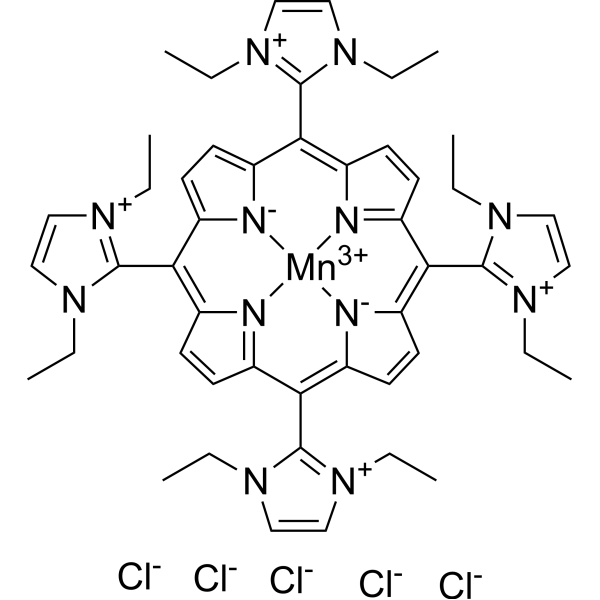
    AEOL-10150 pentachloride
    Modulator 98.0%
    AEOL-10150 pentachloride is a metalloporphyrin-catalyzed antioxidant and a superoxide dismutase mimetic. AEOL-10150 pentachloride scavenges ROS and RNS, and modulates the NF-κB signaling pathway. AEOL-10150 pentachloride has potent antioxidant and anti-inflammatory activities. AEOL-10150 pentachloride effectively mitigates tissue damage caused by radiation and chemical agents such as CEES (HY-W199190). AEOL-10150 pentachloride synergizes with radiotherapy to exert anticancer effects on prostate tumors.
    AEOL-10150 pentachloride
  • HY-B1971R
    Deltamethrin (Standard)
    Deltamethrin (Standard) is the analytical standard of Deltamethrin. This product is intended for research and analytical applications. Deltamethrin (Decamethrin) is an orally active synthetic pyrethroid insecticide. Deltamethrin induces oxidative stress and results in inflammation and apoptosis via inhibiting Nrf2/HO-1 pathway. Deltamethrin has an anticancer effect by inducing apoptosis. Deltamethrin can be used extensively in pest control.
    Deltamethrin (Standard)
Cat. No. Product Name / Synonyms Application Reactivity

NF-κB transcription factors are critical regulators of immunity, stress responses, apoptosis and differentiation. In mammals, there are five members of the transcription factor NF-κB family: RELA (p65), RELB and c-REL, and the precursor proteins NF-κB1 (p105) and NF-κB2 (p100), which are processed into p50 and p52, respectively. NF-κB transcription factors bind as dimers to κB sites in promoters and enhancers of a variety of genes and induce or repress transcription. NF-κB activation occurs via two major signaling pathways: the canonical and the non-canonical NF-κB signaling pathways[1]


The canonical NF-κB pathway is triggered by signals from a large variety of immune receptors, such as TNFR, TLR, and IL-1R, which activate TAK1. TAK1 then activates IκB kinase (IKK) complex, composed of catalytic (IKKα and IKKβ) and regulatory (NEMO) subunits, via phosphorylation of IKKβ. Upon stimulation, the IKK complex, largely through IKKβ, phosphorylates members of the inhibitor of κB (IκB) family, such as IκBα and the IκB-like molecule p105, which sequester NF-κB members in the cytoplasm. IκBα associates with dimers of p50 and members of the REL family (RELA or c-REL), whereas p105 associates with p50 or REL (RELA or c-REL). Upon phosphorylation by IKK, IκBα and p105 are degradated in the proteasome, resulting in the nuclear translocation of canonical NF-κB family members, which bind to specific DNA elements, in the form of various dimeric complexes, including RELA-p50, c-REL-p50, and p50-p50. Atypical, IKK-independent pathways of NF-κB induction also provide mechanisms to integrate parallel signaling pathways to increase NF-κB activity, such as hypoxia, UV and genotoxic stress.


The non-canonical NF-κB pathway is induced by certain TNF superfamily members, such as CD40L, BAFF and lymphotoxin-β (LT-β), which stimulates the recruitment of TRAF2, TRAF3, cIAP1/2 to the receptor complex. Activated cIAP mediates K48 ubiquitylation and proteasomal degradation of TRAF3, resulting in stabilization and accumulation of the NFκB-inducing kinase (NIK). NIK phosphorylates and activates IKKα, which in turn phosphorylates p100, triggering p100 processing, and leading to the generation of p52 and the nuclear translocation of p52 and RELB[2][3].


Reference:

[1]. Oeckinghaus A, et al. The NF-kappaB family of transcription factors and its regulation.Cold Spring Harb Perspect Biol. 2009 Oct;1(4):a000034. 
[2]. Taniguchi K, et al. NF-κB, inflammation, immunity and cancer: coming of age. Nat Rev Immunol. 2018 May;18(5):309-324.
[3]. Perkins ND,et al. Integrating cell-signalling pathways with NF-kappaB and IKK function. Nat Rev Mol Cell Biol. 2007 Jan;8(1):49-62.

Your Search Returned No Results.

Sorry. There is currently no product that acts on isoform together.

Please try each isoform separately.