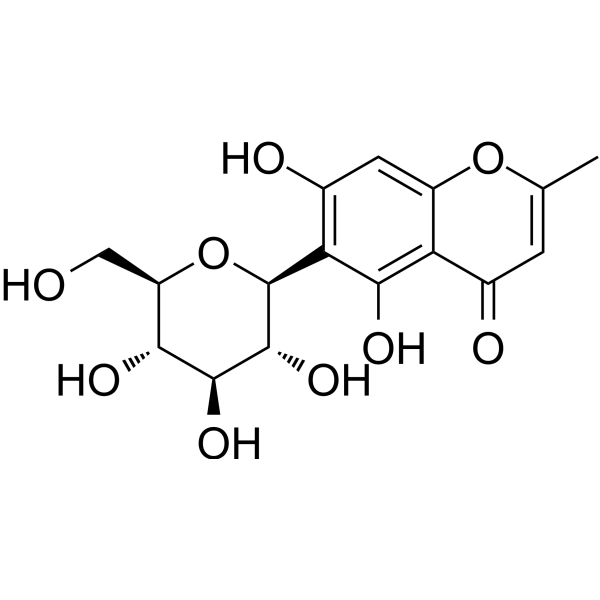
STAT
STAT is a family of cytoplasmic protein that regulates many aspects of growth, survival and differentiation in cells. The transcription factors of this family are activated by Janus kinase and dysregulation of this pathway is frequently observed in primary tumours and leads to increased angiogenesis, enhanced survival of tumours and immunosuppression. Gene knockout studies have provided evidence that STAT proteins are involved in the development and function of the immune system and play a role in maintaining immune tolerance and tumour surveillance. STAT proteins were originally described as latent cytoplasmic transcription factors that require phosphorylation for nuclear retention. The unphosphorylated STAT proteins shuttle between cytosol and the nucleus waiting for its activation signal. Once the activated transcription factor reaches the nucleus, it binds to consensus DNA-recognition motif called gamma-activated sites (GAS) in the promoter region of cytokine-inducible genes and activates transcription of these genes.
STAT Isoform Specific Products
All Product Categories
-
STAT Inhibitors
(716)
View all products
-
STAT Agonists
(9)
View all products
-
STAT Antagonists
(5)
View all products
-
STAT Activators
(78)
View all products
-
STAT Modulators
(23)
View all products
-
STAT Inducers
(2)
View all products
-
STAT Degraders
(26)
View all products
-
STAT Controls
(2)
View all products
-
STAT Ligands
(7)
View all products
-
STAT Related Products (931)
Related Products (931)

-
Antibodies (25)
-
STAT Isoform Comparison
-
Hsp110-STAT3 PPI-IN-1
 0 ImagesCat. No.: HY-Q43097CAS No.: 882582-26-5Row174336 (compound 29) is a potent inhibitor of Hsp110-STAT3 interaction that shows antiproliferative activity against HPAEC cell line, with the IC50 of 22.67 μM.
-
PF15 TFA
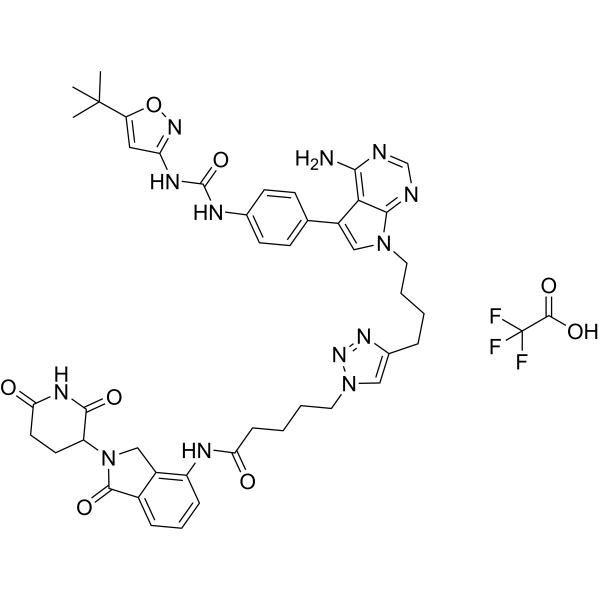 0 ImagesCat. No.: HY-143286APurity: 99.34%PF15 TFA is an orally active FLT3-ITD PROTAC degrader with a DC50 of 76.7 nM and an IC50 of 36 nM against FLT3-ITD. PF15 TFA induces FLT3-ITD protein degradation, thereby downregulating its phosphorylation level. PF15 TFA inhibits the proliferation of FLT3-ITD-positive cells and reduces the phosphorylation level of STAT5, a downstream molecule of FLT3-ITD. PF15 TFA exhibits efficacy in in vivo xenograft models of acute myeloid leukemia and prolongs survival. PF15 TFA can be used for the research of acute myeloid leukemia.
-
IFN-α Receptor Recognition Peptide 1 acetate
 0 ImagesCat. No.: HY-P1758APurity: 99.29%Synonyms: IRRP1 acetateIFN-α Receptor Recognition Peptide 1 acetate (IRRP1 acetate) is an amino acid synthetic peptide and also a regulator of IFN-α Receptor. IFN-α Receptor Recognition Peptide 1 acetate binds to IFNAR2, enhances the binding capacity of IFN-α receptor, and slightly increases the IFN-α-induced growth inhibitory activity. IFN-α Receptor Recognition Peptide 1 acetate inhibits IFN-α-induced STAT1 phosphorylation and STAT-DNA binding by blocking the activation of IFNAR by IFN-α. IFN-α Receptor Recognition Peptide 1 acetate increases the occupancy of IFN-α on cell surface receptors, enhances the phosphorylation activation of ISGF3, and elevates IFN-α-induced antiviral activity. IFN-α Receptor Recognition Peptide 1 acetate can be used in studies related to encephalomyocarditis virus infection.
-
Golotimod
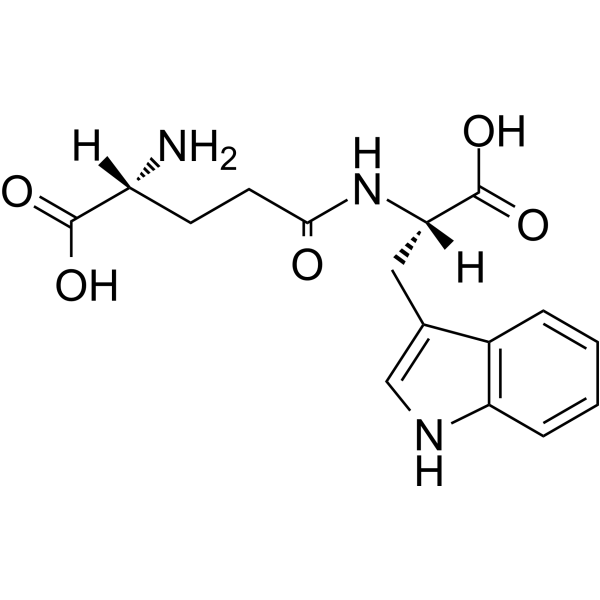 0 ImagesSynonyms: SCV 07; Gamma-D-glutamyl-L-tryptophanGolotimod (SCV-07), an immunomodulating peptide with antimicrobial activity, significantly increases the efficacy of antituberculosis therapy, stimulates thymic and splenic cell proliferation, and improves macrophage function. Golotimod (SCV-07) inhibits STAT3 signaling and modulates the duration and severity of oral mucositis in animal models that received radiation or a combination of radiation and Cisplatin. Golotimod (SCV-07) is also a potential therapeutic for recurrent genital herpes simplex virus type 2 (HSV-2).
-
ROCK2-IN-12
 0 ImagesROCK2-IN-12 (Compound A25) is a selective ROCK2 inhibitor with an IC50 of 7.0 nM for ROCK2 over ROCK1. ROCK2-IN-12 has potent antifibrotic effects via the TGF-β/Smad and ROCK2/STAT3 signaling pathways. ROCK2-IN-12 significantly reduces collagen deposition and reverses fibrotic progression in Bleomycin (HY-108345)-induced pulmonary fibrosis (PF) mouse models. ROCK2-IN-12 can be used for lung diseases like pulmonary fibrosis research.
-
STAT3-D11-PROTAC-VHL
 0 ImagesCat. No.: HY-172767STAT3-D11-PROTAC-VHL (Compound D11-PROTAC) is a PROTAC degrader targeting Signal Transducer and Activator of Transcription 3 (STAT3). STAT3-D11-PROTAC-VHL exhibits anti-tumor activity with IC50 values of 1335 nM and 1973 nM against HeLa and MCF-7 cells, respectively. STAT3-D11-PROTAC-VHL binds to the DNA-binding domain of STAT3 and recruits the E3 ligase VHL to form a ternary complex, leading to the ubiquitination of STAT3 and subsequent degradation by the proteasome. STAT3-D11-PROTAC-VHL also inhibits tumor cell growth, induces cell cycle arrest and apoptosis, and suppresses tumor immune evasion.
-
Liensinine perchlorate
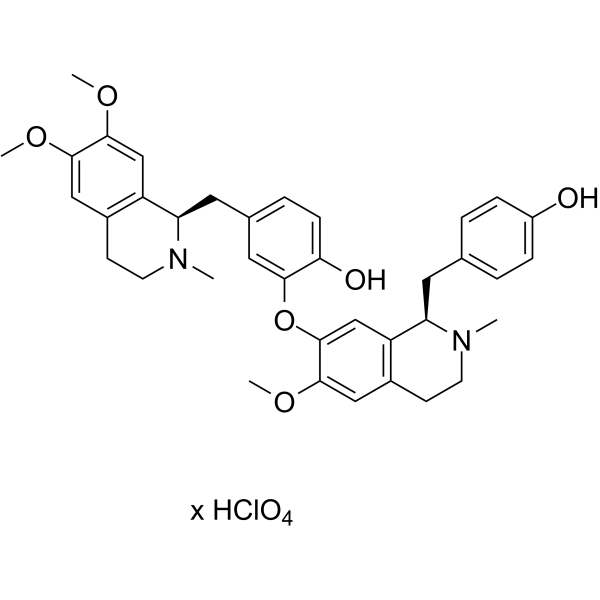 0 ImagesLiensinine perchlorate is a bisbenzylisoquinoline alkaloid. By inhibiting the PI3K/AKT and JNK/p38-MAPK signaling pathways, Liensinine perchlorate suppresses autophagy and apoptosis, clears Aβ, and exerts anti-inflammatory, antioxidant and neuroprotective effects. Liensinine perchlorate activates AMPK and inhibits the expression of HIF-1α and VEGF, thereby suppressing angiogenesis. Liensinine perchlorate exerts anti-tumor effects through ROS-mediated inhibition of the JAK2/STAT3 signaling pathway. Liensinine perchlorate can be used for the research of diseases such as Alzheimer's disease, hepatocellular carcinoma, osteosarcoma, sepsis-induced organ injury and stroke.

-
Niclosamide-13C6
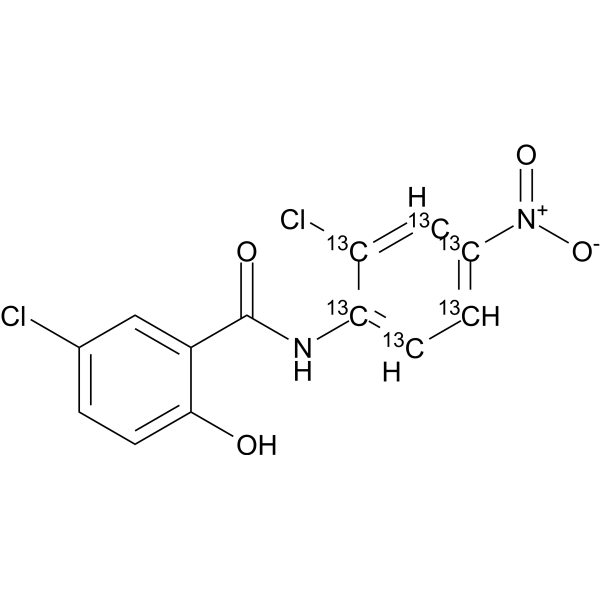 0 ImagesSynonyms: BAY2353-13C6Niclosamide-13C6 is the 13C6 labeled Niclosamide. Niclosamide (BAY2353) is an orally bioavailable chlorinated salicylanilide, with anthelmintic and potential antineoplastic activity. Niclosamide (BAY2353) inhibits STAT3 with IC50 of 0.25 μM in HeLa cells and inhibits DNA replication in a cell-free assay.
-
Enniatin B
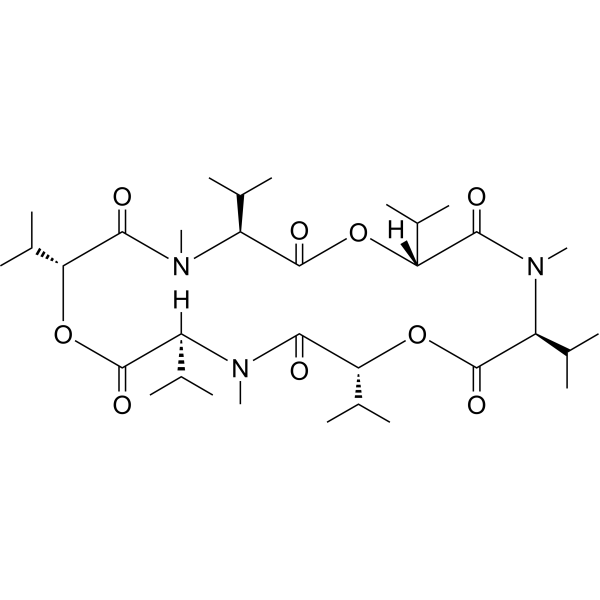 0 ImagesEnniatin B is a Fusarium mycotoxin that acts as an ionophore to form cation-selective membrane channels, disrupt ion homeostasis and mitochondrial function, inhibit cell proliferation, and induce apoptosis, while modulating ERK, p38 MAPK, and STAT3 signaling pathways. Enniatin B is used in research on atherosclerosis, hypercholesterolemia, cervical cancer, and colon adenocarcinoma.
-
IRAK4 modulator-2
 0 ImagesIRAK4 modulator-2 (Compound 5) is a selective dual Interleukin-1 Receptor Associated Kinase 4 (IRAK4) and IRAK1 inhibitor with IC50 values of 0.005 μM and 0.97 μM, erespectively. IRAK4 modulator-2 blocks IRAK-mediated signaling pathways (e.g., JAK-STAT, NF-κB pathways), reduces the production of pro-inflammatory cytokines (e.g., IL-1, TNF), and exerts anti-inflammatory activity. IRAK4 modulator-2 is promising for research of autoimmune diseases and inflammatory diseases, such as rheumatoid arthritis, psoriasis, inflammatory bowel disease.
-
Diminazene
 0 ImagesCat. No.: HY-W342283CAS No.: 536-71-0Diminazene is an antiparasitic agent widely used to treat parasitic diseases caused by hemoparasites (such as trypanosomes and babesia). Diminazene acts as an ACE2 activator and exerts cardiovascular protective effects by activating the ACE2/Ang-(1-7)/Mas receptor axis. By regulating gut microbiota-tryptophan metabolism, Diminazene inhibits the activation of core inflammatory signaling pathways including MAPK, STAT and NF-κB, increases central 5-HT levels, and suppresses splenic TNF-α production, thereby alleviating systemic inflammation.
-
STAT3-IN-52
 0 ImagesCat. No.: HY-177990CAS No.: 1556861-34-7STAT3-IN-52 is an orally active STAT3 inhibitor with a Ki value of 2.42 μM. STAT3-IN-52 binds directly and selectively to the pY705 site of STAT3 (Ki = 0.44 μM), thereby impairing its function. STAT3-IN-52 induces apoptosis and triggers anti-tumor responses in vivo. STAT3-IN-52 can be used in breast cancer-related research.
-
SD-91
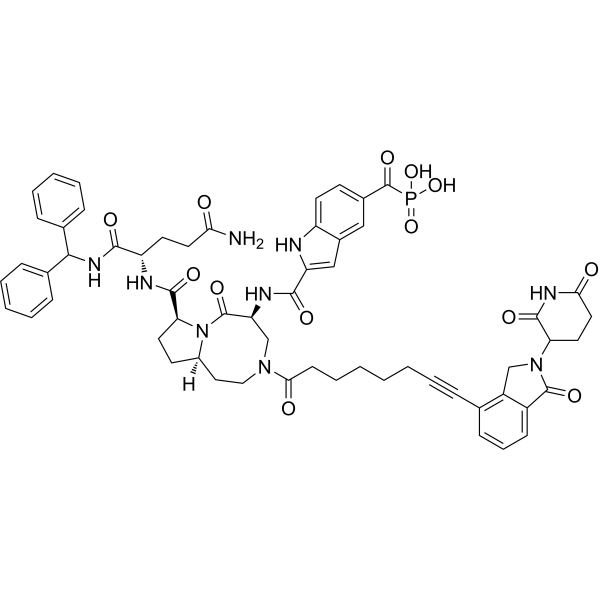 0 ImagesCat. No.: HY-150251CAS No.: 2497583-03-4Synonyms: STAT3 degrader-2SD-91 (STAT3 degrader-2), a product of the hydrolysis of SD-36 (HY-129602), is a selective PROTAC-based STAT3 degrader with a Ki of 5.5 nM. SD-91 displays >300-fold selectivity over other STAT family protein members. SD-91 potently induces degradation of STAT3 protein in cells. SD-91 has anticancer effects, such as myeloid leukemia, lymphoma (Pink: ligand for target protein (HY-150895); Black: linker; Blue: E3 ligase ligand; E3 ligase ligand+linker: HY-176506).
-
Ac-GpYLPQTV-NH2
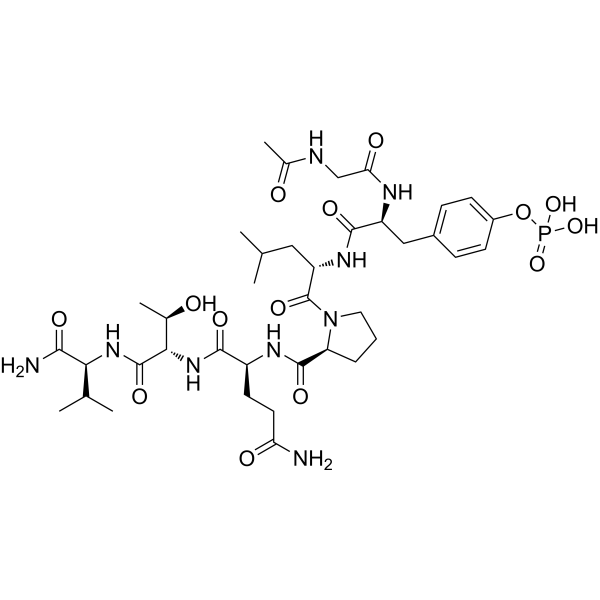 0 ImagesCat. No.: HY-P10201CAS No.: 1349616-70-1Ac-GpYLPQTV-NH2 is a STAT3 inhibitor with an IC50 value of 0.33 μM. Ac-GpYLPQTV-NH2 has antitumor activity.
-
iBFAR2
 0 ImagesCat. No.: HY-170393CAS No.: 353484-02-3
-
Gliquidone-d6
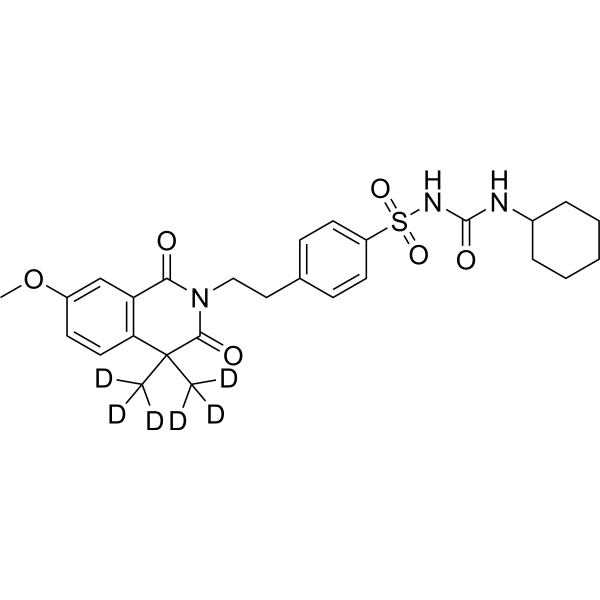 0 ImagesCat. No.: HY-B1114SSynonyms: AR-DF 26-d6Gliquidone-d6 (AR-DF 26-d6) is the deuterated-labeled Gliquidone (HY-B1114). Gliquidone can bind to the pancreatic β-cells and increases insulin release to regulate blood glucose levels. Gliquidone significantly decreases LPS (HY-D1056)-induced proinflammatory responses and inhibits ERK/STAT3/NF-κB phosphorylation in BV2 microglial cells. Gliquidone can suppress microgliosis, microglial hypertrophy mediated by LPS, and proinflammatory cytokine COX-2 and IL-6 levels in murine model. Gliquidone also exhibits good anticancer activity in lung carcinoma cells. Gliquidone has antioxidant property. Gliquidone can be studied in research for type 2 diabetes and cancers.
-
5-FAM-GpYLPQTV-NH2 TFA
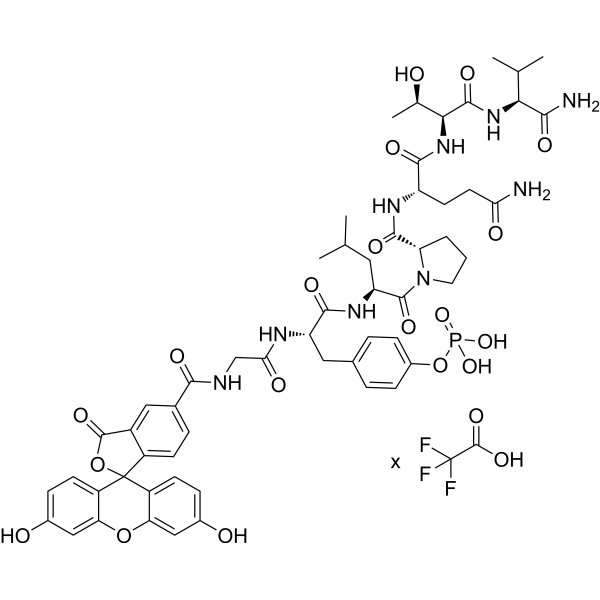 0 ImagesCat. No.: HY-P10202APurity: 98.17%
-
Fadeucravacitinib
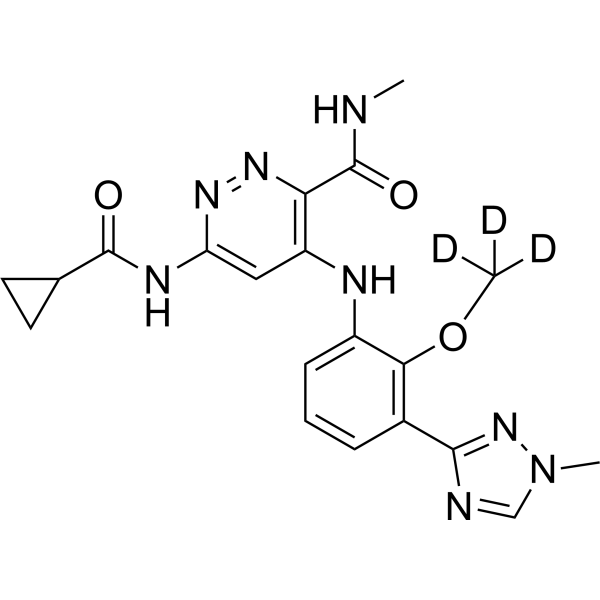 0 ImagesSynonyms: Tyk2-IN-8Fadeucravacitinib (Tyk2-IN-8) is an orally active selective TYK2 inhibitor with an IC50 of 5.7 nM against the JH2 pseudokinase domain. Fadeucravacitinib specifically binds to the TYK2 JH2 domain to exert allosteric inhibition, reduces JH1 kinase activity, and thereby blocks the TYK2/STAT pathway and pro-inflammatory signaling cascades. Fadeucravacitinib can be used in research related to inflammatory bowel disease.