1. Signaling Pathways
  2. Apoptosis
  3. TNF Receptor

TNF Receptor

Tumor Necrosis Factor Receptor; TNFR

Tumor necrosis factor (TNF) is a major mediator of apoptosis as well as inflammation and immunity, and it has been implicated in the pathogenesis of a wide spectrum of human diseases, including sepsis, diabetes, cancer, osteoporosis, multiple sclerosis, rheumatoid arthritis, and inflammatory bowel diseases.

TNF-α is a 17-kDa protein consisting of 157 amino acids that is a homotrimer in solution. In humans, the gene is mapped to chromosome 6. Its bioactivity is mainly regulated by soluble TNF-α–binding receptors. TNF-α is mainly produced by activated macrophages, T lymphocytes, and natural killer cells. Lower expression is known for a variety of other cells, including fibroblasts, smooth muscle cells, and tumor cells. In cells, TNF-α is synthesized as pro-TNF (26 kDa), which is membrane-bound and is released upon cleavage of its pro domain by TNF-converting enzyme (TACE).

Many of the TNF-induced cellular responses are mediated by either one of the two TNF receptors, TNF-R1 and TNF-R2, both of which belong to the TNF receptor super-family. In response to TNF treatment, the transcription factor NF-κB and MAP kinases, including ERK, p38 and JNK, are activated in most types of cells and, in some cases, apoptosis or necrosis could also be induced. However, induction of apoptosis or necrosis is mainly achieved through TNFR1, which is also known as a death receptor. Activation of the NF-κB and MAPKs plays an important role in the induction of many cytokines and immune-regulatory proteins and is pivotal for many inflammatory responses.

Cat. No. Product Name Effect Purity Chemical Structure
  • HY-156431
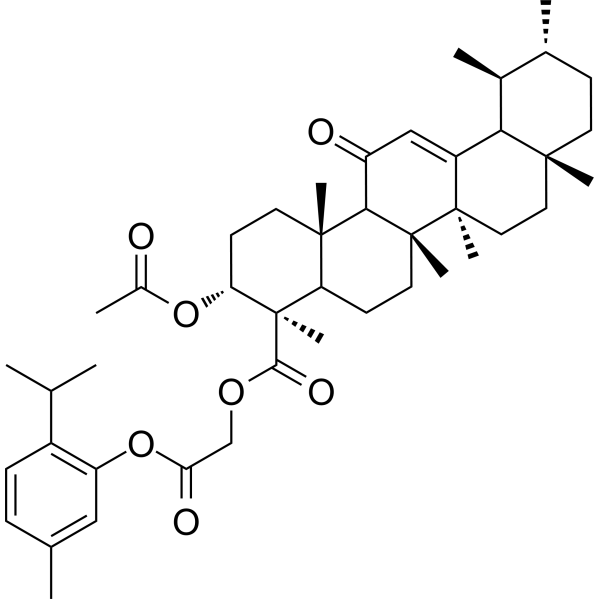
    Anti-inflammatory agent 61
    Inhibitor
    Anti-inflammatory agent 61 (Compound 5b) is a potent anti-inflammatory agent. Anti-inflammatory agent 61 reduces TNF-α expression in LPS-induced inflammation in RAW 264.7 cells. Anti-inflammatory agent 61 alleviates APAP-induced inflammation in HepG2 cells.
    Anti-inflammatory agent 61
  • HY-B1670
    (-)-Isoproterenol
    Inhibitor
    (-)-Isoproterenol (Levisoprenalinel) is the R-isomer of Isoproterenol. (-)-Isoproterenol can reduce the cleavage of caspase 3 and TNFα levels in retinal endothelial cells (REC). (-)-Isoproterenol can be used for the study of diabetic retinopathy.
    (-)-Isoproterenol
  • HY-181485
    GPR68 antagonist 1
    Inhibitor
    GPR68 antagonist 1 is a GPR68 antagonist with an IC50 of 81 nM. GPR68 antagonist 1 inhibits the mouse GPR68-mediated cAMP signaling pathway with an IC50 of 179 nM. GPR68 antagonist 1 alleviates disease symptoms in a dextran sulfate sodium (DSS) (HY-116282C)-induced mouse model of inflammatory bowel disease. GPR68 antagonist 1 is applicable to research related to inflammatory bowel disease.
    GPR68 antagonist 1
  • HY-113402B
    Gamma-glutamylcysteine ammonium
    Inhibitor
    Gamma-glutamylcysteine ammonium (γ-Glu-Cys ammonium) is an orally active, blood-brain barrier permeable dipeptide. Gamma-glutamylcysteine ammonium activates AMPK, SIRT1, IL-4/STAT6, AC/cAMP/PI3K, IGF-1R/IRS1/PI3K, and Nrf2 signaling pathways; it inhibits NF-κB, JAK1/STAT1/3, MAPKs, cadmium-induced p38 MAPK, JNK, and PI3K/Akt signaling pathways. Gamma-glutamylcysteine ammonium regulates macrophage polarization, modulates the trafficking of CD36 and GLUT4, induces glutathione synthesis, improves metabolic dysfunction, reduces lipid deposition, ameliorates glucose homeostasis, inhibits apoptosis (Apoptosis), stabilizes mitochondria, suppresses lipid peroxidation, iron accumulation and ferroptosis (Ferroptosis), reduces ds-HMGB1 levels, reverses mechanical hyperalgesia, and alleviates hepatic lipid droplet formation. Gamma-glutamylcysteine ammonium is applicable to research related to inflammatory bowel disease, type 2 diabetes, cadmium-induced neurotoxicity, Alzheimer's disease, cerebral ischemia/reperfusion injury, neuropathy, and alcoholic liver disease.
    Gamma-glutamylcysteine ammonium
  • HY-N12116
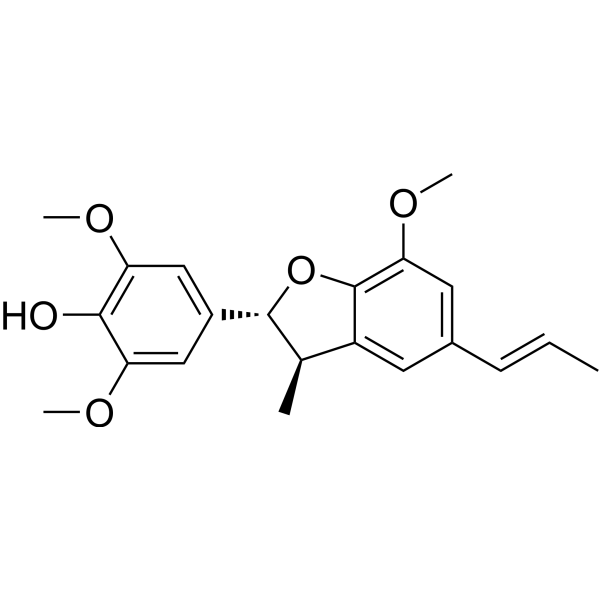
    Maceneolignan A
    Inhibitor
    Maceneolignan A is a natural product that can be isolated from mace, the aril of Myristica fragrans (Myristicaceae). Maceneolignan A inhibits the release of β-hexosaminidase in RBL-2H3 cells, with an IC50 of 48.4 μM. Maceneolignan A inhibits the release of TNF-α in antigen stimulated RBL-2H3 cells, with an IC50 of 63.7 μM.
    Maceneolignan A
  • HY-B1201R
    Tiratricol (Standard)
    Inhibitor
    Tiratricol (Standard) is the analytical standard of Tiratricol. This product is intended for research and analytical applications. Tiratricol is an orally available thyroid hormone analog that inhibits pituitary thyroid-stimulating hormone secretion. Tiratricol is an intracellular toxin neutralizer that inhibits LPS and lipid A cytotoxicity with IC50s of 20 μM and 32 μM, respectively. Tiratricol reduces TNF production in lipopolysaccharide-stimulated macrophages. Tiratricol also has antiviral activity and is an inhibitor of yellow fever virus (Flavivirus). It can bind to the RdRp domain of the viral NS5 protein to hinder YFV replication..
    Tiratricol (Standard)
  • HY-119420
    Acetoxycycloheximide
    Inhibitor
    Acetoxycycloheximide is an antibiotic with antitumor activity. Acetoxycycloheximide a protein synthesis inhibitor. Acetoxycycloheximide significantly induces activation of procaspase-3 and subsequent apoptosis mediated by the Cytochrome c from mitochondria via activation of JNK pathway. Acetoxycycloheximide triggers the downregulation of cell surface TNF-R1 via the activation of ERK and p38 MAPK, thereby preventing activation of the NF-κB signaling pathway by TNF-α. Acetoxycycloheximide is much more toxic to female rats than to males. Acetoxycycloheximide can be used for inflammatory and immune diseases and cancers research.
    Acetoxycycloheximide
  • HY-N15378
    β-Carotene-15,15'-epoxide
    Inhibitor
    β-carotene-15,15ʹ-epoxide is a XIAP antagonist with apoptosis-inducing and antitumor activity, found in the leaves of Spondias mombin. In a DMBA (HY-W011845)-induced rat model of breast cancer, β-carotene-15,15ʹ-epoxide binds to the BIR3 domain of the anti-apoptotic protein XIAP, blocking its interaction with caspase-9 and thereby promoting tumor cell apoptosis. In addition, β-carotene-15,15ʹ-epoxide significantly downregulates the expression of BCL-2, COX-2, and TNF-α in tumor tissues, reduces MDA levels, increases catalase activity, and modulates serum levels of LDH, ALP, and ALT, demonstrating strong antioxidant, anti-inflammatory, and metabolic protective effects. β-carotene-15,15ʹ-epoxide may be used in research on inflammation-related conditions and cancers such as breast cancer.
    β-Carotene-15,15'-epoxide
  • HY-N14780
    Pochonin D
    Inhibitor
    Pochonin D ((+)-Pochonin D) is an inhibitor of heat shock protein 90 (Hsp90) with antiviral and anti-inflammatory activities. Pochonin D inhibits Hsp90, affects the homeostasis, folding and assembly processes of viral proteins, and reduces the replication capacity of viruses. Pochonin D is a copper ion carrier that can induce cuproptosis in triple-negative breast cancer cells by targeting PRDX1. Pochonin D reduces the infiltration of inflammatory cells, decreases the secretion of inflammatory cytokines such as TNF-α and IL-1β, and alleviates inflammatory responses. Pochonin D is a promising candidate for research on human rhinovirus (HRV) infection and cancer.
    Pochonin D
  • HY-160121
    Patrinoside aglucone
    Inhibitor
    Patrinoside aglucone (Compound 8) is an iridoid glucoside that can be isolated from the Valeriana tuberosa. Patrinoside aglucone has potent anticancer activity with G2/M phase tumor cell cycle arrest and apoptosis induction. Patrinoside aglucone also significantly inhibits the proliferation of cancer stem cells (such as MDA-MB-231 and U-251MG cells). Patrinoside aglucone has great anti-inflammatory activity by inhibiting NO release (IC50: 43.44 μM) and significantly reduces the level of TNF-α, IL-1β, IL-6, PGE2 and COX-2.
    Patrinoside aglucone
  • HY-101170R
    BU224 hydrochloride (Standard)
    Inhibitor
    BU224 (hydrochloride) (Standard) is the analytical standard of BU224 (hydrochloride). This product is intended for research and analytical applications. BU224 hydrochloride is a selective and high affinity imidazoline I2 receptor ligand, with a Ki of 2.1 nM. BU224 hydrochloride is sometimes used as an I2 receptor antagonist. BU224 hydrochloride exerts neuroprotective effects, with anti-inflammatory and anti-apoptotic properties. BU224 hydrochloride improves memory in 5XFAD mice, enlarging dendritic spines and reducing Aβ-induced changes in NMDARs. BU224 hydrochloride can be used for Alzheimer's disease research.
    BU224 hydrochloride (Standard)
  • HY-110343
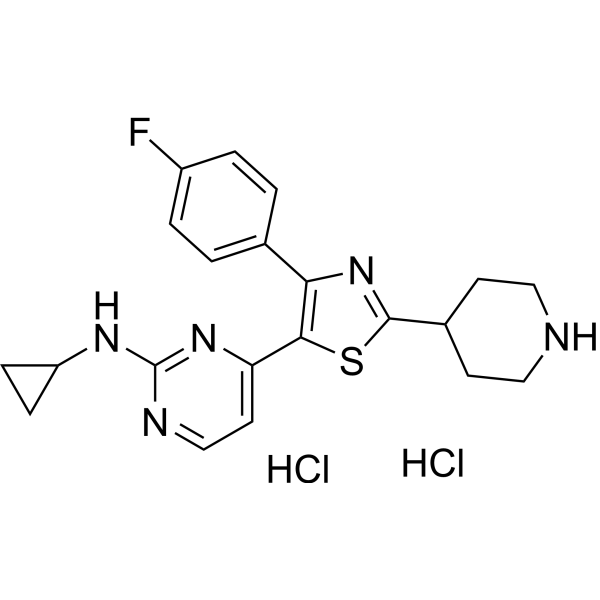
    DBM 1285 dihydrochloride
    Inhibitor
    DBM 1285 dihydrochloride is an orally active TNF-α production inhibitor with anti-inflammatory effects. DBM 1285 dihydrochloride inhibits Lipopolysaccharide (LPS)-induced TNF-α secretion in various cells of macrophage/monocyte lineage.
    DBM 1285 dihydrochloride
  • HY-13812R
    QNZ (Standard)
    Inhibitor
    QNZ (Standard) is the analytical standard of QNZ. This product is intended for research and analytical applications. QNZ (EVP4593) shows strong inhibitory effects on NF-κB transcriptional activation and TNF-α production with IC50s of 11 and 7 nM, respectively. QNZ (EVP4593) is a neuroprotective inhibitor of SOC channel.
    QNZ (Standard)
  • HY-N10379
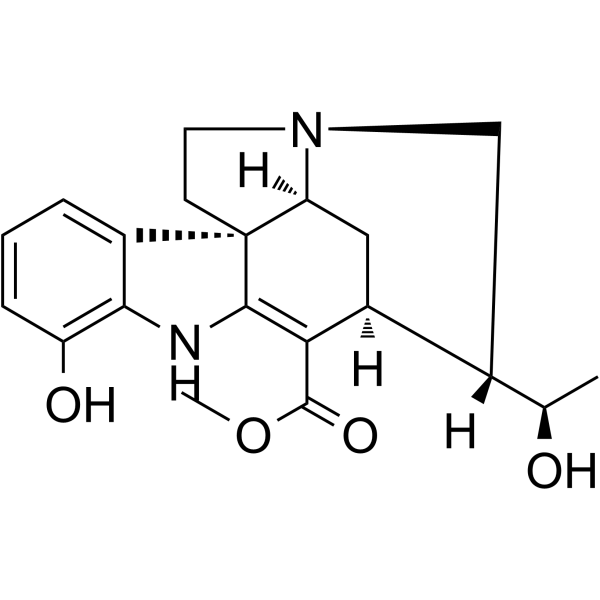
    19-epi-Scholaricine
    Inhibitor 99.14%
    19-epi-Scholaricine is an orally active indole alkaloid. 19-epi-Scholaricine downregulates the expression of profibrotic/apoptotic proteins (HRAS, HSP90AA1, KDR) and upregulates the expression of cell cycle-related protein (CDK2). 19-epi-Scholaricine suppresses ROS production and reduces the release of inflammatory mediators, thereby attenuating podocyte apoptosis, renal inflammation and oxidative stress by inhibiting AKT/mTOR. 19-epi-Scholaricine can be used in the research of chronic glomerulonephritis and membranous nephropathy.
    19-epi-Scholaricine
  • HY-107390AR
    AX-024 hydrochloride (Standard)
    Inhibitor
    AX-024 hydrochloride (Standard) is the analytical standard of AX-024 (hydrochloride) (HY-107390A). This product is intended for research and analytical applications. AX-024 hydrochloride is an orally available, first-in-class inhibitor of the TCR-Nck interaction that selectively inhibits TCR-triggered T cell activation with an IC50 ~1 nM. AX-024 hydrochloride modulates cell signaling by targeting SH3 domains. AX-024 hydrochloride has low-acute toxicity and high potency and selectivity, and strongly inhibit the production of IL-6, TNF-α, IFN-γ, IL-10 and IL-17A.
    AX-024 hydrochloride (Standard)
  • HY-118734
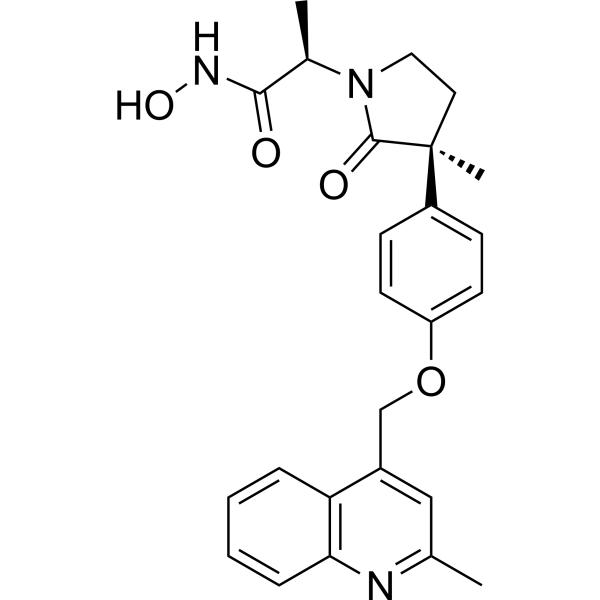
    IK-862
    Inhibitor
    IK-862 is a selective inhibitor of TACE.
    IK-862
  • HY-119307R
    Apratastat (Standard)
    Inhibitor
    Apratastat (Standard) is the analytical standard of Apratastat. This product is intended for research and analytical applications. Apratastat (TMI-005) is an orally active, non-selective and reversible TACE/MMPs inhibitor, can inhibit inhibit the release of TNF-α. Apratastat has the potential to overcome radiotherapy-resistance in non-small cell lung cancer (NSCLC). Apratastat is a click chemistry reagent, it contains an Alkyne group and can undergo copper-catalyzed azide-alkyne cycloaddition (CuAAc) with molecules containing Azide groups.
    Apratastat (Standard)
  • HY-N10782
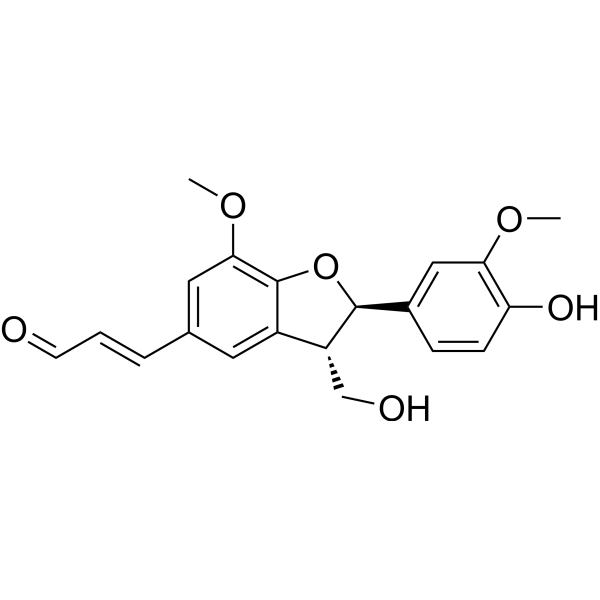
    Balanophonin
    Inhibitor
    Balanophonin is an anti-inflammatory and anti-cancer agent. Balanophonin inhibits microglial activation and neurodegeneration via inhibiting activated microglia-induced apoptosis.
    Balanophonin
  • HY-N8712R
    Umckalin (Standard)
    Inhibitor
    Umckalin (Standard) is the analytical standard of Umckalin (HY-N8712). Umckalin is Coumarin (HY-N0709) derivative that exhibits anti-inflammatory properties. Umckalin reduces phosphorylation of p38 MAPK, JNK, and ERK, lowers TNF-α, IL-6, IL-1β, NO, and PGE2 production. Umckalin can be used for the research of chronic inflammatory diseases.
    Umckalin (Standard)
  • HY-102040R
    Hispidol (Standard)
    Inhibitor
    Hispidol (Standard) is the analytical standard of Hispidol. This product is intended for research and analytical applications. Hispidol ((Z)-Hispidol) is a potential therapeutic for inflammatory bowel disease; inhibits TNF-α induced adhesion of monocytes to colon epithelial cells with an IC50 of 0.50 μM.
    Hispidol (Standard)
Cat. No. Product Name / Synonyms Species Source
Cat. No. Product Name / Synonyms Application Reactivity

Following the binding of TNF to TNF receptors, TNFR1 binds to TRADD, which recruits RIPK1, TRAF2/5 and cIAP1/2 to form TNFR1 signaling complex I; TNFR2 binds to TRAF1/2 directly to recruit cIAP1/2. Both cIAP1 and cIAP2 are E3 ubiquitin ligases that add K63 linked polyubiquitin chains to RIPK1 and other components of the signaling complex. The ubiquitin ligase activity of the cIAPs is needed to recruit the LUBAC, which adds M1 linked linear polyubiquitin chains to RIPK1. K63 polyubiquitylated RIPK1 recruits TAB2, TAB3 and TAK1, which activate signaling mediated by JNK and p38, as well as the IκB kinase complex. The IKK complex then activates NF-κB signaling, which leads to the transcription of anti-apoptotic factors-such as FLIP and Bcl-XL-that promote cell survival. 


The formation of TNFR1 complex IIa and complex IIb depends on non-ubiquitylated RIPK1. For the formation of complex IIa, ubiquitylated RIPK1 in complex I is deubiquitylated by CYLD. This deubiquitylated RIPK1 dissociates from the membrane-bound complex and moves into the cytosol, where it interacts with TRADD, FADD, Pro-caspase 8 and FLIPL to form complex IIa. By contrast, complex IIb is formed when the RIPK1 in complex I is not ubiquitylated owing to conditions that have resulted in the depletion of cIAPs, which normally ubiquitylate RIPK1. This non-ubiquitylated RIPK1 dissociates from complex I, moves into the cytosol, and assembles with FADD, Pro-caspase 8, FLIPL and RIPK3 (but not TRADD) to form complex IIb. For either complex IIa or complex IIb to prevent necroptosis, both RIPK1 and RIPK3 must be inactivated by the cleavage activity of the Pro-caspase 8-FLIPL heterodimer or fully activated caspase 8. The Pro-caspase 8 homodimer generates active Caspase 8, which is released from complex IIa and complex IIb. This active Caspase 8 then carries out cleavage reactions to activate downstream executioner caspases and thus induce classical apoptosis. 


Formation of the complex IIc (necrosome) is initiated either by RIPK1 deubiquitylation mediated by CYLD or by RIPK1 non-ubiquitylation due to depletion of cIAPs, similar to complex IIa and complex IIb formation. RIPK1 recruits numerous RIPK3 molecules. They come together to form amyloid microfilaments called necrosomes. Activated RIPK3 phosphorylates and recruits MLKL, eventually leading to the formation of a supramolecular protein complex at the plasma membrane and necroptosis [1][2].


Reference:
[1]. Brenner D, et al. Regulation of tumour necrosis factor signalling: live or let die.Nat Rev Immunol. 2015 Jun;15(6):362-74. 
[2]. Conrad M, et al. Regulated necrosis: disease relevance and therapeutic opportunities.Nat Rev Drug Discov. 2016 May;15(5):348-66. 
 

Your Search Returned No Results.

Sorry. There is currently no product that acts on isoform together.

Please try each isoform separately.