



Myristicaceae
-
Myristicaceae (30)

- 1
- 2
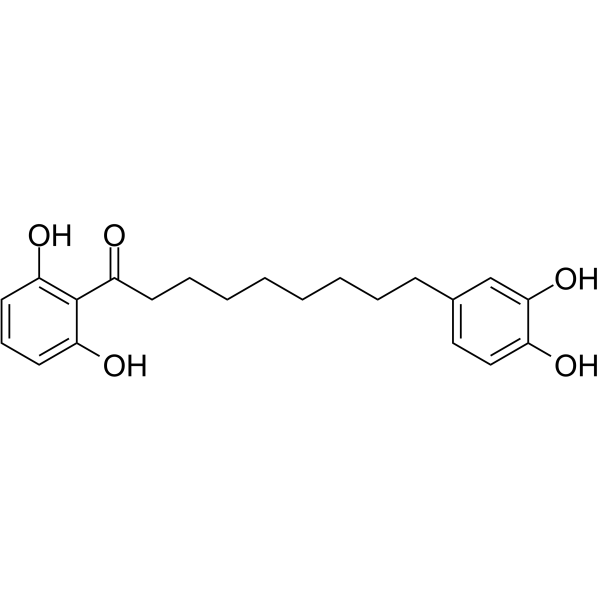
- Formula: C21H26O5
- Molecular Weight: 358.43
Malabaricone C is an orally active and noncompetitive sphingomyelin synthase (SMS) inhibitor with IC50 values of 3 μM and 1.5 μM for SMS 1 and SMS 2, respectively. Malabaricone C reduces body weight gain, improves glucose tolerance, and decreases lipid accumulation in the liver, showing significant prevention of high fat diet-induced fatty liver in mice. Malabaricone C has anti-inflammatory effects, which is found in the fruits of Myristica cinnamomea King. Malabaricone C is promising for research of obesity and immunological disorders caused due to hyper-activation of T-cells.
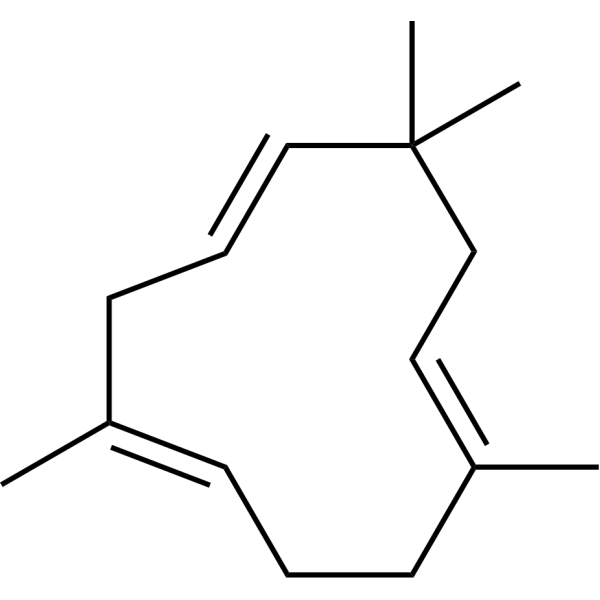
- Formula: C15H24
- Molecular Weight: 204.35
α-Humulene is a main constituent of Tanacetum vulgare L. (Asteraceae) essential oil with anti-inflammation (IC50=15±2 μg/mL). α-Humulene inhibits COX-2 and iNOS expression.
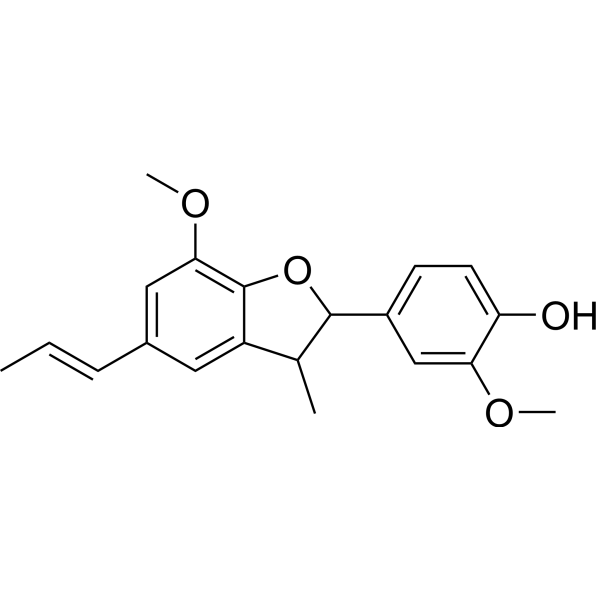
- Formula: C20H22O4
- Molecular Weight: 326.39
Dehydrodiisoeugenol is an orally active anti-inflammatory and anti-tumor agent. Dehydrodiisoeugenol inhibits the proliferation of colorectal cancer cells, and induces apoptosis, autophagy, endoplasmic reticulum stress and cell cycle arrest. Dehydrodiisoeugenol also exerts anti-inflammatory effects by inhibiting the activation of NF-κB and the expression of COX-2. Dehydrodiisoeugenol can be used in the research related to colorectal cancer, inflammatory diseases and ulcerative colitis.
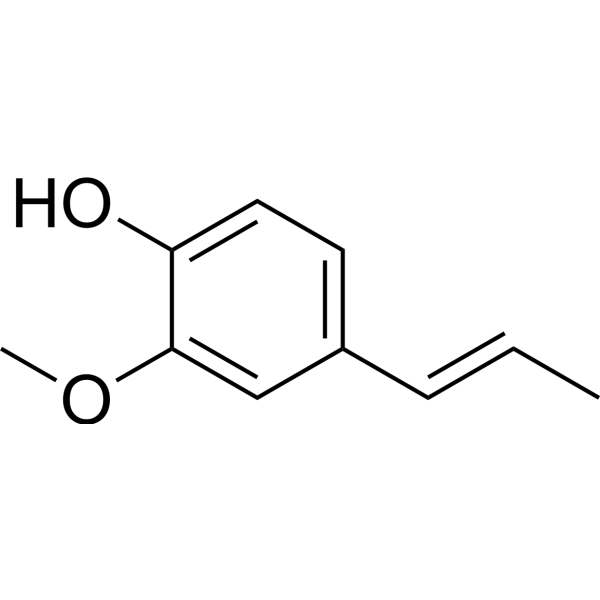
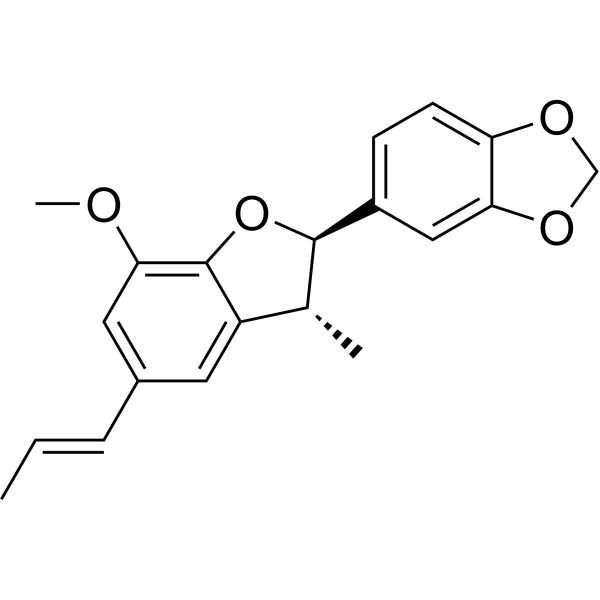
- Formula: C20H20O4
- Molecular Weight: 324.37
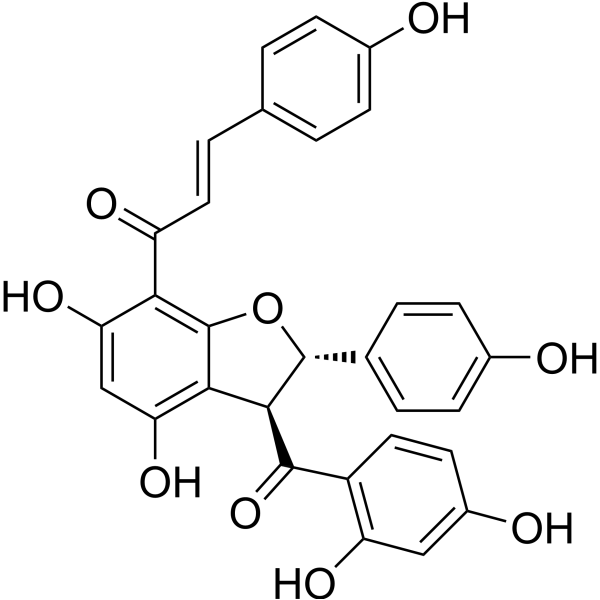
- Formula: C30H22O9
- Molecular Weight: 526.49
2,3-Dihydrocalodenin B (Compound 6) is a compound that can be isolated from Knema globularia. 2,3-Dihydrocalodenin B is a potent and non-competitive inhibitor against α-glucosidase and α-amylase, with IC50 values of 1.1 and 2.6 μM, respectively. 2,3-Dihydrocalodenin B can be used for the research of diabetes.


- Formula: C11H12O3
- Molecular Weight: 192.21
Croweacin is a phenylpropanoid compound found in Myristica fragrans Houtt and other species, with antibacterial and corrosion-inhibiting activities. Croweacin acts as a corrosion inhibitor by providing or donating electrons to the brass surface to form a protective layer that blocks aggressive ions. Croweacin can be used in research related to green corrosion inhibitors.
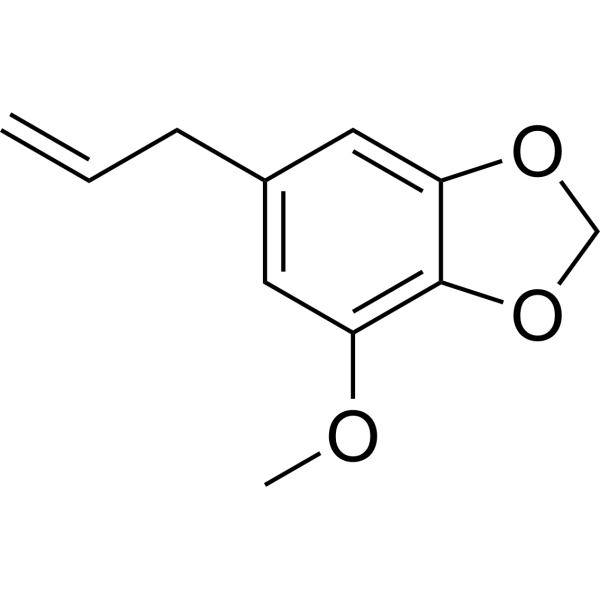
- Formula: C11H12O3
- Molecular Weight: 192.21
Myristicine is an orally bioavailable serotonin receptor antagonist and weak monoamine oxidase (MAO) inhibitor. Myristicine also exerts anti-cancer effects on gastric cancer cells by inhibiting the EGFR/ERK signaling pathway. Myristicine is the main component of nutmeg essential oil and has anti-cancer, anti-proliferative, antibacterial, anti-inflammatory and apoptosis-inducing effects. Myristicine abuse can produce hallucinogenic effects, organ damage, etc.
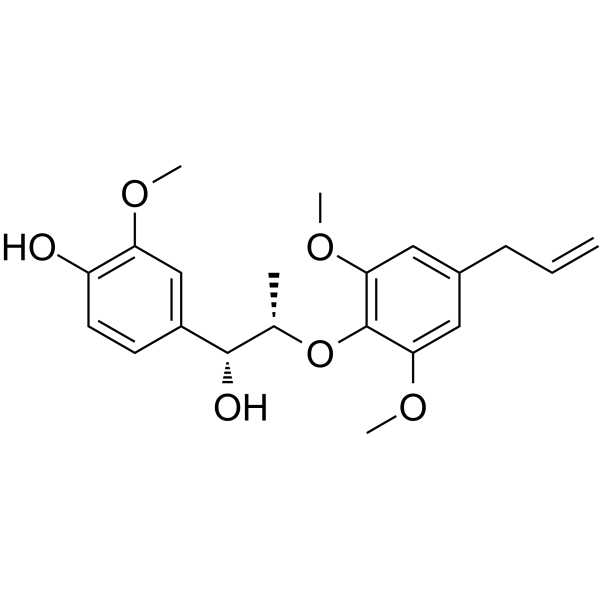
- Formula: C21H26O6
- Molecular Weight: 374.43
Myrislignan is a PI3K/AKT/NF-κB inhibitor that can cross the blood-brain barrier. Myrislignan exerts anticancer activity by inducing apoptosis and ferroptosis. Myrislignan inhibits the replication and invasion of Toxoplasma gondii; it induces reactive oxygen species (ROS) imbalance, autophagy, and the death of Toxoplasma gondii tachyzoites. Myrislignan inhibits mitochondrial function and ERK1/2 phosphorylation to improve ovariectomy-induced osteoporosis. Myrislignan can be used in studies related to gastric cancer, glioblastoma, osteoporosis, and toxoplasmosis.
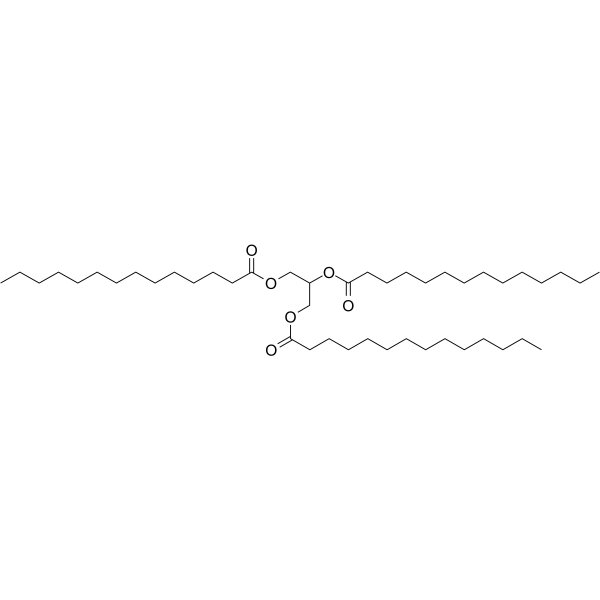
- Formula: C45H86O6
- Molecular Weight: 723.16
Trimyristin is an orally active compound. Trimyristin can be isolated from the seeds of nutmeg (Myristica fragrans). Trimyristin inhibits the activities of acetylcholinesterase (AChE), ACP and ALP, with IC50 values of 0.11, 0.16 and 0.18 mM, respectively. Trimyristin exerts competitive-noncompetitive inhibition on acetylcholinesterase, uncompetitive inhibition on ACP, and competitive/noncompetitive inhibition on ALP. Trimyristin restores the downregulated acetylcholinesterase concentration in the cerebral cortex of rats exposed to sodium arsenite. Trimyristin can be used in studies related to fascioliasis and neurotoxicity.

- Formula: C₁₄H₂₈O₂
- Molecular Weight: 228.37
Myristic acid (Standard) is the analytical standard of Myristic acid. This product is intended for research and analytical applications. Myristic acid is an orally active saturated 14-carbon fatty acid found in most animal and plant fats, especially milk fat coconut oil, palm oil and nutmeg oil. Myristic acid exerts anti-inflammatory activity through the NF-κB pathway. Myristic acid has antibacterial, anti-inflammatory and analgesic properties.
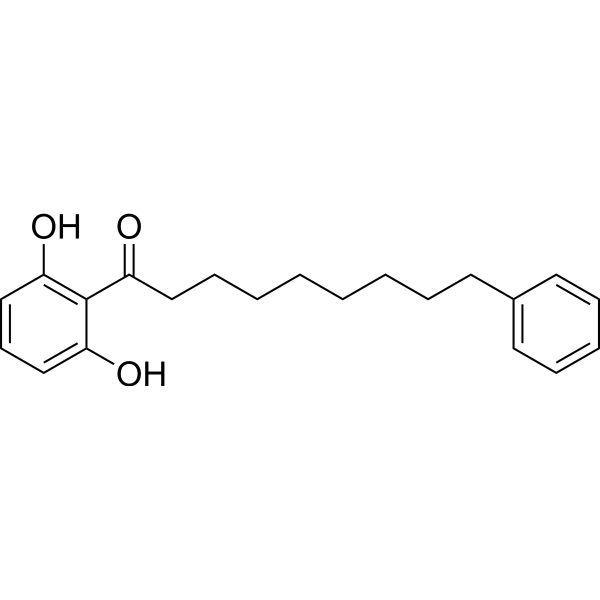
- Formula: C21H26O3
- Molecular Weight: 326.43
Malabaricone Ais a natural product isolated fromM. malabarica.
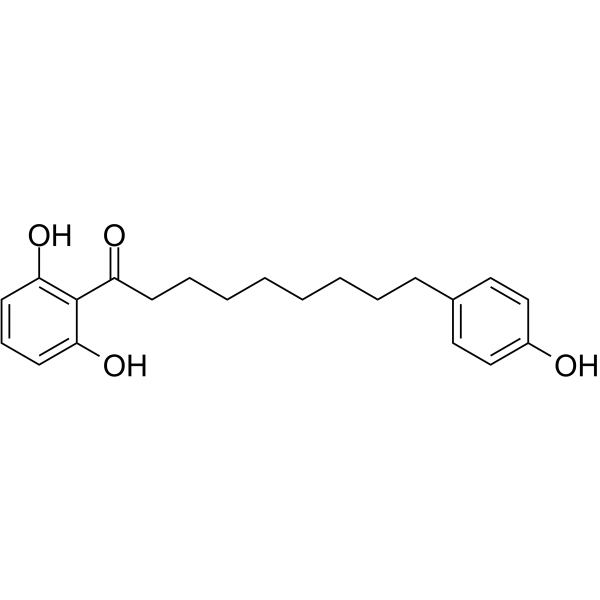
- Formula: C21H26O4
- Molecular Weight: 342.43
Malabaricone B, a naturally occurring plant phenolic, is an orally active α-glucosidase inhibitor with an IC50 of 63.7 µM. Malabaricone B has anticancer, antimicrobial, anti-oxidation and antidiabetic activities.

- Formula: C33H40O7
- Molecular Weight: 548.67
Myristinin B/C is a mixture of Myristinin B and Myristinin C. Myristinin B/C is a flavan compound found in Horsfieldia amygdaline and Myristica cinnamomea. Myristinin B/C can selectively inhibit COX-2 activity with an IC50 of 2.1 μg/mL. Myristinin B/C can reduce the production of prostaglandin E2 (PGE2) and inhibit phospholipase A2 (PLA2), thereby blocking the release of inflammatory mediators. Myristinin B/C can inhibit Candida albicans with an IC50 of 6 μg/mL. Myristinin B/C can be used for the research of inflammation and infection, such as rheumatoid arthritis.

- Formula: C33H40O7
- Molecular Weight: 548.67
Myristinin A (YM 26567-1) is a trans-isomer flavan compound found in Horsfieldia amygdaline and Myristica cinnamomea. Myristinin A can selectively inhibit COX-2 activity with an IC50 of 16.9 μg/mL. Myristinin A can reduce the production of prostaglandin E2 (PGE2) and inhibit phospholipase A2 (PLA2), thereby blocking the release of inflammatory mediators. Myristinin A can inhibit Candida albicans with an IC50 of 8.8 μg/mL. Myristinin A can be used for the research of inflammation and infection, such as rheumatoid arthritis.

- Formula: C20H20O5
- Molecular Weight: 340.37
Galbacin ((3S)-Zuonin A), the epimer of (-)-Zuonin A (HY-N7394A), is a AMPK activator. Galbacin can be isolated from Myristica fragrans (nutmeg). Galbacin stimulates AMPK enzyme in differentiated C2C12 cells. Galbacin also has anticancer activity, and inhibits the proliferation of lymphocyte and tumor cells. Galbacin prevents weight gain in diet-induced mice model. Galbacin can be used for metabolic syndrome (including obesity and type-2 diabetes) and caners research.

- Formula: C₁₁H₁₂O₃
- Molecular Weight: 192.21
Myristicin (Standard) is the analytical standard of Myristicin. This product is intended for research and analytical applications. Myristicine is an orally bioavailable serotonin receptor antagonist and weak monoamine oxidase (MAO) inhibitor. Myristicine also exerts anti-cancer effects on gastric cancer cells by inhibiting the EGFR/ERK signaling pathway. Myristicine is the main component of nutmeg essential oil and has anti-cancer, anti-proliferative, antibacterial, anti-inflammatory and apoptosis-inducing effects. Myristicine abuse can produce hallucinogenic effects, organ damage, etc.
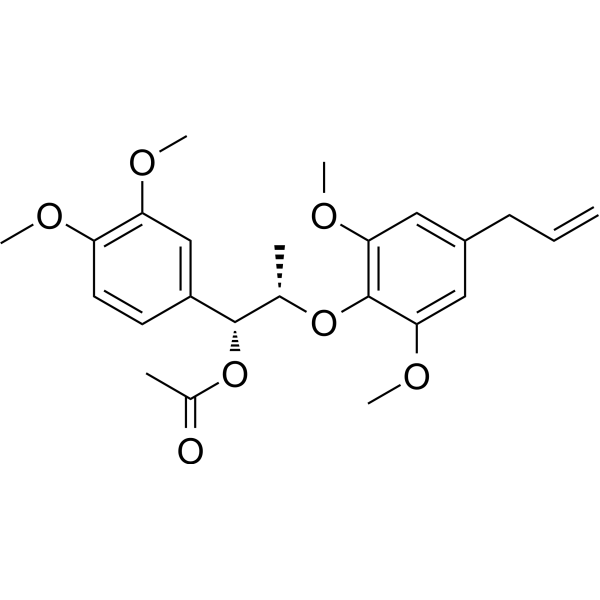
- Formula: C24H30O7
- Molecular Weight: 430.49
Maceneolignan H (Compound 8) is a neolignane compound isolated from the arils of Myristica fragrans. Maceneolignan H is a selective CCR3 antagonist (EC50 = 1.4 μM). Maceneolignan H has the potential for the research of allergic diseases.
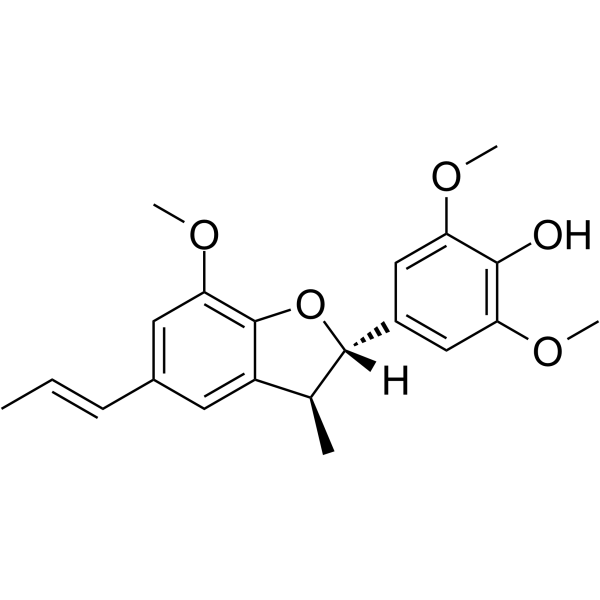
- Formula: C21H24O5
- Molecular Weight: 356.41
Odoratisol A is found in Myristica fragrans.
- 1
- 2



