



Dehydrodiisoeugenol
Based on 4 publication(s) in Google Scholar
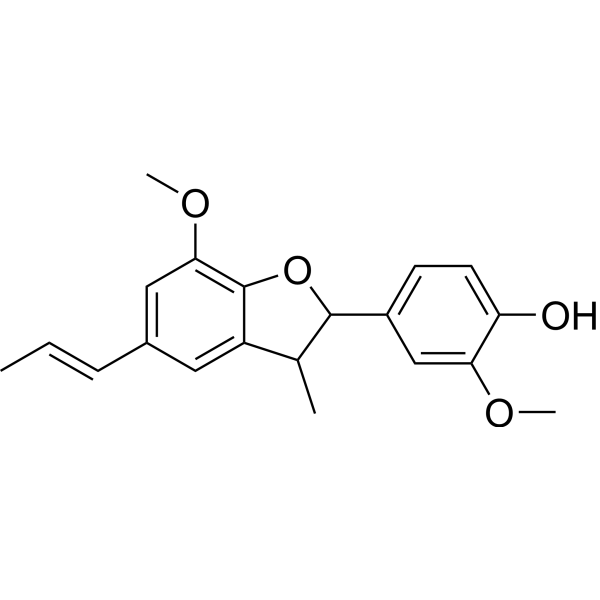
Dehydrodiisoeugenol is an orally active anti-inflammatory and anti-tumor agent. Dehydrodiisoeugenol inhibits the proliferation of colorectal cancer cells, and induces apoptosis, autophagy, endoplasmic reticulum stress and cell cycle arrest. Dehydrodiisoeugenol also exerts anti-inflammatory effects by inhibiting the activation of NF-κB and the expression of COX-2. Dehydrodiisoeugenol can be used in the research related to colorectal cancer, inflammatory diseases and ulcerative colitis.
For research use only. We do not sell to patients.
- Purity : 99.98%
- CAS No.: 2680-81-1
- Formula: C20H22O4
- Molecular Weight:326.39
-
Storage:Powder -20°C, 3 years , 4°C, 2 years ; In solvent -80°C, 6 months , -20°C, 1 month

To place orders, for customer services and technical support, please contact: MedChemExpress USA
Tel: 609-228-6898 E-mail: [email protected] [email protected]


-
 Biological Activity
-
Chemical Information
-
Solvent & Solubility
- Protocols
- Purity & Documentation
- References
-
 Help & FAQs


-
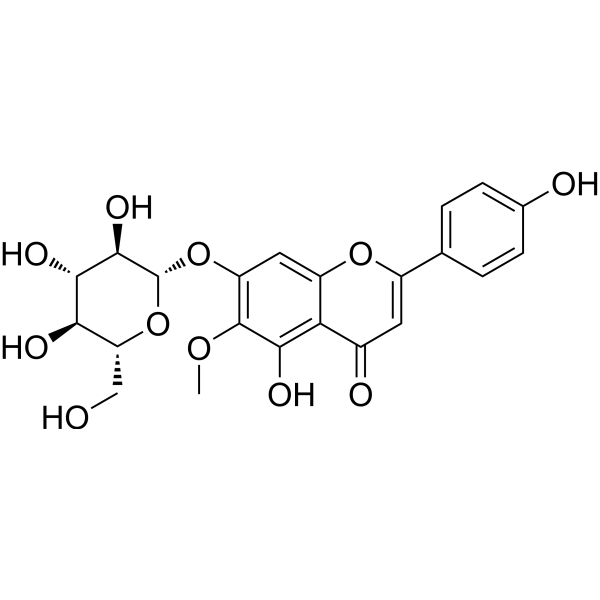
HY-N1949
HomoplantagininAnti-inflammatory Agent -
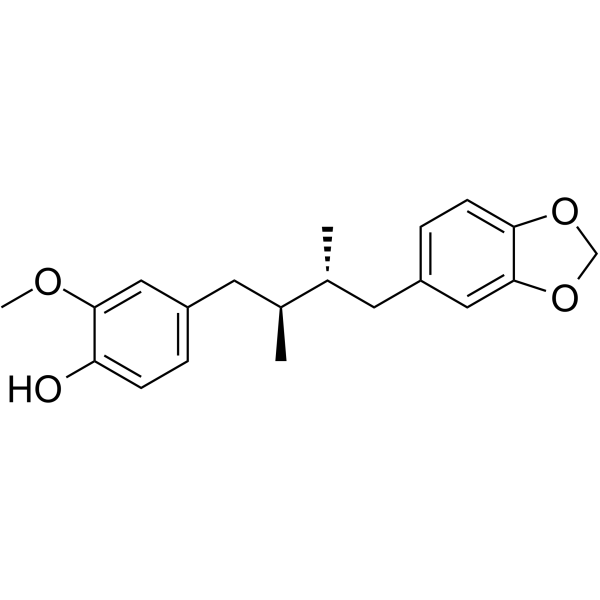
HY-N0064
MacelignanBioactive Lignan -
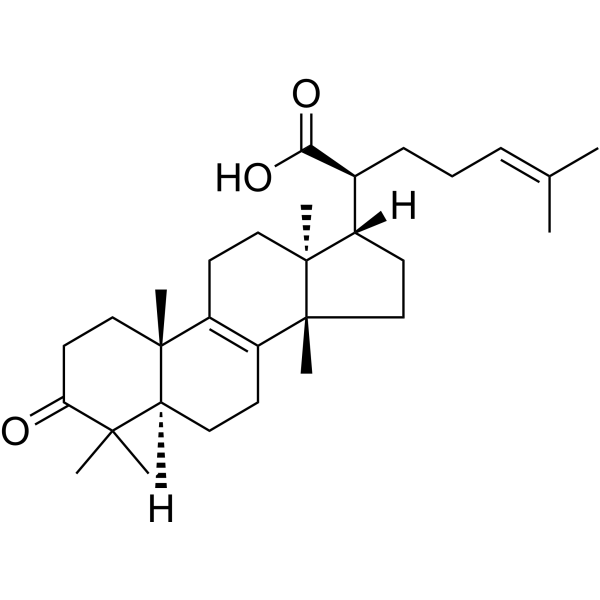
HY-N2454
β-Elemonic acidCOX Activator -
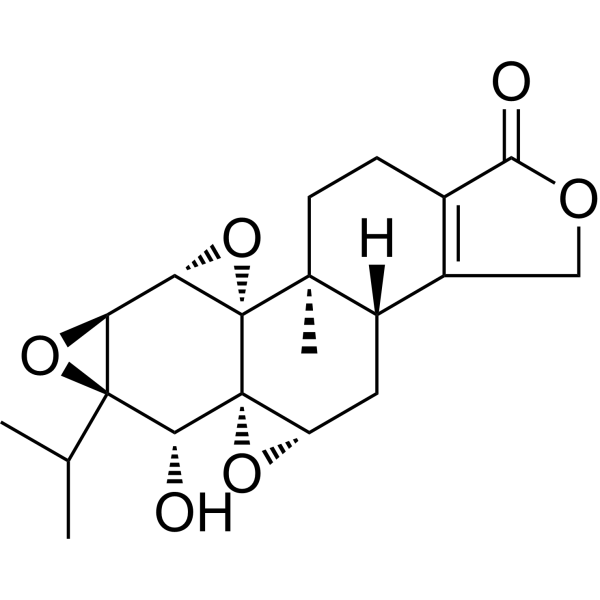
HY-32735
TriptolideImmunosuppressive Agent -
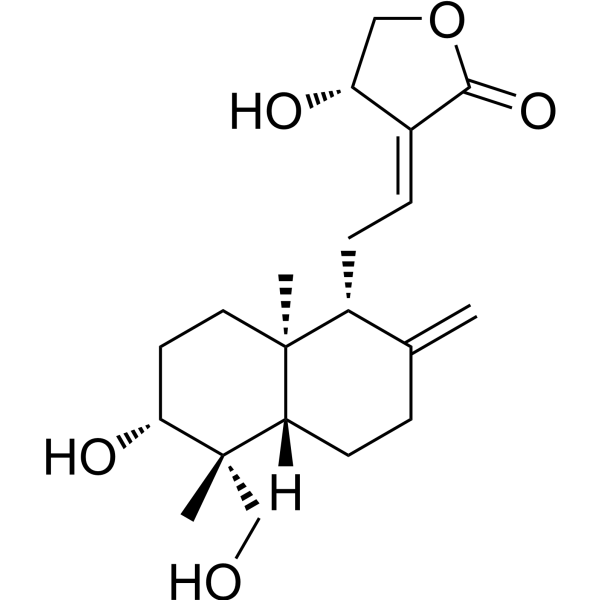
HY-N0191
AndrographolideNF-κB Inhibitor -
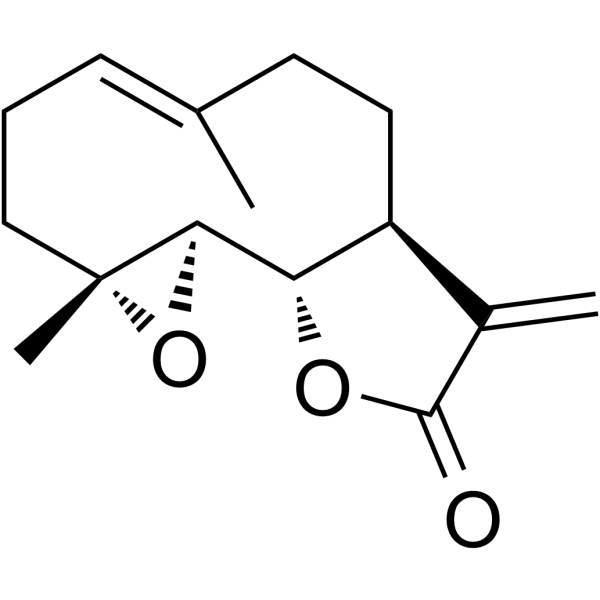
HY-N0141
ParthenolideNF-κB Inhibitor -
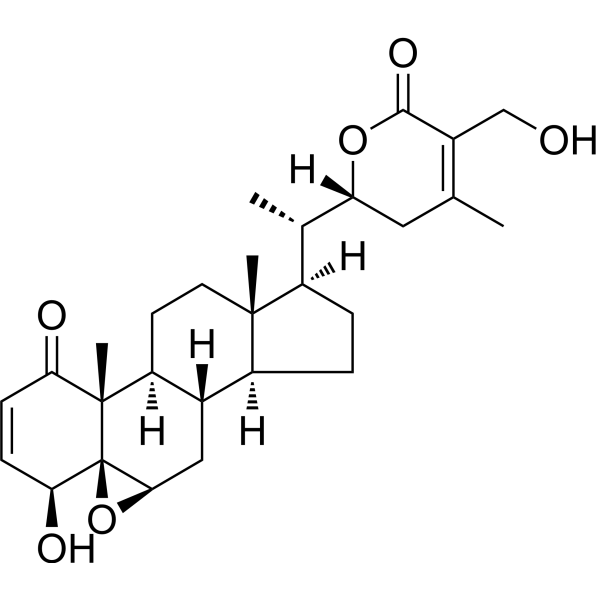
HY-N2065
Withaferin ANF-κB Inhibitor -
HY-126307
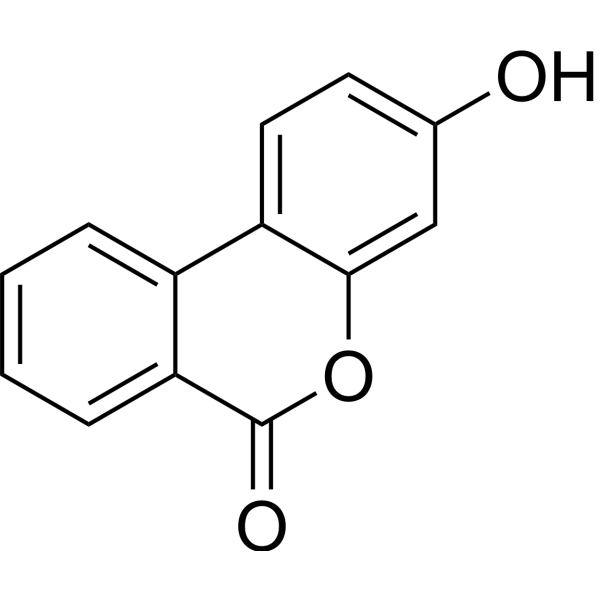
Urolithin BNF-κB Inhibitor -
HY-13812
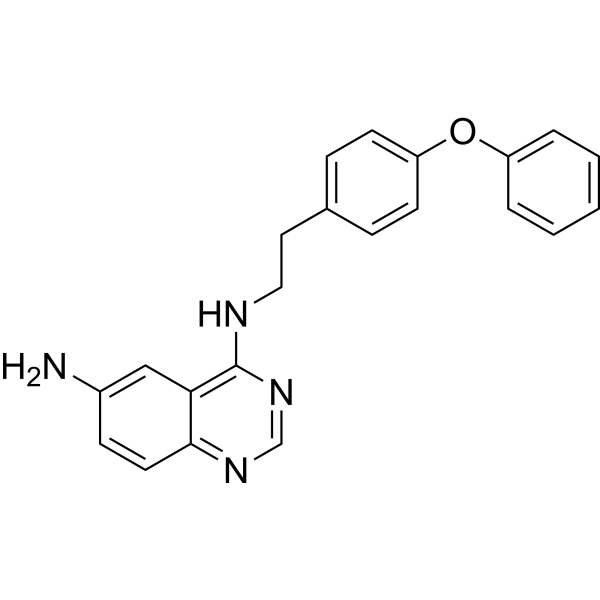
QNZTNF Receptor Inhibitor -
HY-10496
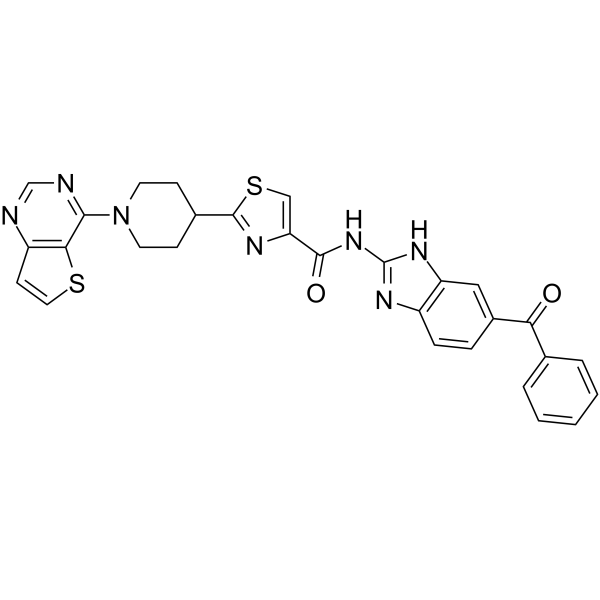
SC75741NF-κB Inhibitor -

HY-N0589R
Dehydrodiisoeugenol (Standard)Standard -
HY-N0274
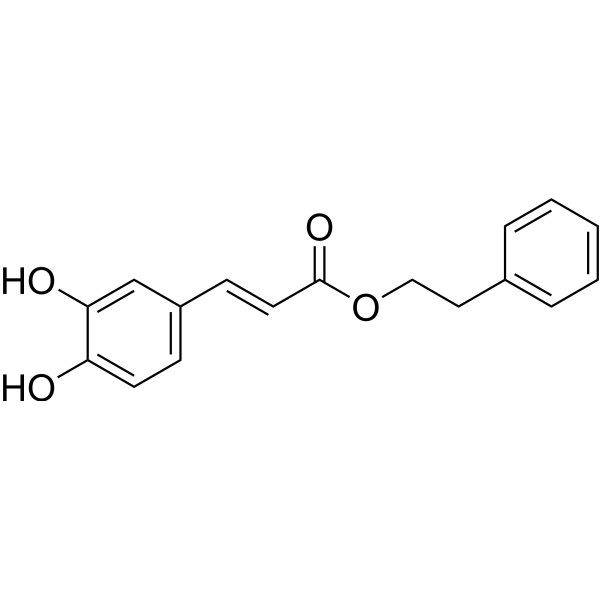
Caffeic acid phenethyl esterApoptosis Inducer
Publications Citing Use of MedChemExpress (MCE) Dehydrodiisoeugenol
More Customer Validation & Images

-
Cell Proliferation/Viability Assay
-
WB
-
Histological Imaging/Staining
-
Flow Cytometry

-
ELISA


Biological Activity
Description
IC50 & Target
NF-κB; COX-2[2]
In Vitro
Dehydrodiisoeugenol (0.001-1000 μM; 24-72 h) inhibits the viability of human colorectal cancer HCT 116 and SW620 cells in a time- and dose-dependent manner, with IC50 values of 54.32 μM and 46.74 μM respectively after 48 h of treatment, and exerts weak inhibitory effects on the viability of normal human colonic epithelial NCM460 cells[1].
Dehydrodiisoeugenol (20-60 μM; 48 h) reduces the self-renewal and colony-forming capacities of human colorectal cancer HCT 116 and SW620 cells, and induces cell cycle arrest, autophagy and endoplasmic reticulum stress[1].
Dehydrodiisoeugenol (0.1-10 μM; 3.5-6.5 h) potently inhibits LPS (HY-D1056)-induced COX-2 expression in RAW264.7 mouse macrophages without affecting the expression of constitutive COX-1[2].
Dehydrodiisoeugenol (0.1 μM; 1 h) inhibits LPS-induced, phosphorylation-dependent IκB-α proteolysis in RAW264.7 mouse macrophages[2].
Dehydrodiisoeugenol (0.1 μM; 6.5 h) inhibits the transcriptional activity of NF-κB in LPS-stimulated RAW264.7 mouse macrophages[2].
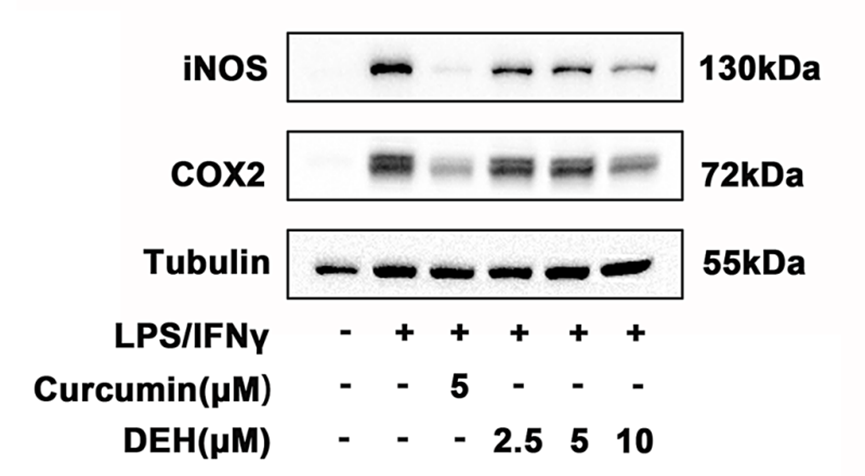
Dehydrodiisoeugenol (2.5-10 μM; 24 h) inhibits the production of NO and PGE2, the expression of iNOS, COX2 and NOD2, and the activation of MAPK and NF-κB pathways in RAW264.7 macrophages stimulated by LPS/IFNγ[3].
Dehydrodiisoeugenol (20-40 μM; 0-10 days) inhibits colony formation and proliferation of HCT116 colorectal cancer cells, and induces apoptosis, autophagy and cell cycle arrest[3].
MedChemExpress (MCE) has not independently confirmed the accuracy of these methods. They are for reference only. Further protocols information, click here.
-
Cell Line:human colorectal cancer cell lines HCT 116, SW620; normal human colon epithelial cell NCM460
-
Concentration:0.001, 0.01, 0.1, 1, 10, 20, 40, 60, 80, 100, 125, and 1000 μM
-
Incubation Time:24 h, 48 h, 72 h
-
Result:Inhibited cell viability in a time- and dose-dependent manner in HCT 116 and SW620 cells.
Showed significantly higher IC50 for normal NCM460 cells than colorectal cancer cell lines.
-
Cell Line:human colorectal cancer cell lines HCT 116, SW620
-
Concentration:20, 40 and 60 μM
-
Incubation Time:0 h, 12 h, 24 h, 48 h
-
Result:Significantly increased the expression of p21 protein in a dose- and time-dependent manner.
Significantly reduced the expression of CDK2, CDK4, Cyclin D1, Cyclin E1, and Cyclin E2 proteins in a dose- and time-dependent manner.
-
Cell Line:human colorectal cancer cell lines HCT 116, SW620
-
Concentration:20, 40 amd 60 μM
-
Incubation Time:48 h
-
Result:Upregulated the expression of LC3B-II, ATG7, and p62 proteins in a dose-dependent manner.\n
Upregulated the expression of BiP, Ero1-Lα, PERK, p-eIF2α, IRE1α, XBP-1s, and CHOP proteins in a dose-dependent manner.
-
Cell Line:human colorectal cancer cell lines HCT 116, SW620
-
Concentration:60 μM (48 h; 6 h for EBSS co-treatment)
-
Incubation Time:6 h, 48 h
-
Result:Reduced LC3B-II levels when co-treated with 3-MA compared to DEH alone. Did not cause a further increase in LC3B-II levels when co-treated with CQ or Baf A1 compared to DEH alone.
-
Cell Line:RAW264.7 murine macrophages
-
Concentration:0.1 μM
-
Incubation Time:30 min pre-incubation, followed by 30 min LPS stimulation
-
Result:Significantly inhibited LPS-stimulated phosphorylation of IκB-α.
Prevented LPS-induced degradation of total IκB-α protein.
-
Cell Line:LPS/IFNγ-stimulated RAW264.7 macrophages
-
Concentration:2.5, 5 and 10 μM
-
Incubation Time:24 h
-
Result:Significantly inhibited the expression of iNOS and COX2, with the most pronounced effect at 10 μM.
Inhibited the phosphorylation of IKKα/β and IκBα at 5 and 10 μM.
Inhibited IκBα degradation and NF-κB p65 nuclear translocation at 10 μM.
Significantly inhibited the phosphorylation of ERK, JNK, and p38 at 2.5, 5, and 10 μM.
In Vivo
Dehydrodiisoeugenol (5-20 mg/kg; i.g.; once daily; for 8 days) dose-dependently ameliorates DSS (HY-116282C)-induced ulcerative colitis in BALB/c mice by alleviating intestinal inflammation, restoring barrier function, and inhibiting NOD2 expression[3].
MedChemExpress (MCE) has not independently confirmed the accuracy of these methods. They are for reference only.
-
Animal Model:NOD/SCID (5-week-old female)[1]
-
Dosage:40 mg/kg
-
Administration:i.p.; once every other day; 2 weeks
-
Result:Significantly reduced tumor volume in HCT 116, SW620, and PDX xenograft models relative to controls.
Significantly reduced the percentage of Ki67-positive cells (cell proliferation marker) in tumor tissues relative to controls.
Significantly upregulated expression of ER stress-related proteins (BiP, PERK, IRE1α) and autophagy-related proteins (LC3B-II, p62) in harvested tumors relative to controls.
Showed no significant changes in mouse body weight, and H&E staining of heart, liver, spleen, lung, and kidney tissue revealed no pathological abnormalities indicative of toxicity.
-
Animal Model:BALB/c (male, 6-8 weeks old, 20-22 g, ulcerative colitis model via 3.5% DSS gavage)[3]
-
Dosage:5 mg/kg; 10 mg/kg; 20 mg/kg
-
Administration:p.o.; daily; 8 days
-
Result:Significantly increased mouse body weight and colon length compared to the DSS model group.\n
Dose-dependently reduced colon mucosal damage, edema, and inflammatory cell infiltration, with partial recovery of goblet cells and crypts.
Significantly restored colonic ZO-1 and Occludin protein expression at 20 mg/kg to improve intestinal barrier function.\n
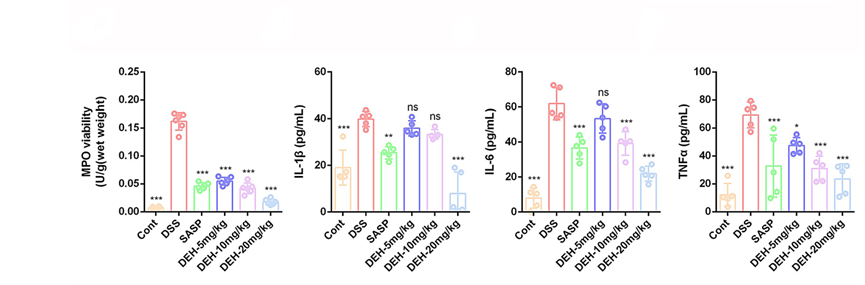
Dose-dependently significantly reduced colon MPO levels and serum TNF-α, IL-6, and IL-1β levels.
Significantly reduced colonic NOD2 protein expression at 10 mg/kg and 20 mg/kg.


Chemical Information
-
CAS No. 2680-81-1
-
Appearance Solid
-
Molecular Weight 326.39
-
Formula C20H22O4
-
Color White to off-white
-
SMILES
OC1=CC=C(C2OC3=C(OC)C=C(/C=C/C)C=C3C2C)C=C1OC
-
Structure Classification
-
Initial Source
-
Shipping
Room temperature in continental US; may vary elsewhere.
-
Storage
Powder -20°C 3 years 4°C 2 years In solvent -80°C 6 months -20°C 1 month


Publications (4)
-
Journal Impact Factor
-
Most Recent
-
Mol Med
Dehydrodiisoeugenol targets NOD2 exerting dual effects against colitis and colorectal cancer: a double-edged sword. [Abstract]2025 Jun 5;31(1):221. PMID: 40468178
Dehydrodiisoeugenol purchased from MedChemExpress. Usage Cited in: Mol Med. 2025 Jun 5;31(1):221. [Abstract]
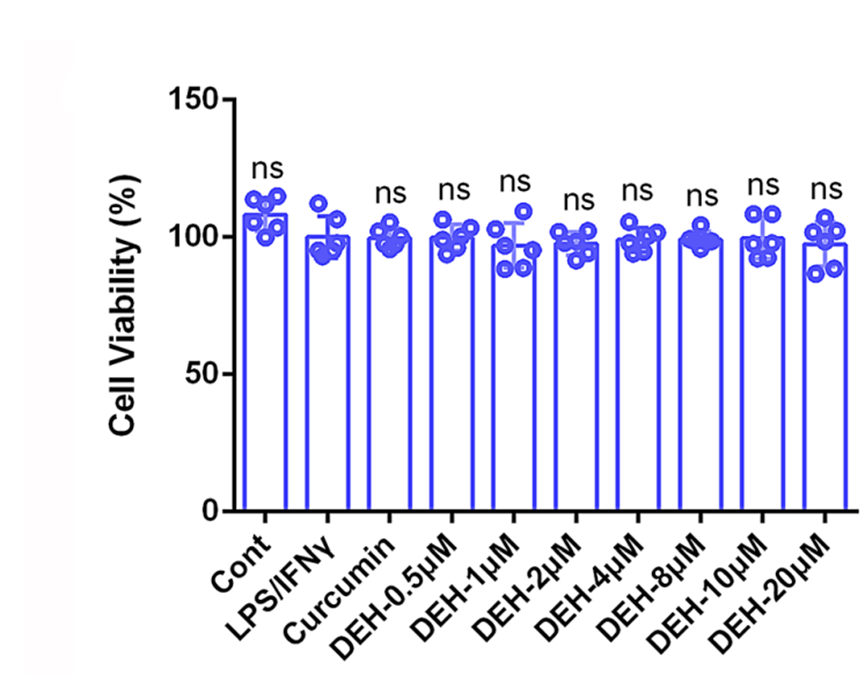
The CCK-8 assay to determine the cell viability of LPS (0.5 µg/ml)/IFNγ (10ng/ml) stimulated RAW264.7 cells treated with different concentration of Dehydrodiisoeugenol (DEH) (0.5, 1, 2, 4, 8, 10, 20 μM) or Curcumin (5µM).
Dehydrodiisoeugenol purchased from MedChemExpress. Usage Cited in: Mol Med. 2025 Jun 5;31(1):221. [Abstract]
Western blotting analysis of iNOS and COX2 protein expression in RAW264.7 cells treated with different concentrations of Dehydrodiisoeugenol (DEH) (2.5, 5, 10 μM) or curcumin (5 µM) following LPS/IFNγ stimulation.
Dehydrodiisoeugenol purchased from MedChemExpress. Usage Cited in: Mol Med. 2025 Jun 5;31(1):221. [Abstract]
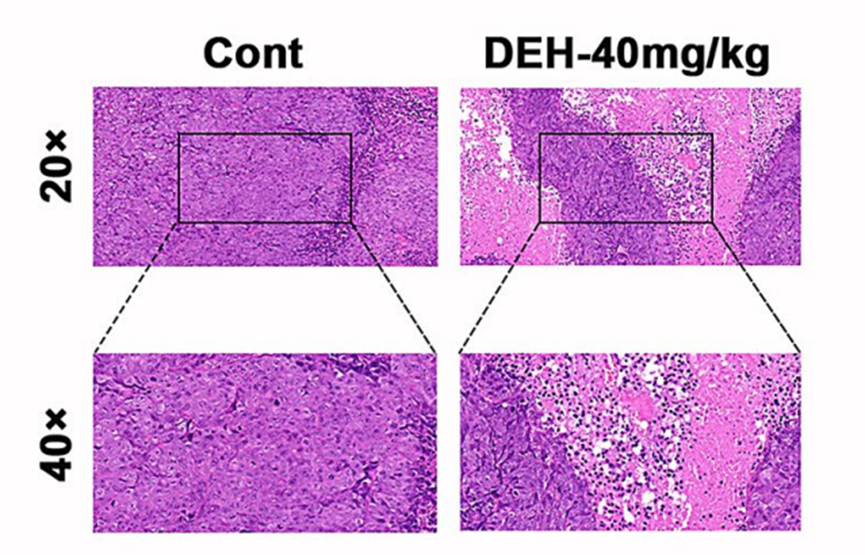
Apply the HE staining method to detect the effects of Dehydrodiisoeugenol (DEH) (40 mg/kg) or an equivalent solvent gastric lavage on the nude mouse xenografts.
Dehydrodiisoeugenol purchased from MedChemExpress. Usage Cited in: Mol Med. 2025 Jun 5;31(1):221. [Abstract]
Flow cytometry was used to detect apoptosis in the cells. HCT116 cells were treated with Dehydrodiisoeugenol (DEH) (20 µM, 40 µM) for 24 h.
Dehydrodiisoeugenol purchased from MedChemExpress. Usage Cited in: Mol Med. 2025 Jun 5;31(1):221. [Abstract]
ELISA was used to measure the expression levels of MPO, IL-1β, TNF-α, and IL-6 treated with Dehydrodiisoeugenol (DEH) (5, 10, 20 mg/kg, i.g.).
-
Lipids Health Dis
Dehydrodiisoeugenol alleviates palmitate-induced mitochondrial dysfunction in human vascular smooth muscle cells through the activation of SIRT1-mediated Drp1 deacetylation. [Abstract]2025 May 24;24(1):187. PMID: 40413480 -
Front Cell Dev Biol
Licarin-B Exhibits Activity Against the Toxoplasma gondii RH Strain by Damaging Mitochondria and Activating Autophagy. [Abstract]2021 Jun 11:9:684393. PMID: 34179016 -
Cell Biochem Funct
Dehydrodiisoeugenol Alleviates Sodium Palmitate-Induced Mitochondrial Dysfunction and Activates Autophagy in VSMCs via the SIRT1/Nrf2 Axis. [Abstract]2025 Apr;43(4):e70074. PMID: 40231935


Solvent & Solubility
In Vitro:
DMSO : 100 mg/mL (306.38 mM; Need ultrasonic; Hygroscopic DMSO has a significant impact on the solubility of product, please use newly opened DMSO)
Please refer to the solubility information to select the appropriate solvent. Once prepared, please aliquot and store the solution to prevent product inactivation from repeated freeze-thaw cycles.
Storage method and period of stock solution: -80°C, 6 months; -20°C, 1 month. When stored at -80°C, please use it within 6 months. When stored at -20°C, please use it within 1 month.
Please refer to the solubility information to select the appropriate solvent. Once prepared, please aliquot and store the solution to prevent product inactivation from repeated freeze-thaw cycles.
Storage method and period of stock solution: -80°C, 6 months; -20°C, 1 month. When stored at -80°C, please use it within 6 months. When stored at -20°C, please use it within 1 month.
Concentration (start) × Volume (start) = Concentration (final) × Volume (final)
In Vivo:
Select the appropriate dissolution method based on your experimental animal and administration route.
- For the following dissolution methods, please ensure to first prepare a clear stock solution using an In Vitro approach and then sequentially add co-solvents:
- To ensure reliable experimental results, the clarified stock solution can be appropriately stored based on storage conditions. As for the working solution for In Vivo experiments, it is recommended to prepare freshly and use it on the same day.
- The percentages shown for the solvents indicate their volumetric ratio in the final prepared solution. If precipitation or phase separation occurs during preparation, heat and/or sonication can be used to aid dissolution.
Add each solvent one by one: 10% DMSO 40% PEG300 5% Tween-80 45% Saline
Solubility: ≥ 2.08 mg/mL (6.37 mM); Clear solution
This protocol yields a clear solution of ≥ 2.08 mg/mL (saturation unknown).
Taking 1 mL working solution as an example, add 100 μL DMSO stock solution (20.8 mg/mL) to 400 μL PEG300, and mix evenly; then add 50 μL Tween-80 and mix evenly; then add 450 μL Saline to adjust the volume to 1 mL.
Preparation of Saline: Dissolve 0.9 g sodium chloride in ddH₂O and dilute to 100 mL to obtain a clear Saline solution.
Add each solvent one by one: 10% DMSO 90% (20% SBE-β-CD in Saline)
Solubility: ≥ 2.08 mg/mL (6.37 mM); Clear solution
This protocol yields a clear solution of ≥ 2.08 mg/mL (saturation unknown).
Taking 1 mL working solution as an example, add 100 μL DMSO stock solution (20.8 mg/mL) to 900 μL 20% SBE-β-CD in Saline, and mix evenly.
Preparation of 20% SBE-β-CD in Saline (4°C, storage for one week): 2 g SBE-β-CD powder is dissolved in 10 mL Saline, completely dissolve until clear.
In Vivo Dissolution Calculator
Please enter the basic information of animal experiments:
-
-
-
-
Recommended: Prepare an additional quantity of animals to account for potential losses during experiments.
Please enter your animal formula composition:
-
%DMSO +
Recommended: Keep the proportion of DMSO in working solution below 2% if your animal is weak.
-
%+
-
+%Tween-80 + +
-
%Saline +
The co-solvents required include: DMSO, . All of co-solvents are available by MedChemExpress (MCE). , Tween 80. All of co-solvents are available by MedChemExpress (MCE).
Working solution concentration: 0.22 mg/mL
Method for preparing stock solution: mg drug dissolved in μL DMSO. Stock solution concentration: mg/mL.
1. Take μL DMSO stock solution;
2. Add μL .
μL , mix evenly;
3. Then add μL Tween 80, mix evenly;
4. Then add μL
Please ensure that the stock solution in the first step is dissolved to a clear state, and add co-solvents in sequence. You can use ultrasonic heating (ultrasonic cleaner, recommended frequency 20-40 kHz), vortexing, etc. to assist dissolution.

Protocols
-
RNA extraction experimental
By lysing cells, releasing RNA, and removing impurities such as proteins and DNA, high-purity RNA products are finally obtained. The commonly used traditional method is the guanidine isothiocyanate/phenol/chloroform method (Trizol), which is suitable for a variety of animal materials including animal tissues, microorganisms, cultured cells, etc., and most plant materials.
-
Annexin V plus membrane-impermeant dye apoptosis staining
Annexin V-based apoptosis assays rely on the detection of phosphatidylserine (PS) externalization from the inner leaflet of the plasma membrane to the outer leaflet, an early biochemical hallmark of apoptosis. Fluorescently labeled Annexin V binds PS in a calcium-dependent manner, enabling identification of early apoptotic cells by flow cytometry or fluorescence microscopy. When combined with a membrane-impermeant DNA-binding dye (e. g. , propidium iodide), this approach allows discrimination between viable (Annexin V−/dye−), early apoptotic (Annexin V+/dye−), and late apoptotic or necrotic (Annexin V+/dye+) cell populations by assessing membrane integrity and PS exposure.
-
BrdU Incorporation Assay
Bromodeoxyuridine (BrdU) incorporation assay is based on the principle that BrdU, a thymidine analog, is incorporated into newly synthesized DNA during the S phase of the cell cycle, thereby serving as a marker of DNA replication and cellular proliferation. Incorporated BrdU can be detected using anti-BrdU antibodies following DNA denaturation, enabling visualization or quantification of proliferating cells through immunochemical detection methods such as immunofluorescence or immunohistochemistry.
-
Protocol for Cell Cycle
Cell-cycle analysis by flow cytometry measures DNA content in single cells to estimate the fraction of cells in G0/G1, S, and G2/M phases. Propidium iodide intercalates into DNA, and after RNA removal with RNase, fluorescence intensity reflects cellular DNA content: 2N cells are assigned to G0/G1, cells between 2N and 4N to S phase, and 4N cells to G2/M. DNA-content analysis alone cannot reliably separate G0 from G1 or G2 from M. Ki-67 can distinguish quiescent G0 cells from cycling cells, EdU or BrdU incorporation marks active DNA synthesis in S phase, and phospho-histone H3 staining identifies mitotic cells within the 4N population.
-
Research Protocol for Inflammation-related Diseases
The NLRP3 inflammasome is a cytosolic innate immune signaling platform that integrates priming signals and danger-signal activation to promote caspase-1 activation, maturation of IL-1β and IL-18, and gasdermin D-mediated pyroptotic cell death. The core experimental logic is to determine whether inflammatory disease phenotypes are driven by increased NLRP3 expression, ASC-containing inflammasome assembly, caspase-1 cleavage, GSDMD cleavage, and extracellular release of IL-1β/IL-18 rather than by nonspecific cell injury alone. The pathway is strongly linked to inflammation-related disease phenotypes because monosodium urate crystals activate NALP3/NLRP3 inflammasome signaling in gout-like crystal inflammation, cholesterol crystals activate NLRP3 inflammasomes in atherogenesis models, and DSS-induced intestinal inflammation has been reported to involve NLRP3 inflammasome activity. However, experimental colitis studies also show context-dependent protective effects of NLRP3 inflammasome co
-
Cell Viability Determination by MTT Colorimetric Assay
The following protocol uses the MTT colorimetric assay as a classic literature-established method for assessing cell viability/metabolic activity in cultured mammalian cells. MTT[3-(4,5-dimethylthiazol-2-yl)-2,5-diphenyltetrazolium bromide] is reduced by metabolically active cells to a colored formazan product; the amount of formazan is quantified spectrophotometrically and provides an indirect measure of metabolically active viable cells. Importantly, MTT reduction reflects cellular oxidoreductase/metabolic activity rather than an absolute direct count of living cells, so changes in cellular metabolism can alter the signal independently of cell number.
-
Apoptosis
Apoptosis, also called programmed cell death, is generally characterized by distinct morphological characteristics.
-
TUNEL staining for apoptotic DNA fragmentation
TUNEL staining detects DNA strand breaks by using terminal deoxynucleotidyl transferase to add labeled nucleotides to exposed 3′-OH DNA termini, generating either microscopic staining in fixed cells or tissue sections, or fluorescence/cytometric signal in cell suspensions. TUNEL positivity reflects DNA fragmentation but should not be interpreted alone as definitive apoptosis, because TUNEL can also label necrotic, autolytic, mechanically damaged, or DNA-repair-associated DNA breaks.
-
Flow cytometric DNA-content cell-cycle staining
Flow cytometric DNA-content cell-cycle staining measures the fluorescence intensity of DNA-bound fluorochromes in single cells or nuclei to estimate DNA content distributions, allowing assignment of populations to G0/G1, S, and G2/M phases by DNA histogram deconvolution. Propidium iodide (PI) intercalates into DNA, and PI fluorescence is proportional to cellular DNA content when staining is performed under conditions that make DNA accessible and minimize non-DNA signal. Cells with G2/M DNA content are expected to show approximately twice the fluorescence intensity of G0/G1 cells, while S-phase cells occupy intermediate fluorescence values. PI-based DNA-content analysis can also detect cells with fractional DNA content, often reported as sub-G1, when DNA fragmentation and extraction during staining reduce retained DNA signal in apoptotic cells. DAPI is an alternative DNA fluorochrome for univariate DNA-content analysis, while bivariate approaches combining DNA content with proliferation
-
DSS-Induced Colitis
Dextran sulfate sodium (DSS)-induced colitis is generated by administering DSS in mouse drinking water, producing epithelial injury, barrier disruption, weight loss, diarrhea, fecal blood, colon shortening, histologic mucosal damage, and inflammatory mediator changes; the model is mainly used to study acute or chronic intestinal inflammation resembling selected features of ulcerative colitis. DSS injury is interpreted through clinical and tissue readouts rather than a single molecular endpoint: daily body weight, stool consistency, and bleeding are combined into a disease activity index, while colon length, histology, cytokines, myeloperoxidase activity, intestinal permeability, and tight-junction markers provide complementary measures of inflammation and barrier damage.
-
TNBS-Induced Colitis
TNBS-induced colitis is produced by intrarectal delivery of 2,4,6-trinitrobenzene sulfonic acid in ethanol, where ethanol disrupts the mucosal barrier and TNBS haptenates colonic proteins, generating immune-mediated colonic inflammation with weight loss, diarrhea, ulceration, transmural injury, inflammatory-cell infiltration, and cytokine responses. The model is used as an experimental intestinal inflammation model with Crohn’s disease–like features, especially when Th1-type responses, IL-12–dependent inflammation, chronic relapsing inflammation, or fibrosis-related endpoints are studied.
-
Autophagy
Autophagy is a process in which eukaryotic cells use lysosomes to degrade their own cytoplasmic proteins and damaged organelles under the regulation of autophagy related gene (Atg). Microtubule-associated proteins light chain 3 (LC3) is recognized as autophagy marker, which transfers from cytoplasmic LC3 (LC3-I) to membrane type (LC3-II). LC3-II/I ratio could be detected by Western Blot and fluorescence microscopy.
-
Apoptosis Solutions
Apoptosis is a regulated, generally non-lytic cell-death pathway that removes unwanted, damaged, infected, or abnormal cells through coordinated morphological changes, caspase activation, DNA fragmentation, and membrane remodeling. The intrinsic apoptosis pathway is controlled mainly by mitochondrial outer membrane permeabilization, BCL-2 family proteins, cytochrome c release, apoptosome formation, caspase-9 activation, and downstream executioner caspase-3/7 activation. The extrinsic apoptosis pathway is initiated by death receptors such as Fas, TNFR, and TRAIL receptors, which recruit adaptor proteins and activate caspase-8 before engaging executioner caspases or mitochondrial amplification through BID cleavage. Apoptosis is linked to many phenotypes, including cancer cell killing, tissue homeostasis, immune regulation, neurodegeneration, infection response, and treatment-induced cytotoxicity; unresolved questions include how apoptosis interacts with necroptosis, pyroptosis, ferroptos
-
Lysosome and acidic-vesicle live-cell staining
Lysosome and acidic-vesicle live-cell staining detects acidic intracellular compartments by using membrane-permeant acidotropic probes that accumulate in low-pH vesicles, including lysosomes, late endosomes, autolysosomes, and acidic phagosomes. LysoTracker staining is commonly used as an intensity-based readout of acidic lysosomal compartment abundance or enlargement, while acridine orange produces green fluorescence in less concentrated compartments and red fluorescence after concentration-dependent accumulation in acidic vesicular organelles. Loss or reduction of acridine-orange red signal can be used as a readout of lysosomal membrane permeabilization or reduced acidic-vesicle integrity. This protocol is designed for live cultured cells and can be adapted for fluorescence microscopy, high-content imaging, plate-reader readout, or flow cytometry when the selected literature supports the readout. Because these dyes report acidotropic accumulation rather than lysosome identity alone,
-
Macroautophagy Solutions
Macroautophagy is a conserved lysosome-dependent degradation pathway in which cytoplasmic material is sequestered into double-membrane autophagosomes and delivered to lysosomes for degradation and recycling. The pathway supports cellular homeostasis during nutrient limitation, organelle stress, protein-aggregate accumulation, infection, differentiation, and tissue remodeling by coupling cargo sequestration, autophagosome maturation, lysosomal fusion, and degradation of cargo-derived macromolecules. The core molecular sequence includes initiation by nutrient- and stress-regulated autophagy machinery, autophagosome nucleation, LC3/ATG8-family conjugation to autophagosomal membranes, cargo selection through receptors such as SQSTM1/p62, autophagosome-lysosome fusion, and lysosomal degradation. LC3 was identified as a mammalian homolog of yeast Atg8 that localizes to autophagosomal membranes after processing, and p62/SQSTM1 was shown to connect ubiquitinated cargo with autophagic degradati


Purity & Documentation
-
Data Sheet (284 KB)
-
SDS (393 KB)
- English - EN (393 KB)
- Français - FR (393 KB)
- Deutsch - DE (393 KB)
- Norwegian - NO (393 KB)
- Español - ES (393 KB)
- Swedish - SV (393 KB)
- Italian - IT (393 KB)
- Korean - KR (393 KB)
- Portuguese - PT (393 KB)
-
Handling Instructions (2659 KB)
References
[1]. Li C, et al. Dehydrodiisoeugenol inhibits colorectal cancer growth by endoplasmic reticulum stress-induced autophagic pathways. J Exp Clin Cancer Res. 2021;40(1):125. Published 2021 Apr 10. [Content Brief]
[2]. Murakami Y, et al. Dehydrodiisoeugenol, an isoeugenol dimer, inhibits lipopolysaccharide-stimulated nuclear factor kappa B activation and cyclooxygenase-2 expression in macrophages. Arch Biochem Biophys. 2005;434(2):326-332. [Content Brief]
[3]. Yi F, et al. Dehydrodiisoeugenol targets NOD2 exerting dual effects against colitis and colorectal cancer: a double-edged sword. Mol Med. 2025;31(1):221. Published 2025 Jun 5. [Content Brief]


Complete Stock Solution Preparation Table
Please refer to the solubility information to select the appropriate solvent. Once prepared, please aliquot and store the solution to prevent product inactivation from repeated freeze-thaw cycles.
Storage method and period of stock solution: -80°C, 6 months; -20°C, 1 month. When stored at -80°C, please use it within 6 months. When stored at -20°C, please use it within 1 month.
| Optional Solvent | Concentration Solvent Mass | 1 mg | 5 mg | 10 mg | 25 mg |
|---|---|---|---|---|---|
| DMSO | 1 mM | 3.0638 mL | 15.3191 mL | 30.6382 mL | 76.5955 mL |
| 5 mM | 0.6128 mL | 3.0638 mL | 6.1276 mL | 15.3191 mL | |
| 10 mM | 0.3064 mL | 1.5319 mL | 3.0638 mL | 7.6595 mL | |
| 15 mM | 0.2043 mL | 1.0213 mL | 2.0425 mL | 5.1064 mL | |
| 20 mM | 0.1532 mL | 0.7660 mL | 1.5319 mL | 3.8298 mL | |
| 25 mM | 0.1226 mL | 0.6128 mL | 1.2255 mL | 3.0638 mL | |
| 30 mM | 0.1021 mL | 0.5106 mL | 1.0213 mL | 2.5532 mL | |
| 40 mM | 0.0766 mL | 0.3830 mL | 0.7660 mL | 1.9149 mL | |
| 50 mM | 0.0613 mL | 0.3064 mL | 0.6128 mL | 1.5319 mL | |
| 60 mM | 0.0511 mL | 0.2553 mL | 0.5106 mL | 1.2766 mL | |
| 80 mM | 0.0383 mL | 0.1915 mL | 0.3830 mL | 0.9574 mL | |
| 100 mM | 0.0306 mL | 0.1532 mL | 0.3064 mL | 0.7660 mL |


Dehydrodiisoeugenol Related Classifications
HY-N0589 Related Classifications
 Powered by Bioz