



Pseudomonas Aeruginosa Infection
-
Pseudomonas Aeruginosa Infection (112)

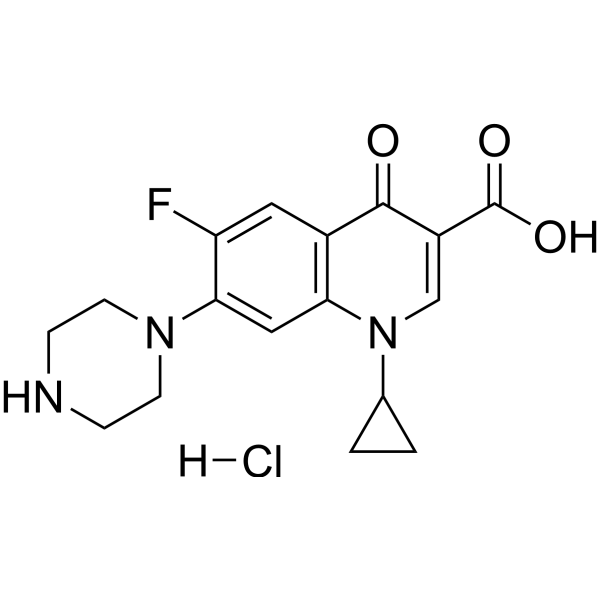
- Formula: C17H19ClFN3O3
- Molecular Weight: 367.81
Ciprofloxacin (Bay-09867) monohydrochloride is an orally active, blood-brain barrier permeable fluoroquinolone antibacterial agent. Ciprofloxacin monohydrochloride exerts bactericidal effects primarily by inhibiting topoisomerase II and IV. Ciprofloxacin monohydrochloride inhibits the proliferation of human dental pulp stem cells and chondrocytes from young rats, and also activates the Akt signaling pathway and upregulates markers such as β-catenin and Nanog to maintain the morphological characteristics of stem cells. Ciprofloxacin monohydrochloride induces significant neurotoxicity and tissue damage, including reducing serotonin and glutathione levels in the brain, inducing oxidative stress and depression-like behaviors, and causing articular cartilage damage. Ciprofloxacin monohydrochloride can be applied to research related to infections of necrotic young permanent teeth and neurotoxicity.
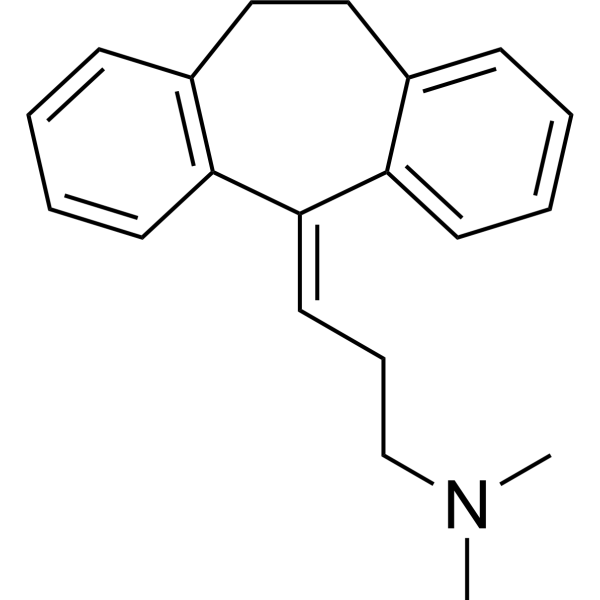
- Formula: C20H23N
- Molecular Weight: 277.40
Amitriptyline is an orally active tricyclic antidepressant (TCA). Amitriptyline mainly exerts its antidepressant effect by blocking SERT (Ki = 3.45 nM) and NET (Ki = 13.3 nM), thereby increasing the concentrations of 5-hydroxytryptamine (5-HT) and norepinephrine (NE) in the synaptic cleft. Amitriptyline is also an agonist at α2A and TrkA/TrkB receptors, thereby exerting analgesic and neurotrophic activities (inhibiting cell apoptosis). Amitriptyline can reduce inflammation, angiogenesis and fibrosis. Amitriptyline binds to DAT (with Ki = 2.58 μM). Amitriptyline has high affinity for a series of receptors and can antagonize muscarinic cholinergic receptors (M1/M2/M3/M4/M5 receptors) (Ki = 11-24 nM), H1 receptors (Ki = 0.5-1.1 nM), adrenergic α1 receptors (Ki = 4.4 nM), etc., resulting in a series of side effects. Amitriptyline can block sodium channels and hERG potassium channel (IC50 = 4.78 μM) and it has cardiotoxicity.
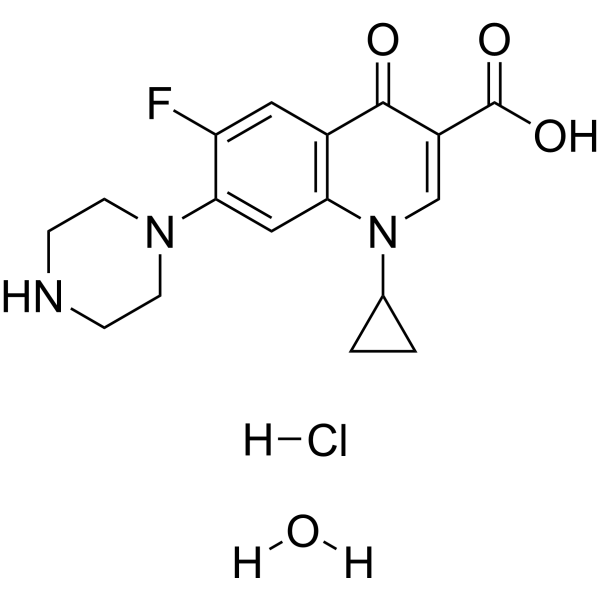
- Formula: C17H21ClFN3O4
- Molecular Weight: 385.82
Ciprofloxacin (Bay-09867) hydrochloride monohydrate is an orally active, blood-brain barrier permeable fluoroquinolone antibacterial agent. Ciprofloxacin hydrochloride monohydrate exerts bactericidal effects primarily by inhibiting topoisomerase II and IV. Ciprofloxacin hydrochloride monohydrate inhibits the proliferation of human dental pulp stem cells and chondrocytes from young rats, and also activates the Akt signaling pathway and upregulates markers such as β-catenin and Nanog to maintain the morphological characteristics of stem cells. Ciprofloxacin hydrochloride monohydrate induces significant neurotoxicity and tissue damage, including reducing serotonin and glutathione levels in the brain, inducing oxidative stress and depression-like behaviors, and causing articular cartilage damage. Ciprofloxacin hydrochloride monohydrate can be applied to research related to infections of necrotic young permanent teeth and neurotoxicity.
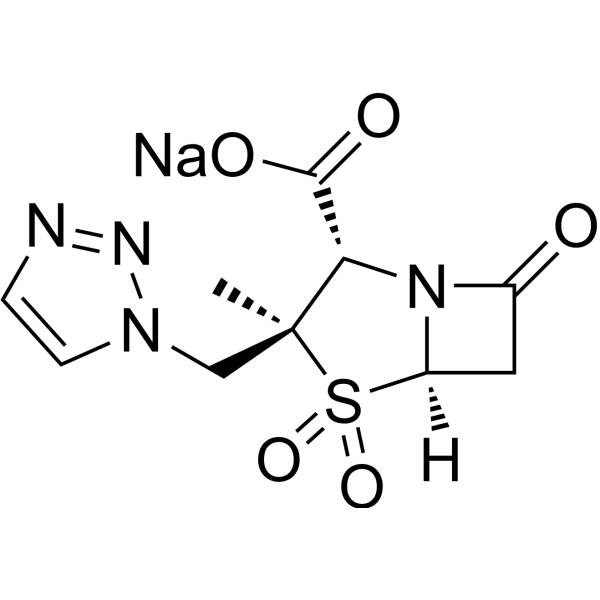
- Formula: C10H11N4NaO5S
- Molecular Weight: 322.27
Tazobactam sodium is an antibiotic of the beta-lactamase inhibitor class. Ceftolozane combines with Tazobactam, extends the activity of ceftolozane against many ESBL-producing Enterobacteriaceae and some Bacteroides spp..
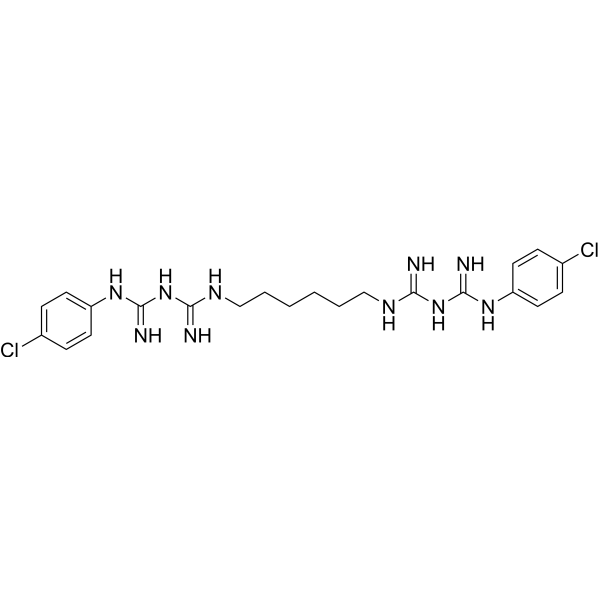
- Formula: C22H30Cl2N10
- Molecular Weight: 505.45
Chlorhexidine is a orally active cationic antimicrobial agent that targets microbial cell membranes. Chlorhexidine binds to cell membrane phospholipids non-specifically, destroys membrane structure and induces leakage of cell contents. Chlorhexidine has broad-spectrum bactericidal activity against both Gram-positive and Gram-negative bacteria. Chlorhexidine can interfere with membrane permeability, cause protein precipitation and energy metabolism disorders, such as rapid inhibition of microbial growth and induction of cell death (necrosis or apoptosis).
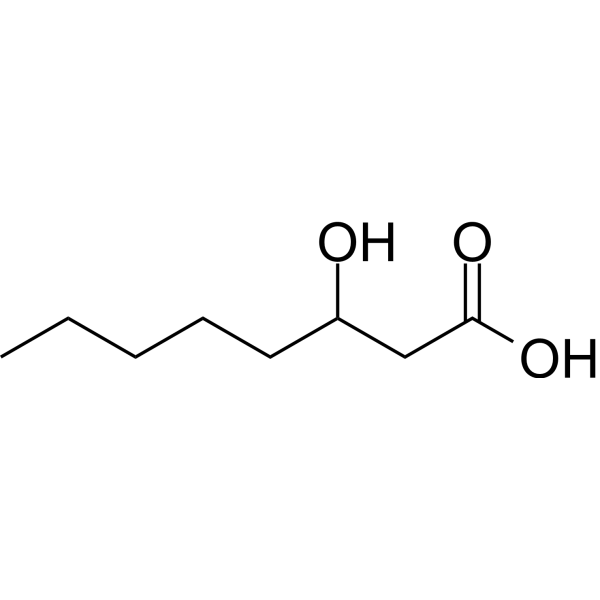
- Formula: C8H16O3
- Molecular Weight: 160.21
3-Hydroxyoctanoic acid is a medium-chain β-hydroxy fatty acid that possesses antibacterial, antifungal, and quorum-sensing regulatory activities. 3-Hydroxyoctanoic acid is an endogenous agonist of the human HCAR3 receptor, decreases intracellular cAMP, reduces IL-1beta secretion, increases IL-10 secretion, and decreases ROS production in macrophages. 3-Hydroxyoctanoic acid inhibits quorum-sensing-regulated pyocyanin production in Pseudomonas aeruginosa PAO1 and inhibits the yeast-to-hypha transition in Candida albicans. 3-Hydroxyoctanoic acid is used in research related to metabolism, bacterial infections, and fungal infections.
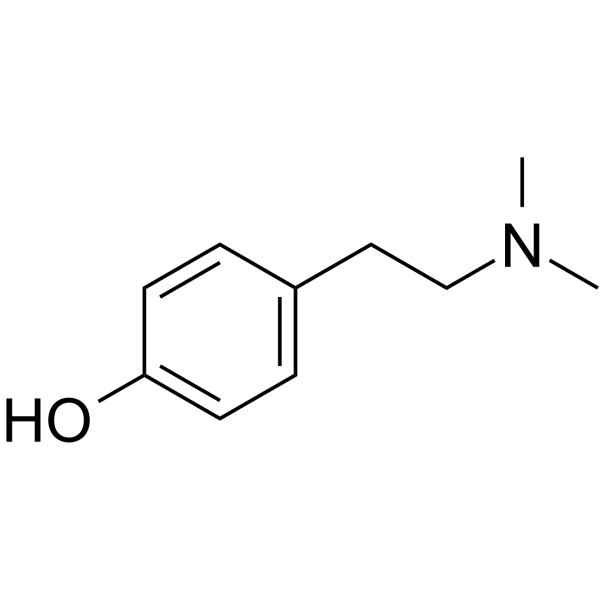
- Formula: C10H15NO
- Molecular Weight: 165.24
Hordenine (Ordenina; Peyocactine) is a multifunctional alkaloid with oral activity and blood-brain barrier penetration. Hordenine inhibits LPS-induced phosphorylation of p38, JNK, ERK1/2, p65, IκB, and AKT, prevents p65 nuclear translocation, and suppresses inflammatory cytokines and mediators. Hordenine promotes M2 macrophage polarization, restores blood-milk barrier integrity, alleviates oxidative stress by reducing ROS and MDA, and attenuates LPS-induced lung injury and pulmonary edema. Hordenine inhibits cAMP production, CREB phosphorylation, and MITF expression, thereby suppressing melanin synthesis in melanocytes and reconstructed epidermis. Hordenine activates the Wnt/β-catenin signaling pathway, promotes dermal papilla cell proliferation and hair shaft elongation, and accelerates hair regeneration. Hordenine activates DRD2, acts as a D3R partial agonist, α2A-AR full agonist, and 5-HT2A-R antagonist, and inhibits SERT and DAT. Hordenine inhibits α-synuclein accumulation and ameliorates motor deficits in Parkinson's disease models. Hordenine limits alcohol intake, reduces relapse drinking behavior, and modulates alcohol-induced conditioned place preference. Hordenine can be used for research on mastitis, skin pigmentation, acute lung injury, foodborne diseases, hair loss, Parkinson's disease, bacterial infections, and alcohol use disorder.
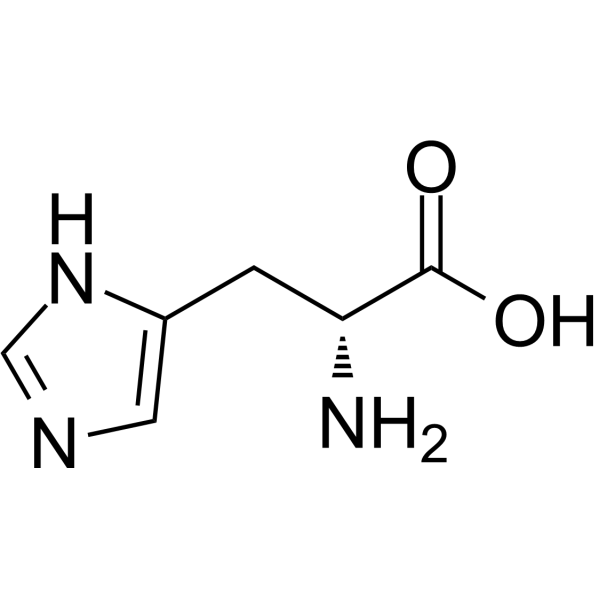
- Formula: C6H9N3O2
- Molecular Weight: 155.16
D-Histidine is an anti-biofilm agent that targets bacterial quorum sensing systems (such as RhlI/RhlR pathway) and has antibacterial activity. D-Histidine works by non-covalently binding to bacterial regulatory factors or copper ion complexes, selectively inhibiting bacterial biofilm formation and motility. D-Histidine downregulates quorum sensing-related gene expression, reduces the synthesis of virulence factors (such as alginate and proteases), and interferes with bacterial membrane stability, inhibiting biofilm formation, promoting the disintegration of mature biofilms, and enhancing antibiotic sensitivity. D-Histidine is also an efficient catalyst for the salt-induced peptide formation (SIPF) reaction, which promotes the condensation of amino acids to form dipeptides (such as dialanine and dilysine) by forming a complex with copper ions (Cu2+).

Protocatechuate 3,4-dioxygenase is a dioxygenase. Protocatechuate 3,4-dioxygenase belongs to the non-heme iron dioxygenase class. Protocatechuate 3,4-dioxygenase catalyzes the cleavage of the aromatic ring of 3,4-dihydroxybenzoate, attaching two atoms of molecular oxygen to the compound to generate β-carboxy-cis,cis-muconate. Protocatechuate 3,4-dioxygenase is a key enzyme in the β-ketoadipic acid pathway. It is found in marine bacteria associated with Roseobacter. Protocatechuate 3,4-dioxygenase can be isolated from Pseudomonas aeruginosa.

- Formula: C4H4ClNO2
- Molecular Weight: 133.53
N-Chlorosuccinimide (Succinchlorimide) is an oxidizing, hydrolyzable biochemical reagent with bactericidal and amoebicidal activities. N-Chlorosuccinimide can either form N-chloramines via concerted transfer of Cl+ or hydrolyze in aqueous solution to produce hypochlorous acid/hypochlorite. N-Chlorosuccinimide is effective in killing Shigella dysenteriae, Escherichia typhi and cysts of Entamoeba histolytica. N-Chlorosuccinimide can be formulated into fast-dispersing, fully soluble water purification tablets. N-Chlorosuccinimide is used in studies related to bacterial infections and parasitic infections.
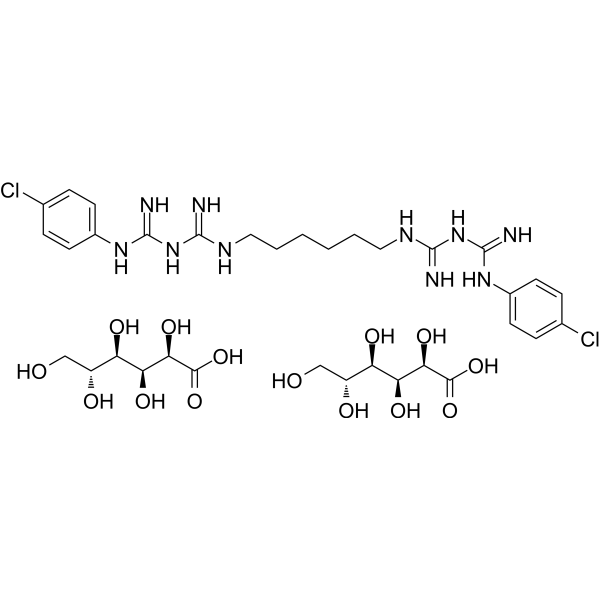
- Formula: C34H54Cl2N10O14
- Molecular Weight: 897.76
Chlorhexidine digluconate (20% in water) is a orally active cationic antimicrobial agent that targets microbial cell membranes. Chlorhexidine digluconate (20% in water) binds to cell membrane phospholipids non-specifically, destroys membrane structure and induces leakage of cell contents. Chlorhexidine digluconate (20% in water) has broad-spectrum bactericidal activity against both Gram-positive and Gram-negative bacteria. Chlorhexidine digluconate (20% in water) can interfere with membrane permeability, cause protein precipitation and energy metabolism disorders, such as rapid inhibition of microbial growth and induction of cell death (necrosis or apoptosis).
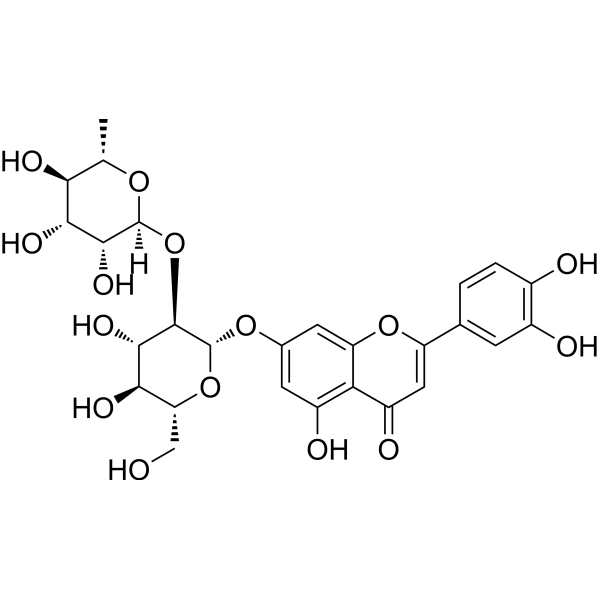
- Formula: C27H30O15
- Molecular Weight: 594.52
Lonicerin (Veronicastroside) is a flavonoid with multiple biological activities. Lonicerin inhibits xanthine oxidase with an IC50 of 37.4 µg/mL. Lonicerin inhibits alginate secretion protein (AlgE). Lonicerin inhibits P. aeruginosa and C. albicans. Lonicerin has anti-inflammatory, anti-arthritic, antioxidant, antifungal, anti-bacterial, and neuroprotective properties.
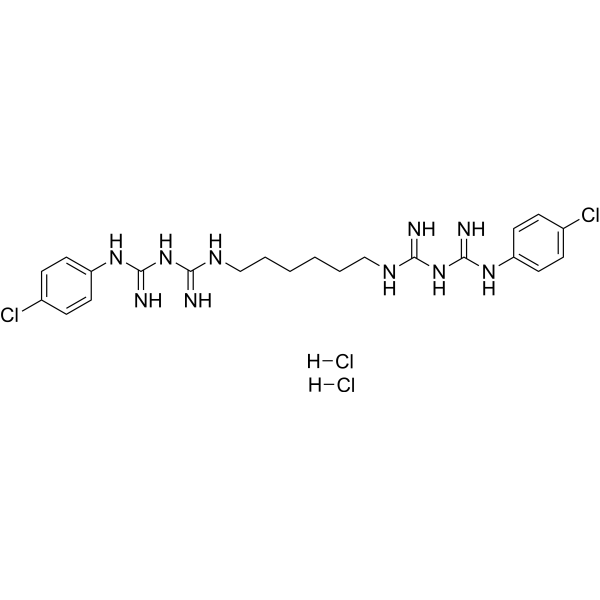
- Formula: C22H32Cl4N10
- Molecular Weight: 578.37
Chlorhexidine dihydrochloride is a orally active cationic antimicrobial agent that targets microbial cell membranes. Chlorhexidine dihydrochloride binds to cell membrane phospholipids non-specifically, destroys membrane structure and induces leakage of cell contents. Chlorhexidine dihydrochloride has broad-spectrum bactericidal activity against both Gram-positive and Gram-negative bacteria. Chlorhexidine dihydrochloride can interfere with membrane permeability, cause protein precipitation and energy metabolism disorders, such as rapid inhibition of microbial growth and induction of cell death (necrosis or apoptosis).
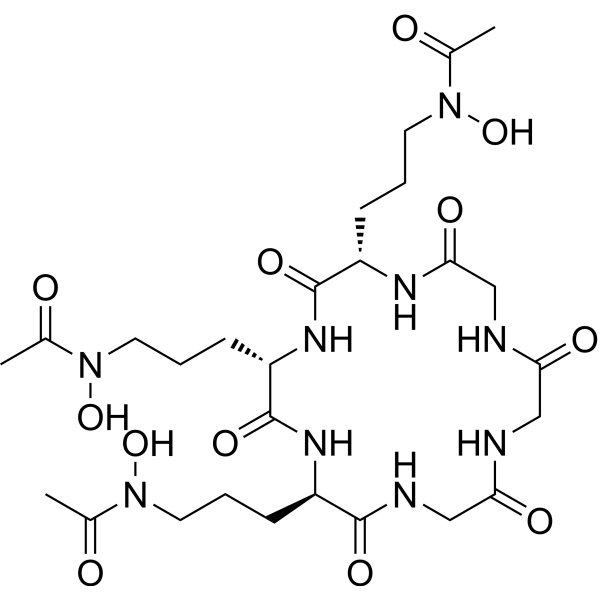
- Formula: C27H45N9O12
- Molecular Weight: 687.70
Ferrichrome Iron-free (Desferrichrome; DFC; N-Desferriferrichrome) is the ligand form of iron-loaded Ferrichrome when it is not bound to Fe3+. Ferrichrome Iron-free induces apoptosis in gastric cancer cells by activating the JNK-DDIT3 apoptotic axis. As an iron chelator, Ferrichrome Iron-free enables dual-modal imaging of HER2 via conjugation with SiR and Trastuzumab (HY-P9907). Ferrichrome Iron-free can be used in the research of gastric cancer and HER2-overexpressing cancers.
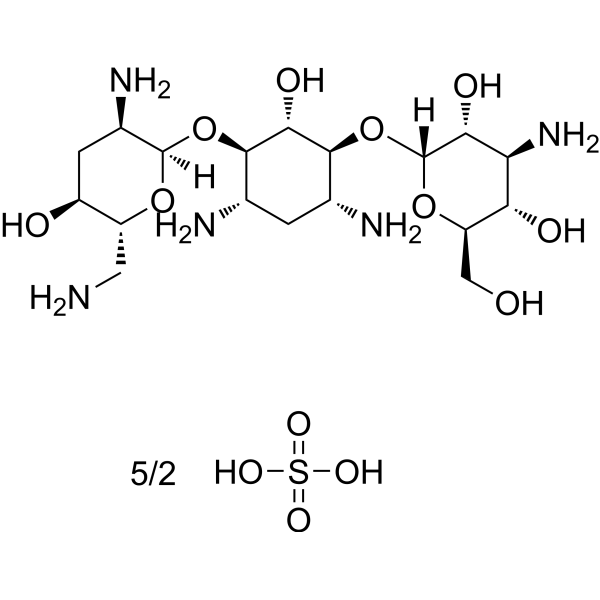
- Formula: C18H37N5O9.5/2H2O4S
- Molecular Weight: 712.18
Tobramycin (Nebramycin Factor 6) sulfate is a parenterally administered, broad spectrum aminoglycoside antibiotic that is widely used in the treatment of moderate to severe bacterial infections due to sensitive organisms. Tobramycin sulfate can be used to pneumonia research caused by Pseudomonas aeruginosa.
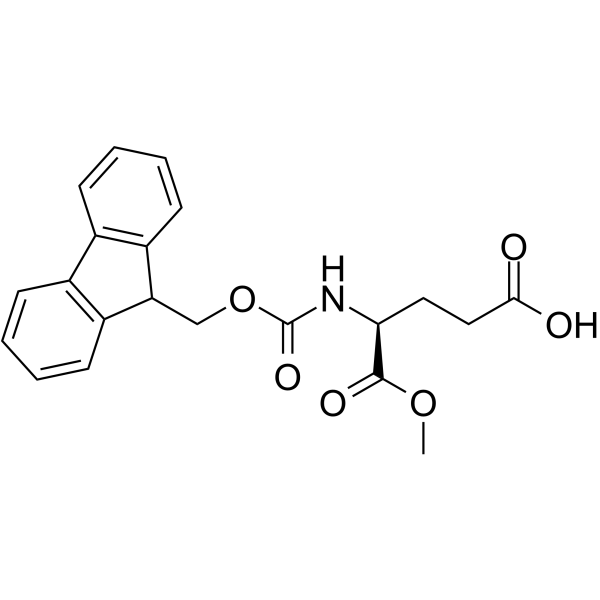
- Formula: C21H21NO6
- Molecular Weight: 383.40
Fmoc-Glu-OMe is a glutamic acid derivative. Fmoc-Glu-OMe exhibits significant antibacterial activity and excellent gelation properties in silver nitrate (AgNO3) solution. Fmoc-Glu-OMe promotes wound healing in rat models and eliminates bacteria in MRSA-infected rat wound models. Fmoc-Glu-OMe can be used in studies related to wound infections and MRSA-infected wounds.

- Formula: C8H6N2
- Molecular Weight: 130.15
Phthalazine is a chemical scaffold. Phthalazine derivatives act as VEGFR-2 inhibitors, PARP-1 inhibitors, and anticancer agents. The complex of phthalazine with silver exhibits broad-spectrum antibacterial and antifungal activities against Staphylococcus aureus, Enterococcus faecalis, Escherichia coli, Pseudomonas aeruginosa PAO1, and Candida albicans. Phthalazine derivatives possess potent vasodilatory activity. Phthalazine can be used in research related to colon adenocarcinoma, breast cancer, hypertension, diabetes, and microbial infections.

- Formula: C11H24O3
- Molecular Weight: 204.31
Ethylhexylglycerin is an antibacterial agent. Ethylhexylglycerin can induce allergic contact dermatitis. Ethylhexylglycerin inhibits the growth of various bacteria, disrupts the integrity of bacterial cell membranes, and causes proton leakage, reduced ATP levels, morphological abnormalities, and DNA aggregation. Ethylhexylglycerin serves as a skin conditioning agent, deodorant active ingredient, and preservative synergist. Ethylhexylglycerin is applicable to research related to contact dermatitis and bacterial infections.

- Molecular Weight: 200.46 kDa
Gremubamab (MEDI3902) is a humanized IgG1 kappa anti-PcrV/Psl monoclonal antibody. Gremubamab binds to the PA PcrV protein and Psl exopolysaccharide. Gremubamab has the potential for the research of pseudomonas aeruginosa infections.

- Formula: C6H6O6
- Molecular Weight: 174.11
Aconitic acid (NSC 7616) is an Antibacterial agent. Aconitic acid exerts dose-dependent inhibitory effects on Escherichia coli, Pseudomonas aeruginosa, Bacillus subtilis, and Staphylococcus aureus in vitro. Aconitic acid can be used in studies related to bacterial infections.



