Search Result
Results for "
Aβ+oligomer
" in MedChemExpress (MCE) Product Catalog:
| Cat. No. |
Product Name |
Target |
Research Areas |
Chemical Structure |
-
- HY-N0148
-
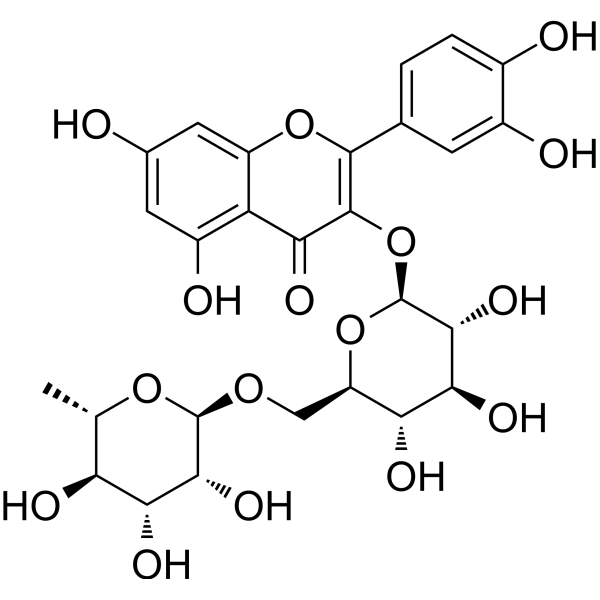
Rutin
Maximum Cited Publications
30 Publications Verification
Rutoside; Quercetin 3-O-rutinoside
|
Amyloid-β
Autophagy
Apoptosis
Endogenous Metabolite
|
Inflammation/Immunology
Cancer
|
|
Rutin (Rutoside) is a flavonoid found in many plants and shows a wide range of biological activities including anti-inflammatory, antidiabetic, antioxidant, neuroprotective, nephroprotective, hepatoprotective and reducing Aβ oligomer activities. Rutin is also a CBR1 inhibitor, which can cross the blood brain barrier. Rutin attenuates vancomycin-induced renal tubular cell apoptosis via suppression of apoptosis, mitochondrial dysfunction, and oxidative stress .
|
-
-
- HY-N0148A
-
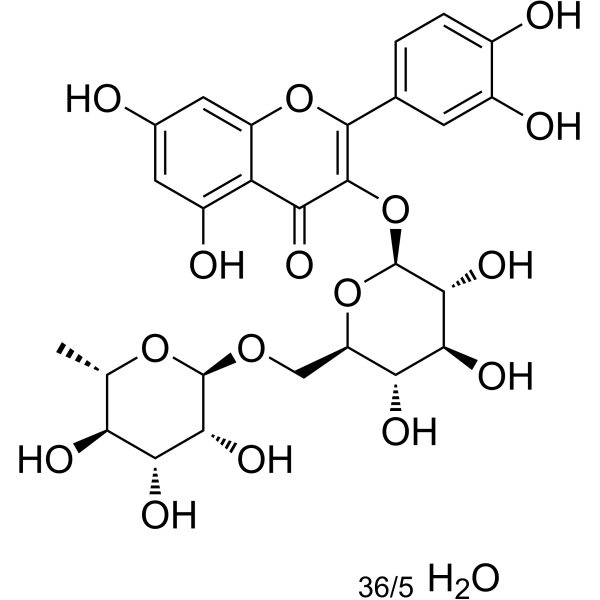
Rutin hydrate
Maximum Cited Publications
30 Publications Verification
Rutoside hydrate; Quercetin 3-O-rutinoside hydrate
|
Amyloid-β
Autophagy
Apoptosis
Endogenous Metabolite
|
Neurological Disease
Cancer
|
|
Rutin (Rutoside) hydrate is a flavonoid found in many plants and shows a wide range of biological activities including anti-inflammatory, antidiabetic, antioxidant, neuroprotective, nephroprotective, hepatoprotective and reducing Aβ oligomer activities. Rutin hydrate can cross the blood brain barrier. Rutin hydrate attenuates vancomycin-induced renal tubular cell apoptosis via suppression of apoptosis, mitochondrial dysfunction, and oxidative stress .
|
-
-
- HY-N2581
-
|
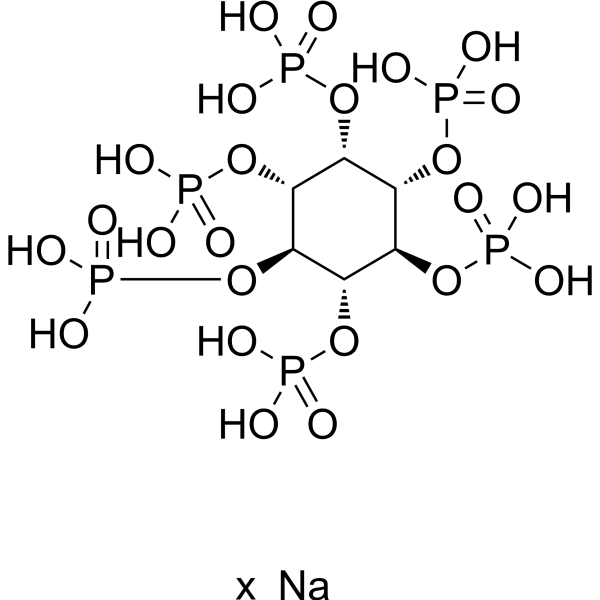
myo-Inositol, hexakisdihydrogen phosphate sodium salt; Inositol hexaphosphate sodium salt
|
MOFs
Endogenous Metabolite
Amyloid-β
Autophagy
|
Cardiovascular Disease
Neurological Disease
Metabolic Disease
Cancer
|
|
Phytic acid (myo-Inositol; hexakis dihydrogen phosphate; Inositol hexaphosphate) sodium salt is an orally active compound. Phytic acid sodium salt can be derived from the seeds of legumes. Phytic acid sodium salt is a [PO4] 3- storage depot and precursor for other inositol phosphates and pyrophosphates. Phytic acid sodium salt attenuates Aβ oligomers and upregulates autophagy protein. Phytic acid sodium salt can be used in cardiovascular disease, metabolic disease, nervous system disease and cancer research .
|
-
-
- HY-N0814
-
|
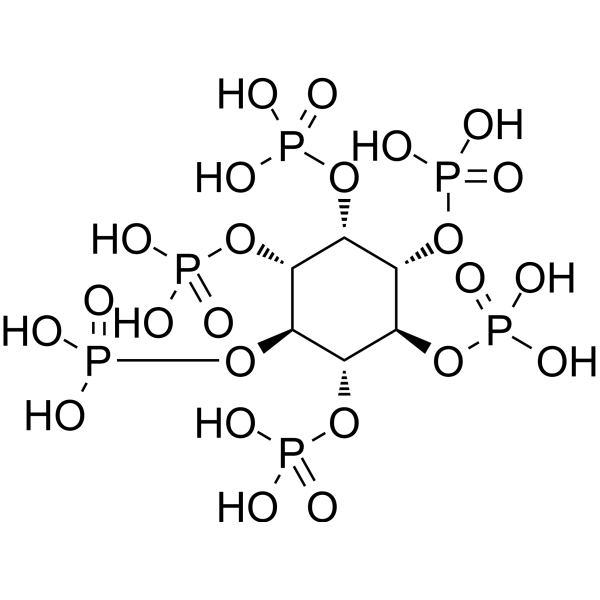
Inositol hexaphosphate; SNF472 free acid
|
Endogenous Metabolite
Amyloid-β
Autophagy
|
Cardiovascular Disease
Neurological Disease
Metabolic Disease
Cancer
|
|
Phytic acid (myo-Inositol; hexakis dihydrogen phosphate; Inositol hexaphosphate) is an orally active compound. Phytic acid can be derived from the seeds of legumes. Phytic acid is a [PO4] 3- storage depot and precursor for other inositol phosphates and pyrophosphates. Phytic acid attenuates Aβ oligomers and upregulates autophagy protein. Phytic acid can be used in cardiovascular disease, metabolic disease, nervous system disease and cancer research .
|
-
-
- HY-N12060
-
|
|
Bcl-2 Family
Caspase
Apoptosis
Autophagy
Reactive Oxygen Species (ROS)
Akt
JNK
ERK
|
Cardiovascular Disease
Neurological Disease
|
|
Ginkgo biloba extract is a natural product that can be isolated from Ginkgo biloba leaves . Ginkgo biloba extract alleviates oxidative stress-induced neuronal apoptosis (Apoptosis) by stabilizing mitochondrial function, regulating Bcl-2 family proteins and inhibiting caspase activation. Ginkgo biloba extract alleviates testicular injury by upregulating SKP2 and inhibiting Beclin1-independent autophagy (Autophagy) . Ginkgo biloba extract alleviates various types of neuronal damage in animal models. Ginkgo biloba extract reduces behavioral sensitization in rats. Ginkgo biloba extract counteracts Aβ-induced neurotoxicity by blocking a series of Aβ-triggered events, including glucose uptake, ROS accumulation, AKT activation, mitochondrial dysfunction, JNK and ERK 1/2 pathways, and apoptosis, and also interferes with the formation of Aβ oligomers. Ginkgo biloba extract is applicable to research related to cerebral hypoperfusion, testicular injury, Alzheimer's disease, Parkinson's disease, multi-infarct dementia, stroke, traumatic brain injury and amyotrophic lateral sclerosis .
|
-
-
- HY-N0148R
-
|
Rutoside (Standard); Quercetin 3-O-rutinoside (Standard)
|
Reference Standards
Amyloid-β
Autophagy
Apoptosis
Endogenous Metabolite
|
Inflammation/Immunology
Cancer
|
|
Rutin (Standard) is the analytical standard of Rutin. This product is intended for research and analytical applications. Rutin (Rutoside) is a flavonoid found in many plants and shows a wide range of biological activities including anti-inflammatory, antidiabetic, antioxidant, neuroprotective, nephroprotective, hepatoprotective and reducing Aβ oligomer activities. Rutin is also a CBR1 inhibitor, which can cross the blood brain barrier. Rutin attenuates vancomycin-induced renal tubular cell apoptosis via suppression of apoptosis, mitochondrial dysfunction, and oxidative stress .
|
-

-
- HY-113788
-
|
|
Pyk2
p38 MAPK
Amyloid-β
|
Neurological Disease
Inflammation/Immunology
|
|
PF-719 is a highly selective Pyk2 inhibitor with an IC50 value of 17 nM. PF-719 promotes the activation of LKB1 and p38 MAPK. PF-719 blocks synaptic deficits induced by Amyloid-beta oligomers and reverses the inhibition of long-term potentiation induced by β-amyloid oligomers. PF-719 can be used in research related to Alzheimer's disease and autoimmune diseases .
|
-

-
- HY-121035
-
|
7-Bromoindirubin-3-Oxime
|
CDK
GSK-3
|
Neurological Disease
|
|
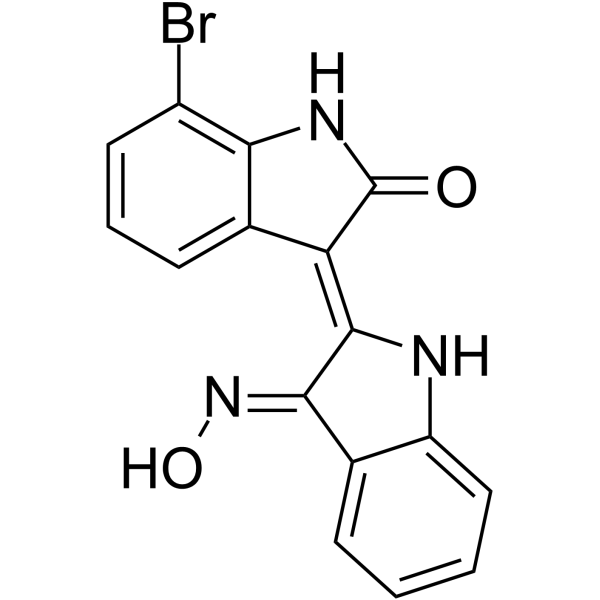
7BIO (7-Bromoindirubin-3-Oxime) is the derivate of indirubin. 7BIO (7-Bromoindirubin-3-Oxime) has inhibitory effects against cyclin-dependent kinase-5 (CDK5) and glycogen synthase kinase-3β (GSK3β). 7BIO (7-Bromoindirubin-3-Oxime) inhibits Aβ oligomer-induced neuroinflammation, synaptic impairments, tau hyper-phosphorylation, activation of astrocytes and microglia, and attenuates Aβ oligomer-induced cognitive impairments in mice [1].
|
-
-
- HY-139324
-
|
|
GSK-3
Amyloid-β
|
Neurological Disease
Cancer
|
|
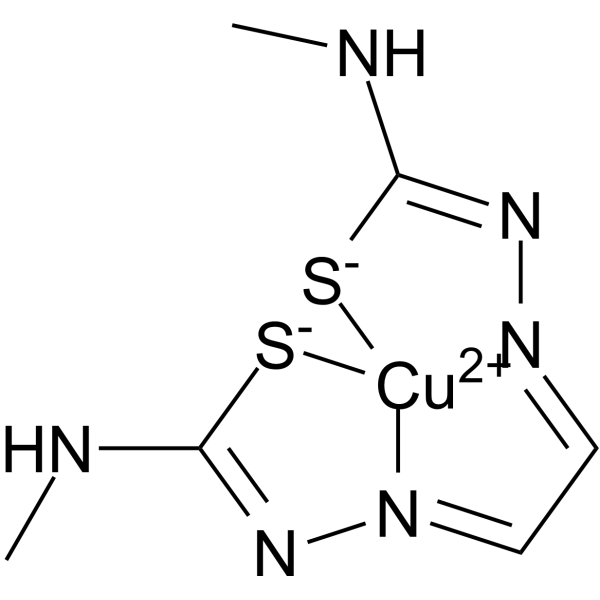
Cu(II)GTSM, a cell-permeable Cu-complex, significantly inhibits GSK3β. Cu(II)GTSM inhibits Amyloid-β oligomers (AβOs) and decreases tau phosphorylation. Cu(II)GTSM also decreases the abundance of Amyloid-β trimers. Cu(II)GTSM is a potential anticancer and antimicrobial agent .
|
-
-
- HY-14759
-
|
PAZ-417
|
PAI-1
Amyloid-β
|
Neurological Disease
|
|
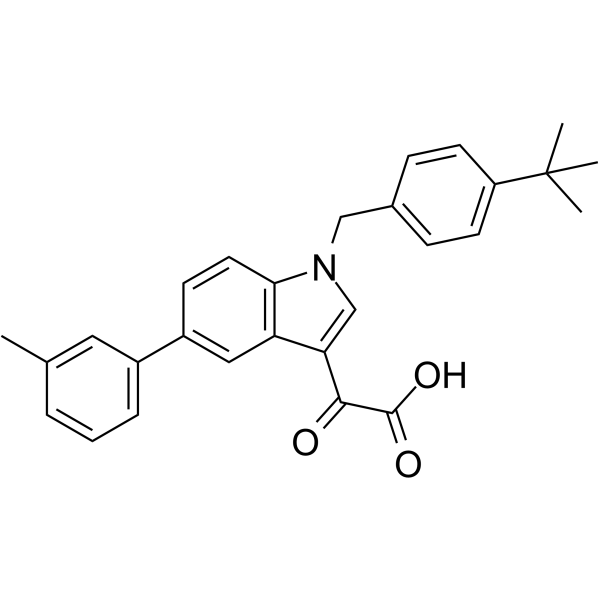
Aleplastinin (PAZ-417) is an orally active, blood-brain barrier permeable, selective SERPINE1 (PAI-1) inhibitor (IC50=655 nM). Aleplastinin activates the tissue type plasminogen activator (tPA)/fibrinolysis cascade by inhibiting PAI-1, thereby promoting the degradation of amyloid-β (Aβ) oligomers and monomers. Aleplastinin can significantly reduce plasma and brain Aβ levels, improve memory impairment, and reverse cognitive impairment. Aleplastinin can be used for research on Alzheimer's disease .
|
-
-
- HY-148913
-
|
|
CaMK
|
Neurological Disease
|
|
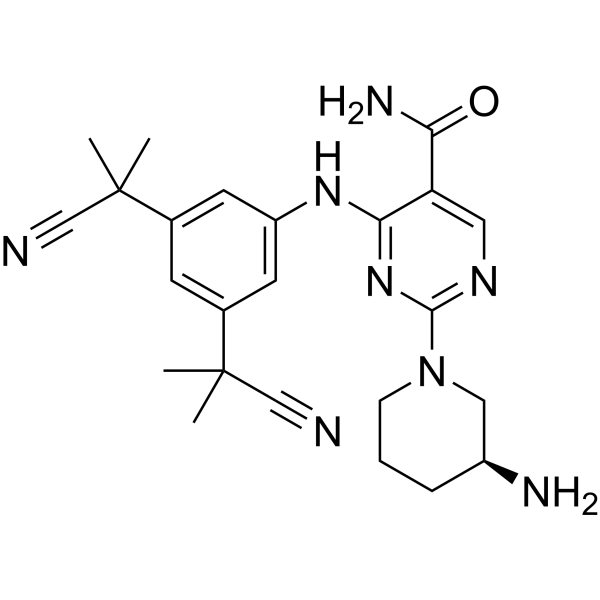
CS587 is a specific inhibitor of CaMK1D with neurocytotoxicity at 10 μM. CS587 modulates the sensitivity of neuronal cells to Aβ oligomer toxicity .
|
-
-
- HY-171179
-
|
|
Fluorescent Dye
|
Neurological Disease
|
|
BD-Oligo is an oligomer-specific fluorescent chemical probe. BD-Oligo preferentially identifies Aβ oligomer assemblies over monomers or fibrils by using diversity-directed fluorescent library (DOFL) screening and computational techniques. BD-Oligo exhibits dynamic oligomer monitoring capabilities during Aβ peptide fibril formation as Aβ is induced to form oligomers and ultimately fibrils over time. BD-Oligo also exhibits blood-brain barrier permeability with the ability to stain Aβ oligomers in vivo .
|
-

-
- HY-N2580
-
|
|
Endogenous Metabolite
Amyloid-β
Autophagy
|
Cardiovascular Disease
Neurological Disease
Metabolic Disease
Cancer
|
|
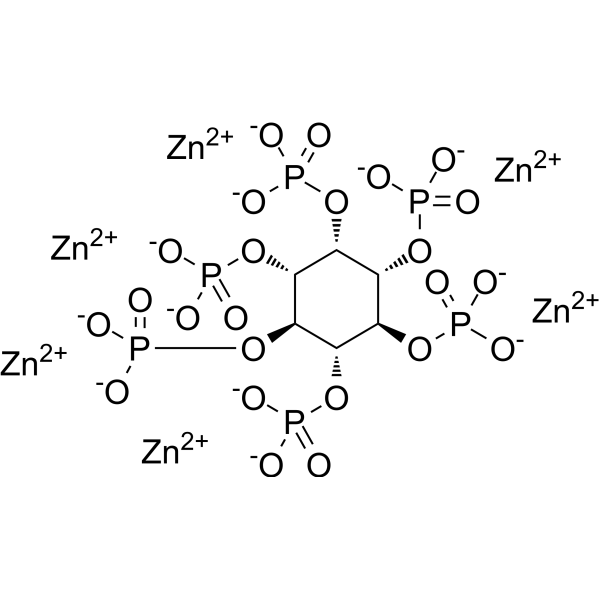
Zinc Phytate (myo-Inositol; hexakis dihydrogen phosphate; Inositol hexaphosphate) is an orally active compound. Zinc Phytate can be derived from the seeds of legumes. Zinc Phytate is a [PO4] 3- storage depot and precursor for other inositol phosphates and pyrophosphates. Zinc Phytate attenuates Aβ oligomers and upregulates autophagy protein. Zinc Phytate can be used in cardiovascular disease, metabolic disease, nervous system disease and cancer research .
|
-
-
- HY-P991535
-
|
|
Amyloid-β
|
Neurological Disease
|
|
PMN310 is a monoclonal antibody targeting amyloid-β oligomers (AβO). PMN310 prevents AβO-induced memory loss and reduces synaptic loss and inflammation in vivo. PMN310 is potentially useful in Alzheimer's disease research .
|
-

-
- HY-P991536
-
|
|
Amyloid-β
|
Neurological Disease
|
|
KHK6640 is a humanized anti-amyloid beta oligomer-specific antibody. KHK6640 demonstrates high potency and efficacy for cognitive improvement in several rodent Alzheimer’s models. KHK6640 can be studied in research for neurological diseases such as Alzheimer’s disease .
|
-

-
- HY-N0148AR
-
|
Rutoside hydrate (Standard); Quercetin 3-O-rutinoside hydrate (Standard)
|
Amyloid-β
Autophagy
Apoptosis
Endogenous Metabolite
Reference Standards
|
Neurological Disease
Cancer
|
|
Rutin (hydrate) (Standard) is the analytical standard of Rutin (hydrate). This product is intended for research and analytical applications. Rutin (Rutoside) hydrate is a flavonoid found in many plants and shows a wide range of biological activities including anti-inflammatory, antidiabetic, antioxidant, neuroprotective, nephroprotective, hepatoprotective and reducing Aβ oligomer activities. Rutin hydrate can cross the blood brain barrier. Rutin hydrate attenuates vancomycin-induced renal tubular cell apoptosis via suppression of apoptosis, mitochondrial dysfunction, and oxidative stress .
|
-

-
- HY-N6640
-
|
20-Hydroxyeedysone 2-acetate
|
Amyloid-β
|
Neurological Disease
|
|
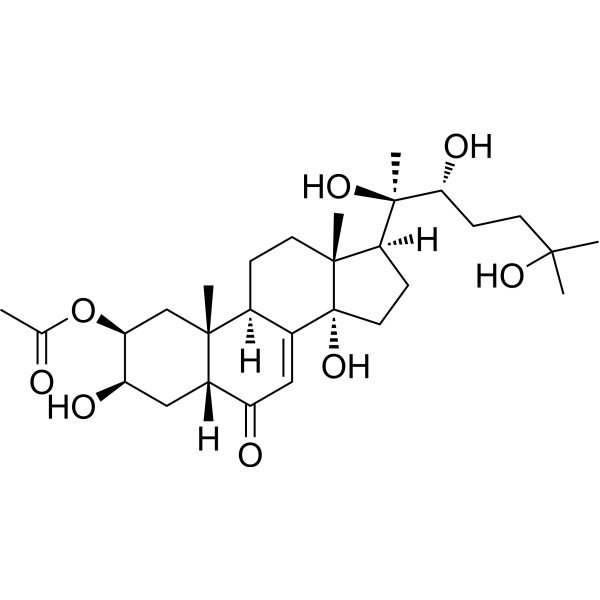
2-O-Acetyl-20-hydroxyecdysone, an ecdysterones in insects and terrestrial plants, inhibits amyloid-β42 (Aβ42)-induced cytotoxicity. 2-O-Acetyl-20-hydroxyecdysone could decrease Aβ oligomer formation through promotion of fibrogenesis, transforming Aβ oligomers to the low-toxicity fibrils .
|
-
-
- HY-13325
-
|
|
Drug Derivative
Amyloid-β
|
Neurological Disease
|
|
Aβ aggregation modulator-1 is a stimulator of amyloid-β (Aβ) fibrillogenesis. Aβ aggregation modulator-1 binds hydrophobic residues in Aβ peptides and stabilizes β-sheet-rich protofibrils and fibrils. Aβ aggregation modulator-1 accelerates Aβ polymerization and reduces concentrations of small, toxic Aβ oligomers in heterogeneous aggregation reactions. Aβ aggregation modulator-1 suppresses long-term potentiation (LTP) inhibition by Aβ oligomers in hippocampal brain slices. Aβ aggregation modulator-1 can be used for the study of Alzheimer's disease (AD) .
|
-

-
- HY-118243
-
|
|
Amyloid-β
|
Others
|
|
KMS88009 is a potent small molecule that directly interferes with the formation of amyloid-β oligomers, thereby preserving cognitive behavior when used preventively and reversing cognitive behavior decline when used therapeutically. Oral administration of KMS88009 around the onset of Alzheimer's disease symptoms significantly reduced the assembly of amyloid-β oligomers and improved cognitive behavior in the APP/PS1 double transgenic mouse model. This unique dual mode of action suggests that KMS88009 may be a powerful therapeutic candidate for the treatment of Alzheimer's disease. In an evaluation, the physicochemical properties, pharmacokinetics and toxicity of this anti-amyloidogenic small molecule KMS88009 were studied, as well as post-mortem analysis of APP/PS1 TG mice after behavioral testing.
|
-

-
- HY-14535
-
|
|
Amyloid-β
|
Neurological Disease
|
|
SEN-1269 is a potent Aβ aggregation inhibitor. SEN-1269 blocks Aβ(1-42) aggregation and protects neuronal cell lines exposed to Aβ(1-42). SEN-1269 reduces the deficits in LTP and memory induced by Aβ oligomers. SEN-1269 can be used for the research of Alzheimer's disease .
|
-

-
- HY-168052
-
|
|
Amyloid-β
Cholinesterase (ChE)
|
Neurological Disease
|
|
hAChE-IN-9 (compound 7i) is a selective inhibitor of human acetylcholinesterase (hAChE) with IC50 of 0.05 μM and 2.85 μM for AChE and BChE, respectively. hAChE-IN-9 modulates toxic Aβ oligomer forms into non-toxic ones and has antioxidant and neuroprotective effects against Aβ-induced toxicity. hAChE-IN-9 can be used for the study of Alzheimer's disease .
|
-

-
- HY-149246
-
|
|
Amyloid-β
Keap1-Nrf2
|
Neurological Disease
Inflammation/Immunology
|
|
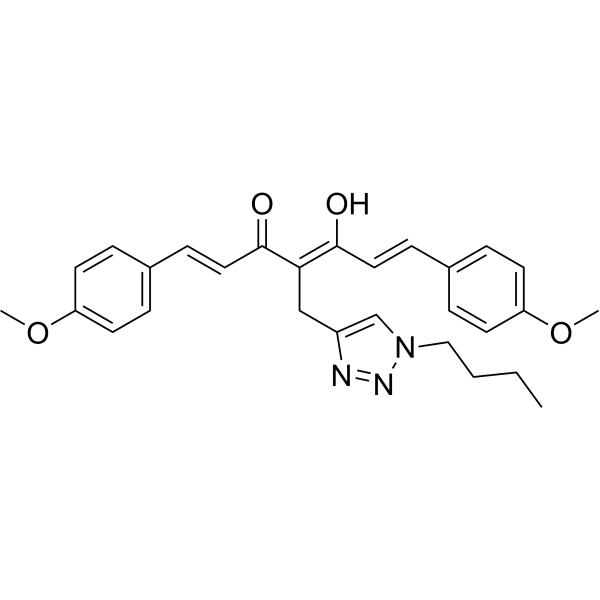
Aβ-IN-6 reduces pro-inflammatory cytokine release from microglia cells. Aβ-IN-6 significantly induces Nrf2 nuclear translocation and hamperes Aβ oligomers formation. Aβ-IN-6 exerts a consistent neuroprotective effect by modulating the redox-sensitive signalling pathways in vivo oxidative stress model. Aβ-IN-6 is an orally active and has antiinflammatory, Antioxidant and Anti-oligomeric activity. Aβ-IN-6 has the potential for Alzheimer's disease (AD) research .
|
-
-
- HY-119492
-
|
|
Calcium Channel
Cholinesterase (ChE)
Amyloid-β
Tau Protein
|
Neurological Disease
|
|
Phenchlobenpyrrone is a highly selective neuronal calcium antagonist that crosses the blood-brain barrier. Phenchlobenpyrrone mildly inhibits AChE activity. Phenchlobenpyrrone inhibits Aβ aggregation and promotes the clearance of Aβ oligomers. Phenchlobenpyrrone reduces abnormal phosphorylation of Tau protein. Phenchlobenpyrrone may be used in research on Alzheimer's disease .
|
-

-
- HY-183660
-
|
|
Autophagy
Amyloid-β
Tau Protein
|
Neurological Disease
|
|
F-SLOH is a brain-penerant and orally active TFEB activator and amyloid-β inhibitor with an IC50 of 3.4 μM against amyloid-β. F-SLOH promotes nuclear translocation of TFEB, driving autophagy and lysosomal biogenesis. F-SLOH reduces amyloid-β oligomers and Tau aggregates via autophagy lysosomal degradation pathway. F-SLOH can be used for the research of Alzheimer’s disease .
|
-

-
- HY-W720917
-
|
|
CaMK
PKC
Amyloid-β
Apoptosis
|
Neurological Disease
|
|
Junicedric acid is a diterpenoid compound that can be isolated from the resin of the Araucaria araucana tree. Junicedric acid exerts neuroprotective activity by increasing intracellular calcium levels in hippocampal neurons, activating PKC and calcium/calmodulin-dependent protein kinase (CaMKII), and preventing Amyloid-β oligomer-induced synaptic protein loss, apoptosis, and long-term potentiation (LTP) inhibition. Junicedric acid can be used in the study of the pathological mechanisms of neurodegenerative diseases such as Alzheimer's disease .
|
-

-
- HY-D3220
-
|
|
Fluorescent Dye
Amyloid-β
|
Neurological Disease
|
|
PTO-41 is a blood-brain barrier-permeable near-infrared fluorescent probe that targets β-amyloid oligomers (Aβ Oligomers, AβOs) with a Kd of 349 nM. PTO-41 exhibits low cytotoxicity, high sensitivity to β-amyloid oligomers in in vitro phantom imaging, and can be rapidly cleared from the brain. PTO-41 is applicable to the research of Alzheimer's disease (Ex/Em = 538 nM/680 nM) .
|
-

-
- HY-181448
-
|
Inositol hexaphosphate hexalithium; SNF472 hexalithium
|
Endogenous Metabolite
Amyloid-β
Autophagy
|
Cardiovascular Disease
Neurological Disease
Metabolic Disease
Cancer
|
|
Phytic acid (Inositol hexaphosphate hexalithium) hexalithium is an orally active compound. Phytic acid hexalithium can be derived from the seeds of legumes. Phytic acid is a [PO4] 3- storage depot and precursor for other inositol phosphates and pyrophosphates. Phytic acid hexalithium attenuates Aβ oligomers and upregulates Autophagy protein. Phytic acid hexalithium can be used in cardiovascular disease, metabolic disease, nervous system disease and cancer research .
|
-

-
- HY-114613
-
|
|
Amyloid-β
α-synuclein
CGRP Receptor
Amylin Receptor
|
Neurological Disease
Inflammation/Immunology
|
|
D-Trp-Aib is a dipeptide and amyloid-β inhibitor with a Kd of 29.6 nM. D-Trp-Aib triggers formation of non-toxic, non-β-sheet, amorphous amyloid β clusters from misfolded amyloid β monomers and toxic amyloid β oligomers, and reduces toxic amyloid β1-42 deposits. D-Trp-Aib inhibits amyloid fibril formation of α‑synuclein, IAPP and calcitonin. D-Trp-Aib can be used for the research of Alzheimer's disease .
|
-

| Cat. No. |
Product Name |
Type |
-
- HY-171179
-
|
|
Fluorescent Dyes
|
|
BD-Oligo is an oligomer-specific fluorescent chemical probe. BD-Oligo preferentially identifies Aβ oligomer assemblies over monomers or fibrils by using diversity-directed fluorescent library (DOFL) screening and computational techniques. BD-Oligo exhibits dynamic oligomer monitoring capabilities during Aβ peptide fibril formation as Aβ is induced to form oligomers and ultimately fibrils over time. BD-Oligo also exhibits blood-brain barrier permeability with the ability to stain Aβ oligomers in vivo .
|
-
- HY-D3220
-
|
|
Fluorescent Dyes
|
|
PTO-41 is a blood-brain barrier-permeable near-infrared fluorescent probe that targets β-amyloid oligomers (Aβ Oligomers, AβOs) with a Kd of 349 nM. PTO-41 exhibits low cytotoxicity, high sensitivity to β-amyloid oligomers in in vitro phantom imaging, and can be rapidly cleared from the brain. PTO-41 is applicable to the research of Alzheimer's disease (Ex/Em = 538 nM/680 nM) .
|
| Cat. No. |
Product Name |
Target |
Research Area |
Image |
-
- HY-P990081
-
|
TB-006
|
Inhibitory Antibodies
|
Neurological Disease
|
|
Oloctinebart is a humanized immunoglobulin G4-kappa, anti-LGALS3 monoclonal antibody. Oloctinebart is used for reduction of amyloid beta oligomers formation .
|
-


(5)
-
- HY-P991535
-
|
|
Amyloid-β
|
Neurological Disease
|
|
PMN310 is a monoclonal antibody targeting amyloid-β oligomers (AβO). PMN310 prevents AβO-induced memory loss and reduces synaptic loss and inflammation in vivo. PMN310 is potentially useful in Alzheimer's disease research .
|
-
(5)
-
- HY-P991536
-
|
|
Amyloid-β
|
Neurological Disease
|
|
KHK6640 is a humanized anti-amyloid beta oligomer-specific antibody. KHK6640 demonstrates high potency and efficacy for cognitive improvement in several rodent Alzheimer’s models. KHK6640 can be studied in research for neurological diseases such as Alzheimer’s disease .
|
-
(5)
| Cat. No. |
Product Name |
Category |
Target |
Chemical Structure |
-
- HY-N0148
-
-
-
- HY-N0148A
-
Rutin hydrate
Maximum Cited Publications
30 Publications Verification
Rutoside hydrate; Quercetin 3-O-rutinoside hydrate
|
Flavonols
Flavonoids
other families
Phenols
Polyphenols
Plants
Source Classification
|
Amyloid-β
Autophagy
Apoptosis
Endogenous Metabolite
|
|
Rutin (Rutoside) hydrate is a flavonoid found in many plants and shows a wide range of biological activities including anti-inflammatory, antidiabetic, antioxidant, neuroprotective, nephroprotective, hepatoprotective and reducing Aβ oligomer activities. Rutin hydrate can cross the blood brain barrier. Rutin hydrate attenuates vancomycin-induced renal tubular cell apoptosis via suppression of apoptosis, mitochondrial dysfunction, and oxidative stress .
|
-
-
- HY-N2581
-
-
-
- HY-N0814
-
-
-
- HY-N12060
-
|
|
Structural Classification
Natural Products
Ginkgoaceae
Plants
Ginkgo biloba
Source Classification
|
Bcl-2 Family
Caspase
Apoptosis
Autophagy
Reactive Oxygen Species (ROS)
Akt
JNK
ERK
|
|
Ginkgo biloba extract is a natural product that can be isolated from Ginkgo biloba leaves . Ginkgo biloba extract alleviates oxidative stress-induced neuronal apoptosis (Apoptosis) by stabilizing mitochondrial function, regulating Bcl-2 family proteins and inhibiting caspase activation. Ginkgo biloba extract alleviates testicular injury by upregulating SKP2 and inhibiting Beclin1-independent autophagy (Autophagy) . Ginkgo biloba extract alleviates various types of neuronal damage in animal models. Ginkgo biloba extract reduces behavioral sensitization in rats. Ginkgo biloba extract counteracts Aβ-induced neurotoxicity by blocking a series of Aβ-triggered events, including glucose uptake, ROS accumulation, AKT activation, mitochondrial dysfunction, JNK and ERK 1/2 pathways, and apoptosis, and also interferes with the formation of Aβ oligomers. Ginkgo biloba extract is applicable to research related to cerebral hypoperfusion, testicular injury, Alzheimer's disease, Parkinson's disease, multi-infarct dementia, stroke, traumatic brain injury and amyotrophic lateral sclerosis .
|
-
-
- HY-N0148R
-
-
-
- HY-N2580
-
-
-
- HY-N0148AR
-
|
Rutoside hydrate (Standard); Quercetin 3-O-rutinoside hydrate (Standard)
|
Flavonols
Structural Classification
Flavonoids
other families
Phenols
Polyphenols
Plants
Source Classification
|
Amyloid-β
Autophagy
Apoptosis
Endogenous Metabolite
Reference Standards
|
|
Rutin (hydrate) (Standard) is the analytical standard of Rutin (hydrate). This product is intended for research and analytical applications. Rutin (Rutoside) hydrate is a flavonoid found in many plants and shows a wide range of biological activities including anti-inflammatory, antidiabetic, antioxidant, neuroprotective, nephroprotective, hepatoprotective and reducing Aβ oligomer activities. Rutin hydrate can cross the blood brain barrier. Rutin hydrate attenuates vancomycin-induced renal tubular cell apoptosis via suppression of apoptosis, mitochondrial dysfunction, and oxidative stress .
|
-
-
- HY-N6640
-
|
20-Hydroxyeedysone 2-acetate
|
other families
Plants
Steroids
Source Classification
|
Amyloid-β
|
|
2-O-Acetyl-20-hydroxyecdysone, an ecdysterones in insects and terrestrial plants, inhibits amyloid-β42 (Aβ42)-induced cytotoxicity. 2-O-Acetyl-20-hydroxyecdysone could decrease Aβ oligomer formation through promotion of fibrogenesis, transforming Aβ oligomers to the low-toxicity fibrils .
|
-
-
- HY-W720917
-
|
|
Structural Classification
Pinaceae
Terpenoids
Diterpenoids
Plants
Pinus merkusii Jungh. & de Vriese
Source Classification
|
CaMK
PKC
Amyloid-β
Apoptosis
|
|
Junicedric acid is a diterpenoid compound that can be isolated from the resin of the Araucaria araucana tree. Junicedric acid exerts neuroprotective activity by increasing intracellular calcium levels in hippocampal neurons, activating PKC and calcium/calmodulin-dependent protein kinase (CaMKII), and preventing Amyloid-β oligomer-induced synaptic protein loss, apoptosis, and long-term potentiation (LTP) inhibition. Junicedric acid can be used in the study of the pathological mechanisms of neurodegenerative diseases such as Alzheimer's disease .
|
-
Your information is safe with us. * Required Fields.
Inquiry Information
- Product Name:
- Cat. No.:
- Quantity:
- MCE Japan Authorized Agent:








