Search Result
Results for "
Abc Inhibitors
" in MedChemExpress (MCE) Product Catalog:
| Cat. No. |
Product Name |
Target |
Research Areas |
Chemical Structure |
-
- HY-145483
-
KT-474
1 Publications Verification
KYM-001; PROTAC IRAK4 degrader-7
|
PROTACs
IRAK
Apoptosis
|
Cancer
|
|
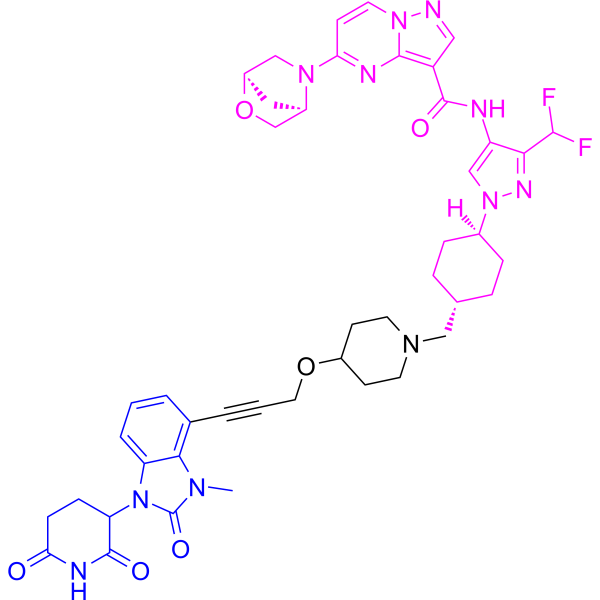
KT-474 (KYM-001; PROTAC IRAK4 degrader-7) is an orally active PROTAC IRAK4 degrader with anti-tumor effects. KT-474 inhibits the cell cycle and induces apoptosis. KT-474 induces tumor regression in a xenograft model of MYD88-mutated ABC DLBCL. KT-474 is a click chemistry reagent, containing an alkyne group, which can undergo copper-catalyzed azide-alkyne cycloaddition (CuAAc) with molecules containing azide groups .
|
-
-
- HY-10161
-
Tozasertib
Maximum Cited Publications
16 Publications Verification
VX 680; MK-0457
|
Aurora Kinase
Autophagy
|
Cancer
|
|
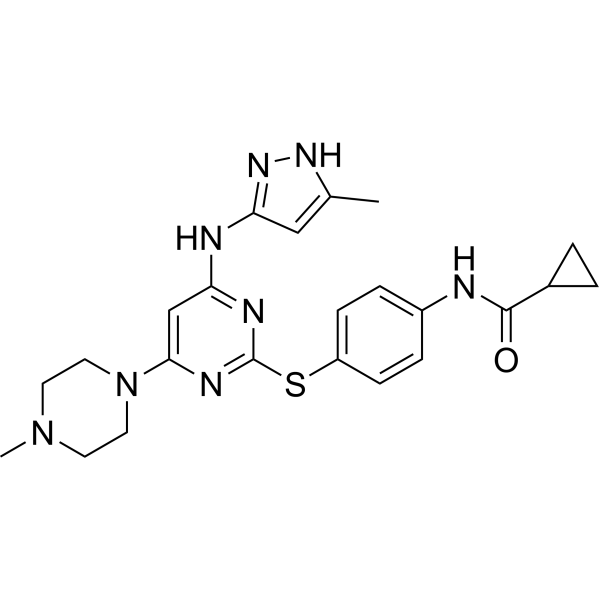
Tozasertib (VX 680; MK-0457) is an inhibitor of Aurora A/B/C kinases with Kis of 0.6, 18, 4.6 nM, respectively.
|
-
-
- HY-109019
-
|
CM082; X-82
|
VEGFR
PDGFR
|
Cardiovascular Disease
Cancer
|
|
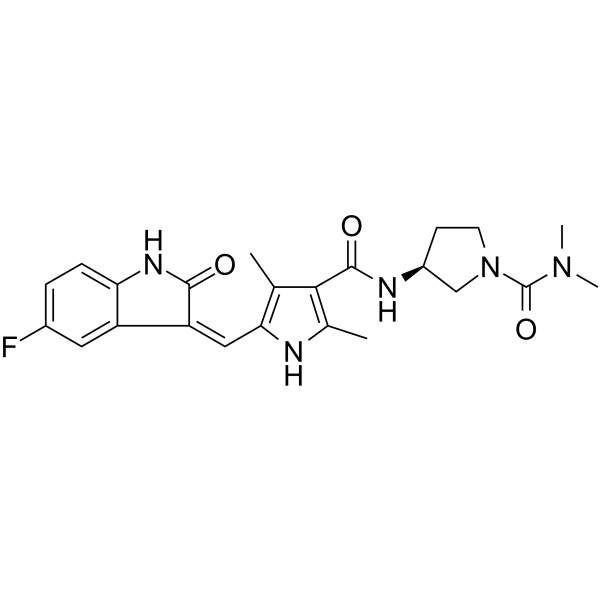
Vorolanib (CM082) is an orally active, potent multikinase VEGFR/PDGFR inhibitor. Vorolanib is a potent ATP-binding cassette (ABC) transporter inhibitor. Vorolanib is an angiogenesis inhibitor and has antitumor activity combined with ZD1839 (HY-50895) .
|
-
-
- HY-16015
-
|
Abc294640
|
SphK
|
Cancer
|
|
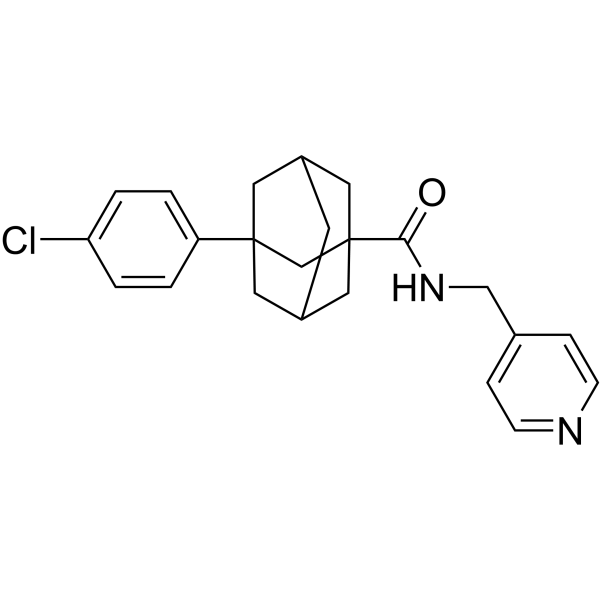
Opaganib (ABC294640) is a selective, competitive sphingosine kinase 2 (SK2) inhibitor with Ki of 9.8 μM.
|
-
-
- HY-121282
-
|
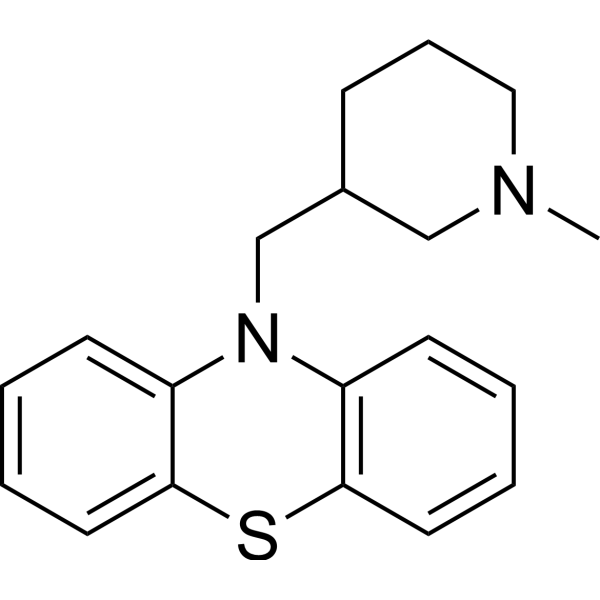
Pecazine
|
MALT1
Apoptosis
|
Cancer
|
|
Mepazine (Pecazine) is a potent and selective MALT1 protease inhibitor with IC50s of 0.83 and 0.42 μM for GSTMALT1 full length and GSTMALT1 325-760, respectively. Mepazine affects viability of ABC-DLBCL cells by enhancing apoptosis .
|
-
-
- HY-15590
-
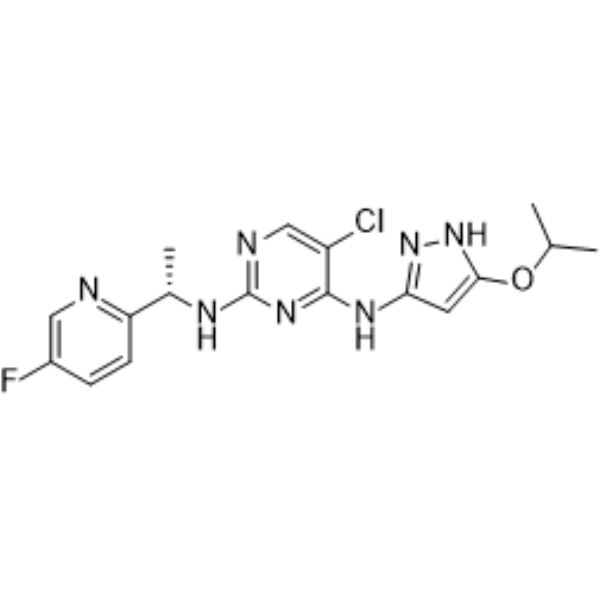
AZ-23
3 Publications Verification
AZD1332
|
Trk Receptor
|
Cancer
|
|
AZ-23 is an ATP-competitive and orally bioavailable Trk kinase A/B/C inhibitor with IC50s of 2 nM (TrkA), 8 nM (TrkB), 24 nM (FGFR1), 52 nM (Flt3), 55 nM (Ret), 84 nM (MuSk), 99 nM (Lck), respectively.
|
-
-
- HY-125176
-
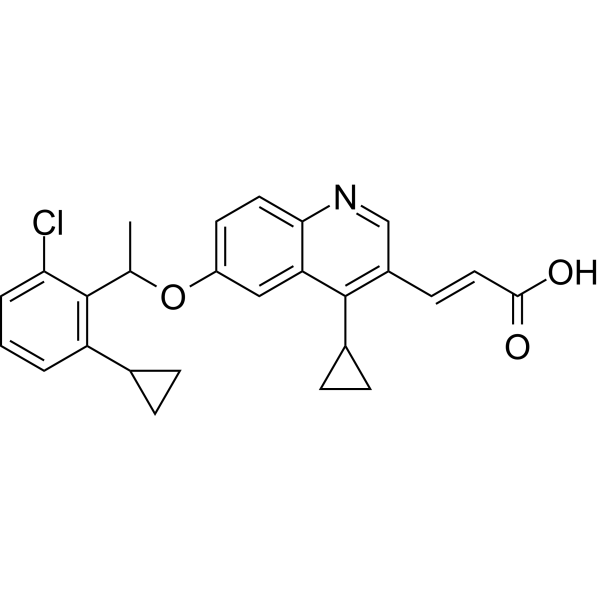
G907
1 Publications Verification
|
Bacterial
|
Infection
|
|
G907 is a selective antagonist of ATP-binding cassette (ABC) transporter MsbA with anti-microbial activity. G907 inhibits E. coli MsbA with an IC50 value of 18 nM. G907 traps MsbA in an inward-facing, lipopolysaccharide-bound conformation by wedging into an architecturally conserved transmembrane pocket .
|
-
-
- HY-101453
-
|
|
P-glycoprotein
|
Cancer
|
|
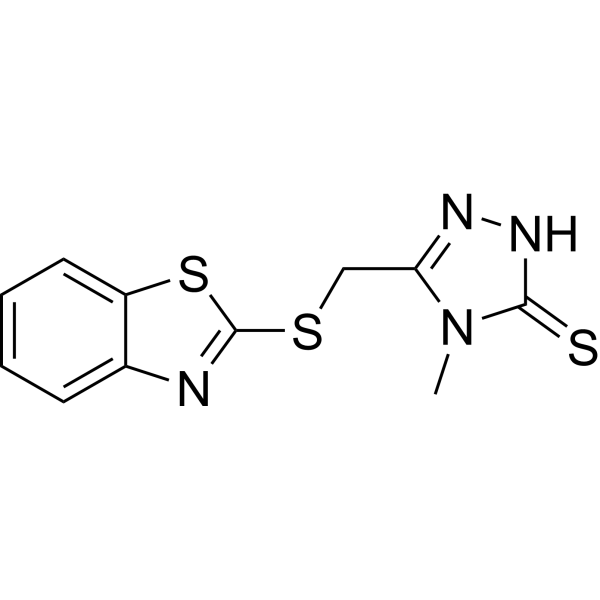
Ceefourin 1 is a potent and highly selective multidrug resistance protein 4 (MRP4) inhibitor. Ceefourin 1 inhibits transport of a broad range of MRP4 substrates, yet is highly selective for MRP4 over other ABC transporters. Ceefourin 1 is a benzothiazol and primarily as a chemosensitizer for high-risk neuroblastoma .
|
-
-
- HY-160698
-
|
|
MALT1
Apoptosis
|
Cancer
|
|
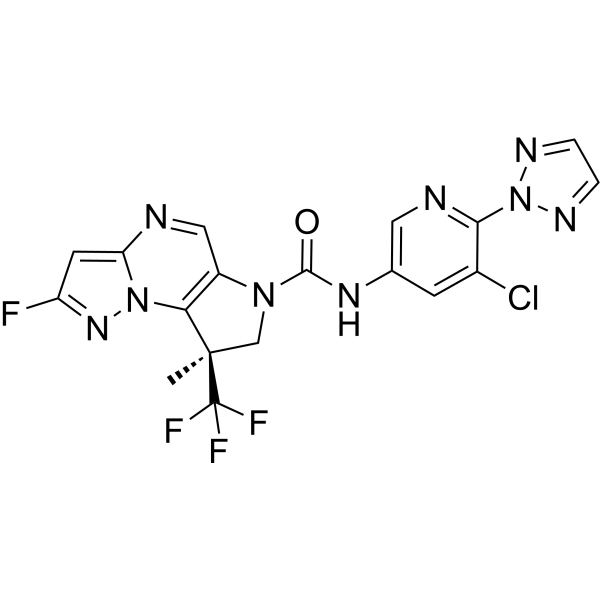
SGR-1505 is an oral small molecule MALT1 inhibitor with anti-proliferative and antitumor activity.SGR-1505 inhibits MALT1 enzymatic activity to modulate NF-κB pathway gene expression.SGR-1505 induces modulation of cell cycle, DNA damage, and apoptosis-related genes in in vivo tumor samples.SGR-1505 exerts tumorostatic and regressive activity in ABC-DLBCL xenograft models.SGR-1505 can be used for the research of activated B cell-like diffuse large B cell lymphoma, non-Hodgkin B-cell lymphomas, chronic lymphocytic leukemia, and mature B cell neoplasms .
|
-
-
- HY-122832
-
ABC99
1 Publications Verification
|
Wnt
|
Cancer
|
|
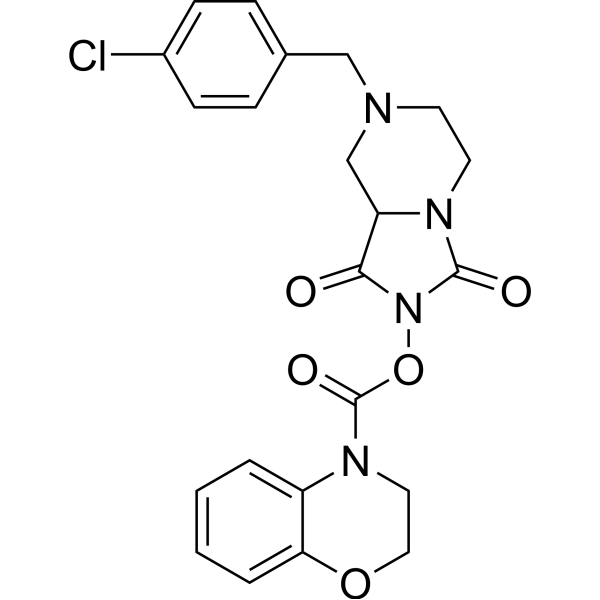
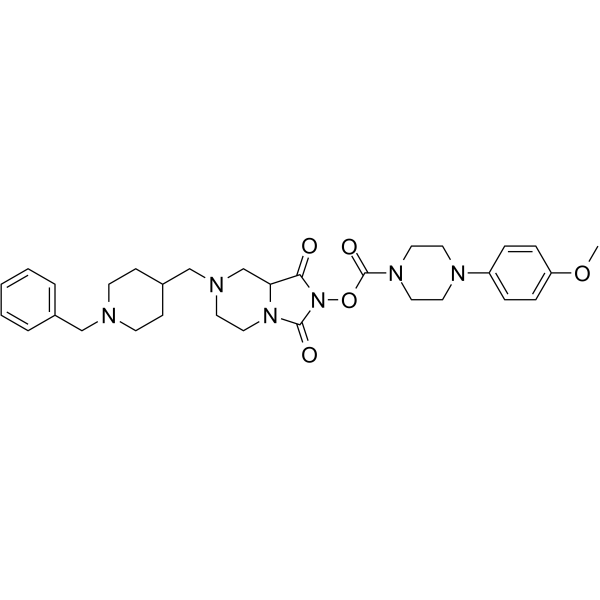
ABC99 is an N-hydroxyhydantoin (NHH) carbamate that selectively inhibits the Wnt-deacylating enzyme NOTUM (IC50=13 nM). ABC99 preserves Wnt3A signaling in the presence of NOTUM .
|
-
-
- HY-121282A
-
|
Pecazine hydrochloride
|
MALT1
Apoptosis
|
Cancer
|
|
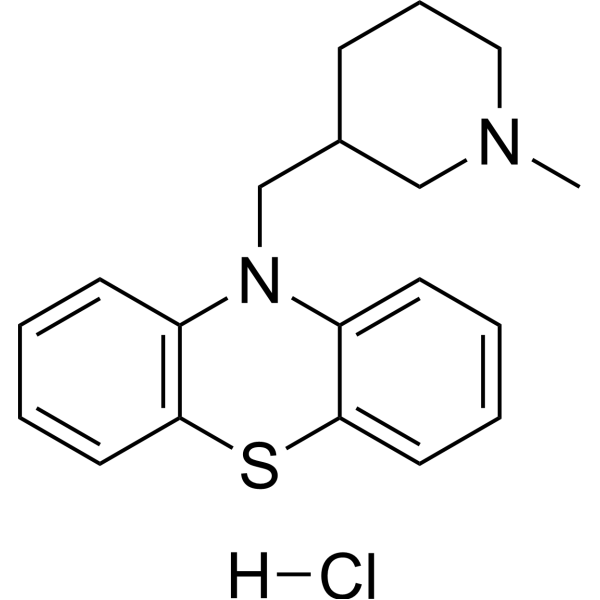
Mepazine hydrochloride (Pecazine hydrochloride) is a potent and selective MALT1 protease inhibitor with IC50s of 0.83 and 0.42 μM for GSTMALT1 full length and GSTMALT1 325-760, respectively. Mepazine hydrochloride affects viability of ABC-DLBCL cells by enhancing apoptosis .
|
-
-
- HY-117203A
-
|
|
CDK
|
Cancer
|
|
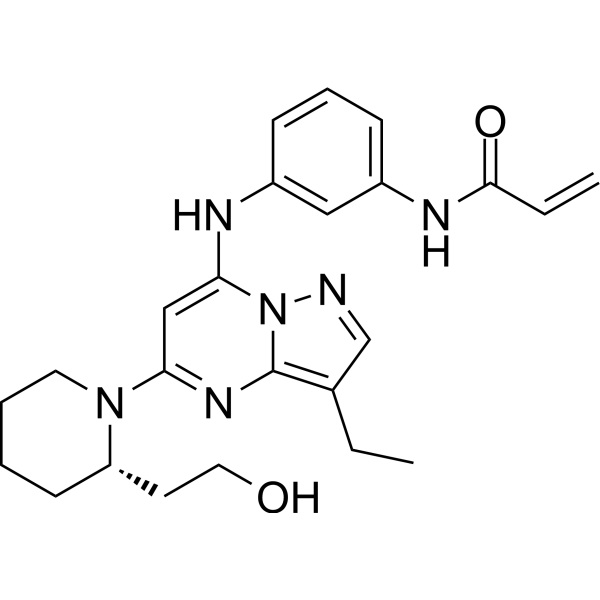
CDK12-IN-E9 is a potent and selective covalent CDK12 inhibitor and a non-covalent CDK9 inhibitor, while avoiding ABC transporter-mediated efflux. CDK12-IN-E9 has weak binding ability to CDK7/CyclinH complex with an IC50> 1 μM .
|
-
-
- HY-W014118
-
|
|
Environmental Pollutants
|
Inflammation/Immunology
Cancer
|
|
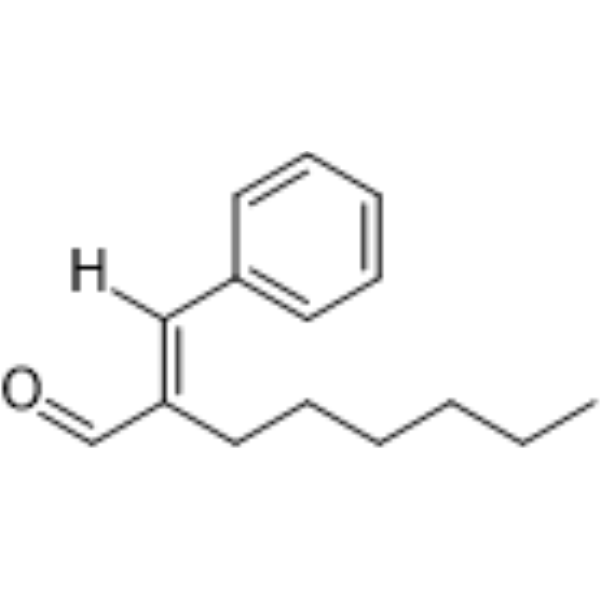
α-Hexylcinnamaldehyde is an O-acetyltransferase (OAT) inhibitor. α-Hexylcinnamaldehyde inhibits OAT-mediated bioactivation of nitroarene mutagens, exerts antimutagenic activity through demutagenic and bioantimutagenic mechanisms, and interferes with ATP-binding cassette (ABC) transporter function to reduce substrate efflux. α-Hexylcinnamaldehyde alters membrane permeability, fluidizes phospholipid membranes, exerts antioxidant effects, and enhances the antiproliferative effect of Doxorubicin on human cancer cells. α-Hexylcinnamaldehyde can be used in the research of colorectal adenocarcinoma, T-cell leukemia, and multidrug-resistant cancers .
|
-
-
- HY-164838
-
|
|
Phospholipase
|
Metabolic Disease
|
|
ABC47 is a potent inhibitor of serine hydrolases. ABC47 shows IC50s of 0.03 and 0.1 μM for ABHD4 and ABHD3, respectively. ABC47 plays an important role in infantile neuronal ceroid lipofuscinosis research .
|
-

-
- HY-124658
-
|
|
Bacterial
|
Infection
|
|
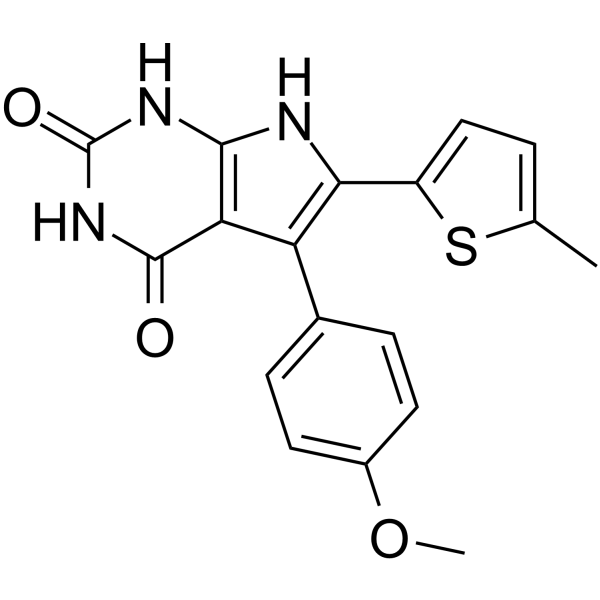
G0507, a pyrrolopyrimidinedione compound, is a potent LolCDE ABC Transporter inhibitor. G0507 is a inhibitor of Escherichia coli growth and induces the extracytoplasmic σE stress response. G0507 acts as a chemical probe to dissect lipoprotein trafficking in Gram-negative bacteria .
|
-
-
- HY-158991
-
|
|
CFTR
|
Inflammation/Immunology
|
|
I1421 is an activator of the cystic fibrosis transmembrane conductance regulator (CFTR) with an EC50 of 64 nM for WT CFTR currents. I1421 also allosterically activates multiple mutants causing cystic fibrosis (CF) with good in vivo potency, with an oral bioavailability of 60% in mice corresponding to a half-life of 75 min. I1421 synergizes with Elexacaftor (HY-111772) to enhance CFTR currents .
|
-

-
- HY-176557
-
-

-
- HY-15805
-
|
|
Src
Btk
|
Cancer
|
|
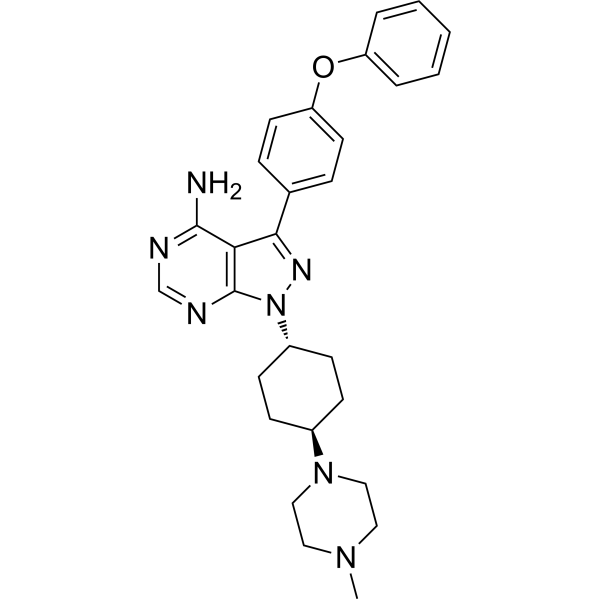
KIN-8194 is an orally active dual inhibitor of HCK and BTK, with IC50 values of 0.915 and <0.495 nM, respectively. KIN-8194 impairs growth and integrin-mediated adhesion of BTKi-resistant mantle cell lymphoma (MCL). KIN-8194 overcomes ibrutinib (HY-10997) resistance with a survival benefit in TMD-8 ABC DLBCL xenografted mice .
|
-
-
- HY-162753
-
|
|
P-glycoprotein
|
Cancer
|
|
ZW-1226 is a dual Tyrosyl DNA phosphodiesterase 2 (TDP2) and Multidrug resistance-associated protein 1 (MRP1) inhibitor with IC50 values of 0.2 and 0.5 μM, respectively. ZW-1226 exhibits selectivity over other ABC transporters. ZW-1226 elevates intracellular GSH levels, and reverses MRP1-mediated drug resistance. ZW-1226 can be used for the research of leukemia, non-small-cell lung cancer, and multidrug resistant small-cell lung cancer .
|
-

-
- HY-160519
-
|
|
Bacterial
Antibiotic
|
Infection
|
|
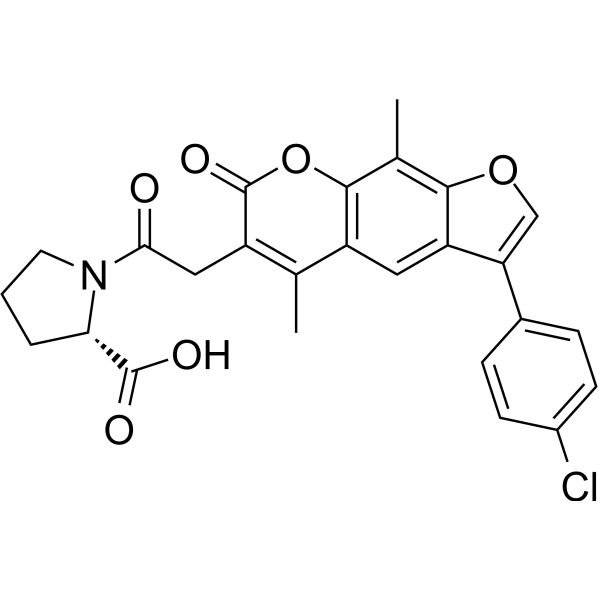
Targocil-II (Compound 2) is an ABC transporter inhibitor with a IC50 value of 137 nM. Targocil-II prevents ATP hydrolysis by binding to allosteric sites of the TM domain. Targocil-II has (antibacterial) activity .
|
-
-
- HY-120252
-
|
|
Ser/Thr Protease
|
Neurological Disease
|
|
ABC44 is a potent serine hydrolase inhibitor with IC50s of 0.1 μM and 6.5 μM for palmitoyl protein thioesterase 1 (PPT1) in situ and in vitro, respectively. ABC44 can be used for researching infantile neuronal ceroid lipofuscinosis .
|
-
-
- HY-113805
-
|
|
P-glycoprotein
|
Cancer
|
|
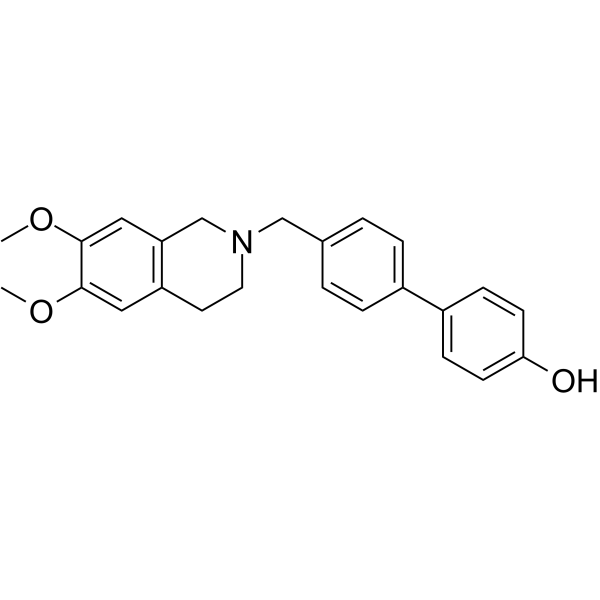
MC70 is a potent and non-selective P-glycoprotein (P-gp) inhibitor with an EC50 of 0.69 µM. MC70 is an ABC transporters inhibitor and anticancer agent. MC70 interacts with ABCB1, ABCG2 and ABCC1 .
|
-
-
- HY-100933
-
-
-
- HY-146112
-
|
|
IRAK
|
Cancer
|
|
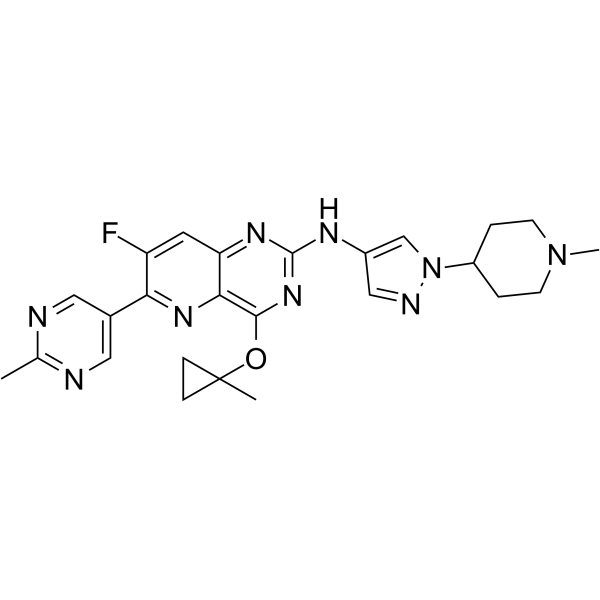
IRAK4-IN-14 (compound 28) is a potent, selective and orally active IRAK4 inhibitor with an IC50 of 0.003 µM. IRAK4-IN-14 shows good PK parameters in rats and mouse. IRAK4-IN-14 shows synergistic in vitro activity against MyD88/CD79 double mutant ABC-DLBCL in combination with Acalabrutinib .
|
-
-
- HY-168929
-
|
|
SHP1
Fluorescent Dye
Phosphatase
STAT
Apoptosis
|
Cancer
|
|
SHP1 activator 1 (Compound 3n) is an activator for src homology-2 domain-containing protein tyrosine phosphatase 1(SHP1) with an EC50 of 17.66 μM. SHP1 activator 1 inhibits the proliferation of ABC-DLBCL cells, induces apoptosis by inhibiting STAT3 signaling pathway. SHP1 activator 1 emitts blue and green fluorescence signalis in MDA-MB-231 cell, and can be used as a cell imaging agent .
|
-

-
- HY-100950
-
|
|
GSK-3
CDK
|
Inflammation/Immunology
Cancer
|
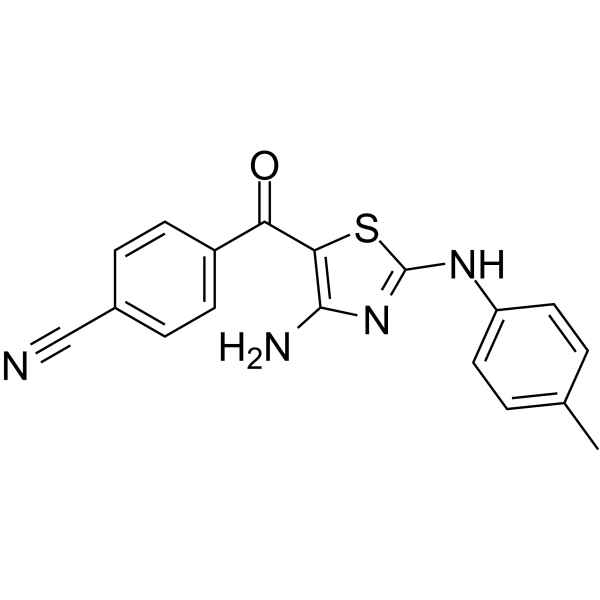
ABC1183 is an orally active selective dual GSK3 and CDK9 inhibitor. ABC1183 inhibits GSK3β, GSK3α and CDK9/cyclin T1 with the IC50 values of 657 nM, 327 nM and 321 nM, respectively. ABC1183 has anti-inflammatory and anti-tumor activities .
|
-
-
- HY-121088
-
|
|
P-glycoprotein
|
Cardiovascular Disease
Others
|
|
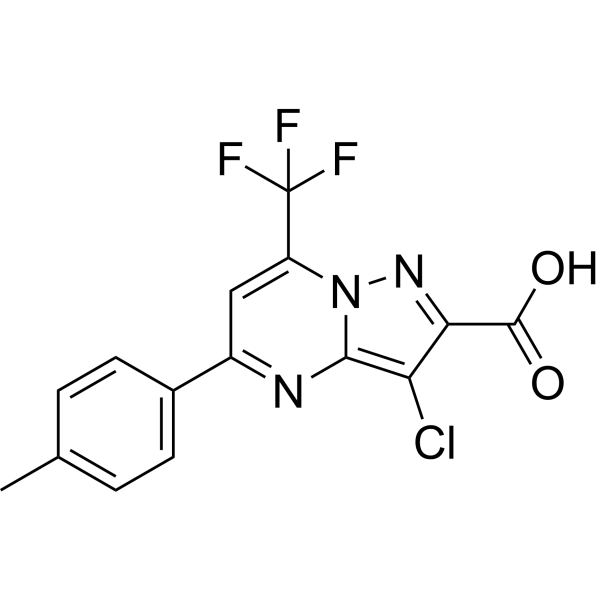
Ceefourin 2 is a potent and highly selective inhibitor of MRP4. Ceefourin 2 inhibits the transport of MRP4 substrates but is not selective for other ABC transporters. Ceefourin 2 shows lower cytotoxicity and higher microsomal and acid stability .
|
-
-
- HY-111678
-
|
CID44640177; SID 88095709
|
BCRP
|
Cancer
|
|
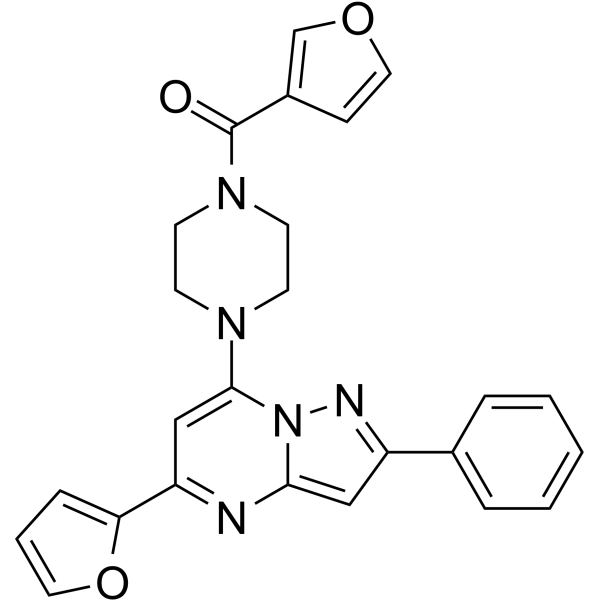
ML230 (CID44640177; SID 88095709) is a selective inhibitor of ATP-binding cassette (ABC) transporter ABCG2, and 36-fold selective for ABCG2 over ABCB1 with EC50s values of 0.13 μM and 4.65 μM, respectively .
|
-
-
- HY-173097
-
|
VH032-Boc derivative 1
|
MALT1
|
Cancer
|
|
(S,R,S)-AHPC-Boc derivative 1 (Compound 80-9; VH032-Boc derivative 1) is a selective proteasomal degrader targeting MALT1, which recruits the E3 ubiquitin ligase CRBN to form a ternary complex with MALT1, leading to ubiquitination and subsequent proteasomal degradation of MALT1. (S,R,S)-AHPC-Boc derivative 1 inhibits the NF-κB signaling pathway by disrupting the CBM complex, demonstrating potential for inducing apoptosis in ABC-DLBCL cells. (S,R,S)-AHPC-Boc derivative 1 is promising for research of MALT1-dependent cancers, such as diffuse large B-cell lymphoma (DLBCL) .
|
-

-
- HY-125143
-
|
|
MAGL
|
Metabolic Disease
|
|
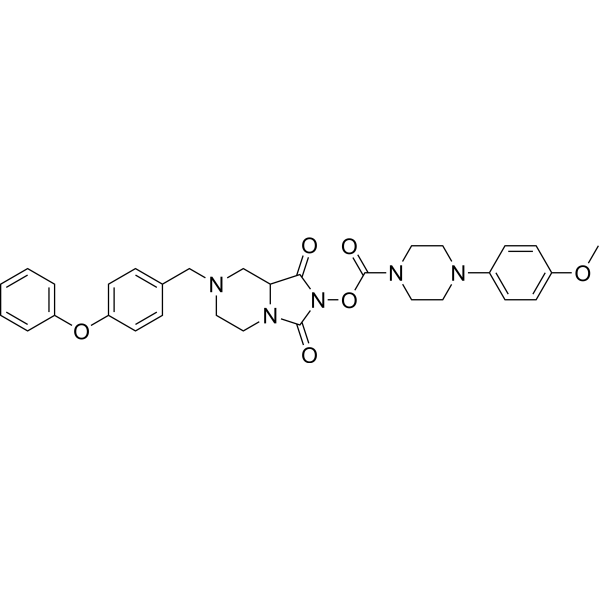
ABC34 is an inactive control compound of JJH260. ABC34 does not inhibit the fluorophosphonate reactivity or fatty acid esters of hydroxy fatty acid (FAHFA) hydrolysis activity of AIG1. ABC34 can inhibit both ABHD6 and PPT122 .
|
-
-
- HY-131902
-
|
|
MALT1
|
Cancer
|
|
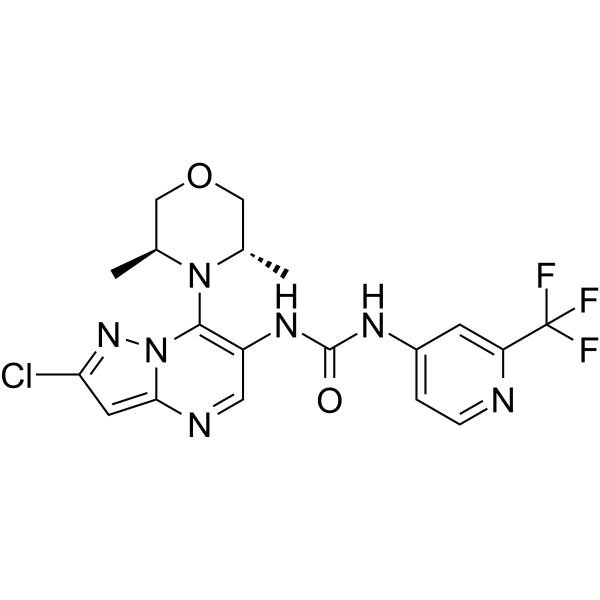
MLT-231 is a potent, highly selective allosteric MALT1 Inhibitor with an IC50 of 9 nM. MLT-231 specifically prevents endogenous BCL10 cleavage with IC50 of 160 nM. MLT-231 shows antitumor activity in an ABC-DLBCL type xenograft model in mouse .
|
-
-
- HY-117622
-
|
|
IRAK
|
Inflammation/Immunology
Cancer
|
|
ND-2110 is a selective IRAK4 inhibitor (Ki: 7.5 nM). ND-2110 binds to the ATP pocket of IRAK4. ND-2110 targets
the subset of activated B cell-like (ABC) subtype of diffuse large B cell lymphoma (DLBCL) cell lines with MYD88 L265P mutations,. ND-2110 inhibits LPS-induced TNF production, alleviates collagen-induced arthritis, and blocks gout formation in mouse models .
|
-

-
- HY-145417
-
|
|
Bacterial
|
Infection
|
|
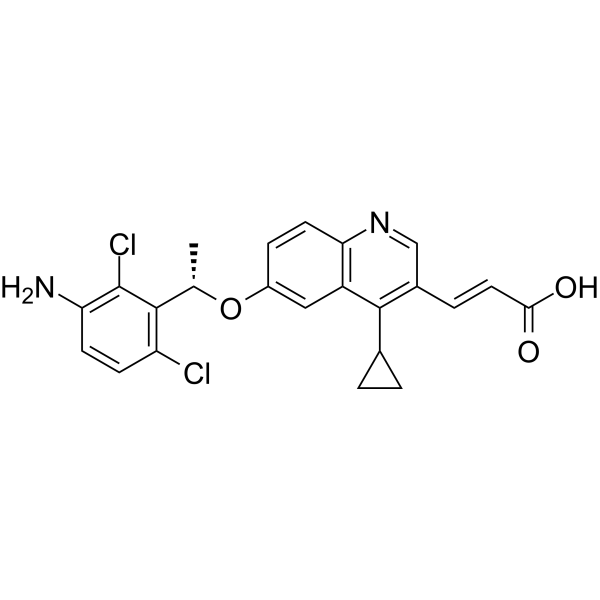
G092 is a potent inhibitor of MsbA. MsbA is an ABC transporter. Transmembrane ATP-binding cassette (ABC) transporters are crucial cellular machines that move molecules small and large across membranes. G092 has the potential for the research of antimicrobial agents .
|
-
-
- HY-16015A
-
|
Abc294640 hydrochloride
|
SphK
|
Cancer
|
|
Opaganib (ABC294640) hydrochloride is a selective, competitive sphingosine kinase 2 (SK2) inhibitor with Ki of 9.8 μM.
|
-

-
- HY-162268
-
|
|
MALT1
Apoptosis
|
Inflammation/Immunology
Cancer
|
|
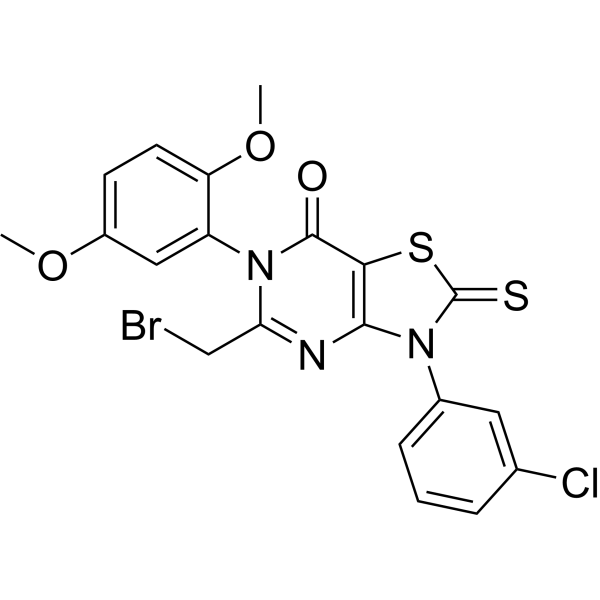
MALT1-IN-13 (compound 10m) is inhibitor for mucosa-associated lymphoid tissue lymphoma translocation protein 1 (MALT1), which to binds MALT1 protease covalently and irreversibly, inhibits MALT1 with the IC50 of 1.7 μM. MALT1-IN-13 inhibits proliferation against ABC-DLBCL and induces apoptosis in ABC-DLBCL HBL1. MALT1-IN-13 regulates mTOR and PI3K-Akt pathways .
|
-
-
- HY-16015R
-
|
Abc294640 (Standard)
|
SphK
Reference Standards
|
Cancer
|
|
Opaganib (Standard) is the analytical standard of Opaganib. This product is intended for research and analytical applications. Opaganib (ABC294640) is a selective, competitive sphingosine kinase 2 (SK2) inhibitor with Ki of 9.8 μM.
|
-

-
- HY-126988
-
|
α-MAPI
|
Elastase
|
Others
|
|
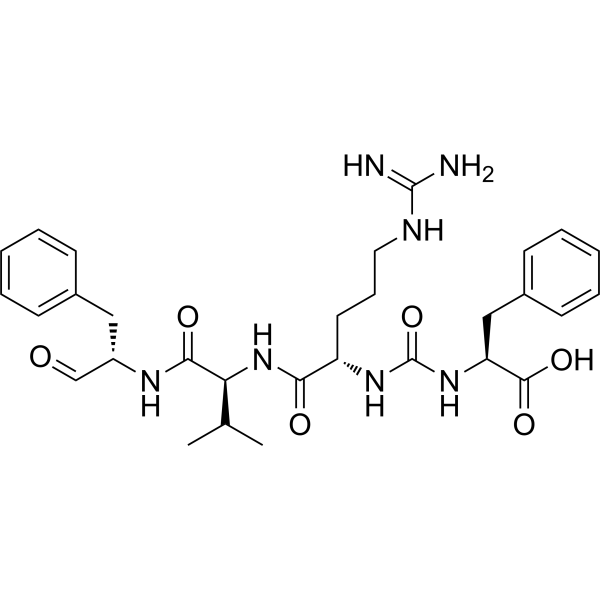
SP-Chymostatin B (α-MAPI) is a strong inhibitor of many proteases, including chymotrypsin, papain, chymotrypsin-like serine proteinases, chymases, and lysosomal cysteine proteinases such as cathepsins A,B,C, H, and L. SP-Chymostatin B weakly inhibits human leucocyte elastase .
|
-
-
- HY-164462
-
|
|
PKC
NF-κB
Apoptosis
|
Cancer
|
|
BHA536 is an orally active selective inhibitor for PKCα/β and NF-kB signaling pathway. BHA536 inhibits the proliferation of CD79-mutated ABC DLBCL cell, arrests cell cycle at G1 phase, and induces apoptosis in TMD8 cell. BHA536 exhibits antitumor efficacy in mice .
|
-

-
- HY-130004
-
|
|
Antibiotic
Bacterial
|
Infection
|
|
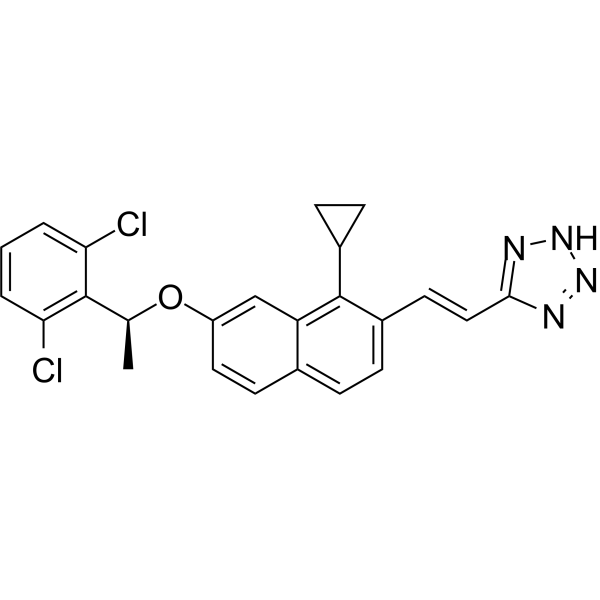
MsbA-IN-6 is a potent inhibitor of MsbA. MsbA-IN-6 is an antibiotic. Gram-negative ATP-binding cassette (ABC) transporter MsbA, an essential inner membrane protein, transports lipopolysaccharide from the inner leaflet to the periplasmic face of the inner membrane. MsbA-IN-6 kills Escherichia coli through inhibition of its ATPase and transport activity, with no loss of activity against clinical multidrug-resistant strains .
|
-
-
- HY-146113
-
|
|
IRAK
|
Cancer
|
|
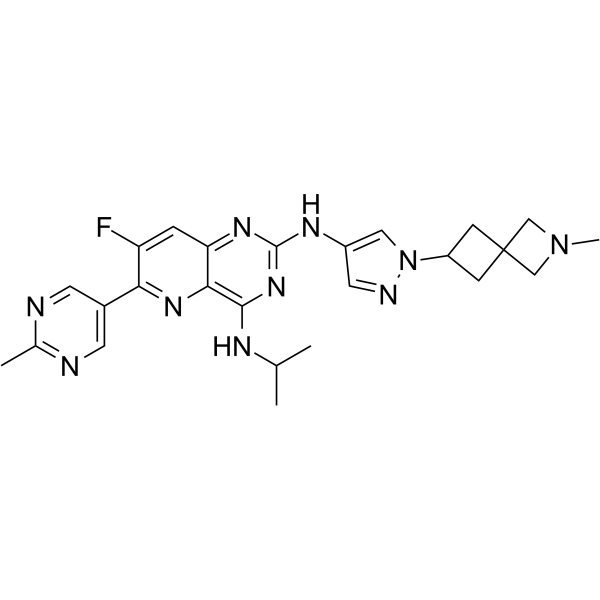
IRAK4-IN-15 (compound 35) is a potent and selective IRAK4 inhibitor with an IC50 of 0.002 µM. IRAK4-IN-15 shows good human PK predictions with low intrinsic clearance. IRAK4-IN-15 shows great synergistic in vitro activity against MyD88/CD79 double mutant ABC-DLBCL in combination with Acalabrutinib. .
|
-
-
- HY-155152
-
|
|
P-glycoprotein
BCRP
|
Cancer
|
|
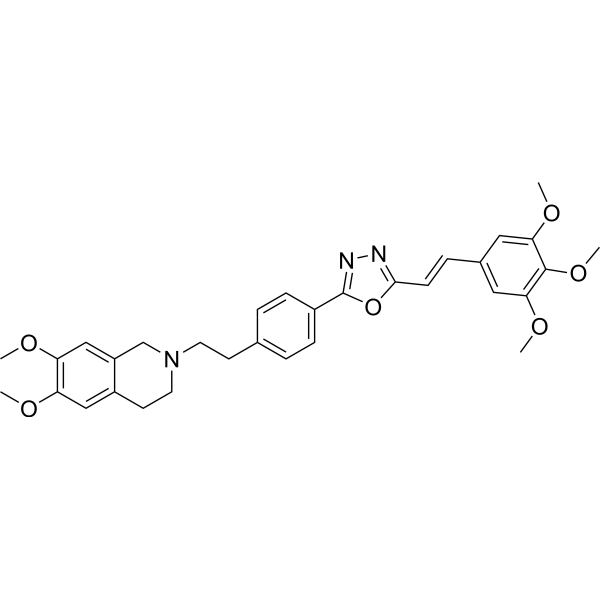
P-gp/BCRP-IN-2 (compound 15) is an oxadiazole derivative and a dual inhibitor of the ABC transporter P-glycoprotein (IC50: 1.6 nM) and BCRP (IC50: 600 nM). P-gp/BCRP-IN-2 also enhances the anti-proliferative effects of Doxorubicin (HY-15142A) in drug-resistant human adenocarcinoma colon cancer cell lines HT29/DX and MDCK-MDR1 cells .
|
-
-
- HY-145483A
-
|
KYM-001 hydrochloride; PROTAC IRAK4 degrader-7 hydrochloride
|
PROTACs
IRAK
Apoptosis
|
Cancer
|
|
KT-474 (KYM-001; PROTAC IRAK4 degrader-7) hydrochloride is an orally active PROTAC IRAK4 degrader with anti-tumor effects. KT-474 inhibits the cell cycle and induces apoptosis. KT-474 induces tumor regression in a xenograft model of MYD88-mutated ABC DLBCL. KT-474 is a click chemistry reagent, containing an alkyne group, which can undergo copper-catalyzed azide-alkyne cycloaddition (CuAAc) with molecules containing azide groups .
|
-

-
- HY-W014118R
-
|
|
Reference Standards
Environmental Pollutants
|
Cancer
|
|
α-Hexylcinnamaldehyde (Standard) is the analytical standard of α-Hexylcinnamaldehyde. This product is intended for research and analytical applications. α-Hexylcinnamaldehyde is an O-acetyltransferase (OAT) inhibitor. α-Hexylcinnamaldehyde inhibits OAT-mediated bioactivation of nitroarene mutagens, exerts antimutagenic activity through demutagenic and bioantimutagenic mechanisms, and interferes with ATP-binding cassette (ABC) transporter function to reduce substrate efflux. α-Hexylcinnamaldehyde alters membrane permeability, fluidizes phospholipid membranes, exerts antioxidant effects, and enhances the antiproliferative effect of Doxorubicin on human cancer cells. α-Hexylcinnamaldehyde can be used in the research of colorectal adenocarcinoma, T-cell leukemia, and multidrug-resistant cancers .
|
-

-
- HY-175177
-
|
|
Apoptosis
Caspase
β-catenin
|
Cancer
|
|
Xiap-casp7 PPI-IN-1 is a reversible XIAP: CASP7 inhibitor with specifically disrupting the interaction between XIAP and CASP7. XIAP-CASP7 PPI-IN-1 selectively induce MCF-7 and other caspase-3 down-regulation (CASP3/DR) triple-negative breast cancer cell apoptosis. XIAP-CASP7 PPI-IN-1 overcomes chemoresistance via down-regulating β-catenin and its associated ABC transporters in Paclitaxel (HY-B0015)-resistant MCF-7 cells. XIAP-CASP7 PPI-IN-1 can be used for the study of breast cancer .
|
-

-
- HY-100950R
-
|
|
GSK-3
Reference Standards
CDK
|
Inflammation/Immunology
Cancer
|
ABC1183 (Standard) is the analytical standard of ABC1183 (HY-100950). This product is intended for research and analytical applications. ABC1183 is an orally active selective dual GSK3 and CDK9 inhibitor. ABC1183 inhibits GSK3β, GSK3α and CDK9/cyclin T1 with the IC50 values of 657 nM, 327 nM and 321 nM, respectively. ABC1183 has anti-inflammatory and anti-tumor activities .
|
-

-
- HY-112385
-
|
|
SphK
PERK
|
Cancer
|
|
ABC294735 is an orally active SK1/SK2 inhibitor. Combination of ABC294735 with Sorafenib (HY-10201) reduces pERK. ABC294735 exhibits anticancer activity against pancreatic adenocarcinoma and renal cell carcinoma. ABC294735 can be used in research related to pancreatic adenocarcinoma and renal cell carcinoma .
|
-

-
- HY-10161R
-
|
VX 680 (Standard); MK-0457 (Standard)
|
Aurora Kinase
Reference Standards
Autophagy
|
Cancer
|
|
Tozasertib (Standard) is the analytical standard of Tozasertib (HY-10161). This product is intended for research and analytical applications. Tozasertib (VX 680; MK-0457) is an inhibitor of Aurora A/B/C kinases with Kis of 0.6, 18, 4.6 nM, respectively.
|
-

-
- HY-109019R
-
|
CM082 (Standard); X-82 (Standard)
|
Reference Standards
VEGFR
PDGFR
|
Cardiovascular Disease
Cancer
|
|
Vorolanib (Standard) is the analytical standard of Vorolanib (HY-109019). This product is intended for research and analytical applications. Vorolanib (CM082) is an orally active, potent multiKinase VEGFR/PDGFR inhibitor. Vorolanib is a potent ATP-binding cassette (ABC) transporter inhibitor. Vorolanib is an angiogenesis inhibitor and has antitumor activity combined with ZD1839 (HY-50895) .
|
-

-
- HY-101453R
-
|
|
P-glycoprotein
Reference Standards
|
Cancer
|
|
Ceefourin 1 (Standard) is the analytical standard of Ceefourin 1 (HY-101453). This product is intended for research and analytical applications. Ceefourin 1 is a potent and highly selective multidrug resistance protein 4 (MRP4) inhibitor. Ceefourin 1 inhibits transport of a broad range of MRP4 substrates, yet is highly selective for MRP4 over other ABC transporters. Ceefourin 1 is a benzothiazol and primarily as a chemosensitizer for high-risk neuroblastoma .
|
-

| Cat. No. |
Product Name |
Category |
Target |
Chemical Structure |
-
- HY-W014118
-
|
|
Classification of Application Fields
Ketones, Aldehydes, Acids
Endogenous metabolite
Disease Research Fields
Source Classification
Cancer
|
Environmental Pollutants
|
|
α-Hexylcinnamaldehyde is an O-acetyltransferase (OAT) inhibitor. α-Hexylcinnamaldehyde inhibits OAT-mediated bioactivation of nitroarene mutagens, exerts antimutagenic activity through demutagenic and bioantimutagenic mechanisms, and interferes with ATP-binding cassette (ABC) transporter function to reduce substrate efflux. α-Hexylcinnamaldehyde alters membrane permeability, fluidizes phospholipid membranes, exerts antioxidant effects, and enhances the antiproliferative effect of Doxorubicin on human cancer cells. α-Hexylcinnamaldehyde can be used in the research of colorectal adenocarcinoma, T-cell leukemia, and multidrug-resistant cancers .
|
-
-
- HY-W014118R
-
|
|
Ketones, Aldehydes, Acids
Endogenous metabolite
Source Classification
|
Reference Standards
Environmental Pollutants
|
|
α-Hexylcinnamaldehyde (Standard) is the analytical standard of α-Hexylcinnamaldehyde. This product is intended for research and analytical applications. α-Hexylcinnamaldehyde is an O-acetyltransferase (OAT) inhibitor. α-Hexylcinnamaldehyde inhibits OAT-mediated bioactivation of nitroarene mutagens, exerts antimutagenic activity through demutagenic and bioantimutagenic mechanisms, and interferes with ATP-binding cassette (ABC) transporter function to reduce substrate efflux. α-Hexylcinnamaldehyde alters membrane permeability, fluidizes phospholipid membranes, exerts antioxidant effects, and enhances the antiproliferative effect of Doxorubicin on human cancer cells. α-Hexylcinnamaldehyde can be used in the research of colorectal adenocarcinoma, T-cell leukemia, and multidrug-resistant cancers .
|
-
| Cat. No. |
Product Name |
|
Classification |
-
- HY-145483
-
KT-474
1 Publications Verification
KYM-001; PROTAC IRAK4 degrader-7
|
|
PROTAC Synthesis
|
|
KT-474 (KYM-001; PROTAC IRAK4 degrader-7) is an orally active PROTAC IRAK4 degrader with anti-tumor effects. KT-474 inhibits the cell cycle and induces apoptosis. KT-474 induces tumor regression in a xenograft model of MYD88-mutated ABC DLBCL. KT-474 is a click chemistry reagent, containing an alkyne group, which can undergo copper-catalyzed azide-alkyne cycloaddition (CuAAc) with molecules containing azide groups .
|
Your information is safe with us. * Required Fields.
Inquiry Information
- Product Name:
- Cat. No.:
- Quantity:
- MCE Japan Authorized Agent:








